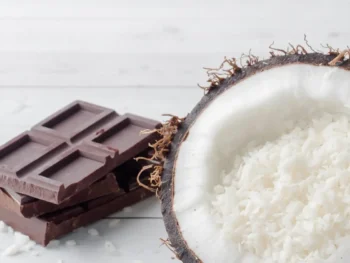
In the ever-expanding world of healthy snacks, one tropical ingredient continues to rise above the rest for its unique flavor, versatility, and nutritional punch: coconut flakes. These crisp, naturally sweet shavings of dried coconut meat are more than just a topping for smoothie bowls—they’re a nutrient-rich, energy-boosting snack that fits seamlessly into a healthy lifestyle.
Whether you're an athlete looking for natural fuel, a busy professional in need of a mid-afternoon pick-me-up, or simply someone who loves tasty whole foods, coconut flakes deserve a starring role in your pantry.
In this article, we'll explore the nutritional benefits of coconut flakes, how they're made, their role in energy and wellness, creative ways to enjoy them, and what to look for when choosing the best quality.
What Are Coconut Flakes?
Coconut flakes are thin, wide shavings of dried coconut meat, typically made from mature coconuts. Unlike shredded coconut, which is often finely grated and used in baking, flakes are larger and chewier, making them ideal as a snack on their own or a garnish for a variety of dishes.
They come in different forms:
- Raw (unsweetened, untoasted) – the most natural form
- Toasted – lightly roasted for added crunch and flavor
- Sweetened – coated with sugar or syrup (less healthy)
- Flavored – spiced with cinnamon, cocoa, or vanilla
For maximum nutritional benefit, look for unsweetened, organic coconut flakes with minimal processing.
How Coconut Flakes Are Made
The process of making coconut flakes is simple and natural:
- Harvesting: Mature coconuts are harvested when the flesh inside is thick and firm.
- Cracking and Paring: The outer husk and hard shell are removed. The brown skin (testa) may also be pared off.
- Shaving: The white flesh is shaved or sliced into wide flakes.
- Drying: The flakes are dehydrated using hot air or sun drying to reduce moisture and extend shelf life.
Some versions are lightly toasted after drying for added flavor and crunch.
Nutritional Powerhouse: What's Inside?

Coconut flakes are rich in healthy fats, particularly medium-chain triglycerides (MCTs), which are easily absorbed and used by the body for quick energy. Here's what makes them an ideal snack:
Per 28g (1 oz) serving of unsweetened coconut flakes:
- Calories: ~185
- Fat: 18 g (primarily saturated fat from MCTs)
- Carbohydrates: 6–7 g
- Fiber: 4–5 g
- Protein: 2–3 g
- Sugar: ~1 g (natural)
Key nutrients:
- Manganese – supports bone health and metabolism
- Copper – essential for energy production
- Iron – aids in oxygen transport
- Selenium – antioxidant properties
- Zinc & Potassium – vital for immune and muscle function
The Energy Boosting Benefits of Coconut Flakes
1. Fast, Clean Fuel
Thanks to their MCT content, coconut flakes offer quick-burning energy without spiking blood sugar. MCTs are metabolized rapidly by the liver and used immediately for fuel, making coconut a great pre- or post-workout snack.
2. Satiety and Blood Sugar Control
The combination of healthy fats and fiber makes coconut flakes a snack that satisfies. You feel fuller for longer, with less likelihood of reaching for sugary, processed snacks.
3. Supports Brain Function
MCTs are also being studied for their potential benefits to brain health, particularly in providing alternative fuel for people with cognitive challenges or memory decline.
4. Sustained Energy for Active Lifestyles
Whether you’re hiking, traveling, or just powering through a long day, coconut flakes are a portable, mess-free, and energizing snack.
Coconut Flakes vs. Other Snack Options
| Snack | Calories | Fiber | Sugar | Fat (good) | Shelf-Stable |
|---|---|---|---|---|---|
| Coconut Flakes | ~185 | 5g | 1g | 18g | Yes |
| Granola Bar | ~200 | 2g | 10–12g | 5–8g | Yes |
| Trail Mix (with fruit) | ~220 | 3g | 12g | 10g | Yes |
| Banana | ~105 | 3g | 14g | 0g | No |
Compared to traditional snacks, coconut flakes have less sugar, more healthy fats, and more satiating fiber, without any artificial additives.
Creative Ways to Enjoy Coconut Flakes

1. Straight from the Bag
Perfectly crunchy and subtly sweet, unsweetened coconut flakes are a satisfying snack on their own.
2. Toasted for Extra Flavor
Toss raw flakes into a dry skillet for 2–3 minutes until golden. The nutty aroma intensifies, adding complexity to any dish.
3. Toppings Galore
Sprinkle on:
- Smoothie bowls
- Yogurt
- Oatmeal
- Salads
- Roasted veggies (like carrots or sweet potatoes)
4. In Homemade Trail Mix
Mix with nuts, seeds, and a few dried fruits for a custom trail mix that’s rich in healthy fats and low in sugar.
5. In Savory Dishes
Try coconut flakes in:
- Thai-inspired curries
- Grain bowls with turmeric and roasted veggies
- Coconut rice dishes
6. Baking & Energy Bites
Add to:
- Muffins
- Granola bars
- Homemade protein bites with dates and nuts
7. Dessert Garnishes
Top puddings, chocolate bark, or fruit crisps with toasted flakes for a tropical crunch.
Choosing the Best Coconut Flakes
Not all coconut flakes are created equal. Here’s what to look for:
- Organic: Avoid pesticide residues.
- Unsweetened: Many commercial products contain added sugars.
- No preservatives: Look for single-ingredient lists (e.g., “organic coconut”).
- Minimal processing: Raw or gently dried coconut retains more nutrients.
- Ethically sourced: Fair trade and sustainable farming support both people and planet.
Avoid flakes that list ingredients like sulfur dioxide (a preservative) or refined sugar if you’re seeking the healthiest version.
Shelf Life and Storage
Coconut flakes are naturally shelf-stable when stored properly:
- Keep in a cool, dry place away from sunlight.
- Store in an airtight container once opened.
- For long-term storage, refrigerate or freeze to preserve freshness.
Properly stored flakes can last 6–12 months.
Coconut Flakes and Dietary Lifestyles

Coconut flakes are:
- Keto-friendly
- Paleo-approved
- Vegan and vegetarian
- Gluten-free
- Dairy-free
This makes them a versatile addition to nearly any eating style.
Final Thoughts
Coconut flakes offer the perfect balance between flavor, nutrition, and convenience. With their high MCT content, dietary fiber, and naturally sweet taste, they’re a satisfying snack that fuels your body and supports your wellness goals. Whether eaten straight from the bag, added to meals, or turned into creative snacks, coconut flakes are truly the ultimate snack for energy and nutrition.
So next time you’re reaching for a snack, skip the sugary bar or greasy chips—grab a handful of coconut flakes instead and power your day, the tropical way.