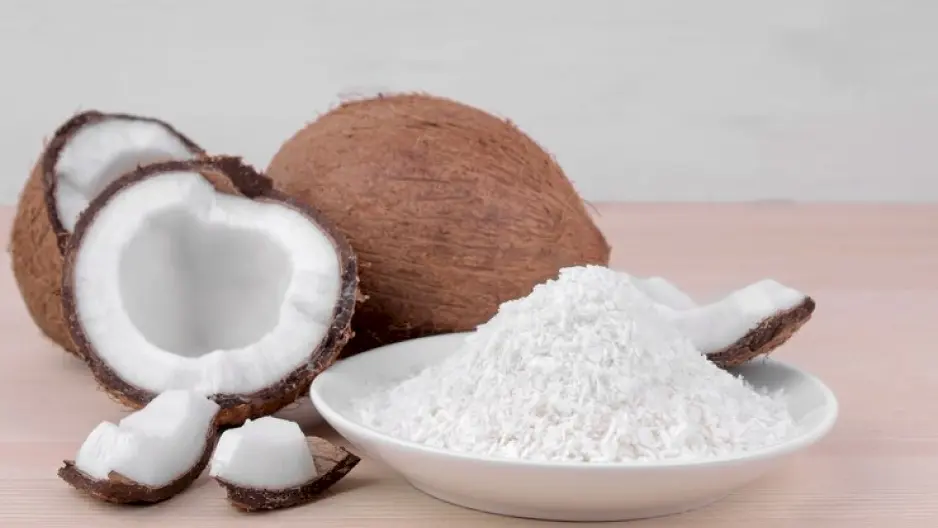
Desiccated coconut is not automatically sweetened. The Codex Standard for Desiccated Coconut (CXS 177-1991) specifically excludes sugared products from its scope.
In practical retail and food-industry use, however, you may still see products described as “sweetened desiccated coconut” or “sweetened shredded coconut.”
The safest approach is to check the ingredient declaration and supplier specification rather than assume from the product name alone.
For buyers and product developers, the important distinction is not only the cut of the coconut, but whether sugar has been added and how that changes the finished ingredient.
Quick Answer: Is Desiccated Coconut Sweetened?
Standard desiccated coconut is generally treated as an unsweetened dried coconut ingredient, while sweetened coconut is a further-processed product with added sugar or another sweetening ingredient.
The terminology can vary by market and brand, so always verify the ingredient list, added-sugar statement, or supplier specification.
For an authoritative product reference, see the Codex Standard for Desiccated Coconut (CXS 177-1991), which defines desiccated coconut and excludes salted, sugared, flavoured, or roasted products from the standard.
What Is Desiccated Coconut?

Desiccated coconut is made from the white kernel of mature coconut that is prepared, grated or comminuted, dried, and sifted into a specified size. It is sold in grades such as fine, medium, and other special cuts.
This article focuses specifically on the sweetening question. For a broader explanation of grades, cooking uses, rehydration, and the difference between desiccated, shredded, and grated coconut, read our complete guide to cooking with desiccated coconut.
Sweetened vs Unsweetened Desiccated Coconut
Sweetening changes more than flavor. It can also change the ingredient declaration, formulation balance, texture, and the way the coconut behaves in a finished product.
| Factor | Standard / Unsweetened Desiccated Coconut | Sweetened Coconut Product |
| Added sugar | Normally supplied without added sweetener; confirm the specification. | Contains added sugar or another sweetening ingredient. |
| Taste | Natural coconut flavor with mild natural sweetness. | Noticeably sweeter and more dessert-oriented. |
| Moisture / texture | Typically dry and free-flowing, depending on cut and specification. | May be softer or chewier depending on the formulation and moisture level. |
| Formulation control | Allows the manufacturer to control sugar separately. | Adds sweetness as part of the coconut ingredient itself. |
| Common applications | Bakery, confectionery, cereal, snacks, savory foods, coatings, fillings. | Desserts, confectionery, fillings, toppings, and products designed for added sweetness. |
| Buyer check | Grade, cut size, moisture, oil content, microbiology, packaging. | Ingredient declaration, added sugar, cut size, moisture, microbiology, packaging. |
Important: do not assume every product sold as “sweetened coconut” has the same moisture or sugar level. Those values depend on the manufacturer and formulation.
Does Desiccated Coconut Have Added Sugar?

Unsweetened desiccated coconut does not need added sugar to taste mildly sweet because coconut meat naturally contains carbohydrates and naturally occurring sugars.
That is different from a sweetened coconut product, where sugar or another sweetener is added during processing or formulation.
For packaged retail products, check the ingredient list and nutrition label. For bulk B2B ingredients, ask for the current product specification and ingredient declaration.
If you are specifically looking for nutrition, added-sugar, saturated-fat, and moderation considerations, see our guide to whether desiccated coconut can be bad for you. This page focuses on product type and formulation rather than health claims.
Is Shredded Coconut the Same as Desiccated Coconut?
Not always, because the terminology depends on the market.
In bulk ingredient trade, “shredded coconut” can describe a cut or presentation of dried coconut, while in some retail markets the term may refer to a product that is either sweetened or unsweetened.
That means “shredded” describes the physical cut more than the sweetening status.
A shredded coconut product can be sweetened or unsweetened, so the label or supplier specification still matters.
For a deeper comparison of desiccated, shredded, grated, and flaked coconut formats, use our desiccated coconut cooking and terminology guide or our coconut flakes vs desiccated coconut comparison.
How Sweetening Changes Coconut in a Recipe
1. Sweetness and Sugar Balance
A sweetened coconut ingredient adds sugar together with the coconut itself. This can be useful in desserts and confectionery, but it gives the formulator less independent control over total sweetness.
With unsweetened desiccated coconut, the recipe developer can add sugar, syrup, or another sweetener separately and adjust the sweetness more precisely.
2. Moisture and Texture
Standard desiccated coconut is a low-moisture dried ingredient. Sweetened coconut products can be formulated differently and may feel softer or chewier. That difference can affect dough, batter, fillings, and the final bite of a product.
3. Browning During Baking
Additional sugar can contribute to faster browning during baking or toasting. If a recipe is changed from unsweetened to sweetened coconut, time and temperature may need to be tested rather than assumed to behave exactly the same.
4. Batch Consistency
For commercial production, changing between sweetened and unsweetened coconut is a formulation change. Ingredient composition, moisture, particle size, and sweetness can all influence the finished product.
When Should You Use Sweetened vs Unsweetened Coconut?
| Application Need | Better Starting Point | Why |
| Maximum control over sweetness | Unsweetened desiccated coconut | Sugar can be adjusted separately in the formula. |
| Dessert or confectionery designed for extra sweetness | Sweetened coconut product | The coconut itself contributes additional sweetness. |
| Savory foods | Unsweetened desiccated coconut | Avoids introducing added sweetness into the dish. |
| Industrial bakery formulation | Depends on the product specification | Moisture, cut size, sweetness, and processing behavior should be tested. |
| Toppings and fillings | Either, depending on target taste and texture | The correct choice depends on the intended sensory profile. |
There is no universal “better” option. The correct choice depends on the target sweetness, texture, ingredient declaration, and manufacturing process.
What Food Manufacturers Should Check Before Buying
For B2B sourcing, the product name alone is not enough. A buyer should confirm the current specification before approving an ingredient for production.
- Ingredient declaration and whether sugar or another sweetener is added.
- Added-sugar level or formulation information when relevant to the finished product.
- Cut or particle size: fine, medium, shredded, long thread, flakes, or another specified presentation.
- Moisture specification.
- Oil or fat specification where relevant to the grade.
- Color, flavor, and sensory expectations.
- Microbiological specification and relevant quality-control parameters.
- COA availability for the supplied batch, where applicable.
- Bulk packaging format and storage conditions.
- A pre-production sample for formulation testing when switching product type or supplier.
Codex CXS 177-1991 gives a useful reference framework for standard desiccated coconut, including product definition, sizing, moisture, oil-content classes, hygiene, and packaging.
Those standard parameters should not automatically be applied to a sweetened formulation, because sugared products are outside the scope of that Codex standard.
For commercial sourcing information, grades, specifications, and ordering considerations, see our bulk desiccated coconut from Indonesia guide.
Conclusion
The key distinction is not simply whether coconut is shredded or desiccated, but whether sugar has been added and what specification the product is manufactured to.
Standard desiccated coconut and sweetened coconut products can behave differently in food formulations, so buyers should confirm ingredients, moisture, cut size, and other relevant specifications before sourcing.
If your formulation requires unsweetened desiccated coconut for bakery, confectionery, cereal, snack, or other food applications, explore our bulk desiccated coconut sourcing guide or contact the Global Coco Sugar export team to discuss specifications and current supply options.
Frequently Asked Questions
Is desiccated coconut sweetened?
Not necessarily. Standard desiccated coconut is generally supplied as an unsweetened dried coconut ingredient. Products described as sweetened coconut contain added sugar or another sweetening ingredient, so check the label or supplier specification.
Does desiccated coconut contain sugar?
Coconut naturally contains some sugar and carbohydrates. “Unsweetened” means no sugar has been added for sweetness; it does not mean the coconut is chemically sugar-free.
What is the difference between sweetened and unsweetened coconut?
The main difference is added sweetener. That difference can also affect total sweetness, ingredient declaration, texture, moisture, and how the ingredient behaves in a recipe or commercial formulation.
Is shredded coconut always sweetened?
No. Shredded coconut can be sweetened or unsweetened. “Shredded” describes the cut or presentation, so the sweetening status must be confirmed separately.
Can I use sweetened coconut instead of unsweetened coconut?
Sometimes, but it is not a neutral substitution. The extra sweetness and possible differences in moisture can change the finished product. Reduce other sweeteners only after testing the recipe rather than assuming a fixed conversion.
What should food manufacturers check before sourcing desiccated coconut?
Review the ingredient declaration, cut size, moisture, oil or fat specification where relevant, microbiological parameters, packaging, available COA, and any sweetening formulation. Test a sample when product performance is important.