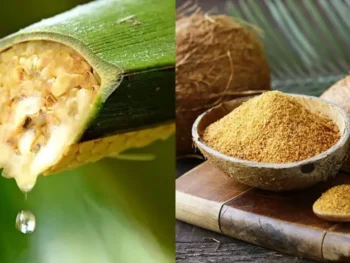
Coconut sugar, also known as coconut palm sugar, has gained popularity in recent years as a natural alternative to refined white sugar. Derived from the sap of the coconut palm tree (Cocos nucifera), it is often heralded as a healthier option due to its lower glycemic index, minimal processing, and unique flavor profile. In this article, we will explore the benefits and potential drawbacks of using coconut sugar in cooking and baking, how it compares to other sweeteners, and offer some practical tips and recipes to help you incorporate this versatile ingredient into your culinary repertoire.
What is Coconut Sugar?
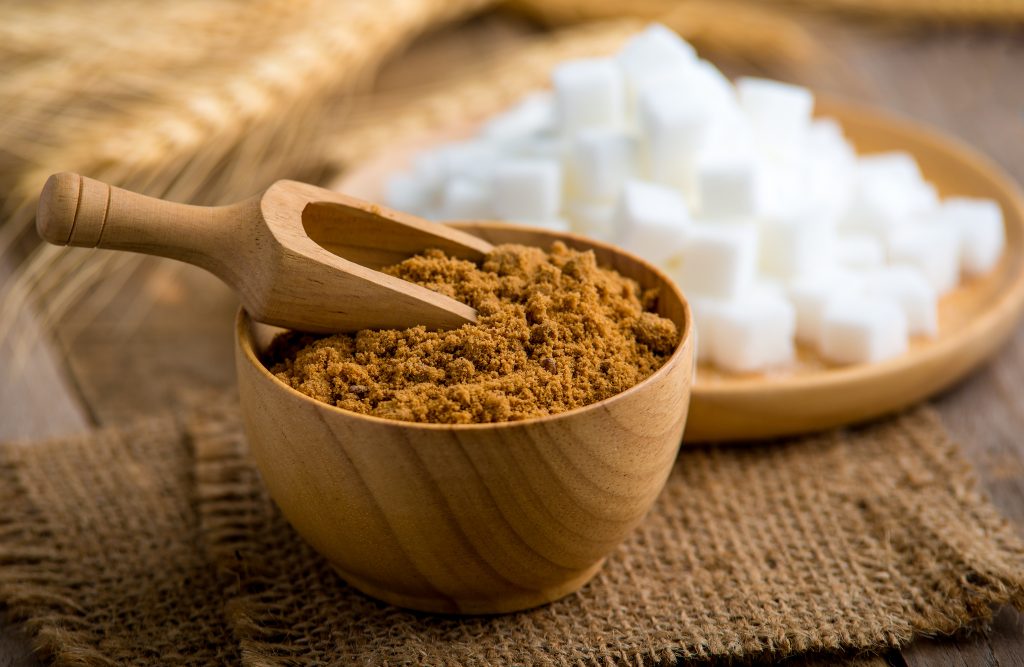
Coconut sugar is made by tapping the sap from the flower buds of the coconut palm tree. The sap is collected and then heated to evaporate the moisture, leaving behind granules of sugar. The result is a golden-brown sugar with a mild caramel-like flavor that closely resembles that of brown sugar, but with distinct notes of coconut. Unlike refined sugars, which undergo extensive processing to remove molasses and other natural components, coconut sugar retains some of its nutrients, making it a more appealing option for those looking for a less processed sweetener.
One of the key selling points of coconut sugar is its relatively low glycemic index (GI) compared to traditional sugar. The GI measures how quickly a food raises blood sugar levels, with lower GI foods causing a slower, more gradual increase. Coconut sugar has a GI of around 35, which is significantly lower than that of table sugar (which has a GI of around 60-65). As such, it is often promoted as a better option for people with concerns about blood sugar levels, such as those with diabetes or those trying to maintain stable energy levels.
Coconut palm sugar also contains small amounts of vitamins and minerals, including iron, zinc, calcium, and potassium, as well as inulin, a prebiotic fiber that can help support gut health. While these nutrients are present in trace amounts and should not be relied upon as a primary source of nutrition, they contribute to the appeal of coconut sugar as a more "natural" sweetener.
The Benefits of Using Coconut Palm Sugar
- Lower Glycemic Index
As mentioned earlier, one of the primary reasons many people choose coconut sugar over refined white sugar is its lower glycemic index. The slower absorption of glucose into the bloodstream may help prevent spikes and crashes in blood sugar levels, making it a better choice for people with insulin resistance or diabetes. - Rich in Trace Nutrients
Although coconut palm sugar is not a significant source of vitamins and minerals, it does contain trace amounts of beneficial nutrients. These include iron, magnesium, potassium, and zinc. These micronutrients can support overall health, particularly for individuals who do not get enough of these nutrients from their diet. - Natural and Unrefined
Coconut palm sugar is minimally processed compared to white sugar, which often undergoes heavy refining and bleaching. This means that coconut sugar retains more of the natural compounds found in the sap, which some believe offers a more wholesome alternative. Additionally, coconut sugar is typically free from artificial additives or preservatives. - Slightly More Sustainable
The production of coconut sugar is often considered more environmentally friendly than other forms of sugar. The coconut palm tree requires less water and fewer resources to grow than sugar cane or sugar beet crops, and it produces sap for many years, making it a more sustainable agricultural product in some regions. - Caramel-like Flavor
Coconut sugar’s unique flavor, which is reminiscent of brown sugar but with a subtle hint of coconut, makes it a great addition to both sweet and savory dishes. Its rich flavor profile can enhance desserts, beverages, sauces, and marinades, adding complexity without overpowering the other ingredients.
How to Use Coconut Sugar in Cooking and Baking

Coconut palm sugar can be used in many of the same ways as traditional sugar in both cooking and baking. However, because it has a different texture and flavor profile, there are a few adjustments to consider when using it as a substitute.
1. In Baking:
Coconut sugar can be used as a one-to-one replacement for white or brown sugar in most baking recipes. However, because it is not as refined as white sugar, it has a coarser texture, which may affect the texture of baked goods. The following tips will help you successfully use coconut sugar in your baking:
- Adjust for Texture: Coconut sugar has a finer, grainier texture than white sugar, so your baked goods might turn out slightly denser or more moist. If you are making cookies, for instance, you may want to slightly reduce the amount of liquid in the recipe or add a bit more flour to balance out the moisture.
- Flavor Considerations: Coconut sugar has a distinctive caramel-like flavor, which can work well in many recipes. It pairs particularly well with chocolate, cinnamon, ginger, and other warm spices. However, if you're baking a delicate or light cake where a neutral sweetness is required, coconut palm sugar may impart too much of its distinctive flavor. In such cases, consider blending it with a lighter sweetener like maple syrup or honey.
- Baking Time and Temperature: Because coconut sugar caramelizes at a lower temperature than regular sugar, it's a good idea to lower the oven temperature by about 25°F (15°C) when baking with coconut sugar. Keep an eye on your baked goods, as they may brown more quickly.
- Substitute for Brown Sugar: If your recipe calls for brown sugar, you can use coconut sugar as a substitute. Since coconut sugar already has a caramel-like flavor, it will provide a similar depth of taste. If the recipe requires the texture of packed brown sugar, simply press the coconut sugar firmly into the measuring cup.
2. In Cooking:
Coconut sugar is versatile enough to be used in savory dishes as well as sweet ones. Here are some ways to incorporate it into your cooking:
- Sauces and Marinades: Coconut palm sugar adds a rich, slightly smoky sweetness to sauces and marinades. Try using it in BBQ sauce, teriyaki sauce, or a marinade for grilled meats, tofu, or vegetables. Its complex flavor can complement both sweet and savory ingredients like soy sauce, garlic, ginger, and lime.
- Stir-fries and Sautéed Dishes: You can sprinkle coconut sugar over vegetables in stir-fries to create a slight sweetness that balances savory and spicy flavors. Just be mindful that it will melt quickly, so add it toward the end of cooking to avoid burning.
- In Drinks: Coconut sugar can be used to sweeten beverages like coffee, tea, or smoothies. Since it dissolves fairly easily in liquids, it works well in both hot and cold drinks. A teaspoon or two can add a pleasant sweetness to your favorite beverages without the overpowering sweetness of white sugar.
- In Granola or Energy Bars: Use coconut palm sugar in homemade granola or energy bars as a binding ingredient. Its natural caramel flavor works especially well with oats, nuts, and dried fruits, providing a wholesome sweetness.
Coconut Sugar Substitution in Recipes
When substituting coconut palm sugar for white or brown sugar in recipes, keep the following conversion guidelines in mind:
- 1 cup of white sugar = 1 cup of coconut sugar
Coconut sugar can generally be substituted for an equal amount of white sugar. However, because of its granular texture, you might need to adjust the texture of the recipe (e.g., add a little more liquid or flour). - In liquid-heavy recipes: Coconut palm sugar may slightly affect the texture, so you might need to experiment with small adjustments to liquid quantities to get the desired consistency.
- For very light, delicate cakes: Coconut palm sugar may impart too strong a flavor, so a blend with a lighter sweetener may be preferable.
Coconut Sugar in Popular Recipes
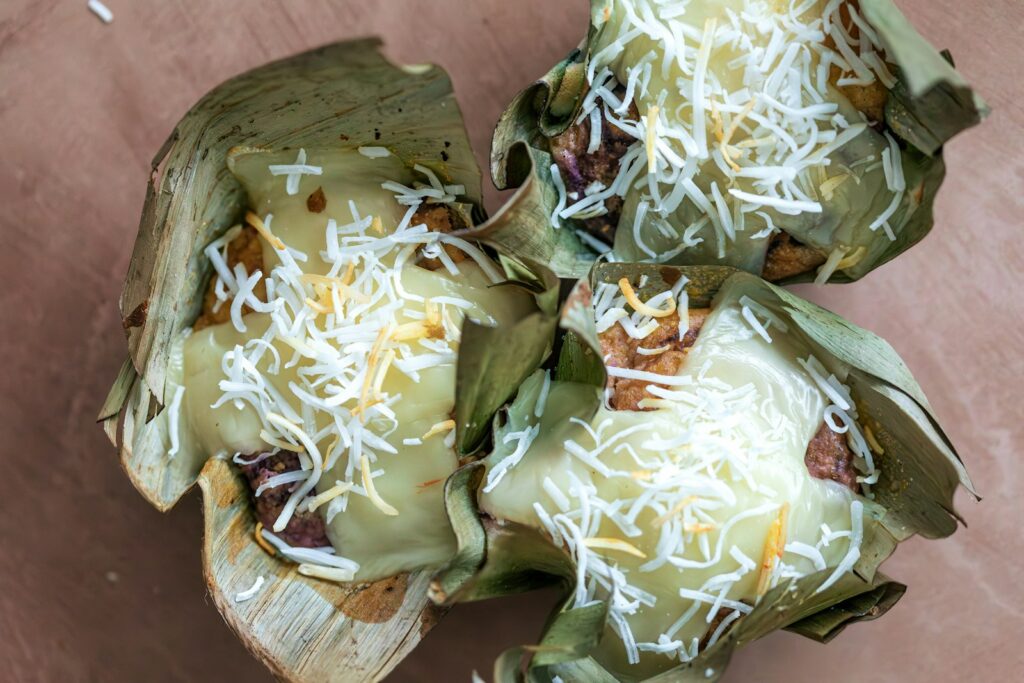
Here are a few simple recipes to inspire you to use coconut palm sugar in your kitchen:
- Coconut Sugar Chocolate Chip Cookies
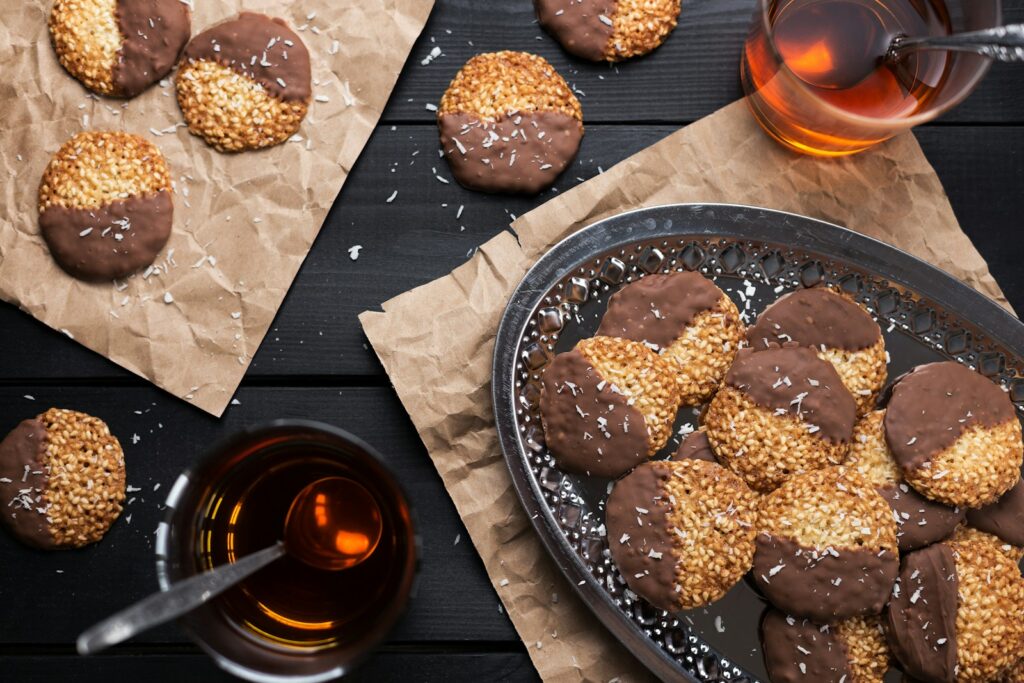
Substitute coconut palm sugar for the regular brown or white sugar in your favorite chocolate chip cookie recipe. The cookies will have a rich caramel flavor and a soft, chewy texture. - Coconut Sugar Energy Balls
Blend coconut sugar with oats, dates, nut butter, and cocoa powder to make quick and healthy energy balls. These are perfect as a snack or pre-workout fuel. - Coconut Sugar Granola
Combine oats, nuts, seeds, and coconut sugar with a touch of vanilla and coconut oil. Bake until crispy for a delicious breakfast or snack. - Coconut Sugar Glazed Salmon
Make a glaze for salmon using coconut palm sugar, soy sauce, garlic, and lime. The coconut sugar will caramelize as the salmon bakes, adding a wonderful flavor and texture to the fish.
Conclusion
Coconut palm sugar is a natural, minimally processed sweetener that can be a great alternative to refined sugar in cooking and baking. With its lower glycemic index, trace nutrients, and rich caramel-like flavor, it offers a more wholesome option for those looking to reduce their sugar intake without sacrificing taste. Whether you're baking cookies, making sauces, or sweetening beverages, coconut sugar can bring a unique depth of flavor to your dishes. However, it's important to remember that, like any sugar, it should be used in moderation as part of a balanced diet. So, get creative in the kitchen and experiment with incorporating this delicious sweetener into your favorite recipes!