How Desiccated Coconut Is Produced
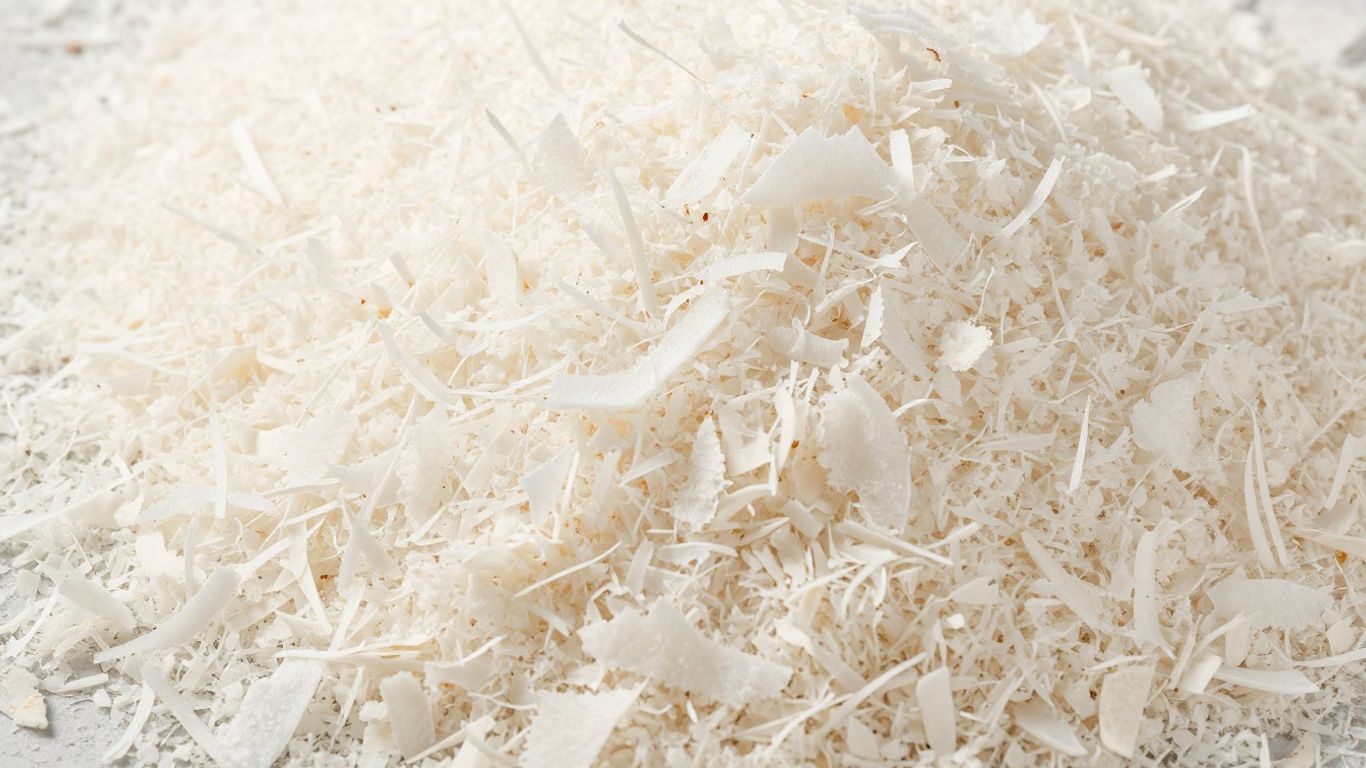
How Desiccated Coconut is Produced? Making desiccated coconut is a pretty interesting process, and it all starts with getting the best coconuts we can find. We pick coconuts that are just right – not too young, not too old. The quality of the coconut we start with really makes a difference in the final product. After we get them, we give them a good look over to make sure they're top-notch. The ones that pass our inspection are kept safe and sound, ready for the next steps. If a coconut doesn't quite meet our standards, we send it back. It’s all about starting with good ingredients.
How Desiccated Coconut is Produced : Getting The Coconuts Ready
Once we have our chosen coconuts, the next step is getting them ready for processing. This involves taking off the tough outer husk and then the hard shell. What we're left with is the white coconut meat. We're careful during this part to make sure we don't damage the meat. After the shell is off, we give the white meat a good wash. This helps get rid of any dirt or bits that might have stuck to it. We also do another check here, just to be sure everything is clean and ready to go. It’s important to us that we handle the coconuts with care at every stage.
How Desiccated Coconut is Produced : Preparing The Coconut Meat
After washing, the white coconut meat is often put into a temporary holding area. Think of it like a little waiting room that keeps a steady supply of meat ready for the machines. This way, the production line doesn't stop. For some types of desiccated coconut, we might treat the meat with a solution containing sodium metabisulfite.
This step helps keep the product fresh and stable, and it's something we monitor closely. If we're making a sulfite-free version, this step is just a simple rinse with water. Following this, the meat is ground up. We can make it into fine grains, almost like powder, or into larger, specific shapes depending on what the final product needs to be. This grinding step is key to getting the texture just right.
How Desiccated Coconut is Produced : Transforming Coconut Meat Into Desiccated Coconut
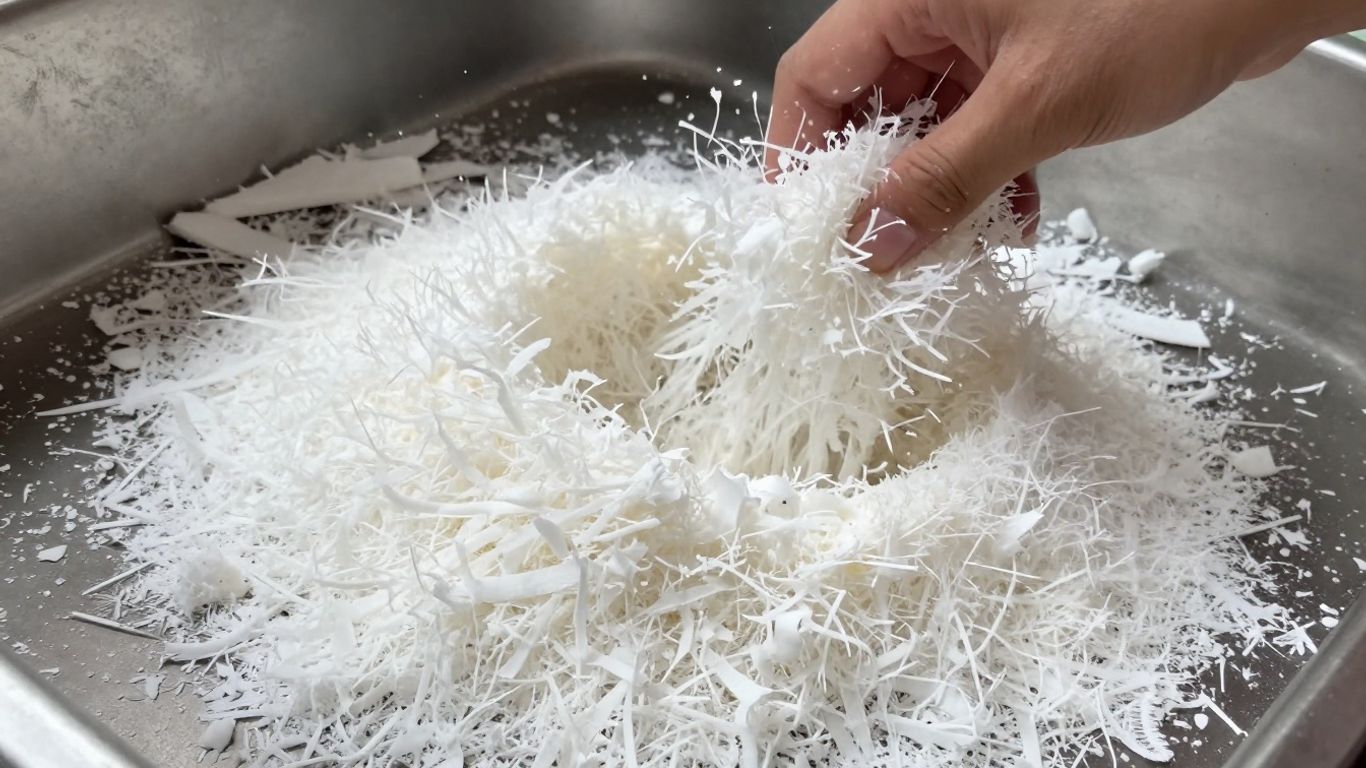
Once we have our clean, white coconut meat ready, it's time to turn it into that familiar desiccated product. This part of the process is all about getting the moisture out and making sure it's just right for all sorts of uses.
How Desiccated Coconut is Produced : Grinding and Drying
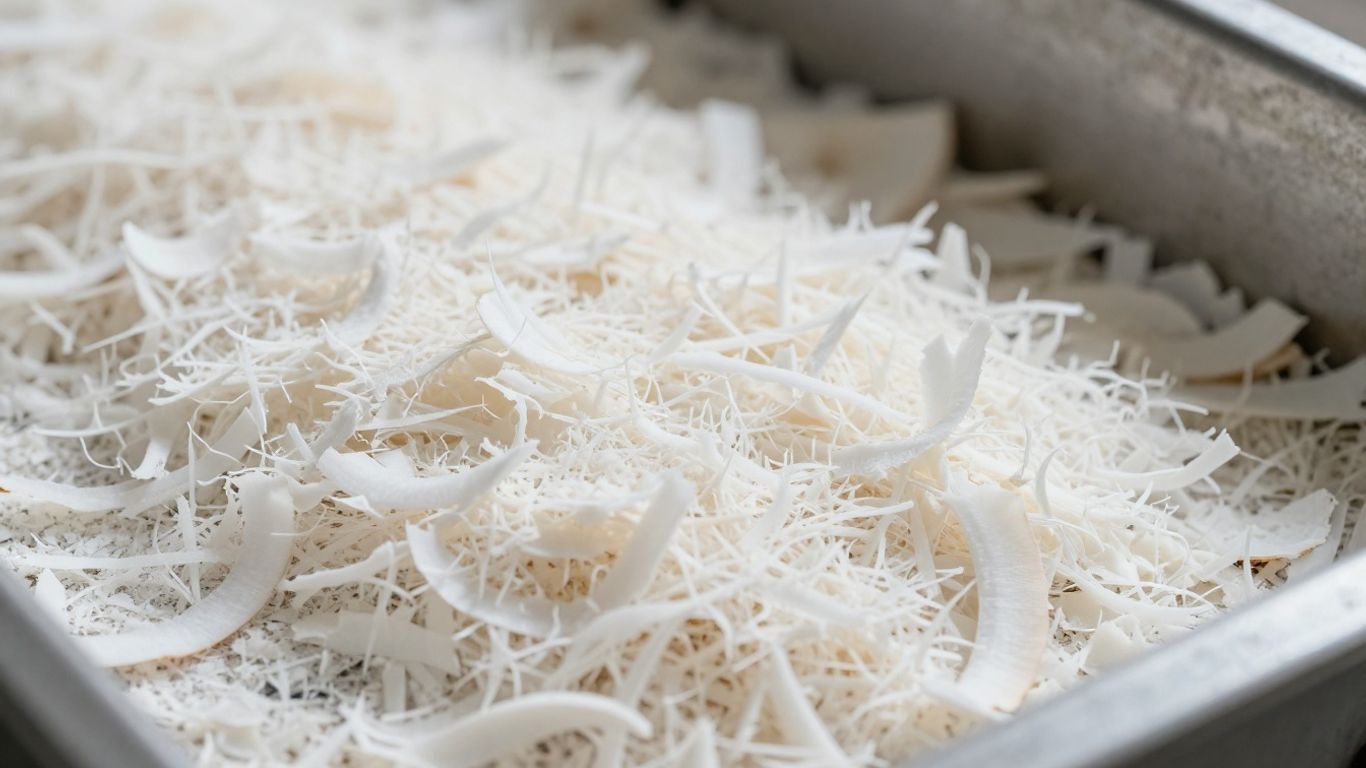
First, we take the coconut meat and grind it. We can adjust how fine or coarse we want it, depending on what the final product will be used for. Some folks like it really fine, almost like powder, while others prefer larger flakes.
After grinding, the meat goes into a dryer. This is where we carefully remove most of the water. We start with meat that has quite a bit of moisture, maybe around 55%, and we dry it down to a very low level, usually about 2.5% to 3%. This low moisture content is what helps it last a long time and keeps it from going bad.
We also have a step here called pasteurization. We use steam to heat the ground coconut. This is important because it helps get rid of any tiny germs that might be around, making the product safer to eat. We keep a close eye on the temperature the whole time, and there are alarms that go off if it gets too low, so we can fix it right away. After drying, we pass the coconut through a magnet station. This catches any tiny metal bits that might have gotten in, which is another way we keep the quality high.
Ensuring Quality and Safety How Desiccated Coconut is Produced
Quality control is a big deal for us. After the drying process, we use a color sorter machine. This machine looks at each piece of coconut and sorts out any that don't look right, like if they're too brown or have other bits mixed in. We also have a metal detector later on, just to be extra sure no metal made it through. These steps help make sure that what you get is clean, consistent, and safe to use in your cooking and baking. We want to make sure every batch meets our standards before it moves on to the next stage.
Final Steps In How Desiccated Coconut Is Produced
How Desiccated Coconut is Produced : Packaging For Freshness
After all the drying and sorting, we get to the part where we make sure our desiccated coconut stays fresh for you. We carefully pack it into special bags. These bags are designed to keep out moisture and air, which are the main things that can make the coconut go bad. Think of it like giving the coconut a cozy, protective blanket.
This packaging is key to keeping that nice, nutty flavor locked in until you're ready to use it. We use a strong inner liner, often made of a material called LLDPE, and then a sturdy outer bag, usually Kraft paper, to give it extra protection. We offer it in a few different sizes, like 25 lbs, 50 lbs, 25 kgs, and 100 lbs, so you can get just what you need.
How Desiccated Coconut is Produced : Getting The Product Ready For You
Before our desiccated coconut heads out the door, we do a few more checks. Every batch gets sampled and sent to our lab for quality control. We want to be absolutely sure it meets our high standards. Once it passes, the packed coconuts go into a special holding area, kind of like a waiting room, for about a week.
This is just to make sure everything is perfect. After that, and just before it gets loaded onto trucks or into shipping containers, we give it one last scan with an X-ray machine. This is an extra step to catch anything that might have been accidentally introduced during storage. Then, it's ready to be shipped out to stores and eventually, to your kitchen. We want to make sure that when you open a bag, you're getting the best quality desiccated coconut possible.
Wrapping up the process of making desiccated coconut involves a few key final touches. These steps ensure the product is ready for you. Want to learn more about how we get our coconut ready? Visit our website today!
Wrapping Things Up : How Desiccated Coconut is Produced To Ready-To-Sell
So, we've walked through how desiccated coconut gets made, from picking the coconuts to getting them ready to ship out. It's quite a process, really, involving careful steps to make sure we get that dry, tasty product everyone likes. We've seen how important things like drying and keeping things clean are. It's pretty neat how a simple coconut can turn into something that ends up in so many different foods we enjoy. We hope this gave you a good look at what goes into making this common kitchen item.