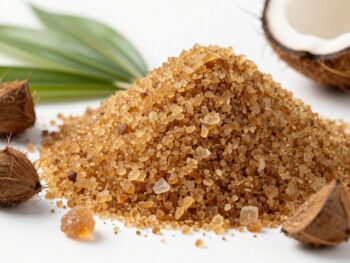
Coconuts are incredibly versatile. From the meat to the water, oil, sugar, and even the flower, nearly every part of the coconut can be used in cooking, cosmetics, and traditional remedies. But when recipes or labels mention desiccated coconut and coconut flower, it's easy to get confused. These two coconut-derived ingredients come from very different parts of the coconut plant and serve completely different purposes.
In this article, we’ll explore what desiccated coconut and coconut flower are, how they differ in taste, texture, and nutritional value, when to use each one, and whether they can be substituted for one another.
What Is Desiccated Coconut?
Desiccated coconut refers to the dried, finely grated flesh (or "meat") of the mature coconut. The coconut meat is grated, sometimes slightly toasted, and dried until it has very low moisture content—usually less than 3%.
Desiccated coconut comes in several textures, such as:
- Finely shredded
- Medium or coarse grated
- Flakes or chips
It’s commonly used in baking, cooking, and confectionery to add flavor, texture, and richness. It has a slightly sweet, nutty flavor and chewy or crisp texture depending on how it's processed and cooked.
What Is Coconut Flower?

Coconut flower actually refers to two things, depending on context:
- Coconut Flower Sap – The sweet sap extracted from the flower bud of the coconut palm.
- Dried Coconut Flower or Coconut Blossom Powder – The dried and ground form of the flower or its nectar, often used as a natural sweetener.
In this article, when we refer to coconut flower, we’re mainly talking about its culinary form, typically known as:
- Coconut blossom sugar
- Coconut flower sugar
- Coconut nectar powder
It’s a natural sweetener with a caramel-like flavor, made from the sap of the coconut blossom, which is boiled and then dried into granules or powder. It's low on the glycemic index and retains nutrients like iron, zinc, and potassium, making it a popular alternative to refined sugar.
Key Differences Between Desiccated Coconut and Coconut Flower
| Feature | Desiccated Coconut | Coconut Flower (Sugar) |
|---|---|---|
| Source | Coconut meat | Sap from coconut flower |
| Form | Grated or shredded dry coconut | Granulated or powdered sweetener |
| Flavor | Mild, nutty, coconut flavor | Sweet, caramel-like flavor |
| Texture | Chewy or crunchy | Fine, dry, like brown sugar |
| Uses | Baking, toppings, curries, desserts | Sweetener for baking, drinks, sauces |
| Nutrition | High in fiber and fats | Contains minerals and antioxidants |
| Storage | Airtight container, cool dry place | Same – moisture-sensitive |
When to Use Desiccated Coconut

✅ Best Uses:
- Baking: In cakes, cookies, macaroons, muffins, and breads.
- Toppings: For oatmeal, smoothie bowls, and yogurt.
- Savory Dishes: Curries, stews, or sambal recipes, especially in South Asian and Southeast Asian cuisine.
- Homemade Snacks: Energy bites, granola bars, or coconut clusters.
- Garnishing: Toasted and sprinkled over desserts or salads.
Flavor & Texture Contribution:
Desiccated coconut adds body, texture, and a light coconut flavor to both sweet and savory dishes. When toasted, it gives a nutty crunch. In moist batters, it absorbs liquid and adds chewiness.
When to Use Coconut Flower (Sugar)
✅ Best Uses:

- Sweetener Substitute: In place of white sugar, brown sugar, or honey in recipes.
- Baking: Cakes, brownies, cookies, muffins.
- Hot Beverages: Stir into coffee, tea, or hot chocolate.
- Sauces and Marinades: Especially those needing a sweet, rich background.
- Healthier Sweets: Paleo or low-GI desserts.
Flavor & Texture Contribution:
Coconut flower sugar adds a deep, molasses-like sweetness. It doesn’t taste like coconut; instead, it has a profile similar to brown sugar with earthy and caramel undertones.
Nutritional Differences
Desiccated Coconut:
- High in dietary fiber
- Contains healthy fats (especially medium-chain triglycerides – MCTs)
- Provides iron, copper, and trace minerals
- Relatively low in sugar
- Calorie-dense
Coconut Flower Sugar:
- Lower glycemic index than refined sugar (around 35)
- Contains trace minerals like zinc, potassium, and magnesium
- Provides inulin, a prebiotic fiber
- Still a sugar, so moderation is key
Can Desiccated Coconut and Coconut Flower Sugar Be Substituted?
In most cases, no, they cannot be substituted directly for one another because they serve very different purposes in a recipe.
❌ Desiccated Coconut ≠ Coconut Sugar
- Desiccated coconut is used for texture, bulk, and flavor.
- Coconut flower sugar is used to sweeten.
Trying to swap one for the other will often result in a failed recipe. For example:
- Replacing desiccated coconut in a macaroon with coconut flower sugar would destroy the structure.
- Replacing sugar in a cake with desiccated coconut would not provide the needed sweetness or moisture balance.
However… ✅ They Can Be Complementary:
In tropical-inspired baking or energy snacks, you might find recipes that use both desiccated coconut and coconut flower sugar—one for texture, the other for sweetness.
Choosing Between the Two: A Quick Guide
| Situation | Use Desiccated Coconut | Use Coconut Flower Sugar |
|---|---|---|
| Making coconut macaroons | ✅ Yes | ❌ No |
| Sweetening a cup of tea | ❌ No | ✅ Yes |
| Baking paleo energy balls | ✅ Yes | ✅ Yes |
| Creating a dry rub for meat | ✅ Optional | ✅ Optional (for caramelization) |
| Making caramel sauce | ❌ No | ✅ Yes |
| Adding crunch to granola | ✅ Yes | ❌ No |
Final Thoughts
Desiccated coconut and coconut flower sugar are both derived from the coconut tree, but they are entirely different ingredients with unique characteristics, functions, and flavors.
- Use desiccated coconut when you want texture, chew, and a subtle coconut flavor—ideal for baking, cooking, and toppings.
- Use coconut flower sugar when you need a natural sweetener with caramel notes and lower glycemic impact.
Though not interchangeable, they both offer healthy, flavorful options for natural cooking and baking. By understanding their differences and best uses, you’ll know exactly which one to reach for—and how to get the most out of each.