Understanding Brown Sugar VS Palm Sugar
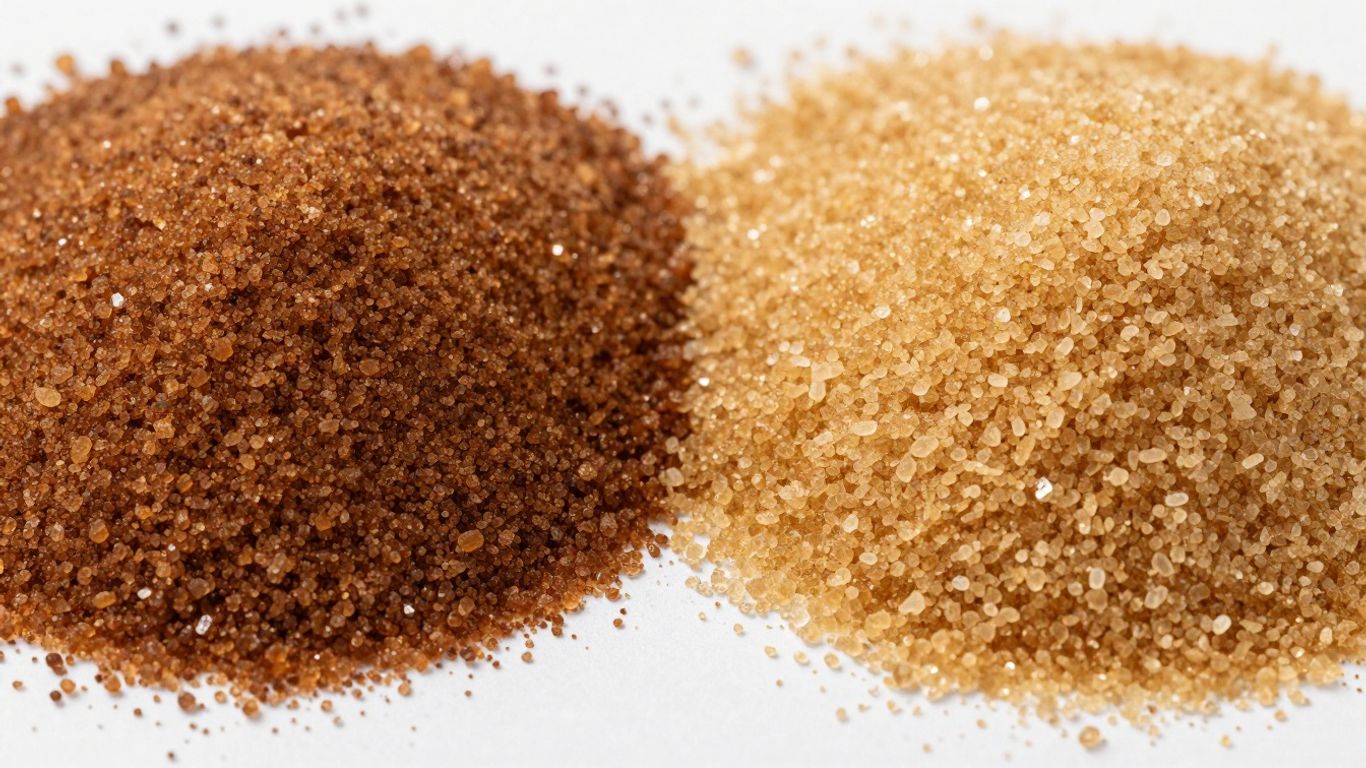
We often reach for sugar without thinking much about it, but there's a whole world of sweetness out there beyond the basic white stuff. Today, we're going to chat about two popular options: brown sugar and palm sugar. They might seem similar at first glance, but they each bring something special to the table. We will deep down to get know brown sugar vs palm sugar.
Brown Sugar VS Palm Sugar, What Is The Difference?
The main thing that sets brown sugar vs palm sugar apart is how they're made and what they come from. Brown sugar is usually made from sugarcane or sugar beets. What gives it that signature color and moist texture is molasses, which is a byproduct of the sugar-making process. The amount of molasses can vary, leading to light brown sugar with a milder flavor and dark brown sugar with a richer, more intense taste. It's a familiar friend in many kitchens, especially for baking.
Palm sugar, on the other hand, comes from the sap of palm trees, like coconut palms or the sugar palm. This sap is boiled down and then crystallized. Because it's often less processed than brown sugar, it tends to keep more of its natural minerals and has a distinct flavor profile. This less processed nature is a key reason why some people prefer it for its potential health benefits. It can come in various forms, from fine granules to solid blocks, and its flavor is often described as having caramel notes with a hint of smokiness.
Here's a quick look at some of the differences:
| Characteristic | Brown Sugar | Palm Sugar |
|---|---|---|
| Source | Sugarcane or sugar beets | Sap from various palm trees |
| Flavor | Caramel, molasses | Caramel, smoky, complex |
| Texture | Moist, granular | Varies (powder to solid blocks) |
| Processing | More refined | Less refined, retains more nutrients |
Their Unique Origins
Understanding Brown Sugar VS Palm Sugar come from really helps explain their unique qualities. Brown sugar has a long history, deeply tied to the development of sugar refining. It's a staple in Western baking and cooking, a familiar ingredient that adds that comforting sweetness and depth we often associate with classic desserts. Its origins are rooted in the large-scale production of sugar from sugarcane and beets.
Palm sugar, however, has a different story, often originating from tropical regions where palm trees are abundant. For centuries, communities in Southeast Asia and other tropical areas have harvested palm sap to create this sweetener. It's not just a sweetener; it's often woven into the cultural fabric of these regions, used in traditional dishes and ceremonies.
The specific type of palm tree used can also influence the final flavor, making each variety a little unique. Exploring these sugars can be a journey into different culinary traditions, and it's interesting to see how they are a more natural alternative to refined sugars like honey or date sugar. It's a sweet connection to different parts of the world.
Exploring The Sweetness
Brown Sugar VS Palm Sugar : Flavor Profiles
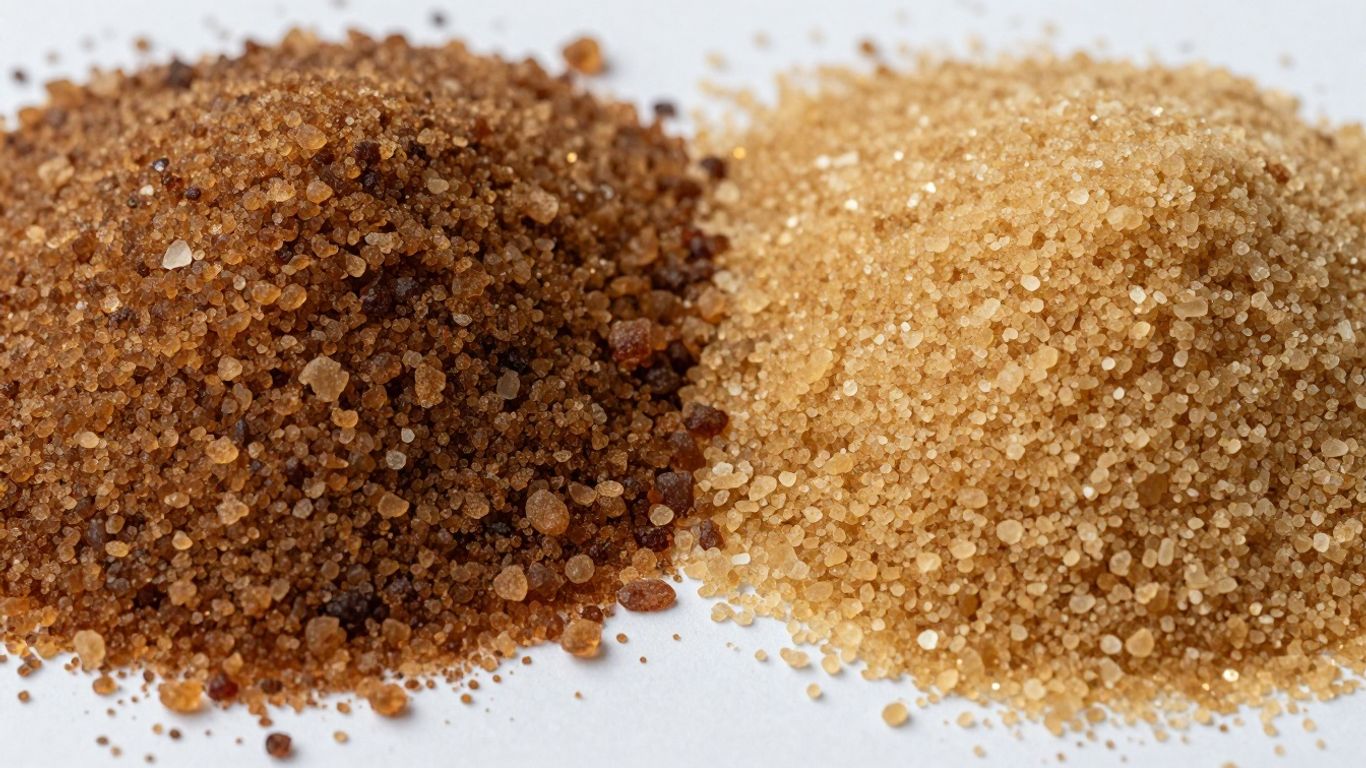
When we talk about sweetness, it's not just about how much sugar is there, but also what it tastes like. Brown sugar and palm sugar, while both sweet, bring different notes to the table. Brown sugar gets its distinct taste from molasses, which is left in during its making or added back. This gives it a warm, slightly caramel-like flavor that's really nice in baked goods. It's a familiar taste for many of us, often reminding us of cookies or cakes.
Palm sugar, on the other hand, comes from the sap of palm trees. It doesn't taste like coconut, even though it's often called coconut palm sugar. Instead, it has a more complex flavor. We often describe it as having hints of caramel and butterscotch, but with a gentle, earthy finish. It's a rounded sweetness, not as sharp as regular white sugar.
This subtle depth makes it a great choice when we want a sweetener that adds character without taking over the whole dish.
Brown Sugar VS Palm Sugar : Culinary Uses
Because of their different flavors, brown sugar and palm sugar work best in different kinds of cooking. Brown sugar is a go-to for many classic recipes. Its molasses content makes it perfect for things like chocolate chip cookies, giving them that chewy texture and rich flavor we love. It also works well in savory dishes, like barbecue sauces or glazes, where its caramel notes can add a nice depth.
Palm sugar is also quite versatile. Its fine texture means it dissolves easily, making it a good option for drinks and smooth sauces. We find it works wonderfully in desserts where we want a warm, nuanced sweetness, like in custards or certain types of cakes. It can also be used to caramelize fruits or vegetables, adding a lovely sweet and slightly earthy touch.
While it can often be swapped for brown sugar, using it can bring a new dimension to familiar recipes. It's fun to experiment and see how these different sugars can change the final taste of our food.
Dive into the delightful world of sweetness! We're passionate about bringing you the finest sweet treats. Discover the amazing taste of our products and find your new favorite. Ready to explore? Visit our website today to see our full range!
Wrapping It Up : Brown Sugar VS Palm Sugar, Which Is Better?
So, we've looked at brown sugar vs palm sugar, and it's pretty clear they're not quite the same. Brown sugar brings that classic caramel taste from molasses, making it a go-to for many baked goods we all know and love. Palm sugar, on the other hand, offers a more complex flavor, often with smoky or toffee notes, and it comes from palm trees.
When we're deciding which one to use, it really comes down to the kind of dish we're making and the flavor we're aiming for. Neither is necessarily 'better' than the other; they just do different things. Understanding these differences helps us make smarter choices in the kitchen, leading to tastier results. We hope this helps you feel more confident when picking out your sweetener next time you're cooking or baking.