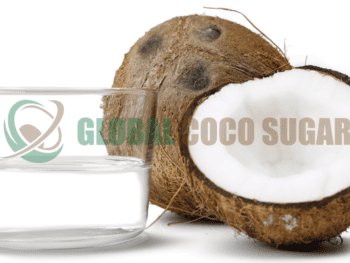
Coconut nectar, a natural sweetener made from the sap of coconut palm blossoms, is gaining popularity in kitchens around the world. Known for its rich, caramel-like flavor and gentle sweetness, it’s a versatile ingredient that works in both sweet and savory dishes. For home cooking looking to explore healthier alternatives to refined sugar, coconut nectar offers a delicious and nutrient-rich option.
This guide will walk you through everything you need to know — from what coconut nectar is and how it’s made, to its health benefits, storage tips, and creative ways to use it in your cooking.
1. What Is Coconut Nectar?
Coconut nectar is produced by tapping the blossoms of the coconut palm to collect their sap. The sap is then gently heated to evaporate moisture, creating a thick, golden-brown syrup with a consistency similar to honey or maple syrup. Unlike coconut sugar, which is granulated, coconut nectar remains in liquid form, making it easy to mix into beverages, glazes, and batters.
Importantly, coconut nectar does not taste like coconut meat or coconut milk. Instead, it has a mild sweetness with notes of caramel and toffee, making it a great match for a wide range of dishes.
2. Health Benefits of Coconut Nectar
While coconut nectar is still a form of sugar and should be enjoyed in moderation, it does offer some nutritional advantages over refined sweeteners:
- Lower Glycemic Index (GI) – It has a GI of around 35, which means it causes a slower rise in blood sugar compared to white sugar.
- Trace Minerals – Contains small amounts of potassium, magnesium, zinc, and iron.
- Antioxidants – Naturally occurring compounds help fight oxidative stress.
- Minimal Processing – Produced without chemical refining or bleaching.
These qualities make coconut nectar appealing for those seeking a less processed and more nutrient-dense sweetener.
3. How Coconut Nectar Compares to Other Sweeteners

When substituting coconut nectar for other sweeteners, it’s important to understand the differences:
- Compared to Honey – Coconut nectar is less floral, more caramel-like, and vegan-friendly.
- Compared to Maple Syrup – It’s slightly thicker and has a milder flavor, making it more neutral in recipes.
- Compared to White Sugar – It provides moisture and flavor, unlike the neutral sweetness of refined sugar.
- Compared to Agave Syrup – Lower in fructose and has a deeper, more complex flavor.
This versatility means it can stand in for various sweeteners, depending on the desired taste and texture.
4. How to Store Coconut Nectar
Coconut nectar should be stored in a cool, dry place with the lid tightly sealed. While it doesn’t require refrigeration, keeping it in the fridge can extend its shelf life and maintain its consistency. If it thickens over time, simply place the bottle in warm water for a few minutes to loosen it.
5. Cooking Tips for Beginners
If you’re new to coconut nectar, here are some guidelines to get you started:
a. Start Small
Its flavor is rich but mild, so you can substitute it 1:1 for honey or maple syrup in most recipes. Begin with small amounts to understand how it interacts with other flavors.
b. Adjust Liquids in Baking
Because coconut nectar is a liquid sweetener, you may need to reduce other liquids in a recipe slightly to avoid overly moist results.
c. Pair with Complementary Flavors
Coconut nectar pairs beautifully with vanilla, cinnamon, ginger, citrus, chocolate, and tropical fruits.
d. Avoid Overheating
Overheating can darken the syrup and intensify its flavor, which may not be desired in delicate recipes. Add it toward the end of cooking when possible.
6. Ways to Use Coconut Nectar in Your Kitchen

Coconut nectar’s versatility means you can use it in countless ways:
a. Breakfast Boost
- Drizzle over pancakes, waffles, or French toast instead of maple syrup.
- Stir into oatmeal, yogurt, or smoothie bowls for natural sweetness.
- Blend into coffee or tea as a refined sugar alternative.
b. Baking Substitute
- Replace honey, maple syrup, or molasses in cakes, muffins, and cookies.
- Use it in homemade granola to bind oats and nuts while adding flavor.
- Glaze scones or pastries for a glossy finish.
c. Savory Applications
- Add to salad dressings for a touch of sweetness to balance acidity.
- Use in marinades for meats or tofu, especially in Asian-inspired dishes.
- Stir into sauces or glazes for roasted vegetables or grilled proteins.
d. Dessert Enhancer
- Drizzle over ice cream, fruit salad, or baked pears.
- Use as a topping for cheesecakes or panna cotta.
- Mix into chocolate sauces for depth of flavor.
7. Sample Beginner-Friendly Recipes
Coconut Nectar Vinaigrette
Ingredients:
- 3 tbsp olive oil
- 1 tbsp coconut nectar
- 1 tbsp apple cider vinegar
- 1 tsp Dijon mustard
- Salt and pepper to taste
Instructions:
Whisk all ingredients together until smooth. Drizzle over mixed greens or roasted vegetables.
Banana-Coconut Nectar Muffins
Ingredients:
- 2 ripe bananas, mashed
- 1/3 cup coconut nectar
- 1/4 cup coconut oil, melted
- 1 cup whole wheat flour
- 1 tsp baking powder
- 1/2 tsp cinnamon
Instructions:
Preheat oven to 180°C (350°F). Mix bananas, coconut nectar, and coconut oil. Stir in flour, baking powder, and cinnamon until combined. Spoon into muffin tins and bake for 18–20 minutes.
Coconut Nectar Teriyaki Sauce
Ingredients:
- 1/4 cup coconut nectar
- 1/4 cup soy sauce or tamari
- 2 tbsp rice vinegar
- 1 tsp grated ginger
- 1 clove garlic, minced
Instructions:
Combine all ingredients in a saucepan. Simmer for 5 minutes until slightly thickened. Use as a glaze for salmon, chicken, or vegetables.
8. Sustainability Benefits

Coconut nectar is considered an environmentally friendly sweetener because:
- Coconut palms require minimal water and can thrive in diverse soil types.
- Harvesting nectar doesn’t harm the tree and allows it to produce sap for decades.
- The same trees can provide multiple products — coconut meat, water, oil, sugar, and nectar.
For eco-conscious cooks, this makes coconut nectar a sustainable choice that supports small-scale farmers in tropical regions.
9. Things to Keep in Mind
While coconut nectar is nutrient-rich compared to refined sugar, it’s still a sweetener. Moderation is key, especially for those monitoring blood sugar levels. Also, because it’s less common than honey or maple syrup in some markets, it can be more expensive.
To make the most of your purchase, use it in recipes where its flavor will shine rather than in recipes where the sweetness will be masked.
Conclusion
Coconut nectar is more than just a sugar substitute — it’s a flavorful, nutrient-rich, and sustainable sweetener that can elevate both sweet and savory dishes. For beginners, starting with simple swaps in beverages, dressings, and baked goods is an easy way to experience its unique qualities. Over time, you’ll discover that coconut nectar’s mild caramel flavor and smooth texture make it an indispensable ingredient in your kitchen.
Whether you’re looking to make healthier choices, explore new flavors, or embrace more sustainable cooking practices, coconut nectar is a sweet way to start.