Coconut flakes—those light, crisp shreds of dried coconut meat—have become a favorite in kitchens around the world. Versatile, nutritious, and delicious, they offer a tropical flair to meals and snacks while delivering a satisfying crunch and natural sweetness. Whether you’re whipping up a smoothie bowl, baking cookies, or crafting no-bake treats, coconut flakes are the perfect ingredient to elevate your dishes from ordinary to memorable.
In this article, we’ll explore what makes coconut flakes so special, their health benefits, and how you can incorporate them seamlessly into meals ranging from breakfast to dessert. Plus, we’ll provide inspiration for recipes and creative uses that the whole family will love.
What Are Coconut Flakes?
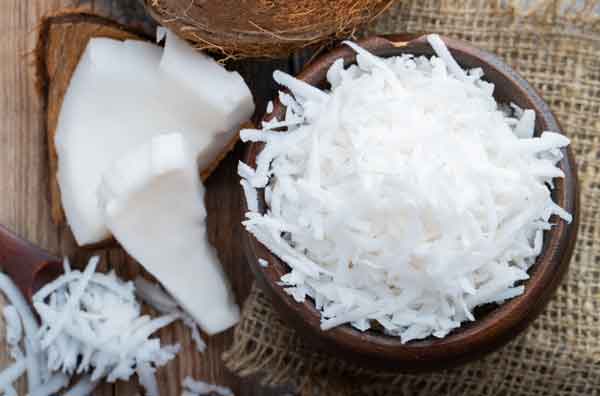
Coconut flakes are made by shaving or grating the white meat of mature coconuts and then drying it to reduce moisture. This process preserves the coconut's flavor and texture while making it shelf-stable and easy to use. Coconut flakes can be:
- Unsweetened or sweetened
- Raw or toasted
- Thick-cut or thin-shaved
They differ from desiccated coconut, which is more finely shredded and has a drier, powdery texture. Flakes, by contrast, are larger, more textured, and often used for garnishing or adding crunch.
Nutritional Benefits of Coconut Flakes

Coconut flakes are not only tasty but also provide a host of nutritional advantages:
1. Healthy Fats
Coconut flakes are high in medium-chain triglycerides (MCTs)—a type of fat that is easily digested and converted into energy. MCTs, particularly lauric acid, have antimicrobial and metabolic benefits.
2. Fiber-Rich
One serving of coconut flakes contains a generous dose of dietary fiber, which supports digestion, promotes fullness, and helps regulate blood sugar levels.
3. Naturally Gluten-Free
For those with celiac disease or gluten intolerance, coconut flakes are a safe, grain-free way to add texture and nutrition to meals.
4. Minerals
Coconut flakes also supply iron, manganese, selenium, and copper, all of which contribute to immune health, bone strength, and metabolic function.
From Breakfast to Dessert: Delicious Ways to Use Coconut Flakes
Let’s dive into how coconut flakes can be used creatively across meals.
1. Breakfast Bliss with Coconut Flakes
a. Smoothie Bowls
Sprinkle coconut flakes on smoothie bowls for crunch and flavor. They pair well with tropical fruits like mango, pineapple, and banana.
Try this combo: Mango smoothie + chia seeds + granola + toasted coconut flakes
b. Overnight Oats
Add a tablespoon of coconut flakes to your overnight oats for a rich, nutty texture. Combine with almond milk, chia seeds, and a touch of maple syrup.
c. Granola Mix
Coconut flakes add a sweet, chewy contrast in homemade granola. Toast them with rolled oats, honey, and your favorite nuts.
d. Pancake or Waffle Topping
Coconut flakes elevate weekend pancakes or waffles. Use them as a topping with sliced banana, berries, and a drizzle of coconut cream or syrup.
2. Midday Snacks and Light Bites
a. Coconut Energy Balls
Mix dates, oats, coconut flakes, and nut butter for a healthy, no-bake snack. Roll in extra flakes for a snowball look.
b. Yogurt Parfaits
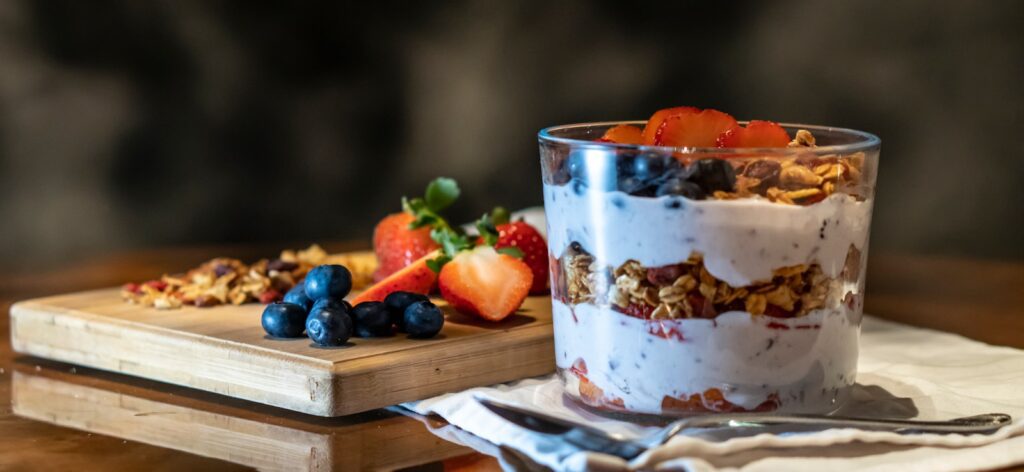
Layer Greek yogurt with berries, coconut flakes, and granola for a protein-rich, satisfying snack or light lunch.
c. Trail Mix
Toss coconut flakes with dried fruit, seeds, and dark chocolate chips for a sweet-and-savory mix ideal for on-the-go energy.
3. Savory Meals with a Coconut Twist
Coconut flakes aren’t limited to sweet dishes—they shine in savory recipes too.
a. Coconut-Crusted Chicken or Tofu
Use coconut flakes as part of a crunchy coating for baked or air-fried chicken tenders or tofu. Combine with panko breadcrumbs, spices, and a pinch of salt.
b. Thai-Style Coconut Rice
Add coconut flakes to jasmine rice cooked in coconut milk. Finish with lime zest and chopped herbs for a tropical side dish.
c. Salad Topping
Toasted coconut flakes can replace croutons for a gluten-free, crisp element on green salads or grain bowls.
4. Delectable Desserts with Coconut Flakes
a. Macaroons
Classic coconut macaroons are chewy, sweet, and satisfying. Combine coconut flakes with egg whites and sweetener, then bake until golden.
b. Coconut Chocolate Bark
Melt dark chocolate, spread it on parchment, and top with coconut flakes, nuts, and sea salt. Chill, break into pieces, and enjoy.
c. Fruit Crumbles and Pies
Mix coconut flakes into crumble toppings for pies, crisps, and cobblers. It adds a tropical twist and a satisfying texture.
d. Coconut Cream Pie Topping
Top coconut or banana cream pies with toasted coconut flakes for an elegant and flavorful finish.
e. Ice Cream and Sorbet Garnish
Elevate a scoop of vanilla ice cream or mango sorbet with a sprinkle of toasted coconut flakes.
How to Toast Coconut Flakes
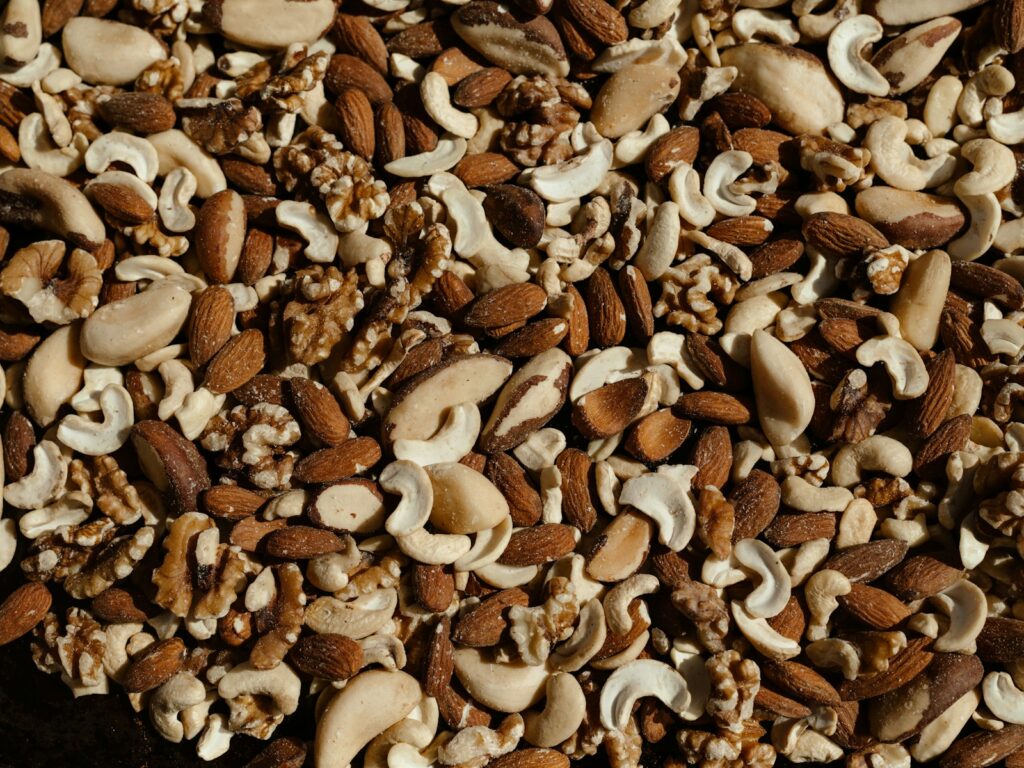
Toasting enhances the nutty flavor of coconut flakes and adds a golden crunch.
Stovetop method:
- Place flakes in a dry skillet over medium heat.
- Stir frequently for 3–5 minutes until golden brown.
- Remove from heat immediately to prevent burning.
Oven method:
- Spread flakes on a baking sheet.
- Bake at 325°F (165°C) for 5–10 minutes, stirring once.
- Watch closely—they toast quickly!
Storage and Tips
- Store in an airtight container in a cool, dry place or in the refrigerator for longer shelf life.
- Use unsweetened coconut flakes for savory dishes or to limit added sugar.
- Rehydrate with warm water or coconut milk if a softer texture is needed for baking or blending.
Creative Ideas for Kids and Families
Getting children to eat healthy snacks can be tricky, but coconut flakes offer a fun way to get them involved in the kitchen.
- DIY snack bars – Let kids choose their mix-ins (chocolate chips, raisins, coconut).
- Tropical trail mix bags – A great lunchbox filler.
- Coconut snowballs – Blend oats, dates, and coconut; roll into balls and coat with flakes.
Sustainability Note
Coconut is generally considered a sustainable crop, as coconut trees require fewer pesticides and are long-living. When purchasing coconut flakes, look for organic and fair-trade options to support ethical practices and environmental responsibility.
Conclusion
Coconut flakes are a pantry powerhouse, offering nutrition, texture, and versatility all in one. From energizing breakfasts to delightful desserts, they transform simple meals into flavorful experiences. Whether toasted for crunch, blended into snacks, or used as a garnish, coconut flakes prove that a small ingredient can make a big difference.
So the next time you're meal planning or searching for a snack that’s both wholesome and delicious, reach for coconut flakes—you might just find they become a staple in your kitchen from morning to night.