In recent years, there has been a noticeable shift in consumer preferences toward more natural and less processed alternatives in the world of sweeteners. Among these emerging stars is coconut nectar, a syrupy, caramel-colored sweetener derived from the sap of coconut blossoms. Once a niche product, coconut nectar is now gaining mainstream recognition as a healthier and more sustainable substitute for traditional sweeteners like agave syrup, honey, and maple syrup.
But what is fueling the rise of coconut nectar? How does it compare nutritionally and functionally with other popular sweeteners? Let’s take a deeper look at what makes coconut nectar stand out in the world of natural sugars.
What is Coconut Nectar?
Coconut nectar is made by tapping the flower buds of the coconut tree. The nectar is collected as sap and gently heated at low temperatures to reduce it into a thick, sweet syrup. Unlike refined sugars, coconut nectar is minimally processed, preserving a variety of nutrients and naturally occurring enzymes.
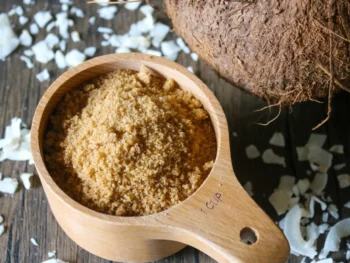
It is not to be confused with coconut sugar, although both originate from the same sap. The key difference lies in the processing—coconut sugar is further reduced to a granulated form, while coconut nectar remains in liquid form, similar in texture to honey or agave.
Why is Coconut Nectar Gaining Popularity?
1. Lower Glycemic Index
One of the most significant health benefits of coconut nectar is its low glycemic index (GI), estimated to be around 35. This means it causes a slower and steadier rise in blood sugar compared to high-GI sweeteners like refined sugar (GI ~65) and even agave (GI ~55–60).
For individuals managing blood sugar levels, such as those with diabetes or prediabetes, coconut nectar presents a potentially safer alternative. Its low GI makes it less likely to cause energy spikes and crashes—a common complaint with high-sugar diets.
2. Nutrient-Rich Profile
Unlike many processed sweeteners, coconut nectar retains trace amounts of vitamins and minerals. These include:
- Iron
- Zinc
- Magnesium
- Potassium
- B Vitamins
While it's not a significant source of any one nutrient, its composition is richer than that of highly refined sugars or syrups. These micro-nutrients contribute to its reputation as a "better-for-you" sweetener, especially when used in moderation.
3. Natural and Vegan-Friendly
Coconut nectar is vegan by nature, unlike honey, which is produced by bees and often avoided by vegans. It is also free of artificial additives, making it appealing to those on clean eating, paleo, or plant-based diets.
Coconut Nectar vs. Other Natural Sweeteners

Coconut Nectar vs. Agave Syrup
Agave syrup was once the darling of the natural sweetener world, but its popularity has waned due to its very high fructose content—sometimes higher than high-fructose corn syrup (HFCS). Excess fructose has been linked to insulin resistance, fatty liver disease, and increased fat storage.
In contrast, coconut nectar contains less fructose and more complex sugars like inulin, a type of prebiotic fiber that supports gut health. While agave has a smooth, neutral flavor, coconut nectar has a more robust, caramel-like taste, making it ideal for baking or drizzling over breakfast dishes.
Coconut Nectar vs. Honey
Honey is widely appreciated for its antimicrobial properties and antioxidants. However, it can also have a high glycemic index (ranging from 45 to 64) depending on the floral source and processing. Additionally, honey is not suitable for vegans, and its quality can vary significantly due to adulteration in the commercial market.
Coconut nectar, while not as antioxidant-rich as raw honey, offers a vegan and more consistent alternative. It also has a smoother impact on blood sugar and a more distinctive taste.
Coconut Nectar vs. Maple Syrup
Maple syrup is another natural sweetener known for its antioxidant content and rich flavor. Like coconut nectar, it's less processed and contains trace minerals. However, maple syrup typically has a higher glycemic index (around 54) and may spike blood sugar more rapidly.
Flavor-wise, maple syrup has a woody, earthy sweetness, whereas coconut nectar delivers a more toasted, buttery taste—especially useful in recipes requiring a deeper caramel flavor.
Sustainability Matters
Beyond health considerations, coconut nectar is also gaining traction for its sustainable production. Coconut trees can produce sap for up to 20 years, and harvesting does not harm the tree. The production requires no deforestation, irrigation, or synthetic fertilizers, making it an environmentally friendly choice.
In contrast, agave plants take up to 7 years to mature and die after harvesting. Honey production, though natural, raises concerns about ethical beekeeping and its impact on bee populations. Coconut nectar’s low ecological footprint and renewable harvesting cycle add to its appeal for eco-conscious consumers.
Culinary Versatility

Coconut nectar is incredibly versatile in the kitchen. Its thick consistency and bold, slightly tangy-sweet flavor make it a suitable substitute for:
- Honey in teas and smoothies
- Maple syrup on pancakes or waffles
- Agave in raw desserts
- Molasses or corn syrup in baking
It also works well in savory applications, such as glazes, marinades, and salad dressings. As a liquid sweetener, it's easy to incorporate into sauces and beverages without the graininess of crystalline sugar.
Things to Consider
While coconut nectar is a better choice nutritionally than many refined sugars, it is still a source of calories and sugar. Overconsumption can contribute to the same issues as other sweeteners, including weight gain and metabolic problems.
Here are a few tips for healthy use:
- Use in moderation, even if it’s natural.
- Choose pure, organic coconut nectar without added sugars or preservatives.
- Consider your dietary needs—if managing diabetes or insulin resistance, consult a health professional before making it a staple.
Conclusion: A Sweetener for the Conscious Consumer

Coconut nectar is more than a trend—it's a response to growing demand for healthier, sustainable, and ethical food choices. As more consumers become label-savvy and aware of the downsides of excessive fructose and processed sugars, alternatives like coconut nectar are stepping into the spotlight.
Its low glycemic impact, nutrient content, and natural sourcing give it a competitive edge over traditional sweeteners like agave, honey, and maple syrup. Whether you're baking, blending, or just sweetening your coffee, coconut nectar offers a flavorful, guilt-reduced option that aligns with a holistic, health-forward lifestyle.
So the next time you reach for a sweetener, consider trying coconut nectar—not just for its taste, but for what it represents: a smarter, sweeter way to enjoy life.