The Paleo diet—often referred to as the “caveman diet”—is built on the idea of eating in a way that mimics our hunter-gatherer ancestors. It emphasizes whole, unprocessed foods like meat, fish, vegetables, fruits, nuts, and seeds while avoiding grains, legumes, dairy, and refined sugar.
But in today’s world, even the most committed Paleo followers often want a little sweetness in their lives. This has led to a search for natural sweeteners that fit Paleo principles, and coconut sugar has emerged as one of the most popular contenders.
So, is coconut sugar truly compatible with the Paleo diet? Let’s take a deep dive into what it is, its nutritional profile, potential health benefits, and how it fits—or doesn’t fit—within Paleo guidelines.
What Is Coconut Sugar?
Coconut sugar is derived from the sap of the coconut palm tree (Cocos nucifera). The process is relatively simple:
- The flower buds of the coconut palm are cut to release sap.
- The sap is collected and gently heated until the water evaporates.
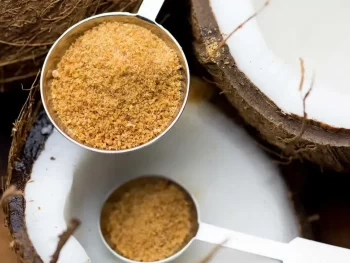
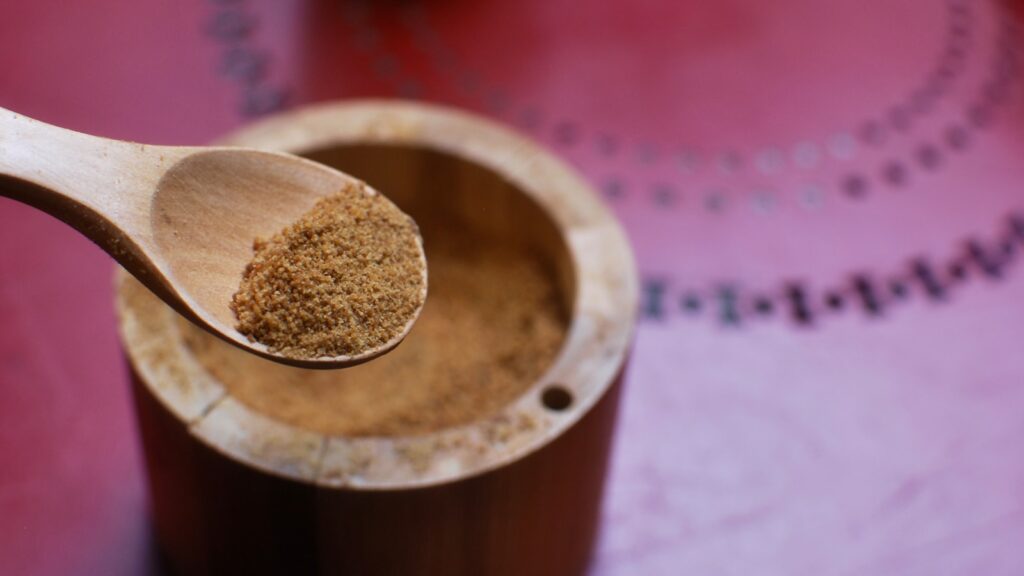
- What’s left is a granulated, golden-brown sweetener with a taste reminiscent of caramel.
Unlike refined table sugar, coconut sugar is minimally processed and retains some of its natural minerals.
Nutritional Profile

The nutritional value of coconut sugar (per 100 g) typically includes:
- Calories: ~380 kcal
- Carbohydrates: ~92 g
- Sugars: ~92 g (mainly sucrose, with some glucose and fructose)
- Protein: ~1–2 g
- Fat: ~0 g
- Minerals: Small amounts of potassium, magnesium, zinc, and iron
- Inulin fiber: A type of prebiotic fiber that can slow glucose absorption
While coconut sugar is often marketed as a healthier alternative to refined sugar, it’s still primarily composed of sugar and provides similar calories per gram.
Why Paleo Followers Consider Coconut Sugar
The Paleo diet discourages refined sweeteners like white sugar, high-fructose corn syrup, and artificial sweeteners. However, some natural sweeteners are sometimes allowed in moderation, especially those that are less processed.
Reasons Paleo adherents might use coconut sugar:
- Minimal Processing – The production process is simple and traditional, without chemical refining.
- Nutrient Content – It retains trace minerals that refined sugar lacks.
- Lower Glycemic Index (GI) – Coconut sugar has a GI of around 35, lower than table sugar’s 60–65, meaning it may cause a slower rise in blood glucose.
- Natural Origin – It’s derived directly from a plant source.
Potential Health Benefits

While it’s still a sweetener and should be consumed sparingly, coconut sugar offers some potential advantages over refined sugar:
1. Contains Trace Nutrients
Although not significant enough to be a major source of vitamins or minerals, coconut sugar provides small amounts of potassium, zinc, iron, and magnesium.
2. Prebiotic Fiber Content
The inulin fiber in coconut sugar may help promote gut health and slow sugar absorption, possibly reducing blood sugar spikes.
3. Sustainable Production
Coconut palm trees require less water and can produce sugar for decades, making it a relatively eco-friendly crop compared to sugarcane.
The Paleo Debate: Is Coconut Sugar Really Paleo?
Here’s where the controversy lies. The Paleo philosophy emphasizes avoiding foods that would not have been available to prehistoric humans. While coconut palms certainly existed, the technology to extract, heat, and granulate sap into sugar likely did not.
Arguments Against Coconut Sugar in Paleo
- It’s still sugar – Paleo aims to avoid added sugars because they can cause blood sugar spikes, promote fat storage, and lead to metabolic issues.
- High in carbohydrates – For those on a lower-carb version of Paleo, coconut sugar can easily exceed daily carb allowances.
- Not a whole food – Even though it’s minimally processed, it’s still a concentrated source of sugar, not the original sap or fruit.
Arguments For Coconut Sugar in Paleo
- More natural than refined sugar – No bleaching or chemical refining is involved.
- Better GI profile – Causes a slower blood sugar response compared to refined sugar.
- Occasional indulgence – Many Paleo followers adopt an “80/20 rule,” allowing for occasional treats made with more natural sweeteners.
How to Use Coconut Sugar in a Paleo-Friendly Way
If you decide to include coconut sugar in your Paleo diet, the key is moderation. Here are some practical tips:
- Reserve it for special occasions – Use in occasional baked goods or desserts rather than daily.
- Pair with whole foods – Combine with fiber-rich ingredients like almond flour or coconut flour to slow sugar absorption.
- Mind portion sizes – Even a teaspoon adds sugar and carbs to your diet.
- Experiment with recipes – Try replacing refined sugar in Paleo dessert recipes with coconut sugar at a 1:1 ratio.
Paleo-Friendly Recipes Using Coconut Sugar
Here are a couple of ideas:
1. Paleo Chocolate Chip Cookies
- Almond flour, coconut oil, egg, vanilla extract, coconut sugar, dark chocolate chips (85% cocoa or higher).
- The coconut sugar gives a subtle caramel flavor while keeping the recipe grain-free.
2. Spiced Paleo Banana Bread
- Mashed ripe bananas, almond flour, coconut flour, eggs, cinnamon, nutmeg, and a small amount of coconut sugar.
- Perfect for a weekend treat without relying on refined sweeteners.
Alternatives to Coconut Sugar in Paleo
If you prefer to avoid coconut sugar altogether, there are other sweeteners that some Paleo dieters use in moderation:
- Raw honey – Still sugar, but contains enzymes and antioxidants.
- Pure maple syrup – Offers minerals and a unique flavor.
- Dates or date paste – Whole fruit form provides fiber along with sweetness.
- Stevia or monk fruit extract – Naturally derived, zero-calorie sweeteners (though purists may avoid them).
Bottom Line
Coconut sugar is less processed and has a lower glycemic index than refined white sugar, making it a more natural option for those following the Paleo diet—if used occasionally and in small amounts. However, it is still a concentrated source of sugar and should not be treated as a “free pass” for unlimited consumption.
From a strict Paleo perspective, it may not be fully compliant since it’s not a whole food and wouldn’t have been part of early human diets. Yet many modern Paleo practitioners include it as a compromise between health and enjoyment, especially for special treats.
Ultimately, whether coconut sugar fits your Paleo plan depends on your personal approach—whether you’re aiming for a strict ancestral eating pattern or a flexible, sustainable lifestyle that includes occasional natural sweeteners.