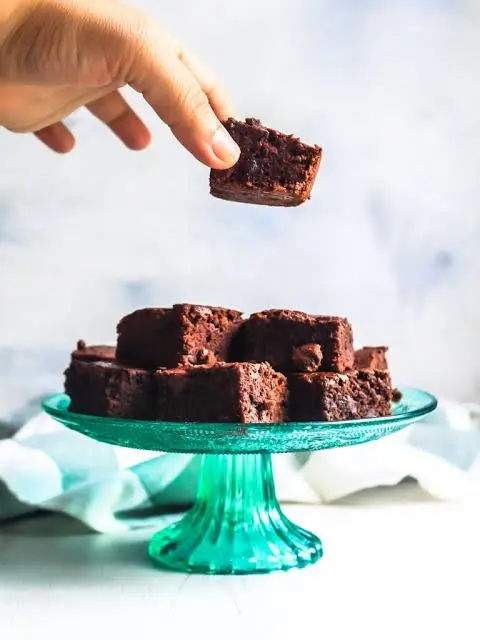
Craving chocolate brownies with a dense, fudgy center? These coconut sugar brownies use coconut sugar as the main sweetener, alongside melted dark chocolate and cocoa powder for a deep chocolate flavor.
The method is simple enough for a weekend baking project, with practical guidance on mixing, baking, and cooling so you can aim for moist, sliceable squares.
Coconut Sugar Brownies at a Glance
Prep: about 15 minutes | Bake: approximately 22–28 minutes | Cool: at least 45 minutes
Yield: 9 large or 16 small brownies | Pan: 8-inch (20 cm) square metal pan
Oven: 350°F (175°C)
Ingredients for Coconut Sugar Brownies
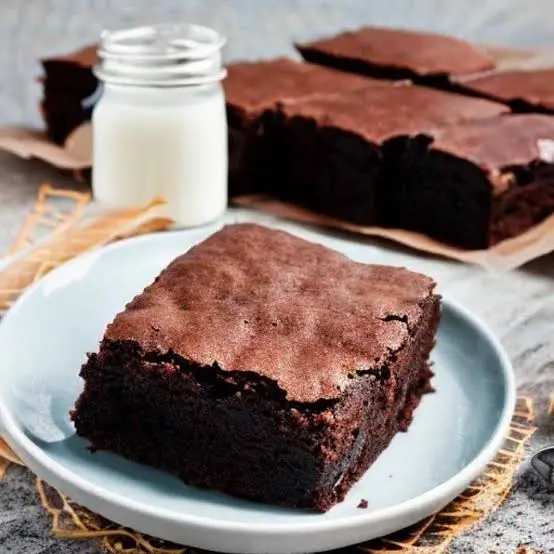
Use a kitchen scale when possible, particularly for flour and coconut sugar. Granule size and packing can change volume measurements, so weights are more consistent.
• ½ cup (113 g) unsalted butter, plus a little for the pan if needed
• 4 oz (113 g) dark chocolate, chopped (approximately 60–70% cocoa)
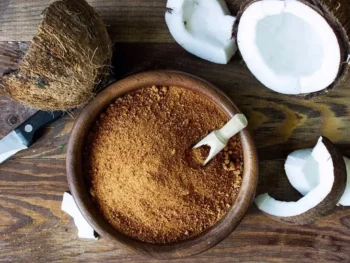
• ¾ cup (about 140 g) coconut sugar, preferably fine-grained
• 2 large eggs, at room temperature
• 1 teaspoon vanilla extract
• ½ cup (about 63 g) all-purpose flour
• ¼ cup (about 22 g) unsweetened cocoa powder
• ¼ teaspoon fine salt
• Optional: ⅓ cup (about 55 g) dark chocolate chips
Coconut sugar is the primary added sweetener in this recipe. The dark chocolate may contain additional sugar, depending on the product used.
How to Make Fudgy Coconut Sugar Brownies
1. Prepare the oven and pan. Heat the oven to 350°F (175°C). Line an 8-inch square metal pan with parchment paper, leaving an overhang on two sides so the brownies are easier to lift out after cooling.
2. Melt butter and chocolate. Combine the butter and chopped dark chocolate in a heatproof bowl over barely simmering water, or microwave in short bursts. Stir until smooth. Remove from the heat, then stir in the coconut sugar for about a minute. The mixture may still look slightly grainy; let it cool until warm, not hot.
3. Add eggs and vanilla. Whisk the eggs and vanilla together in a separate bowl. Gradually whisk them into the warm chocolate mixture until evenly combined. Do not add eggs while the mixture is hot enough to cook them.
4. Fold in the dry ingredients. Sift the flour, cocoa powder, and salt over the chocolate mixture. Fold gently with a spatula just until no dry streaks remain. Stir in the optional chocolate chips, if using. The batter should be thick and spreadable rather than runny.
5. Bake the brownies. Spread the batter evenly in the prepared pan. Bake for approximately 22–28 minutes, checking toward the early end. The edges should be set, while a toothpick inserted near the center should show moist crumbs—not liquid batter. Oven and pan differences can affect timing.
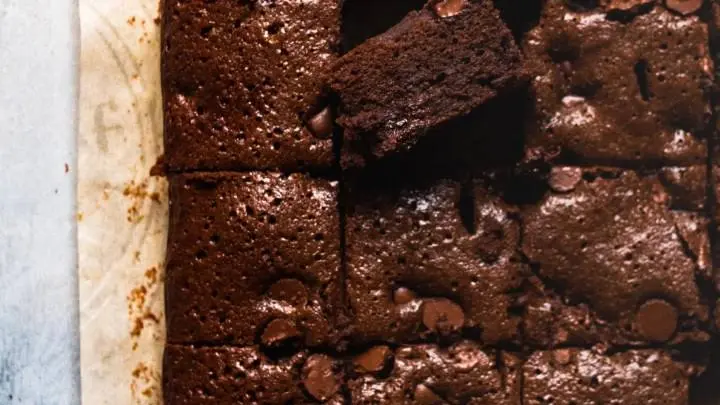
6. Cool before slicing. Rest the brownies in the pan for at least 45 minutes. Lift them out with the parchment and slice with a sharp knife, wiping the blade between cuts. Cooling gives the center time to firm up for cleaner squares.
Tips for Making Fudgy Coconut Sugar Brownies
• Choose fine coconut sugar. Large, coarse crystals can leave a noticeable texture. If the granules are particularly coarse, briefly pulse the dry sugar until finer, then weigh it for the recipe.
• Measure the flour carefully. Extra flour can shift brownies toward a cakier texture. Weighing it is more reliable than scooping tightly packed flour with a cup.
• Mix only until combined. Once the flour goes in, vigorous stirring may develop more gluten than you need for tender brownies.
• Watch the center, not just the surface. A shiny top is not proof that the middle is cooked. Look for set edges and moist crumbs, and allow the brownies to cool before judging their final texture.
For additional context, King Arthur Baking explains how dissolved sugar and mixing affect brownies in its guide to chewy and crackly brownies. Those observations come from its tested formulas; coconut sugar may produce a different surface crust.
Why Use Coconut Sugar in Brownies?
Coconut sugar offers a toffee-like, caramel-leaning flavor that can complement cocoa and dark chocolate. It also has a darker color than white granulated sugar.
King Arthur Baking describes these properties in its guide to different types of sugars. The exact sweetness, texture, and appearance of brownies can change with the recipe and coconut sugar granule size.
If you want a broader introduction to ingredient swaps, see our guide to baking with coconut sugar. Remember that coconut sugar is still an added sugar; using it does not automatically make brownies low-sugar or suitable for every dietary need.
Easy Coconut Sugar Brownie Variations
Once the base recipe works consistently in your oven, try one small change at a time:
• Extra-chocolate brownies: fold in the optional dark chocolate chips for pockets of melted chocolate.
• Walnut brownies: replace some or all of the chips with a small handful of roughly chopped walnuts.
• Sea-salt brownies: add a light sprinkle of flaky salt after baking for a sweet-and-salty finish.
For more baking inspiration beyond brownies, browse our coconut sugar dessert ideas.
How to Store and Freeze Coconut Sugar Brownies
Let the brownies cool completely before placing them in an airtight container.
For best texture, keep them at cool room temperature for up to two days, or refrigerate for several days and bring to room temperature before serving.
Freeze individual pieces tightly wrapped and sealed for up to two months for best quality. If you add perishable toppings or fillings, follow the storage requirements of those ingredients instead.
Explore Organic Coconut Sugar from Indonesia
Interested in the ingredient behind these coconut sugar brownies? Explore organic coconut sugar from Indonesia supplied by Global Coco Sugar.
Food manufacturers, distributors, and wholesale buyers can contact our export team to discuss product specifications, packaging options, and bulk sourcing requirements.
Frequently Asked Questions
Can I use coconut sugar instead of white sugar in brownies?
Often, yes, but the swap is not guaranteed to behave identically. Coconut sugar can differ in granule size, flavor, and how it dissolves, which may affect the crust and texture. Start with a recipe developed around coconut sugar rather than assuming every conventional brownie recipe will work unchanged.
Does coconut sugar change the taste of brownies?
It can add a mild caramel or toffee note alongside the chocolate. The effect is usually more noticeable when the recipe uses less cocoa or a milder dark chocolate.
Why did my brownies turn cakey instead of fudgy?
Common causes include too much flour, overmixing after the flour is added, and baking longer than necessary. Also check that your pan size matches the recipe: a larger pan creates a thinner layer that bakes faster.
How do I know when coconut sugar brownies are done?
Look for edges that are set and a center that is no longer liquid. A toothpick should pick up moist crumbs rather than raw batter. The brownies continue setting as they cool, so avoid waiting for a completely clean toothpick if your goal is a fudgy center.