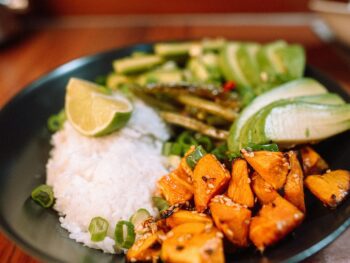
In recent years, virgin coconut oil has gained popularity as a healthful and versatile ingredient in kitchens around the world. Cold-pressed from fresh coconut meat, virgin coconut oil retains its natural aroma, flavor, and nutritional profile. With a high smoke point and a unique composition of medium-chain fatty acids (MCFAs), it’s not only a great cooking oil but also a functional food that may offer various health benefits.
Whether you're frying, baking, sautéing, or blending smoothies, virgin coconut oil can elevate your culinary creations. In this article, we’ll explore its benefits, cooking tips, and a selection of delicious recipes for every meal of the day.
Why Choose Virgin Coconut Oil?
1. Nutritional Benefits
Virgin coconut oil is composed mainly of medium-chain triglycerides (MCTs) such as lauric acid, which is known for its antimicrobial and anti-inflammatory properties. Unlike long-chain fats, MCTs are metabolized quickly by the liver and can provide an immediate source of energy.
2. Stability at High Temperatures
With a smoke point of about 350°F (177°C), virgin coconut oil is suitable for most medium-heat cooking methods. Unlike some vegetable oils, it does not oxidize easily, making it a stable and safer choice for sautéing and baking.
3. Flavor Enhancer
Its naturally sweet, nutty flavor pairs beautifully with a range of cuisines—from tropical dishes to baked goods—adding depth and richness to food.
Cooking Tips for Using Virgin Coconut Oil
- Use It in Place of Butter or Other Oils
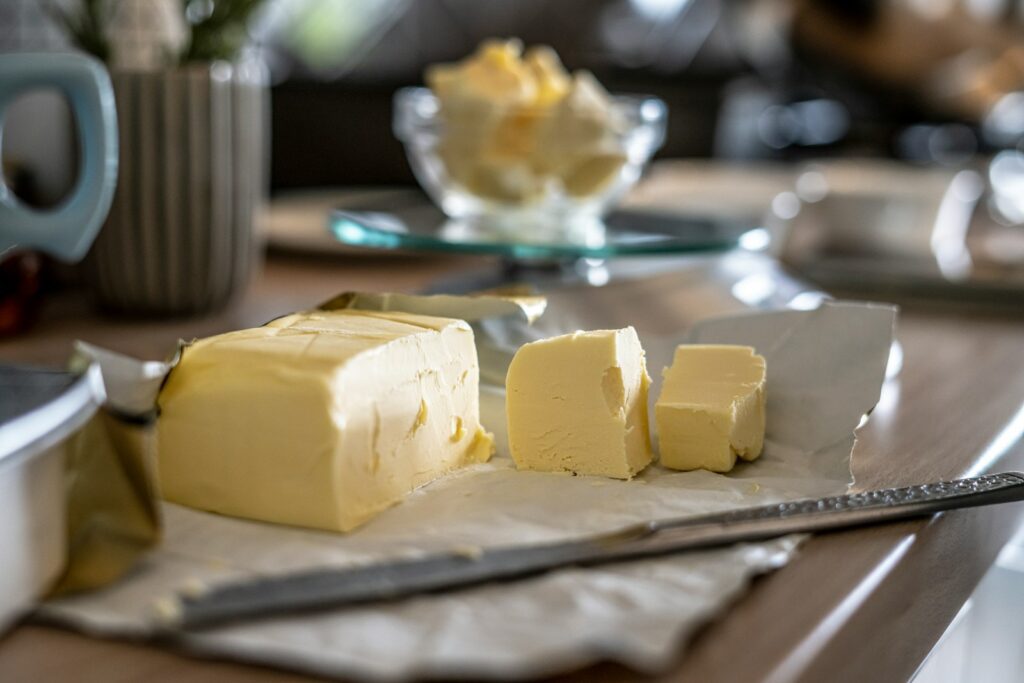
Virgin coconut oil can be substituted for butter or other cooking oils in a 1:1 ratio. It’s perfect for dairy-free or vegan diets. - Keep Temperature in Mind
For high-heat methods like deep frying, refined coconut oil may be better, but for roasting, pan-frying, and baking, virgin coconut oil works well. - Solid or Liquid?
Virgin coconut oil solidifies below 76°F (24°C) and melts quickly above that. For baking, gently melt it before measuring for accurate results. - Store Properly
Keep the oil in a cool, dry place in a sealed container. It has a long shelf life (up to two years) due to its natural antioxidants.
Breakfast Recipes with Virgin Coconut Oil

1. Coconut Banana Pancakes
Ingredients:
- 1 cup rolled oats
- 2 ripe bananas
- 2 eggs
- 1 tsp baking powder
- 2 tbsp virgin coconut oil (plus extra for cooking)
- Pinch of salt
Instructions:
- Blend all ingredients in a blender until smooth.
- Heat a non-stick skillet with a little coconut oil over medium heat.
- Pour in batter to form small pancakes. Cook 2–3 minutes on each side.
- Serve with fresh fruit and a drizzle of honey.
Tip: Coconut oil gives these pancakes a subtle tropical twist and keeps them moist.
2. Coconut Coffee or “Bulletproof” Coffee
Replace your usual morning creamer with 1 tablespoon of virgin coconut oil blended into your coffee for a creamy, energy-boosting drink.
Lunch Recipes with Virgin Coconut Oil
3. Tropical Coconut Chicken Stir-Fry
Ingredients:
- 2 chicken breasts, thinly sliced
- 2 tbsp virgin coconut oil
- 1 red bell pepper, sliced
- 1 cup snap peas
- 1/2 onion, sliced
- 2 tbsp coconut aminos or soy sauce
- 1 tsp grated ginger
- 1 clove garlic, minced
Instructions:
- Heat coconut oil in a wok or large skillet over medium heat.
- Add chicken and cook until golden brown.
- Add vegetables, garlic, and ginger. Stir-fry for 3–4 minutes.
- Add coconut aminos and toss everything together.
Tip: The coconut oil enhances the tropical flavor of the dish and gives a slight crispiness to the chicken.
4. Coconut Quinoa Salad
Ingredients:
- 1 cup cooked quinoa
- 1/2 cup grated carrot
- 1/2 cup chopped cucumber
- 1 tbsp virgin coconut oil
- Juice of 1 lime
- 1 tbsp chopped fresh cilantro
- Salt and pepper to taste
Instructions:
- Combine all ingredients in a bowl.
- Toss to mix and chill before serving.
Tip: Use coconut oil as a healthy fat for cold salads—its flavor balances beautifully with lime and fresh herbs.
Dinner Recipes with Virgin Coconut Oil
5. Coconut Curry Lentils
Ingredients:
- 1 cup red lentils
- 1 tbsp virgin coconut oil
- 1 small onion, chopped
- 1 garlic clove, minced
- 1 tsp turmeric
- 1 tsp cumin
- 1/2 tsp chili flakes (optional)
- 2 cups water or vegetable broth
- 1/2 cup coconut milk
- Salt to taste
Instructions:
- Sauté onion and garlic in coconut oil until translucent.
- Add spices and stir for 1 minute.
- Add lentils and water; simmer for 15–20 minutes until tender.
- Stir in coconut milk and season to taste.
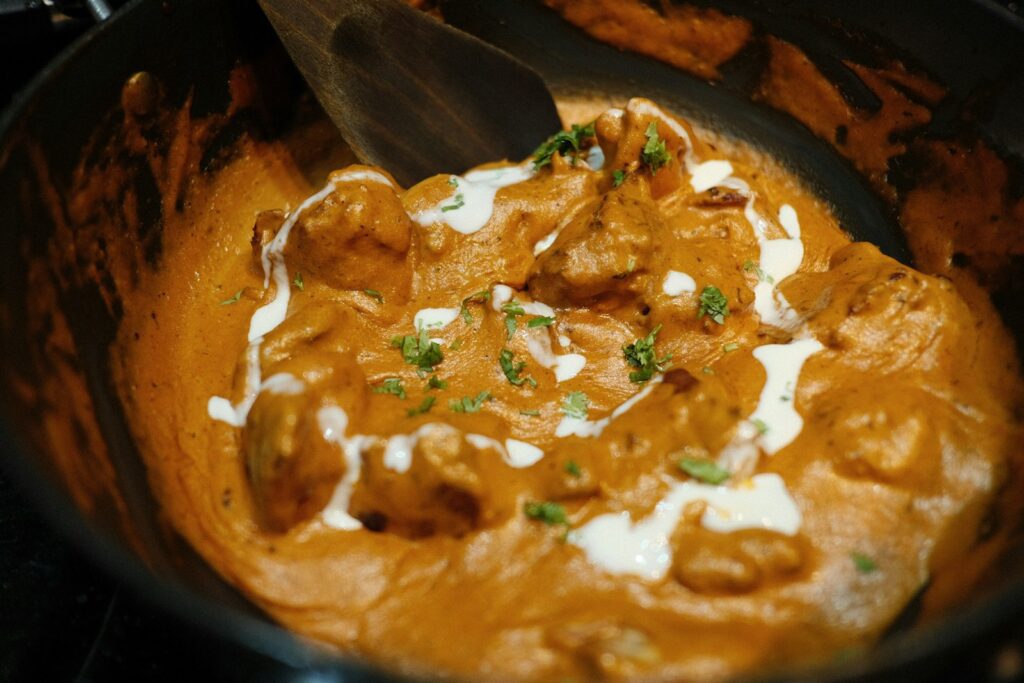
Tip: This warming, plant-based meal is rich in fiber and perfect for busy weeknights.
6. Roasted Veggies with Coconut Oil
Ingredients:
- 2 cups assorted vegetables (sweet potatoes, carrots, broccoli, etc.)
- 2 tbsp virgin coconut oil, melted
- Salt, pepper, paprika
Instructions:
- Toss vegetables in melted coconut oil and seasonings.
- Spread on a baking sheet and roast at 400°F (200°C) for 25–30 minutes.
Tip: Coconut oil adds a subtle sweetness and helps veggies caramelize beautifully.
Dessert Recipes with Virgin Coconut Oil
7. No-Bake Coconut Chocolate Bites
Ingredients:
- 1 cup rolled oats
- 1/2 cup shredded coconut
- 1/3 cup virgin coconut oil
- 1/4 cup honey or maple syrup
- 2 tbsp cocoa powder
- Pinch of salt
Instructions:
- Mix all ingredients in a bowl until combined.
- Roll into small balls and refrigerate for at least 30 minutes.
Tip: These are perfect for a quick, energy-packed treat.
8. Coconut Oil Chocolate Bark
Ingredients:
- 1/2 cup virgin coconut oil
- 1/2 cup cocoa powder
- 1/4 cup maple syrup or honey
- Toppings: nuts, dried fruit, sea salt
Instructions:
- Melt coconut oil and mix with cocoa and sweetener.
- Pour onto parchment paper and sprinkle toppings.
- Freeze until solid, then break into pieces.
Final Thoughts
Cooking with virgin coconut oil is more than just a health trend—it’s a flavorful, functional addition to your kitchen that fits into a variety of diets and recipes. Whether you’re making breakfast, lunch, dinner, or dessert, coconut oil provides a rich flavor profile and nutritional boost.
Its natural sweetness, anti-inflammatory properties, and versatility make it a pantry staple for those who enjoy cooking wholesome meals. Just remember to use it appropriately based on cooking temperature and recipe style.