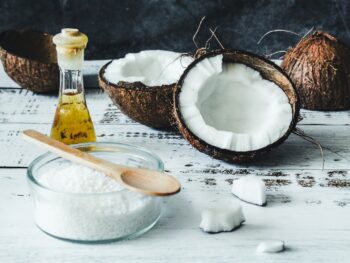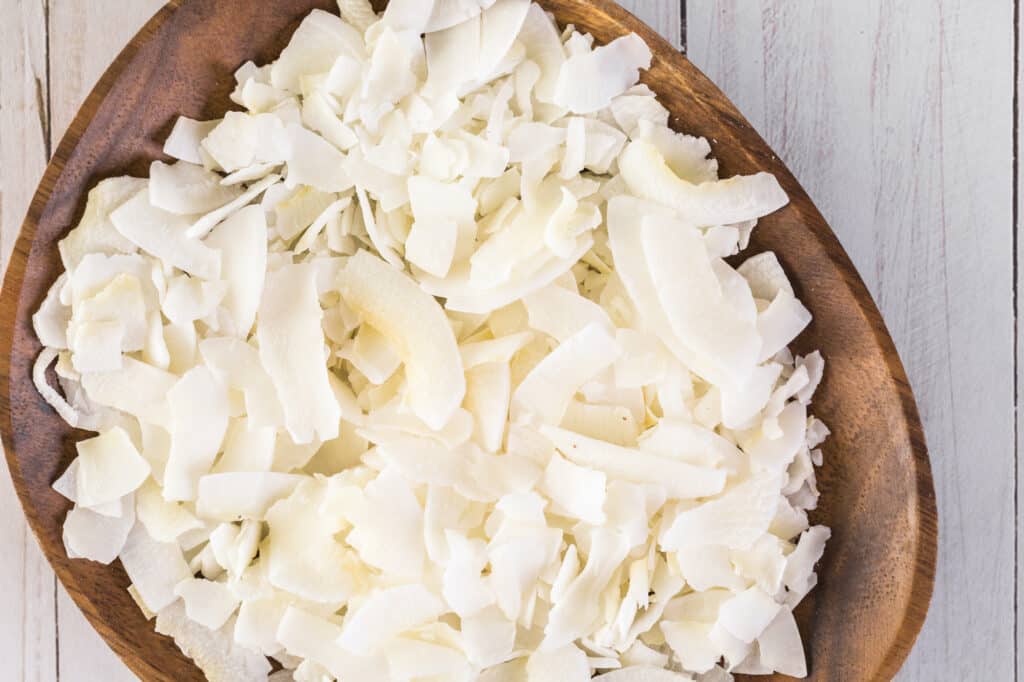
As dog owners, we’re constantly questioning whether certain human foods are safe for our furry companions. Among the many pantry staples that spark curiosity, desiccated coconut flakes stand out. Their sweet, nutty aroma and crunchy texture might make them appealing not just to us but also to our pets. But the key question remains: Can dogs eat desiccated coconut flakes? Are they safe?
Let’s explore this topic in depth to provide a clear, informative answer for all concerned pet parents.
What Are Desiccated Coconut Flakes?
Desiccated coconut refers to coconut flesh that has been grated, shredded, and dried. It usually comes unsweetened and can be finely or coarsely ground. These flakes are used in baking, cooking, and as toppings for various dishes.
Nutritionally, desiccated coconut is rich in:
- Dietary fiber
- Healthy fats (medium-chain triglycerides, or MCTs)
- Minerals like iron, manganese, and copper
But just because something is nutritious for humans doesn’t automatically make it good—or even safe—for dogs.
Can Dogs Eat Desiccated Coconut Flakes?

Short Answer: Yes, in moderation and with certain precautions.
Desiccated coconut flakes are not toxic to dogs, and in small quantities, they can even offer some health benefits. However, there are important caveats that dog owners should consider before sharing this snack with their pet.
Health Benefits of Desiccated Coconut for Dogs
When offered appropriately, coconut flakes can support your dog’s health in the following ways:
1. Supports Skin and Coat Health
Coconut contains medium-chain fatty acids (MCFAs) like lauric acid, which have been shown to reduce inflammation, improve skin hydration, and give your dog’s coat a healthy shine. For dogs with dry, flaky skin or allergies, small amounts of coconut may help soothe symptoms.
2. Improves Digestion
The fiber in desiccated coconut may support healthy digestion, promote regular bowel movements, and help some dogs with occasional constipation. It can also act as a natural prebiotic, feeding beneficial gut bacteria.
3. Boosts Immunity
Lauric acid and other fatty acids found in coconut possess antibacterial, antiviral, and antifungal properties. These can potentially help boost your dog’s immune system, although more studies are needed in pets to confirm these effects.
4. Energy Source
Coconut’s MCTs are metabolized quickly by the liver and used as a rapid energy source. For active dogs or those needing a calorie boost, small amounts of coconut flakes can help.
Potential Risks and Precautions
While coconut is generally safe, there are risks associated with feeding dogs desiccated coconut flakes, especially if not handled responsibly.
1. High Fat Content
Coconut is naturally high in fat. While MCTs are considered “good fats,” too much fat in your dog’s diet can lead to:
- Weight gain
- Pancreatitis (a potentially serious inflammation of the pancreas)
- Digestive upset
Dogs with a history of pancreatitis or sensitive stomachs should avoid high-fat foods, including coconut.
2. Digestive Issues
Desiccated coconut flakes are very dry and fibrous. Large amounts can cause:
- Diarrhea
- Vomiting
- Stomach bloating or discomfort
Start with a very small quantity and monitor your dog’s response.
3. Choking Hazard
Coarsely shredded or dried coconut flakes could be a choking hazard for small dogs or puppies. Always supervise and offer small, chewable portions.
4. Sweetened Coconut Is a No-No
Many commercially available coconut flakes are sweetened with sugar or even artificial sweeteners like xylitol, which is highly toxic to dogs. Always read the label and only offer unsweetened, plain coconut flakes.
How Much Is Safe?
Serving Size Guidelines:
- Small dogs (under 20 lbs): No more than ½ teaspoon occasionally.
- Medium dogs (20–50 lbs): Up to 1 teaspoon once or twice per week.
- Large dogs (50+ lbs): Up to 1 tablespoon, depending on tolerance.
Always introduce new foods gradually and start with a small amount. Observe for any signs of allergy, digestive upset, or changes in behavior.
Signs of Coconut Sensitivity in Dogs

While rare, some dogs may not tolerate coconut well. Watch for these signs after feeding:
- Vomiting or diarrhea
- Excessive gas or bloating
- Lethargy or loss of appetite
- Itching, hives, or skin irritation
If any of these symptoms occur, discontinue use and consult your veterinarian.
Best Ways to Serve Desiccated Coconut to Dogs
Here are some dog-safe, creative ideas for offering coconut flakes:
1. As a Food Topper
Sprinkle a tiny amount of unsweetened flakes over your dog’s kibble or wet food for added texture and flavor.
2. Homemade Dog Treats
Add coconut flakes to homemade dog biscuits or frozen treats using dog-safe ingredients like peanut butter, pumpkin, and oats.
3. Training Snacks
Mix a few flakes into your dog's favorite training mix, but ensure they are in tiny, easily digestible amounts.
4. DIY Coconut Oil and Flake Balls
Combine a small amount of coconut oil with unsweetened flakes, roll into mini balls, and refrigerate. These can be a high-energy snack for active dogs (used sparingly).
What About Coconut Oil or Coconut Milk?
If you're interested in coconut-based supplements, you might also wonder about coconut oil or coconut milk. Both can be safe in moderation but carry similar fat-related risks. Coconut oil may be better absorbed and used medicinally, but it's very calorie-dense and should be used under veterinary guidance.
Coconut milk is often too rich and may contain preservatives or sugars, so it’s generally not recommended unless specifically prepared for pets.
Veterinary Opinions on Coconut for Dogs
The American Kennel Club (AKC) and other reputable organizations state that coconut can be safe for dogs in small quantities, but the emphasis is always on moderation and observation. Coconut is not an essential part of a dog’s diet, but as an occasional treat, it can be part of a varied and enjoyable eating experience for your pet.
Veterinarians may recommend coconut products (like oil or flakes) in small amounts for specific issues such as skin dryness, minor inflammation, or digestive irregularity—but not as a daily supplement without supervision.
Conclusion: A Treat, Not a Staple
So, can dogs eat desiccated coconut flakes? **Yes, they can—**but only when the flakes are plain, unsweetened, and offered in very small amounts. While coconut flakes can provide some nutritional and health benefits, they are not essential to your dog’s diet and can cause digestive issues if overfed.
As always, it’s best to consult your veterinarian before introducing any new food into your dog’s routine—especially one that’s high in fat like coconut.
In moderation, coconut flakes can be a tasty and healthy little indulgence for your canine companion. Just be sure to offer them safely, thoughtfully, and occasionally—your dog will thank you with a happy wag and a content belly.