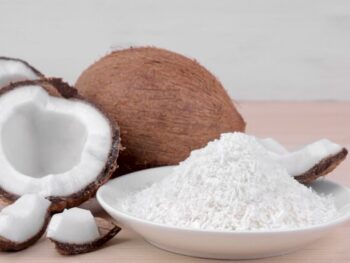
As consumers become increasingly mindful of what they put into their bodies, sweeteners have come under scrutiny. Traditional white sugar has long been criticized for its negative health effects, sparking a search for healthier alternatives. Among the natural options gaining popularity is coconut nectar, a plant-based sweetener derived from the sap of coconut blossoms. In contrast, artificial and flavored sweeteners—often used in diet sodas, sugar-free snacks, and low-calorie desserts—are synthetic or highly processed substances designed to replicate the taste of sugar without the calories.
Although both types of sweeteners serve the same fundamental purpose—to sweeten food and beverages—they differ significantly in their origin, nutritional profile, processing methods, health impact, and environmental sustainability. This article explores the key differences between coconut nectar and artificial or flavored sweeteners to help consumers make informed dietary choices.
What Is Coconut Nectar?
Coconut nectar is a natural sweetener produced by tapping the sap from the flowering buds of the coconut palm (Cocos nucifera). The sap is collected, gently heated to reduce its water content, and thickened into a syrup with a rich caramel-like taste. It can also be further dried and crystallized into coconut sugar.
Unlike table sugar, which is heavily refined and stripped of nutrients, coconut nectar retains trace minerals and contains natural sugars, including sucrose, glucose, and fructose in varying amounts.
What Are Artificial and Flavored Sweeteners?

Artificial sweeteners are chemically synthesized substances that provide intense sweetness with little to no calories. Common examples include:
- Aspartame (Equal, NutraSweet)
- Saccharin (Sweet'N Low)
- Sucralose (Splenda)
- Acesulfame potassium (Ace-K)
Flavored sweeteners, such as flavored syrups or additives used in coffees and desserts, are usually a combination of high-fructose corn syrup (HFCS), artificial flavors, and coloring agents. These products are engineered to simulate sweetness and taste but offer little nutritional value.
1. Source and Processing
Coconut Nectar:
- Natural origin: Derived directly from the coconut palm tree’s sap.
- Minimal processing: Collected and gently heated to preserve nutrients.
- Unrefined: Retains small amounts of vitamins and minerals such as potassium, magnesium, and iron.
Artificial/Flavored Sweeteners:
- Synthetic or industrial origin: Made in labs or factories from chemical compounds or corn derivatives.
- Highly processed: Undergo extensive chemical reactions and purification.
- No nutritional value: Do not contain vitamins, minerals, or natural fibers.
Key Difference: Coconut nectar is naturally derived and minimally processed, while artificial and flavored sweeteners are chemically synthesized and lack nutritional components.
2. Nutritional Content
Coconut Nectar (per 100g):
- Calories: ~290 kcal
- Sugars: ~70g (mainly sucrose with small amounts of glucose and fructose)
- Glycemic Index (GI): ~35 (low to moderate)
- Other components: Inulin (a prebiotic fiber), antioxidants, trace minerals
Artificial Sweeteners:
- Calories: 0–5 kcal (negligible)
- Sugars: 0g
- GI: 0
- Other components: No macronutrients or fiber
Flavored Sweeteners:
- Calories: Varies (often high due to HFCS)
- Sugars: Can be very high depending on product
- GI: High
- Other components: Artificial flavors, colors, preservatives
Key Difference: Coconut nectar provides small amounts of nutrients and fiber, while artificial sweeteners are non-nutritive and flavored sweeteners are often high in processed sugars.
3. Sweetness Intensity and Usage
Coconut Nectar:
- Sweetness level: Comparable to cane sugar (slightly less intense)
- Taste profile: Rich, caramel-like flavor
- Uses: Ideal for baking, sauces, dressings, beverages
Artificial Sweeteners:
- Sweetness level: 200–600 times sweeter than sugar
- Taste profile: Can have metallic, bitter, or chemical aftertaste
- Uses: Widely used in diet sodas, sugar-free gums, low-calorie desserts
Flavored Sweeteners:
- Sweetness level: Varies; generally very sweet
- Taste profile: Often overly sweet with synthetic flavoring
- Uses: Coffee syrups, flavored drinks, packaged desserts
Key Difference: Coconut nectar offers a balanced, natural sweetness with a distinct flavor, while artificial and flavored sweeteners are much sweeter but often lack depth and can have artificial aftertastes.
4. Health Impacts

Coconut Nectar:
- Low glycemic index may help manage blood sugar levels when used in moderation.
- Contains inulin, which supports gut health and acts as a prebiotic.
- Better option for natural diets, though it still contains sugar and should be consumed in moderation.
Artificial Sweeteners:
- May aid in weight loss due to zero calories, but studies suggest they can:
- Disrupt gut microbiota
- Increase cravings for sweet foods
- Contribute to glucose intolerance in some individuals
- Linked to controversial health effects (e.g., headaches, long-term metabolic changes)
Flavored Sweeteners:
- Often high in added sugars (especially HFCS), which can:
- Raise blood sugar rapidly
- Contribute to insulin resistance
- Increase risk of obesity and metabolic syndrome
Key Difference: Coconut nectar may offer minor health benefits in moderation, whereas artificial and flavored sweeteners are associated with a range of health concerns, especially when consumed frequently or in large amounts.
5. Sustainability and Environmental Impact
Coconut Nectar:
- Sustainable crop: Coconut palms require little water and no intensive replanting.
- Supports small farmers in Southeast Asia and other tropical regions.
- Low environmental impact with traditional harvesting methods.
Artificial/Flavored Sweeteners:
- High energy and resource use in synthetic production.
- Environmental pollution: Chemical by-products can harm ecosystems.
- Dependence on industrial agriculture and petroleum-based ingredients
Key Difference: Coconut nectar is generally more eco-friendly and sustainable, while artificial and flavored sweeteners have a larger environmental footprint.
6. Culinary Versatility
Coconut Nectar:
- Works well in baking, cooking, marinades, and beverages.
- Adds depth of flavor with its caramel notes.
Artificial Sweeteners:
- Often unsuitable for baking (some degrade with heat or lack bulk).
- Typically used in pre-packaged or processed foods.
Flavored Sweeteners:
- Primarily used in beverages and syrups.
- Can overpower dishes with artificial taste.
Key Difference: Coconut nectar functions more like traditional sugar in recipes, while artificial and flavored sweeteners have limitations in texture, flavor, and cooking stability.
Final Thoughts

While coconut nectar is not a zero-calorie sweetener, it offers a more natural, nutrient-rich, and sustainable alternative to refined sugar and artificial sweeteners. Its lower glycemic index, trace minerals, and minimal processing make it appealing to those following whole-food or plant-based diets.
In contrast, artificial sweeteners may help reduce calorie intake but are highly processed, lack nutrients, and carry potential health risks, particularly with long-term use. Flavored sweeteners, while tasty and convenient, are usually laden with added sugars and chemicals.
Ultimately, the healthiest approach is moderation and mindfulness. For those seeking a sweetener that aligns with both wellness and environmental values, coconut nectar is a strong contender—bridging the gap between natural sweetness and functional nutrition.