Tag: coconut milk from indonesia

  • Is Coconut Sugar Keto-Friendly? The Honest Answer

    Is Coconut Sugar Keto-Friendly? The Honest Answer

    Is Coconut Sugar Keto-Friendly
    Quick Answer: No — coconut sugar is not keto-friendly. Despite its lower glycemic index (GI 35–54), coconut sugar contains 12–15g net carbs per tablespoon, which is far too high for a ketogenic diet that limits total net carbs to 20–50g per day. Even a small amount can disrupt ketosis.

    Coconut sugar has earned a reputation as a “healthier” sweetener — lower glycemic index, trace minerals, less processed than white sugar.

    It’s a staple in paleo kitchens and a favorite among health-conscious bakers.

    So it’s natural to wonder: if coconut sugar is healthier, does that make it keto-friendly too?

    The answer is no — and understanding why requires a quick look at what actually kicks you out of ketosis.

    It’s not the glycemic index. It’s the carbohydrate count. In this guide, we break down the numbers, clarify the common GI misconception, and give you the best keto-friendly sweetener alternatives to use in your recipes instead.

    → Want the full GI breakdown? See our dedicated article: coconut sugar glycemic index guide

    The Short Answer: Coconut Sugar Is Not Keto-Friendly

    Coconut sugar is not keto-friendly.

    A single tablespoon contains approximately 12–15 grams of net carbohydrates — nearly equivalent to plain white sugar.

    On a standard ketogenic diet, the total daily net carb limit is between 20 and 50 grams.

    One tablespoon of coconut sugar alone uses up 25–75% of that entire daily allowance.

    The confusion stems from coconut sugar’s low glycemic index (GI 35–54).

    A low GI means the sugar is absorbed more slowly — but it does not mean the sugar contains fewer carbohydrates.

    On keto, what matters is net carb count, not GI.

    Coconut sugar’s carb content is nearly identical to white sugar: roughly 4g per teaspoon, 12–15g per tablespoon.

    Why a Lower Glycemic Index Does Not Mean Keto-Friendly
    Coconut Sugar Keto-Friendly

    This is the most common misconception about coconut sugar and keto — and it’s worth addressing directly.

    The Ketogenic Diet Runs on Net Carbs, Not GI

    The ketogenic diet achieves its effects by severely restricting carbohydrate intake, forcing the body into ketosis — a metabolic state where fat becomes the primary energy source instead of glucose.

    To maintain ketosis, most protocols require keeping net carbohydrate intake between 20 and 50 grams per day.

    Net carbs = total carbohydrates − dietary fiber − sugar alcohols (for certain types).

    Coconut sugar contains approximately 4g net carbs per teaspoon. This is nearly identical to white sugar (4g per teaspoon) and brown sugar (4.5g per teaspoon).

    The inulin fiber in coconut sugar does reduce its glycemic impact slightly, but the total carbohydrate load — the number that matters for ketosis — remains essentially the same.

    GI Measures Speed, Not Amount

    Glycemic index measures how quickly carbohydrates raise blood glucose — not how many carbohydrates a food contains.

    A food with GI 35 and a food with GI 65 can have exactly the same number of carbs per serving; the lower-GI food just raises blood sugar more slowly.

    For a person without diabetes choosing between natural sweeteners, lower GI is a meaningful advantage.

    For someone maintaining ketosis, the total carb count is what triggers or prevents the metabolic shift — and both high-GI and low-GI sugars will break ketosis if consumed in normal amounts.

    → Read more: full guide to the glycemic index of coconut sugar — including why GI 35 still matters outside of keto contexts.

    Coconut Sugar Nutrition Facts: The Carb Numbers

    Here is a complete nutritional breakdown of coconut sugar:

    MetricPer Teaspoon (4g)Per Tablespoon (13g)Per 100g
    Calories15–16 kcal48–50 kcal375 kcal
    Total Carbohydrates4g12–13g97g
    Net Carbs~4g~12–13g~95g
    Dietary Fiber< 0.1g< 0.3g~0.5g
    Sugars~4g~12g~94g
    Sucrose~3.2g~10g~79g
    Fat0g0g0g
    Protein0g0g0g
    Inulin (fiber)~0.04g~0.12g~1–3g

    Coconut Sugar vs White Sugar vs Brown Sugar: Keto Comparison

    SweetenerNet Carbs/tspGIKeto-Friendly?Notes
    Coconut sugar~4g35–54❌ NoLower GI but same carb load
    White sugar~4g58–65❌ NoStandard reference
    Brown sugar~4.5g~64❌ NoMinimal nutritional difference
    Honey~5.7g58–85❌ NoHigher carbs than sugar
    Maple syrup~3.5g~54❌ NoSimilar to coconut sugar
    Erythritol~0g (net)0✅ YesSugar alcohol; minimal metabolic impact
    Monk fruit sweetener0g0✅ YesZero calorie, zero carb
    Stevia (pure)0g0✅ YesZero calorie, zero carb
    Allulose~0g (net)0✅ YesRare sugar; minimal insulin response

    Will Coconut Sugar Kick You Out of Ketosis?

    Will Coconut Sugar Kick You Out of Ketosis
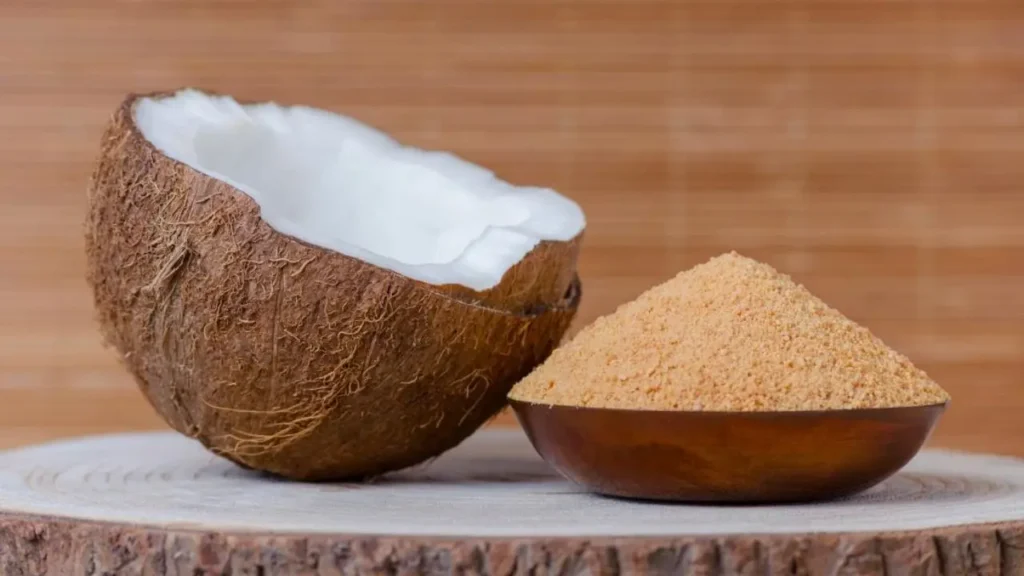
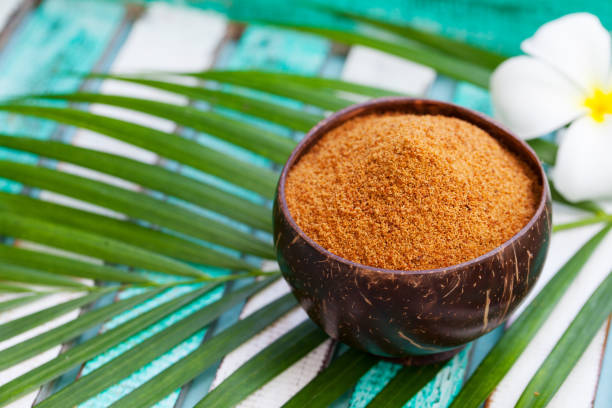
    Natural coconut sugar in bowl on wooden table, space for text

    Yes — a normal serving of coconut sugar will likely disrupt ketosis for most people.

    Here’s why: ketosis is maintained when liver glycogen stays depleted, which happens only when daily net carbs remain consistently low (typically under 50g, and often under 20–30g for strict keto).

    A single tablespoon of coconut sugar adds 12–15g net carbs. For someone on a strict 20g daily limit, that’s 60–75% of their entire day’s carbohydrate budget in one ingredient.

    What About Just a Tiny Pinch?

    Very small amounts — a quarter teaspoon in a large recipe serving multiple people — may not individually push you over your daily carb limit.

    In that case, the per-serving carb contribution could be under 0.5g and unlikely to disrupt ketosis on its own.

    However, this requires strict tracking and assumes no other carb sources in the meal.

    For most people following keto, the practical advice is simple: the risk is not worth it when zero-carb alternatives work just as well.

    If you are in a flexible low-carb pattern (rather than strict keto), occasional very small amounts may be acceptable — but regular use will consistently raise daily carb totals.

    Best Keto-Friendly Sweetener Alternatives to Coconut Sugar

    Best Keto-Friendly Sweetener Alternatives to Coconut Sugar

    The good news: several natural sweeteners deliver sweetness with zero or near-zero net carbs, and some work remarkably well as 1:1 coconut sugar substitutes in baking and cooking.

    Here are the four best options:

    1. Erythritol

    Erythritol is a sugar alcohol that occurs naturally in small amounts in some fruits.

    It provides about 70% of the sweetness of sugar with essentially zero net carbs — the body absorbs it but does not metabolize it, so it does not raise blood glucose or insulin levels.

    • Net carbs: ~0g per serving (not counted toward keto totals)
    • Sweetness vs sugar: ~70% as sweet (use 1.3x the amount of sugar called for)
    • Best for: baking, coffee, sauces
    • Texture note: can create a slight cooling sensation in large amounts; this reduces when blended with other sweeteners

    2. Monk Fruit Sweetener

    Extracted from monk fruit (Luo Han Guo), monk fruit sweetener is 150–200x sweeter than sugar.

    It contains zero calories and zero net carbs, with a clean sweet taste that most people find very close to sugar. It does not have the cooling effect of erythritol.

    • Net carbs: 0g
    • Sweetness vs sugar: 150–200x (use in tiny amounts, or use a monk fruit blend product)
    • Best for: beverages, light baking, sauces
    • Note: pure monk fruit is expensive; monk fruit + erythritol blends offer better value and performance

    3. Stevia

    Stevia is a plant-derived sweetener extracted from the leaves of Stevia rebaudiana.

    It is 200–300x sweeter than sugar, calorie-free, and has no impact on blood glucose or ketosis.

    Pure stevia (without added maltodextrin or dextrose fillers) is fully keto-compatible.

    • Net carbs: 0g (pure stevia or stevia liquid drops)
    • Sweetness vs sugar: 200–300x (use sparingly)
    • Best for: beverages, yogurt, light desserts
    • Watch for: some stevia products contain fillers (maltodextrin) that add carbs — check labels

    4. Allulose

    Allulose is a rare sugar that occurs naturally in figs, raisins, and wheat in tiny amounts.

    It has the same chemical formula as fructose but is metabolized completely differently — the body absorbs but does not convert it to energy, resulting in near-zero caloric and glycemic impact.

    It is the closest natural substitute to coconut sugar in terms of baking behavior.

    • Net carbs: ~0g (FDA has approved allulose to be excluded from total/added sugar counts)
    • Sweetness vs sugar: ~70% as sweet
    • Best for: baking (caramelizes like real sugar), sauces, coffee
    • Note: newer on the market; may be harder to find and more expensive than erythritol

    Keto Sweetener Substitution Chart (replacing 1 tablespoon coconut sugar):

    Keto SweetenerAmount to UseNet CarbsBest Application
    Erythritol (granulated)1.3 tbsp~0gBaking, coffee, sauces
    Monk fruit + erythritol blend1 tbsp (1:1 blend)~0gAll-purpose
    Stevia liquid (pure)6–8 drops0gBeverages, yogurt
    Allulose1.25 tbsp~0gBaking (best caramelization)

    Keto-Friendly Coconut Products You Can Use

    While coconut sugar is off the table for keto, several other coconut-derived products are genuinely keto-compatible and worth having in your kitchen:

    Coconut ProductNet CarbsKeto StatusBest Use
    Coconut oil0g✅ ExcellentCooking, fat bombs, MCT source
    Full-fat coconut milk (canned)~1–2g per ¼ cup✅ GoodCurries, sauces, keto desserts
    Coconut cream~2–3g per ¼ cup✅ Good (use sparingly)Whipped toppings, desserts
    Unsweetened desiccated coconut~2g per oz✅ GoodKeto baking, granola, toppings
    Coconut flour~6g per ¼ cup (high fiber)✅ ModerateLow-carb baking (use with care)
    Coconut milk powder (unsweetened)~2g per tbsp✅ GoodBeverages, baking, sauces
    Coconut sugar~12–15g per tbsp❌ Not ketoAvoid or use trace amounts with tracking

    → Sourcing coconut ingredients in bulk? See our full range of coconut products from Indonesia

    Is Coconut Sugar Paleo-Friendly? (Yes — But That’s Different from Keto)

    Yes — coconut sugar is widely accepted in paleo diets. The paleo approach allows natural, minimally processed sweeteners from whole food sources, which coconut sugar qualifies as. Many paleo recipes use it freely.

    This is an important distinction: paleo-friendly does not equal keto-friendly.

    The paleo diet does not restrict carbohydrates as severely as keto — it focuses on food quality and origin, not macronutrient ratios.

    Coconut sugar is a natural, traditionally produced sweetener that fits paleo logic perfectly. On keto, its carb count disqualifies it regardless of its natural origin.

    Keto Recipes Using Coconut Products (Without Coconut Sugar)

    coconut sugar Global Coco Sugar

    These keto-friendly recipes use coconut products at their best — with keto-approved sweeteners replacing coconut sugar wherever needed:

    RECIPE 1

    Keto Coconut Yogurt with Berries

    • 2 cups full-fat canned coconut milk
    • 1 probiotic capsule
    • 1 tsp vanilla extract
    • 1 tbsp powdered erythritol or monk fruit sweetener
    • ½ cup mixed berries (strawberries, raspberries — lower-carb choices)
    • 1 tbsp unsweetened desiccated coconut flakes

    Incubate coconut milk with a probiotic capsule per package directions. Chill, stir in vanilla and sweetener. Top with berries and coconut flakes. Net carbs per serving: ~4–6g.

    RECIPE 2

    Coconut Flour Chicken Tenders

    • 1 lb chicken tenders
    • ½ cup coconut flour
    • ¾ cup unsweetened desiccated coconut
    • 1 tsp garlic powder, 1 tsp onion powder, ½ tsp salt
    • 2 eggs, beaten
    • 2 tbsp coconut oil for cooking

    Dredge chicken in egg, then coat with coconut flour-desiccated coconut mixture. Cook in coconut oil over medium-high heat, 3 minutes per side. Net carbs per serving: ~3g.

    RECIPE 3

    Keto Coconut Macaroons

    • 3 cups unsweetened desiccated coconut
    • ½ cup coconut flour
    • ½ cup powdered erythritol (replaces coconut sugar from original recipe)
    • ½ tsp sea salt
    • 4 egg whites
    • 1 tsp vanilla extract
    • ½ cup 85%+ dark chocolate, roughly chopped (optional)

    Mix all ingredients. Shape into rounds on a lined baking sheet. Bake at 325°F (160°C) for 18–20 minutes until golden. Net carbs per macaroon: ~2g.

    The Bottom Line

    Coconut sugar is a genuinely better sweetener than white sugar in many contexts: lower glycemic index, trace minerals, more natural processing.

    For paleo, for general health-conscious eating, for reducing refined sugar intake — it is a solid choice.

    But for keto, the carb count is the deciding factor, and coconut sugar’s 12–15g net carbs per tablespoon makes it incompatible with maintaining ketosis.

    The GI advantage, while real, is irrelevant in a diet governed by net carb limits rather than glycemic response.

    If you’re on keto and want the caramel-like flavor of coconut sugar in your recipes, an erythritol blend or a monk fruit + allulose combination will get you very close — with zero impact on your ketosis.

    → For non-keto applications, explore our coconut sugar products and specifications — available in bulk for food manufacturers and retailers.

  • 5 Products of Derivative Coconut In Diet For Beginer

    5 Products of Derivative Coconut In Diet For Beginer

    Introduction Of Using Derivative Product Of Coconut In Diet

    In the world of nutrition, coconut derivative products have emerged as nutritional powerhouses, offering a unique blend of flavor, versatility, and health benefits. From coconut oil to coconut flour, coconut sugar, coconut milk and coconut water, these derivatives have found their way into kitchens, transforming the way we approach diet and well-being. Maybe you there will be a question from you “Can I Using Derivative coconut In Diet?” This comprehensive guide explores the myriad coconut derivative products available and unveils how integrating them into your diet can contribute to a nutrient-rich and deliciously satisfying culinary experience.

    The Bounty of Organic Diets Using Coconut Derivative Products

    Organic Virgin Coconut Oil as Versatile Culinary Marvel

    cold pressed virgin coconut oil, virgin coconut oil manufacturing, organic extra virgin coconut oil

    Organic virgin coconut oil is a type of oil extracted from fresh coconut meat, and it is considered one of the healthier options among cooking oils. It contains a high percentage of saturated fats, primarily medium-chain triglycerides (MCTs), which have been associated with several potential health benefits. Here are some considerations for using virgin coconut oil in your diet:

    MCTs and Energy: The MCTs in organic virgin coconut oil are quickly metabolized by the body and can be used as a rapid source of energy. This property makes them less likely to be stored as fat compared to long-chain fatty acids found in some other oils.

    Cooking at High Temperatures: Organic virgin coconut oil has a high smoke point, making it suitable for cooking at high temperatures. It’s a good option for sautéing, stir-frying, and baking.

    Flavor Enhancement: Organic virgin coconut oil adds a distinct flavor to dishes, imparting a mild coconut taste. This can be appealing in both savory and sweet recipes.

    Antioxidant Properties: Organic virgin coconut oil contains antioxidants that may help neutralize free radicals in the body. These antioxidants can contribute to overall health and may have anti-inflammatory properties.

    Heart Health: While organic virgin coconut oil is high in saturated fats, some studies suggest that the specific type of saturated fats in coconut oil may have a neutral or potentially positive effect on heart health. However, more research is needed to fully understand the impact on cardiovascular health.

    Weight Management: Some studies have suggested that the MCTs in organic virgin coconut oil may promote feelings of fullness, potentially reducing overall calorie intake and aiding in weight management.

    Skin and Hair Benefits: In addition to being used in cooking, organic virgin coconut oil is often used topically for its moisturizing properties. It can also be beneficial for hair health.

    Individual Tolerance: Like any dietary fat, individual tolerance varies. Some people may find that they tolerate and enjoy the taste of coconut oil, while others may not prefer it.

    Despite the potential benefits, it’s important to use virgin coconut oil in moderation, as it is calorie-dense. The American Heart Association recommends limiting saturated fat intake to help manage cardiovascular health. If you have specific health concerns or conditions, it’s advisable to consult with a healthcare professional or a registered dietitian for personalized advice based on your individual needs.

    Remember that a balanced and varied diet, along with other healthy lifestyle choices, is crucial for overall well-being. It’s also important to consider the overall quality of your diet, incorporating a variety of nutrient-dense foods from different food groups.

    Coconut Flour as Gluten-Free Goodness

    brown wooden bowl on white snow

    Coconut flour offers several benefits that can make it a valuable addition to a diet, especially for those with specific dietary preferences or restrictions. Here are some of the benefits of using coconut flour in a diet:

    Gluten-Free: Coconut flour is naturally gluten-free, making it a suitable option for individuals with gluten sensitivities or celiac disease.

    High in Fiber: Coconut flour is rich in dietary fiber, which is beneficial for digestion. Adequate fiber intake can contribute to a feeling of fullness, potentially assisting with weight management by reducing overall calorie consumption.

    Low in Carbohydrates: Compared to traditional wheat flour, coconut flour is lower in carbohydrates. This can be particularly appealing for individuals following low-carbohydrate or ketogenic diets.

    Nutrient-Rich: Coconut flour contains essential nutrients such as protein, healthy fats, and minerals like manganese. While it shouldn’t be the sole source of these nutrients in a diet, it can contribute to overall nutrient intake.

    Blood Sugar Regulation: The high fiber content in coconut flour may help regulate blood sugar levels by slowing the absorption of glucose. This can be beneficial for individuals with diabetes or those aiming to maintain stable blood sugar levels.

    Supports Digestive Health: The fiber in coconut flour supports digestive health by promoting regular bowel movements and preventing constipation.

    Satiety and Weight Management: The combination of fiber and healthy fats in coconut flour can help promote a sense of fullness, potentially reducing overall calorie intake and supporting weight management efforts.

    Versatile in Cooking: Coconut flour is versatile and can be used in various recipes, from baked goods to savory dishes. Its slightly sweet and nutty flavor can add a unique taste to foods.

    Despite these benefits, it’s essential to use coconut flour in moderation, as it is calorie-dense. Additionally, if you have allergies or sensitivities, it’s advisable to consult with a healthcare professional before making significant changes to your diet. Remember that a balanced and varied diet, along with regular physical activity, is key to overall health and well-being.

    Coconut Water as Nature’s Hydration Elixir

    Coconut water is a refreshing beverage that can be a healthy addition to your diet, providing various benefits. Here are some ways in which coconut water can be beneficial as part of a balanced diet:

    Hydration: Coconut water is an excellent natural hydrator. It contains electrolytes such as potassium, sodium, and magnesium, making it a good choice for replenishing fluids after exercise or in hot weather. Proper hydration is essential for overall health and can support various bodily functions.

    Low in Calories: Coconut water is relatively low in calories compared to many commercial sports drinks. It can be a good alternative for those looking to hydrate without consuming excessive calories or added sugars.

    Rich in Electrolytes: Electrolytes are essential minerals that help maintain fluid balance, regulate muscle contractions, and support nerve function. Coconut water naturally contains electrolytes, making it a valuable choice for replenishing these minerals after physical activity.

    Natural Source of Potassium: Coconut water is particularly high in potassium, an essential mineral that plays a crucial role in heart health, muscle function, and maintaining proper fluid balance in the body.

    May Support Weight Loss: While coconut water itself doesn’t directly lead to weight loss, choosing it as a beverage option in place of sugary drinks or high-calorie beverages can contribute to a lower overall calorie intake, supporting weight management goals.

    May Help Lower Blood Pressure: The potassium content in coconut water may contribute to lowering blood pressure, which is important for cardiovascular health.

    Digestive Health: Coconut water contains fiber, which can aid in digestion and promote a healthy gut. It may also be beneficial for those with mild constipation.

    Natural and Refreshing Flavor: Coconut water has a naturally sweet and refreshing taste, making it an enjoyable alternative to sugary beverages.

    It’s important to note that while coconut water can be a healthy choice, it should be consumed in moderation as part of a well-rounded diet. Additionally, be cautious with flavored or sweetened varieties of coconut water, as they may contain added sugars that can contribute to excess calorie intake.

    As with any dietary changes, it’s a good idea to consult with a healthcare professional, especially if you have any underlying health conditions or concerns.

    Organic Diets Using Coconut Sugar as Low Glycemic Sweetener

    coconut blossom sugar, coconut derivative products supplier, coconut sugar keto, coconut sugar supplier, coconut sweetener

    Coconut sugar is a natural sweetener derived from the sap of coconut palm trees. It has gained popularity as an alternative to refined sugars due to its perceived health benefits. While coconut sugar does contain some nutrients not found in regular sugar, it’s important to use it in moderation and be aware of its overall impact on your diet. Here are some aspects to consider when using coconut sugar in your diet:

    Nutrient Content: Coconut sugar contains small amounts of certain nutrients, including iron, zinc, calcium, and potassium, as well as antioxidants. However, the amounts are relatively low, and relying on coconut sugar as a significant source of these nutrients is not advisable.

    Lower Glycemic Index: Coconut sugar has a lower glycemic index (GI) compared to regular table sugar. This means it may have a smaller impact on blood sugar levels. However, it’s essential to remember that the glycemic index is just one factor, and the overall impact on blood sugar also depends on factors like portion size and what other foods are consumed.

    Moderation is Key: While coconut sugar is often considered a more natural and less processed sweetener, it still contributes calories and sugars to your diet. Like any sweetener, it should be used in moderation to avoid excessive calorie intake and potential negative health effects.

    Caloric Content: Coconut sugar is calorically dense, similar to regular sugar. It’s important to be mindful of your overall calorie intake when incorporating it into your diet, especially if you are trying to manage your weight.

    Flavor Profile: Coconut sugar has a caramel-like flavor that can add a unique taste to foods and beverages. It’s often used as a substitute for brown sugar in recipes.

    Alternative for Refined Sugars: If you’re looking to reduce your intake of refined sugars, coconut sugar can be a better option due to its lower processing and slightly better nutrient profile. However, it’s still a sweetener and should be consumed mindfully.

    Consideration for Diabetics: While coconut sugar has a lower glycemic index than regular sugar, individuals with diabetes should still monitor their blood sugar levels and consult with a healthcare professional before including it in their diet.

    Whole Foods Are Priority: It’s important to prioritize whole, nutrient-dense foods in your diet over sweeteners, including coconut sugar. A balanced and varied diet that includes fruits, vegetables, whole grains, and lean proteins is key to overall health.

    Ultimately, whether coconut sugar is a suitable addition to your diet depends on your health goals, dietary preferences, and individual needs. If you have specific health concerns or conditions, it’s advisable to consult with a healthcare professional or a registered dietitian for personalized guidance.

    Coconut Milk Good For Diet, Guilt-free Vegan Alternative Milk

    coconut milk what is it and what is coconut milk good for?

    Coconut milk is a popular dairy-free alternative that can be incorporated into a diet for various reasons. It’s made from the grated flesh of mature coconuts and has a rich, creamy texture with a distinctive coconut flavor. Is coconut milk good for diet? Here are some considerations for using coconut milk in your organic diets:

    Dairy-Free Alternative: Coconut milk is an excellent choice for individuals who are lactose intolerant or allergic to dairy. It’s a plant-based option that can be used in place of cow’s milk in many recipes.

    Healthy Fats: Coconut milk is rich in healthy fats, including medium-chain triglycerides (MCTs). These fats can be metabolized more quickly than long-chain fats, providing a source of readily available energy.

    Weight Management: While coconut milk is calorie-dense due to its fat content, the MCTs it contains may contribute to a feeling of fullness, potentially aiding in weight management by reducing overall calorie intake. With this benefits, it can be consider that coconut milk good for diet

    Vitamins and Minerals: Coconut milk contains various vitamins and minerals, including vitamin C, E, B vitamins, iron, and magnesium. While the amounts may not be extremely high, they can contribute to overall nutrient intake.

    Bone Health: Coconut milk is often fortified with calcium and vitamin D, which are essential for bone health. However, it’s important to check labels, as not all coconut milk products are fortified.

    Anti-Inflammatory Properties: Some components in coconut milk, such as lauric acid, have been studied for their potential anti-inflammatory and immune-boosting properties.

    Versatile in Cooking: Coconut milk can be used in both sweet and savory dishes. It’s commonly used in curries, soups, smoothies, desserts, and as a dairy substitute in various recipes.

    Consideration for Calories: While the healthy fats in coconut milk can be beneficial, they also contribute to its calorie content. If you’re watching your calorie intake, it’s essential to use coconut milk in moderation.

    Avoid Added Sugars: Some commercially available coconut milk products may contain added sugars. Be sure to check the ingredient list and choose unsweetened varieties if you want to minimize added sugars in your diet.

    Individual Tolerance: Like any food, individual tolerance varies. Some people may have allergies or sensitivities to coconut, so it’s important to be aware of your own body’s response.

    In summary, coconut milk can be a valuable addition to a diet, especially as a dairy alternative. It provides healthy fats, vitamins, and minerals. However, as with any food, it’s essential to consume it in moderation as part of a balanced and varied diet. Always check product labels for added sugars or other additives, and consider consulting with a healthcare professional or a registered dietitian for personalized advice based on your specific health goals and needs.

    Integrating Derivative Coconut In Diet into Everyday Meals

    Cooking and Baking with Organic Virgin Coconut Oil

    Organic Virgin Coconut oil can be a versatile and flavorful addition to both cooking and baking. Here are some tips for using coconut oil in various culinary applications:

    Cooking with Organic Virgin Coconut Oil

    Sautéing and Stir-Frying: Coconut oil has a high smoke point, making it suitable for high-heat cooking methods like sautéing and stir-frying. Its mild coconut flavor can add a delicious touch to savory dishes.

    Roasting Vegetables: Drizzle melted coconut oil over vegetables before roasting to enhance flavor and promote even browning.

    Popcorn: Use melted coconut oil as a tasty and aromatic topping for popcorn. Drizzle it over the popped corn and season with salt or other desired spices.

    Grilling: Brushing coconut oil on vegetables, meats, or seafood before grilling can impart a delightful flavor and prevent sticking.

    Egg Replacement: Coconut oil can be used as a dairy-free alternative to butter or other oils in recipes. It works well in recipes that call for melting a fat, such as in pancakes or waffles.

    Smoothies: Add a tablespoon of melted coconut oil to your smoothies for a creamy texture and a boost of healthy fats.

    Baking with Extra Organic Virgin Coconut Oil

    Substitute for Butter or Shortening: Coconut oil can often be used as a substitute for butter or shortening in baking recipes. Use a 1:1 ratio, but keep in mind that coconut oil is solid at room temperature, so you may need to melt it for certain recipes.

    Cookies and Bars: Incorporate coconut oil into cookie and bar recipes for a rich, slightly nutty flavor. It can add moisture to baked goods.

    Muffins and Quick Breads: Use melted coconut oil in muffin or quick bread recipes. Its subtle coconut flavor can complement various flavor profiles.

    Granola and Granola Bars: Coconut oil can serve as a binder in granola or granola bar recipes. It helps ingredients stick together while providing a pleasant taste.

    No-Bake Treats: Coconut oil’s ability to solidify at cooler temperatures makes it an excellent choice for no-bake recipes like energy bites or raw desserts.

    Pie Crusts: Some pie crust recipes can be adapted to include coconut oil for a unique flavor. Ensure that the coconut oil is solid when incorporating it into the crust.

    Frostings and Glazes: Coconut oil can be part of dairy-free frostings or glazes. Combine it with powdered sugar and other flavorings for a smooth finish.

    Gluten-Free Cooking with Coconut Flour

    Cooking and baking with coconut flour can be a bit different from using traditional wheat flour due to its unique properties. Coconut flour is gluten-free, high in fiber, and has a natural sweetness. Here are some tips for incorporating coconut flour into your cooking and baking:

    Cooking with Coconut Flour For Your Organic Diets

    Breading and Coating: Use coconut flour as a gluten-free alternative for breading meats or vegetables before baking or frying. It adds a light, crisp texture.

    Thickening Agent: Coconut flour can be used as a thickening agent in soups, stews, and sauces. It absorbs liquid quickly, so be mindful of the quantities you use.

    Pan-Frying: Dust fish or chicken with coconut flour before pan-frying for a gluten-free and slightly sweet crust.

    Baking with Coconut Flour For Your Organic Diets

    Combine with Other Flours: Coconut flour is highly absorbent, so it’s often used in combination with other flours (like almond flour or gluten-free all-purpose flour) to achieve the right texture in baked goods.

    Adjust Liquid Content: Coconut flour requires more liquid than traditional wheat flour because it is so absorbent. When adapting recipes, increase the liquid content, such as eggs or milk, to achieve the desired consistency.

    Use Eggs Liberally: Eggs act as a binder in recipes using coconut flour. Be prepared to use more eggs than in traditional recipes to help provide structure and moisture.

    Add Moisture: Coconut flour can result in drier baked goods, so recipes may require additional sources of moisture, such as yogurt, applesauce, or extra liquid.

    Sweetener Consideration: Coconut flour has a natural sweetness, so you may need less added sugar in your recipes. Experiment to find the right balance for your taste preferences.

    Let Batter Rest: Allow coconut flour batter to rest for a few minutes before baking to let it absorb liquid fully. This can improve the texture of the final product.

    Small Batches: Coconut flour recipes often work best in smaller batches. Don’t be afraid to halve or quarter recipes until you find the right ratios.

    Baking and Cooking with Coconut Water

    While coconut water is typically consumed as a beverage, it can also be used in cooking and baking to impart a subtle coconut flavor and add moisture to dishes. Here are some ways you can incorporate coconut water into your culinary creations:

    Cooking with Coconut Water For Your Organic Diets

    Cooking Grains: Replace some or all of the water used to cook rice, quinoa, or other grains with coconut water. This can infuse a delicate coconut flavor into the grains.

    Poaching or Steaming: Use coconut water as a poaching or steaming liquid for seafood, such as fish or shrimp. It can add a touch of sweetness to the dish.

    Soup Base: Substitute part of the broth or water in soup recipes with coconut water for a mild coconut undertone.

    Braising: Use coconut water as a braising liquid for meats or vegetables. This can add flavor and keep the dish moist during the cooking process.

    Baking with Coconut Water For Your Organic Diets

    Baking Liquid: Replace some or all of the liquid in baking recipes (such as muffins, quick breads, or cakes) with coconut water. This can add a subtle coconut essence to the baked goods.

    Smoothies and Shakes: Use coconut water as a base for smoothies and shakes to enhance the tropical flavor. It pairs well with fruits like pineapple, mango, and banana.

    Icing and Glazes: Combine coconut water with powdered sugar to create a coconut-flavored icing or glaze for cakes, cookies, or pastries.

    Desserts: Use coconut water in the preparation of desserts like gelatin or pudding for added flavor and a lighter consistency.

    While coconut water may not be as commonly used in cooking and baking as coconut milk or oil, it can be a unique and refreshing addition to certain recipes. As with any ingredient, it’s always a good idea to taste as you go and adjust quantities based on your preferences.

    Conclusion Using Derivative Coconut In Diet

    This comprehensive guide celebrates the nutritional wonders of coconut derivative products, providing readers with insights into their health benefits and practical ways to incorporate them into a wholesome and satisfying diet. From the kitchen to the table, coconut derivatives offer a delightful fusion of flavor and nutrition, inviting individuals to embrace their culinary potential.

  • Coconut Milk What Is it? Best Coconut Milk Benefits

    Coconut Milk What Is it? Best Coconut Milk Benefits

    coconut milk what is it and what is coconut milk good for?

    Coconut Milk What Is It and What Is Coconut Milk Benefits?

    In the tropical realms where coconut trees sway and coconuts flourish, there exists a versatile elixir that transcends culinary boundaries – coconut milk. Beyond its creamy texture and exotic flavor, coconut milk has become a staple in kitchens worldwide. This comprehensive guide unravels the fascinating journey of making coconut milk, exploring its various forms and unveiling the myriad of culinary possibilities it brings to the table.

    Coconut Milk What Is It And How To Get Coconut Milk?

    unrefined coconut sugar, coconut blossom sugar, coconut derivative products supplier from Indonesia, coconut milk beenefits

    The Coconut Harvest

    The journey of coconut milk begins in the heart of coconut groves. Explore the cultivation and harvesting of Tree Of Life” coconuts tree (Cocos Nucifera), highlighting the importance of selecting mature coconuts for optimal milk extraction.

    Traditional vs. Modern Extraction Methods

    Delve into the traditional and modern techniques employed to extract coconut milk. From the time-honored method of hand-squeezing to the mechanical efficiency of modern presses, each method contributes to the diversity of coconut milk products.

    Grating, Straining, and Extracting the Nectar

    Follow the intricate process of grating coconut flesh and extracting the coconut nectar, which serves as the base for coconut milk. Discuss the importance of straining to achieve the smooth, velvety texture characteristic of high-quality coconut milk.

    Types of Coconut Milk

    First and Second Press Coconut Milk

    Distinguish between the first and second press coconut milk, exploring their varying thickness and richness. Understand how multiple presses create coconut milk with different fat content, catering to diverse culinary needs.

    Coconut Cream vs. Coconut Milk

    Unravel the distinctions between coconut cream and coconut milk, from their fat content to their applications in both sweet and savory dishes. Highlight the versatility that these two coconut derivatives bring to the kitchen.

    Coconut Milk Is Good For Cooking And Baking

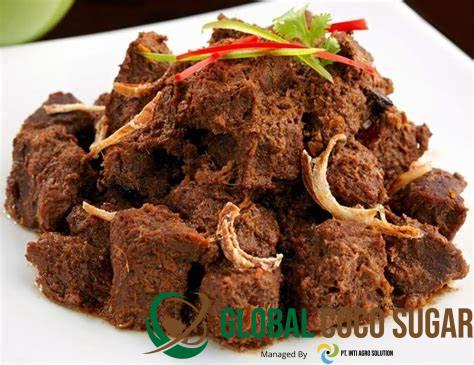
    indonesian rendang recipe using coconut milk, coconut milk benefits for indonesian rendang, coconut milk good for rendang cuisine

    Culinary Uses in Southeast Asian Cuisine

    Embark on a gastronomic journey through Southeast Asian cuisine, where coconut milk plays a central role. Explore classic dishes like Thai green curry, Indonesian rendang, and Filipino laing, showcasing the diversity of flavors coconut milk imparts. Coconut milk is good for asian cuisine since it will give the taste of savory on the cuisine

    Coconut Milk Is Good For Sweet Treats

    Indulge the sweet tooth with a discussion on how coconut milk elevates desserts. From coconut milk rice pudding to tropical coconut ice creams, delve into the rich and creamy world of coconut-infused sweets.

    Savory Applications in Global Cuisine

    Extend the exploration beyond Southeast Asia, examining how coconut milk enhances the savory profiles of dishes worldwide. Discover its incorporation in Caribbean stews, Indian curries, and Brazilian fish moqueca.

    Coconut Milk Benefits For Healthy Lifestyle

    oat bar recipe, recipe for granola bars, homemade granola bars, healthy lifestyle using coconut milk

    Nutritional Profile of Coconut Milk

    Break down the nutritional components of coconut milk, emphasizing its healthy fats, vitamins, and minerals. Discuss how coconut milk can be a valuable addition to a well-balanced diet.

    Lactose-Free and Vegan Alternatives

    Highlight the lactose-free and vegan attributes of coconut milk, making it an inclusive choice for those with dietary restrictions. Explore its role as a dairy substitute in cooking and baking.

    DIY Coconut Milk: A Home Chef’s Guide

    Homemade Coconut Milk Recipes

    Empower home chefs with step-by-step instructions on crafting homemade coconut milk. Provide variations such as vanilla-infused or chocolate-flavored coconut milk, inspiring culinary creativity.

    Tips for Storing and Preserving Coconut Milk

    Share practical tips on storing and preserving homemade or store-bought coconut milk. Discuss freezing techniques, container choices, and the shelf life of different types of coconut milk.

    Elevating Culinary Adventures with Coconut Milk

    Summarize the journey from coconut grove to kitchen table, emphasizing the artistry involved in making coconut milk and the culinary wonders it brings. Encourage readers to experiment with coconut milk in both traditional and innovative recipes, unlocking the full spectrum of its flavors and textures.

    This comprehensive guide celebrates the rich tapestry of coconut milk, from its humble origins in tropical palms to its global culinary conquests. Whether enriching curries or sweetening desserts, coconut milk is more than an ingredient—it’s an expression of diverse cultures and a source of gastronomic delight.

Secret Link