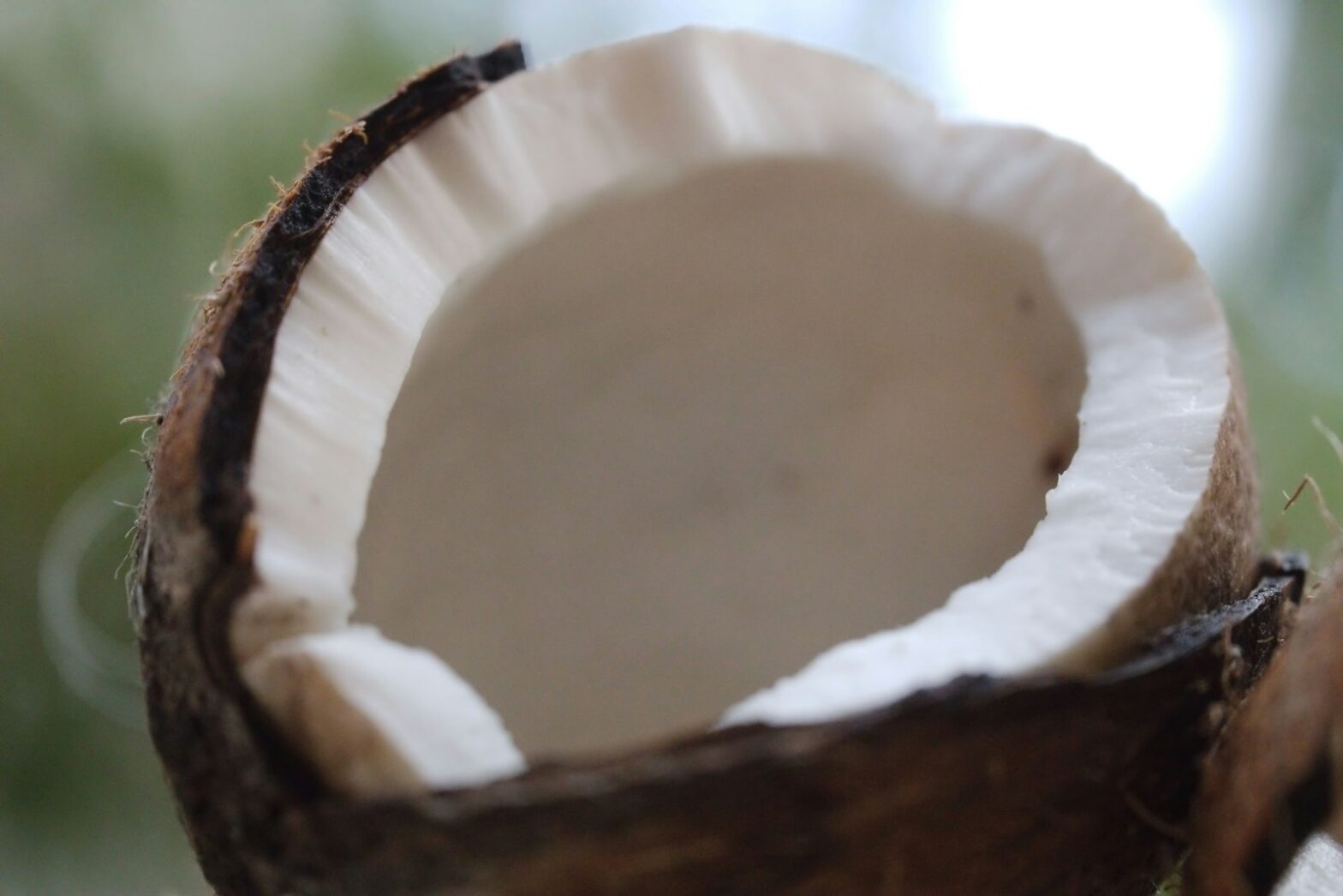
Tag: coconut milk

  • Coconut Milk for Lactose Intolerant Diets: A Perfect Substitute

    Coconut Milk for Lactose Intolerant Diets: A Perfect Substitute

    Lactose intolerance affects millions of people worldwide, making it difficult to consume traditional dairy products without discomfort. For those living with this condition, finding suitable alternatives to milk is essential for maintaining a balanced diet without sacrificing taste or nutrition. One of the most popular and versatile substitutes is coconut milk. Derived from the white flesh of mature coconuts, coconut milk offers a creamy texture, a rich taste, and a wealth of health benefits—making it an ideal choice for those seeking dairy-free alternatives.

    This article explores why coconut milk is a perfect substitute for individuals with lactose intolerance, its nutritional profile, how to use it in everyday cooking, and some potential concerns to keep in mind.


    Understanding Lactose Intolerance

    Lactose intolerance occurs when the body lacks sufficient amounts of lactase, the enzyme responsible for breaking down lactose—the sugar found in dairy milk. When undigested lactose passes into the colon, it can cause a range of unpleasant symptoms, including:

    • Bloating
    • Gas
    • Diarrhea
    • Abdominal pain
    • Nausea

    Although it is not life-threatening, lactose intolerance can significantly impact daily comfort and dietary options. This has led to a growing demand for lactose-free alternatives like almond milk, soy milk, oat milk, and most notably, coconut milk.


    What Is Coconut Milk?

    Coconut milk is a plant-based liquid made by blending grated coconut meat with water and then straining it. Unlike coconut water, which is the clear liquid inside green coconuts, coconut milk is thick, white, and creamy.

    There are two main types of coconut milk:

    • Canned Coconut Milk: Thick and rich, often used in cooking (e.g., curries, soups, desserts).
    • Carton Coconut Milk (Beverage): Thinner and lighter, often fortified with vitamins and used as a milk alternative for drinking or with cereal.

    Coconut milk is naturally free of lactose, making it a safe and delicious option for those with lactose intolerance.


    Nutritional Benefits of Coconut Milk

    Coconut milk offers several nutritional benefits that make it an attractive dairy substitute:

    1. Lactose-Free and Dairy-Free

    The most obvious advantage for lactose-intolerant individuals is that coconut milk is entirely plant-based. It contains no lactose, casein, or whey, all of which are problematic for those with dairy sensitivities or allergies.

    2. Rich in Healthy Fats

    Coconut milk contains medium-chain triglycerides (MCTs)—a type of saturated fat that the body digests easily and uses for quick energy. MCTs are associated with:

    • Improved metabolism
    • Enhanced brain function
    • Satiety and appetite control

    However, due to the fat content, moderation is key.

    3. Vitamins and Minerals

    Depending on the brand and whether it’s fortified, coconut milk can be a good source of:

    • Calcium (in fortified versions)
    • Vitamin D and B12 (in fortified beverages)
    • Iron, magnesium, and potassium (in natural or canned versions)

    These nutrients support bone health, energy production, and overall wellness—especially important when you’re cutting out dairy.

    4. Low in Carbohydrates

    For those following a low-carb or ketogenic diet, coconut milk offers a low-glycemic alternative to cow’s milk, which can contain natural sugars (lactose).


    Culinary Versatility

    Coconut milk is extremely versatile and can replace dairy milk in almost any recipe. Here are some ways to incorporate it into your lactose-free diet:

    1. In Beverages

    • Use it in smoothies, shakes, coffee, or tea.
    • Pour it over cereal or granola.
    • Mix it into hot chocolate or golden turmeric milk.

    2. In Cooking

    • Add it to curries, soups, and stews for a creamy texture.
    • Use in sauces, marinades, and gravies.
    • Make dairy-free mashed potatoes or pasta sauces.

    3. In Baking

    • Substitute coconut milk for cow’s milk in cake, muffin, or pancake recipes.
    • Use it to create dairy-free puddings, ice creams, and custards.

    The mild, slightly sweet flavor of coconut milk enhances many dishes without overpowering them.


    Choosing the Right Coconut Milk

    With many coconut milk products available, it’s important to choose one that suits your needs:

    Canned Coconut Milk

    • Best for cooking due to its thickness and fat content.
    • Look for brands with minimal additives or preservatives.
    • Shake before using, as it may separate.

    Carton Coconut Milk (Beverage)

    • Great for drinking or pouring over cereal.
    • Often fortified with calcium, vitamin D, and B12.
    • Check for added sugars—opt for unsweetened versions.

    Coconut Cream

    • Even thicker than canned milk.
    • Ideal for making dairy-free whipped cream or decadent desserts.

    Potential Downsides and Considerations

    While coconut milk is generally a great choice for lactose-intolerant individuals, there are a few things to consider:

    1. Caloric Content

    Canned coconut milk is calorie-dense due to its high fat content. Overconsumption may contribute to weight gain if not balanced with other foods. Lighter versions or diluted milk beverages are better for daily use.

    2. Allergies

    Though rare, some individuals may be allergic to coconut. Always introduce it slowly if you’ve never consumed it before.

    3. Nutrient Gaps

    Unlike dairy milk, natural coconut milk is not a good source of protein. If you switch to coconut milk, be sure to get protein from other plant-based sources like legumes, nuts, seeds, or protein-rich grains.

    4. Additives and Preservatives

    Many commercial coconut milks include thickeners, emulsifiers, and sweeteners. Always read labels and opt for products with minimal ingredients.


    Coconut Milk vs. Other Non-Dairy Alternatives

    How does coconut milk compare with other popular lactose-free options?

    Milk AlternativeProteinFatCalcium (fortified)Taste/Texture
    Coconut MilkLowHigh (MCTs)Yes (if fortified)Creamy, mild coconut flavor
    Almond MilkLowLowYes (if fortified)Light, nutty flavor
    Oat MilkModerateModerateYes (if fortified)Slightly sweet, creamy
    Soy MilkHighModerateYesNeutral, closest to dairy milk

    Coconut milk stands out for its rich texture and unique flavor, though it may be lower in protein than soy milk.


    Final Thoughts

    Coconut milk is a nutritious, flavorful, and versatile option for individuals who are lactose intolerant or simply looking to reduce dairy in their diet. Its creamy consistency makes it ideal for both sweet and savory dishes, while its health benefits add to its appeal as a staple in lactose-free kitchens.

    When used mindfully and in combination with a balanced diet, coconut milk can help you maintain a healthy, enjoyable, and dairy-free lifestyle—without missing out on taste or nutrition.


    Disclaimer: This article is for informational purposes only and does not constitute medical advice. Always consult with a healthcare provider or nutritionist when making significant changes to your diet, especially if you have food allergies or chronic health conditions.

  • Nutritional Benefits of Coconut Milk Made with Desiccated Coconut – Vitamins, Minerals, Health Perks

    Nutritional Benefits of Coconut Milk Made with Desiccated Coconut – Vitamins, Minerals, Health Perks

    Coconut milk is a rich, creamy plant-based milk alternative that has grown in popularity in recent years due to its unique flavor, versatility, and health-promoting properties. While store-bought canned coconut milk is common, many people are now making coconut milk at home using desiccated coconut. Not only is this method cost-effective, but it also provides a fresher and often more nutrient-rich alternative.

    In this article, we’ll explore the nutritional profile of homemade coconut milk made from desiccated coconut, including its vitamin and mineral content, key health benefits, and how it compares to other milk alternatives.


    What Is Desiccated Coconut?

    Desiccated coconut is simply coconut meat that has been shredded and dried. It is usually unsweetened and comes in fine or coarse textures. When blended with warm water and strained, desiccated coconut becomes a creamy, flavorful milk that retains many of the nutrients of the original coconut meat.


    How Coconut Milk Is Made from Desiccated Coconut

    Making coconut milk from desiccated coconut is simple:

    1. Soak 1 cup of unsweetened desiccated coconut in 2 cups of hot water for 10–15 minutes.
    2. Blend the mixture thoroughly until smooth.
    3. Strain using a nut milk bag or cheesecloth to separate the liquid from the pulp.

    The result is fresh coconut milk that can be used in smoothies, curries, soups, or enjoyed on its own.


    Nutritional Profile of Homemade Coconut Milk

    The nutritional composition of coconut milk made from desiccated coconut will vary slightly depending on the water-to-coconut ratio and whether the pulp is strained fully. However, here’s an approximate nutritional breakdown per 1 cup (240 ml):

    • Calories: 150–250
    • Fat: 15–24 g (mostly saturated fat)
    • Carbohydrates: 3–6 g
    • Protein: 1–2 g
    • Fiber: 1–3 g
    • Calcium: 15–25 mg
    • Iron: 1–2 mg
    • Potassium: 200–300 mg
    • Magnesium: 25–40 mg
    • Manganese: 0.5–1.0 mg
    • Vitamin C: Trace amounts
    • Vitamin E: Small amounts (especially in homemade, unprocessed varieties)

    Let’s take a closer look at some of the key nutrients and what they do for your body.


    Essential Vitamins and Minerals

    1. Manganese

    Coconut milk made from desiccated coconut is a great source of manganese, a trace mineral that plays a crucial role in:

    • Bone health
    • Wound healing
    • Metabolism of carbohydrates and fats
    • Antioxidant function

    Just one cup can provide up to 30–50% of your daily recommended intake.

    2. Iron

    Iron is vital for producing red blood cells and transporting oxygen throughout the body. While plant-based iron (non-heme iron) is not as easily absorbed as the type found in animal products, pairing coconut milk with vitamin C-rich foods (like citrus or berries) can enhance absorption.

    3. Magnesium

    Magnesium is involved in over 300 biochemical reactions in the body, including:

    • Nerve and muscle function
    • Regulating blood pressure
    • Supporting the immune system

    Coconut milk provides a modest amount of magnesium and can contribute to your daily intake, especially if consumed regularly.

    4. Potassium

    Potassium is essential for heart health, fluid balance, and nerve signaling. While coconut milk isn’t as potassium-rich as coconut water, homemade versions from desiccated coconut still offer a notable amount.


    Healthy Fats and Medium-Chain Triglycerides (MCTs)

    One of the standout features of coconut milk is its high content of saturated fat—primarily in the form of medium-chain triglycerides (MCTs). These fats are metabolized differently from long-chain fats found in most animal products.

    Benefits of MCTs:

    • Quick energy source: MCTs are rapidly absorbed and converted into energy, making them ideal for athletes or those on ketogenic diets.
    • Weight management: Some studies suggest that MCTs may increase satiety and fat oxidation, potentially supporting weight loss.
    • Cognitive support: There is emerging evidence that MCTs can support brain function, particularly in those with memory issues or Alzheimer’s.

    Health Perks of Coconut Milk from Desiccated Coconut

    1. Dairy-Free and Vegan Friendly

    Homemade coconut milk is an excellent alternative for people who are lactose intolerant, allergic to dairy, or following a vegan diet. It’s free of casein and lactose and is naturally plant-based.

    2. Supports Heart Health (in Moderation)

    While coconut milk contains saturated fat, research suggests that the type found in coconuts (primarily lauric acid) may raise HDL (good) cholesterol without significantly impacting LDL (bad) cholesterol in healthy individuals. Still, moderation is key, particularly for those with existing heart conditions.

    3. Anti-Inflammatory Properties

    Coconut contains antioxidants and compounds that may help reduce inflammation in the body. This could benefit those with chronic inflammatory conditions, including arthritis, IBS, and skin disorders.

    4. May Aid in Immune Function

    Lauric acid, a major component of coconut fat, has antimicrobial and antiviral properties. It may support the immune system by helping to fight off harmful bacteria and viruses.

    5. Promotes Digestive Health

    Homemade coconut milk still contains some dietary fiber, which can support gut health and regularity. Additionally, it’s easy on the stomach and unlikely to cause bloating, making it a good choice for sensitive digestive systems.


    Comparison with Store-Bought Coconut Milk

    Pros of Homemade:

    • No additives or preservatives
    • More nutrient-dense (if made with minimal straining)
    • Fresh taste
    • Customizable thickness and flavor

    Cons of Store-Bought:

    • May contain gums (guar gum, carrageenan), which can cause digestive issues
    • Often diluted or overly processed
    • May be fortified, but less natural

    Tips for Getting the Most Nutrition

    • Use high-quality, unsweetened desiccated coconut
    • Blend thoroughly and don’t strain too much if you want to retain more fiber and nutrients
    • Consume soon after making for maximum freshness and vitamin content
    • Add a pinch of sea salt or natural sweetener to enhance taste if desired

    Conclusion

    Coconut milk made from desiccated coconut is not only delicious and creamy but also surprisingly nutritious. Rich in healthy fats, essential minerals like manganese, magnesium, and potassium, and full of potential health benefits, it’s a wonderful addition to any diet when consumed in moderation.

    Whether you’re looking for a dairy-free milk alternative, a keto-friendly ingredient, or simply a natural source of plant-based nutrients, homemade coconut milk is a smart, wholesome choice. Best of all, making it yourself ensures you get the most out of this tropical superfood—free of additives and full of flavor.

  • Coconut Milk vs. Coconut Cream: What’s the Difference?

    Coconut Milk vs. Coconut Cream: What’s the Difference?

    Coconuts have become a staple in kitchens around the world, beloved for their versatility and nutritional benefits. Among the most commonly used coconut products are coconut milk and coconut cream. At first glance, they may seem similar—both are rich, creamy, and derived from the white flesh of mature coconuts—but they serve different purposes in cooking and offer varying textures, flavors, and fat contents.

    So, what exactly sets coconut milk apart from coconut cream? In this comprehensive guide, we’ll break down the differences, similarities, uses, nutritional profiles, and how to choose the right one for your culinary needs.


    How Are They Made?

    Both coconut milk and coconut cream are extracted from the grated flesh of mature coconuts, but the ratios of coconut to water and the extraction methods create their key differences.

    Coconut Milk

    Coconut milk is made by blending grated coconut meat with water and then straining it to extract the liquid. The result is a creamy, smooth liquid that resembles dairy milk in texture. It can vary in thickness, depending on the brand or how it’s made.

    There are typically two types:

    • Thin coconut milk: Produced from a second pressing of the coconut meat with more water.
    • Thick coconut milk: Comes from the first pressing and contains more fat.

    Commercially, most canned coconut milk falls somewhere in between, often separating into a watery base and a thicker layer on top.

    Coconut Cream

    Coconut cream is richer and thicker than coconut milk. It’s made using the same basic process, but with less water and more coconut meat. This results in a product that has a higher fat content and a more solid consistency.

    Coconut cream is often found as the thick layer that rises to the top of an unshaken can of full-fat coconut milk. It’s scooped off and used on its own in recipes that require a denser, richer product.

    There’s also creamed coconut, which is a different product altogether—it’s solidified, dehydrated coconut meat and is usually sold in blocks.


    Key Differences at a Glance

    FeatureCoconut MilkCoconut Cream
    TexturePourable, similar to dairy milkThick and spoonable
    Fat Content9–15% fat20–25% fat
    ConsistencyLight and creamyDense and rich
    TasteMilder, less intense coconut flavorStronger coconut flavor
    UsesCurries, soups, smoothies, bakingDesserts, whipped toppings, sauces
    Calories (per 100g)~150 calories~330 calories

    Culinary Uses: When to Use Which

    Knowing when to use coconut milk versus coconut cream can greatly affect the outcome of a dish.

    🍛 Coconut Milk

    This is your go-to when you want a creamy, coconut flavor without overwhelming richness.

    Common uses:

    • Curries and soups: Thai green curry, laksa, or coconut chicken soup.
    • Smoothies and beverages: A dairy-free milk alternative in smoothies, golden milk, or iced coffee.
    • Baking: Used in muffins, cakes, or bread as a moisture booster.
    • Oatmeal and cereal: Adds flavor and creaminess to breakfast bowls.

    It’s versatile and easy to incorporate into both sweet and savory dishes.

    🍨 Coconut Cream

    Use coconut cream when you want decadence, richness, or a whipped texture.

    Common uses:

    • Whipped topping: Chill the cream, then whip it into a dairy-free topping for pies or cakes.
    • Ice cream: Acts as the fatty base for homemade vegan ice creams.
    • Desserts: Great in mousse, puddings, and ganache.
    • Thick sauces and condiments: Adds richness to savory sauces, dips, or creamy salad dressings.

    Because of its dense texture, a little goes a long way.


    Nutritional Comparison

    Both coconut milk and coconut cream are rich in medium-chain triglycerides (MCTs), a type of fat that the body metabolizes quickly for energy. However, they differ in calorie and fat content:

    Nutrient (per 100g)Coconut MilkCoconut Cream
    Calories~150 kcal~330 kcal
    Total Fat~15g~35g
    Saturated Fat~13g~30g
    Protein~1.5g~3g
    Carbohydrates~2g~4g
    Fiber~0.5g~1g

    Note: These values may vary by brand and whether additives (like guar gum or stabilizers) are present.


    How to Substitute One for the Other

    In a pinch, you can substitute coconut milk and coconut cream—but with some adjustments.

    👉 To make coconut cream from coconut milk:

    • Chill a can of full-fat coconut milk in the fridge overnight.
    • The thick layer that rises to the top is coconut cream. Scoop it out, leaving the liquid behind.

    👉 To make coconut milk from coconut cream:

    • Mix 1 part coconut cream with 1 part water.
    • Stir well until it reaches the consistency of regular coconut milk.

    While substitutions can work, they may slightly alter the texture and richness of the final dish.


    Canned vs. Carton Coconut Products

    It’s important to note that canned coconut milk/cream and carton coconut milk are different products.

    • Canned: Contains just coconut and water, sometimes stabilizers. It’s thicker, richer, and used for cooking.
    • Carton: Found in the refrigerated or shelf-stable beverage aisle. It’s usually diluted, sweetened, and fortified for drinking or use as a dairy milk alternative.

    Always check the label to ensure you’re getting the right product for your recipe.


    Storage Tips

    • Unopened cans: Store in a cool, dark place for up to 2 years.
    • Opened cans: Transfer to an airtight container and refrigerate. Use within 5–7 days.
    • Freezing: Both coconut milk and cream freeze well. Freeze in ice cube trays and store in a sealed bag for easy portioning.

    Final Thoughts: Which One Should You Choose?

    Choosing between coconut milk and coconut cream depends on your culinary needs and desired texture:

    • Use coconut milk when you want a creamy, balanced flavor that’s not too heavy—ideal for everyday cooking.
    • Choose coconut cream when you want richness and indulgence, especially in desserts or creamy sauces.

    Understanding the differences between these two products empowers you to use them creatively and confidently in the kitchen.


    Bonus Tip: DIY Coconut Milk and Cream

    Want to go the extra mile? You can make your own coconut milk and cream at home:

    ✅ DIY Coconut Milk:

    • Blend 1 cup shredded unsweetened coconut with 2 cups hot water.
    • Strain through a cheesecloth or nut milk bag.

    ✅ DIY Coconut Cream:

    • Let the homemade milk sit in the fridge. The cream will rise to the top and can be scooped off.

    Homemade versions are fresh, preservative-free, and cost-effective!

Secret Link