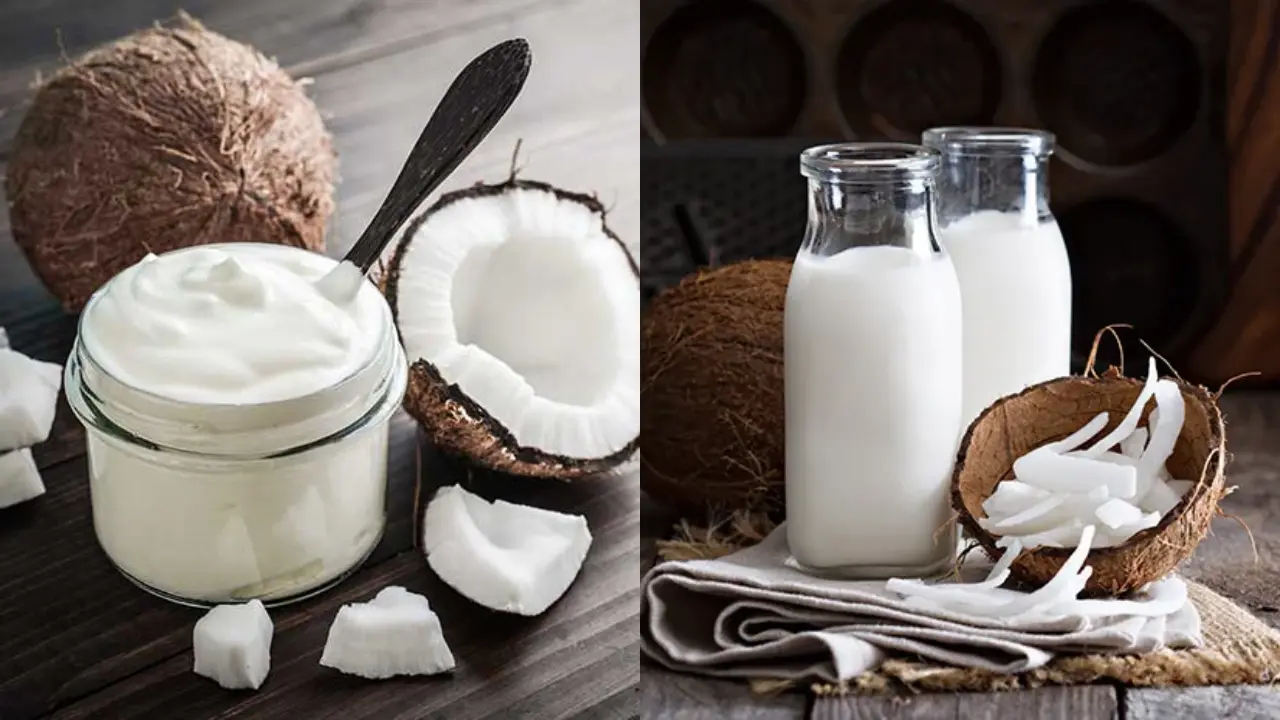
Coconut cream vs coconut milk is a common comparison because both products are made from coconut meat and water, but they are not the same.
Coconut cream is usually thicker, richer, and higher in fat, while coconut milk is thinner, more pourable, and easier to use in everyday cooking.
The best choice depends on your recipe. Coconut milk works well for curries, soups, smoothies, sauces, and baking, while coconut cream is better for rich desserts, whipped toppings, thick sauces, and recipes that need more body.
This guide explains the key differences between coconut cream and coconut milk, including texture, fat content, calories, taste, substitution, product names, and B2B sourcing considerations.
Quick Answer: Is Coconut Cream the Same as Coconut Milk?
No, coconut cream is not the same as coconut milk. Coconut cream is thicker and richer because it usually contains more coconut solids and less water. Coconut milk is lighter and more pourable, making it better for soups, curries, smoothies, and everyday cooking.
You can sometimes substitute one for the other, but the texture, fat level, richness, and final taste of the recipe may change. Coconut cream can be diluted with water to make a lighter product, while coconut milk can be reduced or thickened when a richer texture is needed.
What Is Coconut Milk?

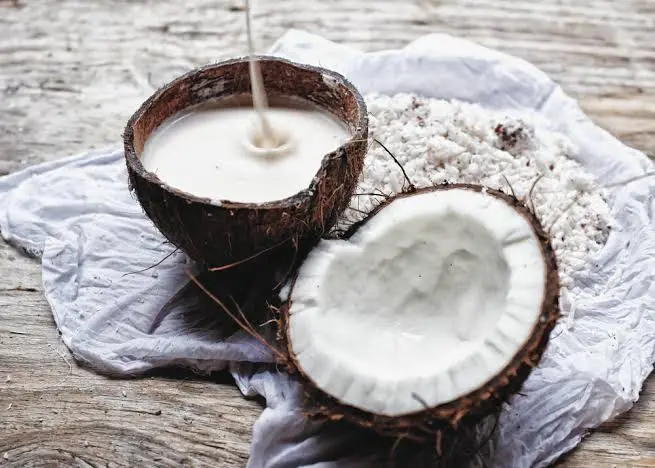
Coconut milk is a creamy liquid made by combining grated mature coconut meat with water and then straining the mixture.
It usually has a pourable texture and can vary from thin to thick depending on the water ratio, coconut solids, processing method, and packaging format.
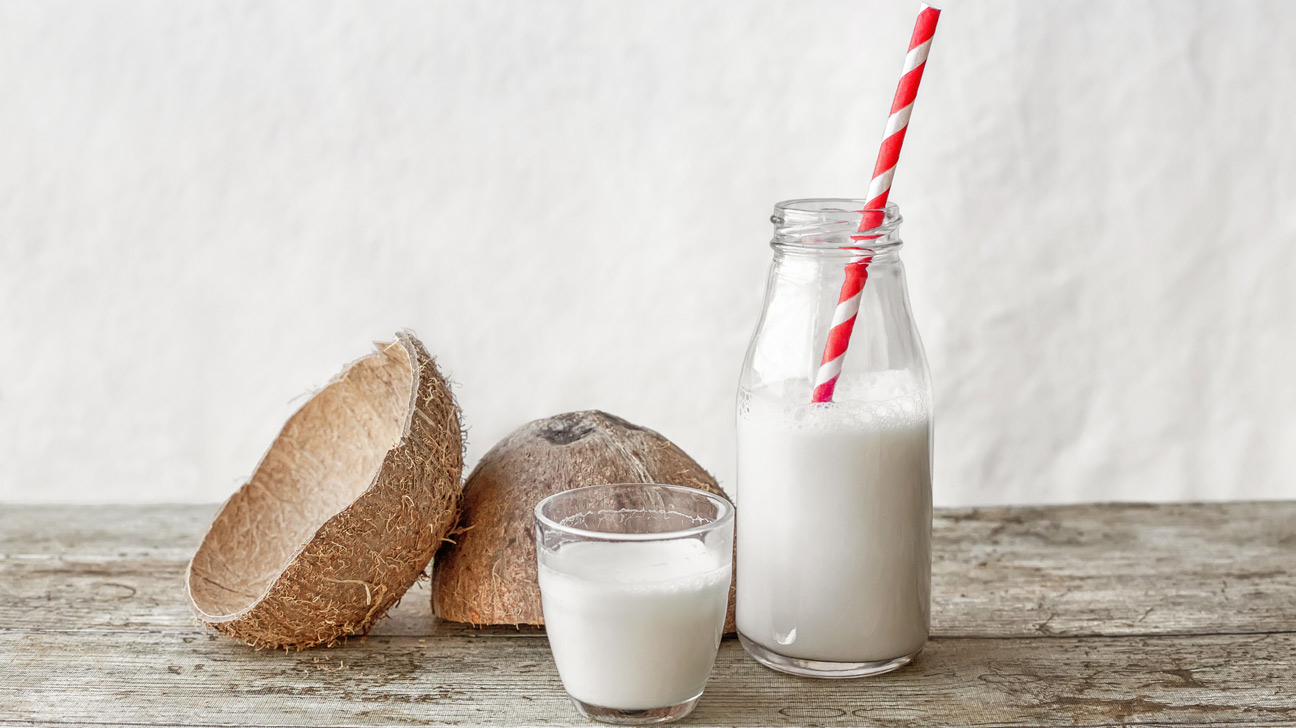
Coconut milk is commonly used in curries, soups, sauces, smoothies, beverages, baked goods, oatmeal, and dairy-free recipes. It is not the same as coconut water, which is the clear liquid naturally found inside young coconuts.
For a deeper comparison of coconut milk formats, read our guide to canned vs fresh vs carton coconut milk.
What Is Coconut Cream?
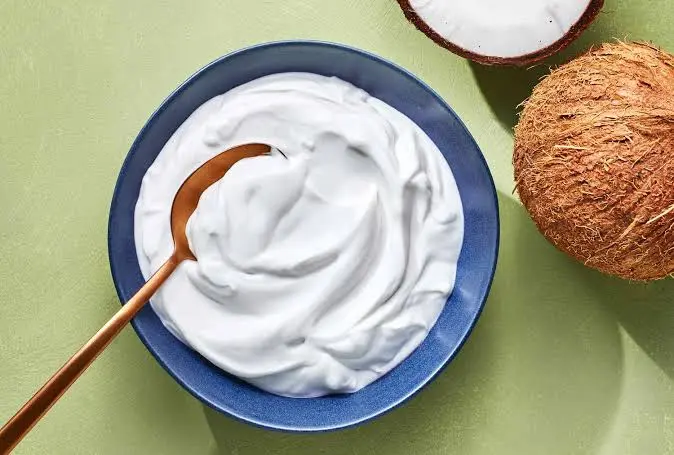
Coconut cream is a thicker coconut product made with more coconut solids and less water than regular coconut milk.
It has a dense, rich, and spoonable texture, which makes it useful for recipes that need body, fat, and creaminess.
Coconut cream is often used in desserts, whipped toppings, thick curries, rich sauces, dairy-free fillings, mousse, puddings, and frozen desserts.
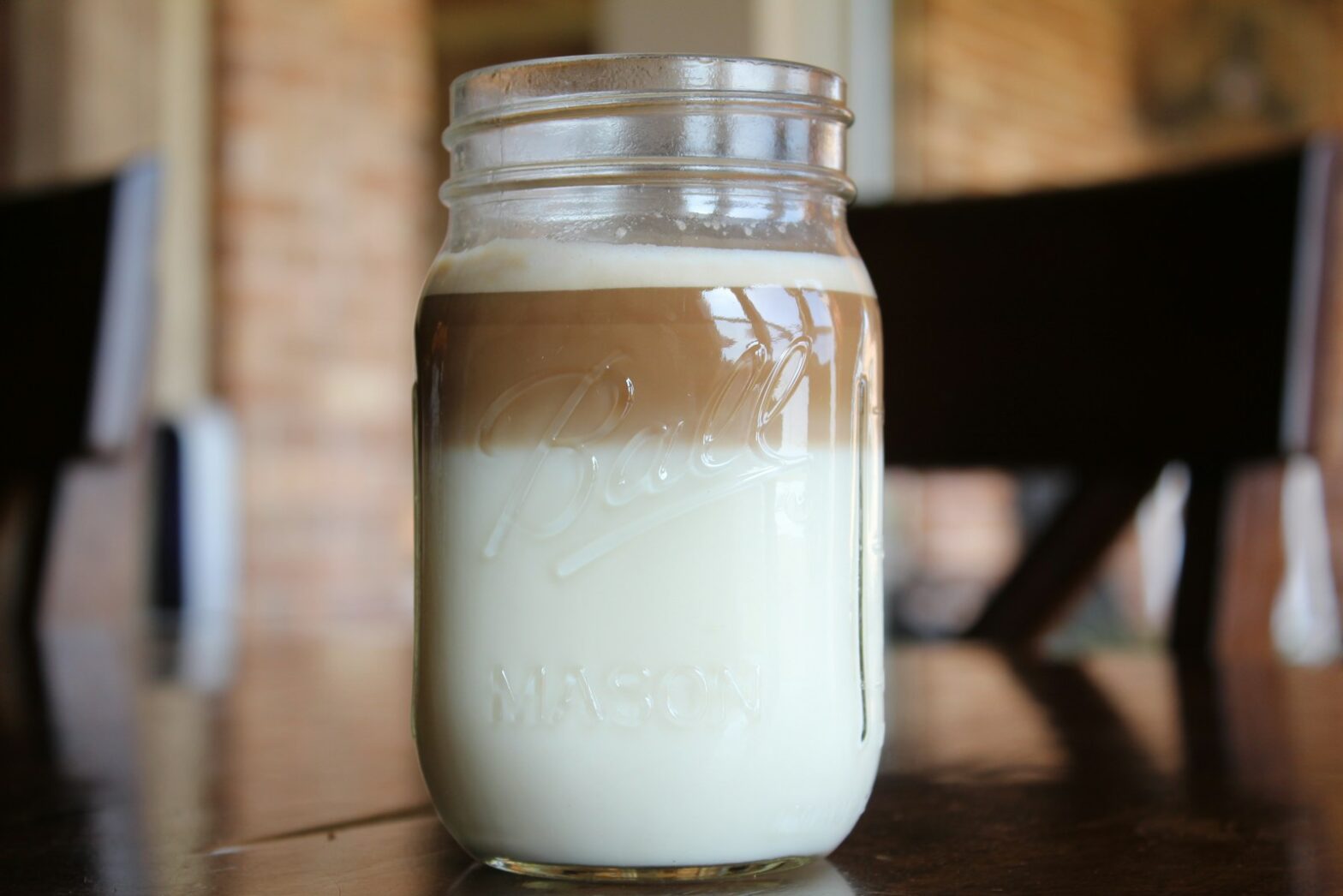
It can also appear as the thick layer that rises to the top of full-fat canned coconut milk when the can is chilled or left undisturbed.
Coconut Cream vs Coconut Milk: Quick Comparison
| Feature | Coconut Milk | Coconut Cream |
| Texture | Pourable, creamy, and lighter | Thick, rich, and spoonable |
| Coconut solids | Lower coconut solids | Higher coconut solids |
| Fat content | Usually lower | Usually higher |
| Flavor | Mild coconut flavor | Stronger and richer coconut flavor |
| Best uses | Curries, soups, smoothies, sauces, baking | Desserts, whipped toppings, thick sauces, rich curries |
| Calories | Usually lower | Usually higher |
| Substitution | Can replace cream if thickened or reduced | Can replace milk if diluted with water |
Nutrition values vary by brand, product type, water ratio, processing method, and formulation.
Always check the product label, supplier specification, or recognized food composition data such as USDA FoodData Central for exact fat, calorie, and ingredient information.
7 Key Differences Between Coconut Cream and Coconut Milk
1. Texture and Thickness
The easiest difference to notice is texture. Coconut milk is usually pourable and creamy, while coconut cream is thicker, richer, and more spoonable.
This makes coconut milk easier to use in everyday cooking and beverages, while coconut cream is better for recipes that need a dense texture.
2. Coconut Solids and Water Ratio
Coconut cream usually contains more coconut solids and less water. Coconut milk usually contains more water, which makes it lighter.
This difference affects mouthfeel, thickness, flavor intensity, and how the product behaves in recipes.
3. Fat Content and Calories
Coconut cream is usually higher in fat and calories than coconut milk because it contains more concentrated coconut solids.
Coconut milk is usually lighter, especially carton coconut milk or diluted formats designed for drinking.
Exact numbers can vary significantly by brand and product type, so it is better to check the label or supplier specification instead of assuming that all coconut milk or coconut cream products have the same nutrition values.
4. Flavor Intensity
Coconut cream usually has a stronger and richer coconut flavor. Coconut milk is milder and easier to blend into soups, smoothies, sauces, and baked goods without making the final recipe too heavy.
5. Best Cooking Uses
Coconut milk works well in curries, soups, sauces, smoothies, oatmeal, beverages, and some baked goods.
Coconut cream works better in thick sauces, dairy-free desserts, whipped toppings, rich curries, mousse, puddings, and fillings.
For lactose-free or dairy-free recipe context, you can also read our guide to coconut milk for lactose-intolerant diets.
6. Substitution
Coconut cream and coconut milk can sometimes replace each other, but the result will change.
Coconut cream can be diluted with water to create a lighter texture.
Coconut milk can be reduced by simmering or combined with a thickening ingredient when a richer result is needed.
7. Product Format and Label
Coconut milk and coconut cream can be sold in cans, cartons, UHT packaging, fresh formats, or homemade preparations.
These formats can differ in fat content, stabilizers, sweetness, shelf life, packaging, and intended use.
For homemade preparation from coconut ingredients, read our guide to homemade coconut milk nutrition.
Can You Substitute Coconut Cream for Coconut Milk?
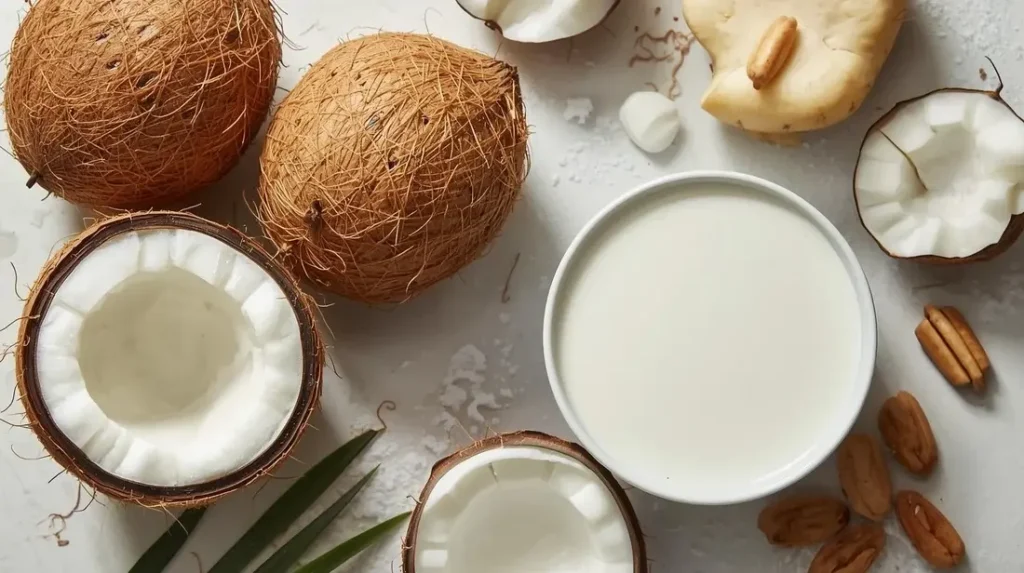
Yes, you can substitute coconut cream for coconut milk in some recipes, but you may need to dilute it with water.
A simple starting point is mixing 1 part coconut cream with 1 part water, then adjusting based on the texture you need.
You can also use coconut milk instead of coconut cream, but the result will usually be thinner and less rich.
For desserts, whipped toppings, thick sauces, and creamy fillings, coconut milk may need to be reduced or combined with a thickening ingredient.
For recipes that depend heavily on texture, always test the substitution first. A small change in fat content or water ratio can affect thickness, mouthfeel, flavor, and stability.
Cream of Coconut vs Coconut Cream vs Coconut Milk
Coconut cream, cream of coconut, and creamed coconut are different products, even though the names are easy to confuse.
- Coconut cream is thick, rich, and usually unsweetened. It is used in desserts, sauces, curries, and dairy-free toppings.
- Cream of coconut is usually sweetened and commonly used in cocktails, desserts, and sweet recipes. It is not the same as coconut cream or coconut milk.
- Creamed coconut is a solid or semi-solid block made from ground coconut meat. It can be used to make coconut milk or coconut cream by mixing it with water.
- Coconut milk is thinner and more pourable. It is commonly used in soups, curries, sauces, beverages, smoothies, and baking.
Because these names are often confused, consumers and B2B buyers should always check the ingredient list, sugar content, product format, fat content, and intended application.
Canned, Carton, and Homemade Coconut Milk Products
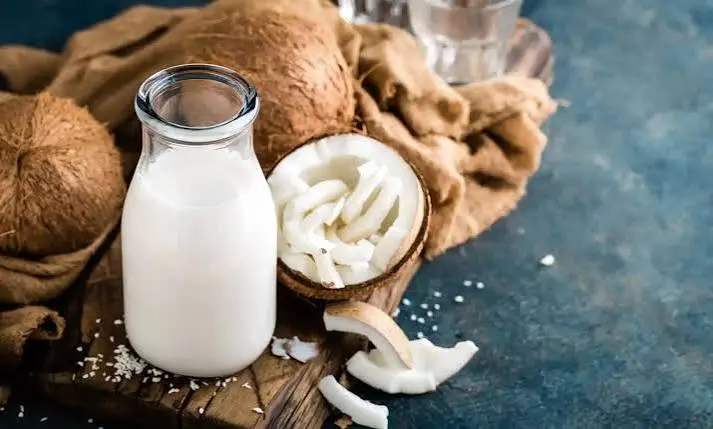
Coconut milk can perform differently depending on whether it is canned, carton-packed, UHT, fresh, or homemade. Canned coconut milk is usually richer and better for cooking.
Carton coconut milk is often lighter and designed for drinking, smoothies, cereal, coffee, or beverage applications.
Homemade coconut milk may offer fresh flavor, but it usually has a shorter shelf life and less consistency than commercial products.
For recipes and commercial production, the right format depends on texture, shelf life, packaging, storage, and final application.
For more detail, compare canned vs fresh vs carton coconut milk before choosing the best format for your recipe or product.
What Food Brands and B2B Buyers Should Check
For food manufacturers, beverage brands, bakery producers, private label buyers, and procurement teams, choosing between coconut milk and coconut cream depends on the final application.
Coconut milk may be more suitable for beverages, soups, sauces, curries, and light formulations.
Coconut cream may be better for desserts, fillings, thick sauces, dairy-free toppings, and rich product textures.
Before sourcing coconut milk, coconut cream, or other coconut-based ingredients, buyers should verify fat content, coconut solids, ingredient declaration, stabilizers, packaging type, shelf life, MOQ, certification scope, COA availability, and export documentation.
For broader coconut ingredient sourcing, buyers can review coconut products from Indonesia or read our guide to top coconut derivative products used in global B2B markets.
Need coconut-based ingredients for food, beverage, bakery, or private label applications? Contact our export team to request product details, samples, packaging options, or a quotation.
Final Thoughts
Coconut cream and coconut milk are related products, but they are not interchangeable in every recipe.
Coconut milk is lighter, more pourable, and suitable for everyday cooking, while coconut cream is thicker, richer, and better for desserts, thick sauces, whipped toppings, and recipes that need more body.
The best choice depends on your target texture, flavor, fat level, and application.
For commercial use, buyers should always check product specifications, ingredients, packaging, shelf life, and documentation before choosing coconut milk, coconut cream, or other coconut-based ingredients.