
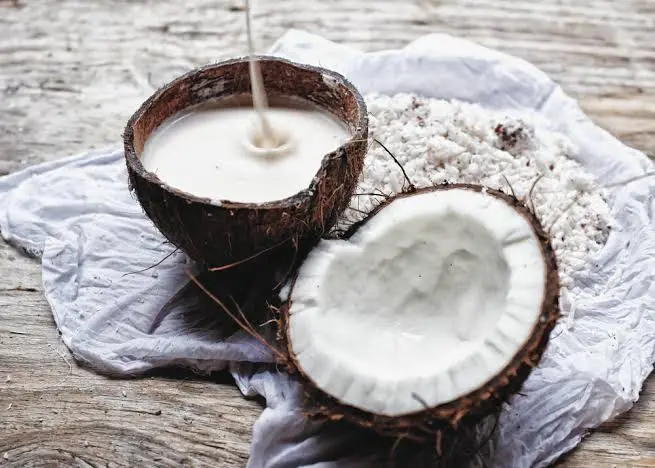
Homemade coconut milk made from desiccated coconut can be a practical option when fresh coconut is not available.
By blending unsweetened desiccated coconut with warm water and straining the mixture, you can create a creamy coconut milk for smoothies, curries, soups, desserts, sauces, and plant-based recipes.
The nutrition of homemade coconut milk can vary depending on the coconut-to-water ratio, how finely the coconut is blended, and how much pulp is strained out.
This guide explains homemade coconut milk nutrition, key minerals, practical uses, storage tips, and what food brands or B2B buyers should check when sourcing desiccated coconut.
Quick Answer: Is Homemade Coconut Milk from Desiccated Coconut Nutritious?
Homemade coconut milk made from desiccated coconut can provide coconut fat, flavor, and small amounts of minerals, depending on the amount of coconut used and how much pulp remains after straining. It is naturally dairy-free when made only from coconut and water.
However, homemade coconut milk should not be treated as a major source of protein, calcium, or vitamins unless it is fortified or formulated with additional ingredients.
Its nutrition can vary widely, so it is better to describe it as a versatile coconut-based ingredient rather than a complete milk replacement.
What Is Desiccated Coconut?

Desiccated coconut is coconut meat that has been shredded or grated and dried to reduce moisture. It is commonly sold in fine, medium, or coarse cuts and may be sweetened or unsweetened.
For making homemade coconut milk, unsweetened desiccated coconut is usually the better option because it allows better control over flavor, sweetness, and recipe formulation.
In commercial sourcing, buyers should check cut size, moisture, fat content, color, aroma, microbiology, packaging, and shelf life before using desiccated coconut in food products.
How to Make Coconut Milk from Desiccated Coconut
A simple homemade coconut milk method uses desiccated coconut and warm water.
- Add 1 cup of unsweetened desiccated coconut to a blender.
- Pour in 2 cups of warm water.
- Let it soak for 10-15 minutes.
- Blend until the mixture looks creamy.
- Strain with a nut milk bag, fine strainer, or cheesecloth.
- Store the coconut milk in a clean sealed container in the refrigerator.
The thickness can be adjusted. Use less water for richer coconut milk and more water for a lighter texture.
Because homemade coconut milk does not contain preservatives or commercial stabilizers, it should be refrigerated and used within a short period.
Homemade Coconut Milk Nutrition: What Affects the Nutrient Profile?
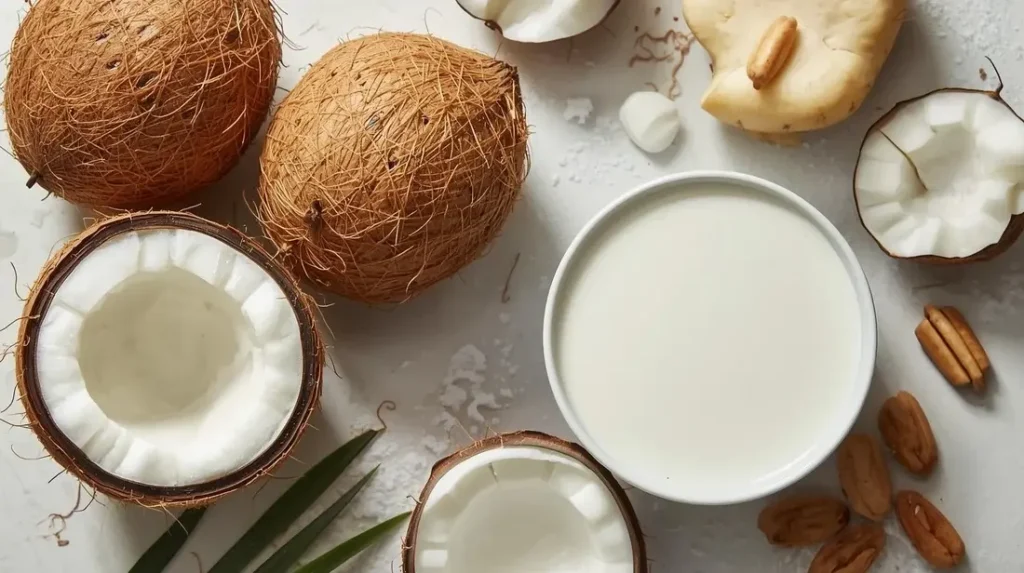
The nutrition of homemade coconut milk is not fixed. It depends on several factors, including how much desiccated coconut is used, how much water is added, how long the coconut is soaked, how finely it is blended, and how much pulp is strained out.
A thicker homemade coconut milk usually contains more coconut fat and calories because it uses more coconut solids. A lighter version made with more water will usually have a thinner texture and lower concentration of coconut solids.
For accurate nutrition values, consumers and brands should calculate nutrition based on the actual recipe, ingredient quantity, and final yield. For commercial products, nutrition claims should be supported by product testing, supplier specifications, or recognized food composition data.
For reference data, brands can use USDA FoodData Central as one source for food composition data.
Key Nutrients in Coconut Milk Made from Desiccated Coconut
1. Coconut Fat
Coconut milk made from desiccated coconut contains coconut fat, especially when the recipe uses a higher coconut-to-water ratio. This fat contributes to the creamy texture and rich mouthfeel that makes coconut milk useful in curries, sauces, desserts, and beverages.
However, coconut fat is high in saturated fat, so serving size still matters. The American Heart Association recommends limiting saturated fat as part of an overall heart-health-conscious eating pattern.
2. Manganese and Other Minerals
Desiccated coconut may contribute minerals such as manganese, magnesium, potassium, iron, and phosphorus, depending on the raw material and final preparation. The actual mineral level in homemade coconut milk will depend on how much coconut solid remains in the liquid after straining.
3. Fiber from Coconut Solids
If homemade coconut milk is lightly strained or blended very finely, it may contain small amounts of fiber from coconut solids. If it is strained heavily, the fiber content will be lower because much of the pulp is removed.
4. Low Protein Compared with Dairy Milk
Homemade coconut milk is generally not a high-protein drink. If someone uses it as a dairy milk replacement, they may need protein from other foods or formulation ingredients.
Homemade Coconut Milk vs Store-Bought Coconut Milk

Homemade coconut milk and store-bought coconut milk can both be useful, but they serve different needs. Homemade versions offer control over texture and ingredients, while commercial products may offer convenience, standardized nutrition, and longer shelf life.
| Factor | Homemade from Desiccated Coconut | Store-Bought Coconut Milk |
| Main ingredients | Desiccated coconut and water | Coconut extract, water, and possible stabilizers |
| Texture control | Can be adjusted by water ratio | More standardized |
| Shelf life | Short; refrigerated | Longer, depending on packaging |
| Additives | Usually none if homemade | May contain gums, emulsifiers, or preservatives |
| Nutrition | Varies by recipe and straining | Usually based on label values |
| Best use | Fresh cooking, smoothies, curries, desserts | Convenience, retail use, foodservice, commercial applications |
| B2B relevance | Depends on desiccated coconut quality | Depends on supplier specification and packaging |
For a deeper format comparison, read our guide to canned vs fresh vs carton coconut milk.
How to Use Coconut Milk Made from Desiccated Coconut
Smoothies and Drinks
Use lighter homemade coconut milk for smoothies, iced drinks, coffee, or plant-based beverages. Adjust the water ratio if the drink needs a thinner texture.
Curries, Soups, and Sauces
Use a thicker version for curries, soups, sauces, or stews where creaminess and coconut flavor are important.
Desserts and Bakery Applications
Homemade coconut milk can be used in puddings, cakes, pancakes, custards, and fillings. Recipe testing is important because homemade coconut milk may vary in fat and liquid content.
Plant-Based Product Development
For food brands, coconut milk made from desiccated coconut can support dairy-free, vegan-friendly, and coconut-based product development when the ingredient declaration and formulation support the claim.
Avoid Overclaiming Homemade Coconut Milk Benefits
Coconut milk can be part of a balanced diet or food formulation, but strong health claims should be avoided unless supported by verified data and compliant labeling guidance.
For label context, FDA resources explain how the Nutrition Facts label shows serving size, calories, saturated fat, and nutrient information for packaged foods in the United States.
What B2B Buyers Should Check Before Sourcing Desiccated Coconut
For food manufacturers, beverage brands, bakery producers, private label buyers, and procurement teams, desiccated coconut quality can affect the flavor, texture, color, and consistency of coconut milk made from it.
Before sourcing desiccated coconut, buyers should verify cut size, moisture, fat content, color, aroma, microbiological standards, packaging, shelf life, certification scope, COA availability, MOQ, and export documentation.
If your team is evaluating bulk desiccated coconut from Indonesia, review product specifications and confirm whether the desiccated coconut is intended for beverages, bakery, confectionery, fillings, toppings, or coconut milk preparation.
For broader sourcing context, buyers can also explore coconut products from Indonesia or read our guide to top coconut derivative products.
Need desiccated coconut or coconut-based ingredients for food, beverage, bakery, or private label applications? Contact our export team to request specifications, samples, packaging details, or a quotation.
Conclusion
Homemade coconut milk made from desiccated coconut can be a practical and flexible coconut-based ingredient. Its nutrition depends on the recipe, water ratio, blending method, and how much pulp remains after straining.
Instead of treating homemade coconut milk as a complete nutrition replacement or a health solution, it is better to use it for its coconut flavor, creamy texture, dairy-free function, and recipe versatility.
For B2B buyers, the quality of the desiccated coconut matters. Product specification, cut size, moisture, fat content, microbiological standards, packaging, shelf life, COA, and export documentation should be checked before using desiccated coconut for coconut milk, bakery, beverage, confectionery, or private label products.
FAQ About Homemade Coconut Milk Nutrition
Is homemade coconut milk nutritious?
Homemade coconut milk can provide coconut fat, flavor, and small amounts of minerals, depending on how much desiccated coconut is used and how much pulp remains after straining. It should not be treated as a complete nutrition replacement for dairy milk unless the full diet or formulation is considered.
How do you make coconut milk from desiccated coconut?
Blend unsweetened desiccated coconut with warm water, let it soak briefly, then strain the mixture through a nut milk bag, fine strainer, or cheesecloth. Use less water for thicker coconut milk and more water for a lighter version.
Can I use desiccated coconut instead of coconut milk?
Yes, desiccated coconut can be used to make coconut milk by blending it with warm water and straining it. However, it is not a direct one-to-one replacement in dry form because coconut milk is a liquid ingredient.
Does homemade coconut milk contain fiber?
It may contain a small amount of fiber if some coconut solids remain after blending and straining. Heavily strained coconut milk will usually contain less fiber because most pulp is removed.
Is coconut milk made from desiccated coconut dairy-free?
Yes, coconut milk made only from desiccated coconut and water is dairy-free. However, packaged or flavored products should still be checked for added ingredients.
Is homemade coconut milk high in protein?
No. Homemade coconut milk is generally not high in protein. It is mainly valued for coconut flavor, fat, creaminess, and recipe function.
How long does homemade coconut milk last?
Homemade coconut milk has a short shelf life because it does not contain commercial preservatives or stabilizers. It should be refrigerated in a clean sealed container and used as soon as possible.


