Tag: environmental

  • Coconut Milk Production 2025: Powerful Environmental Pros and Cons

    Coconut Milk Production 2025: Powerful Environmental Pros and Cons

    environmental, coconut milk, production, milk

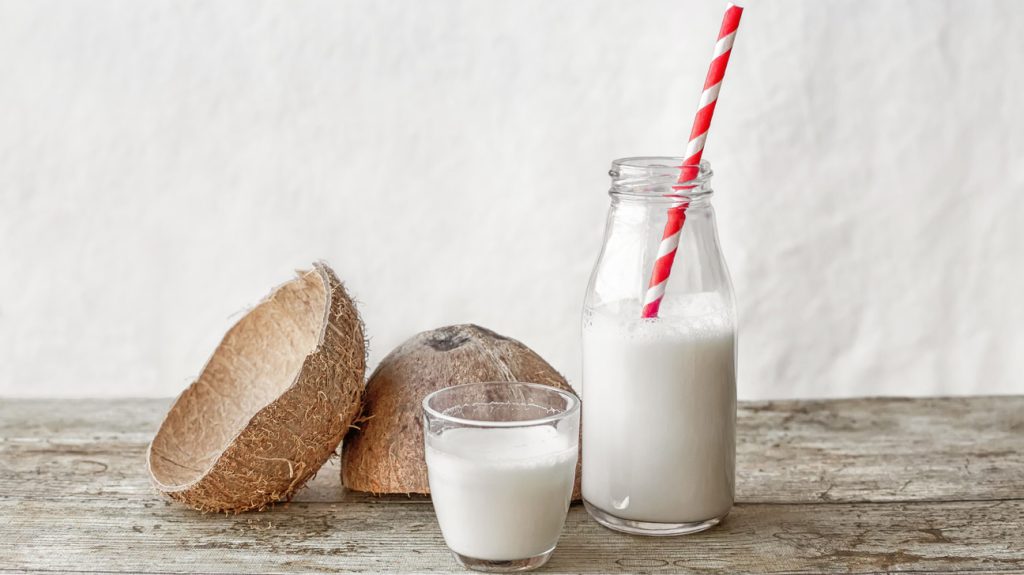
    Coconut milk has become one of the most popular plant-based alternatives to dairy. From coffee shops to vegan recipes, its creamy texture and rich taste make it a staple in kitchens across the world. However, as the demand for this product grows, so does the conversation about its environmental consequences. While coconut milk may appear to be a more sustainable choice compared to animal-based milk, the reality is more nuanced. Understanding the environmental impact of coconut milk production requires a closer look at agriculture, trade, and ecological systems that shape this industry.


    Coconut Farming and Global Demand
    environmental, coconut milk, production, milk

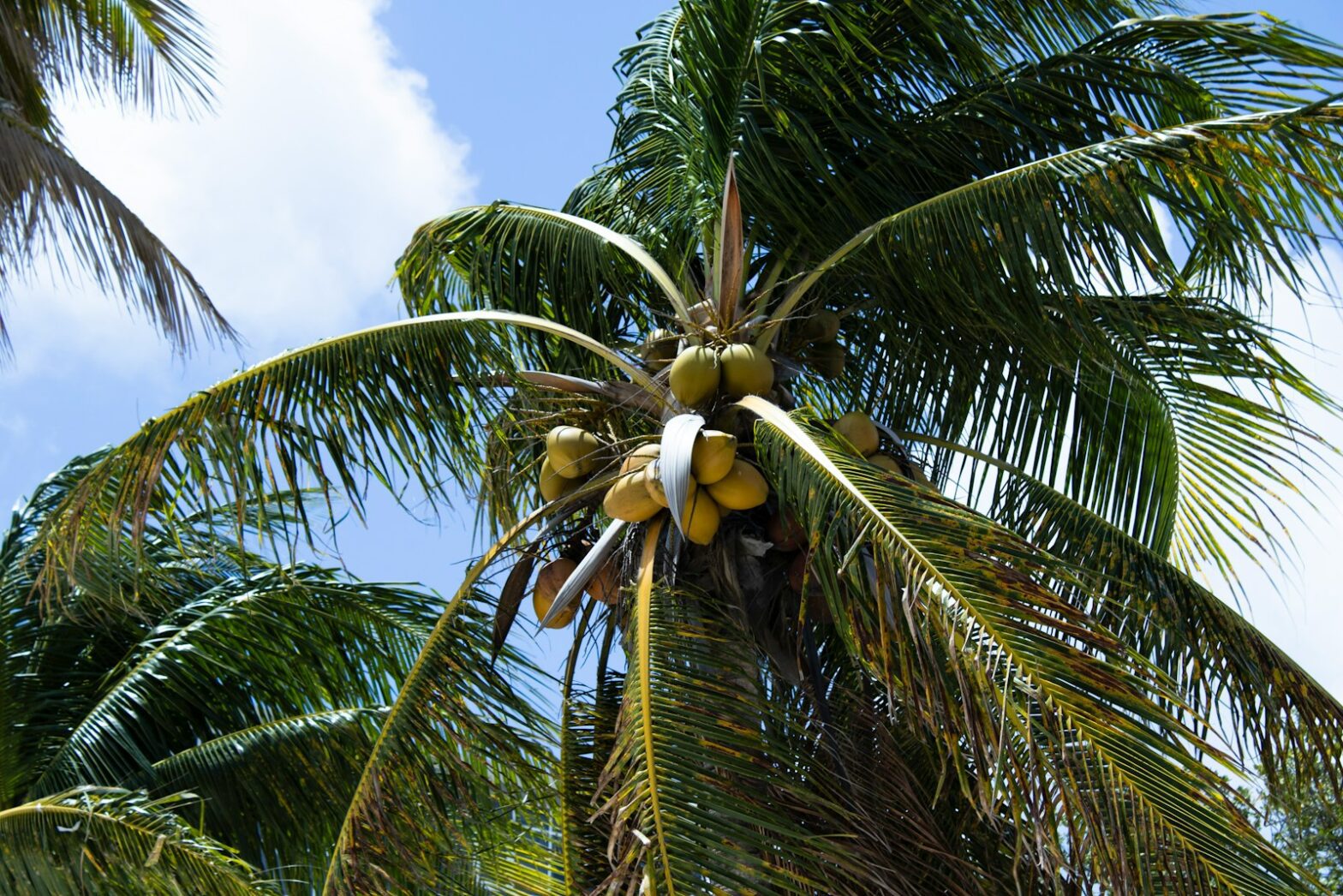
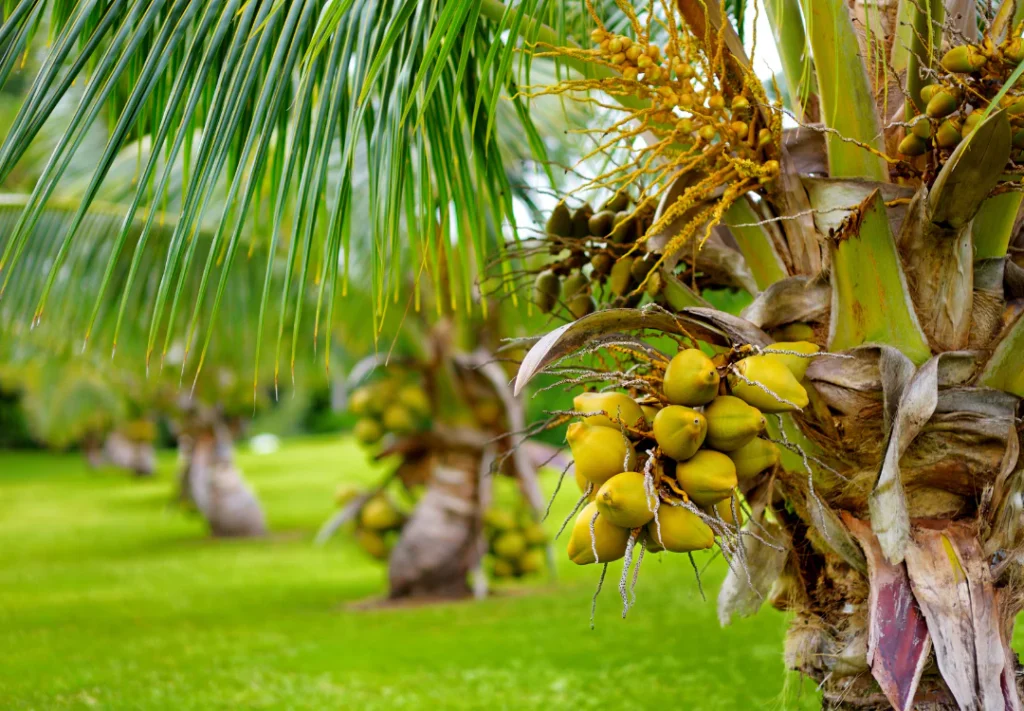
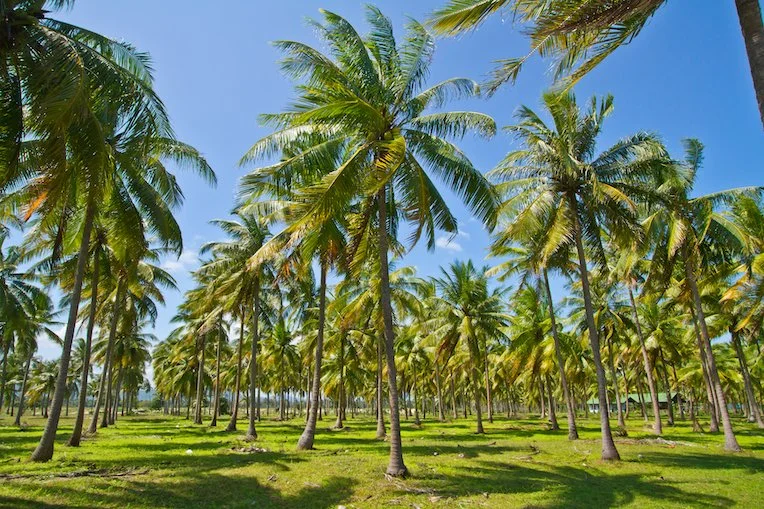
    Coconuts are primarily grown in tropical regions such as Indonesia, the Philippines, India, and Sri Lanka. These countries supply the majority of the world’s coconuts, which are processed into milk, oil, water, and other by-products. Unlike soybeans or almonds, coconuts are typically cultivated in smallholder farms rather than massive industrial plantations. This small-scale farming model often reduces the risk of large-scale deforestation. In fact, many coconut trees are intercropped with other plants, which helps preserve biodiversity.

    However, the global rise in demand for coconut-based products, particularly coconut milk, has placed new pressures on these farming systems. While coconut trees themselves may not require extensive water or synthetic pesticides, the scaling of production to meet international markets brings its own set of environmental challenges.


    Land Use and Deforestation Concerns

    One of the key environmental debates surrounding plant-based products is deforestation. In comparison to soy or palm oil, coconuts do not have the same level of association with widespread land clearing. Coconut trees are grown in tropical regions that are already rich in vegetation, and in many cases, they replace other crops rather than virgin forests.

    That being said, there is still concern about biodiversity loss. Coconut farming, when expanded at a large scale, can reduce habitat variety in tropical regions. Monoculture practices, where large areas are planted with a single crop, may also threaten local ecosystems. While the direct deforestation footprint of coconut milk production remains smaller than that of palm oil or beef, the indirect impact on local wildlife and soil fertility cannot be ignored.


    Water and Soil Sustainability

    Compared to other plant-based alternatives such as almond milk, coconut milk production is less water-intensive. Almonds require vast amounts of irrigation, especially in regions like California where water scarcity is already a problem. Coconuts, on the other hand, are grown in naturally humid, tropical climates that provide sufficient rainfall. This makes coconut farming relatively sustainable in terms of water use.

    However, soil health is another factor to consider. Coconut trees have long lifespans—often producing fruit for decades—which reduces the need for frequent replanting. Yet, when demand pushes for monoculture systems, soil nutrients can be depleted over time. Without proper management, this may lead to erosion and declining productivity in the long term.


    Transportation and Carbon Footprint

    One of the less obvious environmental costs of coconut milk production comes from transportation. The majority of coconuts are grown thousands of miles away from their primary consumer markets in Europe and North America. Once harvested, coconuts are processed into milk and packaged, often in cans or cartons, and shipped across continents.

    This long supply chain contributes significantly to the overall carbon footprint of coconut milk. While the farming process itself may be relatively low-impact compared to dairy milk, the emissions associated with international shipping, processing, and packaging add to its environmental burden. As a result, consumers who prioritize low-carbon diets should consider not only how coconut milk is grown but also how it travels from farm to table.


    Comparing Coconut Milk to Dairy Milk

    When comparing coconut milk to dairy milk, the environmental differences become clearer. Dairy production is one of the most resource-intensive agricultural practices in the world. Cows require large amounts of water, feed, and land, and they produce significant methane emissions, a powerful greenhouse gas. In contrast, coconut farming has a much smaller greenhouse gas footprint. Even with long-distance transportation, coconut milk tends to have lower carbon emissions than dairy milk.

    Moreover, dairy farming is often linked to deforestation for grazing land, water pollution from runoff, and overuse of antibiotics in livestock. Coconut farming does not share these particular challenges. Thus, for environmentally conscious consumers, coconut milk generally remains the more sustainable choice.


    Social and Ethical Dimensions

    Beyond the environment, coconut milk production also has social implications. Most coconuts are harvested in countries where farmworkers face low wages and limited labor protections. Reports of exploitative practices in some regions have sparked ethical concerns among consumers. While these issues are not directly environmental, they are closely tied to the sustainability of the industry as a whole. True sustainability involves protecting both ecosystems and the people who depend on them for their livelihoods.

    Fair trade certifications and ethical sourcing initiatives are helping address these challenges, but widespread change requires stronger collaboration between producers, governments, and international buyers. Consumers can play a role by supporting brands that prioritize transparency and fair trade practices.


    Packaging and Waste

    Packaging also plays a role in the environmental impact of coconut milk. Canned coconut milk is often packaged in metal containers, which are recyclable but energy-intensive to produce. Carton-based coconut milk, often sold as a beverage alternative, may be lined with plastic or aluminum, making recycling more difficult. Packaging waste contributes to environmental problems worldwide, particularly in countries lacking strong recycling infrastructure.

    As sustainability becomes a greater consumer priority, some companies are exploring eco-friendly packaging solutions. These include biodegradable cartons, reduced plastic use, and refill systems. Choosing coconut milk brands that invest in sustainable packaging can help reduce the product’s overall footprint.


    Moving Toward Sustainable Coconut Milk

    While coconut milk is often a better environmental choice than dairy, there is room for improvement in its production and distribution. Some strategies for making coconut milk more sustainable include:

    1. Agroforestry practices – Encouraging intercropping and mixed farming to maintain biodiversity and soil health.
    2. Fair trade certification – Ensuring farmers receive fair wages and work under ethical conditions.
    3. Eco-friendly packaging – Supporting innovations that reduce waste and improve recyclability.
    4. Local alternatives – Exploring plant-based milk options made from crops grown closer to consumer markets, such as oats or soy, to reduce transportation emissions.
    5. Consumer awareness – Making informed choices and supporting responsible brands that prioritize sustainability across their supply chains.

    Conclusion

    Coconut milk production carries both environmental advantages and hidden costs. On one hand, coconut farming requires less water, fewer chemical inputs, and produces lower greenhouse gas emissions compared to dairy milk. On the other hand, challenges such as transportation emissions, monoculture risks, and packaging waste highlight that no product is entirely impact-free.

    For consumers who care about sustainability, coconut milk remains a relatively eco-friendly option, especially when compared to dairy. However, conscious choices—such as supporting ethical brands, considering packaging, and balancing coconut milk consumption with other local alternatives—can make an even greater difference. Ultimately, the path toward a sustainable future involves not just what we consume, but how thoughtfully we consume it.

  • The Environmental Benefits of Choosing Coconut Sugar

    The Environmental Benefits of Choosing Coconut Sugar

    In recent years, the global shift toward sustainable living has led to an increased interest in eco-friendly food alternatives. One such alternative that’s gaining popularity is coconut sugar—a natural sweetener derived from the sap of coconut palm trees. While it offers a range of nutritional advantages, what truly sets coconut sugar apart is its environmental sustainability. In comparison to traditional sweeteners like cane sugar and corn syrup, coconut sugar production has a much lower environmental impact, making it a responsible choice for the eco-conscious consumer.

    What is Coconut Sugar?

    Coconut sugar, also known as coconut palm sugar, is produced by tapping the flower buds of the coconut palm tree (Cocos nucifera). Farmers collect the sap, heat it to evaporate moisture, and eventually crystallize it into sugar granules. The process is simple, minimally processed, and free from artificial additives, making coconut sugar a natural and unrefined sweetener.

    Not only is coconut sugar known for its low glycemic index and rich nutrient profile (containing small amounts of iron, zinc, calcium, potassium, and antioxidants), but it’s also recognized for its environmental benefits, which are becoming increasingly important in a world facing climate change and biodiversity loss.

    1. Minimal Environmental Degradation

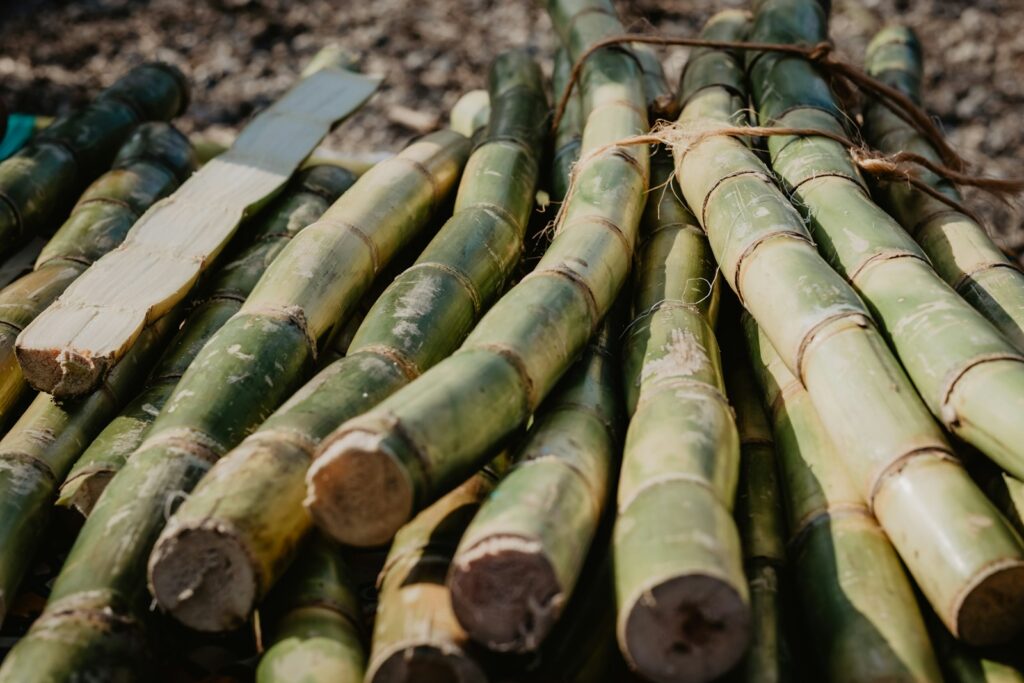
    One of the key environmental advantages of coconut sugar is that it’s derived from coconut palm trees, which are perennial crops. Unlike sugarcane, which requires regular replanting, coconut palms continue to produce sap year-round for up to 25–70 years, depending on the species and local farming practices.

    This longevity means less soil disruption, reduced erosion, and lower resource use over time. There’s no need to till the soil or use large quantities of fertilizers and herbicides regularly, as is common in conventional sugar farming.

    2. Low Water Consumption

    Coconut palms are highly water-efficient. According to the Food and Agriculture Organization (FAO), they require significantly less water compared to sugarcane. Producing just one kilogram of sugar from sugarcane can require up to 1,500–3,000 liters of water, while coconut palms thrive with natural rainfall in tropical regions and rarely require irrigation.

    This lower water demand helps conserve precious freshwater resources, particularly in regions that are increasingly suffering from droughts and water shortages. Choosing coconut sugar over traditional sweeteners is, therefore, a step toward responsible water usage in agriculture.

    3. Lower Carbon Footprint

    Sugarcane and beet sugar farming are responsible for considerable greenhouse gas emissions due to land clearing, use of synthetic fertilizers, and transportation. In contrast, coconut palms not only require fewer chemical inputs but also act as carbon sinks.

    Trees in general absorb carbon dioxide and release oxygen, helping to mitigate climate change. Coconut palms grow in tropical regions where deforestation is a concern. By maintaining coconut farms instead of clearing land for other agricultural or industrial uses, farmers help preserve carbon-absorbing tree cover.

    Moreover, since coconut sugar is often produced locally in small-scale farms with traditional methods, the production process tends to emit less CO₂ overall than the industrial-scale refinement processes used for white sugar.

    4. Biodiversity Preservation

    Another important ecological benefit of coconut sugar production is its role in supporting biodiversity. Coconut palm farms are often integrated into agroforestry systems, where multiple crops such as bananas, cacao, coffee, and root vegetables grow alongside coconut trees. These mixed-crop systems preserve a diverse ecosystem, unlike monoculture farming which reduces soil fertility and wildlife habitats.

    This diversity not only promotes natural pest control, reducing the need for harmful pesticides, but also supports pollinators like bees and butterflies, which are essential for global food production.

    By contrast, conventional sugar plantations—especially sugarcane—are usually monocultures. These plantations contribute to habitat destruction, especially in biodiverse areas such as Brazil, Southeast Asia, and the Caribbean.

    5. Soil Health and Regeneration

    Coconut palms have deep root systems that stabilize the soil and enhance its structure, preventing erosion and promoting water retention. This is a stark contrast to sugarcane farming, which can degrade soil rapidly due to frequent tilling and heavy chemical use.

    Additionally, coconut farming practices often include natural composting, where fallen leaves and organic matter are returned to the soil, enriching it over time. This approach enhances long-term soil fertility, promoting sustainability for future generations.

    6. Reduced Chemical Use

    Coconut sugar is often produced organically or with minimal use of pesticides and synthetic fertilizers. In part, this is due to the natural resilience of coconut palms, which are less susceptible to pests and diseases compared to other crops. As a result, coconut sugar production typically relies on eco-friendly farming practices.

    Lower chemical input means fewer toxins leach into nearby water systems, reducing the risk of polluted rivers, lakes, and oceans. This supports healthier aquatic ecosystems and decreases the environmental footprint of sweetener production.

    7. Support for Small-Scale and Sustainable Farming

    Coconut sugar production is largely a community-based industry. Smallholder farmers in countries like the Philippines, Indonesia, Sri Lanka, and India grow and harvest coconut palms using traditional, low-impact methods passed down through generations.

    By choosing coconut sugar, consumers contribute to the economic empowerment of these farming communities and encourage ethical, small-scale agriculture over industrial farming. Supporting these producers also helps keep traditional ecological knowledge alive, promoting farming systems that are in tune with nature.

    8. Minimal Processing and Packaging

    Unlike white sugar, which undergoes extensive refining, bleaching, and chemical processing, coconut sugar is minimally processed. The process involves simply boiling down the sap to concentrate it into granules or syrup. This not only preserves more nutrients but also reduces the energy and materials needed in manufacturing.

    Additionally, many coconut sugar producers use eco-conscious packaging, especially those committed to organic and fair-trade certifications. With less energy-intensive packaging and processing, coconut sugar presents a greener alternative from farm to table.

    Final Thoughts

    As the global population continues to grow, so does the pressure on our environment. Making conscious choices about what we consume can make a significant difference. Choosing coconut sugar over conventional sweeteners isn’t just a health-conscious decision—it’s an environmentally responsible one.

    With benefits like reduced water usage, lower carbon emissions, protection of biodiversity, and support for small-scale sustainable farming, coconut sugar represents a sweet solution to a sour environmental problem. While it may not replace all sweeteners overnight, its growing popularity signals a shift toward a more sustainable and ethical food system.

    In a world that increasingly values sustainability, coconut sugar proves that sometimes the smallest changes—like the sugar we stir into our morning coffee—can make a big difference.

  • The Environmental Impact of Coconut Nectar Production

    The Environmental Impact of Coconut Nectar Production

    In recent years, coconut nectar has gained popularity as a natural sweetener alternative to refined sugars and artificial sweeteners. Extracted from the sap of coconut palm trees, this syrupy product is praised not only for its low glycemic index and rich flavor but also for its perceived sustainability. However, as with any agricultural product, the environmental footprint of coconut nectar production is complex and multifaceted. Understanding its true impact requires examining the entire production process, from cultivation to harvest, processing, and distribution.


    What Is Coconut Nectar?

    Coconut nectar is derived from the sap of the coconut palm (Cocos nucifera), a tree widely grown in tropical regions such as Southeast Asia, the Pacific Islands, and parts of Central and South America. Farmers harvest the sap by tapping the flower buds of the tree, collecting the sugary liquid before boiling it down into syrup.

    Unlike coconut oil or coconut water, which come from the fruit itself, coconut nectar utilizes a renewable resource—the sap—allowing the tree to remain productive for decades without needing to be cut down. This distinction positions coconut nectar as a potentially sustainable sweetener, but its environmental impacts go beyond this simple fact.


    The Environmental Benefits of Coconut Nectar Production

    1. Sustainable Harvesting Practices

    Coconut nectar production does not require felling the trees. Each tree can be tapped repeatedly for many years, sometimes up to 20–30 years, which allows for continuous sap harvesting without destroying the tree. This renewable harvesting makes coconut nectar a relatively low-impact sweetener compared to cane sugar, which often involves clearing land and intensive monoculture farming.

    2. Low Input Farming

    Coconut palms are naturally hardy and adapted to poor, sandy soils where many other crops struggle to grow. They typically require less irrigation, pesticides, and fertilizers than many commercial crops. This means that coconut nectar production often involves fewer synthetic chemicals, reducing the risk of soil and water pollution.

    3. Carbon Sequestration

    Like other trees, coconut palms sequester carbon dioxide as they grow. Maintaining coconut plantations contributes to carbon storage in biomass and soil. Compared to annual crops that need frequent replanting, perennial coconut palms provide longer-term carbon capture.

    4. Biodiversity Preservation

    In many traditional farming systems, coconut palms are integrated into mixed agroforestry landscapes alongside other crops like bananas, cacao, and spices. This diversification supports a range of plant and animal species, promoting greater biodiversity than intensive monoculture plantations.


    Environmental Challenges and Concerns

    Despite these benefits, coconut nectar production also poses environmental challenges that deserve careful consideration.

    1. Land Use and Deforestation

    As demand for coconut nectar and other coconut-derived products grows globally, coconut plantations are expanding. In some regions, this has led to the clearing of natural forests to establish new plantations, contributing to habitat loss and biodiversity decline. While coconut palms themselves can support biodiversity when grown in mixed systems, large-scale monoculture plantations are less ecologically friendly.

    2. Water Use and Soil Degradation

    Although coconut palms require less water than many crops, expanding plantations can still impact local water resources, especially in areas with limited rainfall or competing agricultural needs. Unsustainable land management practices can also lead to soil erosion and nutrient depletion, especially if ground cover is removed or agroforestry systems are replaced with monoculture.

    3. Labor and Social Impacts

    Sustainable coconut nectar production depends heavily on the work of farmers and tappers who collect the sap. In some regions, poor labor conditions, low wages, and lack of workers’ rights have been reported. Environmental sustainability cannot be separated from social sustainability—fair labor practices and community wellbeing are critical components of truly sustainable production.

    4. Energy Use in Processing

    Turning fresh sap into coconut nectar requires boiling the liquid to evaporate water, which often relies on firewood or fossil fuels. Depending on the energy source and efficiency of processing facilities, this step can generate significant greenhouse gas emissions and contribute to deforestation if unsustainably sourced firewood is used.


    Comparing Coconut Nectar to Other Sweeteners

    To better understand its environmental impact, it’s useful to compare coconut nectar production to that of other common sweeteners:

    • Sugar Cane: Often associated with intensive monoculture, heavy pesticide use, soil erosion, and water pollution. Sugar cane processing is energy-intensive, and plantations frequently contribute to deforestation.
    • Sugar Beet: Grown in temperate regions, sugar beet farming can involve heavy use of fertilizers and pesticides, leading to soil and water concerns, although it generally requires less water than sugar cane.
    • Agave Nectar: Produced mainly in Mexico, agave cultivation can cause soil degradation and water overuse if not managed sustainably, though agave plants are drought-tolerant.
    • Maple Syrup: Extracted from maple trees without cutting them down, maple syrup production is generally considered sustainable, but it is geographically limited and less scalable worldwide.

    Compared to these alternatives, coconut nectar offers some advantages, especially in tropical regions where coconut palms grow naturally and require relatively low inputs. However, scaling production without damaging ecosystems is a significant challenge.


    Strategies for Sustainable Coconut Nectar Production

    1. Agroforestry and Polyculture Systems

    Encouraging farmers to grow coconut palms alongside other crops preserves biodiversity and soil health. Agroforestry reduces the risk of monoculture-related problems such as pest outbreaks and soil nutrient depletion.

    2. Certification and Fair Trade

    Certifications like Organic, Fair Trade, and Rainforest Alliance can help ensure environmental and social standards are met, promoting sustainable harvesting, fair labor practices, and responsible land use.

    3. Efficient Energy Use

    Implementing more energy-efficient processing technologies and using renewable energy sources can reduce the carbon footprint of coconut nectar production.

    4. Community Engagement and Support

    Empowering local communities with education, fair wages, and sustainable farming knowledge fosters long-term stewardship of coconut plantations and surrounding ecosystems.


    Conclusion

    Coconut nectar has the potential to be a more environmentally friendly sweetener compared to many traditional sugars, thanks to its renewable sap harvesting, low chemical inputs, and compatibility with diverse agroecosystems. However, increased global demand risks encouraging unsustainable land clearing, water overuse, and social inequalities if not carefully managed.

    As consumers and producers become more aware of the environmental and social impacts of their choices, promoting sustainable coconut nectar production practices will be crucial. Supporting certification programs, agroforestry systems, and fair labor conditions can help ensure that this natural sweetener remains a healthy option for people and the planet alike.

    Ultimately, like all agricultural commodities, coconut nectar’s environmental impact depends heavily on how and where it is produced. With thoughtful management, it can be part of a more sustainable sweetening future—but vigilance is needed to avoid unintended harm.

  • The Environmental Benefits of Chosing Virgin Coconut Oil

    The Environmental Benefits of Chosing Virgin Coconut Oil

    In an age where conscious consumerism is on the rise, people are becoming increasingly aware of the environmental impact of their lifestyle choices. From sustainable fashion to zero-waste packaging, individuals and industries alike are taking steps to reduce their ecological footprint. Among the many shifts in consumer behavior, the growing preference for natural, minimally processed products stands out. One such product that offers significant environmental advantages is virgin coconut oil.

    More than just a health and beauty staple, virgin coconut oil is also an eco-friendly alternative to many conventional oils and synthetic products. Its production supports sustainable agriculture, reduces dependency on chemical-laden products, and encourages eco-conscious farming practices. Here’s an in-depth look at why choosing virgin coconut oil is not only good for your body but also for the planet.


    What is Virgin Coconut Oil?

    Virgin coconut oil is extracted from the fresh meat of mature coconuts using natural methods such as cold pressing or wet milling. It is unrefined, chemical-free, and retains its natural nutrients, aroma, and flavor.

    This distinguishes it from refined coconut oil, which undergoes high-heat processing and bleaching. Virgin coconut oil, by contrast, is minimally processed, making it a healthier and more sustainable option.


    1. Sustainable Crop: Coconut Trees Are Eco-Friendly

    One of the greatest environmental advantages of virgin coconut oil lies in the nature of the coconut tree itself. Coconut palms are:

    • Perennial plants: A single tree can live and produce coconuts for up to 60–80 years, reducing the need for frequent replanting.
    • Low maintenance: They require less water, fewer pesticides, and fewer fertilizers than many other oil-producing crops like soybeans or canola.
    • Carbon absorbers: Like all trees, coconut palms absorb carbon dioxide from the atmosphere. A healthy grove of coconut trees acts as a natural carbon sink, helping mitigate climate change.
    • Soil-friendly: Coconut palms grow in sandy or poor soil where other crops may struggle. They also help prevent soil erosion with their root systems.

    In short, the cultivation of coconuts is less harmful to the environment compared to intensive monoculture farming practices required by many other edible oil crops.


    2. Minimal Processing Means Lower Energy Use

    Virgin coconut oil production typically involves traditional or mechanical methods like cold-pressing or fermentation. These methods require little to no heat and significantly less energy compared to highly industrialized oil refining processes.

    • No bleaching or deodorizing: Unlike refined oils, virgin coconut oil is not subjected to chemical treatments or high-heat deodorization.
    • No solvents or additives: Many conventional oils require hexane (a petroleum-based solvent) during extraction. Virgin coconut oil avoids this entirely.
    • Lower carbon footprint: By avoiding energy-intensive refining, virgin coconut oil production contributes less to greenhouse gas emissions.

    In essence, the simpler the process, the lighter the environmental footprint—and virgin coconut oil is a prime example of this principle in action.


    3. Byproducts Are Biodegradable and Useful

    Another often-overlooked environmental benefit of virgin coconut oil production is the zero-waste nature of the coconut itself. Virtually every part of the coconut has a use:

    • Coconut shells: Used as biofuel, activated carbon, or in handicrafts.
    • Coconut husks: Converted into coir, a natural fiber used in mats, brushes, ropes, and biodegradable planting pots.
    • Coconut water: Can be consumed or used in fermentation-based oil extraction.
    • Coconut meal or cake: A nutritious byproduct used as animal feed or fertilizer.

    Unlike petroleum-based products or synthetic oils, which create non-biodegradable waste, coconut oil production supports a circular economy.


    4. Encourages Small-Scale and Ethical Farming

    Virgin coconut oil production often takes place in small, family-owned farms across tropical countries such as the Philippines, Indonesia, Sri Lanka, and India. These farms:

    • Promote local economies by providing income to rural communities.
    • Use traditional farming methods, often organic or semi-organic, without heavy reliance on pesticides or herbicides.
    • Tend to avoid harmful monoculture practices, maintaining a biodiverse agricultural system.

    Choosing virgin coconut oil from ethically sourced brands supports fair trade, community-based agriculture, and environmentally responsible farming practices.


    5. Reduces Dependence on Synthetic Products

    Virgin coconut oil serves as a natural alternative to a wide range of chemically produced products, including:

    • Skincare and haircare products: It moisturizes, conditions, and soothes naturally, reducing the need for synthetic moisturizers filled with parabens and silicones.
    • Cooking oils: A sustainable, shelf-stable replacement for vegetable or palm oils, which often contribute to deforestation.
    • Household products: Works as a base for homemade soaps, cleaners, and even natural lubricants or polishers.

    By substituting synthetic products with coconut oil, consumers can reduce the demand for petroleum-derived goods and harmful chemicals that pollute waterways and ecosystems.


    6. No Deforestation Tied to Coconut Farming

    Unlike palm oil production, which is infamous for large-scale deforestation and the destruction of habitats (especially in Southeast Asia), coconut cultivation does not typically involve clearing vast areas of tropical rainforest.

    • Coconut palms are mostly grown in existing agricultural lands or coastal areas.
    • The demand for virgin coconut oil is not linked to rainforest loss, unlike the palm oil industry.
    • Wildlife preservation: Growing coconuts is less disruptive to local ecosystems and biodiversity.

    Choosing virgin coconut oil helps avoid supporting industries tied to habitat destruction and wildlife endangerment.


    7. Eco-Friendly Packaging Options

    Many reputable brands that sell virgin coconut oil are also committed to eco-friendly packaging. You’ll find products offered in:

    • Glass jars (recyclable and reusable)
    • Minimalist packaging with biodegradable or recycled materials
    • Bulk options to reduce waste

    This aligns with zero-waste goals and further reduces the environmental footprint associated with packaging and transportation.


    Conclusion: A Small Choice with a Big Impact

    Choosing virgin coconut oil over refined oils or synthetic products is a simple yet powerful way to support environmental sustainability. From its low-impact cultivation and energy-efficient production to its versatility and waste-free potential, virgin coconut oil offers numerous ecological advantages.

    Every jar purchased contributes to a larger movement—one that values nature, ethical practices, and long-term sustainability. Whether you’re cooking, moisturizing, or crafting your own eco-friendly products at home, virgin coconut oil proves that going natural doesn’t just benefit your health—it helps protect the planet too.

    So the next time you’re scanning the shelves for a kitchen staple or personal care product, reach for virgin coconut oil—not just for your well-being, but for the Earth’s as well.

Secret Link