Coconut flakes are a beloved ingredient in kitchens worldwide, celebrated for their tropical flavor, versatility, and nutritional value. But behind every bag of coconut flakes lies a fascinating journey—from the lush coconut farms to the shelves of your local store. This article explores each stage of that journey, highlighting the craftsmanship, sustainability, and processes that bring coconut flakes from farm to table.
1. Cultivating the Coconut Palm
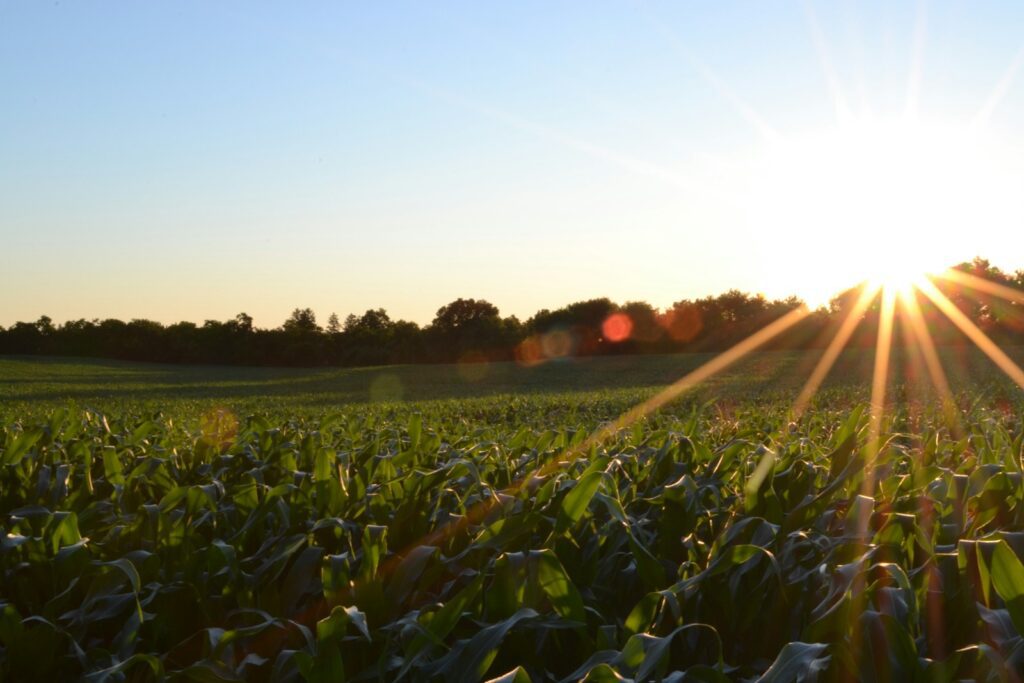
The journey begins on tropical farms in countries such as the Philippines, Indonesia, Sri Lanka, and India. These regions have the warm, humid climate coconut palms need to thrive. Farmers plant and nurture the trees, which take about 6–10 years to fully mature.
Coconut palms can produce fruit for decades, making them a sustainable crop. Farmers often interplant them with other crops to preserve soil fertility and promote biodiversity.
2. Harvesting the Coconuts

Coconuts are typically harvested every 45–60 days. Skilled harvesters climb the tall palms or use long poles to collect mature nuts. At this stage, the coconuts have hard shells and firm white meat—ideal for flake production.
In many coconut-growing regions, harvesting remains a manual process, preserving local traditions and providing jobs for rural communities.
3. Transport and Initial Processing
Once harvested, coconuts are transported to processing facilities, often located near farms to ensure freshness. The first steps involve husking (removing the fibrous outer layer) and shelling (cracking the hard shell to access the meat).
The coconut water is drained, and the meat is carefully extracted. Maintaining hygiene and quick processing is crucial to preserving flavor and preventing spoilage.
4. Washing and Sanitizing
The coconut meat is thoroughly washed in clean water to remove dirt, husk fibers, and other impurities. In high-quality operations, food-grade sanitizing agents may be used to ensure safety. This step is essential for meeting international food safety standards.
5. Shredding the Coconut Meat

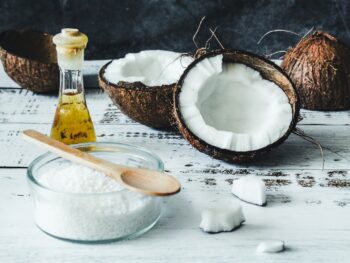
The clean coconut meat is shredded into flakes of various sizes—fine, medium, or large—depending on the final product. The size of the flake affects its culinary uses:
- Fine flakes are ideal for baking.
- Medium flakes add texture to cereals and desserts.
- Large flakes are used in decorative garnishes or specialty snacks.
6. Drying for Preservation
Fresh coconut has high moisture content, which makes it prone to spoilage. To extend shelf life, the flakes are dried—either through hot-air drying or more traditional sun-drying methods.
Modern facilities use temperature-controlled dryers to remove moisture without damaging nutrients or flavor. The goal is to achieve a moisture content of about 3%, which prevents microbial growth while retaining the coconut’s natural sweetness.
7. Quality Control and Packaging
Before packaging, coconut flakes undergo strict quality control checks to ensure uniform size, color, and purity. Tests are conducted for microbial safety, moisture levels, and absence of contaminants.
Flakes are then packaged in airtight, moisture-proof bags or containers to maintain freshness. Some are sweetened or toasted for specific markets, while others remain unsweetened for health-conscious consumers.
8. Shipping and Distribution

Packaged coconut flakes are shipped globally via sea or air freight. Exporters must comply with international regulations, including labeling requirements and phytosanitary certifications.
Upon arrival in the destination country, the products pass through customs inspections before being distributed to wholesalers, supermarkets, and specialty stores.
9. Culinary Uses at the Consumer’s Table
Once in the hands of consumers, coconut flakes offer endless possibilities. They can be:
- Baked into cakes, cookies, and muffins.
- Sprinkled over smoothie bowls or yogurt.
- Incorporated into savory curries and rice dishes.
- Toasted for salads and snacks.
They’re a favorite among home cooks, professional chefs, and health enthusiasts for their taste, texture, and nutritional benefits.
10. Sustainability and Ethical Considerations
Many coconut flake producers are embracing sustainable farming and fair-trade practices. This includes:
- Reducing waste by using every part of the coconut (water, shell, husk).
- Supporting smallholder farmers with fair wages.
- Minimizing carbon footprint through eco-friendly processing.
By choosing ethically sourced coconut flakes, consumers support environmental stewardship and rural livelihoods.
11. The Future of Coconut Flakes
Demand for coconut flakes continues to grow due to the global trend toward plant-based, natural, and gluten-free foods. Innovation in packaging, flavoring, and processing will likely expand their culinary applications even further.
From smoothie toppings to gourmet pastries, coconut flakes will remain a pantry staple for years to come.
Conclusion
The journey of coconut flakes—from tropical farms to your kitchen—is a story of nature’s bounty, human skill, and global trade. Understanding this process helps us appreciate not just the taste and nutrition of coconut flakes, but also the hands and communities behind them.
Next time you enjoy coconut flakes, you’ll know the rich story they carry from farm to table.