

In recent years, natural sweeteners have surged in popularity as health-conscious consumers look for alternatives to refined white sugar. Among these options, natural coconut sugar stands out for its appealing taste, minimal processing, and potential nutritional benefits. But what exactly is coconut sugar? How is it made, and is it really healthier than regular sugar? This article dives deep into everything you need to know about natural coconut sugar—its origins, uses, nutritional profile, health implications, and more.
What Is Natural Coconut Sugar?
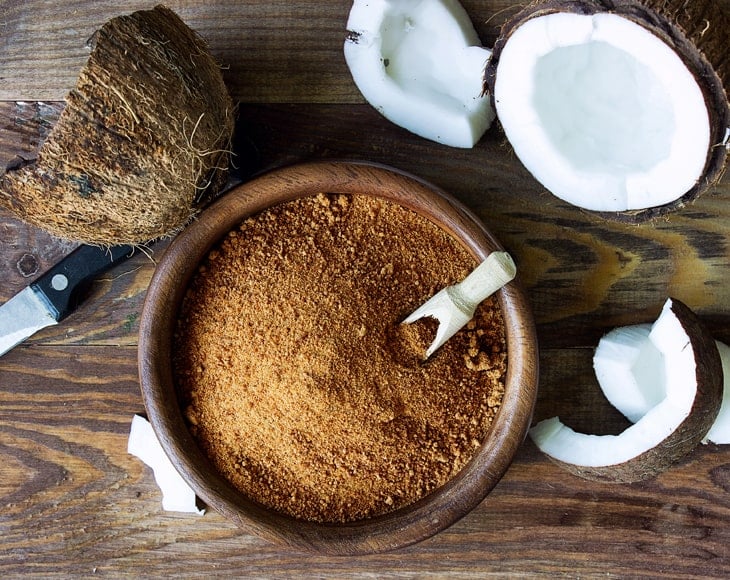
Coconut sugar, also known as coconut palm sugar, is a natural sweetener derived from the sap of the flower buds of the coconut palm tree (Cocos nucifera). It is not made from the coconut fruit or coconut meat, but rather from the tree’s nutrient-rich sap. Once collected, the sap is gently heated until the water evaporates, resulting in a granulated brown sugar that closely resembles raw cane sugar in texture and color.
Coconut sugar is considered a minimally processed sweetener because it retains many of the minerals and phytonutrients found in the original sap. It is often labeled as "natural" because it undergoes little to no chemical refining, unlike white sugar.
How Is Coconut Sugar Made?

The production of coconut sugar is both traditional and sustainable. Here's a step-by-step breakdown of how it’s made:
- Tapping the Sap: Farmers climb coconut palm trees and cut into the flower buds to release the sap.
- Collecting the Sap: The sap drips into containers over several hours.
- Heating the Sap: The fresh sap is then heated over a low flame to evaporate the water content.
- Crystallization: As the sap thickens, it begins to form sugar crystals.
- Drying and Packaging: The crystals are cooled, dried, and packaged for sale.
This method has been used for centuries in Southeast Asia, where coconut palms grow abundantly and coconut sugar is a staple sweetener in traditional cooking.
Nutritional Profile of Coconut Sugar
Coconut sugar is often promoted as a more nutritious alternative to white sugar. While it's still a form of sugar and should be consumed in moderation, it contains small amounts of beneficial nutrients:
| Nutrient | Coconut Sugar (per 100g) |
|---|---|
| Calories | ~375 kcal |
| Carbohydrates | ~92g |
| Sugars | ~75g |
| Iron | ~2.2mg |
| Zinc | ~1.0mg |
| Potassium | ~1030mg |
| Magnesium | ~29mg |
These nutrients are retained because coconut sugar is not stripped of its natural components during processing. It also contains inulin, a type of dietary fiber that acts as a prebiotic and may support digestive health.
Note: Although it has trace minerals, the quantities are small. You would need to consume a large amount of coconut sugar to meet your daily mineral needs—which is not advisable.
Glycemic Index: Is It Better Than Regular Sugar?
One of the key health claims surrounding coconut sugar is its lower glycemic index (GI). The glycemic index measures how quickly a food raises blood sugar levels. Coconut sugar has a reported GI of around 35–54, whereas white sugar scores about 60–65.
This lower GI is mainly attributed to the inulin content, which slows glucose absorption. However, experts caution that the difference is not dramatic, and the overall sugar content is still high. For individuals with diabetes or insulin resistance, coconut sugar should still be consumed sparingly.
Taste and Culinary Uses
Coconut sugar has a rich, caramel-like flavor that many describe as similar to brown sugar or maple syrup. It has a subtle complexity that enhances both sweet and savory dishes.
Common Culinary Uses:
- Baking cookies, cakes, and muffins
- Sweetening coffee and tea
- Sprinkling over oatmeal or cereal
- Adding depth to sauces, marinades, and curries
Coconut sugar is highly versatile and can be used as a 1:1 substitute for white or brown sugar in most recipes, though it may slightly darken the color and change the flavor profile of lighter dishes.
Is Coconut Sugar Healthier Than Regular Sugar?
While coconut sugar does offer certain advantages over refined sugar—such as retaining minerals and having a lower GI—it is still sugar. It contains the same number of calories and carbohydrates and can contribute to blood sugar spikes if overconsumed.
Potential Health Benefits:
- Lower glycemic index may result in fewer blood sugar spikes.
- More nutrients than refined sugar (though not enough to rely on for nutrition).
- Natural origin with minimal processing and no chemical bleaching.
Potential Drawbacks:
- Still high in calories and fructose—about 70–80% of its sugar content is sucrose.
- Can be expensive, often costing 2–3 times more than white sugar.
- Not suitable for high-fructose sensitivity or strict sugar-free diets.
Conclusion: Coconut sugar is marginally healthier than white sugar, but it’s not a superfood. It should be seen as a less refined alternative, not a health food.
Environmental and Ethical Considerations
Coconut sugar has gained popularity among environmentally-conscious consumers due to its sustainable farming methods. Coconut palms require relatively little water and produce sap for 20 years or more without being cut down.
Additionally, the cultivation of coconut sugar:
- Supports small-scale farmers in Southeast Asia.
- Promotes biodiversity, as coconut palms are often grown in diverse ecosystems.
- Helps prevent soil erosion and preserves local agriculture.
When buying coconut sugar, look for organic and fair-trade certifications to ensure ethical sourcing and farming practices.
How to Choose and Store Coconut Sugar
Buying Tips:
- Choose 100% pure coconut sugar with no added sweeteners or preservatives.
- Look for brands that are certified organic and non-GMO.
- Check for fair-trade labels to support ethical labor practices.
Storage Tips:
- Store in an airtight container in a cool, dry place.
- Keep away from moisture to prevent clumping.
- It can last up to 2 years if stored properly.
Conclusion
Natural coconut sugar is a flavorful and less processed alternative to refined sugar. While it does offer small amounts of nutrients and has a lower glycemic index, it remains a sugar and should be consumed in moderation. Its sustainability, mild caramel flavor, and minimal processing make it a popular choice for health-conscious cooks and bakers.
Whether you’re looking to reduce your intake of refined sugar or experiment with new natural sweeteners, coconut sugar is a worthwhile addition to your pantry. Just remember: “natural” doesn't mean unlimited. Balance and moderation are key to reaping any potential benefits without compromising your overall health.


