When searching for the best desiccated coconut, you will quickly realize that not all products are created equal.
Moisture content, fat percentage, grind size, and certification standards vary significantly between producers — and these differences directly affect shelf life, texture, and how well the product performs in your recipe or production line.
Whether you're a home baker choosing a retail brand or a food manufacturer evaluating bulk suppliers, this guide breaks down exactly what separates premium desiccated coconut from average product — and what certifications and specifications to look for before you buy.
What Is Desiccated Coconut?
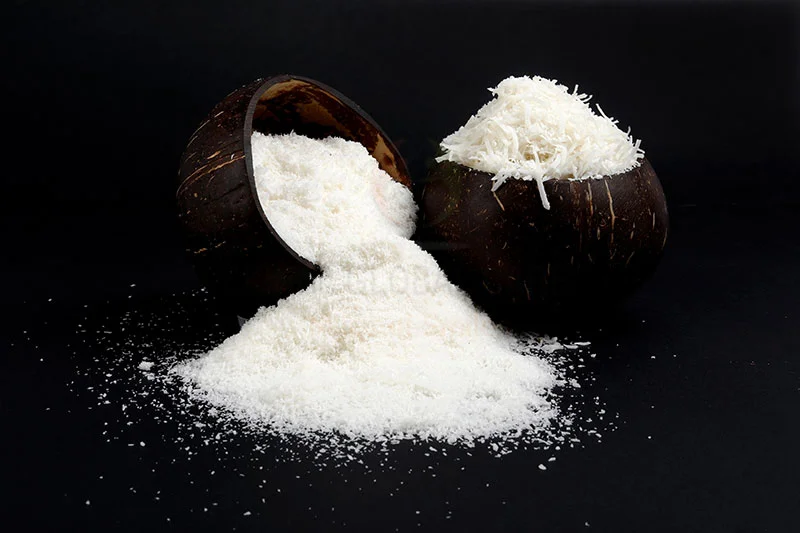
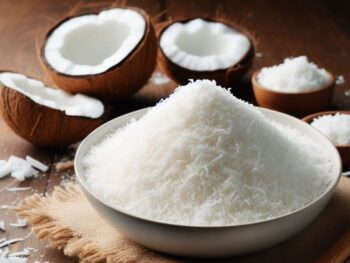
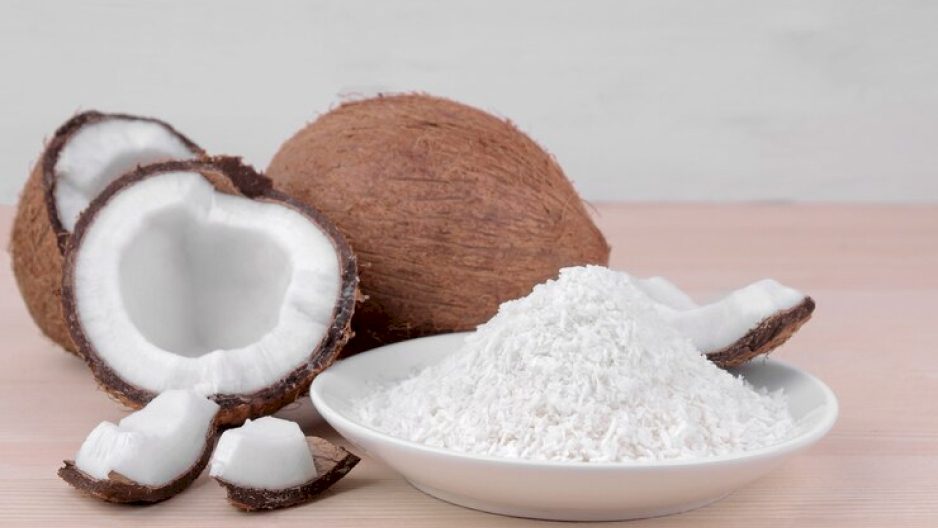
Desiccated coconut is the dried, finely grated white meat of mature coconuts, processed to remove moisture while preserving natural flavor and oil content.
Unlike coconut flour (which has fat extracted) or coconut flakes (which are larger and moister), desiccated coconut retains its natural fat — typically 50–65% — giving it a richer flavor and texture suited for baking, confectionery, and savory cooking alike.
→ See our desiccated coconut vs coconut flakes: full comparison" for the complete breakdown.
7 Key Factors That Determine Desiccated Coconut Quality
1. Moisture Content
Moisture content is the single most important quality indicator for desiccated coconut. Lower moisture means longer shelf life, reduced risk of mold or rancidity, and better performance in baking.
| Moisture Level | Quality Grade | Shelf Life Impact |
| Under 2.5% | Premium / Extra fine | Longest shelf life, minimal spoilage risk |
| Under 4% | Standard high quality | Good shelf life, suitable for most commercial use |
| 4–8% | Average | Shorter shelf life, higher risk of clumping or mold |
| Above 8% | Low quality | High spoilage risk, not recommended for bulk storage |
Reputable producers test and report moisture content as a standard specification. If a supplier cannot provide this figure, that's a red flag for quality control rigor.
2. Fat (Oil) Content
High-quality desiccated coconut retains a natural fat content of approximately 50–65%, which directly affects flavor richness and texture.
Lower fat content (sometimes from inferior coconuts or excessive processing) results in a drier, less flavorful product.
Fat content should remain stable and consistent across batches — significant variation between deliveries is a sign of inconsistent raw material sourcing or processing quality.
3. Grade and Particle Size (Mesh)
Desiccated coconut is graded by particle size, measured in mesh — the number of openings per inch in the sieve used during processing. Higher mesh numbers mean finer particles.
| Grade | Mesh Size | Best Use |
| Coarse | 4–7 | Toppings, garnish, texture-forward applications |
| Fine | 7–18 | General baking, confectionery, granola, coating |
| Extra fine | 18+ | Smooth blending into batters, fillings, and powder-like applications |
Fine and extra-fine grades are preferred for food manufacturing applications where consistent texture and even moisture absorption matter — such as in cookie dough, chocolate fillings, or coconut macaroons.
4. Color and Appearance
Quality desiccated coconut should be uniformly white to off-white. Discoloration, yellow tinting, or brown specks usually indicate either the presence of coconut shell fragments (a processing flaw) or oxidation from prolonged storage or poor packaging.
5. Origin and Sourcing
Indonesia and the Philippines are the world's two largest coconut producers, together accounting for the majority of global supply.
Coconuts grown in optimal tropical conditions — consistent rainfall, volcanic soil, and mature harvest practices — generally produce higher oil content and better flavor than coconuts grown in marginal climates.
Indonesia in particular benefits from generations of smallholder farming expertise and a tropical climate well-suited to coconut palm cultivation, contributing to its position as the world's largest coconut producer.
→ Learn more: how Global Coco Sugar sources coconut products from Indonesia
6. Processing Standards
Quality processing involves careful washing, grating, and drying at controlled temperatures that preserve flavor without over-drying or under-drying the product.
Producers using outdated or inconsistent drying methods often produce desiccated coconut with uneven moisture distribution — some particles overly dry, others retaining excess moisture, which creates inconsistent shelf stability even within the same batch.
7. Certifications and Food Safety Standards
Certifications are the clearest, most verifiable signal of quality and food safety compliance. When evaluating a brand or supplier, look for:
| Certification | What It Verifies |
| BRCGS (Global Food Safety Initiative) | Comprehensive food safety and quality management system, recognized globally by retailers and manufacturers |
| HACCP | Hazard Analysis and Critical Control Points — systematic food safety risk management throughout production |
| USDA Organic / EU Organic | Coconuts grown and processed without synthetic pesticides, fertilizers, or chemical additives |
| JAS (Japanese Agricultural Standard) | Compliance with Japan's strict organic and quality requirements — important for exporters serving the Japanese market |
| Halal Certification | Compliance with Islamic dietary law — essential for markets in Southeast Asia, the Middle East, and beyond |
| Kosher Certification | Compliance with Jewish dietary law — required for many food manufacturers serving Kosher-observant markets |
A supplier holding multiple internationally recognized certifications across food safety, organic, and religious dietary standards demonstrates a level of quality control and market readiness that single-certification producers often cannot match.
Desiccated Coconut Grades Explained: Fine vs. Extra Fine
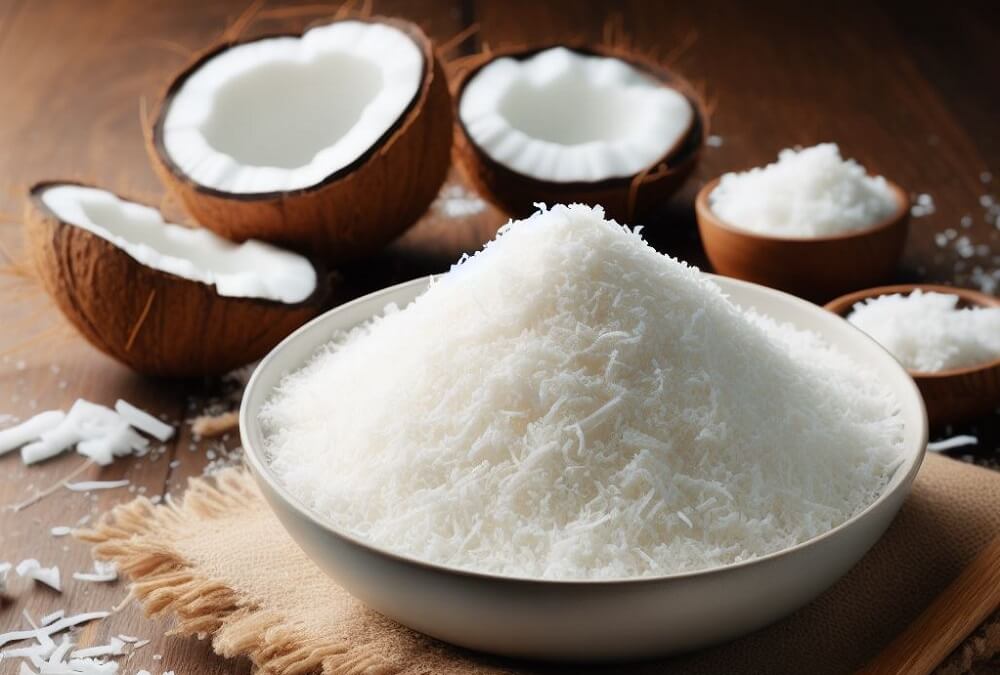
To illustrate how grade specifications translate into real product standards, here's an example comparison of two common commercial grades:
| Specification | Fine Grade | Extra Fine Grade |
| Moisture Content | < 4% | < 2.5% |
| Color | White | White |
| Particle Size | Fine granule | Extra fine granule |
| Mesh | 7–18 | 18 |
| Total Fat | 50–55% | 50–55% |
| Best Use | General baking, granola, coating, confectionery | Smooth batters, fillings, premium bakery applications |
Notice that extra fine grade carries a stricter moisture specification (under 2.5% vs under 4%) — reflecting more rigorous drying control and typically a longer guaranteed shelf life.
When comparing suppliers, always ask for exact specifications like these rather than relying on generic terms like "premium" or "high quality" without supporting data.
→ See full product specifications: our fine and extra-fine desiccated coconut specifications
How to Evaluate a Desiccated Coconut Supplier or Brand
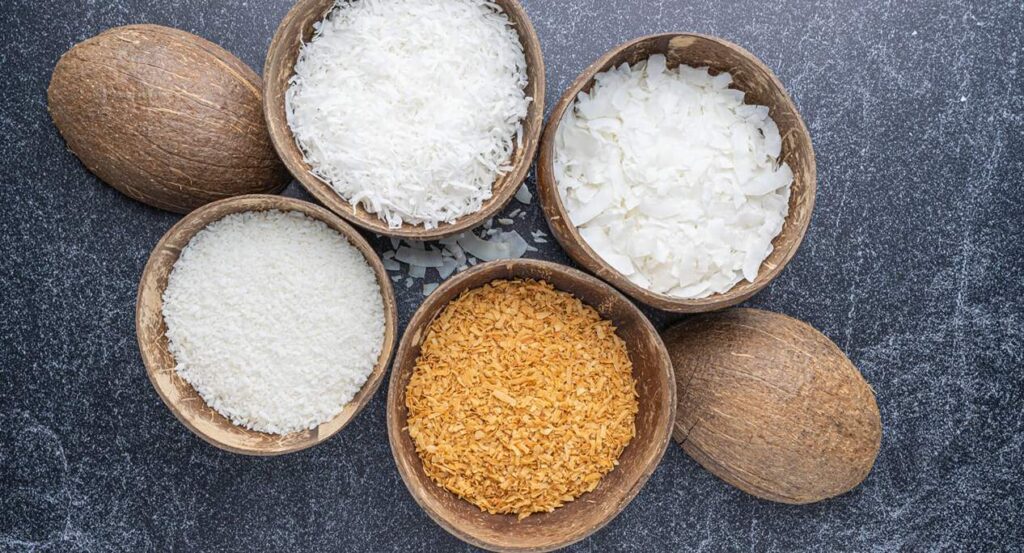
Beyond product specifications, evaluating the supplier or brand itself matters just as much:
Ask for Documentation, Not Just Claims
Reliable suppliers provide certificates of analysis (COA), certification documents, and specification sheets on request — without hesitation.
If a supplier is vague or reluctant to share verifiable documentation, treat that as a warning sign.
Check for Consistency Across Batches
Quality desiccated coconut should look, smell, and perform the same way batch after batch.
For B2B buyers, request samples from multiple production runs before committing to a large order — inconsistency between batches is one of the most common quality complaints in commodity sourcing.
Evaluate Export Experience and Market Reach
Suppliers with established export history to multiple international markets (US, EU, Japan, Middle East) typically have more robust quality systems, since they must comply with the import regulations of each destination market simultaneously.
→ our full range of coconut products and export capabilities
Buying Desiccated Coconut as a Consumer? What to Check on the Label
If you're purchasing desiccated coconut for home baking or cooking rather than bulk sourcing, apply the same quality principles at a smaller scale. When reading a product label, look for:
- Organic certification logo (USDA Organic, EU Organic) if you prefer chemical-free sourcing
- A "best by" or production date — fresher stock means lower moisture degradation risk
- Ingredient list with no additives — quality desiccated coconut should contain only coconut, with no added sugar, preservatives, or anti-caking agents unless specifically labeled "sweetened"
- Packaging that protects against moisture — resealable bags or sealed containers are preferable to open bins, which expose the product to humidity over time
- Country of origin — Indonesian and Philippine-sourced products often indicate direct sourcing from major producing regions
The Bottom Line
The best desiccated coconut — whether you're buying a small retail bag or sourcing by the metric ton — comes down to verifiable specifications, not marketing claims.
Low moisture content, consistent fat percentage, appropriate grade for your application, and internationally recognized certifications are the factors that separate genuinely high-quality product from average commodity coconut.
For food manufacturers and bulk buyers, these specifications also directly affect production outcomes: inconsistent moisture leads to inconsistent shelf life, and uncertified suppliers can create compliance risks for regulated markets like the EU, US, or Japan.
Global Coco Sugar produces desiccated coconut in fine and extra-fine grades, each backed by BRCGS, HACCP, USDA Organic, EU Organic, JAS, Halal, and Kosher certifications — meeting the documentation and consistency standards outlined above for both retail and industrial buyers.
→ explore our desiccated coconut specifications and request a quote
Frequently Asked Questions
What is a good indicator of quality desiccated coconut?
The clearest indicators are low moisture content (under 4%, ideally under 2.5% for premium grades), consistent fat content (50–65%), uniform white color, and verifiable certifications such as BRCGS, HACCP, or organic certification. Reputable suppliers provide exact specifications rather than vague quality claims.
How much moisture should be in desiccated coconut?
High-quality desiccated coconut typically has moisture content under 4%, with premium or extra-fine grades reaching under 2.5%. Lower moisture content extends shelf life and reduces the risk of mold or rancidity.
What is the difference between fine and extra fine desiccated coconut?
Fine desiccated coconut has a mesh size of 7–18 and moisture content under 4%, suitable for general baking and confectionery. Extra fine desiccated coconut has a finer mesh (18+) and stricter moisture control (under 2.5%), making it ideal for smooth batters and premium bakery applications.
Why does the origin of coconuts matter for desiccated coconut quality?
Indonesia and the Philippines are the world's largest coconut producers, with tropical climates and agricultural traditions that support high oil content and flavor quality. Coconuts grown in optimal conditions generally yield more consistent fat content and better-tasting desiccated coconut.
What certifications should I look for in a desiccated coconut supplier?
Key certifications include BRCGS (Global Food Safety Initiative) for food safety management, HACCP for hazard control, USDA Organic or EU Organic for chemical-free farming, JAS for compliance with Japanese standards, and Halal or Kosher certification depending on your target market's dietary requirements.
Is desiccated coconut the same as shredded coconut?
No. Desiccated coconut is finely grated and dried to low moisture (under 4%), while shredded coconut has larger pieces and higher moisture content (10–15%). They can sometimes substitute for each other in recipes, but the texture and shelf life differ significantly.
Can I buy desiccated coconut in bulk for food manufacturing?
Yes. Many coconut exporters, including suppliers based in Indonesia and the Philippines, offer desiccated coconut in bulk with documented specifications (moisture, fat content, mesh size) and international certifications suitable for food manufacturing and private label production.