
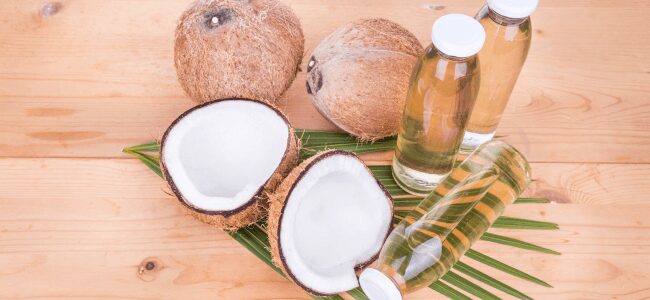
In an age where conscious consumerism is on the rise, people are becoming increasingly aware of the environmental impact of their lifestyle choices. From sustainable fashion to zero-waste packaging, individuals and industries alike are taking steps to reduce their ecological footprint. Among the many shifts in consumer behavior, the growing preference for natural, minimally processed products stands out. One such product that offers significant environmental advantages is virgin coconut oil.
More than just a health and beauty staple, virgin coconut oil is also an eco-friendly alternative to many conventional oils and synthetic products. Its production supports sustainable agriculture, reduces dependency on chemical-laden products, and encourages eco-conscious farming practices. Here’s an in-depth look at why choosing virgin coconut oil is not only good for your body but also for the planet.
What is Virgin Coconut Oil?
Virgin coconut oil is extracted from the fresh meat of mature coconuts using natural methods such as cold pressing or wet milling. It is unrefined, chemical-free, and retains its natural nutrients, aroma, and flavor.
This distinguishes it from refined coconut oil, which undergoes high-heat processing and bleaching. Virgin coconut oil, by contrast, is minimally processed, making it a healthier and more sustainable option.
1. Sustainable Crop: Coconut Trees Are Eco-Friendly
One of the greatest environmental advantages of virgin coconut oil lies in the nature of the coconut tree itself. Coconut palms are:
- Perennial plants: A single tree can live and produce coconuts for up to 60–80 years, reducing the need for frequent replanting.
- Low maintenance: They require less water, fewer pesticides, and fewer fertilizers than many other oil-producing crops like soybeans or canola.
- Carbon absorbers: Like all trees, coconut palms absorb carbon dioxide from the atmosphere. A healthy grove of coconut trees acts as a natural carbon sink, helping mitigate climate change.
- Soil-friendly: Coconut palms grow in sandy or poor soil where other crops may struggle. They also help prevent soil erosion with their root systems.
In short, the cultivation of coconuts is less harmful to the environment compared to intensive monoculture farming practices required by many other edible oil crops.
2. Minimal Processing Means Lower Energy Use
Virgin coconut oil production typically involves traditional or mechanical methods like cold-pressing or fermentation. These methods require little to no heat and significantly less energy compared to highly industrialized oil refining processes.
- No bleaching or deodorizing: Unlike refined oils, virgin coconut oil is not subjected to chemical treatments or high-heat deodorization.
- No solvents or additives: Many conventional oils require hexane (a petroleum-based solvent) during extraction. Virgin coconut oil avoids this entirely.
- Lower carbon footprint: By avoiding energy-intensive refining, virgin coconut oil production contributes less to greenhouse gas emissions.
In essence, the simpler the process, the lighter the environmental footprint—and virgin coconut oil is a prime example of this principle in action.
3. Byproducts Are Biodegradable and Useful
Another often-overlooked environmental benefit of virgin coconut oil production is the zero-waste nature of the coconut itself. Virtually every part of the coconut has a use:
- Coconut shells: Used as biofuel, activated carbon, or in handicrafts.
- Coconut husks: Converted into coir, a natural fiber used in mats, brushes, ropes, and biodegradable planting pots.
- Coconut water: Can be consumed or used in fermentation-based oil extraction.
- Coconut meal or cake: A nutritious byproduct used as animal feed or fertilizer.
Unlike petroleum-based products or synthetic oils, which create non-biodegradable waste, coconut oil production supports a circular economy.
4. Encourages Small-Scale and Ethical Farming
Virgin coconut oil production often takes place in small, family-owned farms across tropical countries such as the Philippines, Indonesia, Sri Lanka, and India. These farms:
- Promote local economies by providing income to rural communities.
- Use traditional farming methods, often organic or semi-organic, without heavy reliance on pesticides or herbicides.
- Tend to avoid harmful monoculture practices, maintaining a biodiverse agricultural system.
Choosing virgin coconut oil from ethically sourced brands supports fair trade, community-based agriculture, and environmentally responsible farming practices.
5. Reduces Dependence on Synthetic Products

Virgin coconut oil serves as a natural alternative to a wide range of chemically produced products, including:
- Skincare and haircare products: It moisturizes, conditions, and soothes naturally, reducing the need for synthetic moisturizers filled with parabens and silicones.
- Cooking oils: A sustainable, shelf-stable replacement for vegetable or palm oils, which often contribute to deforestation.
- Household products: Works as a base for homemade soaps, cleaners, and even natural lubricants or polishers.
By substituting synthetic products with coconut oil, consumers can reduce the demand for petroleum-derived goods and harmful chemicals that pollute waterways and ecosystems.
6. No Deforestation Tied to Coconut Farming
Unlike palm oil production, which is infamous for large-scale deforestation and the destruction of habitats (especially in Southeast Asia), coconut cultivation does not typically involve clearing vast areas of tropical rainforest.
- Coconut palms are mostly grown in existing agricultural lands or coastal areas.
- The demand for virgin coconut oil is not linked to rainforest loss, unlike the palm oil industry.
- Wildlife preservation: Growing coconuts is less disruptive to local ecosystems and biodiversity.
Choosing virgin coconut oil helps avoid supporting industries tied to habitat destruction and wildlife endangerment.
7. Eco-Friendly Packaging Options
Many reputable brands that sell virgin coconut oil are also committed to eco-friendly packaging. You'll find products offered in:
- Glass jars (recyclable and reusable)
- Minimalist packaging with biodegradable or recycled materials
- Bulk options to reduce waste
This aligns with zero-waste goals and further reduces the environmental footprint associated with packaging and transportation.
Conclusion: A Small Choice with a Big Impact

Choosing virgin coconut oil over refined oils or synthetic products is a simple yet powerful way to support environmental sustainability. From its low-impact cultivation and energy-efficient production to its versatility and waste-free potential, virgin coconut oil offers numerous ecological advantages.
Every jar purchased contributes to a larger movement—one that values nature, ethical practices, and long-term sustainability. Whether you’re cooking, moisturizing, or crafting your own eco-friendly products at home, virgin coconut oil proves that going natural doesn’t just benefit your health—it helps protect the planet too.
So the next time you're scanning the shelves for a kitchen staple or personal care product, reach for virgin coconut oil—not just for your well-being, but for the Earth's as well.


