In today’s health-conscious world, many people are reevaluating the ingredients they consume daily—especially sugar. White sugar, also known as table sugar or refined sugar, has long been a staple in households around the globe. However, its link to a range of health issues, including obesity, diabetes, and heart disease, has prompted a search for more natural and nutritious alternatives.
One such substitute gaining popularity is natural coconut sugar, a sweetener derived from the sap of coconut palm trees. Marketed as a more wholesome and eco-friendly option, coconut sugar is often touted as a better choice than white sugar. But is it really healthier? And should you consider making the switch?
This article explores the differences between coconut sugar and white sugar, examining their nutrition, health effects, environmental impact, and culinary uses to help you decide which is the better choice for you.
What Is Natural Coconut Sugar?
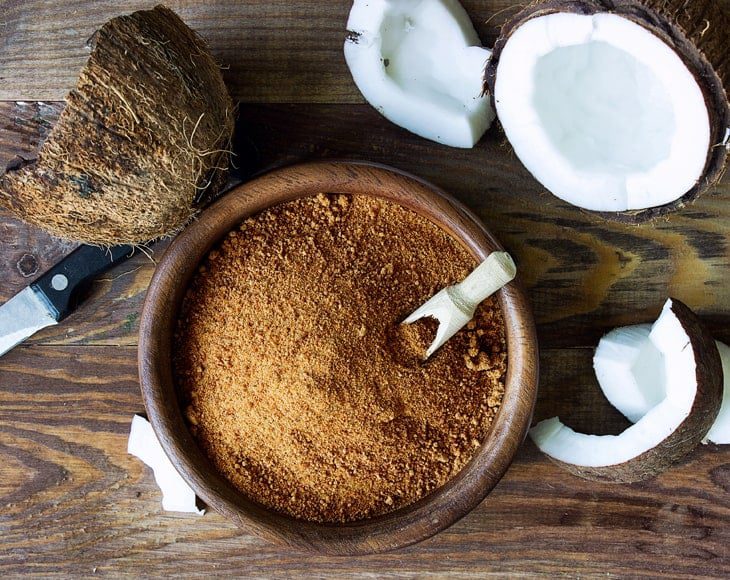
Coconut sugar is made from the sap of the flower buds of the coconut palm tree. The sap is collected, heated, and dehydrated into granules or crystals. It’s also sometimes referred to as “coconut palm sugar” but should not be confused with palm sugar made from other palm species.
Coconut sugar has a brownish color, a slightly caramel-like flavor, and a coarser texture than white sugar. Because it undergoes minimal processing and no bleaching or chemical refining, many consider it a more natural sweetener.
What Is White Sugar?

White sugar is typically extracted from sugarcane or sugar beets. It goes through an extensive refining process that includes:
- Crushing and juicing the plant material
- Boiling and crystallizing the juice
- Filtering and bleaching to remove molasses and color
- Centrifuging to create the fine, white crystals found in most homes
This highly processed product consists of almost 100% sucrose, offering no vitamins, minerals, or other nutrients—just pure sweetness.
Nutritional Comparison: Coconut Sugar vs. White Sugar
When comparing the two, it’s important to remember that both are still forms of sugar. However, there are subtle differences in nutritional content.
| Nutrient | Coconut Sugar (per 100g) | White Sugar (per 100g) |
|---|---|---|
| Calories | ~375 | ~387 |
| Carbohydrates | 92g | 100g |
| Sugars | 75g–80g | 100g |
| Fiber | ~2g | 0g |
| Potassium | ~1,000mg | 2mg |
| Iron | ~2mg | 0.1mg |
| Magnesium | ~30mg | 1mg |
| Inulin (a fiber) | Present | Absent |
Key Nutritional Differences:
- Coconut sugar retains trace amounts of nutrients, including iron, zinc, calcium, potassium, and antioxidants.
- It contains inulin, a prebiotic fiber that may help slow glucose absorption, potentially lowering the glycemic impact.
- White sugar is essentially empty calories, offering no nutritional value beyond energy.
Still, these nutrients in coconut sugar exist in small amounts. You’d have to consume large (and unhealthy) quantities to make a significant nutritional impact.
Glycemic Index: A Closer Look

One of the main health claims about coconut sugar is its lower glycemic index (GI). The GI measures how quickly a food raises blood sugar levels.
- Coconut sugar GI: ~35–54 (depending on the source and purity)
- White sugar GI: ~65
Foods with a lower GI cause slower, steadier rises in blood sugar and insulin levels. This can be beneficial for people with diabetes, insulin resistance, or those trying to avoid sugar crashes.
However, despite a slightly lower GI, coconut sugar still raises blood sugar and should be used in moderation.
Health Effects and Considerations
Let’s break down how each sugar affects the body:
White Sugar:
- Can contribute to weight gain and increased belly fat
- Linked to insulin resistance and type 2 diabetes
- Promotes inflammation, which may worsen chronic diseases
- May increase triglycerides and risk of heart disease
- Offers no nutrients or health benefits
Coconut Sugar:
- Contains small amounts of vitamins and minerals
- May cause a slightly lower blood sugar spike
- Offers a small amount of fiber (inulin) for gut health
- Still high in calories and fructose, which can contribute to metabolic issues when overconsumed
In essence, coconut sugar is less refined and slightly more nutritious than white sugar, but it’s not a “healthy food” in large quantities. It’s best thought of as a “less bad” sugar, not a superfood.
Environmental and Sustainability Factors

Another point in favor of coconut sugar is its lower environmental impact.
- Coconut palms produce more sugar per acre than sugar cane.
- They require less water and fewer resources to grow.
- They also produce coconuts, meaning they’re multi-use trees that support eco-friendly agriculture.
Conversely, sugarcane cultivation can be environmentally damaging due to:
- High water consumption
- Deforestation and habitat destruction
- Pesticide and fertilizer pollution
So from a sustainability standpoint, coconut sugar wins.
Culinary Uses and Taste Differences
Coconut sugar can replace white sugar 1:1 in most recipes, but there are some differences to consider:
Flavor:
- Coconut sugar has a rich, caramel or toffee-like flavor
- White sugar has a neutral sweetness
Texture:
- Coconut sugar is coarser and may not dissolve as easily
- White sugar offers a finer texture ideal for some baking applications
Best Uses for Coconut Sugar:
- Baked goods like cookies, muffins, and cakes
- Granola or energy bars
- Coffee, tea, or smoothies
- Sauces and marinades
Just note that its color and flavor may alter the final appearance and taste of certain dishes.
The Verdict: Is Coconut Sugar a Healthier Alternative?
Coconut sugar is slightly healthier than white sugar due to:
- Lower glycemic index
- Presence of trace nutrients and fiber
- Minimal processing
- Better sustainability
However, it is still sugar, and consuming it in large amounts can contribute to the same health issues as white sugar. If you’re trying to reduce sugar intake altogether, the best approach is to limit all forms of added sugar—including “natural” ones.
Healthier Sugar Alternatives to Consider
If you’re exploring natural sweeteners, here are a few more options:
- Stevia: Zero-calorie plant-based sweetener
- Monk fruit: Natural, calorie-free, and very sweet
- Raw honey: Contains antioxidants and antimicrobial properties
- Maple syrup: Rich in minerals and antioxidants, but still sugar-heavy
- Date sugar or syrup: Made from whole dried dates; fiber-rich
Each has its pros and cons, but moderation is key.
Final Thoughts
Coconut sugar is a less refined, more nutritious, and more sustainable alternative to white sugar, making it a good option for those seeking a natural sweetener. That said, it should not be mistaken for a health food. Like any sugar, it’s best used sparingly and as part of a balanced diet.
If you’re trying to improve your overall health, focus on reducing all forms of added sugars, increasing whole foods, and making mindful choices about what you eat. Swapping white sugar for coconut sugar can be a small but meaningful step in the right direction.