For millions of people around the world living with diabetes, managing blood sugar levels is a daily challenge. One of the biggest questions for those affected is whether there are healthier alternatives to regular sugar that don’t compromise taste. Among the various natural sweeteners, coconut sugar has gained attention as a potential “healthier” option. But is coconut sugar really safe—or even good—for diabetics?
In this article, we’ll take a closer look at what coconut sugar is, how it affects blood glucose, and whether it’s a suitable choice for people managing diabetes.
What Is Coconut Sugar?
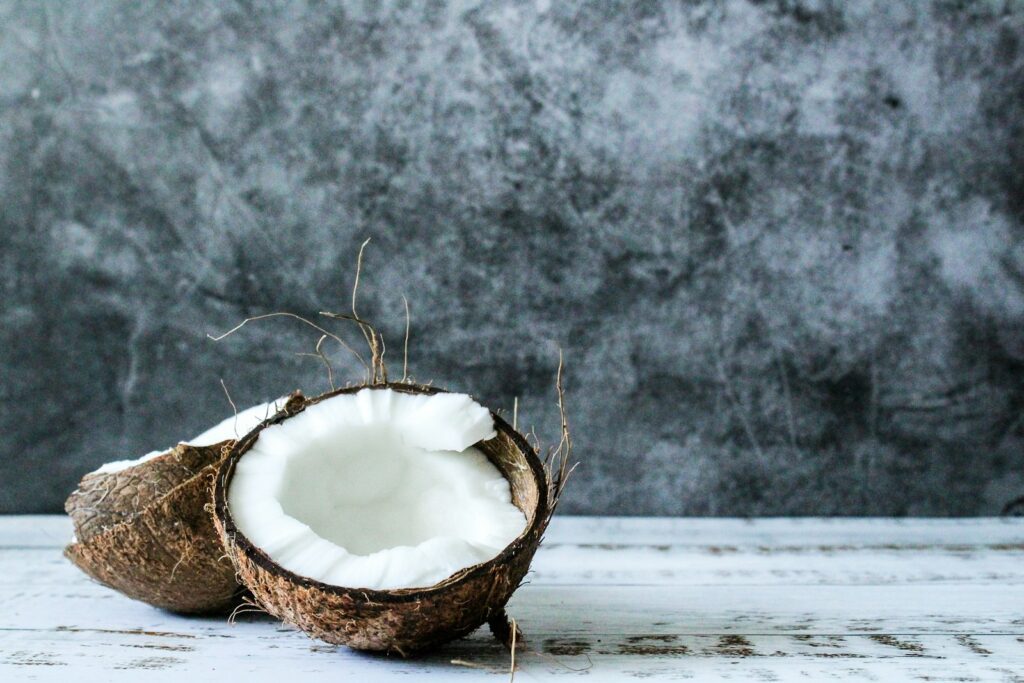
Coconut sugar, sometimes referred to as coconut palm sugar, is a natural sweetener derived from the sap of the flower buds of the coconut palm tree (Cocos nucifera). The sap is collected, heated, and evaporated into granules that resemble brown sugar in color and texture.
Unlike refined white sugar, coconut sugar retains some of the nutrients found in the coconut palm sap, such as:
- Iron
- Zinc
- Calcium
- Potassium
- Polyphenols
- Short-chain fatty acids
- Antioxidants
It also contains a type of fiber called inulin, which plays a role in slowing glucose absorption.
These factors have led many to believe that coconut sugar may be a better option for people with diabetes. But let’s examine the science behind these claims.
Glycemic Index: The Key to Understanding Sugar’s Impact
When evaluating any sweetener for people with diabetes, the glycemic index (GI) is one of the most critical measurements. The GI is a numerical scale from 0 to 100 that ranks carbohydrates based on how quickly they raise blood sugar levels after consumption.
- Low GI: 55 or less
- Medium GI: 56–69
- High GI: 70 or above
Coconut sugar has a glycemic index of approximately 35, which is considered low. In comparison:
- White sugar (sucrose): GI around 65
- Honey: GI 58–87
- Maple syrup: GI 54
The lower GI of coconut sugar is largely due to its inulin content, which slows down glucose absorption in the body. For this reason, some health advocates and natural food proponents argue that coconut sugar is less likely to spike blood sugar levels than refined sugar.
But does this mean it’s actually good for diabetics? Not necessarily.
What Coconut Sugar Is (and Isn’t)
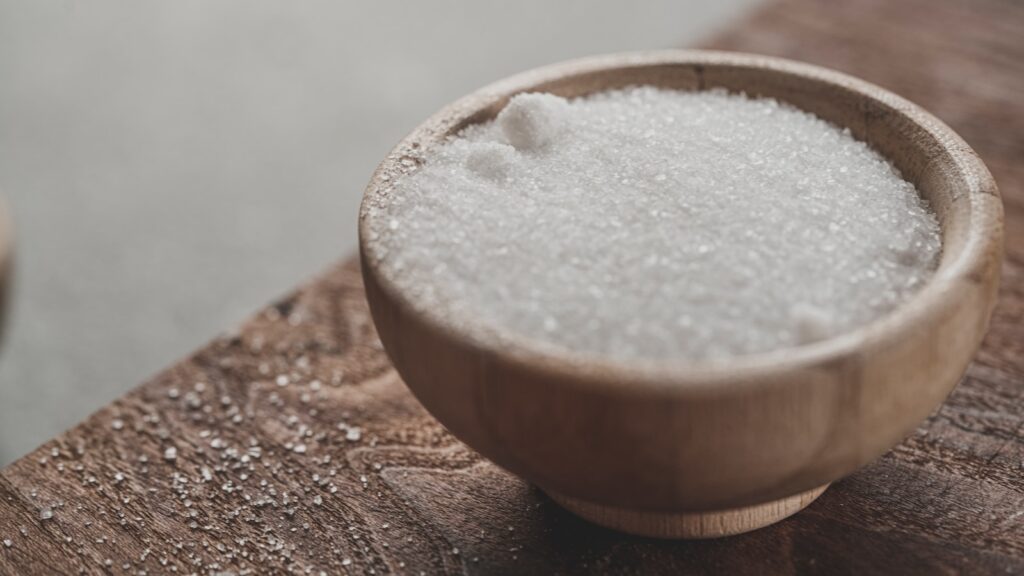
Although coconut sugar has a lower glycemic index, it is still sugar. It contains approximately 70% to 80% sucrose, the same basic sugar found in white table sugar. When digested, sucrose breaks down into glucose and fructose, both of which raise blood sugar levels.
Therefore, while coconut sugar may cause a slower rise in blood glucose compared to white sugar, it still raises blood sugar—and potentially to harmful levels if consumed in excess.
In Short:
- Coconut sugar is less refined than white sugar.
- It contains small amounts of nutrients and fiber.
- It has a lower glycemic index than regular sugar.
- But it’s still high in calories and carbohydrates, and raises blood sugar.
The Diabetic Perspective: Should You Use It?

Potential Benefits for Diabetics:
- Lower Glycemic Index – May cause slower glucose spikes.
- Contains Inulin – A prebiotic fiber that may support gut health and reduce glucose absorption.
- Mineral Content – Provides trace nutrients not found in refined sugar.
Potential Risks:
- High in Sucrose – Roughly the same sugar profile as regular sugar.
- High-Calorie – Same calorie content as table sugar (around 15–16 calories per teaspoon).
- Not a Free Pass – Overconsumption can still lead to hyperglycemia (high blood sugar).
For someone with type 2 diabetes or prediabetes, moderation is key. Swapping white sugar for coconut sugar occasionally may offer slightly better glycemic control, but it shouldn’t be considered a diabetes-friendly sweetener by default.
What Do Experts Say?
Organizations like the American Diabetes Association (ADA) recommend limiting all forms of sugar, whether refined or natural, to help manage blood glucose levels and prevent complications.
The ADA and other medical authorities often suggest using non-nutritive sweeteners such as stevia, erythritol, monk fruit extract, or sucralose because they contain few or no calories and do not significantly affect blood sugar.
While coconut sugar might be considered less harmful than refined sugar, it is not a substitute for blood sugar-safe alternatives like those mentioned above.
Practical Tips for Using Coconut Sugar (If You Choose To)

If you decide to include small amounts of coconut sugar in your diet, consider these tips:
- Monitor Your Blood Glucose: Test your blood sugar before and after consumption to see how your body responds.
- Use Small Quantities: Stick to 1–2 teaspoons, and only on occasion.
- Balance with Fiber and Protein: Consuming coconut sugar as part of a high-fiber or high-protein meal may help blunt blood sugar spikes.
- Avoid Daily Use: Reserve it for rare treats rather than daily coffee or tea sweetening.
- Read Labels Carefully: Some “natural” products marketed as healthy may still contain large amounts of added coconut sugar.
Alternatives to Coconut Sugar for Diabetics
For those who prefer to avoid the risks altogether, consider these diabetes-friendly sweeteners:
| Sweetener | GI | Notes |
|---|---|---|
| Stevia | 0 | Natural, zero-calorie, does not raise blood sugar |
| Erythritol | 0–1 | Sugar alcohol, minimal effect on glucose |
| Monk Fruit | 0 | Natural, calorie-free, safe for diabetics |
| Allulose | 0–2 | Rare sugar, tastes like sugar, minimal impact |
These options can satisfy your sweet tooth without impacting blood sugar as significantly as coconut sugar.
Conclusion: So, Is Coconut Sugar Good for Diabetics?
Coconut sugar is not a miracle sweetener for diabetics, but it’s a slightly better alternative to refined white sugar—when used sparingly. Its lower glycemic index, trace nutrients, and inulin content offer small benefits, but it is still a form of sugar that contains carbohydrates and calories and can raise blood glucose.
For individuals with diabetes, it is best to limit sugar intake altogether, focus on whole foods, and use zero- or low-calorie sweeteners that do not affect insulin response. Coconut sugar may have a place in a well-controlled diabetic diet, but only as an occasional treat—not a daily indulgence.