As the search for healthier alternatives to refined sugar continues, coconut nectar has emerged as a popular natural sweetener. Extracted from the sap of coconut blossoms, this syrupy liquid is often marketed as a low glycemic index (GI) sweetener, rich in nutrients and safe for people with diabetes. But is coconut nectar really a healthier choice for those managing blood sugar levels? Or is it another form of sugar wearing a health halo?
This article explores the nutritional profile of coconut nectar, its impact on blood glucose, and whether it’s a genuinely safe option for diabetics or just another sweet trap.
What is Coconut Nectar?
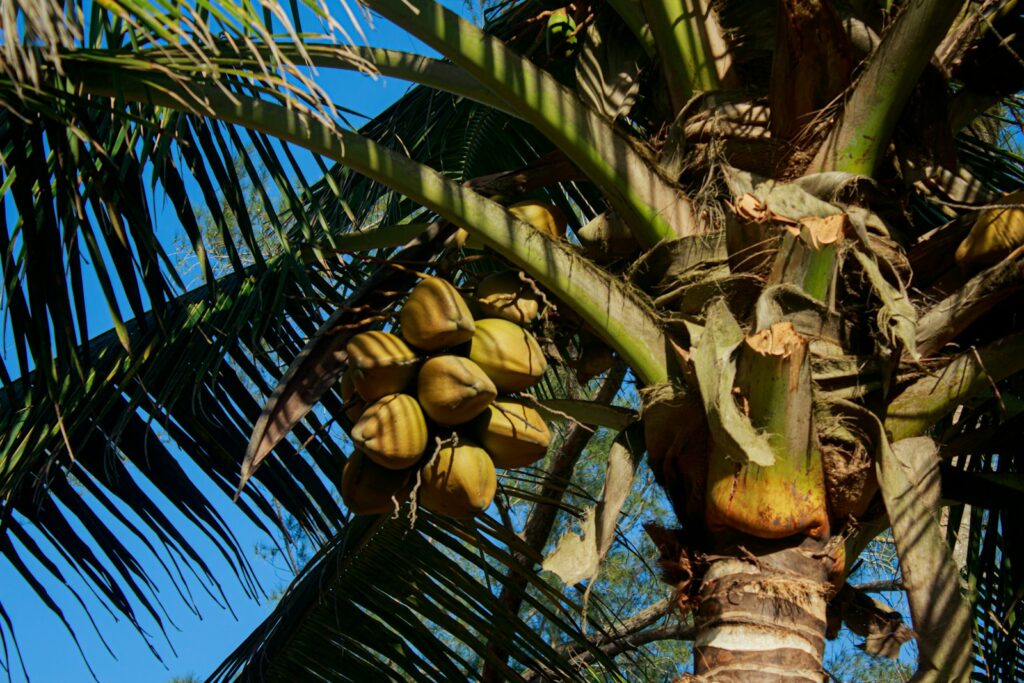
Coconut nectar is a natural syrup derived from the sap of coconut palm flowers (Cocos nucifera). It is made by tapping the flower stalks of the coconut tree and collecting the sap, which is then gently heated to reduce moisture and create a thick syrup. This process preserves many of the sap’s naturally occurring nutrients, and unlike refined sugar, coconut nectar is minimally processed.
Coconut nectar has a light amber color and a slightly caramel or butterscotch-like flavor. It is commonly used as a liquid sweetener in smoothies, teas, baking, and sauces.
Nutritional Profile of Coconut Nectar
Coconut nectar contains a mix of natural sugars (primarily sucrose, with small amounts of glucose and fructose), amino acids, vitamins, and minerals. According to various sources, a tablespoon (15 ml) of coconut nectar contains:
- Calories: ~60
- Total Sugars: ~13–15 grams
- Carbohydrates: ~15 grams
- Fat: 0 grams
- Protein: ~0 grams
- Minerals: Trace amounts of potassium, magnesium, zinc, and iron
- Inulin (a prebiotic fiber): Present in small amounts
Compared to refined white sugar, coconut nectar has a more complex nutritional profile, but it is still high in sugar and calories.
Glycemic Index: The Key Selling Point
One of the main reasons coconut nectar has been promoted to diabetics is its low glycemic index. The glycemic index (GI) measures how quickly a food raises blood sugar levels. Pure glucose has a GI of 100, while lower numbers indicate slower digestion and absorption.
Coconut nectar is often reported to have a GI between 35–54, depending on the source. By comparison:
- Table sugar (sucrose): GI ~60–65
- Honey: GI ~58
- Maple syrup: GI ~54
- Agave nectar: GI ~15–30
- Brown rice syrup: GI ~98 (very high)
A low-GI sweetener causes a slower, more gradual increase in blood glucose levels—ideal for diabetics who need to avoid spikes. However, this number should be interpreted cautiously.
Is Coconut Nectar Really Safe for Diabetics?

While coconut nectar may seem like a better option, “low GI” doesn’t mean “safe in unlimited amounts,” especially for diabetics. Here's why:
1. It Still Contains Sugar
Coconut nectar is primarily made of sucrose, which breaks down into glucose and fructose—both of which affect blood sugar. Whether the sugar comes from nectar, honey, or table sugar, the metabolic impact can still be significant.
2. Lack of Standardization
There’s no universal, scientifically verified GI value for coconut nectar. Some GI values cited come from manufacturers or small studies with limited oversight. Without rigorous, independent testing, the actual GI could vary depending on the brand, processing method, and sap maturity.
3. Portion Size Matters
Even with a lower GI, consuming large quantities of coconut nectar can lead to hyperglycemia. A few teaspoons might be tolerable for some diabetics, but overuse—especially in processed or baked foods—can easily push blood sugar into unhealthy territory.
4. Individual Responses Differ
Each diabetic responds differently to sweeteners. Factors such as insulin sensitivity, medication, gut microbiota, and overall diet can influence how someone reacts to coconut nectar.
Coconut Nectar vs. Other Sweeteners for Diabetics
Let’s compare coconut nectar with other popular sweeteners often considered “diabetic-friendly”:
| Sweetener | GI Range | Sugar Type(s) | Diabetic-Safe? |
|---|---|---|---|
| Coconut Nectar | 35–54* | Sucrose, Glucose | Moderate caution |
| Agave Nectar | 15–30 | Fructose | Caution (fructose-heavy) |
| Stevia | 0 | None (non-caloric) | Generally safe |
| Monk Fruit | 0 | None (non-caloric) | Generally safe |
| Erythritol | 0 | Sugar alcohol | Safe in moderation |
| Honey | ~58 | Glucose, Fructose | Limited use |
* GI values for coconut nectar vary by source and may not be fully reliable.
Non-nutritive sweeteners like stevia, monk fruit, and erythritol are typically safer options for diabetics because they have little to no impact on blood glucose levels. However, they lack the complex flavor and natural appeal of coconut nectar, which is why some people still prefer the latter in moderation.
Potential Benefits (When Used Carefully)
If consumed sparingly and under medical supervision, coconut nectar could offer a few advantages over refined sugar for diabetics:
- Lower glycemic impact (for some individuals)
- Nutrient content: While small, the presence of minerals and antioxidants may offer marginal health benefits.
- Prebiotics: The inulin content can support gut health, which plays a role in blood sugar regulation.
- Less refined: Minimal processing makes it a “cleaner” alternative to white sugar.
That said, these benefits do not negate the fact that coconut nectar is still a sugar-rich product.
Practical Tips for Diabetics Considering Coconut Nectar
If you’re diabetic and considering coconut nectar, here are a few practical guidelines:
- Talk to your doctor or dietitian before making changes to your sugar sources.
- Use in small quantities, such as 1–2 teaspoons at a time.
- Monitor your blood glucose after consuming it to understand your personal response.
- Read product labels—some coconut nectar products may be blended with cane sugar or corn syrup.
- Avoid daily or habitual use; use it only as an occasional indulgence.
- Combine with fiber and protein when using in meals to slow glucose absorption.
Conclusion: Safe or Risky?
Coconut nectar can be relatively safer than refined sugar, but that doesn’t make it completely safe for diabetics. It still contains significant sugar content and calories. While its lower glycemic index and trace nutrients may offer some advantages, it should be treated as an occasional sweetener—not a free pass.
For those with diabetes, non-caloric sweeteners like stevia or monk fruit are still the safest options. But if you prefer a natural, minimally processed sugar with a unique flavor, and your blood sugar is well-managed, small amounts of coconut nectar may be acceptable under supervision.
As with any dietary choice in diabetes management, personalization and moderation are key.