
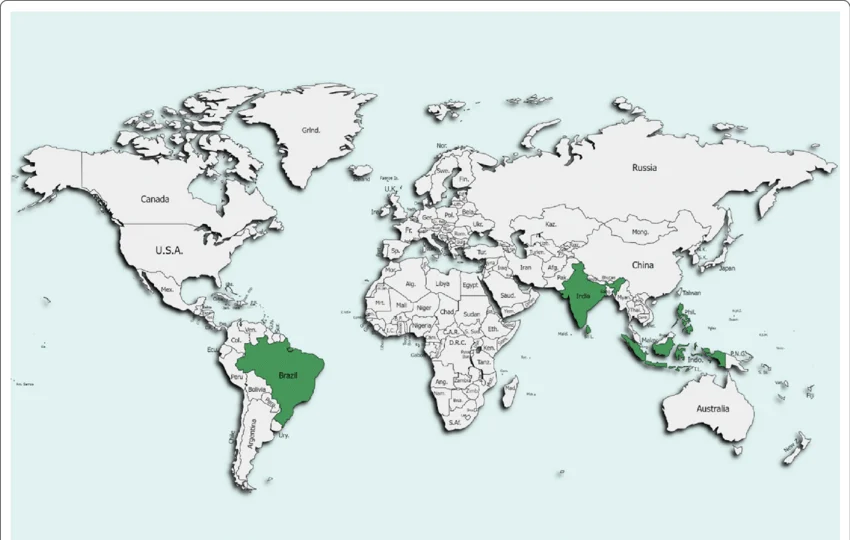
| Quick Answer: Which country should you source from? For most buyers: Indonesia is the best country to source coconut sugar — it has the largest certified supply base, the most BRCGS and organically certified facilities, the most competitive pricing for certified product, and the deepest production heritage. The Philippines is a credible alternative with strong supply but fewer certified options and slightly higher pricing. Sri Lanka is the best choice for specialty or premium-position products where distinctive terroir and flavor profile justify the premium. India and Vietnam are emerging sources not yet recommended for buyers requiring BRCGS or EU Organic certification. |
For a buyer new to the industry, deciding on the best countries to source coconut sugar is one of the first and most consequential decisions in the supply chain.
The answer is not the same for every buyer — it depends on your certification requirements, volume, target market, flavor preferences, and willingness to pay a premium for specific origin characteristics.
This guide gives you a comprehensive, honest comparison of the four main coconut sugar producing countries — Indonesia, Philippines, Sri Lanka, and India — across the dimensions that matter most for B2B sourcing decisions: production scale, certification availability, pricing, flavor and quality profile, and supply reliability.
Before diving in, if you are ready to request pricing from a certified Indonesian supplier, view our certified coconut sugar product range for current specifications and availability.
Master Comparison: Coconut Sugar Producing Countries at a Glance
This table summarizes the key sourcing criteria across the four main producing countries. Detailed analysis of each country follows.
| Criteria | Indonesia ⭐ | Philippines | Sri Lanka | India |
|---|---|---|---|---|
| Supply availability | Strong established supply base for coconut sugar exports | Available, with established coconut-based production | More limited and often focused on specialty supply | Limited commercial availability for coconut sugar |
| BRCGS certified facilities | More established options for export-oriented buyers | Some certified suppliers available | Limited availability | Limited or not commonly available for coconut sugar |
| USDA Organic availability | Widely available through certified suppliers | Available | Available but more limited | Not commonly available at commercial scale |
| EU Organic availability | Widely available through certified suppliers | Available | More limited | Not commonly available at commercial scale |
| Halal certification | MUI Halal commonly available | Local equivalent may be available | Limited availability | Limited availability |
| Quotation structure | Depends on product type, certification scope, MOQ, packaging, Incoterms, and destination market | Depends on supplier capacity, certification, and export terms | Often influenced by smaller supply base and specialty positioning | Usually limited by availability and commercial scale |
| Organic sourcing readiness | Strong option for organic coconut sugar buyers | Available but supplier comparison is still needed | Suitable for selected premium or specialty buyers | Not a primary sourcing option for organic coconut sugar |
| Flavor profile | Caramel-butterscotch profile with moderate aroma | Lighter caramel and milder profile | Darker, more complex, earthy profile | Not commonly used as a coconut sugar sourcing reference |
| Transit time to EU | Requires ocean freight planning via major export routes | Requires ocean freight planning | Can be geographically closer to some EU routes | Depends on product availability and shipping route |
| Supply reliability | Strong option due to larger export-oriented supply base | Good alternative to Indonesia | More variable due to smaller supply base | Not reliable at commercial scale for coconut sugar |
| MOQ planning | Suitable for bulk, FCL, and recurring export orders | Suitable for bulk export orders depending on supplier | Usually needs supplier-by-supplier confirmation | Usually not recommended for scale procurement |
| Best for | Buyers seeking a strong balance of certification, scale, documentation, and export readiness | Buyers comparing alternative Asian supply options | Buyers looking for selected specialty or premium positioning | Not recommended as a primary sourcing country for coconut sugar |
Indonesia: The World's Best Overall Source for Most Buyers
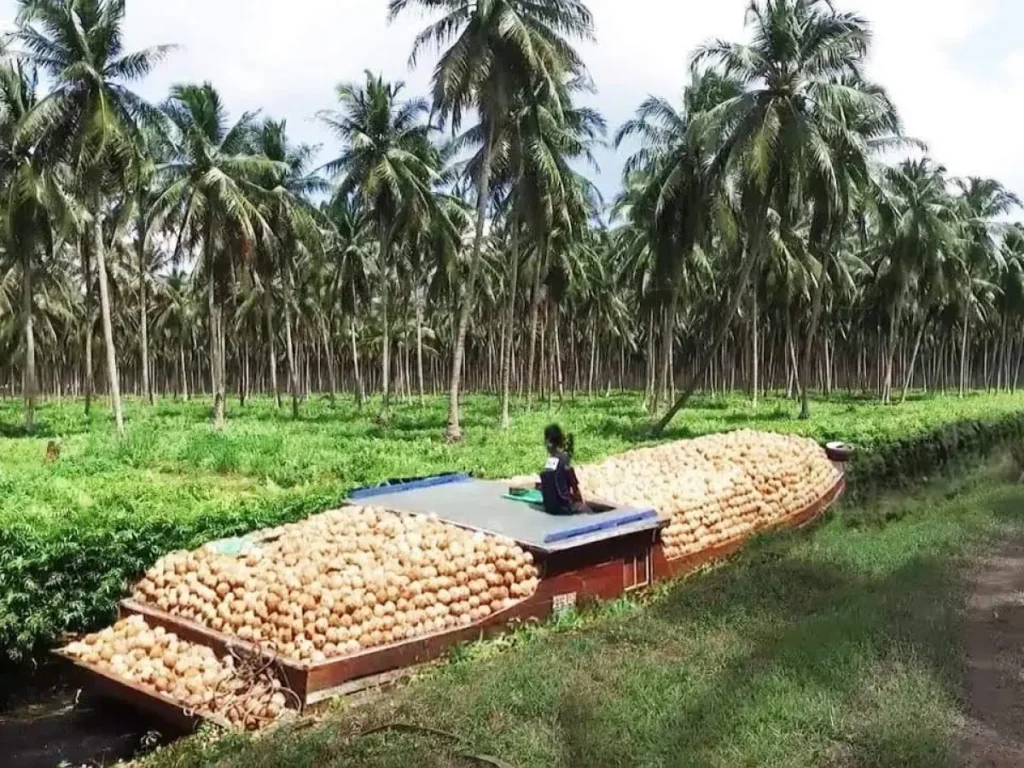
Indonesia's dominance in global coconut sugar production is not accidental — it reflects six structural advantages that compound over time.
For a detailed analysis of exactly why Indonesia leads, our article on why Indonesia is the world's largest coconut sugar producer covers the full picture.
Understanding how coconut sugar is produced in Indonesia also explains why the deep production heritage of Central Java villages produces consistently higher quality raw material than newer producing regions.
Indonesia's Key Sourcing Advantages
- Largest certified supply base in the world. More BRCGS Food Safety Grade A certified coconut sugar facilities than any other country — essential for buyers serving EU or US major retail.
- Best price-to-certification ratio. BRCGS + EU Organic certified coconut sugar from Indonesia is typically 10-20% cheaper than equivalent certified Philippine product and 25-40% cheaper than Sri Lankan product.
- Widest grade and format availability. Granulated, fine powder, cubes, coconut nectar syrup — all available certified from established Indonesian exporters.
- Production heritage. 300+ years of unbroken coconut sugar production in Central Java creates quality consistency and production knowledge that newer origins cannot replicate.
- Most established export infrastructure. REX registration for EU GSP preference, FDA registration for US import, full phytosanitary documentation — all standard from established Indonesian exporters.
Indonesia's Limitations
- Transit time to EU (25-35 days) is slightly longer than Sri Lanka (18-25 days) — relevant for buyers with tight lead time requirements.
- The large number of suppliers — including uncertified ones — means buyer due diligence is essential. Not all 'Indonesian' coconut sugar comes from certified facilities.
- Some Philippine buyers argue Indonesian coconut sugar has a slightly stronger flavor than their preference — worth evaluating via sample.
| The certification advantage in numbers When evaluating which country to source from for EU or US retail supply, certification availability is often the deciding factor — not price or flavor. Indonesia's lead in BRCGS-certified coconut sugar facilities is the single most commercially significant country-level advantage. Buyers who require BRCGS Grade A certification — as most EU and US major retail chains do — will find far more qualified supplier options in Indonesia than in any other producing country. For a full breakdown of what BRCGS means and how to verify it, see our article on |
The Philippines: A Strong Alternative with Specific Use Cases
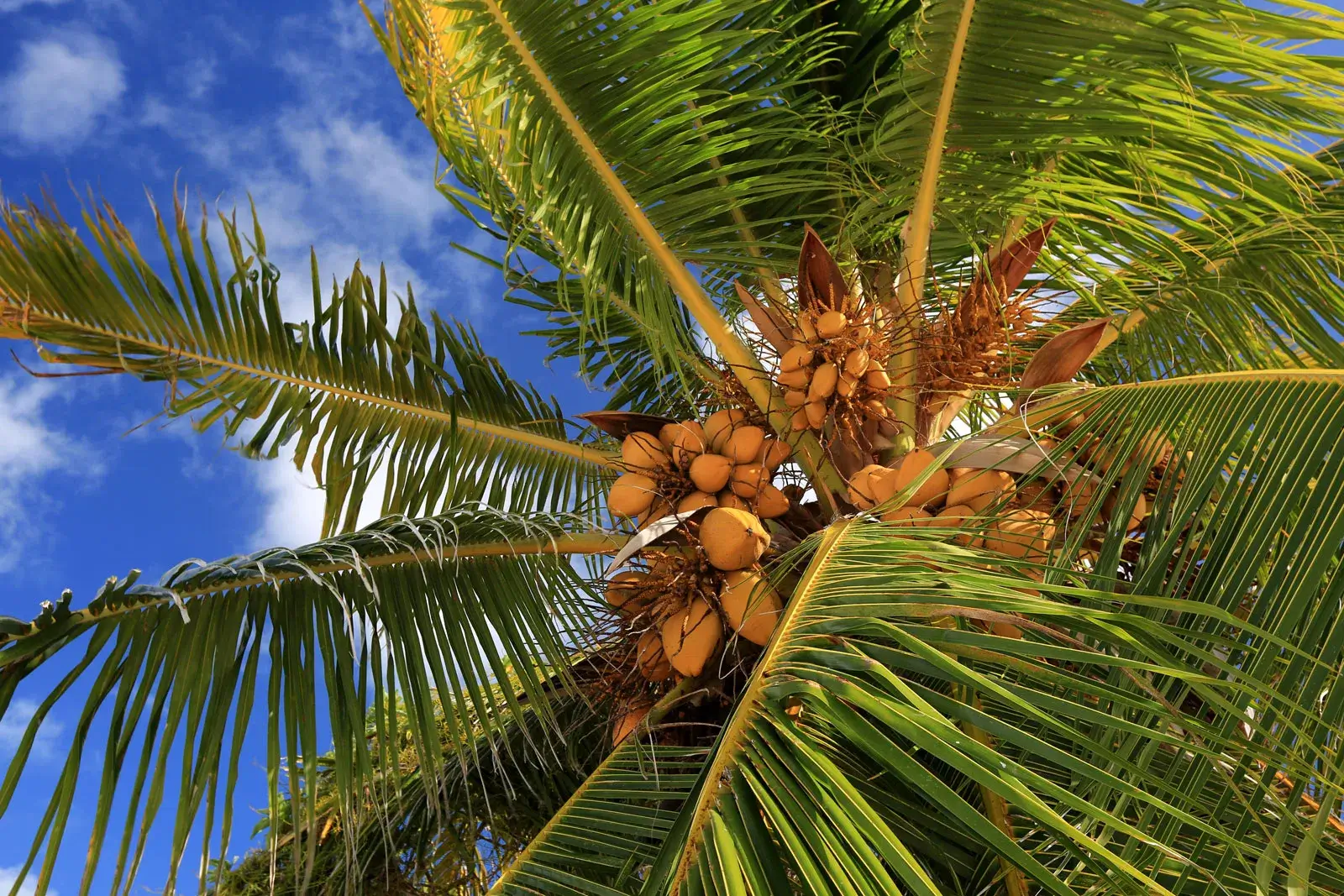
The Philippines is Indonesia's most credible competitor in coconut sugar production — and for certain buyers and applications, it is genuinely the better choice.
Understanding when and why requires looking beyond the headline production numbers.
Philippines' Key Sourcing Advantages
- Milder, lighter flavor profile. Philippine coconut sugar typically has a lighter caramel flavor with less pronounced earthiness than Indonesian product. For buyers formulating products where a neutral sweetener with gentle caramel notes is preferred — certain beverage applications, lighter confectionery — Philippine coconut sugar may be the better fit.
- Established quality reputation. The Philippines has been a significant coconut sugar exporter for decades and has a strong quality reputation in certain US health food segments.
- Diversified coconut industry. Philippine exporters often offer complementary coconut products (coconut flour, desiccated coconut) alongside coconut sugar — convenient for buyers sourcing multiple coconut-derived ingredients.
- English language business culture. The Philippines' English-language business environment can make communication slightly easier for some European and US buyers.
Philippines' Limitations
- Typically 10-20% higher pricing than equivalent certified Indonesian product — partially explained by lower production scale and higher farm-gate costs.
- Fewer BRCGS-certified facilities than Indonesia — buyers targeting EU or US major retail may have fewer certified supplier options.
- More susceptible to supply disruption from typhoons and El Niño drought events than Indonesian Central Java production.
- Slightly longer transit time to EU compared to direct Indonesian routes via Rotterdam.
Sri Lanka: The Premium Origin for Specialty and Gourmet Applications
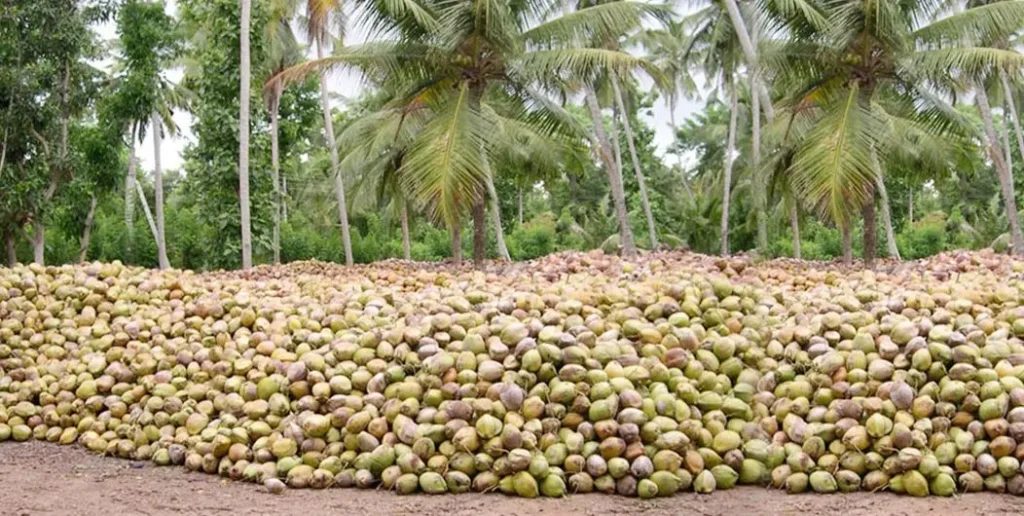
Sri Lanka holds a unique position in the global coconut sugar market — it is neither the largest producer nor the most certified, but it offers something the other origins cannot: distinctive terroir-driven flavor characteristics that command genuine premium pricing in specialty food markets.
Sri Lanka's Key Sourcing Advantages
- Distinctive flavor profile. Sri Lankan coconut sugar has a more complex, darker, and earthier flavor profile than Indonesian or Philippine product — often described as having notes of molasses or brown butter alongside the standard caramel character. For premium confectionery, artisan food producers, and gourmet applications where flavor differentiation matters, this is a genuine advantage.
- Premium positioning story. 'Sourced from Sri Lanka' carries authentic terroir and origin differentiation that resonates with premium food and beverage brand positioning in European and US gourmet markets.
- Closer to EU geographically. Sri Lanka's transit time to EU ports (18-25 days) is meaningfully shorter than Indonesia (25-35 days) — relevant for buyers with tight procurement cycles.
- Organic availability. Certified organic Sri Lankan coconut sugar is available, though from a smaller base of certified producers than Indonesia.
Sri Lanka's Limitations
- Higher pricing — 25-40% above equivalent Indonesian certified product. The premium is real, but must be justified by corresponding retail premium.
- Smaller supply base — fewer certified facilities, lower production volumes, more limited grade and format availability.
- BRCGS-certified suppliers are very limited — buyers requiring BRCGS for major retail may struggle to find compliant Sri Lankan sources.
- Supply reliability risk is higher due to smaller total production base.
India and Vietnam: Emerging Sources Not Yet Ready for Most Buyers
India
India has the world's third-largest coconut cultivation area — but the vast majority of Indian coconut production is directed toward copra, coconut oil, and desiccated coconut rather than coconut sugar.
Coconut sugar production in India is small, fragmented, and largely lacks the certified export infrastructure (BRCGS, EU Organic) that international buyers require.
Some specialty organic coconut sugar from India is available through niche channels, but it is not a commercially reliable source for buyers needing BRCGS certification or FCL volumes at consistent quality.
Vietnam
Vietnam has emerged as a new coconut sugar producing country in recent years — particularly in Ben Tre province, which is known for its coconut cultivation.
However, Vietnam's coconut sugar export industry is nascent: BRCGS-certified facilities are extremely rare, EU Organic certified supply is limited, and export volumes are small.
For buyers who need certified supply at commercial scale, Vietnam is not yet a viable primary source. It bears monitoring as the industry matures, but should not be on a current sourcing shortlist.
| Why not to source from non-certified origins — even at lower prices Buyers are sometimes tempted by lower prices from uncertified or minimally certified suppliers in India or Vietnam. The risk is significant: a supplier who cannot provide BRCGS certification or EU Organic documentation may create compliance failures at the retail buyer audit stage — potentially resulting in delisting, product recalls, or import refusal. The cost of a compliance failure vastly exceeds any short-term price saving. Always require certification verification before qualifying any new supplier, regardless of origin. |
Certification Availability by Country: The Most Important Comparison for B2B Buyers

Certification availability is the single most important country-level comparison for buyers who supply EU or US retail channels.
Our guide on what certifications a coconut sugar supplier should have explains how to verify each certification independently in its respective public database.
| Certification | Indonesia | Philippines | Sri Lanka | India | Vietnam |
| BRCGS Food Safety Grade A | ✅ Multiple facilities — market leader | ✅ Some available | ⚠️ Very limited | ❌ Not available | ❌ Not available |
| USDA Organic (NOP) | ✅ Widely available | ✅ Available | ✅ Available (limited) | ⚠️ Very limited | ⚠️ Very limited |
| EU Organic (EC 2018/848) | ✅ Widely available | ✅ Available | ⚠️ Limited | ❌ Not commercially available | ❌ Not available |
| JAS Organic (Japan) | ✅ Available | ✅ Available | ⚠️ Very limited | ❌ | ❌ |
| Halal (MUI or equivalent) | ✅ MUI — widely available | ✅ IDCP equivalent | ⚠️ Limited | ⚠️ Limited | ⚠️ Limited |
| Kosher | ✅ Available from select suppliers | ✅ Available | ⚠️ Limited | ❌ | ❌ |
| ISO 17025-accredited COA | ✅ Multiple labs in Indonesia | ✅ Available | ⚠️ Limited local labs | ⚠️ Limited | ⚠️ Limited |
| REX (EU GSP preference) | ✅ Registered exporters available | ✅ Available | ✅ Available | ✅ Available | ⚠️ Limited |
Country-of-Origin Comparison: Sourcing Factors Beyond Price
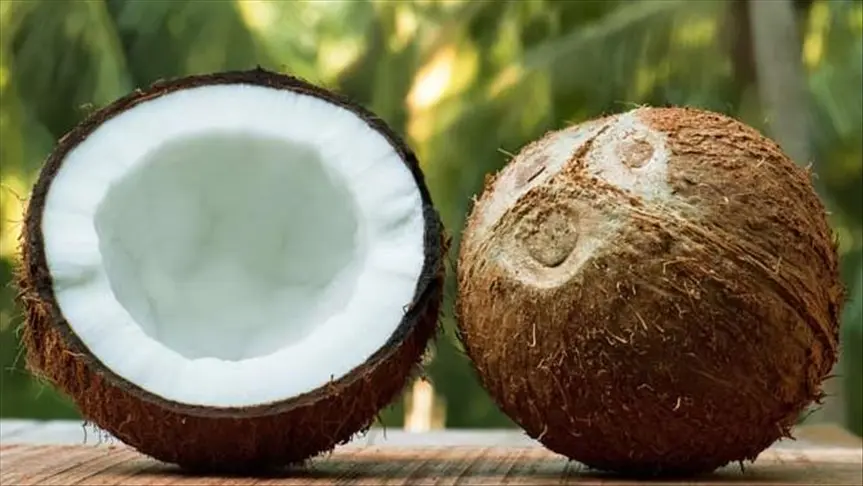
Coconut sugar sourcing should not be evaluated by price alone. Country of origin can affect supplier availability, certification access, flavor profile, MOQ planning, lead time, documentation readiness, and long-term supply reliability.
For international buyers, the best sourcing country is usually the one that can support the required product specification, certification scope, export documents, packaging format, and shipment schedule consistently.
For buyers who want to understand quotation variables, see our guide to coconut sugar export price factors from Indonesia.
| Product Category | Indonesia | Philippines | Sri Lanka | Buyer Notes |
|---|---|---|---|---|
| Conventional granulated coconut sugar | Widely available for export-oriented buyers | Available from selected suppliers | Available, often positioned for specialty buyers | Compare product grade, color, moisture, packaging, and supplier capacity |
| Organic granulated coconut sugar | Strong availability through certified suppliers | Available, depending on supplier and certification scope | More limited and supplier-specific | Verify USDA/EU Organic scope, certificate validity, and transaction documents |
| Fine powder coconut sugar | Available for bakery, beverage, dry mix, and food manufacturing applications | Available from selected suppliers | More limited depending on processing capability | Check mesh size, flowability, moisture, and packaging suitability |
| Organic fine powder coconut sugar | Available through selected certified suppliers | Available depending on certification and processing capacity | More limited | Request sample approval and confirm organic documentation before ordering |
| BRCGS-grade supply | Stronger option where certified export facilities are required | Available from selected suppliers | More limited | Important for major retailers, food manufacturers, and strict supplier approval programs |
| Specialty origin positioning | Suitable for buyers seeking scale, certification, and documentation readiness | Suitable as an alternative Asian sourcing option | Suitable for selected premium or origin-specific positioning | Choose based on end-market expectations, not price alone |
Quotation note: evaluate total sourcing fit, not public price ranges
The best sourcing option is not always determined by the lowest quoted price. Buyers should compare product specifications, certification scope, supplier reliability, shipment planning, documentation readiness, and end-market requirements before choosing a coconut sugar supplier.
Final quotation can vary depending on product type, order volume, packaging, Incoterms, destination country, certification requirements, and current supply conditions. Buyers should request a formal quotation based on their actual order requirements instead of relying on public price references.
Flavor and Quality Profile: Understanding the Sensory Differences
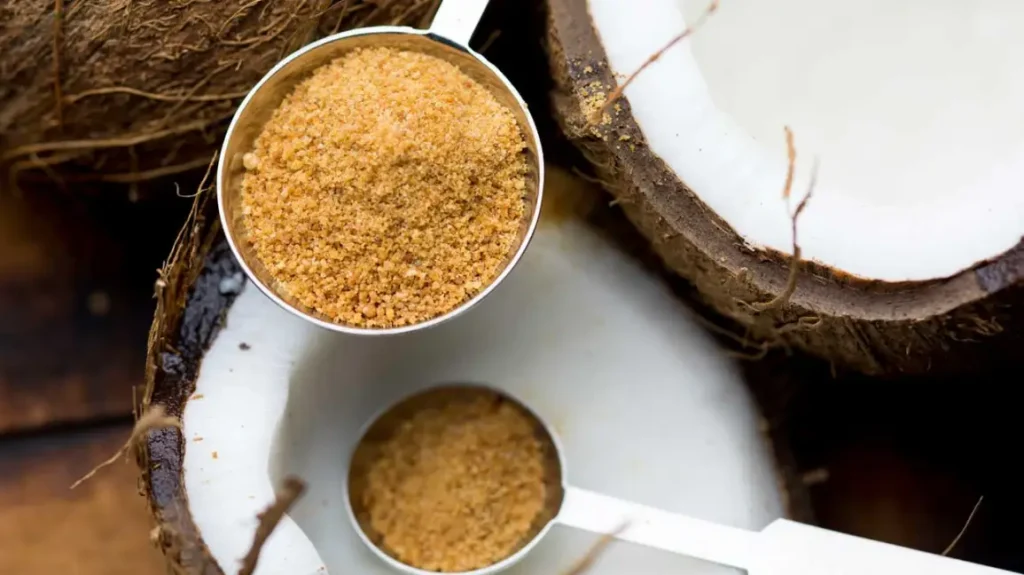
The nutritional profile — including the glycemic index of approximately 35 — is consistent across well-produced coconut sugar from any origin.
The meaningful quality differences between origins are primarily sensory: flavor, aroma, color, and the specific flavor compounds that develop during production.
| Quality Attribute | Indonesia (Central Java) | Philippines | Sri Lanka |
| Primary flavor notes | Rich caramel, butterscotch, moderate earthiness | Lighter caramel, milder sweetness, subtle butterscotch | Complex caramel, darker molasses undertones, pronounced earthiness |
| Color (granulated) | Golden brown to dark brown | Light golden to golden brown | Dark brown to very dark brown |
| Aroma intensity | Moderate to strong | Mild to moderate | Strong, complex |
| GI (approximate) | 35-54 | 35-54 | 35-54 |
| Consistency batch-to-batch | Excellent — deep production heritage | Good | Variable — smaller production base |
| Moisture specification | Max 3% (standard) | Max 3% (standard) | Max 3% (standard) |
| Best application fit | All applications — most versatile | Light-flavored products, beverages, confectionery | Artisan, gourmet, premium applications |
Decision Matrix: Which Country to Choose Based on Your Situation
Use this matrix to identify the best country of origin based on your specific requirements:
| Your Situation | Best Country | Reason |
| You supply EU major retail (Tesco, Aldi, Carrefour) requiring BRCGS Grade A | Indonesia | Most BRCGS-certified options, competitive pricing |
| You supply US natural food retail (Whole Foods, Sprouts) requiring USDA Organic | Indonesia or Philippines | Both have USDA Organic; Indonesia has better pricing |
| You are a premium gourmet food brand and 'origin story' matters to your customers | Sri Lanka | Distinctive flavor, premium provenance story |
| You are a food manufacturer needing large annual volumes at FCL pricing | Indonesia | Largest supply base, lowest per-MT pricing at scale |
| You are evaluating coconut sugar for first time — need samples before decision | Indonesia | Most supplier options, easiest to get multiple samples |
| You formulate light-colored confectionery and need neutral caramel flavor | Philippines | Lighter flavor profile, lighter color |
| You supply Japan and need JAS Organic certification | Indonesia or Philippines | Both have JAS-certified options |
| You need custom packaging or private label with branded origin story | Indonesia or Sri Lanka | Indonesia for cost efficiency; Sri Lanka for premium |
| You need the shortest possible transit time to EU | Sri Lanka | Closest geographically — 18-25 days vs 25-35 for Indonesia |
| Ready to source from the best country for your needs? If your decision matrix points to Indonesia — Global Coco Sugar is a BRCGS Food Safety Grade A certified manufacturer and exporter of organic and conventional coconut sugar from Central Java. We supply to buyers in EU, USA, Australia, Middle East, and Japan with full certification documentation and REX registration for EU GSP preference. Request a Sample or Bulk Quote >>> View Our Certified Coconut Sugar Range >>> |
Due Diligence Checklist: Evaluating Suppliers Regardless of Country
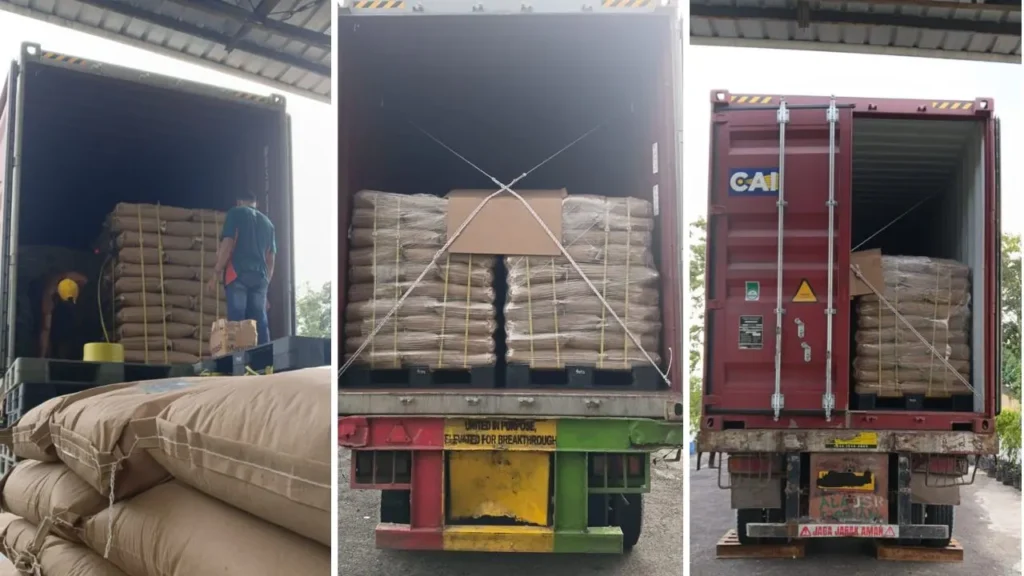
Regardless of which country you choose, the supplier evaluation process should be rigorous — certification claims must be verified independently, documentation quality must be assessed, and reference buyers should be contacted.
Our guide on what certifications a coconut sugar supplier should have provides the full verification protocol for each certification.
Our article on how to choose a reliable coconut sugar exporter from Indonesia provides the complete due diligence framework — applicable to suppliers from any country.
Country-specific due diligence notes:
- For Indonesian suppliers: Verify BRCGS on brcdirectory.com. Verify EU/USDA Organic on their respective public databases. Confirm REX registration for EU GSP preference. Verify facility ownership vs trading company.
- For Philippine suppliers: Apply the same certification verification process. Additionally confirm export history to your specific target market — some Philippine suppliers have strong US experience but limited EU documentation capability.
- For Sri Lankan suppliers: Verify organic certification carefully — Sri Lanka has a small certified base and some suppliers may overstate certification scope. Request COA from ISO 17025-accredited laboratory — local lab options are more limited.
- For any country: Always request COA from three consecutive production lots, not just the sample lot. Always request references from existing buyers in your target market.
Specific Guidance for European Buyers
For European buyers, country of origin has direct regulatory implications beyond quality and price — it affects duty rates and organic compliance requirements.
Our dedicated article for European coconut sugar wholesale buyers covers EU GSP preference rates from each producing country, BRCGS requirements for EU retail, and the EU Organic importer registration process.
For the full documentation and logistics framework for importing from Indonesia specifically, our complete import guide for coconut sugar from Indonesia provides step-by-step guidance.
EU-specific country considerations:
- All three main producing countries (Indonesia, Philippines, Sri Lanka) qualify for EU GSP preference — meaning reduced import duties vs standard TARIC rate.
- For EU Organic label claims: verify that the specific supplier holds EU Organic certification — not just USDA Organic. Both Indonesia and Philippines have EU Organic certified options; Sri Lanka's is more limited.
- For BRCGS requirement (mandatory for major EU retail chains): Indonesia has the most available certified supplier options.
- Transit time consideration: Sri Lanka's shorter transit (18-25 days) can be meaningful for buyers with tight procurement cycles, but Indonesia's larger supply base typically allows better lead time planning.
Conclusion: Match Country of Origin to Your Specific Requirements
The answer to finding the best countries to source coconut sugar is not a single answer — it is a framework question.
For the majority of buyers — those requiring BRCGS certification, EU or USDA Organic compliance, reliable FCL supply at competitive pricing — Indonesia is the clear answer.
For buyers with specific premium positioning needs, flavor differentiation requirements, or geographic considerations, the Philippines and Sri Lanka offer genuine alternatives.
What is not a viable answer for any serious buyer is sourcing from uncertified or minimally certified origins simply to save 10-15% on FOB pricing.
The compliance and quality risks of under-certified supply — particularly for buyers supplying EU or US major retail — far outweigh the short-term price benefit.
| Source from Indonesia's most certified coconut sugar exporter Global Coco Sugar holds BRCGS Food Safety Grade A, EU Organic, USDA Organic, HACCP, Halal MUI, and Kosher certification from Central Java, Indonesia. We supply certified organic and conventional coconut sugar to buyers across EU, USA, Australia, Middle East, and Japan. Full documentation support, REX registration for EU GSP preference, and ISO 17025-accredited COA per batch. Contact Our Export Team >>> View Our Coconut Sugar Product Range >>> Our Certifications & Company Profile >>> |


