Coconut sugar has gained popularity as a “healthier” alternative to refined white sugar, often marketed for its lower glycemic index and natural origins. But beyond the hype, a key question remains: Can coconut sugar actually help you lose weight? This article explores the claims, examines the nutritional profile, and considers whether it truly plays a role in weight management.
1. What is Coconut Sugar?
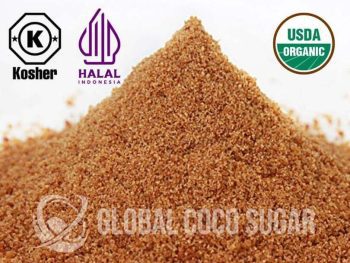
Coconut sugar is made from the sap of coconut palm flower buds, which is boiled and granulated into a golden-brown sweetener. Unlike refined sugar, it undergoes minimal processing and retains trace amounts of minerals like potassium, magnesium, iron, and zinc, along with antioxidants.
2. The Glycemic Index Factor
One of the most cited benefits of coconut sugar is its lower glycemic index (GI)—around 35 compared to white sugar’s 60–65. The GI measures how quickly a food raises blood sugar levels. A lower GI means slower sugar absorption, leading to:
- Reduced blood sugar spikes.
- Less intense insulin release.
- Fewer post-sugar crashes.
In theory, stable blood sugar levels can help regulate appetite, which might indirectly support weight control. However, the difference is not dramatic enough to make coconut sugar a “weight-loss food.”
3. Calorie Content: Not Much Different

From a calorie standpoint, coconut sugar offers little advantage:
- Coconut sugar: ~15 calories per teaspoon.
- White sugar: ~16 calories per teaspoon.
The calorie savings are negligible. If weight loss is your goal, total sugar consumption—regardless of type—matters more than the specific sweetener.
4. Nutritional Profile: The “Natural” Advantage
Coconut sugar contains small amounts of:
- Minerals: Potassium, zinc, magnesium, iron.
- Inulin: A type of dietary fiber that may slow glucose absorption.
While these nutrients offer health benefits, they exist in trace amounts. You would have to consume impractically large amounts to gain substantial nutrition—which would also mean excess calories.
5. Appetite Control and Cravings
Because coconut sugar causes slower blood sugar rises, some people may experience fewer cravings compared to consuming refined sugar. Stable energy levels can make it easier to stick to a healthy eating plan, which indirectly aids weight management. However, moderation is key—excess coconut sugar can still lead to energy surges followed by crashes.
6. Marketing vs. Reality

Coconut sugar is often marketed as:
- “Diabetic-friendly”
- “Weight-loss-friendly”
- “Healthy sugar”
These labels can be misleading. While coconut sugar is less processed and lower GI than white sugar, it’s still added sugar—and overconsumption can lead to weight gain, blood sugar imbalances, and other health issues.
7. Coconut Sugar in a Weight-Loss Diet
If you’re trying to lose weight, here’s how coconut sugar can fit in:
- Use it sparingly as a natural sweetener for coffee, tea, or baking.
- Replace—not add to—your regular sugar intake.
- Combine it with whole foods and high-fiber ingredients to slow sugar absorption.
- Avoid assuming that “natural” means “unlimited use.”
8. Portion Control Tips
Even with coconut sugar, portion control is crucial:
- Measure your sweetener instead of eyeballing.
- Gradually reduce sweetener in recipes to retrain your taste buds.
- Pair sweetened foods with protein or healthy fat to maintain satiety.
9. When Coconut Sugar Might Be Helpful

While it’s not a magic bullet for weight loss, coconut sugar can be helpful for:
- Those seeking to transition away from refined sugar.
- People managing mild blood sugar sensitivity.
- Individuals following whole-food-based diets who still want occasional sweetness.
10. When to Be Cautious
Coconut sugar may not be ideal for:
- People with diabetes who require tight blood sugar control.
- Those on very low-carb or ketogenic diets.
- Anyone prone to overusing “healthy” sweeteners.
11. Healthier Sweetening Strategies
If weight loss is your main focus, consider:
- Natural low-calorie sweeteners like stevia or monk fruit.
- Using fruit purees (banana, dates, applesauce) for sweetness in baking.
- Reducing overall sugar reliance to reset your taste preferences.
12. Final Verdict
Coconut sugar offers modest health advantages over refined sugar, thanks to its lower GI and minimal processing. However, it is not inherently a weight-loss aid. Its calorie content is nearly identical to white sugar, and overuse will hinder weight loss just as much as other sweeteners. The key to using coconut sugar successfully is moderation—combined with a balanced diet and active lifestyle.
Conclusion
Coconut sugar is a more natural, less refined sweetener that may offer minor benefits for blood sugar control and nutrient intake. But when it comes to losing weight, it’s not a shortcut. If you enjoy its flavor, use it mindfully as part of an overall healthy eating pattern. Remember: sustainable weight loss comes from creating a calorie deficit through healthy food choices, portion control, and physical activity—not from switching sugar types.