When searching for a reliable bulk coconut sugar supplier, Indonesia is a critical market for international F&B manufacturers.
While the market offers highly competitive pricing, the true challenge lies in consistent quality control and export compliance.
As a dedicated exporter, Global Coco Sugar has compiled this definitive checklist.
Whether you are scaling up production or looking for flexible MOQ options starting at 1 MT, here is exactly what you need to evaluate regarding organic certifications, packaging standards, and Incoterms before placing your bulk order.
Why Indonesia is The World’s Primary Source of Coconut Sugar
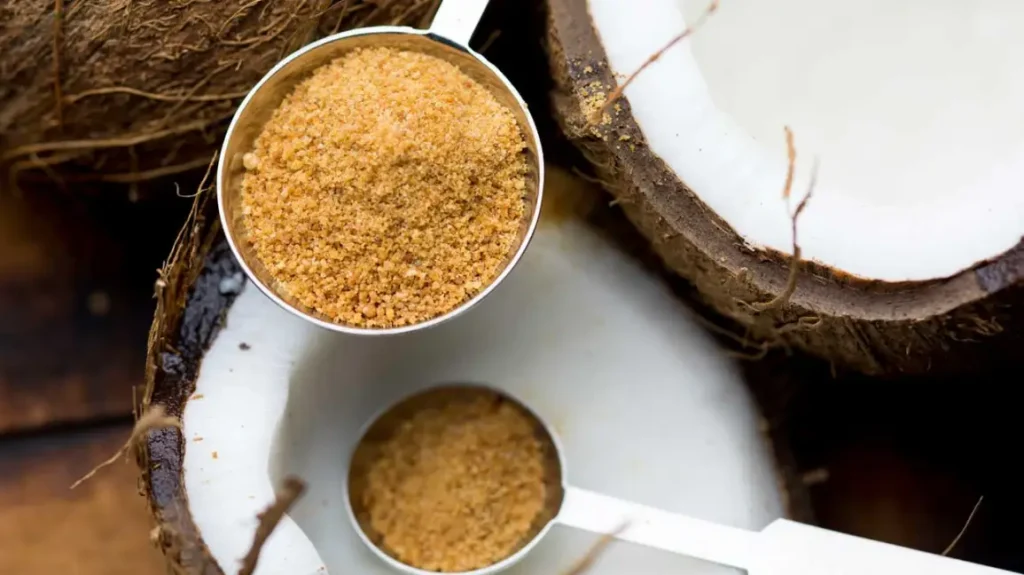
Before evaluating individual companies, it helps to understand why Indonesia dominates the global coconut sugar supply.
According to the Food and Agriculture Organization (FAO), Indonesia is the world's largest coconut producer, yielding approximately 18 million metric tons annually across 3.5 million hectares of plantations.
This massive agricultural scale allows Indonesia to account for roughly 35% of the global organic coconut sugar production as of 2024.
Provinces such as Central Java, East Java, North Sulawesi, and Riau account for the majority of this output.
Central Java, in particular, is known for the high quality of its granulated coconut sugar due to its highland farming communities and traditional tapping methods that have been refined over generations.
Indonesian coconut sugar is produced by tapping the flower bud stems of mature coconut palms, collecting the sap, and heating it to evaporate moisture before crystallization.
Unlike general palm sugar, which comes from a different tree species, authentic Indonesian coconut sugar is 100% derived from coconut palm sap (Cocos nucifera).
This botanical distinction matters enormously for certification, labeling compliance, and consumer trust in markets like the EU and US.
For B2B buyers, this unmatched scale of production is exactly why partnering with a bulk coconut sugar supplier Indonesia makes strategic sense.
It ensures that the country can fulfill large volume orders consistently, including FCL (Full Container Load) shipments of 20ft or 40ft containers, which smaller-producing nations simply cannot match.
The Certification Checklist: What a Serious B2B Buyer Must Verify
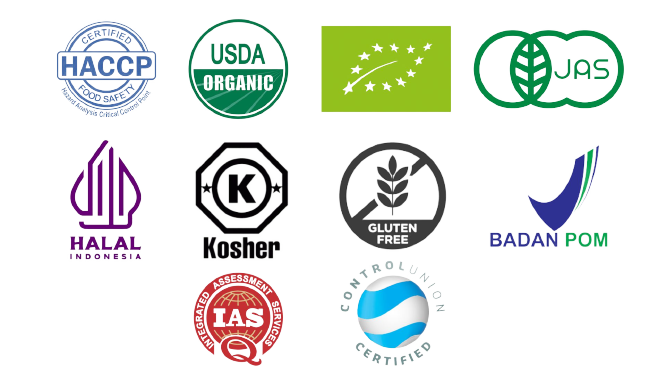
This is arguably the most critical section of your sourcing process. In the B2B food industry, certifications are not mere marketing materials, they are legally binding, auditable documents that dictate whether your product can clear customs and enter your target market.
When evaluating a potential bulk coconut sugar supplier, Indonesia offers some of the best manufacturing facilities in the world, provided they pass this non-negotiable certification checklist:
Organic Certification (USDA and/or EU Organic)
If you are distributing in the United States or the European Union under an "organic" label, your supplier must hold a valid certificate from accredited bodies like LSPO, Ecocert, Control Union, CERES, or IMO.
Crucially, you must request the Transaction Certificate (TC) for each specific shipment rather than just viewing its general certificate.
A supplier providing only a static PDF without the operational capacity to issue a per-shipment TC presents a major compliance risk, as the TC is the only definitive proof that your exact batch was produced under certified conditions.
BRCGS Food Safety (or equivalent GFSI-recognized standard)
BRCGS (Brand Reputation Compliance Global Standard) is the definitive food safety benchmark required by major retailers across the UK, Europe, and Australia, including Tesco, Aldi, Waitrose, and Woolworths.
Very few Indonesian coconut sugar suppliers hold this GFSI-recognized certification due to its rigorous audits covering facility hygiene, raw material traceability, and shipment controls.
Be cautious of suppliers claiming to be merely "BRCGS-compliant" without being able to produce an actual certificate featuring a valid expiry date and audit grade.
At Global Coco Sugar, obtaining full BRCGS certification was a deliberate strategic decision to guarantee supply chain security, a journey we proudly documented at our 2024 Trade Expo Indonesia appearance.
Halal and Kosher Certification
For distribution encompassing markets in the Middle East, Southeast Asia, or global Jewish consumer communities, these certifications are absolute requirements.
Ensure the documents are issued by globally recognized bodies, such as MUI Indonesia or LPPOM for Halal, and OU, OK, or Star-K for Kosher.
HACCP
As a baseline food safety management system, HACCP is fundamental. While it is less demanding than BRCGS, the absence of a verifiable HACCP certification in 2026 is a significant liability for any serious B2B buyer.
Certificate of Analysis (COA) Per Batch
Every single bulk shipment must be accompanied by a COA confirming technical parameters:
- moisture content (target: < 3%)
- mesh/granule size (typically 12–18)
- sucrose levels
- microbiological safety (Total Plate Count, Yeast & Mold, E. coli, Salmonella),
- and heavy metals screening (especially for EU-bound shipments).
Always insist on a COA from an accredited third-party laboratory such as SGS, Intertek, or Bureau Veritas.
Relying on a supplier who only provides their own internal lab results heavily compromises your quality assurance and leaves your shipment vulnerable to rejection.
Not sure what numbers to look for in each of those parameters? We cover the full quality benchmarks, from Brix levels to acceptable microbiological limits, in our guide on how to identify quality coconut sugar.
Minimum Order Quantities (MOQ) and Realistic Volume Expectations
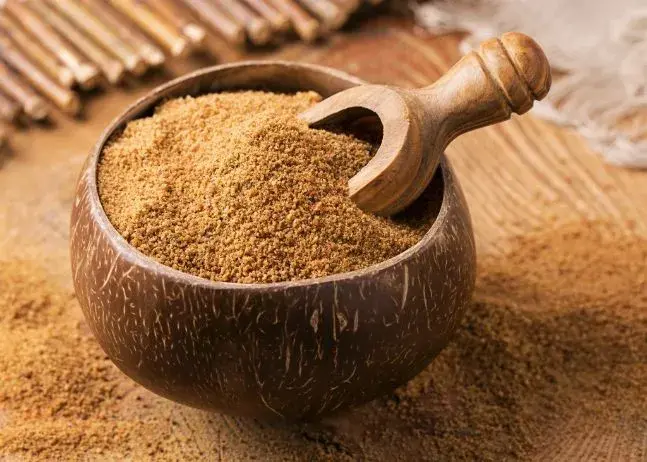
MOQ is one of the most frequently misunderstood aspects of international sourcing. When partnering with a bulk coconut sugar supplier, Indonesia standardizes its shipping volumes to optimize freight costs.
Here is the typical volume breakdown you can expect:
| Order Type | Typical MOQ | Container Format |
| Trial / Sample Order | 1–5 MT | LCL (Less than Container Load) |
| Standard Bulk Order | 10–20 MT | 1 x 20ft FCL |
| Large Volume Order | 20–25 MT | 1 x 40ft FCL |
| Annual Contract | 50+ MT | Multiple FCL, negotiable schedule |
The standard packaging format for bulk orders is a 25kg paper sack with a food-grade LDPE inner liner to protect against moisture absorption during maritime transit.
This format stacks efficiently in containers and is the established industry standard for B2B trade.
Proper packaging directly affects the shelf life of coconut sugar, which, for well-packaged bulk coconut sugar, can reach up to 24 months under the right storage conditions.
If you are ordering from strictly regulated regions (particularly the EU), always confirm with your supplier whether the outer packaging documentation complies with your destination's customs standards.
Flexible MOQ and Quotation Support for Bulk Buyers
Pricing for bulk coconut sugar can vary depending on order volume, certification requirements, packaging type, destination country, Incoterms, and current supply conditions.
Because of these variables, Global Coco Sugar does not use fixed public pricing as a final reference for bulk orders.
For accurate pricing, buyers are encouraged to request a formal quotation based on their required volume, product grade, certification scope, packaging preference, and delivery terms.
While many Indonesian factories may require larger minimum orders, Global Coco Sugar supports growing F&B brands, distributors, and private label buyers with a more flexible MOQ starting from 1 MT for trial or sample orders, complete with export documentation and relevant certification support.
Need current pricing for organic coconut sugar? Contact our sales team to request product specifications, MOQ details, packaging options, and a quotation based on your order requirements.
Understanding Incoterms: FOB, CIF, and What They Mean for Your Risk
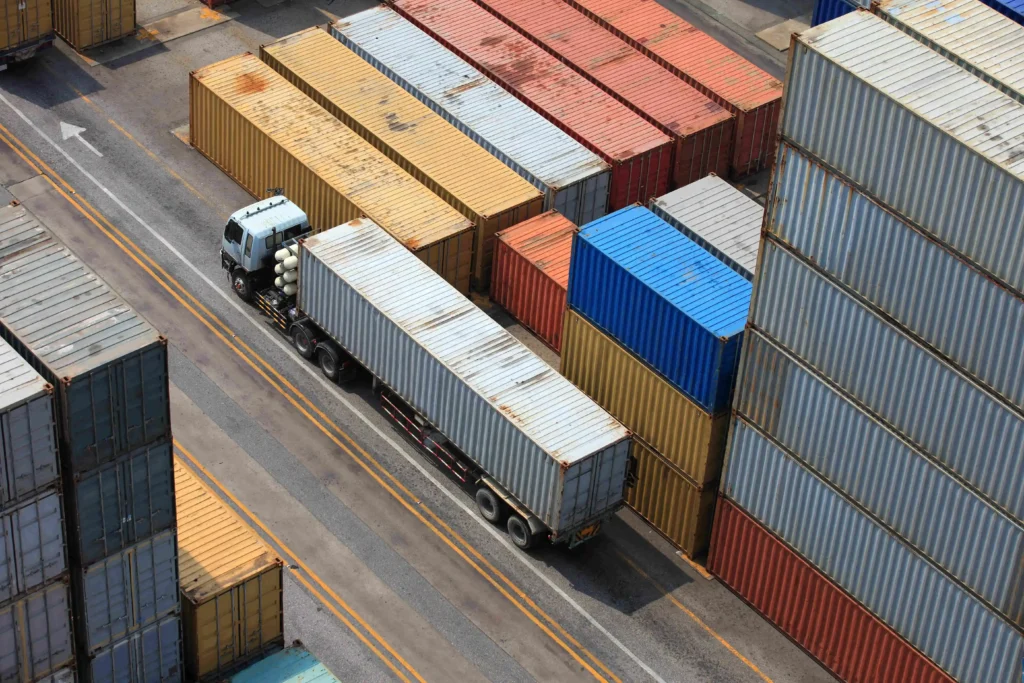
Most Indonesian suppliers offer prices on FOB (Free on Board) terms, meaning the supplier is responsible for delivering the goods to the port of loading (typically Tanjung Emas Port in Semarang, or Tanjung Priok in Jakarta), and the buyer assumes all risk and cost from that point onward.
Some suppliers also offer CIF (Cost, Insurance, and Freight) pricing, which includes freight and basic insurance to the destination port.
While CIF may appear convenient, experienced importers often prefer FOB because it gives them full control over the choice of freight forwarder and insurance coverage.
As a highly experienced bulk coconut sugar supplier, Indonesia-based Global Coco Sugar provides complete logistics flexibility. We typically quote FOB Semarang to give you the most transparent pricing.
However, if you are a first-time importer, our export team goes beyond just supplying the product. We can help coordinate with licensed freight forwarders who specialize in food-grade commodities to ensure smooth customs clearance and phytosanitary compliance at your destination.
Lead Time, Production Capacity, and Supply Consistency
One of the most critical and most often under-researched aspects of supplier selection is supply consistency over time.
Getting a great first shipment means nothing if your supplier cannot fulfill your second, third, and fourth orders at the same quality and schedule.
Questions to ask every prospective supplier:
What is your monthly production capacity for coconut sugar?
A credible factory-level supplier should be able to produce at least 50–100 MT per month for coconut sugar alone.
Do you work directly with farmers, or do you source from intermediary traders?
Direct farmer relationships typically mean better traceability, more consistent quality, and greater supply stability during peak-demand seasons.
What is your standard lead time from order confirmation to FOB-ready?
For stock items, typically 2–4 weeks. For custom specification or private label orders, allow 4–8 weeks.
Have you experienced supply disruptions in the past two years? How were they handled?
Honest suppliers will acknowledge challenges and explain their mitigation steps. Evasive answers are a red flag.
At Global Coco Sugar, we work directly with coconut farmers in Central Java, maintain our own certified processing facility, and have fulfilled multi-container export orders to the United States, Russia, Australia, and multiple European markets.
To learn more about our global market presence and reliable shipping capabilities, explore our complete track record as a trusted coconut exporter from Indonesia.
Red Flags: Warning Signs of an Unreliable Supplier
After years of operating in this industry and speaking with buyers who have had bad experiences, here are the most consistent warning signs:
They cannot provide original certification documents on request.
Any legitimate certified supplier will provide full, unredacted copies of their certifications. If they send low-resolution images or claim certificates are "confidential," walk away.
Their price is significantly below the market range.
Below-market pricing is almost always a signal of either uncertified (mislabeled) product, adulterated sugar (mixed with palm sugar or cane sugar), or a trader with no actual production facility.
They cannot arrange a factory visit or third-party inspection.
Reputable suppliers actively welcome buyer visits and third-party pre-shipment inspections by agencies like SGS, Intertek, or QIMA. Resistance to this is a major concern.
Communication is slow, inconsistent, or comes from personal email accounts.
B2B suppliers at a professional level maintain dedicated business email domains, responsive teams, and structured inquiry processes.
They have no verifiable export history.
Ask for references from existing buyers. A well-established exporter can provide client references or documentary evidence of past shipments (bill of lading records, export certificates). If they cannot, their "export experience" may be fabricated.
What to Include in Your First Inquiry Email
Once you have shortlisted suppliers, your first inquiry email should request the following:
- Product specifications: Granulation (mesh size), moisture content maximum, sucrose content, colour (Lovibond or visual grade)
- Certification documents: Full copies of all relevant certifications with expiry dates
- COA from a recent batch: From an accredited third-party lab
- Pricing: FOB price for your target volume, with Incoterms clearly stated
- MOQ and lead time for your first order
- Sample availability: Most credible suppliers provide paid samples (with cost deducted on first order)
- Payment terms: T/T, LC at sight, or open account (typically only for established relationships)
Securing Your Supply Chain with a Verified Indonesian Partner
Sourcing bulk coconut sugar from Indonesia is not a simple commodity transaction, or at least, it shouldn't be. The most resilient supply chains are built on transparency, consistent quality control, and shared long-term business goals.
At Global Coco Sugar, we invite you to evaluate us against every single criterion outlined in this guide. We operate with full transparency because we believe trust in international trade is earned through proof, not promises.
We encourage you to put our capabilities to the test:
- Request our BRCGS and Organic certification documents.
- Ask our export team about our monthly production capacity.
- Request a physical sample for your R&D laboratory.
- Schedule a visit to our processing facility in Central Java.
Ready to secure your premium coconut sugar supply? Contact our export team today to discuss your volume requirements, request certifications, or get a custom FOB quote!
Frequently Asked Questions
What is the shelf life of bulk coconut sugar from Indonesia?
Properly stored coconut sugar typically has a shelf life of up to 24 months. To maintain quality, it should be kept in a dry environment and protected from moisture during storage and transportation.
Can I order coconut sugar under my own private label?
Yes. We offer private label services, including custom packaging, retail-ready pouches, and branded labeling options. Minimum order quantities may vary depending on your packaging requirements.
Do you ship to the EU, US, and Australia?
Yes. We regularly export coconut sugar to the EU, US, and Australia and are familiar with the documentation, labeling, and import requirements for these markets.
What is the difference between organic and conventional coconut sugar?
Organic coconut sugar is produced according to certified organic standards and cannot contain prohibited synthetic inputs. Conventional coconut sugar may look and taste similar but does not carry organic certification for regulated markets.