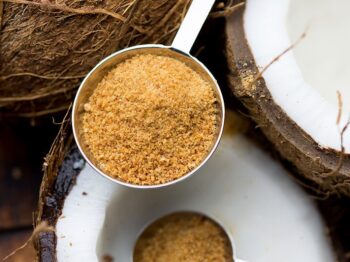
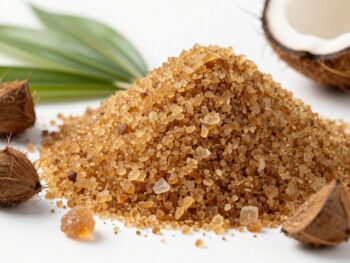
For food manufacturers and ingredient distributors navigating coconut sugar wholesale Europe, establishing a compliant, traceable, and direct supply chain from Indonesia is critical to securing market share in 2026.
German health food distributors, Dutch commodity importers, French organic food brands, and UK natural food retailers collectively represent a significant share of global coconut sugar import volume — and they impose the most stringent certification and documentation requirements of any market in the world.
This guide is written specifically for European wholesale buyers — importers, distributors, food manufacturers, and private label brands — who want to source coconut sugar directly from certified Indonesian suppliers rather than through European commodity traders or distributors.
You can view our certified coconut sugar product range for European buyers before reading further.
For broader context on the Indonesian supplier landscape, our guide on finding a bulk coconut sugar supplier in Indonesia provides the full evaluation framework.
Why the European Market Has Different Requirements from the Rest of the World
Buyers in the USA, Australia, or the Middle East face significant certification requirements when sourcing coconut sugar.
European buyers face all of those requirements plus additional layers of regulatory complexity that make the EU the most demanding — and most commercially rewarding — market in the world for certified coconut sugar suppliers.
| Requirement | EU Specific? | Detail |
| BRCGS Food Safety Grade A | Strongly preferred | Required by Tesco, Aldi, Lidl, Carrefour, REWE, Albert Heijn for vendor approval. Non-negotiable for major retail. |
| EU Organic certification | EU-specific | EC 834/2007 / EC 2018/848. USDA Organic is NOT sufficient for EU organic label claims. Separate EU Organic certificate required. |
| Organic Transaction Certificate (TC) | EU-specific process | Required per shipment lot. EU importer must register with an EU control body. Supplier must issue TC before container loading. |
| EU importer organic registration | EU-specific | The EU buyer must also hold organic operator status from an EU-recognized control body to make organic claims on products sold in the EU. |
| TARIC customs classification | EU-specific | HS 1702.90.95 for coconut sugar. Standard duty rate 8% but Indonesia qualifies for GSP preference — can reduce to 0%. |
| EU food labeling compliance | EU-specific | Regulation 1169/2011 — full ingredient declaration, allergen listing, net weight in metric, country of origin. |
| Phytosanitary certificate | Required all markets | Issued by Indonesian Ministry of Agriculture (BARANTAN). Required for all plant-based food imports into the EU. |
| Halal certification | Not EU-required | Required for specific channels (halal food retail, Muslim demographic products). MUI Indonesia is widely accepted. |
For a complete breakdown of how to verify each certification independently — including the public databases for BRCGS, EU Organic, and USDA Organic — our guide on what certifications a coconut sugar supplier should have covers the full verification process.
Our dedicated article on BRCGS certified coconut sugar suppliers from Indonesia explains what BRCGS grades mean and why Grade A is the minimum standard for EU retail access.
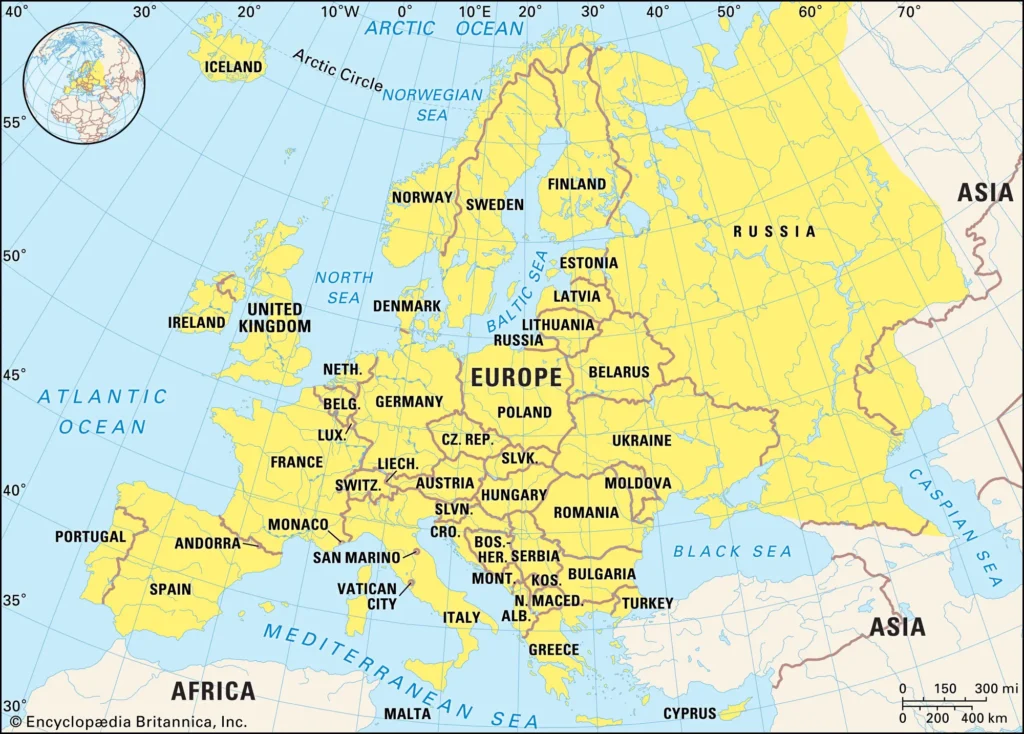
The European Coconut Sugar Market: Key Importing Countries and Channels

Europe's coconut sugar import market is not uniform — different countries have different channel structures, different dominant retailers, and different certification requirements that influence how Indonesian suppliers need to position themselves.
Our article on exporting coconut sugar to Europe provides the full regulatory landscape for EU market access.
| Country | Key Import Channel | Dominant Retailers Requiring BRCGS | Organic Demand Level |
| Germany | Natural food distributors, direct food manufacturers | REWE, Aldi, Lidl, dm-drogerie markt | Very High — largest EU organic market |
| Netherlands | Commodity importers (Rotterdam hub), distributors | Albert Heijn, Jumbo, Ekoplaza | High — major transit/distribution hub for EU |
| France | Organic food distributors, food manufacturers | Carrefour, Monoprix, Biocoop | High — strong organic retail network |
| United Kingdom | Direct importers, health food distributors | Tesco, Waitrose, Holland & Barrett | Very High — premium health food market |
| Scandinavia | Regional distributors, organic food chains | ICA, Coop, Rimi | Very High — high per-capita organic spending |
| Poland/Czech | Food manufacturers, regional distributors | Lidl, Biedronka, Albert | Growing — price-sensitive but quality-aware |
| Italy/Spain | Food manufacturers, gourmet distributors | Carrefour, Esselunga, Mercadona | Moderate — growing health food segment |
| The Netherlands: Why Rotterdam matters for every EU coconut sugar buyer Rotterdam is the largest port in Europe and the primary entry point for Indonesian coconut sugar into the EU. Several major European commodity traders — including BATA Food, which stores Indonesian coconut sugar in its Netherlands warehouse — use Rotterdam as their distribution hub for the entire EU market. For EU buyers evaluating whether to source directly from Indonesia or from a European distributor, Rotterdam's role in the supply chain is a key consideration: direct sourcing from Indonesia via Rotterdam typically costs 15-30% less than purchasing from a European distributor, but requires more logistical setup for first-time importers. |
What EU Wholesale Buyers Need from Their Indonesian Coconut Sugar Supplier
Based on the requirements of EU importers, food manufacturers, and retail buyers, here is the minimum qualification checklist for an Indonesian coconut sugar supplier to be commercially viable for the European market:
Non-Negotiable Certification Requirements
- BRCGS Food Safety Grade A (minimum): Verifiable on brcdirectory.com. This is the gateway certification for any supplier seeking to serve major EU retail chains. Suppliers without BRCGS cannot pass vendor onboarding at Tesco, Aldi, Lidl, Carrefour, or REWE.
- EU Organic certification (for organic product): Issued under EC 834/2007 or EC 2018/848 by an EU-accredited control body operating in Indonesia — Control Union, Skal, IMO, or BioAgriCert. Verifiable on the OFIS EU organic database.
- Organic Transaction Certificate per shipment lot: The TC connects a specific production lot to the organic certificate. Required before container loading. The lot number on the TC must match the COA and packing list exactly.
- Certificate of Analysis from ISO 17025-accredited laboratory: Per production lot. Parameters: moisture, fat, FFA (for desiccated coconut), microbiological counts including Salmonella, pesticide residue (for organic claims), heavy metals.
Documentation Package per Shipment
- Commercial invoice (with HS code 1702.90.95 for coconut sugar)
- Packing list
- Bill of lading
- Phytosanitary certificate (BARANTAN — Indonesian Ministry of Agriculture)
- Certificate of Origin (Form A for GSP preference, or REX Registered Exporter statement)
- Certificate of Analysis — ISO 17025 accredited laboratory
- EU Organic Transaction Certificate per lot (organic product only)
- EUR.1 movement certificate (if applicable for certain FTA preferences)
For a complete documentation guide per destination market — including specific EU country requirements, HS codes, and how to claim GSP duty preference — our article on how to import coconut sugar from Indonesia covers the full process.
EU Import Duties for Indonesian Coconut Sugar: GSP and TARIC Explained
Understanding EU import duties is essential for calculating landed cost accurately.
The good news for EU buyers sourcing from Indonesia: Indonesia qualifies for EU GSP (Generalised Scheme of Preferences), which can significantly reduce import duties compared to the standard TARIC rate.
| Tariff Scenario | HS Code | Duty Rate | Condition |
| Standard TARIC rate (no preference) | 1702.90.95 | 8% | Applied if no preferential origin proof provided |
| EU GSP preference — Indonesia (Standard) | 1702.90.95 | 3.2% | Requires Form A (certificate of origin) or REX statement from Indonesian exporter |
| EU GSP preference — Indonesia (Enhanced SPG) | 1702.90.95 | 0–1.6% | If specific conditions met — verify current TARIC schedule |
| EU-ASEAN FTA (if applicable) | 1702.90.95 | To be verified | Check current EUSFTA status — not yet fully in force as of 2026 |
| How to claim GSP preference — practical steps for EU importers To claim GSP duty preference for Indonesian coconut sugar, you need: (1) a REX (Registered Exporter) statement of origin on the invoice or a separate Form A certificate of origin from the Indonesian supplier, (2) the supplier must be registered in the REX database, and (3) the goods must meet the EU rules of origin requirements for Indonesia. Always verify the current GSP rates on the EU TARIC database before finalizing your landed cost calculation, as rates are subject to annual review. |
Pricing for Coconut Sugar Wholesale Europe: FOB, CIF Rotterdam, and Landed Cost
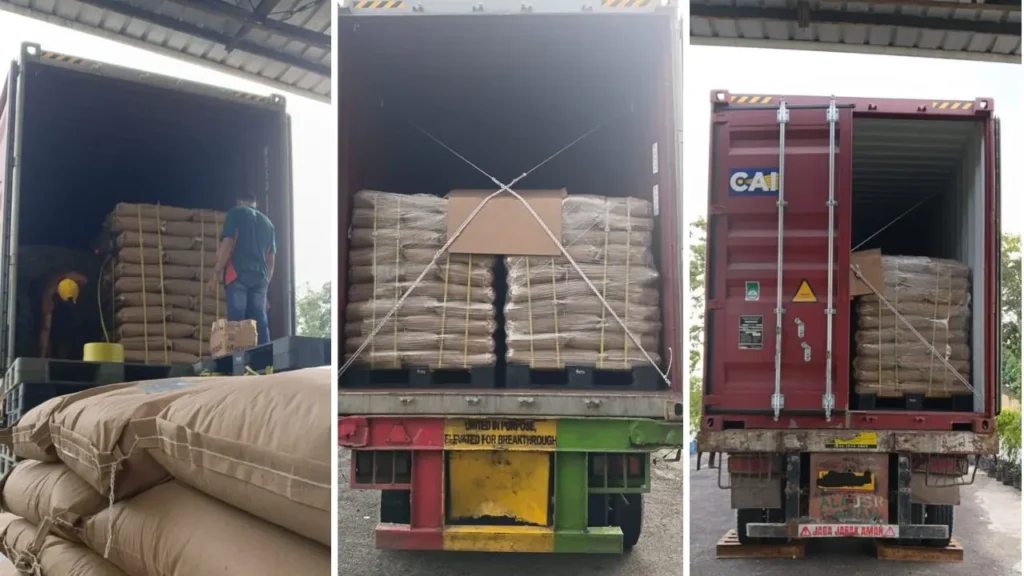
For EU buyers, the relevant pricing reference is not just FOB Indonesia — it is the fully landed cost at your EU warehouse.
Our article on coconut sugar export price from Indonesia per ton provides current 2026 FOB price ranges by product category and certification tier.
Here is a practical landed cost calculation for a standard 20ft FCL of BRCGS-certified organic coconut sugar, FOB Tanjung Emas (Semarang), delivered to Rotterdam:
| Cost Component | Estimated Range (EUR) | Notes |
| FOB product cost (15 MT @ ~EUR 2,300/MT organic) | EUR 34,500 | BRCGS Grade A, EU Organic, 25kg kraft sacks |
| Ocean freight (Indonesia → Rotterdam) | EUR 2,000 – 3,200 | 20ft FCL — varies by shipping line and season |
| Marine insurance (0.3% of CIF value) | EUR 100 – 120 | Standard cargo insurance |
| EU import duty (HS 1702.90.95 — GSP rate ~3.2%) | EUR 1,180 | Based on CIF value ~EUR 37,000. Check current GSP rate. |
| Customs brokerage & port handling | EUR 400 – 700 | Licensed customs agent at Rotterdam |
| Inland freight Rotterdam → warehouse | EUR 300 – 600 | Depends on destination within EU |
| Total estimated landed cost | EUR 38,480 – 40,300 | Per 20ft FCL of ~15 MT net |
| Landed cost per MT | EUR 2,565 – 2,687 | All-in cost per metric ton at EU warehouse |
| Landed cost per kg | EUR 2.57 – 2.69/kg | Reference for wholesale pricing to EU buyers |
| Comparison: direct from Indonesia vs buying from EU distributor European commodity traders and distributors — such as BATA Food (Netherlands) who store coconut sugar in Rotterdam — typically sell to EU buyers at EUR 3.20-4.50/kg for organic coconut sugar, already customs-cleared and stored locally. Direct sourcing from Indonesia costs approximately EUR 2.57-2.69/kg landed — a saving of EUR 0.50-1.80/kg. For a 20ft FCL of 15 MT, this is a EUR 7,500-27,000 saving per container. The trade-off: direct sourcing requires more setup time (supplier qualification, freight forwarder relationship, import customs process) and longer lead times. For buyers placing 3+ FCL orders per year, direct sourcing economics are compelling. |
| Request a wholesale price quotation for EU delivery Global Coco Sugar provides FOB pricing within 1 business day for EU buyers — including BRCGS certificate verification details, EU Organic certificate documentation, REX statement availability for GSP preference, and estimated freight guidance for Rotterdam or Hamburg. No obligation for the first inquiry. Request a Wholesale Quote for European Delivery >>> View Our Certified Coconut Sugar Range >>> |
EU Organic Coconut Sugar: What European Importers Must Know
The EU Organic certification framework is more complex for importers than for US buyers — because the EU requires not just certification from the Indonesian supplier, but also active registration from the EU importer with an EU-recognized organic control body.
Our article on exporting organic coconut sugar from Indonesia explains the full documentation chain from the supplier's perspective.
The key steps specific to EU organic imports that differ from US organic imports:
- The Indonesian supplier must hold EU Organic certification (not just USDA Organic) from an EU-accredited control body operating in Indonesia.
- The EU importer must register with an organic control body in their EU member state and obtain their own organic operator certificate.
- The EU importer must notify the relevant EU competent authority before importing — typically through the TRACES NT system.
- Each shipment must be accompanied by an EU Organic Transaction Certificate (TC) issued by the certifying body — prior to loading, not after arrival.
- The EU importer must receive and verify the TC against the shipment COA and packing list before goods can be sold as organic in the EU.
These requirements explain why some EU buyers choose to source through European distributors who have already navigated this process — but also why direct sourcers who establish this infrastructure gain a significant cost advantage over the long term.
Private Label Coconut Sugar for European Retail Brands

For European brand owners — natural food brands, health food retailers operating their own label lines, or e-commerce operators — private label coconut sugar from Indonesia is one of the most commercially attractive ingredient sourcing options available.
Our private label coconut sugar program covers all product forms (granulated, fine powder, cubes, coconut nectar) with EU Organic certified options and full BRCGS compliance.
Key considerations for EU private label buyers:
- EU Organic label claims require the EU buyer's own organic operator certificate — not just the supplier's certification. Verify this with an EU organic control body in your country before designing packaging with organic claims.
- EU food labeling (Regulation 1169/2011) requires: product name, net quantity in metric units, 'best before' date, name and address of EU food business operator, country of origin ('Product of Indonesia'), and storage conditions.
- BRCGS certification from the Indonesian supplier is typically required by major EU retailers for any branded food product — even if your product is sold under your own label rather than in bulk.
- Minimum order quantities for private label vary by packaging format — typically 500 kg to 1 MT for custom-label products, lower than for bulk commodity orders.
Sourcing Direct from Indonesia vs Buying from a European Distributor: How to Decide
One of the most common questions from buyers navigating coconut sugar wholesale Europe is whether to source directly from Indonesian suppliers or to buy from European distributors who import and warehouse Indonesian coconut sugar locally.
Here is a structured comparison:
| Factor | Direct from Indonesia | Via European Distributor (e.g. BATA Food, Nutrada) |
| Price per kg | EUR 2.57-2.69/kg landed (organic, FCL) | EUR 3.20-4.50/kg (customs-cleared, warehouse pickup) |
| Minimum order | 1 MT minimum (LCL), 14-16 MT FCL recommended | Often lower — can buy as little as 1 pallet |
| Lead time | 6-10 weeks (production + shipping) | 1-2 weeks (from EU warehouse stock) |
| Certification access | Full chain: BRCGS + EU Organic at source | Depends on what they stock — verify per batch |
| Documentation control | Full control — direct relationship with certified facility | Documentation provided by distributor — less traceability depth |
| Flexibility | Custom specifications, grades, packaging | Limited to what distributor carries |
| Setup required | Freight forwarder, customs broker, organic registration | Minimal — distributor handles logistics |
| Best for | Buyers placing 3+ FCL/year; private label; specific spec requirements | Buyers needing small volumes, fast delivery, or testing before FCL commitment |
How to Start Sourcing Coconut Sugar from Indonesia as a European Buyer
For EU buyers who are ready to establish a direct supply relationship with an Indonesian certified supplier, the evaluation process follows the same framework as for any market — with additional EU-specific documentation and certification steps.
Our guide on how to choose a reliable coconut sugar exporter from Indonesia provides the complete evaluation framework including red flags, green flags, and 15 questions to ask before placing any order.
EU-specific steps beyond the standard evaluation:
- Verify the supplier holds EU Organic certification — not just USDA Organic. Check on the EU OFIS organic database (ec.europa.eu/organic).
- Confirm the supplier is registered in the REX (Registered Exporter) database for GSP preference claims — search at rex.trade.ec.europa.eu.
- Register your own company as an organic operator with an EU control body in your member state (if importing organic for sale under organic claims).
- Set up a TRACES NT account (European Commission traceability system) for organic import notifications.
- Engage a licensed customs broker experienced with Southeast Asian food imports at your entry port (Rotterdam, Hamburg, Antwerp).
- Request a test shipment (LCL, 1-2 MT) before committing to full FCL volumes — verify document quality and product consistency.
Conclusion: The EU Market Rewards Certified Suppliers — and Informed Buyers
The market for coconut sugar wholesale Europe is the most demanding and the most commercially rewarding in the world.
The combination of stringent certification requirements, sophisticated consumer demand for organic and clean-label products, and willingness to pay premium prices for verified, traceable supply makes Europe the market where Indonesian certified coconut sugar suppliers — and the European buyers who source directly from them — create the most mutual value.
For European importers, the key insight is straightforward: the cost of establishing a direct supply relationship with a BRCGS and EU Organic certified Indonesian supplier — including the setup time, freight forwarder relationships, and organic operator registration — is a one-time investment that pays back on the very first container through lower per-kg costs, higher traceability, and direct access to certified supply.
| Start your European wholesale supply relationship with Global Coco Sugar Global Coco Sugar holds BRCGS Food Safety Grade A, EU Organic, USDA Organic, HACCP, Halal MUI, and Kosher certification — all independently verifiable. We are REX-registered for EU GSP preference claims. We supply organic and conventional coconut sugar to European importers, food manufacturers, and private label brands across Germany, Netherlands, France, UK, and Scandinavia. Request a Wholesale Quote for European Delivery >>> View Our Certified Coconut Sugar Range >>> Our Certifications & Company Profile >>> |