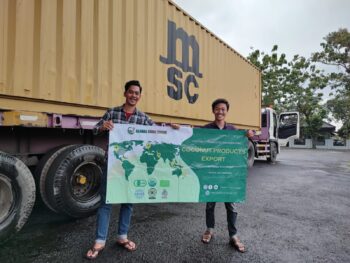
| Quick Answer: Key Requirements for Shipping Coconut Products Indonesia → USA (1) FDA Facility Registration: your Indonesian supplier must be registered with US FDA. (2) FDA Prior Notice: submitted electronically minimum 8 hours before vessel arrival. (3) Certificate of Analysis (COA) from ISO 17025-accredited lab per production lot. (4) Phytosanitary certificate from Indonesian Ministry of Agriculture (BARANTAN). (5) For USDA Organic claims: USDA NOP-certified supplier + Organic Transaction Certificate per shipment. (6) HS Code: 1702.90.90 for coconut sugar, 0801.11.00 for desiccated coconut, 1513.19.00 for VCO. US import duty rates vary by product and GSP eligibility. |
When it comes to shipping coconut products from Indonesia to USA, the market is one of the fastest-growing for certified ingredients — driven by demand from natural food retailers (Whole Foods, Sprouts, Thrive Market), health food brands, food manufacturers, and supplement companies.
But importing food ingredients from Indonesia into the USA involves a specific set of regulatory, documentation, and logistics requirements that differ meaningfully from shipping to the EU or Australia.
This guide is written specifically for US importers, procurement managers, and food brand owners who want to understand the full compliance and logistics picture before placing their first order from Indonesia.
Browse our certified coconut products for US buyers for current specifications, certifications, and availability.
Why US Buyers Source Coconut Products Directly from Indonesia
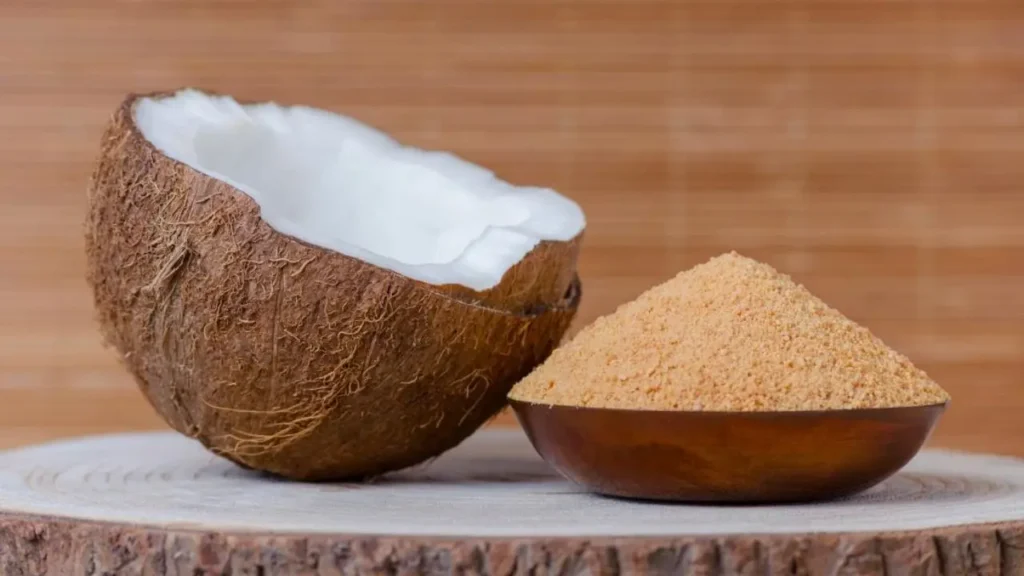
The combination of Indonesia’s certified supply infrastructure and the US market’s demand for natural, organic, and clean-label coconut ingredients makes direct sourcing from Indonesia attractive for buyers that need stronger supplier visibility, documentation control, and bulk order planning.
However, direct sourcing also requires more preparation compared to buying from a US domestic importer or distributor.
| Factor | Direct from Indonesia | Via US Importer / Distributor |
|---|---|---|
| Quotation structure | Based on product type, order volume, certification scope, packaging, Incoterms, and destination port | Based on distributor stock, local margin, warehouse handling, and domestic delivery terms |
| Certification control | Full chain visibility with direct access to supplier certifications | Dependent on distributor’s supplier documentation and available certificate scope |
| MOQ | Usually more suitable for FCL or planned bulk orders | Often more flexible for pallets, cases, or smaller urgent orders |
| Lead time | Longer lead time due to production planning, export documents, and ocean freight | Shorter lead time if stock is already available in the US warehouse |
| Custom specifications | More flexible for grade, packaging, organic scope, private label, and buyer-specific requirements | Usually limited to the distributor’s existing catalog or available stock |
| Setup complexity | Requires import planning, customs coordination, documentation review, and logistics arrangement | Simpler because the distributor handles most local compliance and stock movement |
| Best for | Brands, manufacturers, distributors, and private label buyers with recurring bulk demand | Small-volume buyers, urgent replenishment, market testing, or short-term stock needs |
Direct sourcing can give buyers better control over product specifications, certification documents, packaging, and long-term supply planning.
However, the final quotation depends on product type, order volume, Incoterms, freight, insurance, import duty, customs clearance, inland delivery, and required documentation.
Buyers should request a formal quotation before comparing direct sourcing with distributor-based purchasing.
HS Codes and US Import Duty Rates for Indonesian Coconut Products
The Harmonized Tariff Schedule (HTS) code determines the import duty rate for each coconut product entering the United States.
Using the correct HTS code is essential — an incorrect classification can result in delays, penalties, or underpayment of duties.
| Product | HTS Code (US) | Description | General Duty Rate | GSP Rate (Indonesia) | Notes |
| Coconut sugar (granulated) | 1702.90.90 | Other sugars — not cane, beet, maple, glucose or fructose | Free (0%) | Free | Indonesia currently qualifies for GSP — verify current status at usitc.gov |
| Desiccated coconut | 0801.11.00 | Desiccated coconut | Free (0%) | Free | Zero duty whether GSP or not — confirm per year |
| Virgin coconut oil | 1513.19.00 | Coconut oil — other (not crude) | Free (0%) | Free | Cold pressed VCO classified here |
| Crude coconut oil | 1513.11.00 | Coconut oil — crude | Free (0%) | Free | RBD coconut oil may classify differently |
| Coconut nectar syrup | 1702.90.90 | Other sugars — same as coconut sugar | Free (0%) | Free | Verify classification with customs broker |
| Coconut milk (canned) | 2106.90.99 | Food preparations NEC | 6.4% | 4.8% | Higher duty — verify with customs broker |
| Coconut water | 2009.89.60 | Juice of other fruit | 7.4¢/L | Varies | Not covered in this guide — contact customs broker |
| Important: Verify current HTS codes and duty rates before placing any order HTS codes and duty rates can change. The information above is based on 2026 data but should be verified on the official US International Trade Commission website (hts.usitc.gov) and with your licensed customs broker before finalizing any purchase order. Indonesia's GSP (Generalized System of Preferences) status is subject to periodic review by the US government — always confirm current GSP eligibility for specific products before relying on preferential duty rates. |
FDA Requirements for Importing Coconut Products into the USA
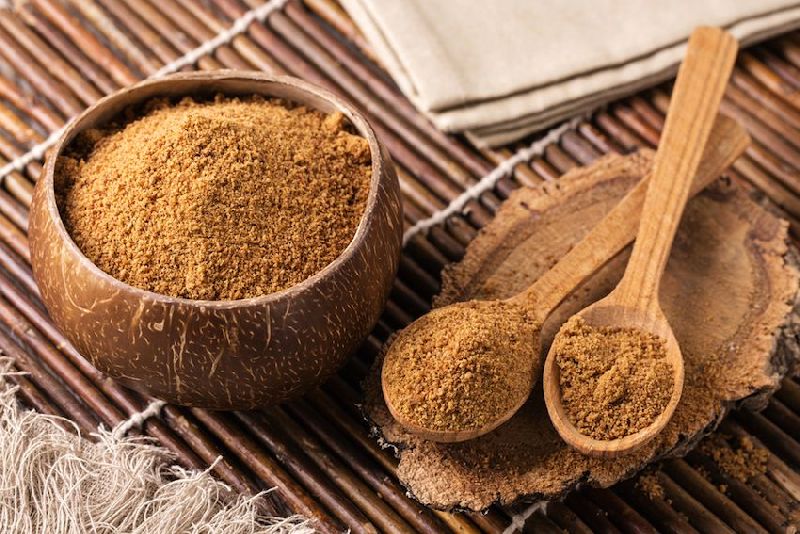
The US Food and Drug Administration (FDA) regulates all food and beverage products entering the United States.
For coconut products from Indonesia, the following FDA requirements apply:
1. FDA Facility Registration (Mandatory)
Any foreign food facility that manufactures, processes, packs, or holds food for consumption in the United States must be registered with the FDA. This registration must be renewed biennially (every two years during October-December of even-numbered years).
- Requirement: Your Indonesian coconut product supplier must hold a valid FDA Facility Registration Number.
- Verification: Verify on the FDA's Establishment Registration & Device Listing database at accessdata.fda.gov.
- Red flag: If a supplier cannot provide their FDA registration number or it cannot be verified in the FDA database, the shipment risks detention or refusal at the US port of entry.
Note that FDA Facility Registration is separate from BRCGS Food Safety certification — a facility can hold one without the other. For US buyers supplying natural food retail (Whole Foods, Sprouts), both are typically required.
Our article on BRCGS certified coconut suppliers from Indonesia explains what BRCGS certification means and how to verify it independently.
2. FDA Prior Notice (Mandatory for Every Shipment)
FDA Prior Notice is a mandatory electronic submission that must be filed before a food shipment from Indonesia arrives at a US port. This is not a one-time registration — it must be filed for every individual shipment.
- Who submits: The US importer, their customs broker, or the foreign supplier can submit Prior Notice on behalf of the importer.
- When to submit: Minimum 8 hours before the ship arrives at the first US port if arriving by vessel (most Indonesian shipments). Maximum 30 days before arrival.
- How to submit: Via FDA's Prior Notice System Interface (PNSI) at pnsi.fda.gov, or through the Automated Broker Interface (ABI) used by most licensed customs brokers.
- What to include: Article name, manufacturer, shipper, country of origin, anticipated arrival information, and quantity.
- Consequence of non-filing: Shipments without Prior Notice will be refused by the FDA at the port of entry.
3. FDA FSMA Compliance (Foreign Supplier Verification Program)
Under the FDA Food Safety Modernization Act (FSMA), US importers are responsible for verifying that their foreign suppliers produce food in compliance with FDA safety standards. The Foreign Supplier Verification Program (FSVP) requires US importers to:
- Conduct hazard analysis for each imported food product.
- Verify that foreign suppliers are using adequate safety procedures (typically through review of the supplier's food safety certification — BRCGS, SQF, or FSSC 22000).
- Keep FSVP records available for FDA inspection.
- Designate an FSVP importer of record.
In practice, for most US importers of certified coconut products from BRCGS Grade A certified Indonesian suppliers, the FSVP requirement is largely satisfied by the supplier's existing BRCGS food safety management system documentation.
Work with your customs broker or food safety consultant to ensure your FSVP documentation is in order before your first shipment.
4. Bioterrorism Act Compliance
Under the Public Health Security and Bioterrorism Preparedness Act, all food facilities that manufacture, process, pack, or hold food for consumption in the United States must be registered with the FDA — this is covered by the FDA Facility Registration requirement above.
US importers must also maintain records that identify the immediate previous source and immediate subsequent recipient of all food, to enable traceback in the event of a food safety incident.
USDA Organic Requirements for Coconut Products from Indonesia
If you are sourcing organic coconut products — coconut sugar, desiccated coconut, or VCO with USDA Organic certification — additional requirements apply beyond standard FDA compliance.
Our article on exporting organic coconut products from Indonesia explains the full organic documentation chain from the supplier's perspective.
| Requirement | Detail | Who Is Responsible |
| Supplier's USDA NOP certificate | Must be current and issued by a USDA-accredited certifying agent | Indonesian supplier — verify at ams.usda.gov/organic |
| Organic Transaction Certificate (TC) per lot | Issued by the certifying agent per production lot — links specific batch to organic certificate | Indonesian supplier — must be issued before loading |
| US importer's organic handler certificate | If you repackage, relabel, or process the organic product in the USA, you need your own USDA NOP organic handler certificate | US importer — obtain from USDA-accredited certifying agent |
| Lot number matching | TC lot number must match COA and packing list exactly | Verify on receipt of documents before shipment |
| NOP Import Certificate | Required for organic products entering the US — issued under National Organic Program | US customs broker — can be filed with CBP entry |
Complete Documentation Checklist for Shipping Coconut Products from Indonesia to USA
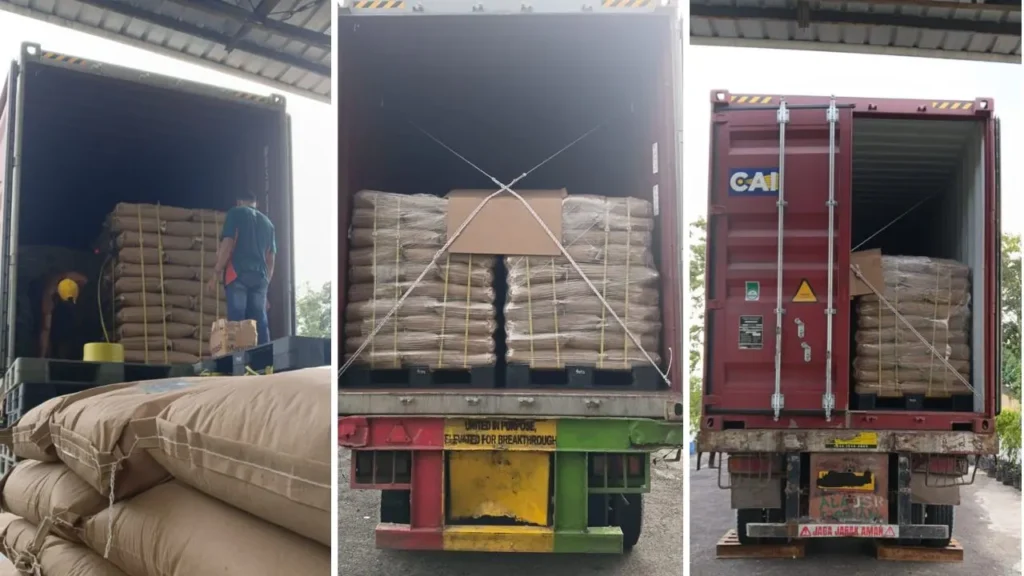
The following documentation package is required for every commercial coconut product shipment from Indonesia to the USA.
Our comprehensive guide on how to import coconut products from Indonesia covers this process in full detail.
For a checklist of certifications to verify before selecting your supplier, see what certifications a coconut supplier should have.
| Document | Purpose | Issued By | When Needed |
| Commercial Invoice | Customs valuation and duty calculation | Seller (Indonesian supplier) | With every shipment |
| Packing List | Customs clearance — quantity, weight, packaging details | Seller | With every shipment |
| Bill of Lading (B/L) | Title to goods and contract of carriage | Shipping line | With every shipment |
| Certificate of Origin (Form A / REX) | Not required for duty purposes (0% duty) but may be needed for record-keeping | Indonesian exporter or chamber of commerce | Recommended |
| Phytosanitary Certificate | Plant health compliance — required by USDA APHIS for plant-derived foods | Indonesian Ministry of Agriculture (BARANTAN) | Every shipment |
| Certificate of Analysis (COA) | Product quality verification per production lot | ISO 17025-accredited laboratory | Every shipment / lot |
| FDA Facility Registration Number | Proof of FDA registration of Indonesian manufacturing facility | US FDA (held by supplier) | On file — provide with entry |
| FDA Prior Notice confirmation | Proof of mandatory Prior Notice submission | US importer or customs broker | Before vessel arrives |
| Organic Transaction Certificate (TC) | Required for USDA Organic label claims | USDA-accredited certifying agent | Every organic shipment |
| Fumigation Certificate (if required) | Required if wooden pallets or wooden packaging used | Indonesian fumigation company | If wooden packaging used |
Product-Specific Requirements: Coconut Sugar, Desiccated Coconut, and VCO
Coconut Sugar (HTS 1702.90.90)
Coconut sugar is classified as a food ingredient under FDA jurisdiction and as a sweetener under US Customs. It does not face specific import quotas for Indonesia.
The zero import duty rate makes it commercially attractive for US buyers.
For current FOB pricing from Indonesia that you can use as the basis for landed cost calculation to US ports, see our coconut sugar export price from Indonesia per ton.
- COA requirements: Moisture (max 3%), FFA, microbiological tests including Salmonella (absent in 25g), heavy metals, and pesticide residue (for organic claims).
- Labeling (if consumer-packaged): Must comply with FDA food labeling regulations (21 CFR 101) — nutrition facts panel, ingredient list, net weight in US measures, country of origin, importer name and address.
- USDA Organic: USDA NOP certificate from supplier required for 'USDA Organic' label claims. TC per shipment required.
Desiccated Coconut (HTS 0801.11.00)
Desiccated coconut is classified as fresh/dried nut/seed under US customs (despite being dried coconut meat) and faces zero import duty. A phytosanitary certificate is required by USDA APHIS.
For grade specifications, pricing, and sourcing information, see our guide on bulk desiccated coconut from Indonesia: grades, price and where to buy.
- USDA APHIS inspection: Desiccated coconut is subject to USDA APHIS inspection at the port of entry — phytosanitary certificate from BARANTAN is required.
- Sulphite declaration: If sulphites are used in production, they must be declared in the ingredient list (FDA allergen labeling regulation). Always specify 'sulphite-free' in your purchase order if required.
- COA parameters: Moisture (max 3%), fat content, FFA (max 0.2%), microbiology including Salmonella and mold counts, sulphite level.
Virgin Coconut Oil (HTS 1513.19.00)
VCO is classified as a vegetable oil for US customs purposes and faces zero import duty. It is subject to FDA food facility registration and Prior Notice requirements. For sourcing information and pricing, see our guide on bulk virgin coconut oil from Indonesia: price, suppliers & sourcing guide.
- FDA food grade vs cosmetic grade: If VCO is imported for use in cosmetic or personal care products, it is still subject to FDA facility registration (as a food facility — coconut oil classified as food even in cosmetic use). For cosmetic-specific GMP requirements, work with a regulatory consultant.
- COA parameters: FFA (max 0.1% for premium grade), moisture (max 0.1%), peroxide value (max 1.0 meq/kg), lauric acid content (min 48%), Salmonella (absent).
- USDA Organic: Same USDA NOP requirements as coconut sugar — TC per organic shipment required.
Incoterms for Indonesia-USA Coconut Product Shipments
The Incoterm determines who is responsible for each cost and risk stage of the shipment. For first-time importers from Indonesia, understanding the most common terms used for this trade lane is essential for accurate cost planning.
| Incoterm | Seller Responsible For | Buyer Responsible For | Best For |
| FOB (Free on Board) — most common | Everything until goods loaded on vessel at Indonesian port | Ocean freight, insurance, US customs, inland delivery | Buyers with established freight forwarder relationships |
| CIF (Cost, Insurance, Freight) | FOB + ocean freight + insurance to US destination port | US customs clearance and inland delivery | First-time importers wanting predictable cost to US port |
| DDP (Delivered Duty Paid) | Everything — including US customs clearance and delivery | Nothing until goods delivered to your location | Most convenient but highest price — seller takes all risk |
| EXW (Ex Works) | Nothing after goods ready at factory | Everything — from Indonesian factory to your US warehouse | Buyers with own freight operations in Indonesia (rare) |
| Recommendation for US first-time importers from Indonesia Start with CIF to a major US West Coast port (Los Angeles / Long Beach) or East Coast port (New York / Savannah). CIF gives you a predictable, all-in cost to the port — your US customs broker then handles clearance and inland delivery. Once you have 2-3 successful shipments and understand the full logistics chain, switch to FOB for better price control and carrier choice. |
Landed Cost Calculation: Indonesia to US West Coast and East Coast
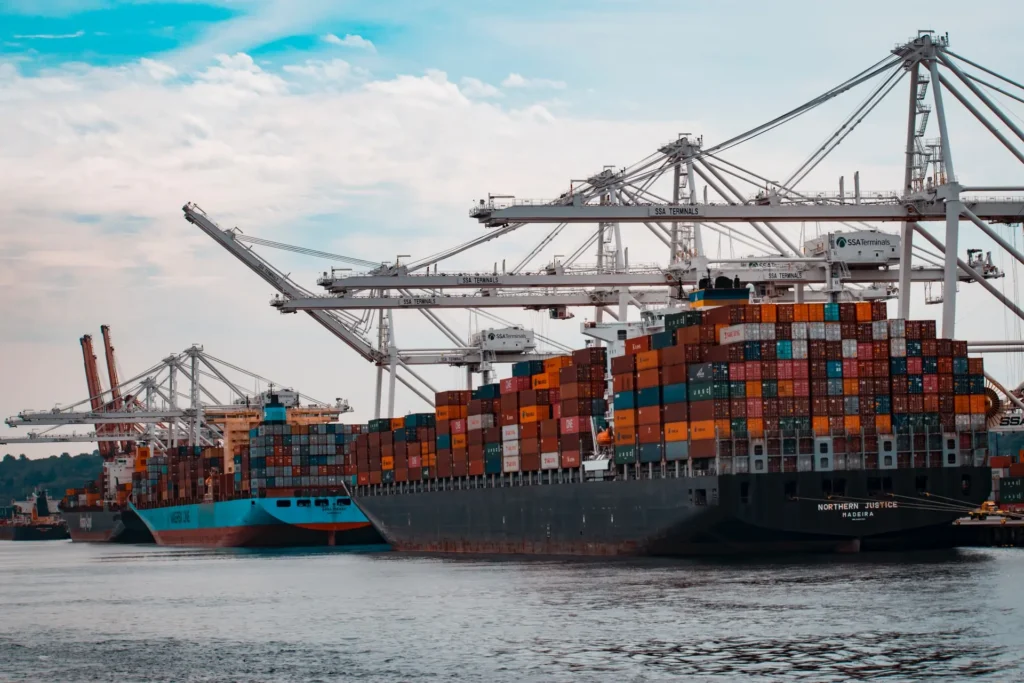
The following worked example shows a complete landed cost calculation for a 20ft FCL of BRCGS-certified organic coconut sugar, FOB Tanjung Emas (Semarang, Central Java), delivered to Los Angeles and New York:
| Cost Component | To Los Angeles (USD) | To New York (USD) | Notes |
| FOB product cost (15 MT @ ~USD 2,600/MT organic) | USD 39,000 | USD 39,000 | BRCGS Grade A, USDA Organic, 25kg sacks |
| Ocean freight Indonesia → US port | USD 2,800-4,000 | USD 3,500-5,000 | Varies by season and shipping line — 2026 rates |
| Marine insurance (0.35% of CIF) | USD 145-155 | USD 148-160 | Standard cargo insurance |
| US import duty (HTS 1702.90.90 — 0%) | USD 0 | USD 0 | Coconut sugar: zero duty |
| US Customs bond (annual or single entry) | USD 50-200 | USD 50-200 | Single entry bond for first shipments |
| Customs brokerage fees | USD 400-700 | USD 400-700 | Licensed customs broker fees |
| ISF (Importer Security Filing) fee | USD 25-75 | USD 25-75 | Mandatory 24 hours before loading |
| Port handling and terminal fees (THC) | USD 500-900 | USD 600-1,000 | Terminal handling at destination port |
| Inland freight to warehouse | USD 400-1,200 | USD 600-1,500 | Depends on distance from port |
| Total estimated landed cost | USD 43,320-47,230 | USD 44,323-48,635 | Per 20ft FCL ~15 MT net |
| Landed cost per MT | USD 2,888-3,149 | USD 2,955-3,242 | All-in cost per metric ton |
| Landed cost per kg | USD 2.89-3.15/kg | USD 2.96-3.24/kg | Compare to US distributor pricing of USD 4-8/kg |
| Transit time: Indonesia to major US ports Los Angeles / Long Beach: approximately 18-25 days from Tanjung Priok (Jakarta) or Tanjung Perak (Surabaya). New York / Savannah (East Coast): approximately 28-38 days (via Panama Canal). Seattle / Tacoma: approximately 15-22 days. These are approximate transit times for direct vessel services — vessel schedules, transhipment requirements, and congestion at ports can affect actual arrival times. |
Common Reasons for Detention or Refusal at US Ports — and How to Avoid Them
| Issue | Cause | Prevention |
| FDA Prior Notice not filed | Importer or broker forgot to submit, or submitted after the deadline | Set up automated reminder or delegate to customs broker — file minimum 48 hours in advance to allow buffer |
| FDA Facility Registration expired | Supplier failed to renew registration during biennial renewal window (Oct-Dec even years) | Verify registration is current before every new shipment season. Request updated registration certificate from supplier annually. |
| Phytosanitary certificate missing or incorrect | Supplier did not obtain certificate, or certificate has errors in product description | Confirm phytosanitary certificate is included in shipping documents and matches packing list exactly |
| Salmonella detected in COA | Microbiological failure — indicates production hygiene issues | Only accept COA from ISO 17025-accredited laboratory. Request COA from the specific production lot being shipped, not an older reference lot. |
| Incorrect HTS code leading to duty assessment | Broker misclassified the product | Provide detailed product description and composition to your customs broker. Request ruling from CBP if uncertain about classification. |
| USDA Organic TC not received before arrival | Supplier issued TC late or importer didn't request it in time | Specify in purchase order: 'TC must be issued before vessel departure and provided with shipping documents'. Do not accept 'TC to follow'. |
| FSVP documentation not in order | Importer didn't complete required Foreign Supplier Verification Program records | Work with a food safety consultant to establish FSVP documentation before your first shipment. Update when supplier certifications are renewed. |
Finding and Qualifying a Certified Indonesian Supplier for US Export
For US buyers, the supplier qualification process has specific US-market requirements on top of the standard evaluation framework.
Our guide on how to choose a reliable coconut exporter from Indonesia provides the complete evaluation framework.
Our guide to finding a bulk coconut sugar supplier in Indonesia covers the broader supplier landscape.
US-specific supplier qualification checklist:
- FDA Facility Registration: Verify at accessdata.fda.gov — registration must be current (not expired).
- BRCGS Food Safety Grade A: Required by Whole Foods, Sprouts, Thrive Market, and most natural food retail chains. Verify at brcdirectory.com.
- USDA NOP certificate (for organic): Verify at ams.usda.gov/organic — certifying agent must be USDA-accredited.
- References from existing US buyers: Ask specifically for references from buyers in the US market — EU and Australian buyers have different compliance requirements.
- Prior Notice experience: Confirm the supplier is familiar with FDA Prior Notice requirements and can provide all necessary information for the filing in advance of shipment.
- FSVP-compatible documentation: Confirm the supplier can provide the hazard analysis documentation and food safety records needed for your FSVP compliance.
| Ship certified coconut products from Indonesia to the USA with Global Coco Sugar Global Coco Sugar holds BRCGS Food Safety Grade A certification, USDA Organic certification, FDA Facility Registration, and all standard export documentation capability for the US market. We are experienced with FDA Prior Notice requirements, USDA APHIS phytosanitary documentation, and USDA NOP organic Transaction Certificate issuance per shipment. Contact Our US Export Compliance Team >>> View Our Certified Coconut Product Range >>> |
Conclusion: Compliance is the Foundation of Successful US Importing
Shipping coconut products from Indonesia to the USA is commercially highly attractive — zero import duties on major coconut products, strong consumer demand for natural and organic coconut ingredients, and a growing certified supply base in Indonesia all point to favorable conditions for US importers who set up their compliance infrastructure correctly.
The compliance requirements — FDA Facility Registration, Prior Notice, FSVP documentation, phytosanitary certificates, and USDA Organic documentation for organic products — are real but manageable with the right supplier and customs broker relationships.
The most common and costly errors are administrative: missing or late Prior Notice submissions, expired FDA registrations, and incomplete USDA organic documentation chains.
All are preventable with proper procedures and supplier communication.
| Start your US market coconut product import with a compliant Indonesian supplier Global Coco Sugar is FDA-registered, BRCGS Grade A certified, and USDA NOP certified for the US market. We provide complete export documentation packages including phytosanitary certificates, COA from ISO 17025-accredited laboratories, and USDA Organic Transaction Certificates per lot. Experienced with US market compliance requirements. Contact Our Export Team >>> View Our Certified Coconut Product Range >>> Our Certifications & Company Profile >>> |