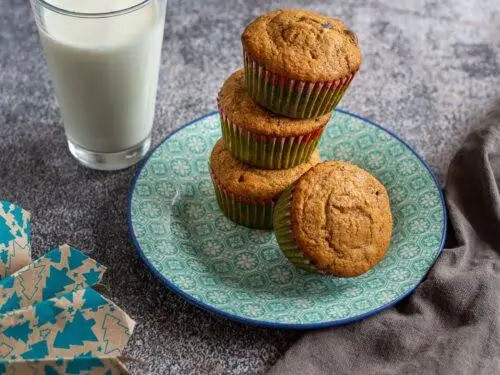
These coconut sugar muffins are a simple way to bring a gentle caramel-like flavor to an everyday bake. The recipe uses coconut sugar as the main sweetener, alongside pantry staples such as flour, milk, eggs, and vanilla.
You can keep the muffins plain or fold in chocolate chips, blueberries, or a little cinnamon. The goal is a tender, easy-to-make muffin that works for breakfast, a lunchbox, or an afternoon snack.
Recipe at a Glance
Yield: 12 standard muffins | Prep: about 15 minutes | Bake: about 18–22 minutes
Oven: 375°F (190°C) | Estimated total: 35–40 minutes, plus cooling
You will need a standard 12-cup muffin pan, two mixing bowls, a whisk, a spatula, and paper liners or a little oil for greasing.
Ingredients for Coconut Sugar Muffins
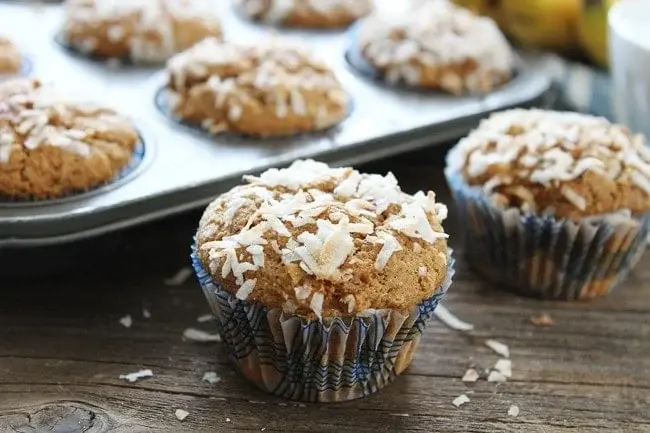
This base recipe keeps the ingredient list short. Coconut sugar contributes sweetness and a deeper color; neutral oil helps the crumb stay tender.
Measure flour by weight if possible, or spoon it into the measuring cup and level the top rather than packing it down.
- 2 cups (240 g) all-purpose flour
- 3/4 cup (about 120 g) coconut sugar, lightly spooned and leveled
- 2 1/2 teaspoons baking powder
- 1/2 teaspoon fine salt
- 2 large eggs
- 1 cup (240 ml) milk
- 1/3 cup (80 ml) neutral oil, such as sunflower or canola oil
- 1 teaspoon vanilla extract
- Optional: 1/2 cup (about 85 g) chocolate chips or blueberries, or 1 teaspoon ground cinnamon
Coconut sugar can differ in crystal size and density between brands, so the gram value is an approximation. If your sugar has firm clumps, break them up before adding it to the batter.
How to Make Coconut Sugar Muffins
Step 1: Preheat the Oven and Prepare the Pan
Heat the oven to 375°F (190°C). Line a 12-cup muffin pan with paper liners or lightly grease each well. Position a rack in the middle of the oven so the muffins bake evenly.
Step 2: Mix the Dry Ingredients
In a large bowl, whisk together the flour, coconut sugar, baking powder, and salt. Take a moment to break up any sugar clumps so the sweetness is distributed throughout the batter.
Step 3: Combine the Wet Ingredients
In a second bowl, whisk the eggs, milk, oil, and vanilla until well blended. The oil should be evenly dispersed, but there is no need to beat the mixture for long.
Step 4: Fold the Batter Gently
Pour the wet mixture into the dry ingredients. Fold with a spatula just until no large pockets of dry flour remain. A few small lumps are fine. Overmixing can create a tougher muffin. If using chocolate chips, blueberries, or cinnamon, add them at this stage and fold briefly.
Step 5: Fill the Cups and Bake
Divide the batter among the 12 cups, filling each about two-thirds to three-quarters full. Bake for approximately 18–22 minutes. Check the centers with a toothpick: it should come out clean or with a few moist crumbs, not wet batter. Ovens vary, so start checking a little before the suggested finish time.
Step 6: Cool Before Serving
Leave the muffins in the pan for about five minutes, then move them to a wire rack. This prevents steam from collecting underneath and helps the muffins finish cooling without becoming soggy.
Tips for Soft and Moist Coconut Sugar Muffins
The biggest mistake with muffins is treating the batter like cake batter. A light hand matters more than a perfectly smooth mixture.
King Arthur Baking’s basic muffin guide also recommends combining wet and dry ingredients briefly to protect the finished texture.
- Do not overmix: stop as soon as the flour is incorporated.
- Avoid packing the flour into the cup; extra flour can make the muffins dry.
- Fill the muffin wells evenly so the batch bakes at a similar rate.
- Begin checking for doneness early. Coconut sugar may give the tops a darker color before the centers are fully baked.
- Let the muffins cool on a rack rather than leaving them in the hot pan.
Why Use Coconut Sugar in Muffins?
Coconut sugar gives these muffins a mild, toffee-like sweetness and a warm brown color. That makes it particularly pleasant with vanilla, cinnamon, banana, or chocolate.
In its guide to different types of sugars, King Arthur Baking describes coconut sugar as a dark sweetener with toffee-like notes. Those qualities make it worth trying when you want a flavor different from ordinary white sugar.
Coconut sugar is still added sugar, however. Using it does not make muffins sugar-free or automatically suitable for people who need to limit sugar intake. For more baking context, see our guide to baking with coconut sugar.
Easy Coconut Sugar Muffin Variations
The plain recipe is a useful starting point. Once you are happy with the basic texture, you can add a small amount of flavor without turning it into an entirely different bake.
Chocolate Chip Coconut Sugar Muffins
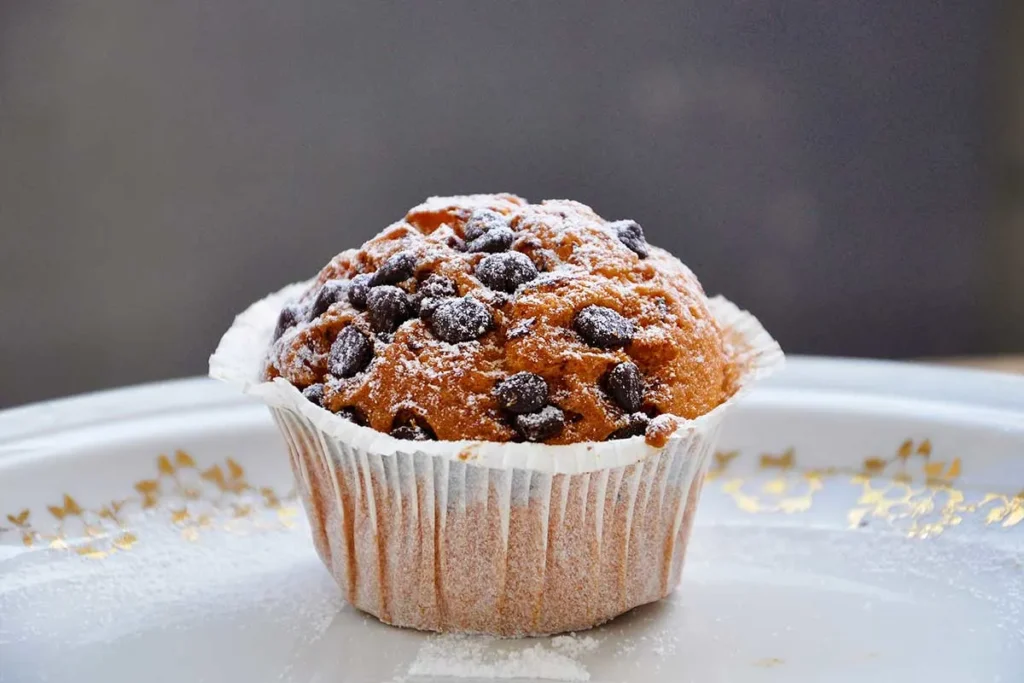
Fold in up to 1/2 cup chocolate chips just before dividing the batter. Choose a size that distributes easily rather than leaving heavy pockets in the crumb.
Blueberry Coconut Sugar Muffins
Fold in up to 1/2 cup fresh blueberries gently, taking care not to crush them. Pat the berries dry first to avoid adding excess surface moisture.
Cinnamon Coconut Sugar Muffins
Whisk 1 teaspoon of ground cinnamon into the dry ingredients. The spice pairs naturally with the caramel-like notes of coconut sugar.
How to Store and Freeze Coconut Sugar Muffins
Allow muffins to cool completely before placing them in an airtight container. For the best texture, enjoy plain muffins within a day or two at cool room temperature; refrigerate sooner in warm or humid conditions. To keep them longer, wrap individual muffins and freeze them for up to three months for best quality.
Quaker’s muffin freezing guidance recommends cooling muffins fully and wrapping them securely before freezing. Thaw at room temperature, then warm briefly if desired.
Explore Organic Coconut Sugar from Indonesia
Want to explore the ingredient behind this recipe? Discover organic coconut sugar from Indonesia supplied by Global Coco Sugar.
Food manufacturers, importers, and wholesale buyers can also contact our export team to discuss product specifications, packaging, and bulk sourcing requirements.
Frequently Asked Questions
Can I use coconut sugar instead of white sugar in muffins?
Often, yes, but the exact outcome depends on the recipe. Coconut sugar has a different color and flavor and may not behave identically in every batter. If you are adapting another recipe, consult this coconut sugar substitution guide and test the result before making larger changes.
Does coconut sugar change the color of muffins?
It can. Coconut sugar is naturally brown, so the batter and baked crumb may look darker than versions made with white sugar. Judge doneness with a toothpick, not the surface color alone.
How do I keep coconut sugar muffins moist?
Use the specified flour and liquid measurements, avoid excessive mixing, and take the muffins out once the centers are set. Cool them before storing so trapped condensation does not spoil the texture.