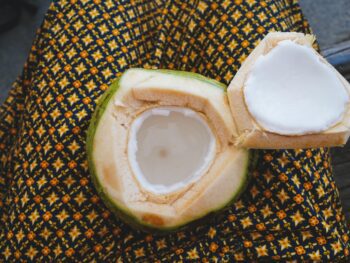
As more people seek natural alternatives to refined sugar, coconut nectar and maple syrup have emerged as two popular, plant-based sweeteners. Both are marketed as healthier options, packed with nutrients and lower on the glycemic index than white sugar. But how do they truly compare when it comes to nutrition, taste, health benefits, and everyday use?
In this article, we’ll take a closer look at coconut nectar vs. maple syrup, exploring their sources, nutrient profiles, glycemic impact, culinary uses, and how each sweetener fits into a balanced diet.
1. What is Coconut Nectar?
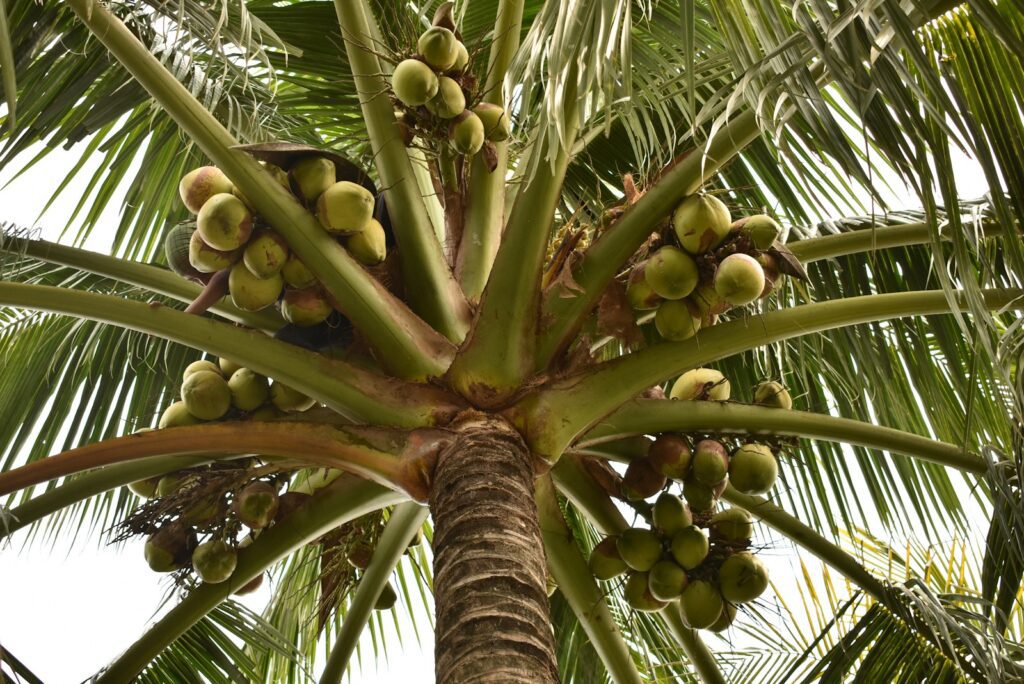
Coconut nectar is a natural sweetener made from the sap of the coconut palm’s flower buds. The sap is collected, then gently heated to remove moisture, resulting in a thick, amber-colored syrup with a rich, slightly tangy sweetness.
Importantly, coconut nectar is minimally processed and does not involve bleaching, chemical refining, or additives, making it a popular option for people following clean eating or plant-based diets.
2. What is Maple Syrup?

Maple syrup is produced from the sap of sugar maple trees, primarily found in North America. The sap is boiled down to concentrate its natural sugars and develop a deep, caramel-like flavor.
Like coconut nectar, pure maple syrup is a natural product. However, it's important to distinguish pure maple syrup from commercial pancake syrups, which often contain high-fructose corn syrup and artificial flavoring.
3. Nutritional Profile: Side-by-Side Comparison
Here’s a basic nutritional breakdown per 1 tablespoon (15 ml) of each sweetener:
| Nutrient | Coconut Nectar | Maple Syrup |
|---|---|---|
| Calories | ~60 | ~52 |
| Total Sugar | ~13g | ~12g |
| Glycemic Index (GI) | ~35 | ~54 |
| Carbohydrates | ~15g | ~13.5g |
| Calcium | Small amounts | ~20 mg |
| Potassium | ~130 mg | ~42 mg |
| Iron | ~0.3 mg | ~0.2 mg |
| Zinc | Trace | ~0.4 mg |
| Magnesium | ~25 mg | ~4 mg |
Key Points:
- Coconut nectar has a lower glycemic index (GI ~35), meaning it’s less likely to spike blood sugar levels compared to maple syrup.
- Maple syrup has slightly fewer calories per tablespoon.
- Coconut nectar is higher in potassium and magnesium, while maple syrup provides more zinc and calcium.
4. Antioxidant and Mineral Content
Both sweeteners contain small amounts of minerals and antioxidants, though neither should be considered a significant source of nutrients.
- Maple syrup contains polyphenols, plant compounds with antioxidant properties. It also contains small amounts of manganese, riboflavin, and zinc, which are important for immune and metabolic function.
- Coconut nectar, on the other hand, contains inulin, a type of prebiotic fiber that may benefit gut health and blood sugar control.
While the nutritional differences exist, they are modest when considering the small serving sizes typically consumed.
5. Glycemic Index: Blood Sugar Impact
One of the major concerns with sweeteners is how they affect blood sugar. The glycemic index (GI) measures how quickly a food raises blood glucose levels.
- Coconut nectar has a GI of 35, which is considered low. This is largely due to its inulin content, which slows sugar absorption.
- Maple syrup’s GI is around 54, placing it in the moderate range.
For individuals with diabetes or insulin resistance, coconut nectar may be the better choice due to its gentler impact on blood sugar.
6. Taste and Culinary Uses
Coconut Nectar:
- Flavor: Mildly sweet, with a slightly caramel-like or tangy taste.
- Texture: Thick, smooth syrup, slightly stickier than maple syrup.
- Best Uses: Drizzled on oatmeal, used in baking, added to marinades, smoothies, or salad dressings.
Maple Syrup:
- Flavor: Deep, rich sweetness with distinct maple and toffee notes.
- Texture: Smooth and pourable.
- Best Uses: Classic pancake topping, used in desserts, glazes for meats or vegetables, or stirred into drinks like coffee or tea.
Verdict: Both are versatile, but the distinct flavor of maple syrup is more recognizable and widely used in traditional North American cooking. Coconut nectar has a more neutral profile, making it adaptable in various global cuisines.
7. Sustainability and Environmental Impact
Coconut Nectar:
- Coconut trees are high-yielding and sustainable, often growing in diverse, biodiverse tropical environments.
- Harvesting the sap does not harm the tree, and the production is low-impact.
Maple Syrup:
- Maple syrup production is relatively sustainable, involving tapping trees without cutting them down.
- However, it's geographically limited to northern climates, making production more seasonal and energy-intensive due to boiling.
Both options are eco-friendly, though coconut nectar may edge ahead in terms of year-round production and lower energy use.
8. Price and Availability
- Maple syrup is widely available in North America and Europe and is relatively affordable, especially in regions where it's locally produced.
- Coconut nectar tends to be more expensive and less accessible, especially in areas where coconut palms aren’t native.
For budget-conscious shoppers, maple syrup may be the more economical option.
9. Health Considerations
Despite their natural origins, both sweeteners are still forms of sugar and should be consumed in moderation.
- Coconut nectar may be better for diabetics due to its lower GI, though it still contains sugar and carbohydrates.
- Maple syrup contains fewer calories per tablespoon, but slightly higher GI makes it less ideal for strict blood sugar control.
- Neither sweetener is calorie-free, and overuse can contribute to weight gain, tooth decay, or blood sugar imbalances.
10. Final Verdict: Which Is Better?
Choose Coconut Nectar if You:
- Need a low-GI sweetener for blood sugar control
- Prefer a more neutral flavor in recipes
- Want more potassium and magnesium in your diet
- Follow a vegan, raw, or paleo lifestyle
Choose Maple Syrup if You:
- Prefer a strong, recognizable flavor
- Need a slightly lower-calorie option
- Want a sweetener with more zinc and calcium
- Live in a region where it’s more accessible and affordable
Conclusion: Both coconut nectar and maple syrup are healthier alternatives to refined sugar, offering trace nutrients and natural sweetness. The “better” choice ultimately depends on your dietary needs, flavor preferences, and budget. Used mindfully, either can fit into a balanced and health-conscious diet.