Coconut nectar has quickly gained popularity as a natural, low-glycemic sweetener that aligns with today’s growing demand for healthy, minimally processed food. Its rich flavor and nutritional benefits make it a favorite among health-conscious consumers and gourmet chefs alike. But how exactly is this golden syrup produced? The journey from tree to table is a meticulous and sustainable process rooted in traditional methods and mindful farming.
This article explores how coconut nectar is made—from tapping the coconut flower to the final bottling process—highlighting its nutritional value, sustainability, and the people behind its production.
What Is Coconut Nectar?
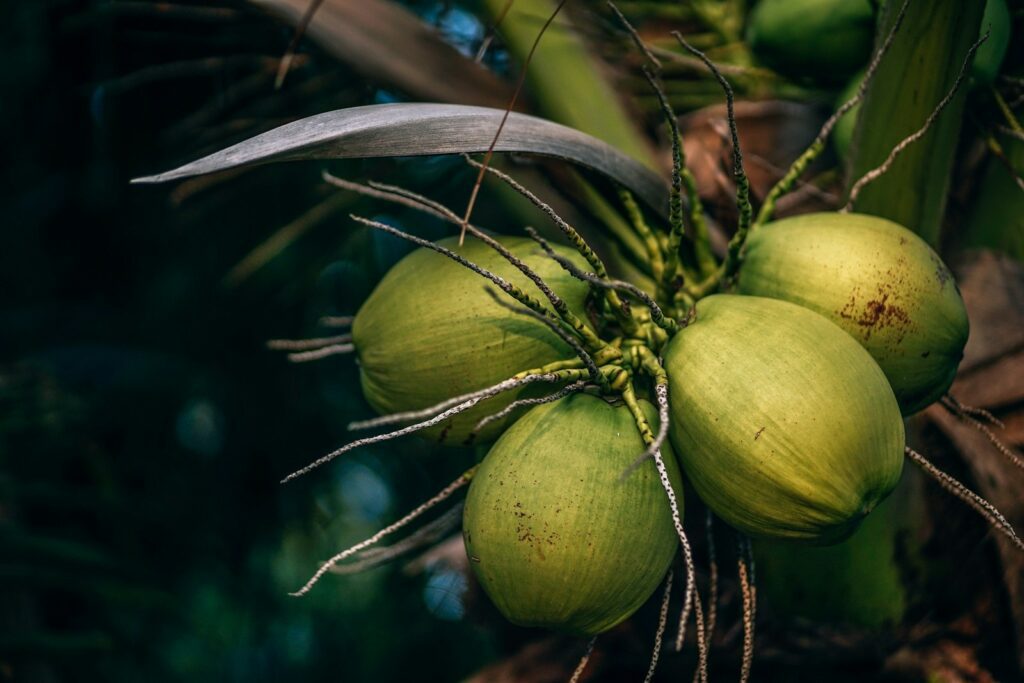
Coconut nectar is a natural sweetener derived from the sap of the flowering stalk of the coconut palm (Cocos nucifera). Unlike coconut milk or coconut oil, which come from the fruit or flesh of the coconut, nectar is collected from the tree’s blossoms. It has a mild, caramel-like taste and is often used as an alternative to honey, agave syrup, or refined sugar.
Coconut nectar is minimally processed and retains many of the nutrients found in the sap. It is low on the glycemic index (GI of around 35), making it a preferred sweetener for people looking to manage blood sugar levels.
Step 1: Selecting the Right Coconut Trees

The process begins with the selection of mature and healthy coconut palms, typically aged between 5 to 10 years. These trees are specifically cultivated for sap collection, not for nut production. One palm tree can produce sap continuously for up to 20 years if well cared for.
Farmers choose trees with strong trunks and robust flower stalks. In sustainable farming systems, trees are spaced adequately to prevent over-extraction and allow for long-term productivity.
Step 2: Tapping the Blossom
The key to coconut nectar production lies in tapping the unopened flower bud of the coconut palm, known as the inflorescence. The process involves:
- Cleaning the stalk to ensure hygiene.
- Slicing the tip of the flower bud to initiate sap flow.
- Gently pounding or massaging the stalk over several days to stimulate consistent sap production.
- Attaching a container—usually a bamboo or stainless-steel vessel—to collect the dripping sap.
This sap, known locally as "toddy," is sweet, watery, and slightly cloudy. A single tree can yield about 1 to 2 liters of sap per day, depending on environmental conditions and tree health.
Step 3: Daily Harvesting
The sap must be harvested twice a day—usually in the early morning and late afternoon. This is done to prevent fermentation and maintain quality. Once collected, the sap is immediately filtered to remove any impurities such as insects or plant debris.
The fresh sap has a short shelf life and will begin fermenting within hours at room temperature. That’s why prompt processing is essential to preserve the sap’s sweet, floral taste.
Step 4: Heating and Reduction
To transform the liquid sap into thick coconut nectar, it undergoes a gentle evaporation process:
- The sap is transferred into large, open stainless-steel vats or clay pots.
- It is simmered at low temperatures (around 60–70°C or 140–158°F) to prevent the destruction of nutrients.
- As water evaporates, the sap slowly thickens into a syrup.
- The mixture is continuously stirred to ensure even reduction and to prevent burning.
This process can take several hours depending on the quantity and desired consistency. The final product has a rich amber color and a viscosity similar to maple syrup.
Importantly, no additives, preservatives, or bleaching agents are used. The process is entirely natural and relies on traditional methods passed down through generations.
Step 5: Cooling and Bottling
Once the desired thickness is achieved, the nectar is allowed to cool naturally. It is then filtered again and poured into sterilized bottles or containers. To preserve its flavor and shelf life, bottling is done under hygienic, temperature-controlled conditions.
Depending on the brand or producer, the nectar may be bottled in glass jars or BPA-free plastic containers, labeled, and stored in a cool, dark place until shipment.
Nutritional Benefits of Coconut Nectar
Coconut nectar is more than just a sweetener; it’s also a source of essential nutrients. Though not a significant source of calories or vitamins in a typical diet, it offers:
- Low Glycemic Index (GI): Helps manage blood sugar and energy levels.
- Amino Acids: Contains up to 17 amino acids, including glutamine and arginine.
- Vitamins and Minerals: Small amounts of Vitamin C, potassium, magnesium, zinc, and iron.
- Prebiotic Fiber: Contains inulin, which promotes digestive health by supporting gut flora.
Because it’s minimally processed, coconut nectar retains more of these nutrients compared to highly refined sugars.
Sustainability and Environmental Impact
Tree-Friendly Harvesting
One of the most environmentally sustainable aspects of coconut nectar production is that it does not harm the tree. In contrast to crops that require replanting after each harvest, coconut palms continue producing sap year after year. This reduces deforestation and soil erosion.
Low Input Agriculture
Coconut palms are hardy and require little to no chemical fertilizers or pesticides. In many parts of Southeast Asia, coconut nectar is produced using organic farming techniques, which protect both the environment and consumer health.
Empowering Communities
Coconut nectar production provides a stable income for smallholder farmers in tropical countries like the Philippines, Indonesia, Sri Lanka, and India. Many producers operate as part of farmer cooperatives, ensuring fair wages and community reinvestment.
Brands that adhere to Fair Trade or organic certifications often support education, healthcare, and environmental conservation in the regions where their nectar is sourced.
From Farm to Pantry: Ethical Consumption

Consumers are increasingly seeking products that align with their values. When buying coconut nectar, it’s worth checking for:
- Certified Organic or Fair Trade labels
- Country of origin
- Transparent sourcing practices
Choosing ethically made coconut nectar not only supports sustainable agriculture but also ensures a high-quality product free from synthetic additives.
Uses of Coconut Nectar
Coconut nectar is a versatile sweetener. It can be used in:
- Coffee or tea as a natural sweetener
- Baking (cakes, muffins, energy bars)
- Salad dressings and marinades
- Smoothies and health drinks
- Pancakes, waffles, and oatmeal toppings
Its subtle caramel flavor complements both sweet and savory dishes.
Conclusion
The production of coconut nectar is a beautiful blend of tradition, sustainability, and craftsmanship. From the gentle tapping of coconut blossoms to the careful reduction of sap into syrup, each step reflects a deep respect for nature and the people involved.
As awareness grows around healthier, eco-friendly food choices, coconut nectar stands out not only for its nutritional value but also for the story it tells—one rooted in harmony with the earth and support for local communities. Next time you drizzle coconut nectar onto your morning oats or blend it into a smoothie, remember the journey it took from tree to table.