Indonesia is widely recognized as one of the world’s leading coconut-producing countries. With its tropical climate, fertile soil, and millions of coconut trees spread across the archipelago, the country has developed a strong coconut processing industry that serves international markets. Food manufacturers across the world rely on consistent and high-quality coconut ingredients, which is why many companies search for a dependable desiccated coconut supplier that can meet global demand.
Working with a trusted desiccated coconut supplier offers many advantages for businesses in the food sector. Manufacturers require stable supply chains, strict quality control, and products that meet international food safety standards. Indonesia has become a strategic sourcing destination because suppliers in the country have access to abundant raw coconuts and modern processing facilities. According to global coconut production statistics from the Food and Agriculture Organization (FAO), Southeast Asia produces a large portion of the world’s coconuts, which helps ensure reliable availability for export markets.
A professional desiccated coconut supplier typically offers several product variations to suit different manufacturing requirements. These include high fat desiccated coconut for richer food products and low fat desiccated coconut for lighter formulations. These options make coconut ingredients suitable for a wide range of applications, especially in the growing desiccated coconut bakery sector.
Reliable Supply and Consistent Quality

One of the main reasons businesses partner with an Indonesian desiccated coconut supplier is the reliability of raw material availability. With large coconut plantations across the country, suppliers are able to maintain a steady flow of fresh coconuts for processing. This consistent supply allows food manufacturers to plan production schedules without worrying about ingredient shortages.
Quality control also plays a crucial role in the coconut processing industry. A reputable desiccated coconut supplier carefully selects mature coconuts and processes them using modern equipment to ensure product safety and uniformity. Proper drying techniques help maintain the natural flavor and aroma while reducing moisture levels to extend shelf life.
Many exporters also follow international food safety systems such as HACCP food safety standards to ensure that coconut products meet strict global requirements. By working with an experienced desiccated coconut supplier, businesses can receive ingredients that are safe, hygienic, and suitable for international markets.
High Fat Desiccated Coconut for Richer Flavor

Food manufacturers that produce premium desserts and confectionery often prefer high fat desiccated coconut because of its rich taste and soft texture. This product retains most of the natural oil from fresh coconut meat, giving it a stronger coconut flavor compared to reduced-fat alternatives.
Many recipes in the desiccated coconut bakery sector rely on this ingredient to enhance the taste of cakes, pastries, and coconut cookies. The natural oil content of high fat desiccated coconut helps create a moist texture in baked goods, which is especially important for premium desserts.
The nutritional characteristics of coconut also contribute to its popularity. Data from USDA FoodData Central shows that coconut contains natural fats that provide energy and enhance food flavor. Because of these properties, many food brands include high fat desiccated coconut in their product formulations.
Low Fat Desiccated Coconut for Modern Food Trends
While high-fat coconut ingredients remain popular, there is also growing interest in lighter food products. As consumers become more health conscious, manufacturers are increasingly using low fat desiccated coconut in various recipes.
This product is produced by partially removing coconut oil during the processing stage. The result is low fat desiccated coconut that retains the characteristic coconut flavor while containing less oil. This makes it suitable for cereals, snack bars, and other light food products.
Food manufacturers value ingredient consistency, which is why they prefer working with a reliable supplier that can maintain stable product specifications. By choosing a professional partner, companies can ensure that low fat desiccated coconut meets the required quality standards for industrial production.
Growing Demand in the Bakery Industry
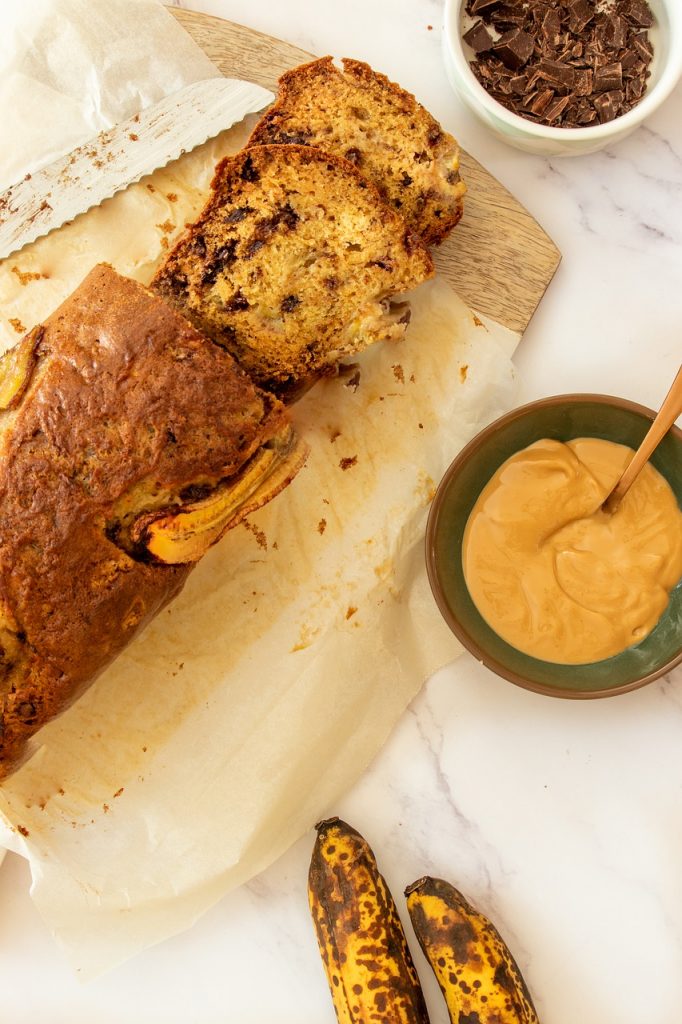
The global desiccated coconut bakery market continues to expand as coconut-flavored products gain popularity among consumers. Bakeries and confectionery companies use coconut ingredients to add flavor, texture, and visual appeal to their products.
In many recipes, both high-oil and reduced-oil coconut ingredients are used depending on the desired product characteristics. Rich pastries often incorporate oil-rich coconut for enhanced flavor, while lighter baked goods may rely on low fat desiccated coconut to maintain a balanced texture.
Industry insights from the International Coconut Community indicate that coconut-based ingredients are becoming increasingly important in global food manufacturing. This rising demand encourages many food companies to secure long-term partnerships with dependable suppliers.
For businesses looking to explore coconut products and related insights, resources available on the Global Coco Sugar article page provide useful information about coconut-derived ingredients and their applications in the food industry.
Choosing the Right Supplier for Your Business
Selecting the right sourcing partner is essential for food manufacturers that rely on coconut ingredients. A reputable supplier should provide clear product specifications, including moisture levels, particle size, and fat content. These factors help manufacturers maintain consistent quality in their finished products.
Companies should also evaluate production capacity, certifications, and export experience before choosing a supplier. Businesses that work with experienced exporters benefit from efficient logistics, secure packaging, and reliable delivery schedules.
Indonesia continues to be a key hub for coconut processing and export. With abundant raw materials and modern facilities, the country offers excellent opportunities for companies searching for a dependable sourcing partner. By working with an experienced Indonesian supplier, food manufacturers can secure high-quality coconut ingredients for a wide range of food applications, including products in the growing desiccated coconut bakery sector. 🥥📈