

Refined coconut oil is coconut oil that has been processed to reduce coconut aroma, flavor, color, and impurities.
Many people ask whether refined coconut oil is good for you because it is widely used for cooking, baking, frying, skincare, and hair care.
The answer depends on how you use it. Refined coconut oil can be useful when you need a neutral flavor, longer shelf life, or better heat stability than some unrefined oils.
However, it is still high in saturated fat, so it should be used in moderation and should not be treated as a health food.
This guide explains what refined coconut oil is, how it compares with virgin or unrefined coconut oil, when it may be useful, and what consumers or B2B buyers should check before choosing a coconut oil product.
Quick Answer: Is Refined Coconut Oil Good or Bad for You?
Refined coconut oil is not automatically good or bad. It can be useful for cooking, baking, frying, and personal care when you need a neutral flavor and stable texture. However, it is still high in saturated fat, so it should be used in moderation as part of an overall balanced diet.
Compared with virgin or unrefined coconut oil, refined coconut oil usually has less coconut aroma and may lose some minor natural compounds during processing. For buyers, the better choice depends on the intended use, processing method, quality standard, label claim, and supplier documentation.
What Is Refined Coconut Oil?
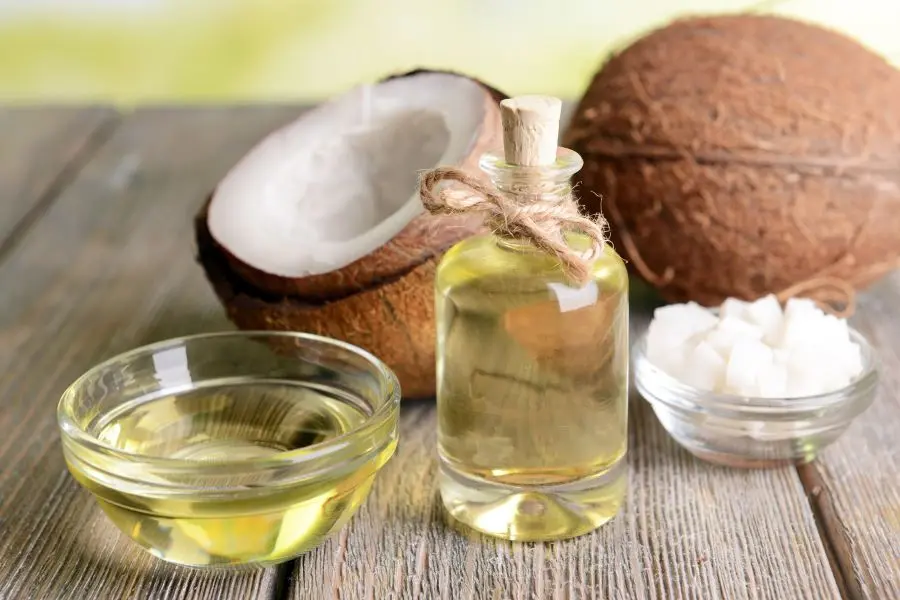
Refined coconut oil is coconut oil that has gone through additional processing after extraction.
Depending on the producer, the process may include filtering, refining, bleaching, deodorizing, or steam treatment to reduce odor, flavor, color, and impurities.
The result is a neutral-tasting coconut oil with little to no coconut aroma. This makes it useful for cooking, baking, frying, and formulations where a strong coconut flavor is not desired.
Refined coconut oil is different from virgin coconut oil. Virgin coconut oil is usually produced from fresh coconut meat with less intensive processing, so it retains more natural coconut aroma and flavor.
Refined coconut oil is often made from dried coconut kernel or copra and processed to create a more neutral and shelf-stable oil.
Refined vs Unrefined Coconut Oil: Quick Comparison
| Factor | Refined Coconut Oil | Unrefined / Virgin Coconut Oil |
| Processing | More processed, often filtered, deodorized, or refined | Less processed, usually made from fresh coconut meat |
| Flavor | Neutral or very mild | Stronger coconut aroma and flavor |
| Common use | Cooking, baking, frying, and neutral formulations | Raw use, low-to-medium heat cooking, flavor-focused recipes, and beauty products |
| Nutrient profile | May lose some minor compounds during processing | May retain more natural aroma compounds and minor nutrients |
| Shelf life | Often longer and more stable | Can vary depending on processing and storage |
| Best for | Neutral taste and heat applications | Coconut flavor and less processed positioning |
| Buyer checks | Processing method, trans fat status, solvent residue, certification, and COA | Freshness, processing method, moisture, FFA, aroma, certification, and COA |
7 Key Facts About Refined Coconut Oil
1. Refined Coconut Oil Has a Neutral Flavor
One of the main reasons people choose refined coconut oil is its neutral flavor. It usually has little to no coconut taste or aroma, which makes it easier to use in recipes where a strong coconut flavor would not fit.
This can be useful for baking, frying, sauteing, popcorn, sauces, and food manufacturing applications where flavor consistency matters.
2. It Is Still High in Saturated Fat
Refined coconut oil is still coconut oil, so it remains high in saturated fat.
This is why it should not be used as an unlimited “healthy oil.” For daily cooking, consumers should consider total saturated fat intake and overall diet quality.
The American Heart Association saturated fat guidance notes that tropical oils such as coconut oil contain saturated fat, so moderation is important.
3. It Can Be Useful for Higher-Heat Cooking
Refined coconut oil is often chosen for higher-heat cooking because it has a neutral flavor and is generally more stable for applications where strong coconut aroma is not wanted.
However, cooking temperature, product quality, and repeated heating still matter.
For home cooking and foodservice use, refined coconut oil may be practical when the recipe needs a mild oil that does not dominate the final flavor.
4. It Usually Has Less Coconut Aroma Than Virgin Coconut Oil
If you want coconut oil without a strong coconut smell, refined coconut oil is often the more suitable option. The refining and deodorizing process reduces the natural coconut aroma, making the oil more neutral.
If coconut aroma is part of the product’s appeal, virgin coconut oil may be a better fit. If the goal is neutral taste, refined coconut oil may work better.
5. Processing Method Matters
Not all refined coconut oils are the same. Processing method, raw material quality, deodorizing method, filtration, storage, and packaging can all affect the final product.
When possible, buyers should check whether the product is steam-refined, expeller-pressed, chemically extracted, hydrogenated, or non-hydrogenated.
For food and cosmetic applications, documentation such as specification sheets, COA, certification, and testing information can help confirm quality and suitability.
6. It Is Not the Same as MCT Oil
Refined coconut oil is not the same as pure MCT oil. Some health claims about MCTs are based on special MCT formulations, not regular commercial coconut oil.
Consumers should not assume that refined coconut oil gives the same effect as purified MCT oil.
The Harvard T.H. Chan School of Public Health notes on coconut oil and MCT claims explain why claims based on specialized MCT formulations should not be applied directly to regular coconut oil products.
7. The Best Choice Depends on the Intended Use
Refined coconut oil may be a better choice when you need neutral flavor, longer shelf life, or a stable oil for cooking and formulation.
Virgin or unrefined coconut oil may be a better choice when coconut aroma, less processing, or premium positioning matters.
For B2B buyers, the best choice should be based on the final application, product specification, certification scope, label claim, and documentation requirements.
Is Refined Coconut Oil Good for Cooking?
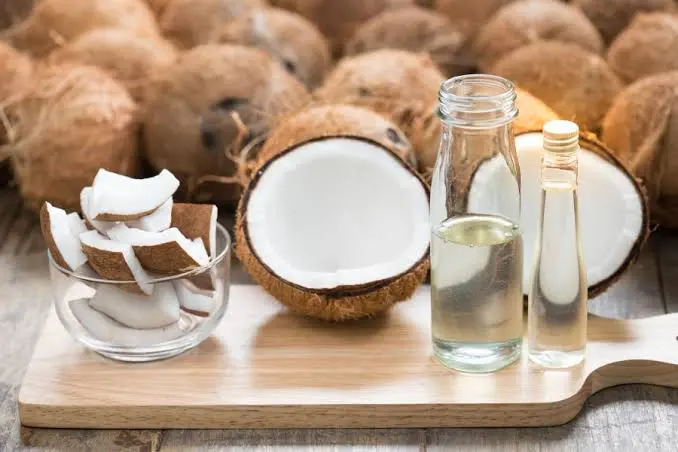
Refined coconut oil can be useful for cooking when you need a neutral flavor and stable texture. It can work in frying, sauteing, baking, popcorn, sauces, and recipes where strong coconut aroma would not fit.
However, refined coconut oil should still be used in moderation because it is high in saturated fat. It is also better to avoid repeatedly overheating or reusing cooking oil, because oil quality can degrade with repeated heat exposure.
Is Refined Coconut Oil Good for Skin or Hair?

Refined coconut oil is sometimes used in skincare or hair care because it has a neutral scent and smooth texture. It may be preferred by people who do not want a strong coconut aroma in personal care use.
However, not everyone’s skin reacts the same way to coconut oil. Some people may find it too heavy or pore-clogging, especially on the face. If using refined coconut oil on skin or hair, start with a small amount and stop using it if irritation occurs.
For commercial skincare, hair care, or cosmetic formulations, buyers should check oil grade, odor, color, free fatty acid level, documentation, and whether the oil is suitable for the intended formulation.
How to Choose a Better Refined Coconut Oil
If you are choosing refined coconut oil, look beyond the word “refined” on the label. Product quality can vary depending on processing method, raw material, packaging, storage, and supplier quality control.
- Check whether the oil is hydrogenated or non-hydrogenated.
- Review whether the oil is steam-refined, expeller-pressed, or chemically extracted.
- Check for trans fat status and product specification.
- Review certification scope if organic, non-GMO, Halal, Kosher, or other claims are needed.
- Ask for COA, free fatty acid level, moisture, odor, color, and shelf-life information for commercial sourcing.
- Choose the oil based on intended use: cooking, baking, frying, skincare, hair care, or industrial formulation.
What B2B Buyers Should Verify Before Sourcing Coconut Oil
For food manufacturers, cosmetic brands, personal care companies, private label buyers, and procurement teams, coconut oil selection should be based on intended use.
Refined coconut oil may be suitable when a neutral flavor, odor, and color are needed. Virgin coconut oil may be more suitable when coconut aroma, less processing, or premium positioning matters.
Before sourcing coconut oil, buyers should verify processing method, product grade, free fatty acid level, moisture, odor, color, packaging, shelf life, certification scope, COA availability, MOQ, and export documentation.
If your team is evaluating coconut oil from Indonesia, review our virgin coconut oil supplier page or read our bulk virgin coconut oil from Indonesia sourcing guide.
For a broader overview, you can also explore top coconut derivative products used in global B2B markets.
Need coconut oil or coconut-based ingredients for food, cosmetic, or private label applications? Contact our export team to request specifications, samples, packaging details, or a quotation.
Conclusion: Is Refined Coconut Oil Healthy?
Refined coconut oil can be useful, but it should be understood clearly. It is neutral in flavor, often practical for cooking and formulation, and easier to use when coconut aroma is not desired.
However, it is still high in saturated fat and should not be positioned as an unlimited health food.
For consumers, the best choice depends on serving size, cooking method, flavor preference, and overall diet. For B2B buyers, the best choice depends on processing method, product specification, certification, packaging, COA availability, and final product application.
If you need coconut aroma and less processed positioning, virgin coconut oil may be more suitable.
If you need neutral flavor and stable performance, refined coconut oil may be the better fit.
The safest approach is to match the oil type with the intended use and verify product documentation before purchasing.
Disclaimer: This article is for general informational purposes only and does not replace medical, nutrition, dermatology, or regulatory advice. Consumers with medical conditions or skin concerns should consult a qualified professional. Food and cosmetic brands should review market-specific labeling and compliance requirements before making product claims.
FAQ About Refined Coconut Oil
Is refined coconut oil good for you?
Refined coconut oil can be useful for cooking and product applications, but it is still high in saturated fat. It should be used in moderation and should not be treated as a health food.
Is refined coconut oil bad for you?
Refined coconut oil is not automatically bad, but it may not be the best everyday oil for people trying to reduce saturated fat intake. The health impact depends on serving size, total diet, and overall fat sources.
What is refined coconut oil?
Refined coconut oil is coconut oil that has been processed to reduce odor, flavor, color, and impurities. It usually has a more neutral taste than virgin coconut oil.
Is refined coconut oil good for cooking?
Refined coconut oil can be useful for cooking when a neutral flavor is needed. It is commonly used in baking, frying, sauteing, and food formulations, but it should still be used in moderation.
Is refined coconut oil good for skin?
Some people use refined coconut oil on skin because it has a neutral scent and smooth texture. However, it may feel heavy or pore-clogging for some skin types, so patch testing is recommended.
Does refined coconut oil smell like coconut?
Refined coconut oil usually has little to no coconut smell because deodorizing or refining reduces the natural coconut aroma.
Which is better, refined or unrefined coconut oil?
Neither is always better. Refined coconut oil may be better for neutral flavor and higher-heat cooking, while unrefined or virgin coconut oil may be better for coconut aroma and less processed positioning.


