Category: Product Knowledge

  • Vigin Coconut Oil Vs MCT Oil, Which Better?

    Vigin Coconut Oil Vs MCT Oil, Which Better?

    Virgin coconut oil vs MCT oil, which is better? these are two popular dietary supplements that have been gaining increasing attention in recent years. While both of them are derived from coconuts, they have different properties and health benefits. In this article, we will explore the differences between virgin coconut oil and MCT oil.

    What is Virgin Coconut Oil?

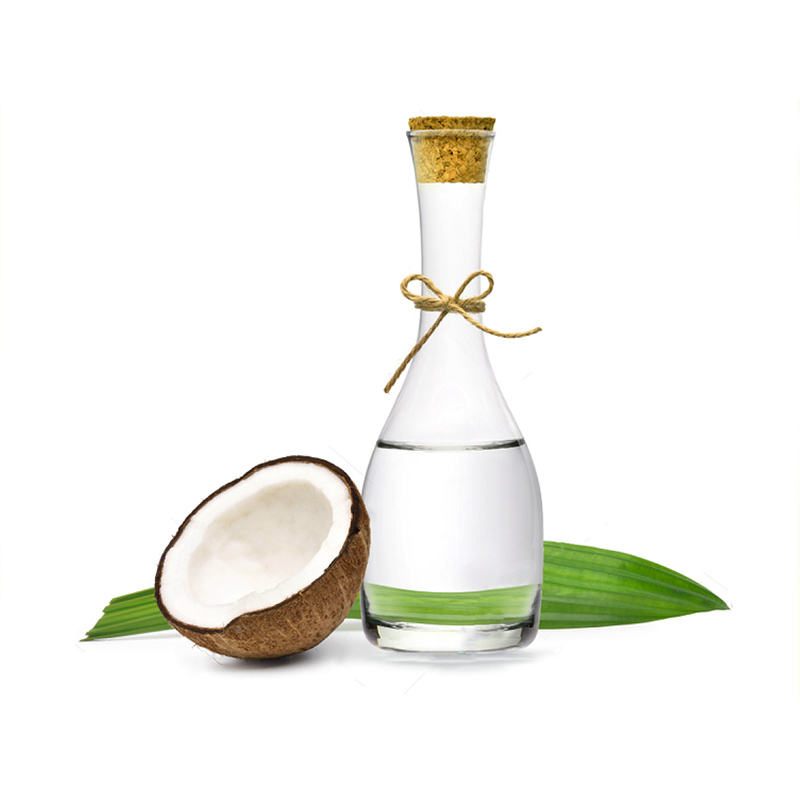
    what is virgin coconut oil? is it really have a huge impact

    What is Virgin Coconut Oil? Virgin coconut oil is extracted from the meat of mature coconuts. It is a natural oil that is solid at room temperature and has a rich, creamy texture and aroma. Virgin coconut oil is considered a healthier alternative to traditional cooking oils due to its high levels of medium-chain triglycerides (MCTs). MCTs are a type of saturated fat that is easily converted into ketones by the liver, which can be used by the body for energy.

    Virgin coconut oil also contains other beneficial nutrients such as vitamin E, vitamin K, and iron. It is also high in antioxidants, which help to protect the body against damage caused by free radicals. Due to its high MCT content, virgin coconut oil has been found to have numerous health benefits, including improving cognitive function, reducing inflammation, and aiding in weight loss. Besides that, Virgin Coconut Oil (VCO) still have lot benefit if it consumed daily.

    What is MCT Oil?

    What is mct oil? what is differences with vco

    What is MCT Oil? MCT oil is a concentrated form of medium-chain triglycerides that is derived from coconut oil. Unlike virgin coconut oil, MCT oil is a liquid at room temperature and has no flavor or aroma. MCT oil is often used as a dietary supplement for athletes and individuals looking to improve their physical performance, as it is quickly metabolized by the liver and converted into energy.

    MCT oil is made up of four different types of MCTs, including caproic acid (C6), caprylic acid (C8), capric acid (C10), and lauric acid (C12). The most desirable MCT for dietary supplementation is caprylic acid, as it is the most easily converted into ketones and has the strongest effect on energy metabolism.

    MCT oil has been found to have numerous health benefits, including improving brain function, aiding in weight loss, reducing inflammation, and improving insulin sensitivity. It is also commonly used as a dietary supplement for individuals following a ketogenic diet, as it can help to increase ketone levels in the blood.

    Differences Between Virgin Coconut Oil and MCT Oil

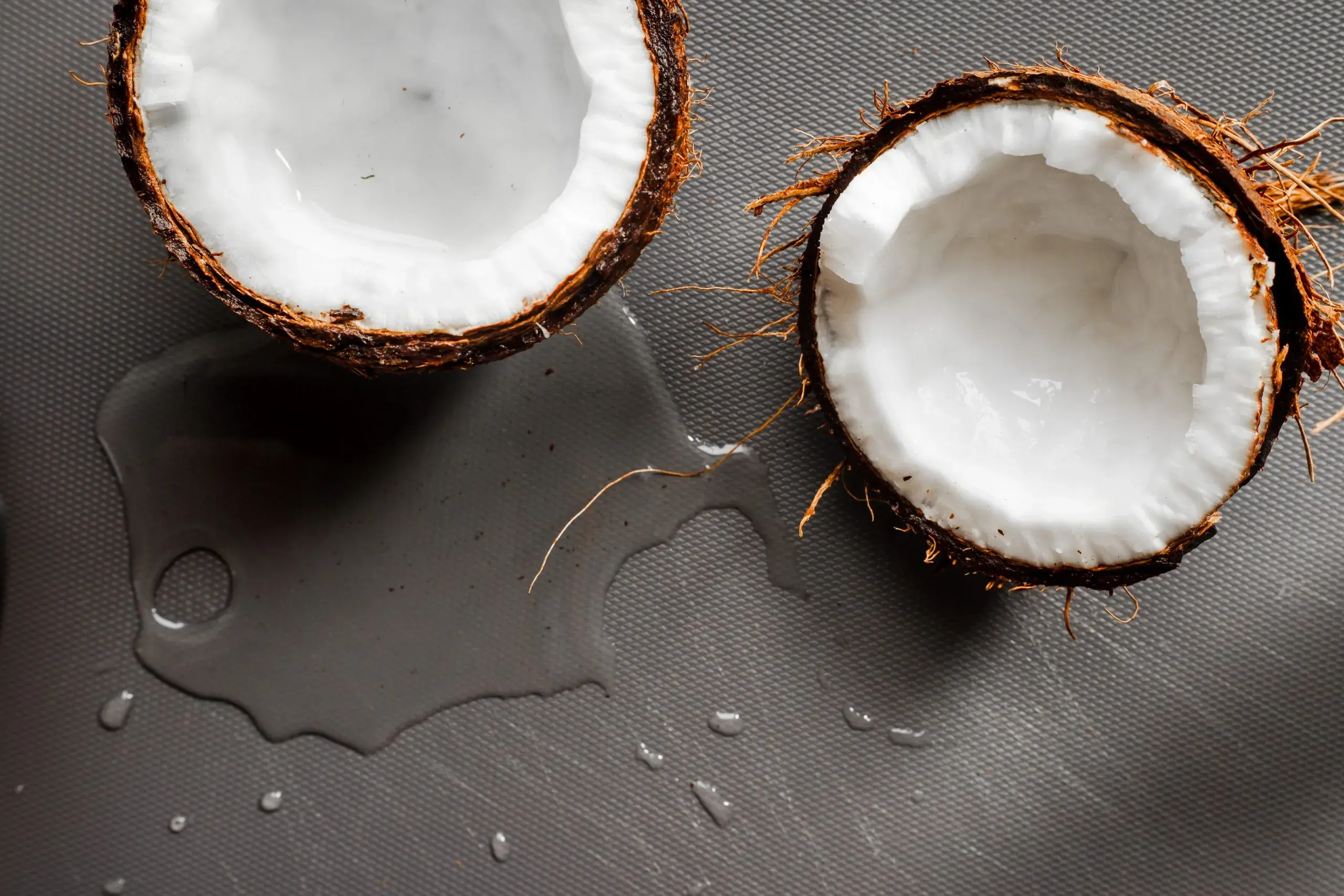
    coconut milk

    While both virgin coconut oil (VCO) and MCT oil are derived from coconuts and contain MCTs, there are several key differences between the two. These include:

    1. MCT Content: While virgin coconut oil contains MCTs, the concentration is much lower than in MCT oil. MCT oil contains up to 100% MCTs, while virgin coconut oil typically contains around 50%.
    2. Type of MCTs: MCT oil contains all four types of MCTs, while virgin coconut oil is primarily composed of lauric acid, which is a longer-chain MCT that is metabolized differently than the other three types.
    3. Liquid vs. Solid: MCT oil is a liquid at room temperature, while virgin coconut oil is solid. This makes MCT oil easier to use as a dietary supplement, as it can be added to drinks or used as a cooking oil more easily.
    4. Taste and Aroma: Virgin coconut oil has a rich, creamy texture and aroma, while MCT oil has no flavor or aroma. This makes MCT oil a better option for individuals who do not like the taste or smell of coconut.

    Which Better Virgin Coconut Oil Vs MCT Oil?

    In conclusion, while both virgin coconut oil and MCT oil are derived from coconuts and contain MCTs, they have different properties and health benefits. MCT oil is a concentrated form of MCTs that is often used as a dietary supplement for individuals looking to improve their physical performance or following a ketogenic diet. while, Virgin coconut are more naturals and can be used for cooking even for dietary supplement.

  • Which Best, Coconut Sugar or Honey?

    Which Best, Coconut Sugar or Honey?

    Have you ever wondering which is the best natural sweetener? Maybe you start thinking about Honey, Stevia, Dates Syrup, and maybe Coconut Sugar. Well, let dig down about this four popular natural sweetener.

    Coconut Sugar VS Honey

    coconut sugar supplier in indonesia
    Coconut Sugar

    Coconut sugar is one of the most popular natural sweeteners in the world. Although the name is coconut sugar, this sweetener is not made from coconut fruit, but from the sap of the coconut tree. the coconut sugar production process is not too complicated. first the farmers will climb onto the coconut tree, then they will make a small incision on the coconut tree trunk. from the small incision will come out drops of coconut sap, the sap will later be collected and cooked. The coconut sap cooking process is quite laborious, because we need to keep stirring the sap that we heat on the stove. This process continues until the water content in the sap evaporates and leaves only sugar crystals. Meanwhile, if you want to make coconut syrup, you can only cook it half cooked!

    Source : Globalcocosugar.com

    best natural sweetener Global Coco Sugar
    Honey

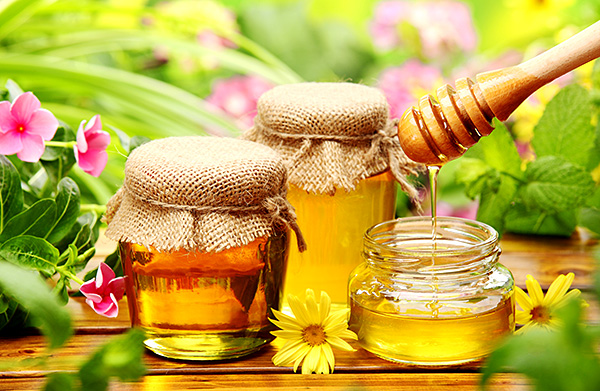
    While you must be very familiar with honey, honey is a natural sweetener that has a liquid form and a thick texture. The viscous liquid is flower nectar taken by honey bees which will later be stored in their hives for further processing. According to Live Science that we quoted from Kompas.com, the flower nectar taken by the honey bee before being stored in the hive, the flower nectar will be stored in the bee’s stomach, and the process that occurs in the bee’s stomach is an adjustment of the acidity or pH in the bee’s stomach. The unique fact is, the first country that produces honey is Greece. Honey is very well consumed by adults and children, honey also has many benefits if consumed regularly. Although there are many types of honey, almost all types of honey have the same benefits when consumed.

    Source : Kompas.com

    In the end, we will surely think, which is better, honey or coconut sugar? maybe before you judge one of those 2 products, you need to look at the following details

    Coconut Sugar Glycemic Index VS Honey Glycemic Index

    Is coconut sugar taste good or bad?

    Coconut sugar is popular in the world because this product offers several benefits, the most famous of which is a low glycemic index. The glycemic index of coconut sugar is at 35, which is quite low compared to the glycemic index of honey, which is at 58. The taste of coconut sugar is also quite unique compared to other natural sweeteners.

    Coconut Sugar Taste Vs Honey Taste

    coconut sugar in indonesia, which coconut sugar is the best to buy?

    Honey has a very distinctive taste as a natural sweetener. The taste of honey will eventually make people really like the taste of honey and really dislike the taste of honey, so it can be said that they will be divided into 2 teams, a team that really likes and a team that doesn’t like it very much. Unlike coconut sugar, coconut sugar has a distinctive taste that can still be tolerated for those who don’t really like the taste of natural sweeteners. Coconut sugar has a distinctive taste such as a very thick caramel flavor compared to cane sugar in general. So usually coconut sugar can be used as a sweetener as premium caramel popcorn or high quality caramel sweetener.

    Vitamin and Minerals In Coconut Sugar And Honey

    desiccated coconut

    Coconut sugar and honey both contain vitamins and minerals that are needed by our bodies. In general, the vitamins and minerals in honey are riboflavin, Vitamin B6, Thiamin, Niacin, Amino Acids, Pantothenic Acid, Calcium, Sodium, Copper, Iron, Magnesium, Phosphorus, Potassium, Manganese and Zinc.

    Meanwhile, coconut sugar also contains vitamins and minerals that are as good as honey, here are the vitamins and minerals contained in coconut sugar; Vitamin C, potassium, calcium, magnesium, iron, copper, phosphorus, phytonutrients, flavonoids, polyphenols, and anthocyanins

    Conclusion Which Best Natural Sweetener Is The Best?

    After looking at some of the considerations and benefits of these 2 products, namely coconut sugar and honey, both are very good products for long-term consumption, besides that we can’t judge which is better, because both have their own benefits. However, if you don’t like the taste of honey that is too “Authentic” you might be able to try coconut sugar as an alternative sweetener. Then what do you think?

  • 5 Things You Didn’t Know Difference Palm and Coconut Sugar

    5 Things You Didn’t Know Difference Palm and Coconut Sugar

    The difference coconut and palm sugar products

    Many people are confused when they see these 2 products, namely coconut sugar and palm sugar. For some people, these two products are the same and only marketing techniques are the difference. But is this assumption true? Let’s take a closer difference palm and coconut sugar

    The Color Of Coconut Sugar Is Lighter?

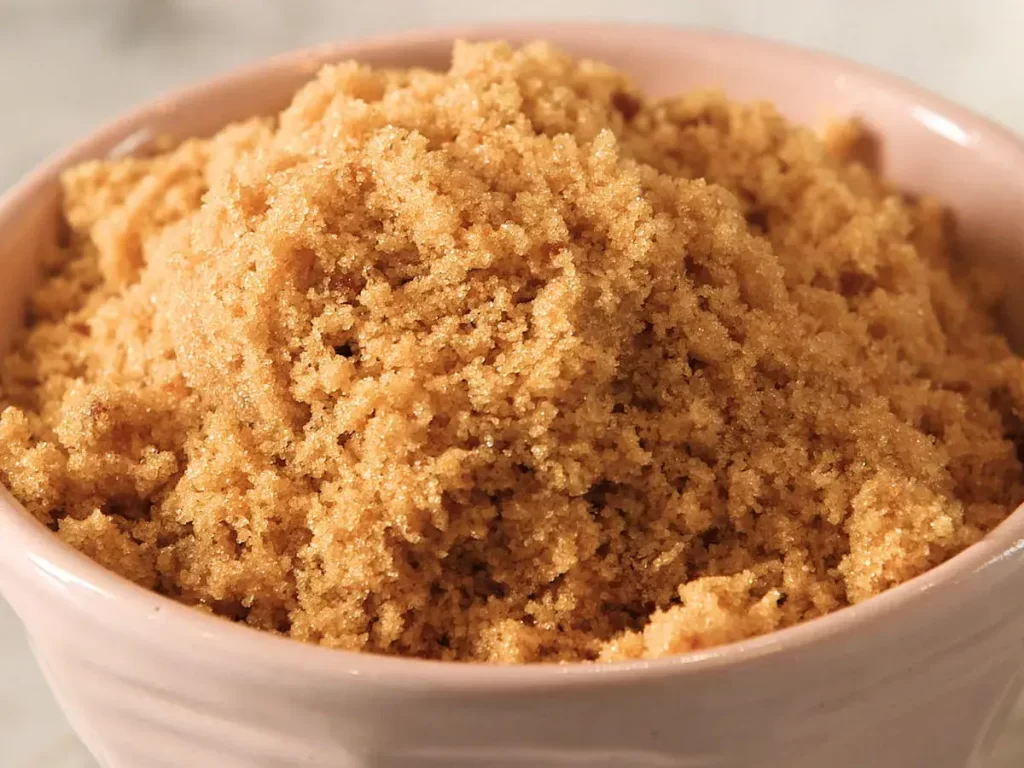
    Coconut sugar has a distinctive color, the color of coconut sugar is yellowish brown, this is because the raw material for coconut sugar, namely coconut sap, is bright brown. However, it is possible if the coconut sap turns dark brown. This can happen in certain weather such as the rainy season. While on the other hand, palm sugar has a darker base color than coconut sugar. This is because the palm tree sap has a darker color. Just like coconut sugar, the color of palm sap can turn darker in certain weathers such as the rainy season.

    Is Coconut Sugar Tasted Good?

    Coconut sugar has a distinctive taste compared to other natural sweeteners. Is Coconut sugar tasted good? The answer is, Yes. It has a unique caramel flavor compared to the sweetener of cooked cane sugar. Coconut sugar also has a “soft” sweet taste making it suitable for use for “baking” activities.

    In line with Coconut Sugar, Palm Sugar also has a taste that is almost similar to coconut sugar products. However, there is a slightly different taste when compared to coconut sugar. The taste of palm sugar has a slightly “burnt” taste, which makes it more delicious on the tongue when you consume palm sugar.

    Texture Difference Palm And Coconut Sugar

    The texture of coconut sugar and palm sugar can be said to be very similar. Because these 2 products are both in powder form. But fortunately, the texture of the coconut sugar supplied by Global Coco Sugar can be adjusted as needed.

    How To Use Coconut Sugar And Palm Sugar

    The method of use for coconut sugar and palm sugar is the same as the use of cane sugar that we usually find. The ratio of coconut sugar or palm sugar to cane sugar is 1:1. Even so, coconut sugar and palm sugar have advantages over cane sugar, namely a low glycemic index.

    Source Materials

    The raw material for coconut sugar products is sap from coconut trees. Coconut tree sap is harvested and then cooked until it crystallizes. Coconut sap is the sap that will come out of a coconut tree, how to take it is by cutting a little on the coconut tree trunk, then later the coconut sap will drip from the coconut tree trunk.

    Furthermore, after the coconut sap has been cooked for sufficient time, the sap will change from a liquid form to a solid and crystallize form. After the sap is in powder form, it can be said that the sap has become a coconut sugar product. However, so that the coconut sugar can get a lower dryness level, the coconut sugar will be put in the oven to reduce the water content.

    Unlike coconut sugar, palm sugar is made from the sap of palm trees. As we previously informed, palm trees have a darker sap color than coconut sugar. After the sap from the palm tree has been collected, the sap will go through the same process as processing coconut sugar.

    Fun Fact Of Coconut Sugar and Palm Sugar

    The unique fact is that coconut trees and palm trees, although different types of trees, are still in the same family, namely palm trees. This is the reason why even though the two products have different names, the shape, taste, and quality can be said to be almost similar to each other.

    Besides that, another unique fact is that coconut trees that have been used as ingredients for making coconut sugar, in the end will not be able to bear coconut anymore. Therefore, it is necessary to consider making coconut tree sap as a raw material for making coconut sugar

    Conclusion

    The conclusion is that coconut sugar and palm sugar have many similarities both in taste, color, shape, and texture. However, despite the many similarities between these two products, coconut sugar and palm sugar have different raw materials. Coconut sugar is made from coconut tree sap, while palm sugar is made from palm tree sap. The two trees are 2 different tree species, but still in one family, namely palm tree. From all the facts of these two products (coconut sugar and palm sugar), so what do you think? Are these two products the same or different?

Secret Link