Category: Product Knowledge

  • The Origins and Artisanal Production of Crystallised Coconut Nectar in Southeast Asia: A Focus on Thailand and Indonesia

    The Origins and Artisanal Production of Crystallised Coconut Nectar in Southeast Asia: A Focus on Thailand and Indonesia

    Coconut nectar, a sweet sap derived from the flower buds of the coconut tree, has been an essential ingredient in the culinary traditions of Southeast Asia for centuries. Known for its natural sweetness, rich flavor, and various health benefits, coconut nectar has long been a popular sweetener in the region. One of the most prized forms of coconut nectar is crystallised coconut nectar, which has gained significant attention globally in recent years as a healthier alternative to refined sugar. This article delves into the origins and artisanal production of crystallised coconut nectar, with a particular focus on its traditional methods in Thailand and Indonesia, two countries where the craft has deep cultural roots.

    The Origins of Coconut Nectar

    The coconut tree (Cocos nucifera) is often referred to as the “tree of life” due to its wide-ranging uses, from its fruit and water to its husk and leaves. Coconut nectar is harvested from the flower buds of the coconut tree. These buds, known as “inflorescences,” secrete a sap that can be collected and processed in a variety of ways. While the sap is a staple ingredient in many Southeast Asian cuisines, it is especially valued for its versatility as a sweetener. It is used in sauces, drinks, desserts, and as a sweetener for both traditional and modern recipes.

    The process of harvesting coconut nectar is an ancient practice that has been passed down through generations in Southeast Asia. This sweet sap is often boiled down to produce coconut sugar or crystallised into solid blocks. The final product has a caramel-like flavor, with a rich, deep sweetness and a variety of trace minerals, including potassium, magnesium, and zinc. The production of crystallised coconut nectar, in particular, has become a hallmark of artisanal craftsmanship in both Thailand and Indonesia, where traditional methods are still widely employed.

    The Traditional Production Process

    The artisanal production of crystallised coconut nectar is a meticulous process that requires skill, precision, and careful timing. The process begins with the tapping of the coconut tree, which is typically done early in the morning or late at night to avoid the heat of the day. This is when the sap is most abundant and fresh. The tapper carefully cuts the flower bud, known as the “inflorescence,” and allows the sap to flow into bamboo or metal containers that are attached to the flower stalk.

    In both Thailand and Indonesia, the sap is collected over several hours, and sometimes even overnight, until the containers are full. The sap is then brought back to the production facility, where it is filtered to remove any impurities such as dirt or insects. The sap is then placed in large, shallow pans or cauldrons and heated over a slow fire. As the sap heats, the water content begins to evaporate, and the remaining liquid becomes thick and syrupy.

    Once the sap has thickened to a desired consistency, it is poured into molds or onto flat surfaces to cool and solidify. The cooling process allows the syrup to crystallize, forming chunks of solidified coconut nectar. These crystals are then cut into smaller blocks, which are often packaged and sold as crystallised coconut nectar. The final product retains the nutrients from the sap, making it a healthier alternative to conventional sugars. It is also prized for its deep caramel flavor and rich aroma, which sets it apart from other sweeteners.

    The Role of Artisanal Methods in Production

    What sets crystallised coconut nectar apart from mass-produced sugar is the artisanal nature of its production. The traditional methods used in both Thailand and Indonesia are deeply rooted in the cultures of these countries, and they have remained relatively unchanged over centuries. In many small villages and rural areas, coconut nectar production is still a family-run operation, passed down through generations.

    Artisanal producers in these regions take great care in the harvesting, boiling, and crystallizing processes. Unlike large-scale commercial operations, which often use mechanical methods and automation, small-scale producers rely on hands-on techniques to ensure the quality of the nectar. This allows for greater control over the final product, ensuring that the nectar retains its natural flavor and nutritional content.

    In addition to its craftsmanship, the artisanal production of crystallised coconut nectar supports local economies and promotes sustainable farming practices. Many small-scale producers in Thailand and Indonesia rely on organic farming methods, using minimal chemical fertilizers or pesticides to cultivate their coconut trees. This sustainable approach is beneficial for the environment and helps preserve the biodiversity of the region. The use of organic methods also ensures that the final product is free from harmful chemicals, making it a safer and more natural alternative to other sweeteners.

    Thailand’s Contribution to Crystallised Coconut Nectar

    Thailand has long been a major producer of coconut products, including coconut sugar and crystallised coconut nectar. The country is home to vast coconut plantations, particularly in the southern provinces such as Surat Thani, Chumphon, and Nakhon Si Thammarat. Here, coconut farmers have cultivated an intricate knowledge of tapping techniques and the processes involved in creating high-quality coconut nectar.

    In Thailand, crystallised coconut nectar is not only used as a sweetener in traditional desserts but is also an integral ingredient in Thai cuisine. It is often used in dishes such as khao neow mamuang (mango sticky rice), a beloved dessert, and tod man pla (fish cakes), where the coconut nectar enhances the overall flavor profile. The use of coconut nectar is also prevalent in beverages, including traditional Thai iced teas and coconut-based drinks.

    In recent years, the popularity of coconut nectar has surged globally, and Thailand has become one of the leading exporters of crystallised coconut nectar. The demand for organic and natural sweeteners has made Thailand a key player in the international market, with small-scale farmers and artisans producing high-quality products that appeal to health-conscious consumers.

    Indonesia’s Artisanal Production of Crystallized Coconut Nectar

    Indonesia, the world’s largest producer of coconuts, is another country where the artisanal production of crystallised coconut nectar is a long-standing tradition. The coconut trees of Indonesia are cultivated across the archipelago, with major production areas in Bali, Java, and Sulawesi. In these regions, small-scale farmers and indigenous communities have perfected the art of harvesting coconut nectar and transforming it into crystallized sugar.

    In Indonesia, coconut nectar is often boiled down to create gula kelapa, a form of crystallised coconut nectar that is commonly used in cooking and baking. The production process in Indonesia is similar to that in Thailand, with a focus on slow, careful heating and crystallization to preserve the natural flavors and nutrients of the sap. However, Indonesian coconut nectar is often sold in round blocks or cakes, which are then grated or shaved before use.

    Gula kelapa plays an essential role in Indonesian cuisine, particularly in traditional sweets such as kue cubir (coconut cakes) and kolak (sweet coconut soup). The rich, caramel flavor of crystallised coconut nectar complements the ingredients used in these desserts, providing a natural sweetness without the overly processed taste of refined sugars.

    Health Benefits of Crystallized Coconut Nectar

    In addition to its delicious taste, crystallized coconut nectar is often considered a healthier alternative to traditional refined sugars. It has a lower glycemic index, meaning it has less of an impact on blood sugar levels compared to other sweeteners. Coconut nectar also contains trace minerals such as iron, zinc, and potassium, which are beneficial for overall health. Furthermore, its high antioxidant content contributes to its reputation as a more wholesome choice for consumers.

    Conclusion

    The production of crystallized coconut nectar is a time-honored tradition in Southeast Asia, particularly in Thailand and Indonesia. The artisanal methods used to create this sweetener reflect centuries of knowledge and craftsmanship, resulting in a product that is not only delicious but also sustainably produced. As consumers continue to seek natural alternatives to refined sugar, the popularity of crystallized coconut nectar is likely to grow, offering a healthier, more flavorful option in the world of sweeteners. Through its rich history and artisanal production, crystallized coconut nectar has secured its place as a beloved and vital ingredient in the culinary cultures of Southeast Asia.

  • Organic Coconut Nectar Sugar Humectant Properties for Skin and Hair Care Recipes.

    Organic Coconut Nectar Sugar Humectant Properties for Skin and Hair Care Recipes.

    Coconut nectar sugar, derived from the sap of the coconut tree, is a natural sweetener that has gained popularity not only in culinary circles but also in the world of skincare and hair care. The rich nutrient profile of organic coconut nectar sugar, combined with its natural humectant properties, makes it a valuable ingredient for enhancing beauty routines. In this article, we will explore the humectant properties of organic coconut nectar sugar and how it can be effectively incorporated into skin and hair care recipes to promote hydration, softness, and overall health.

    What is Organic Coconut Nectar Sugar?

    Organic coconut nectar sugar is harvested from the sap of the coconut flower bud, which is collected, filtered, and then boiled down to create a sweet, golden-brown sugar. This natural sugar is minimally processed, retaining its rich content of vitamins, minerals, and antioxidants. Unlike refined sugars, which are stripped of essential nutrients, coconut nectar sugar boasts a variety of beneficial compounds, such as inulin, potassium, magnesium, and B-vitamins. These properties make it a potent ingredient for both internal health and external beauty care.

    Humectant Properties of Organic Coconut Nectar Sugar

    A humectant is a substance that attracts and retains moisture. This property makes coconut nectar sugar a powerful ingredient in skincare and hair care formulations, as it helps to lock in hydration and keep the skin and hair moisturized for extended periods. The natural sugars and organic acids present in coconut nectar sugar allow it to draw moisture from the air and hold it within the skin and hair fibers, creating a plump, soft, and hydrated appearance.

    Humectants like coconut nectar sugar can help prevent moisture loss, a common cause of dryness, flakiness, and damage. In addition to its moisturizing effects, coconut nectar sugar contains antioxidants that can protect the skin and hair from free radical damage caused by environmental factors like pollution and UV radiation. These benefits make it an excellent choice for anyone looking to improve their skincare and hair care routines.

    Benefits of Organic Coconut Nectar Sugar for Skin Care

    1. Hydration and Moisture Retention As a humectant, coconut nectar sugar draws water into the skin and helps maintain a balanced moisture level. This is especially beneficial for individuals with dry, dehydrated skin or those living in environments with low humidity. By keeping the skin moisturized, coconut nectar sugar promotes a healthy, supple appearance. It can be used in facial cleansers, moisturizers, and serums to enhance hydration.
    2. Gentle Exfoliation Coconut nectar sugar contains small granules that act as a gentle exfoliator for the skin. When used in scrubs, it helps to slough off dead skin cells, revealing a smoother and brighter complexion. Exfoliating with coconut nectar sugar can improve the skin’s texture, reduce the appearance of pores, and promote better absorption of other skincare products.
    3. Antioxidant Protection The high levels of antioxidants found in organic coconut nectar sugar help protect the skin from oxidative stress caused by free radicals. This can help prevent premature aging, fine lines, and wrinkles. The antioxidants also soothe irritated skin, reducing redness and inflammation.
    4. Skin Repair and Healing The B-vitamins, magnesium, and other minerals found in coconut nectar sugar help nourish and repair the skin. These nutrients support the skin’s natural healing process, making coconut nectar sugar an excellent ingredient for addressing skin issues such as acne scars, blemishes, and minor cuts or abrasions.

    Benefits of Organic Coconut Nectar Sugar for Hair Care

    1. Hydration and Moisture for Dry Hair Coconut nectar sugar’s humectant properties are just as effective for hair care as they are for skincare. When used in hair masks or conditioners, it helps to draw moisture into the hair shaft, ensuring that your hair remains hydrated and soft. Dry, brittle hair will benefit greatly from the moisture-retaining qualities of coconut nectar sugar, leading to a smoother and more manageable mane.
    2. Improved Hair Elasticity Dry hair often lacks elasticity, which can result in breakage and split ends. The hydrating properties of coconut nectar sugar help improve the elasticity of hair strands, making them more flexible and resistant to damage. This can lead to healthier, stronger hair over time.
    3. Shiny, Lustrous Hair By moisturizing the hair and sealing in hydration, coconut nectar sugar helps to promote a natural shine and smoothness. The result is hair that looks vibrant and glossy, without being weighed down by heavy oils or silicones. For those seeking glossy, healthy-looking hair, coconut nectar sugar can be a game-changer.
    4. Scalp Care Coconut nectar sugar can also be beneficial for the scalp. Its gentle exfoliating properties can help remove dead skin cells and buildup that may clog hair follicles. By promoting a healthier scalp environment, coconut nectar sugar can contribute to better hair growth and a reduction in issues like dandruff or flaky scalp.

    How to Use Organic Coconut Nectar Sugar in Skin and Hair Care Recipes

    The versatility of organic coconut nectar sugar allows it to be incorporated into a wide range of DIY beauty recipes. Here are a few ideas for using coconut nectar sugar in your skincare and hair care routine:

    1. Coconut Nectar Sugar Facial Scrub

    Ingredients:

    • 2 tablespoons organic coconut nectar sugar
    • 1 tablespoon coconut oil or honey
    • 1 tablespoon fresh lemon juice (optional)

    Instructions:

    • Combine all ingredients in a small bowl.
    • Gently massage the scrub onto your face in circular motions, focusing on areas with dry or flaky skin.
    • Rinse off with lukewarm water and pat your face dry.

    This scrub gently exfoliates the skin, removing dead skin cells and promoting a smooth, glowing complexion. The coconut oil or honey adds extra moisture to leave your skin soft and hydrated.

    2. Hydrating Coconut Nectar Sugar Hair Mask

    Ingredients:

    • 3 tablespoons organic coconut nectar sugar
    • 2 tablespoons coconut oil
    • 1 tablespoon yogurt (for extra protein)
    • 1 teaspoon honey

    Instructions:

    • Mix all ingredients in a bowl until smooth.
    • Apply the mask to damp hair, focusing on the ends and any dry areas.
    • Leave the mask on for 20-30 minutes, then rinse thoroughly with warm water and shampoo as usual.

    This hair mask provides intense hydration to dry and damaged hair, promoting softness and shine.

    3. Moisturizing Body Scrub

    Ingredients:

    • ½ cup organic coconut nectar sugar
    • ¼ cup olive oil or coconut oil
    • 1 teaspoon vanilla extract (optional)

    Instructions:

    • In a bowl, mix the coconut nectar sugar with the oil and vanilla extract.
    • Gently massage the scrub onto your body in circular motions, paying special attention to rough areas like elbows, knees, and feet.
    • Rinse off with warm water for silky-smooth skin.

    4. Coconut Nectar Sugar Scalp Treatment

    Ingredients:

    • 2 tablespoons organic coconut nectar sugar
    • 2 tablespoons olive oil or almond oil

    Instructions:

    • Mix the sugar and oil together until a paste forms.
    • Massage the mixture into your scalp in gentle, circular motions.
    • Leave on for 15-20 minutes, then wash your hair as usual.

    This scalp treatment helps remove dead skin and buildup, promoting a healthy scalp and encouraging better hair growth.

    Conclusion

    Organic coconut nectar sugar is a natural, nourishing ingredient that offers numerous benefits for both skin and hair care. Its humectant properties make it an effective moisturizer, helping to hydrate and retain moisture in the skin and hair. Whether used in scrubs, masks, or treatments, coconut nectar sugar’s ability to exfoliate, protect, and nourish makes it an excellent addition to your beauty regimen. By incorporating coconut nectar sugar into your DIY skincare and hair care recipes, you can enjoy its natural benefits and achieve healthier, more radiant skin and hair.

  • Nature’s Sweetness: The Art of Harvesting and Processing Coconut Tree Sap into Sugar

    Nature’s Sweetness: The Art of Harvesting and Processing Coconut Tree Sap into Sugar

    Coconut trees, known for their versatility, provide a multitude of products used in cooking, beauty, and health, but one of the most fascinating gifts they offer is the sweet, liquid sap that can be transformed into sugar. This natural sweetener, often referred to as coconut sugar, has gained popularity worldwide due to its lower glycemic index and rich, caramel-like flavor. The process of harvesting coconut tree sap and turning it into sugar is an ancient craft, steeped in tradition and sustainability. In this article, we will delve into the journey of coconut tree sap from tree to table, exploring the methods involved in harvesting, processing, and the myriad uses of coconut sugar.

    The Coconut Tree: A Source of Rich Resources

    The coconut tree (Cocos nucifera), often called the “tree of life,” is a tropical treasure. Indigenous to Southeast Asia and the Pacific Islands, the coconut tree sap is renowned for providing a wide array of products. These include coconut water, milk, oil, and meat. However, one of the lesser-known but incredibly valuable products is the sap, a clear, sweet liquid tapped from the flower buds of the tree. This sap is the foundation of coconut sugar.

    The sap is also used in making toddy (a fermented drink), syrup, and other derivatives, but coconut sugar has become particularly popular due to its health benefits and unique flavor profile. Rich in nutrients such as iron, zinc, calcium, and potassium, coconut sugar is considered a healthier alternative to traditional cane sugar because of its lower glycemic index and higher mineral content.

    The Harvesting Process: Extracting the Sweet Nectar

    The first step in turning coconut tree sap into sugar begins with harvesting the sap from the flower buds of the coconut tree. The process is delicate and requires skill and experience to do correctly. Here is a step-by-step guide to how coconut sap is harvested:

    1. Identifying the Right Tree

    Not all coconut trees produce sap suitable for sugar production. The ideal trees for sap tapping are mature coconut palms, typically between 5 to 8 years old. The trees must be healthy and free from pests or disease, ensuring the sap harvested is of high quality.

    2. Tapping the Flower Buds

    Coconut tree sap is harvested from the flower buds of the coconut tree. These buds, also known as inflorescences, contain the sweet liquid that will eventually become coconut sugar. To begin the process, a skilled tapper climbs the coconut tree and carefully cuts the flower buds. Once cut, the coconut tree sap begins to flow out of the inflorescence.

    The next step is to place a container, often a bamboo tube or a small plastic vessel, beneath the flower buds to collect the sap. As the sap flows out, it is collected throughout the day. The sap is sweet, clear, and somewhat similar in taste to tree sap or maple water, with a mildly sweet flavor. In a single day, a mature coconut tree sap can produce anywhere from 1 to 2 liters of sap.

    3. The Importance of Timing

    Timing is crucial in the harvesting process. The sap flows most vigorously in the early morning and late afternoon, and the tapper must ensure that the sap is collected before it begins to ferment. Once the sap starts fermenting, it can turn into toddy, which is a mildly alcoholic drink, and no longer suitable for sugar production.

    The process of collecting the sap is repeated daily. To ensure a continuous flow of sap, the tapper may need to make an additional cut or “wound” in the flower bud each day, allowing the sap to flow freely. Tapping a coconut tree sap is a skillful art, requiring knowledge of the tree’s cycle and delicate handling of the flowers to avoid damaging them.

    The Transformation: From Coconut Tree Sap to Coconut Sugar

    Once the sap is harvested, the next step is processing it into sugar. The transformation of coconut tree sap into sugar is a multi-step process that involves evaporation and crystallization. Here’s how it’s done:

    1. Boiling the Sap

    The first stage of processing the sap involves boiling it to remove excess water content. The sap is placed in large vats or pots and heated over a fire or using modern evaporators. As the sap boils, it begins to thicken and reduce in volume. This process can take several hours and requires constant stirring to prevent the sap from burning.

    As the sap evaporates, the remaining liquid becomes more concentrated, and the natural sugars start to crystallize. At this point, the consistency changes from a thin, watery liquid to a thicker syrup-like substance. This stage is crucial because it sets the stage for the formation of solid sugar crystals.

    2. Evaporating and Crystallizing

    Once the sap has been sufficiently reduced, the syrup is transferred into shallow pans or molds to cool. During the cooling process, the syrup begins to crystallize and harden into a solid mass. This solid form is the raw coconut sugar.

    The texture of coconut sugar can vary depending on how long the sap is boiled and how much water is evaporated. Sometimes, the sugar is processed into granules or powdered form, which is what most consumers are familiar with. Alternatively, it can be left in a solid block or cake, which is common in traditional markets.

    3. Refining Coconut Sugar (Optional)

    While coconut sugar is naturally a minimally processed product, it can be refined further to achieve a lighter color and smoother texture. However, the more refined the sugar, the fewer nutrients it retains. Therefore, many producers choose to keep the sugar in its raw form to preserve its natural minerals.

    Some producers may add a small amount of lemon juice or other natural acids to help the crystallization process, but in the best practices, the goal is to maintain the sugar’s natural properties without introducing artificial chemicals or additives.

    The Health Benefits of Coconut Sugar

    One of the primary reasons coconut sugar has become so popular is its perceived health benefits over traditional sugar. While it’s still a form of sugar and should be consumed in moderation, coconut sugar offers several advantages:

    1. Lower Glycemic Index

    Coconut sugar has a lower glycemic index (GI) than regular cane sugar, meaning it has a slower, less significant effect on blood sugar levels. The GI of coconut sugar ranges from 35 to 54, compared to refined sugar’s GI of around 65. This makes it a more suitable alternative for individuals who are looking to manage their blood sugar levels or those with diabetes.

    2. Nutrient-Rich

    Unlike refined sugar, which is stripped of all nutrients, coconut sugar retains several essential minerals, including iron, zinc, calcium, and potassium. These minerals contribute to better bone health, immune function, and overall well-being. Coconut sugar also contains inulin, a type of fiber that may help improve gut health and aid digestion.

    3. Sustainable and Eco-Friendly

    Harvesting coconut tree sap is a sustainable practice. The coconut trees are not harmed by tapping, and the trees can continue to produce sap for decades. Additionally, coconut tree sap tapping has a lower environmental impact compared to sugar cane farming, which requires extensive land, water, and energy resources.

    Uses of Coconut Sugar

    Coconut sugar can be used in a variety of ways. It is most commonly used as a direct substitute for refined sugar in cooking and baking. Its caramel-like flavor makes it ideal for desserts, smoothies, and beverages. It can also be sprinkled on oatmeal, yogurt, or fruit bowls. Additionally, it is an excellent sweetener for making sauces, marinades, and salad dressings.

    Conclusion

    The art of harvesting and processing coconut sap into sugar is a beautiful example of how traditional methods can create a natural, sustainable, and healthier product. From the careful tapping of the coconut tree to the meticulous evaporation and crystallization process, coconut sugar represents both a link to the past and a step forward in modern, mindful living. As people become more conscious of their sugar consumption and its impact on health, coconut sugar offers a delicious and nutritious alternative. By embracing the natural sweetness of coconut sugar, we not only enjoy a healthier lifestyle but also honor the craftsmanship and sustainability behind this time-honored tradition.

  • Small Farms, Big Profits: The Fair Trade Revolution of Coconut Brown Sugar

    Small Farms, Big Profits: The Fair Trade Revolution of Coconut Brown Sugar

    In a world where global agriculture faces challenges like climate change, fluctuating market prices, and the need for sustainable practices, one product is making waves in transforming the fortunes of small-scale farmers: coconut brown sugar. Once a humble, regional sweetener, coconut brown sugar has grown into a global sensation, offering a fair trade solution that empowers farmers, supports sustainable agriculture, and provides consumers with a healthier alternative to traditional sugar.

    The story of coconut brown sugar is one of sustainability, fair trade practices, and the drive to improve livelihoods for smallholder farmers. By focusing on ethical production methods and creating direct connections between farmers and consumers, this sugar is not just sweetening food—it’s changing lives. In this article, we’ll explore how the fair trade revolution surrounding coconut brown sugar is benefiting small farms and providing big profits for those who need it most.

    What Is Coconut Brown Sugar?

    Coconut brown sugar is made from the sap of the coconut palm tree. The sap is harvested from the flower buds of the tree, boiled down to remove the moisture, and then crystallized to create the sugar. Unlike refined cane sugar, which undergoes heavy processing, coconut brown sugar retains a wealth of nutrients and has a distinct flavor profile that is rich, caramel-like, and slightly smoky.

    Coconut brown sugar is often considered a healthier alternative to traditional white sugar due to its lower glycemic index, higher mineral content, and organic production methods. It’s rich in potassium, magnesium, zinc, and iron, making it a more nutritious option compared to conventional sugars. These qualities have made it increasingly popular among health-conscious consumers and have driven a surge in demand for this unique sweetener.

    The Fair Trade Model: How It Works for Coconut Sugar

    At the heart of the success of coconut brown sugar is the Fair Trade movement, which ensures that the farmers who produce the sugar receive fair wages, safe working conditions, and access to a range of benefits that help them improve their quality of life. Fair Trade certification sets out rigorous standards that producers must meet to guarantee ethical practices and transparency in the supply chain.

    In the case of coconut sugar, this means that smallholder farmers, who would otherwise be at the mercy of large agribusinesses, can sell their products at fair prices to global markets. This empowers them economically and ensures that they are not exploited for their labor. Fair trade certification also supports environmental sustainability, encouraging farming practices that preserve the local ecosystem and avoid the harmful impact of conventional agriculture.

    How Small Farms Benefit from Coconut Brown Sugar Production

    Coconut brown sugar is produced primarily by small farms in tropical countries, especially in Southeast Asia. Indonesia, the Philippines, Thailand, and Sri Lanka are the largest producers, with millions of smallholder farmers involved in the cultivation and production of coconut sugar. For these farmers, switching to coconut sugar production has been a game-changer in terms of income, sustainability, and quality of life.

    1. Increased Profit Margins

    Coconut brown sugar typically provides a higher return on investment than traditional crops, such as rice or corn. While these staple crops can be subject to price volatility, coconut sugar enjoys a steady demand from health-conscious consumers worldwide. Thanks to fair trade premiums, farmers are guaranteed better prices for their products, ensuring a stable income. Additionally, since coconut palms are relatively low-maintenance and drought-resistant, farmers can often grow coconut trees with minimal investment, making it a more profitable venture compared to other crops.

    By cutting out middlemen and engaging directly with fair trade organizations and international buyers, farmers can keep a larger share of the revenue from the sale of coconut sugar. This increased income can be reinvested into the farm, used for education, healthcare, or other community development projects, leading to a significant improvement in living standards.

    2. Empowerment of Women and Communities

    In many parts of the world, women are often involved in the production of coconut sugar. In fair trade coconut sugar cooperatives, women are empowered to take leadership roles in production, management, and even export. The added economic security from the sale of coconut sugar allows families to prioritize the health and education of their children, particularly young girls, who may have otherwise been excluded from education due to poverty.

    In some cases, fair trade programs also focus on community development, using funds from the sale of coconut sugar to build infrastructure such as schools, clinics, and sanitation systems. These community-driven initiatives create a ripple effect that raises the standard of living for all members of the community, helping to break the cycle of poverty.

    3. Sustainable Farming Practices

    Coconut sugar production aligns closely with the principles of sustainable agriculture, which ensures that farming practices are eco-friendly and preserve the health of the land for future generations. Fair trade certification often requires farmers to adopt organic practices, avoid harmful chemicals, and utilize crop diversification methods that maintain soil health and protect biodiversity.

    Because coconut trees can live for decades, they are a long-term investment, unlike annual crops that require replanting each year. This allows for a stable and sustainable income for farmers over many years. Additionally, coconut trees are relatively resistant to pests and diseases, reducing the need for synthetic pesticides and fertilizers, which can have harmful effects on both the environment and the health of workers.

    4. Improved Education and Healthcare Access

    A major component of fair trade initiatives is investing in education and healthcare for farmers and their families. In regions where coconut sugar is produced, fair trade premiums are often used to build schools, fund scholarships, and provide better healthcare services to rural communities. These initiatives help improve literacy rates, lower mortality rates, and create better opportunities for the younger generation.

    By providing financial stability and access to education and healthcare, the fair trade coconut sugar industry is helping to lift families out of poverty and create sustainable, thriving communities.

    The Global Impact of Fair Trade Coconut Brown Sugar

    As demand for organic and ethically sourced products continues to grow, the fair trade coconut sugar market is expanding, creating new opportunities for small farms around the world. Global consumers are increasingly seeking products that align with their values—products that support ethical labor practices, environmental sustainability, and social responsibility.

    This shift in consumer preferences has led to the growth of the coconut brown sugar industry, especially in health-conscious markets like Europe, North America, and parts of Asia. For consumers, coconut sugar offers a way to enjoy a natural sweetener while contributing to a more sustainable and just world. By choosing fair trade certified coconut sugar, individuals can support smallholder farmers and ensure that their purchase makes a positive impact on the lives of those producing it.

    For businesses, fair trade coconut sugar presents an opportunity to meet consumer demand for ethically sourced ingredients while gaining a competitive edge in the market. Many brands now promote coconut sugar as a healthier and more sustainable alternative to refined sugar, capitalizing on the growing wellness trend.

    The Future of Coconut Brown Sugar and Fair Trade

    Looking forward, the future of fair trade coconut brown sugar looks bright. As more consumers become aware of the social and environmental benefits of choosing fair trade products, the demand for coconut brown sugar is expected to continue to rise. Additionally, as the global conversation around sustainability and ethical sourcing grows louder, farmers who are part of the fair trade movement will be positioned for long-term success.

    The fair trade revolution is not only about providing better incomes for farmers—it’s about creating a more equitable global economy where small farms can thrive, where women are empowered, and where communities are uplifted. Coconut brown sugar is a shining example of how fair trade practices can revolutionize the way we produce and consume food.

    Conclusion

    The story of coconut brown sugar is a powerful testament to the potential for small farms to make a big impact on the world. Through fair trade practices, these farmers are not only improving their financial well-being, but they are also adopting sustainable farming methods, empowering their communities, and helping to build a more ethical global economy.

    By choosing fair trade coconut brown sugar, consumers are supporting this revolution and making a meaningful difference in the lives of smallholder farmers. The sweet taste of coconut sugar is more than just a treat for the taste buds—it’s a symbol of fairness, sustainability, and empowerment. As the market for coconut sugar continues to grow, it’s clear that small farms are poised to see big profits, all while contributing to a better, more sustainable future.

  • Comparing the Taste and Texture of Coconut Sugar Amazon to Other Popular Sugars

    Comparing the Taste and Texture of Coconut Sugar Amazon to Other Popular Sugars

    coconut sugar products, coconut sugar amazon, best coconut flour, coconut blossom syrup, white coconut sugar

    Coconut sugar amazon, in all its forms, has been an essential part of human diet and culture for centuries. From sweetening our morning beverages to enhancing the flavor of desserts, sugar is present in many food items we consume daily. However, as the demand for healthier alternatives to refined sugar increases, more people are turning to natural sweeteners, such as coconut sugar amazon. Coconut sugar, specifically the kind sold on platforms like Amazon, has gained significant popularity due to its perceived health benefits, unique flavor, and texture.

    In this article, we will compare the taste and texture of coconut sugar amazon with other popular sugars such as refined white sugar, brown sugar, maple syrup, and honey. By understanding the differences in taste, texture, and nutritional value, consumers can make better-informed decisions when choosing sweeteners for their specific needs.

    1. What is Coconut Sugar Amazon?

    Coconut sugar, also known as coconut palm sugar, is derived from the sap of the flower buds of the coconut palm tree. The process of making coconut sugar amazon involves collecting the sap, heating it to evaporate the water, and then crystallizing it into granules. The result is a dark brown, granulated sugar that has a rich flavor profile and is often marketed as a healthier alternative to refined sugar.

    Coconut sugar is often praised for being lower on the glycemic index (GI) than traditional white sugar, making it a popular choice among those who are looking for a more sustainable and health-conscious sweetener. It also contains trace amounts of vitamins and minerals, such as iron, zinc, calcium, and potassium, as well as inulin, a type of prebiotic fiber that may support gut health.

    2. Taste Profile of Coconut Sugar

    palm sugar benefits, coconut sugar amazon, best coconut flour, coconut blossom syrup, white coconut sugar

    One of the main reasons people are drawn to coconut sugar amazon is its distinct taste. The flavor of coconut sugar is often described as having caramel-like undertones with a slight hint of coconut. It is less sweet than refined white sugar, which allows it to impart a more nuanced flavor to baked goods, beverages, and other dishes.

    The caramel notes in coconut sugar amazon make it an excellent substitute for brown sugar in recipes, where it can complement the richness of certain desserts like cookies, cakes, and pies. Coconut sugar’s slightly savory sweetness also makes it a great option for savory dishes such as stir-fries, sauces, and marinades.

    3. Texture of Coconut Sugar

    When it comes to texture, coconut sugar amazon has a coarse granularity, resembling that of brown sugar or turbinado sugar. It is not as fine as refined white sugar and has a somewhat sandy feel. This texture can influence how it dissolves and integrates into certain recipes. For example, in beverages such as coffee or tea, coconut sugar may take slightly longer to dissolve compared to white sugar, due to its larger crystals.

    In baked goods, coconut sugar can act similarly to brown sugar, providing moisture and a chewy texture to cookies and cakes. However, because it is coarser, it may create a slightly denser texture in the final product compared to the smoothness achieved with refined white sugar.

    4. Comparison to Refined White Sugar

    coconut sugar amazon, best coconut flour, coconut blossom syrup, white coconut sugar

    Refined white sugar is the most commonly used sweetener worldwide and is known for its pure sweetness. It is derived from sugar cane or sugar beets, processed to remove all impurities, and then refined into fine, white crystals. While it has an undeniably clean and neutral sweetness, it lacks the depth of flavor and nutritional value found in alternatives like coconut sugar.

    Taste: Refined white sugar has a simple, sweet taste with no additional flavors or undertones. Unlike coconut sugar amazon, it does not carry any caramel or coconut notes, which can make it feel somewhat one-dimensional. White sugar is also much sweeter than coconut sugar, which is why it is often used in larger quantities in recipes.

    Texture: The texture of refined white sugar is much finer than coconut sugar. It dissolves quickly in both hot and cold liquids and blends seamlessly into batters and doughs. This makes it ideal for recipes where a smooth texture is desired, such as in meringues or light cakes.

    Health Comparison: While white sugar is high in empty calories and lacks vitamins or minerals, coconut sugar offers trace amounts of essential nutrients and has a lower glycemic index. However, it is important to note that both sugars still contribute to an increase in blood sugar levels and should be consumed in moderation.

    5. Comparison to Brown Sugar

    Brown sugar is a less refined version of white sugar, with molasses added back into the crystals. It has a soft, moist texture and a rich, molasses flavor that gives it a distinct taste compared to white sugar. Brown sugar can come in light or dark varieties, with dark brown sugar containing more molasses and thus offering a stronger flavor.

    Taste: Brown sugar shares some similarities with coconut sugar in terms of flavor, especially the caramel-like richness. However, brown sugar tends to have a stronger molasses flavor, while coconut sugar’s flavor is more subtle and slightly coconutty. The lighter brown sugars are closer in flavor to coconut sugar amazon, while dark brown sugar is much bolder and more robust.

    Texture: The texture of brown sugar is soft and moist due to the molasses content. It is much finer than coconut sugar amazon and tends to pack together in clumps. This makes brown sugar easier to incorporate into wet ingredients, but it also means that it may create a denser texture in baked goods, similar to coconut sugar.

    Health Comparison: Both brown sugar and coconut sugar contain trace amounts of minerals, but coconut sugar generally offers more health benefits due to its higher fiber content (thanks to inulin) and lower glycemic index. Brown sugar still contains refined sugar and can cause spikes in blood sugar levels when consumed in excess.

    6. Comparison to Maple Syrup

    waffle with syrup, coconut sugar amazon, best coconut flour, coconut blossom syrup, white coconut sugar

    Maple syrup is a liquid sweetener made by boiling down the sap of sugar maple trees. It has a distinctive maple flavor and is often used as a topping for pancakes, waffles, and baked goods. While it is a popular natural sweetener, maple syrup is quite different from coconut sugar amazon in both texture and taste.

    Taste: Maple syrup has a more pronounced, woodsy flavor compared to coconut sugar’s caramel-like notes. The syrupy consistency of maple syrup also provides a different mouthfeel and sweetness profile. It is sweeter than coconut sugar, but it has a unique earthy richness that pairs well with breakfast foods and desserts.

    Texture: Unlike the crystalline texture of coconut sugar amazon, maple syrup is liquid and can be tricky to substitute in recipes that call for dry sugar. When used as a substitute, maple syrup will add moisture to a recipe, which may require adjustments to the other ingredients, such as reducing the amount of liquid in the recipe.

    Health Comparison: Maple syrup is often considered a healthier option than refined sugar due to its higher levels of antioxidants and minerals, including manganese and zinc. However, like coconut sugar, it is still high in sugar and should be consumed in moderation.

    7. Comparison to Honey

    Honey is a natural sweetener produced by bees from the nectar of flowers. It has been used for centuries not only as a sweetener but also for its medicinal properties. Honey is available in various varieties depending on the floral source, which contributes to its flavor.

    Taste: Honey has a rich, floral taste that varies depending on the type of flowers the nectar comes from. It is sweeter than coconut sugar amazon and has a smooth, complex flavor profile with hints of the specific flowers used to make it. Coconut sugar, on the other hand, has a more neutral caramel flavor with a subtle coconut undertone.

    Texture: Honey is a viscous liquid, which makes it much more challenging to substitute in recipes that require a dry form of sugar. However, honey’s liquid nature makes it easier to dissolve in drinks or to use as a glaze for meats or desserts. When compared to coconut sugar’s granular texture, honey creates a different mouthfeel and requires different recipe adaptations.

    Health Comparison: Honey is often considered a healthier alternative to refined sugar because it contains antioxidants and antibacterial properties. However, it is still high in calories and sugar. Compared to coconut sugar amazon, honey has a higher glycemic index and may not be ideal for individuals with blood sugar concerns.

    Conclusion

    In summary, coconut sugar from Amazon offers a unique combination of taste, texture, and health benefits that distinguish it from other popular sweeteners like refined white sugar, brown sugar, maple syrup, and honey. Its rich, caramel-like flavor and slightly coarse texture make it an excellent choice for a variety of recipes, from baked goods to savory dishes.

    While it is not necessarily a “health food,” coconut sugar amazon does offer certain advantages over other sugars, particularly in terms of its lower glycemic index, mineral content, and fiber. However, like all sweeteners, it should be consumed in moderation to avoid negative health effects such as blood sugar spikes.

    Each sweetener has its own strengths and weaknesses, and the best choice will depend on the specific needs of the recipe and the individual. Whether you’re looking for a sweetener with a unique flavor profile or one that offers more health benefits, coconut sugar is an excellent option to consider.

  • Sweetened Desiccated Coconut vs Shredded Coconut – The Differences Explained, When to Use Each, and if One is Better Than the Other

    Sweetened Desiccated Coconut vs Shredded Coconut – The Differences Explained, When to Use Each, and if One is Better Than the Other

    melons, flatlay, cement, sweetened desiccated coconut, desiccated coconut publix, organic coconut desiccated, shredded coconut dry, desiccated coconut fine

    Coconut is a versatile ingredient widely used in many cuisines around the world, especially in tropical regions. It’s used in a variety of forms, from coconut water to coconut milk, and one of the most popular forms is coconut in its dried forms—whether it be sweetened desiccated coconut or shredded coconut. While both products are derived from the same source—the coconut meat—there are key differences between them that determine their uses in cooking, baking, and even in health applications.

    In this article, we will dive into the key distinctions between sweetened desiccated coconut and shredded coconut, when to use each one, and whether one is better than the other. By the end of this guide, you’ll be equipped to choose the right coconut product for your needs, whether you’re baking a cake, preparing a curry, or trying to improve your health.

    1. What is Desiccated Coconut?

    Desiccated coconut refers to coconut meat that has been dried and grated into small, fine pieces. There are two main types of desiccated coconut—sweetened and unsweetened—each with its own specific use cases.

    Sweetened desiccated coconut is typically used in desserts and sweet dishes. It is made by drying the coconut meat and then adding sugar to it, making it a sweet, soft, and often moist ingredient. It’s commonly used in baked goods, candies, and other confectioneries.

    On the other hand, unsweetened desiccated coconut is used in savory dishes or as a garnish for both sweet and savory recipes. It is more versatile and can be incorporated into curries, salads, and various dishes where coconut flavor is desired without the added sweetness.

    Sweetened desiccated coconut tends to have a finer texture than shredded coconut, and it often retains some of the moisture from the added sugar. It is packaged in airtight containers to prevent the sugar from absorbing moisture, which can cause clumping or spoilage.

    2. What is Shredded Coconut?

    sweetened desiccated coconut, desiccated coconut publix, organic coconut desiccated, shredded coconut dry, desiccated coconut fine
    desiccated coconut

    Shredded coconut is coconut meat that has been grated into larger, thicker pieces compared to desiccated coconut. The shredding process leaves larger flakes, giving it a more substantial texture and bite. Unlike desiccated coconut, shredded coconut is not typically sweetened (unless specified). The texture of shredded coconut can vary from long, fine shreds to chunky, thick pieces, depending on the brand and preparation method.

    Shredded coconut is often used in recipes where a more noticeable texture and coconut flavor are desired. It can be used in both sweet and savory dishes, but it’s especially common in tropical and Asian cuisines, where it’s added to both desserts and curries.

    Additionally, shredded coconut can come in different levels of dryness, from fresh coconut flakes to dried versions. The dried shredded coconut is what is commonly found in stores, while fresh shredded coconut might be used for immediate consumption in specific regional dishes.

    3. Key Differences Between Sweetened Desiccated Coconut and Shredded Coconut

    To understand when to use sweetened desiccated coconut versus shredded coconut, it’s essential to be aware of the differences between the two. These distinctions can affect everything from flavor and texture to how each ingredient behaves in recipes.

    Texture:

    • Sweetened Desiccated Coconut: As the name suggests, sweetened desiccated coconut has a finer texture and is often more powdery or sandy. It has been dried and sweetened, so it typically feels drier to the touch compared to shredded coconut. The small pieces of coconut are ideal for blending into batters, doughs, and fillings, and they dissolve easily in recipes.
    • Shredded Coconut: Shredded coconut has a more substantial and coarse texture. It can come in long shreds, thin shreds, or thicker flakes. The larger flakes give a more pronounced coconut texture when used in dishes and are often used to add chewiness and texture to baked goods, granola, and savory dishes.

    Moisture Content:

    • Sweetened Desiccated Coconut: Although it’s dried, sweetened desiccated coconut may retain a little moisture from the sugar that is added to it. This makes it slightly more moist than shredded coconut and helps prevent it from becoming overly dry or crumbly when used in baked goods.
    • Shredded Coconut: Shredded coconut, especially the dried variety, tends to be drier and more fibrous. It lacks the moisture found in sweetened desiccated coconut and is often more suitable for dishes where you want the coconut to retain its bulk and texture.

    Flavor:

    • Sweetened Desiccated Coconut: Due to the sugar that is added, sweetened desiccated coconut is sweeter and has a more dessert-oriented flavor. It’s ideal for recipes that call for coconut as a sweet component—such as cakes, cookies, and confections.
    • Shredded Coconut: Shredded coconut is more neutral in flavor, with a strong coconut taste, but without any sweetness. This makes it versatile in both savory and sweet applications. It’s particularly useful in curries, stews, salads, and tropical desserts where you want a more pronounced coconut flavor without any added sweetness.

    Shelf Life:

    • Sweetened Desiccated Coconut: Because it contains added sugar, sweetened desiccated coconut has a slightly longer shelf life compared to regular shredded coconut. However, its shelf life can still be impacted by storage conditions and moisture exposure, so it should be stored in an airtight container to preserve its quality.
    • Shredded Coconut: Shredded coconut, particularly if it’s unsweetened, tends to have a slightly shorter shelf life because it doesn’t contain preservatives like sugar. However, it can be stored for a reasonable period if kept in a dry, cool environment.

    4. When to Use Each Type of Coconut

    red tomato on white ceramic plate, sweetened desiccated coconut, desiccated coconut publix, organic coconut desiccated, shredded coconut dry, desiccated coconut fine

    Now that we understand the differences, it’s essential to know when to use each form of coconut in recipes.

    When to Use Sweetened Desiccated Coconut:

    • Baked Goods: Sweetened desiccated coconut is the go-to choice for cakes, cookies, pies, and other desserts. Its finely ground texture and sweetness help it blend into batters, creating a smooth consistency. Coconut macaroons, for instance, are commonly made using sweetened desiccated coconut.
    • Candy and Confectionery: The sweetened variety is perfect for making coconut-based candies, such as coconut truffles or chocolate-coated coconut treats. Its moisture content also helps prevent the candy from becoming too dry.
    • Smoothies and Granola Bars: If you’re adding coconut to a granola bar recipe or a smoothie, the sweetened desiccated coconut will blend well into the mixture without adding too much bulk.
    • Toppings: If you need a sweet topping for cakes, cupcakes, or other treats, sweetened desiccated coconut can add both flavor and a little texture.

    When to Use Shredded Coconut:

    • Savory Dishes: Shredded coconut is often used in savory cooking, especially in tropical cuisines. It’s commonly found in curries, soups, and stews, where its coarse texture adds depth and flavor to the dish. The texture of shredded coconut holds up better in these applications, providing both flavor and texture.
    • Granola and Breakfast Dishes: Shredded coconut can be used in homemade granola, overnight oats, or as a topping for yogurt and smoothie bowls. Its chewy texture is perfect for breakfast recipes.
    • Snacking: Shredded coconut is ideal for incorporating into snacks like energy bars or coconut-based balls. Its bulkiness adds chewiness and bite, making it satisfying for snacks.
    • Baked Goods (Textural Contrast): If you want a chunkier texture in your baked goods, shredded coconut works wonderfully. It adds a rustic texture to bread, muffins, and cakes.

    5. Is One Better Than the Other?

    Ultimately, whether sweetened desiccated coconut or shredded coconut is “better” depends on the specific application and personal preferences. Here are some considerations to help guide your choice:

    • For Sweet Recipes: If you are baking or making confections where sweetness is required, sweetened desiccated coconut is clearly the better choice. Its sweetness and finer texture allow it to seamlessly blend into the recipe.
    • For Savory Dishes: For curries, stews, and other savory preparations, shredded coconut is usually the better option. Its larger texture and lack of sweetness allow it to complement the dish without overpowering it with sweetness.
    • For Texture: If you prefer a finer texture that integrates smoothly into batters and fillings, sweetened desiccated coconut is ideal. However, if you want a more substantial texture with a bit of chewiness, shredded coconut is the better choice.
    • Health Considerations: If you are trying to avoid added sugar, unsweetened shredded coconut or unsweetened desiccated coconut is a healthier option. Sweetened desiccated coconut, due to its sugar content, is higher in calories and carbohydrates.

    6. Conclusion

    In conclusion, both sweetened desiccated coconut and shredded coconut offer unique advantages depending on the type of dish or recipe you’re preparing. Sweetened desiccated coconut excels in sweet dishes, confections, and baked goods, offering a finer texture and added sweetness. Shredded coconut

  • The Nutritional Benefits of Coconut Blossom Nectar Compared to Traditional Sweeteners.

    The Nutritional Benefits of Coconut Blossom Nectar Compared to Traditional Sweeteners.

    coconut blossom nectar, coconut flower nectar, coconut nectar whole foods, organic coconut palm nectar

    In recent years, there has been growing interest in natural sweeteners as people seek alternatives to refined sugars and artificial sweeteners. One such sweetener that has garnered attention is coconut blossom nectar, a syrup-like product made from the sap of the coconut palm tree. Often marketed as a healthier alternative to traditional sweeteners, coconut nectar is touted for its unique nutrient profile and lower glycemic index compared to refined sugar. This article will explore the nutritional benefits of coconut nectar, compare it to traditional sweeteners, and examine how it can be integrated into a healthier diet.

    What is Coconut Blossom Nectar?

    Coconut nectar is derived from the sap of the coconut tree’s flower buds, known as “toddy.” The sap is harvested by tapping the coconut palm tree, similar to how maple syrup is extracted. After collection, the sap is evaporated to remove excess water, leaving behind a thick, golden syrup with a rich, slightly caramel-like flavor. The syrup can be used as a sweetener in various culinary applications, including baking, beverages, smoothies, and as a topping for pancakes or waffles.

    Coconut nectar has gained popularity for its perceived health benefits and its status as a more natural alternative to processed sweeteners. But what exactly sets coconut nectar apart nutritionally from traditional sweeteners like refined sugar, high fructose corn syrup (HFCS), and agave syrup?

    Nutritional Composition of Coconut Nectar

    coconut blossom nectar, coconut nectar whole foods, coconut flower nectar, organic coconut palm nectar

    The nutritional composition of coconut blossom nectar is one of the key reasons it is often considered a better alternative to traditional sweeteners. Here’s a closer look at the key nutrients present in coconut nectar:

    1. Vitamins and Minerals

    Coconut blossom nectar contains a variety of vitamins and minerals, which are typically absent in refined sugars. Some of the key nutrients found in coconut nectar include:

    • Iron: Coconut blossom nectar contains a moderate amount of iron, an essential mineral involved in oxygen transport, red blood cell production, and overall energy metabolism. A 100-gram serving of coconut nectar can provide up to 2.5 milligrams of iron, which is about 14% of the recommended daily intake for an adult woman.
    • Magnesium: This mineral plays a crucial role in over 300 biochemical reactions in the body, including energy production, muscle function, and bone health. Coconut blossom nectar contains small amounts of magnesium, which can help supplement the body’s needs.
    • Potassium: Potassium is important for regulating fluid balance, nerve function, and muscle contractions. Coconut blossom nectar is a good source of potassium, which supports cardiovascular health and helps in managing blood pressure.
    • Zinc: Another essential mineral found in coconut nectar is zinc, which supports the immune system, wound healing, and protein synthesis. While coconut nectar isn’t a high source of zinc, it still contributes to daily intake when used as part of a balanced diet.
    • Vitamin C: Unlike many traditional sweeteners, coconut nectar contains a small but notable amount of vitamin C, an antioxidant that supports immune function and skin health.
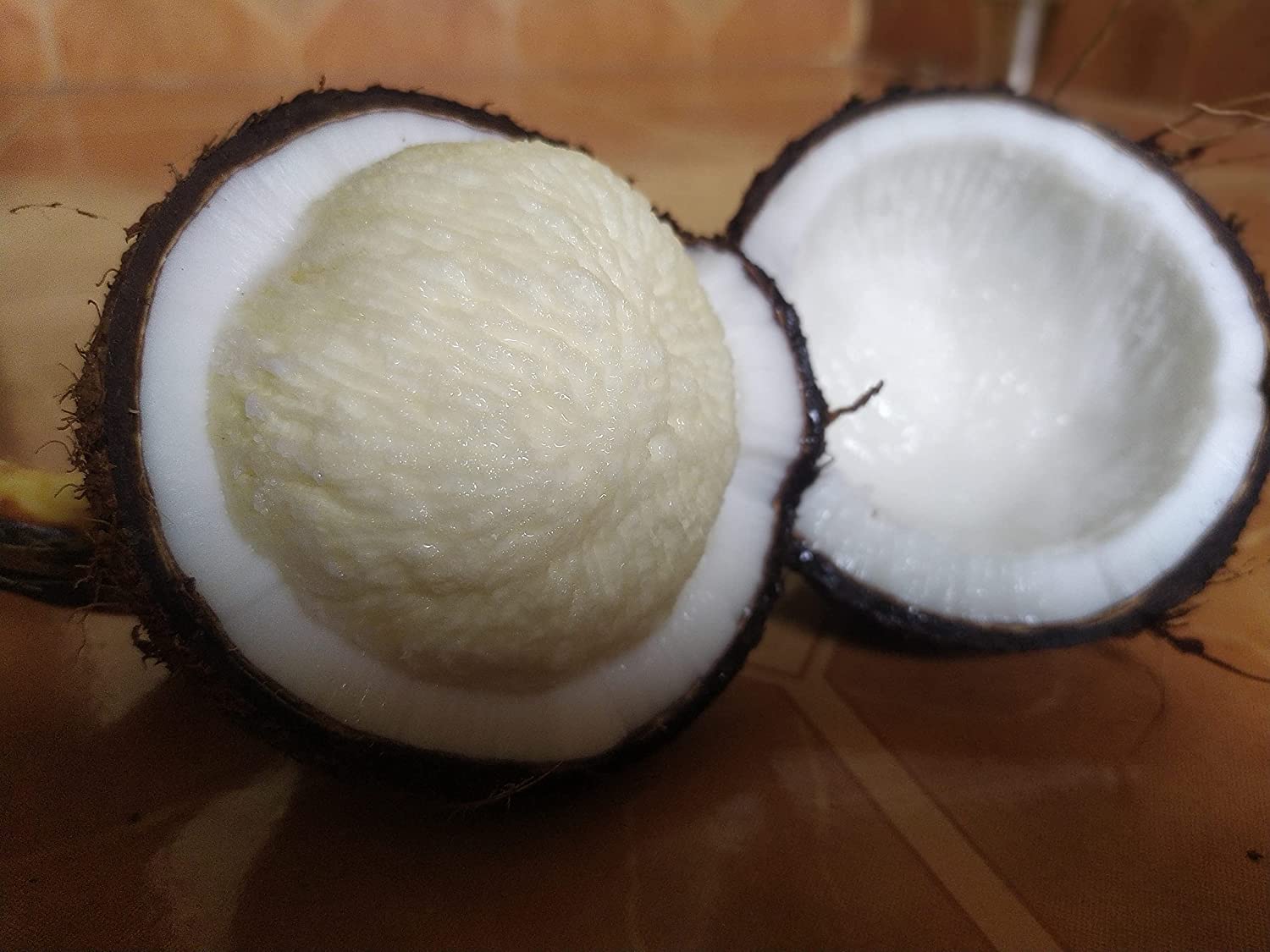
    2. Low Glycemic Index

    One of the most significant advantages of coconut nectar over traditional sweeteners is its low glycemic index (GI). The glycemic index measures how quickly a carbohydrate-containing food raises blood sugar levels after consumption. Refined sugar and high-fructose corn syrup (HFCS) have high glycemic indices, meaning they cause rapid spikes in blood sugar, which can lead to energy crashes and contribute to conditions like insulin resistance, obesity, and type 2 diabetes.

    Coconut flower nectar, on the other hand, has a much lower glycemic index, typically ranging between 35 and 54, depending on the source. This makes coconut nectar a suitable option for people seeking to manage their blood sugar levels or those with concerns about blood sugar regulation. The lower GI of coconut nectar is largely due to its higher content of inulin, a type of prebiotic fiber that slows down the absorption of sugar into the bloodstream.

    3. Prebiotic Fiber (Inulin)

    Coconut nectar contains inulin, a type of soluble fiber that has several health benefits. Inulin is a prebiotic fiber, which means it helps stimulate the growth and activity of beneficial gut bacteria. By promoting a healthy gut microbiome, inulin can improve digestion, boost immunity, and reduce inflammation. Prebiotics like inulin may also help with weight management by enhancing satiety, as they slow down digestion and make you feel full longer.

    Inulin has also been shown to improve blood sugar control, which can be particularly beneficial for individuals with insulin resistance or type 2 diabetes. The presence of inulin in coconut flower nectar may help reduce the glycemic impact of the sweetener and support better long-term metabolic health.

    4. Antioxidants

    Coconut flower nectar contains antioxidants, which help protect the body from oxidative stress and damage caused by free radicals. Free radicals are highly reactive molecules that can damage cells, DNA, and proteins, contributing to aging, chronic diseases, and even cancer. The antioxidants in coconut flower nectar, including polyphenols, help neutralize these free radicals and protect cells from damage.

    While coconut blossom nectar is not as rich in antioxidants as other superfoods like berries or green tea, it still provides a modest source of these protective compounds, which is an added benefit when compared to refined sugar, which has no antioxidant properties.

    5. Lower Fructose Content

    Traditional sweeteners like HFCS and agave syrup are high in fructose, a type of sugar that has been linked to several health issues, including fatty liver disease, obesity, and metabolic syndrome. While coconut flower nectar does contain some fructose, it is present in much lower quantities than in these processed sweeteners. Coconut nectar has a relatively balanced ratio of glucose and fructose, which allows for a steadier release of energy and a lower risk of negative metabolic effects.

    Comparison to Traditional Sweeteners

    coconut blossom nectar,
coconut nectar whole foods, coconut flower nectar, organic coconut palm nectar

    1. Refined Sugar

    Refined sugar, or sucrose, is one of the most commonly used sweeteners worldwide. It is made from either sugar cane or sugar beets and undergoes extensive processing, which strips away any vitamins, minerals, or beneficial compounds. Nutritionally, refined sugar provides only empty calories—pure carbohydrates in the form of glucose and fructose—without any significant vitamins or minerals.

    In contrast, coconut blossom nectar provides a more nutrient-dense option, with its combination of vitamins, minerals, fiber, and antioxidants. Furthermore, due to its lower glycemic index, coconut flower nectar is a better option for those seeking to avoid the rapid blood sugar spikes that come with refined sugar.

    2. High-Fructose Corn Syrup (HFCS)

    HFCS is a highly processed sweetener derived from corn that has a high concentration of fructose. Like refined sugar, HFCS provides little to no nutritional value and has been linked to obesity, insulin resistance, and other metabolic disorders. Its high fructose content can strain the liver, contributing to fatty liver disease and other chronic conditions.

    Coconut nectar, on the other hand, contains significantly less fructose and offers a more balanced sweetness with a lower glycemic impact, making it a more health-conscious alternative to HFCS.

    3. Agave Syrup

    Agave syrup, often marketed as a healthier alternative to sugar, is a highly processed sweetener derived from the agave plant. It contains a high level of fructose, which can negatively impact liver health and contribute to insulin resistance. While agave syrup has a lower glycemic index than refined sugar, its high fructose content poses similar health risks as HFCS.

    Coconut nectar is a more balanced option, with a lower fructose-to-glucose ratio, making it a safer choice for those concerned about the negative effects of excessive fructose consumption.

    Conclusion

    coconut blossom nectar,
coconut nectar whole foods, coconut flower nectar,organic coconut palm nectar

    Coconut nectar is a versatile and nutrient-rich alternative to traditional sweeteners like refined sugar, HFCS, and agave syrup. It offers a wide range of health benefits, including essential vitamins and minerals, a lower glycemic index, prebiotic fiber, and antioxidants. Its lower fructose content and the presence of inulin make it a more metabolically friendly option, especially for individuals with blood sugar concerns or those looking to maintain a healthy weight.

    While coconut nectar is not a “free pass” for overindulgence—it’s still a form of sugar and should be consumed in moderation—it can be a valuable addition to a balanced, health-conscious diet. For those seeking a natural and nutrient-dense sweetener, coconut nectar provides a better alternative to the overly processed sweeteners commonly found in modern diets.

  • How Is Coconut Nectar Made? Here are 6 Careful Steps

    How Is Coconut Nectar Made? Here are 6 Careful Steps

    coconut nectar syrup, glycemic index coconut nectar, how is coconut nectar made, coconut nectar from neera from coconut tree

    How is coconut nectar made? Coconut nectar, a natural sweetener derived from the neera from coconut tree / sap from coconut tree, has gained popularity in recent years as a healthier alternative to refined sugar. This article delves into the fascinating process of how coconut sap is tapped, collected, and transformed into the delectable coconut nectar we enjoy. From the lush coconut groves to the final bottling, each step is crucial in preserving the rich nutrients and unique flavor profile of this natural sweetener.

    Nature’s Sweet Factory : How Is Coconut Nectar Made?

    The story of coconut nectar begins with the coconut palm tree (Cocos nucifera), a versatile plant that has been cultivated for thousands of years across tropical regions. These majestic trees, which can grow up to 30 meters tall, are not just known for their fruit but also for the sweet sap they produce.

    The sap, often referred to as “toddy” in some regions, is the lifeblood of the coconut palm. It contains a wealth of nutrients, including amino acids, minerals, and vitamins. This nutrient-rich liquid is the raw material from which coconut nectar is made.

    The Art of Tapping Coconut Flower Sap

    coconut nectar what is it, raw coconut nectar benefits, coconut sugar farmers, coconut nectar farmers, coconut sugar healthy, how is coconut nectar made, how to produce coconut nectar

    Tapping coconut flower sap is a skilled process that requires precision and care to ensure the health of the tree and the quality of the sap. Here’s how it’s done:

    1. Selecting the Right Tree: Not all coconut palms are suitable for tapping. Skilled tappers choose mature trees, typically between 15 to 40 years old, that are healthy and producing fruit regularly.
    2. Preparing the Inflorescence: The process begins with the coconut’s flower cluster, known as the inflorescence. Before it can bloom, the tappers carefully bind and massage the inflorescence for several days. This encourages sap production and prevents the flowers from developing into coconuts.
    3. Making the Cut: Once the inflorescence is ready, the tapper makes a precise cut at its tip using a sharp, clean knife. This cut allows the sap to flow freely.
    4. Attaching the Collection Container: A clean container, traditionally made of bamboo but now often a plastic or steel container, is securely attached to the cut end of the inflorescence to collect the sap as it flows.

    The Collection Process Of Neera From Coconut Tree

    Collecting neera from coconut tree is a labor-intensive process that requires diligence and regular attention:

    1. Timing is Crucial: Neera from coconut tree collection typically occurs twice a day – once in the morning and once in the evening. This schedule ensures that the sap is collected at its freshest and prevents fermentation.
    2. Quantity of Coconut Flower Sap: A healthy coconut palm can produce about 1-2 liters of sap per day, though this can vary based on factors like tree health, climate, and season.
    3. Continuous Care: The tapper must regularly clean the cut on the inflorescence and adjust the collection container to maintain optimal sap flow. This process continues for several months until the inflorescence stops producing sap.
    4. Immediate Processing: Due to its high sugar content, coconut sap begins to ferment quickly. To prevent this, collectors immediately transfer the sap to processing facilities, often within an hour of collection.

    Processing Neera From Coconut Tree into Nectar

    how is coconut nectar made, how to heat the coconut nectar, coconut nectar for your healthy

    The transformation of raw coconut sap into coconut nectar involves several steps:

    1. Filtration: The collected sap is first filtered to remove any impurities or debris. This ensures a clean, high-quality product.
    2. Heat Treatment: The filtered sap is then gently heated in large, shallow pans. This serves two purposes:
    • It halts the fermentation process, preserving the sap’s natural sweetness.
    • It begins to evaporate the water content, concentrating the sap.
    1. Evaporation: The heating process continues, allowing water to evaporate slowly. This concentrates the sugars and nutrients in the sap, gradually thickening it into a syrup-like consistency.
    2. Monitoring: Throughout the heating process, workers carefully monitor the temperature and consistency of the nectar. The goal is to achieve the right balance of sweetness and thickness without caramelizing the sugars or destroying heat-sensitive nutrients.
    3. Cooling: Once the desired consistency is reached, the nectar is allowed to cool. This step is crucial as it allows the nectar to thicken further and develop its characteristic flavor profile.
    4. Packaging: The cooled nectar is then bottled or packaged in sterile containers, ready for distribution.

    The Unique Properties of Coconut Flower Sap

    homemade caramel sauce using unrefined coconut sugar, coconut nectar syrup, coconut nectar benefits, healthy sugar alternative, coconut nectar what is it, raw coconut nectar benefits, coconut sugar farmers, coconut nectar farmers

    The careful process of tapping, collecting, and processing coconut sap results in a product with several distinctive characteristics:

    • Low Glycemic Index: Coconut nectar has a lower glycemic index compared to regular sugar, making it a popular choice for those monitoring their blood sugar levels.
    • Rich in Nutrients: The gentle processing methods help retain many of the nutrients found in the original sap, including various vitamins, minerals, and amino acids.
    • Unique Flavor Profile: Coconut nectar has a complex, caramel-like flavor that is distinct from both refined sugar and other natural sweeteners.
    • Versatility: Its liquid form makes it easy to use in a variety of culinary applications, from baking to beverage sweetening.

    Sustainability and Economic Impact

    The production of coconut nectar is not just about creating a healthier sweetener; it also has significant environmental and economic implications:

    • Sustainable Production: When done correctly, tapping coconut sap does not harm the tree or prevent it from producing coconuts. This makes it a sustainable practice that can provide long-term income for farmers.
    • Economic Opportunities: The labor-intensive nature of coconut nectar production creates employment opportunities in rural areas where coconut palms are grown.
    • Value-Added Product: Coconut nectar commands a higher price than raw coconuts, allowing farmers to increase their income from existing coconut plantations.

    6 Tricky Steps To Make Coconut Nectar From Neera From Coconut Tree

    The journey from coconut sap to nectar is a testament to the ingenuity of traditional agricultural practices combined with modern processing techniques. This labor-intensive process, requiring skill, patience, and precision at every step, results in a natural sweetener that is not only delicious but also retains much of the nutritional value of the original coconut sap.

    As consumers become more health-conscious and environmentally aware, products like coconut nectar are likely to play an increasingly important role in our diets. Understanding the intricate process behind its production not only deepens our appreciation for this natural sweetener but also highlights the importance of sustainable agricultural practices in our modern world.

  • Unsweetened Desiccated Coconut vs Coconut Flour Which Best?

    Unsweetened Desiccated Coconut vs Coconut Flour Which Best?

    unsweetened desiccated coconut Global Coco Sugar

    Unsweetened Desiccated Coconut For Baking

    Walk down the baking aisle of your grocery store and you’ll likely spot both desiccated coconut and coconut flour. At first glance they may seem quite similar – after all, they both come from coconuts! But there are some key differences between the two that impact how they’re used in cooking and baking.

    Let’s break down what exactly desiccated coconut and coconut flour are, how they differ from each other, when to use each one, and if they can be substituted for one another in recipes.

    What is Unsweetened Desiccated Coconut?

    unsweetened desiccated coconut Global Coco Sugar

    Desiccated coconut, sometimes called unsweetened shredded coconut, is made from the white part of mature coconuts that have been dried and shredded. The drying process removes most of the moisture, resulting in coconut shreds that have a dry, crisp texture.

    Desiccated coconut has a sweet, nutty coconut flavor that can enhance both sweet and savory dishes. It also adds texture – the shreds provide a nice chew in baked goods like cookies, granola and quick breads.

    You’ll find desiccated coconut sold in bags near other baking ingredients and sometimes in the health food section as well. When stored properly in an airtight container in a cool, dry place, it will keep for up to 18 months.

    What is Coconut Flour?

    unsweetened desiccated coconut Global Coco Sugar

    Coconut flour is made from coconut meat that has been dried and ground into a very fine powder. It has a grainy, flour-like texture and works well in place of traditional flours like wheat or all-purpose flour.

    To make coconut flour, the coconut meat is first dried and defatted. Then the dry coconut solids are finely ground. This creates a flour that is high in fiber and low in digestible carbs.

    Coconut flour has a mild coconut flavor that works well in both sweet baked goods and savory dishes. Due to its high fiber content, it’s often used by those following low-carb, ketogenic or paleo diets. It’s usually found in the baking or health food aisle.

    Key Differences Between Desiccated Coconut and Coconut Flour

    unsweetened desiccated coconut Global Coco Sugar

    While both originate from coconuts, there are some important ways that desiccated coconut and coconut flour differ:

    • Texture: Desiccated coconut has a crisp, shredded texture while coconut flour has a very fine, powdery flour texture.
    • Moisture content: Desiccated coconut contains about 3% moisture while coconut flour contains only 2-4% moisture.
    • Fat content: Coconut flour has most of the fat removed during processing, while desiccated coconut contains over 30% fat.
    • Fiber content: Coconut flour is much higher in fiber (over 60% fiber) compared to only about 5% fiber in desiccated coconut.
    • Carb content: Per gram, desiccated coconut contains about 15 times more net carbs than coconut flour.
    • Coconut flavor: Desiccated coconut has a stronger coconut flavor compared to the more mild flavor of coconut flour.
    • Uses: Desiccated coconut is used primarily for texture, topping baked goods, making granola, etc. Coconut flour is used for baking to replace wheat/grain flours.

    Desiccated Coconut Baking Tips

    unsweetened desiccated coconut Global Coco Sugar

    Here are some of the most popular ways to use desiccated coconut baking:

    • Topping baked goods like muffins, scones, cookies or quick breads. The shredded coconut adds both flavor and texture.
    • Mixing into granola or trail mixes to add coconut flavor and nutrients.
    • Adding to curries, stir fries and savory dishes to complement the other flavors.
    • Folding into whipped cream to create an easy coconut whipped cream topping.
    • Adding to smoothies or yogurt along with other mix-ins.
    • Mixing with chocolate, peanut butter, nuts or dried fruit to create homemade coconut clusters.
    • Using as part of the filling in homemade candies or truffles.

    Anywhere you want a touch of coconut flavor and a shredded, chewy texture – desiccated coconut is the choice over coconut flour.

    Coconut Flour Baking Tips

    Coconut flour has some unique properties that make it a good choice for certain recipes:

    • Gluten-free baking – The high fiber and low carb content of coconut flour make it a popular choice for gluten-free baking. It can replace wheat flour in recipes for breads, muffins, cakes, cookies and more.
    • Paleo baking – Coconut flour works well in paleo recipes since it’s grain-free, low carb and high in nutrients.
    • High protein baking – With about 20% protein content per gram, using coconut flour boosts the nutrition in baked goods.
    • Low-carb/keto diets – Coconut flour has just 6 grams net carbs per 1/4 cup serving, making it perfect for low carb diets.
    • Thickening sauces & stews – The absorbent nature of coconut flour helps thicken and add nutrition to sauces and stews.
    • Dairy-free recipes – In dairy-free baking, coconut flour can help replace texture and moisture.

    Coconut flour is best used in recipes specifically developed to use its unique binding and moisture absorbing properties. Replacing wheat flour with coconut flour in any recipe usually doesn’t work.

    Can They Be Substituted for Each Other?

    When it comes to swapping one for the other in recipes, there are a few things to keep in mind:

    • Using coconut flour in place of desiccated coconut almost never works. The moisture absorbing properties of coconut flour result in dry, crumbly textures.
    • Replacing desiccated coconut with coconut flour requires additional wet ingredients and binding agents. Start by substituting 1/4 the amount of coconut flour for desiccated coconut.
    • Coconut flour cannot simply be substituted for wheat flour in recipes. The proportions must be adjusted, usually starting with 1/4 to 1/3 the amount of coconut flour.
    • Desiccated coconut adds moisture to recipes, while coconut flour soaks up moisture. This makes substitution tricky.
    • In some cases, like using coconut flour to coat shrimp or fish before frying, the two can be swapped evenly. But texture and moisture levels will differ.

    The bottom line is that while desiccated coconut and coconut flour both originate from coconuts, their differences mean they cannot be used interchangeably in most recipes. For best results, stick to the specific ingredient the recipe calls for.

    However, in a pinch, subbing a small amount of coconut flour for desiccated coconut can work, though the texture may be a bit dryer. And substituting some desiccated coconut for coconut flour will add moisture to a recipe, though absorptive properties will be reduced. Just be prepared to experiment and adjust recipes as needed.

    When it comes to cooking and baking with coconuts, be sure you know whether a recipe needs the crispiness of desiccated coconut or the absorbent qualities of coconut flour. They each serve different purposes and shine in different dishes!

    #1 Reliable Desiccated Coconut Manufacturers From Indonesia

    global coco sugar, coconut sugar manufacturer from Indonesia, coconut milk manufacturer, desiccated coconut supplier from Indonesia

    Discover the delicious flavor and versatility of desiccated coconut from Coconut Dreams. As a leading desiccated coconut manufacturers from Indonesia, we use only the finest coconuts to produce a top-quality product packed with flavor.

    Our coconut is carefully processed to remove moisture while retaining the signature coconut taste, resulting in a crispy, snowy white coconut perfect for baking, confections, cereals, trail mixes, and more.

    Coconut Dreams desiccated coconut comes in shreds, flakes, or chips to suit your cooking or snacking needs. Our coconuts are never treated with preservatives, sulfites, or other additives – just pure, natural coconut goodness.

    Bring the tropical essence of coconut to your recipes with Coconut Dreams, the name you can trust for premium desiccated coconut.

    Contact us today to learn more about our products and experience the Coconut Dreams difference!

  • Fierce Battle: Coconut Nectar Vs 6 Other Popular Sweeteners

    Fierce Battle: Coconut Nectar Vs 6 Other Popular Sweeteners

    coconut nectar syrup, glycemic index coconut nectar

    With coconut nectar syrup gaining popularity as a liquid sweetener, you may wonder how its nutritional profile compares to common liquid sugar options like honey, maple syrup and agave. Understanding key differences in calories, glycemic index, micronutrients and more allows choosing the healthiest option for your needs.

    We’ll examine coconut nectar side-by-side with various liquid sweeteners across several nutritional factors. Keep reading to learn how coconut nectar measures up.

    Coconut Nectar Syrup Calorie Density Vs Other Sweetener

    person standing on white digital bathroom scale

    When it comes to calories in a serving, here is how these sweeteners stack up:

    • Coconut nectar – 20 calories per teaspoon
    • Honey – 21 calories per teaspoon
    • Maple syrup – 52 calories per tablespoon
    • Agave nectar – 20 calories per teaspoon
    • Brown rice syrup – 25 calories per teaspoon
    • Molasses – 15 calories per teaspoon

    Coconut nectar syrup provides sweetness similar to agave with relatively low calories due to high water content, making it a smart choice for low-calorie diets. Sticky, thick sweeteners like honey and especially maple syrup contain significantly more calories.

    Glycemic Index Of Coconut Nectar Syrup Vs Other Sweetener

    Glycemic Index Classification of Foods Chart

    For those concerned about blood sugar spikes, compare these sweeteners’ glycemic index:

    • Coconut nectar – Glycemic index of 35
    • Honey – Glycemic index of 58
    • Maple syrup – Glycemic index of 54
    • Agave nectar – Glycemic index of 10-19
    • Brown rice syrup – Glycemic index of 98
    • Molasses – Glycemic index of 55

    Coconut nectar has a relatively low glycemic index of 35, resulting in a gradual release of sugars. This makes it suitable for diabetics and low-glycemic diets. Only agave nectar ranks lower.

    Coconut Nectar Benefits And Micronutrient Profile Vs Other Sweeteners

    In terms of beneficial micronutrients provided, the sweeteners stack up as:

    • Coconut nectar – Rich in amino acids, B vitamins, vitamin C, minerals
    • Honey – Contains traces of B vitamins, amino acids, antioxidants
    • Maple syrup – Minimal nutrients beyond manganese and zinc
    • Agave nectar – Negligible micronutrient content
    • Brown rice syrup – No micronutrients to speak of
    • Molasses – Decent source of B vitamins, iron, copper, magnesium

    Coconut nectar contains high amounts of nutrients like amino acids, vitamin C, B vitamins, broad spectrum minerals, and antioxidants. This gives it a great nutritional edge over most other sweeteners, besides molasses.

    Coconut Nectar Ingredients Vs Other Sweetener

    caramel sauce with coconut sugar, coconut sweetener, caramelized coconut sugar, coconut nectar what is it, raw coconut nectar benefits, coconut sugar farmers, coconut nectar farmers

    The carbohydrate composition varies between sweeteners too:

    • Coconut nectar – Primarily sucrose, including inulin fiber
    • Honey – Mainly fructose and glucose
    • Maple syrup – Mostly sucrose
    • Agave nectar – 55-90% fructose
    • Brown rice syrup – Maltose, maltotriose, glucose
    • Molasses – Sucrose, glucose, fructose

    While coconut nectar gets its sweetness from sucrose, it also contains inulin fiber that aids digestion. Agave nectar is very high in fructose while brown rice syrup provides longer-chain carbohydrates.

    Antioxidant Content Comparison

    For those seeking antioxidant benefits, look at each sweetener’s content:

    • Coconut nectar – Rich in antioxidants like vitamin C and polyphenols
    • Honey – Contains some antioxidant flavonoids
    • Maple syrup – Minimal antioxidant activity
    • Agave nectar – No antioxidant benefits
    • Brown rice syrup – No antioxidants present
    • Molasses – High antioxidant capacity

    Coconut nectar contains significant antioxidant power thanks to an array of polyphenols and vitamin C that counter free radicals. Molasses also boasts antioxidants.

    Clearly when all nutritional aspects get considered fully, coconut nectar syrup overshadows rival liquid sweeteners as a wholesome, low glycemic choice brimming with vitamins, minerals and antioxidants.

    Don’t miss trying an alternative natural sweetener, coconut nectar, which has many benefits for the body. Feel free to contact us if you are need to try coconut nectar for your baking purpose, drink ingredients, or even for your business needs. We are very open to collaborate with you. If you need private label of coconut nectar, we can provide it also with lot of various specification and packaging upon your needs. Be one of the lucky few to own one of these quality products

Secret Link