Category: Product Knowledge

  • Why Coconut Nectar Is the Next Big Thing in Natural Sweeteners

    Why Coconut Nectar Is the Next Big Thing in Natural Sweeteners

    As people continue to shift toward healthier, more natural food choices, the demand for alternative sweeteners has exploded. While many are already familiar with coconut sugar, honey, and agave nectar, a new contender is gaining attention in the wellness and culinary world: coconut nectar.

    Extracted from the sap of coconut blossoms, coconut nectar offers a natural, nutrient-rich, and sustainable alternative to traditional sweeteners. With its low glycemic impact, pleasant flavor, and versatility in recipes, coconut nectar is quickly becoming the next big thing in natural sweeteners.

    In this article, we’ll explore what coconut nectar is, its nutritional benefits, how it compares to other sweeteners, and why it deserves a place in your pantry.


    What Is Coconut Nectar?

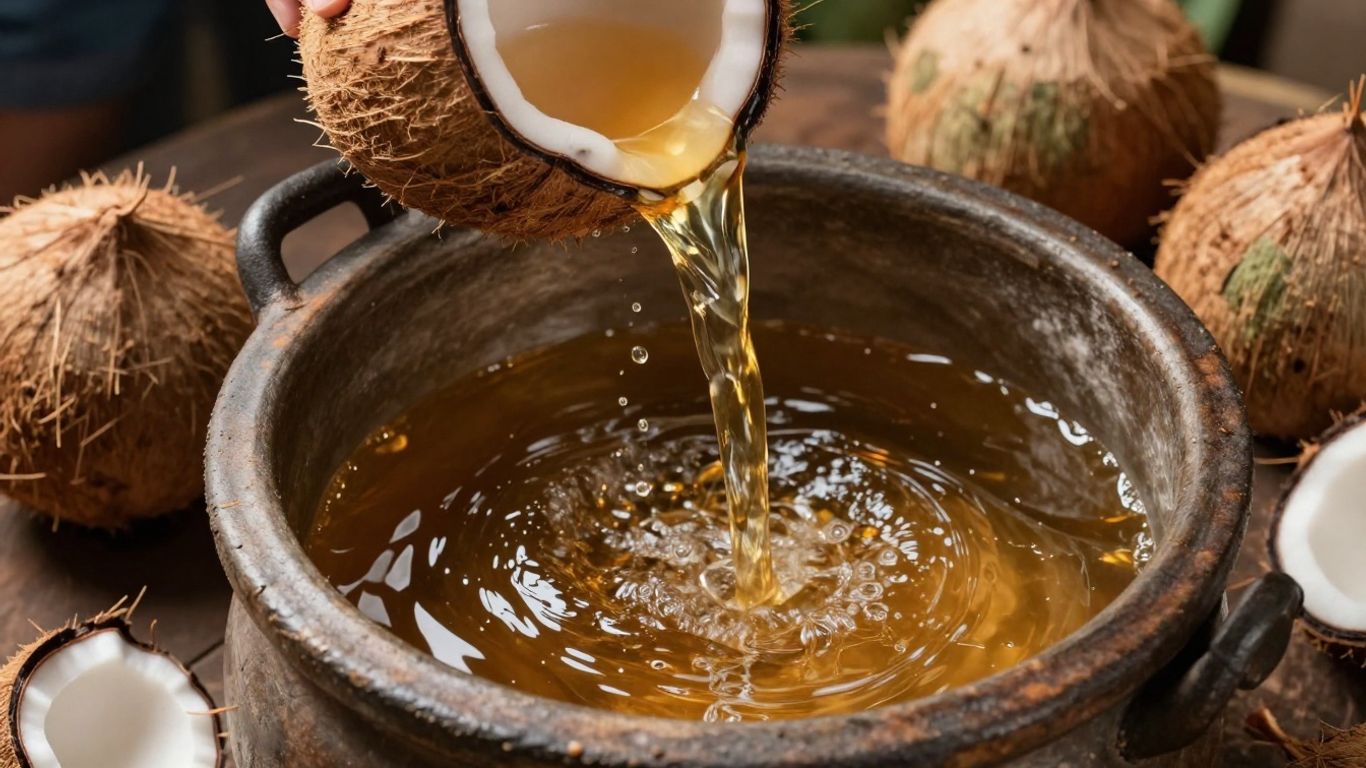
    Coconut nectar is a liquid sweetener made from the sap of coconut flower blossoms. Farmers tap the coconut blossoms and collect the sap, which is then gently heated to evaporate some of the water content—resulting in a thick, amber-colored syrup with a subtle, mildly sweet, caramel-like flavor.

    Unlike refined sugars, which are heavily processed and stripped of nutrients, coconut nectar is minimally processed, retaining many of the natural vitamins, minerals, and enzymes present in the sap.

    It is not the same as coconut water or coconut milk. Coconut nectar comes from the flower, not the fruit, making it a distinct and unique product with a growing reputation in health and culinary circles.


    1. Naturally Low Glycemic Index

    One of the standout benefits of coconut nectar is its low glycemic index (GI), typically around 35. The glycemic index measures how quickly a food raises blood sugar levels. For comparison:

    • White sugar: GI 60–65
    • Honey: GI 55–85
    • Agave: GI 10–20 (but very high in fructose)
    • Coconut nectar: GI ~35

    This makes coconut nectar a better option for those trying to manage:

    • Blood sugar levels
    • Energy crashes
    • Cravings
    • Weight control

    The low GI is largely due to its natural content of inulin, a type of soluble fiber that slows glucose absorption into the bloodstream.


    2. Rich in Nutrients and Amino Acids

    Unlike refined sweeteners, coconut nectar retains trace amounts of over 17 amino acids, along with vitamins B and C, and essential minerals such as:

    • Potassium
    • Magnesium
    • Iron
    • Zinc
    • Calcium

    These nutrients support a range of bodily functions, from energy metabolism and immune support to heart and bone health.

    While you wouldn’t consume large amounts of coconut nectar just for nutrition, the presence of these micronutrients gives it an edge over nutrient-empty sweeteners like corn syrup and refined sugar.


    3. Contains Prebiotic Fiber for Gut Health

    One of the lesser-known benefits of coconut nectar is its content of inulin, a type of prebiotic fiber. Prebiotics act as food for probiotics—the good bacteria that live in your gut.

    Including coconut nectar in your diet in moderation may help:

    • Support digestion
    • Improve nutrient absorption
    • Strengthen immune function

    As gut health continues to gain attention in the wellness community, sweeteners that offer digestive support are becoming increasingly attractive.


    4. Environmentally Friendly and Sustainable

    Coconut nectar is one of the most sustainable sweeteners available. Coconut trees:

    • Require less water than sugarcane or corn
    • Produce sap continuously for over 20 years
    • Yield multiple products (nectar, sugar, oil, water)

    Tapping the sap from coconut blossoms does not harm the tree, and because coconut palms grow in diverse ecosystems, they support biodiversity and soil health.

    Consumers who care about the planet are turning to coconut nectar as a sweetener that aligns with eco-friendly values.


    5. Suitable for a Wide Range of Diets

    Coconut nectar is naturally:

    • Vegan
    • Gluten-free
    • Dairy-free
    • Non-GMO
    • Paleo-friendly

    It’s also free from artificial additives, preservatives, and chemicals, making it ideal for clean eating and whole-food-based diets.

    Whether you’re following a specific meal plan or simply looking for better ingredients, coconut nectar fits easily into most dietary lifestyles.


    6. Versatile in Cooking and Baking

    Coconut nectar has a smooth, mild, and slightly tangy flavor, similar to light molasses or maple syrup. It adds a pleasant depth to recipes without overpowering them, and it works in both sweet and savory dishes.

    Ways to Use Coconut Nectar:

    • Drizzle over pancakes, oatmeal, or yogurt
    • Stir into tea or coffee
    • Use in smoothies or protein shakes
    • Bake into cookies, cakes, and granola bars
    • Add to marinades, salad dressings, and glazes
    • Sweeten dairy-free ice cream or sauces

    Baking Tip:

    You can substitute coconut nectar 1:1 for honey or agave in most recipes. In baking, you may need to slightly reduce other liquid ingredients to maintain proper consistency.


    7. Better Tolerated Than Some Other Sweeteners

    Many natural sweeteners—like stevia and monk fruit—can have a noticeable aftertaste or may cause digestive issues in some people. Coconut nectar has a more neutral flavor and is less likely to trigger bloating or discomfort when used in moderation.

    Its mild taste and gentle effect on digestion make it a preferred choice for sensitive individuals, including children and those with food intolerances.


    8. Clean Label and Minimal Processing

    As consumers become more label-conscious, clean ingredients with simple, recognizable names are taking over the market. Coconut nectar is usually listed as:

    “Organic Coconut Blossom Nectar”

    That’s it—no added sugars, no coloring, no syrups. This transparency appeals to shoppers who want to avoid the hidden sugars and chemicals often found in processed foods.


    9. Growing Popularity Among Food Brands

    Many health-conscious brands are beginning to use coconut nectar as a natural sweetener in packaged goods, including:

    • Protein bars
    • Non-dairy yogurts
    • Vegan baked goods
    • Condiments
    • Energy drinks

    This growing presence in commercial products is helping boost coconut nectar’s visibility and affordability, making it more accessible to everyday consumers.


    10. A Sweet Future Ahead

    With the combination of health benefits, environmental sustainability, culinary versatility, and growing market demand, coconut nectar is well on its way to becoming a mainstream natural sweetener.

    As consumers continue to question what’s in their food and how it affects both their bodies and the planet, coconut nectar’s appeal will likely continue to rise.


    Conclusion: A Smart and Sweet Upgrade

    Coconut nectar is more than just a trendy sweetener—it’s a nutrient-rich, low-GI, eco-friendly syrup that brings value to your plate without compromising health or flavor. Whether you’re baking, blending, or drizzling, coconut nectar provides a wholesome alternative to traditional sugar and artificial syrups.

    If you’re looking to make smarter, cleaner choices in the kitchen, coconut nectar is a delicious and forward-thinking option worth exploring.

  • Coconut Flakes: From Breakfast to Dessert, A Perfect Ingredient

    Coconut Flakes: From Breakfast to Dessert, A Perfect Ingredient

    Coconut flakes—those light, crisp shreds of dried coconut meat—have become a favorite in kitchens around the world. Versatile, nutritious, and delicious, they offer a tropical flair to meals and snacks while delivering a satisfying crunch and natural sweetness. Whether you’re whipping up a smoothie bowl, baking cookies, or crafting no-bake treats, coconut flakes are the perfect ingredient to elevate your dishes from ordinary to memorable.

    In this article, we’ll explore what makes coconut flakes so special, their health benefits, and how you can incorporate them seamlessly into meals ranging from breakfast to dessert. Plus, we’ll provide inspiration for recipes and creative uses that the whole family will love.


    What Are Coconut Flakes?

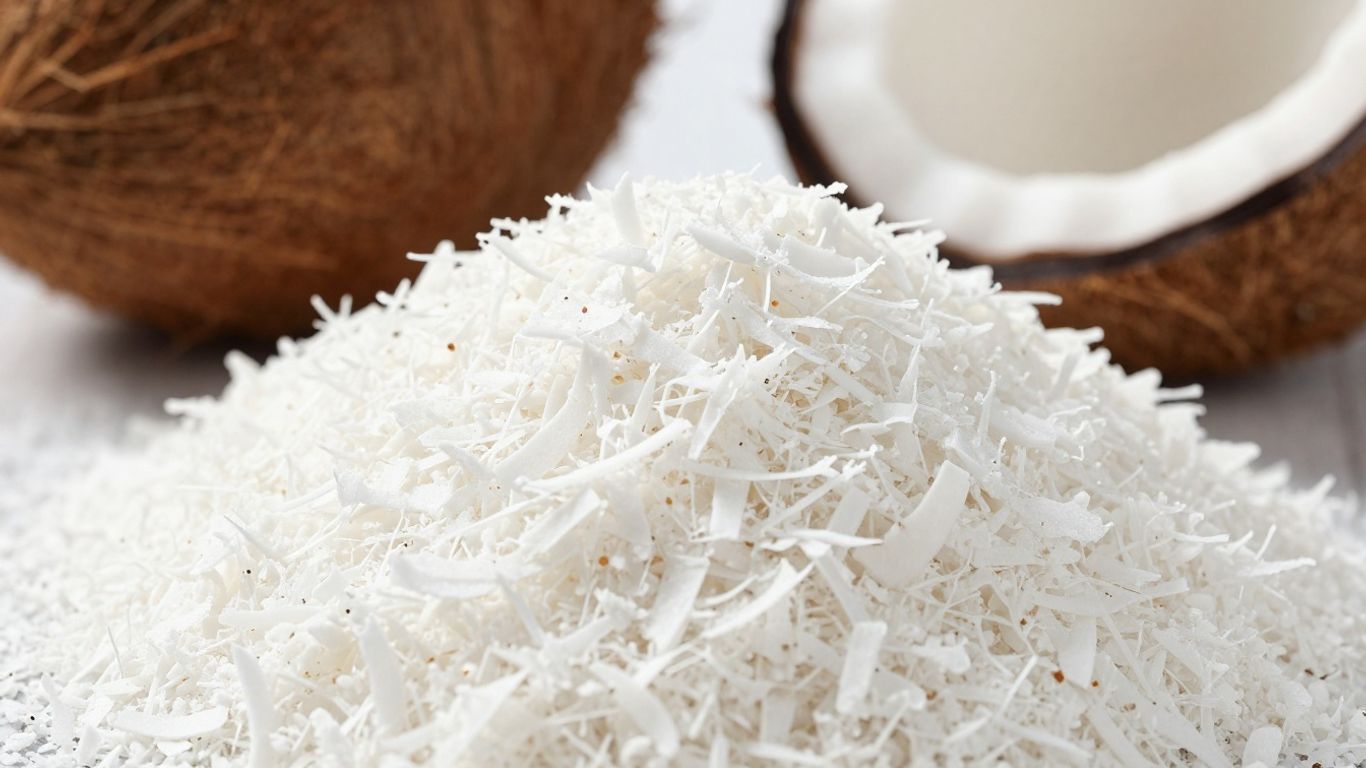
    Coconut flakes are made by shaving or grating the white meat of mature coconuts and then drying it to reduce moisture. This process preserves the coconut’s flavor and texture while making it shelf-stable and easy to use. Coconut flakes can be:

    • Unsweetened or sweetened
    • Raw or toasted
    • Thick-cut or thin-shaved

    They differ from desiccated coconut, which is more finely shredded and has a drier, powdery texture. Flakes, by contrast, are larger, more textured, and often used for garnishing or adding crunch.


    Nutritional Benefits of Coconut Flakes

    Coconut flakes are not only tasty but also provide a host of nutritional advantages:

    1. Healthy Fats

    Coconut flakes are high in medium-chain triglycerides (MCTs)—a type of fat that is easily digested and converted into energy. MCTs, particularly lauric acid, have antimicrobial and metabolic benefits.

    2. Fiber-Rich

    One serving of coconut flakes contains a generous dose of dietary fiber, which supports digestion, promotes fullness, and helps regulate blood sugar levels.

    3. Naturally Gluten-Free

    For those with celiac disease or gluten intolerance, coconut flakes are a safe, grain-free way to add texture and nutrition to meals.

    4. Minerals

    Coconut flakes also supply iron, manganese, selenium, and copper, all of which contribute to immune health, bone strength, and metabolic function.


    From Breakfast to Dessert: Delicious Ways to Use Coconut Flakes

    Let’s dive into how coconut flakes can be used creatively across meals.


    1. Breakfast Bliss with Coconut Flakes

    a. Smoothie Bowls

    Sprinkle coconut flakes on smoothie bowls for crunch and flavor. They pair well with tropical fruits like mango, pineapple, and banana.

    Try this combo: Mango smoothie + chia seeds + granola + toasted coconut flakes

    b. Overnight Oats

    Add a tablespoon of coconut flakes to your overnight oats for a rich, nutty texture. Combine with almond milk, chia seeds, and a touch of maple syrup.

    c. Granola Mix

    Coconut flakes add a sweet, chewy contrast in homemade granola. Toast them with rolled oats, honey, and your favorite nuts.

    d. Pancake or Waffle Topping

    Coconut flakes elevate weekend pancakes or waffles. Use them as a topping with sliced banana, berries, and a drizzle of coconut cream or syrup.


    2. Midday Snacks and Light Bites

    a. Coconut Energy Balls

    Mix dates, oats, coconut flakes, and nut butter for a healthy, no-bake snack. Roll in extra flakes for a snowball look.

    b. Yogurt Parfaits

    Layer Greek yogurt with berries, coconut flakes, and granola for a protein-rich, satisfying snack or light lunch.

    c. Trail Mix

    Toss coconut flakes with dried fruit, seeds, and dark chocolate chips for a sweet-and-savory mix ideal for on-the-go energy.


    3. Savory Meals with a Coconut Twist

    Coconut flakes aren’t limited to sweet dishes—they shine in savory recipes too.

    a. Coconut-Crusted Chicken or Tofu

    Use coconut flakes as part of a crunchy coating for baked or air-fried chicken tenders or tofu. Combine with panko breadcrumbs, spices, and a pinch of salt.

    b. Thai-Style Coconut Rice

    Add coconut flakes to jasmine rice cooked in coconut milk. Finish with lime zest and chopped herbs for a tropical side dish.

    c. Salad Topping

    Toasted coconut flakes can replace croutons for a gluten-free, crisp element on green salads or grain bowls.


    4. Delectable Desserts with Coconut Flakes

    a. Macaroons

    Classic coconut macaroons are chewy, sweet, and satisfying. Combine coconut flakes with egg whites and sweetener, then bake until golden.

    b. Coconut Chocolate Bark

    Melt dark chocolate, spread it on parchment, and top with coconut flakes, nuts, and sea salt. Chill, break into pieces, and enjoy.

    c. Fruit Crumbles and Pies

    Mix coconut flakes into crumble toppings for pies, crisps, and cobblers. It adds a tropical twist and a satisfying texture.

    d. Coconut Cream Pie Topping

    Top coconut or banana cream pies with toasted coconut flakes for an elegant and flavorful finish.

    e. Ice Cream and Sorbet Garnish

    Elevate a scoop of vanilla ice cream or mango sorbet with a sprinkle of toasted coconut flakes.


    How to Toast Coconut Flakes

    Toasting enhances the nutty flavor of coconut flakes and adds a golden crunch.

    Stovetop method:

    1. Place flakes in a dry skillet over medium heat.
    2. Stir frequently for 3–5 minutes until golden brown.
    3. Remove from heat immediately to prevent burning.

    Oven method:

    1. Spread flakes on a baking sheet.
    2. Bake at 325°F (165°C) for 5–10 minutes, stirring once.
    3. Watch closely—they toast quickly!

    Storage and Tips

    • Store in an airtight container in a cool, dry place or in the refrigerator for longer shelf life.
    • Use unsweetened coconut flakes for savory dishes or to limit added sugar.
    • Rehydrate with warm water or coconut milk if a softer texture is needed for baking or blending.

    Creative Ideas for Kids and Families

    Getting children to eat healthy snacks can be tricky, but coconut flakes offer a fun way to get them involved in the kitchen.

    • DIY snack bars – Let kids choose their mix-ins (chocolate chips, raisins, coconut).
    • Tropical trail mix bags – A great lunchbox filler.
    • Coconut snowballs – Blend oats, dates, and coconut; roll into balls and coat with flakes.

    Sustainability Note

    Coconut is generally considered a sustainable crop, as coconut trees require fewer pesticides and are long-living. When purchasing coconut flakes, look for organic and fair-trade options to support ethical practices and environmental responsibility.


    Conclusion

    Coconut flakes are a pantry powerhouse, offering nutrition, texture, and versatility all in one. From energizing breakfasts to delightful desserts, they transform simple meals into flavorful experiences. Whether toasted for crunch, blended into snacks, or used as a garnish, coconut flakes prove that a small ingredient can make a big difference.

    So the next time you’re meal planning or searching for a snack that’s both wholesome and delicious, reach for coconut flakes—you might just find they become a staple in your kitchen from morning to night.

  • How Coconut Nectar Is Made: From Tree to Table

    How Coconut Nectar Is Made: From Tree to Table

    Coconut nectar has quickly gained popularity as a natural, low-glycemic sweetener that aligns with today’s growing demand for healthy, minimally processed food. Its rich flavor and nutritional benefits make it a favorite among health-conscious consumers and gourmet chefs alike. But how exactly is this golden syrup produced? The journey from tree to table is a meticulous and sustainable process rooted in traditional methods and mindful farming.

    This article explores how coconut nectar is made—from tapping the coconut flower to the final bottling process—highlighting its nutritional value, sustainability, and the people behind its production.


    What Is Coconut Nectar?

    Coconut nectar is a natural sweetener derived from the sap of the flowering stalk of the coconut palm (Cocos nucifera). Unlike coconut milk or coconut oil, which come from the fruit or flesh of the coconut, nectar is collected from the tree’s blossoms. It has a mild, caramel-like taste and is often used as an alternative to honey, agave syrup, or refined sugar.

    Coconut nectar is minimally processed and retains many of the nutrients found in the sap. It is low on the glycemic index (GI of around 35), making it a preferred sweetener for people looking to manage blood sugar levels.


    Step 1: Selecting the Right Coconut Trees

    The process begins with the selection of mature and healthy coconut palms, typically aged between 5 to 10 years. These trees are specifically cultivated for sap collection, not for nut production. One palm tree can produce sap continuously for up to 20 years if well cared for.

    Farmers choose trees with strong trunks and robust flower stalks. In sustainable farming systems, trees are spaced adequately to prevent over-extraction and allow for long-term productivity.


    Step 2: Tapping the Blossom

    The key to coconut nectar production lies in tapping the unopened flower bud of the coconut palm, known as the inflorescence. The process involves:

    1. Cleaning the stalk to ensure hygiene.
    2. Slicing the tip of the flower bud to initiate sap flow.
    3. Gently pounding or massaging the stalk over several days to stimulate consistent sap production.
    4. Attaching a container—usually a bamboo or stainless-steel vessel—to collect the dripping sap.

    This sap, known locally as “toddy,” is sweet, watery, and slightly cloudy. A single tree can yield about 1 to 2 liters of sap per day, depending on environmental conditions and tree health.


    Step 3: Daily Harvesting

    The sap must be harvested twice a day—usually in the early morning and late afternoon. This is done to prevent fermentation and maintain quality. Once collected, the sap is immediately filtered to remove any impurities such as insects or plant debris.

    The fresh sap has a short shelf life and will begin fermenting within hours at room temperature. That’s why prompt processing is essential to preserve the sap’s sweet, floral taste.


    Step 4: Heating and Reduction

    To transform the liquid sap into thick coconut nectar, it undergoes a gentle evaporation process:

    1. The sap is transferred into large, open stainless-steel vats or clay pots.
    2. It is simmered at low temperatures (around 60–70°C or 140–158°F) to prevent the destruction of nutrients.
    3. As water evaporates, the sap slowly thickens into a syrup.
    4. The mixture is continuously stirred to ensure even reduction and to prevent burning.

    This process can take several hours depending on the quantity and desired consistency. The final product has a rich amber color and a viscosity similar to maple syrup.

    Importantly, no additives, preservatives, or bleaching agents are used. The process is entirely natural and relies on traditional methods passed down through generations.


    Step 5: Cooling and Bottling

    Once the desired thickness is achieved, the nectar is allowed to cool naturally. It is then filtered again and poured into sterilized bottles or containers. To preserve its flavor and shelf life, bottling is done under hygienic, temperature-controlled conditions.

    Depending on the brand or producer, the nectar may be bottled in glass jars or BPA-free plastic containers, labeled, and stored in a cool, dark place until shipment.


    Nutritional Benefits of Coconut Nectar

    Coconut nectar is more than just a sweetener; it’s also a source of essential nutrients. Though not a significant source of calories or vitamins in a typical diet, it offers:

    • Low Glycemic Index (GI): Helps manage blood sugar and energy levels.
    • Amino Acids: Contains up to 17 amino acids, including glutamine and arginine.
    • Vitamins and Minerals: Small amounts of Vitamin C, potassium, magnesium, zinc, and iron.
    • Prebiotic Fiber: Contains inulin, which promotes digestive health by supporting gut flora.

    Because it’s minimally processed, coconut nectar retains more of these nutrients compared to highly refined sugars.


    Sustainability and Environmental Impact

    Tree-Friendly Harvesting

    One of the most environmentally sustainable aspects of coconut nectar production is that it does not harm the tree. In contrast to crops that require replanting after each harvest, coconut palms continue producing sap year after year. This reduces deforestation and soil erosion.

    Low Input Agriculture

    Coconut palms are hardy and require little to no chemical fertilizers or pesticides. In many parts of Southeast Asia, coconut nectar is produced using organic farming techniques, which protect both the environment and consumer health.

    Empowering Communities

    Coconut nectar production provides a stable income for smallholder farmers in tropical countries like the Philippines, Indonesia, Sri Lanka, and India. Many producers operate as part of farmer cooperatives, ensuring fair wages and community reinvestment.

    Brands that adhere to Fair Trade or organic certifications often support education, healthcare, and environmental conservation in the regions where their nectar is sourced.


    From Farm to Pantry: Ethical Consumption

    Consumers are increasingly seeking products that align with their values. When buying coconut nectar, it’s worth checking for:

    • Certified Organic or Fair Trade labels
    • Country of origin
    • Transparent sourcing practices

    Choosing ethically made coconut nectar not only supports sustainable agriculture but also ensures a high-quality product free from synthetic additives.


    Uses of Coconut Nectar

    Coconut nectar is a versatile sweetener. It can be used in:

    • Coffee or tea as a natural sweetener
    • Baking (cakes, muffins, energy bars)
    • Salad dressings and marinades
    • Smoothies and health drinks
    • Pancakes, waffles, and oatmeal toppings

    Its subtle caramel flavor complements both sweet and savory dishes.


    Conclusion

    The production of coconut nectar is a beautiful blend of tradition, sustainability, and craftsmanship. From the gentle tapping of coconut blossoms to the careful reduction of sap into syrup, each step reflects a deep respect for nature and the people involved.

    As awareness grows around healthier, eco-friendly food choices, coconut nectar stands out not only for its nutritional value but also for the story it tells—one rooted in harmony with the earth and support for local communities. Next time you drizzle coconut nectar onto your morning oats or blend it into a smoothie, remember the journey it took from tree to table.

  • Coconut Nectar vs. Honey: Which Is Healthier?

    Coconut Nectar vs. Honey: Which Is Healthier?

    When it comes to sweeteners, there has been a shift toward natural alternatives in recent years. Coconut nectar and honey are two such options that have gained popularity due to their perceived health benefits and natural origins. But when it comes to choosing one over the other, which is actually healthier? Should you switch from honey to coconut nectar, or is honey still the better choice?

    In this article, we will compare coconut nectar and honey, examining their nutritional profiles, health benefits, and how they affect the body, especially when it comes to blood sugar, antioxidants, and overall wellness.


    What Is Coconut Nectar?

    Coconut nectar is a natural sweetener derived from the sap of the flower buds of the coconut tree (Cocos nucifera). The sap is collected and then heated to evaporate the water content, leaving behind a syrup-like substance that has a rich, sweet flavor. It’s sometimes marketed as coconut syrup or coconut sap nectar.

    Coconut nectar is often hailed as a healthier alternative to refined sugar, largely because it contains trace amounts of vitamins, minerals, and prebiotic fiber. One of its most notable components is inulin, a type of soluble fiber that can support gut health and potentially lower blood sugar spikes.


    What Is Honey?

    Honey is a natural sweetener produced by bees from the nectar of flowers. Bees collect nectar, which is then transformed into honey by enzymes that break down sugars. Honey has been used for thousands of years not only as a sweetener but also for its medicinal properties. It contains a variety of antioxidants, vitamins, minerals, and antibacterial properties.

    There are different types of honey, with raw honey being the least processed and the most beneficial in terms of retaining its nutrients. Honey’s sweetness comes from a mix of fructose and glucose, with minor contributions from maltose and sucrose.


    Nutritional Breakdown: Coconut Nectar vs. Honey

    Let’s compare the basic nutritional content of both coconut nectar and honey to get a better idea of what you’re consuming.

    Coconut Nectar (per 1 tablespoon / 21g)

    • Calories: 45
    • Carbohydrates: 12g
    • Sugars: 12g
    • Fiber: 1g
    • Protein: 0g
    • Fat: 0g
    • Glycemic Index (GI): ~35
    • Vitamins & Minerals: Small amounts of iron, zinc, calcium, and potassium

    Honey (per 1 tablespoon / 21g)

    • Calories: 64
    • Carbohydrates: 17g
    • Sugars: 17g
    • Fiber: 0g
    • Protein: 0g
    • Fat: 0g
    • Glycemic Index (GI): ~58
    • Vitamins & Minerals: Small amounts of vitamin C, calcium, iron, magnesium, and antioxidants

    1. Glycemic Index: Coconut Nectar Wins on Blood Sugar

    The glycemic index (GI) measures how quickly a food raises blood sugar levels. Foods with a high GI (above 70) cause rapid spikes in blood sugar, while those with a low GI (55 or less) cause a slower, steadier rise.

    • Coconut nectar has a low GI of 35, which means it has a minimal impact on blood sugar levels. This is largely due to the inulin content, which slows glucose absorption in the body.
    • Honey, on the other hand, has a moderate GI of 58, meaning it can cause a quicker rise in blood sugar compared to coconut nectar. Though it’s not as high as refined sugar (which has a GI above 60), honey is still a significant contributor to blood sugar spikes, especially if consumed in large amounts.

    For people managing diabetes or those who want to keep their blood sugar levels stable, coconut nectar may be the better choice because of its lower glycemic impact.


    2. Nutrients and Antioxidants: Honey Takes the Lead

    While both coconut nectar and honey contain small amounts of vitamins and minerals, honey stands out in terms of its antioxidant content.

    • Honey is packed with natural antioxidants, including flavonoids and phenolic acids. These compounds are known for their anti-inflammatory, immune-boosting, and heart-healthy properties. Raw honey, in particular, has higher levels of antioxidants compared to processed honey, which may lose some nutrients during processing.
    • Coconut nectar, while containing some minerals such as iron, zinc, and potassium, does not have the same level of antioxidant compounds found in honey. The presence of inulin may offer some gut health benefits, but it lacks the wide array of polyphenols and antioxidants that honey provides.

    For those looking for antioxidant support to fight oxidative stress and inflammation, honey is the better option.


    3. Prebiotic Fiber: Coconut Nectar for Gut Health

    One of the standout features of coconut nectar is its inulin content. Inulin is a prebiotic fiber that serves as food for beneficial gut bacteria, promoting gut health and improving digestion.

    In addition, inulin may have a lower glycemic impact than other sugars, which is why coconut nectar is often marketed as a more digestive-friendly sweetener.

    While honey has some antibacterial properties, it does not contain significant amounts of fiber like coconut nectar. Inulin in coconut nectar can help improve the health of your microbiome by encouraging the growth of good bacteria and improving gut flora diversity.

    For people seeking a gut-friendly sweetener, coconut nectar is the winner.


    4. Calorie Content: Coconut Nectar vs. Honey

    In terms of calories, coconut nectar is the better option for anyone watching their calorie intake:

    • Coconut nectar contains around 45 calories per tablespoon, which is lower than honey.
    • Honey, with 64 calories per tablespoon, is more calorie-dense, which can add up if you’re using it in large amounts.

    If you’re trying to manage your weight or reduce your daily caloric intake, coconut nectar provides a slightly better option.


    Which One Is Better for You?

    The decision between coconut nectar and honey largely depends on your health goals and individual needs.

    Choose Coconut Nectar If You:

    • Are managing diabetes or need to control blood sugar levels.
    • Want a sweetener with prebiotic fiber to support gut health.
    • Are looking for a lower-calorie option.

    Choose Honey If You:

    • Want a sweetener with higher antioxidant levels and potential immune-boosting properties.
    • Need a natural, unprocessed sweetener for a variety of culinary uses.
    • Seek an all-natural product with a long history of medicinal benefits, such as its antibacterial and wound-healing properties.

    Conclusion: Coconut Nectar vs. Honey—Which Is Healthier?

    Both coconut nectar and honey have unique benefits, and both can be part of a healthy diet when consumed in moderation. However, if your priority is managing blood sugar or improving digestive health, coconut nectar may be the healthier option for you. Its low glycemic index and inulin content make it a better choice for those trying to stabilize blood sugar and support gut health.

    On the other hand, if you are seeking antioxidants and immune-boosting benefits, honey, especially raw honey, is the superior choice. Honey’s diverse array of beneficial compounds can make it a great addition to your diet if you’re looking for antioxidant support and a sweetener with a wider range of medicinal properties.

    Ultimately, the best choice depends on your individual health goals, preferences, and how you plan to use these sweeteners. Both are healthier alternatives to refined sugars, but they should be used mindfully to maximize their benefits.

  • How Coconut Milk Is Made: Traditional and Modern Methods

    How Coconut Milk Is Made: Traditional and Modern Methods

    Coconut milk is a creamy, white liquid extracted from the grated pulp of mature coconuts. Used widely in Southeast Asian, Caribbean, African, and South Indian cuisines, it adds a rich, aromatic flavor to dishes ranging from curries to desserts. Beyond its culinary appeal, coconut milk is also valued in vegan diets as a dairy substitute and used in cosmetics for its moisturizing properties.

    The process of making coconut milk has evolved significantly over time. While traditional methods emphasize simplicity and manual labor, modern production involves industrial processes for efficiency and consistency. This article explores how coconut milk is made—comparing traditional techniques with contemporary methods—and examines how each impacts quality, nutrition, and taste.


    Understanding Coconut Milk

    Before diving into the production process, it’s important to clarify what coconut milk is—not to be confused with coconut water or coconut cream.

    • Coconut water is the clear liquid found inside a young, green coconut.
    • Coconut milk is made by grating the meat of a mature coconut and mixing it with water, then straining the mixture to obtain a thick, opaque liquid.
    • Coconut cream is a thicker version of coconut milk with higher fat content, often rising to the top when coconut milk settles.

    Coconut milk contains approximately 17–24% fat, primarily in the form of medium-chain triglycerides (MCTs), which are easier to digest and may offer metabolic benefits.


    Traditional Method of Making Coconut Milk

    1. Selection of Mature Coconuts

    Traditional coconut milk is made using mature brown coconuts, as they contain a higher oil content and firmer meat than young coconuts. Farmers or household cooks select coconuts that are fully ripe and free from mold or cracks.

    2. Husking and Shelling

    The first step involves removing the thick outer husk, either with a machete or by using a pointed metal tool embedded in the ground. Once husked, the hard brown shell is cracked open using a hammer or blunt instrument, revealing the white coconut meat.

    3. Grating the Coconut Meat

    The inner meat is then manually grated using a traditional tool called a kudkuran in the Philippines or a similar scraper with sharp edges. This results in fine coconut shavings, ready for milk extraction.

    4. Mixing with Warm Water

    The grated coconut is placed into a bowl and mixed with warm (not boiling) water to help loosen the fat content and enhance extraction. The usual ratio is about 1:1 or 1:1.5 of coconut to water.

    5. Manual Extraction

    The mixture is then kneaded and squeezed by hand or wrapped in cheesecloth and pressed to extract the milk. This first extraction is known as “first press” or thick coconut milk, which is richer and creamier.

    After the first press, the grated coconut can be mixed with more water and squeezed again to produce thin coconut milk, suitable for soups or less-rich dishes.

    6. Filtration

    The coconut milk is filtered through a fine mesh or muslin cloth to remove any solid residues, resulting in a smooth liquid ready for cooking or consumption.

    Pros of Traditional Method:

    • Rich, natural flavor
    • No preservatives or additives
    • Culturally significant and sustainable on a small scale

    Cons:

    • Labor-intensive
    • Short shelf life
    • Inconsistent quality

    Modern Methods of Coconut Milk Production

    As global demand for coconut milk has increased, commercial producers have adopted industrial methods to streamline production while ensuring safety and consistency.

    1. Mechanical Deshelling and Paring

    In modern facilities, coconuts are deshelled using mechanical tools, followed by a paring process to remove the brown skin from the white kernel. This yields cleaner and brighter coconut meat.

    2. Washing and Sanitizing

    The pared coconut meat is thoroughly washed and sanitized to ensure it is free from contaminants and pathogens. This is a critical step in ensuring food safety in mass production.

    3. Mechanical Grating and Pressing

    Instead of manual grating, the meat is fed into high-speed mechanical graters. The grated coconut is then passed through hydraulic or screw-type extractors to separate the milk from the fiber.

    Industrial extractors can apply significant pressure, yielding higher amounts of coconut milk more efficiently than manual methods. Often, two or more pressings are done to obtain thick and thin milk separately.

    4. Homogenization

    To prevent the fat in coconut milk from separating during storage, the extracted liquid undergoes homogenization—a process that breaks down fat globules and distributes them evenly. This results in a stable, uniform product.

    5. Pasteurization or UHT Treatment

    To extend shelf life, coconut milk is heat-treated:

    • Pasteurization involves heating to about 72–85°C to kill bacteria while preserving taste.
    • Ultra-High Temperature (UHT) processing heats the milk to around 135–150°C for a few seconds, allowing for packaging in aseptic cartons with shelf lives of up to 12 months.

    6. Packaging

    After processing, the coconut milk is packaged into cans, cartons, or aseptic pouches under sterile conditions. Preservatives, stabilizers, or emulsifiers may be added to improve shelf stability and texture.

    7. Powdered Coconut Milk

    Some facilities also produce powdered coconut milk by spray-drying the liquid form. This is popular for its convenience and longer shelf life.

    Pros of Modern Method:

    • Consistent quality and safety
    • Longer shelf life
    • Scalable for mass markets

    Cons:

    • May contain additives or preservatives
    • Slightly altered flavor and texture
    • Higher environmental impact from processing and packaging

    Comparing Traditional and Modern Methods

    FeatureTraditionalModern
    FlavorRich, naturalNeutral or slightly processed
    Shelf Life1–2 daysUp to 12 months (UHT)
    LaborManual, intensiveAutomated
    AdditivesNoneOften present
    ScaleSmall-scaleIndustrial-scale
    CostLow (if local)Higher due to processing

    Nutritional and Culinary Considerations

    While both traditional and modern coconut milk provide similar basic nutrients—healthy fats, small amounts of protein, and vitamins—the fresh traditional version often retains more antioxidants and enzymes. However, for commercial and culinary use, modern coconut milk offers convenience and longer usability.

    In cooking, thick coconut milk is often used for stews, curries, and desserts, while thin coconut milk is suitable for soups and lighter sauces. Modern canned coconut milk often separates into cream and liquid, which can be recombined by shaking or stirring.


    Conclusion

    Coconut milk production has come a long way from simple, traditional methods to advanced industrial processes. Each approach has its own merits. Traditional methods honor cultural practices, deliver unparalleled flavor, and are ideal for home use. On the other hand, modern techniques meet the global demand with consistent quality and extended shelf life.

    As consumers become more aware of their food sources, there is a growing interest in sustainable and minimally processed coconut milk. Whether prepared by hand in tropical kitchens or manufactured in state-of-the-art facilities, coconut milk remains a beloved ingredient cherished for its richness, versatility, and cultural importance.

  • Natural Coconut Sugar vs. White Sugar: A Healthier Alternative?

    Natural Coconut Sugar vs. White Sugar: A Healthier Alternative?

    In today’s health-conscious world, many people are reevaluating the ingredients they consume daily—especially sugar. White sugar, also known as table sugar or refined sugar, has long been a staple in households around the globe. However, its link to a range of health issues, including obesity, diabetes, and heart disease, has prompted a search for more natural and nutritious alternatives.

    One such substitute gaining popularity is natural coconut sugar, a sweetener derived from the sap of coconut palm trees. Marketed as a more wholesome and eco-friendly option, coconut sugar is often touted as a better choice than white sugar. But is it really healthier? And should you consider making the switch?

    This article explores the differences between coconut sugar and white sugar, examining their nutrition, health effects, environmental impact, and culinary uses to help you decide which is the better choice for you.


    What Is Natural Coconut Sugar?

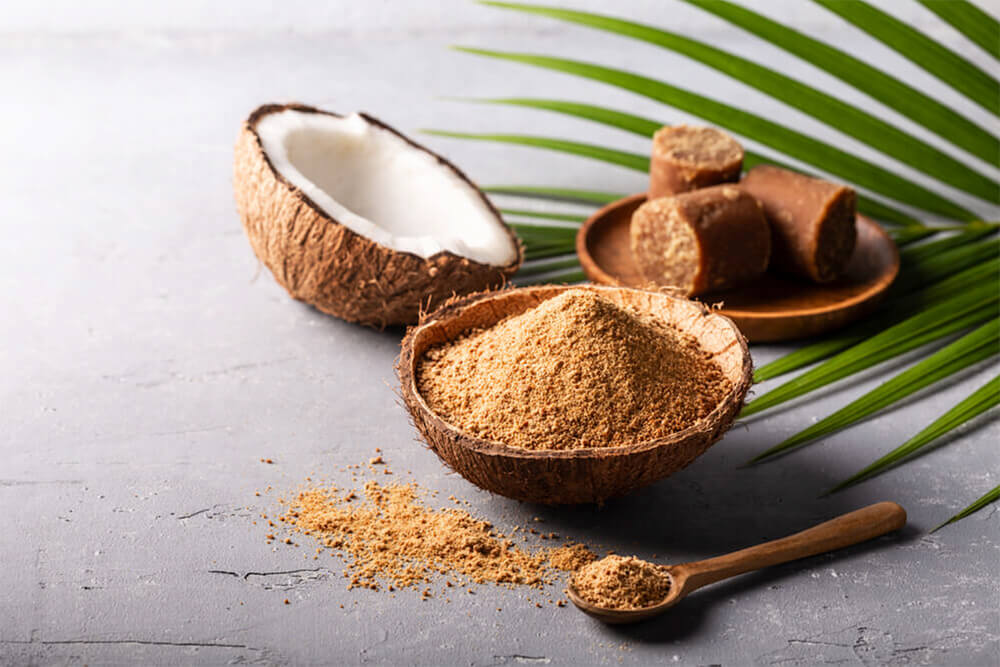
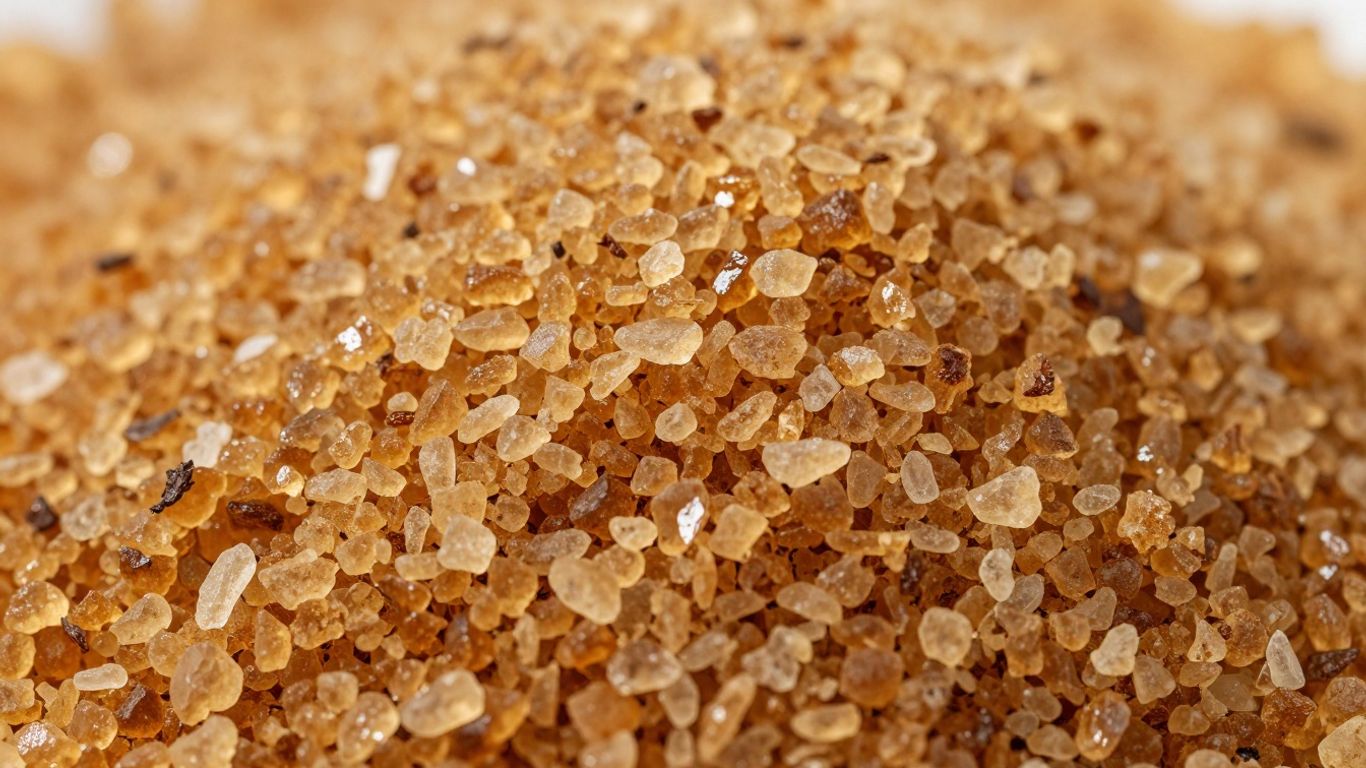
    Coconut sugar is made from the sap of the flower buds of the coconut palm tree. The sap is collected, heated, and dehydrated into granules or crystals. It’s also sometimes referred to as “coconut palm sugar” but should not be confused with palm sugar made from other palm species.

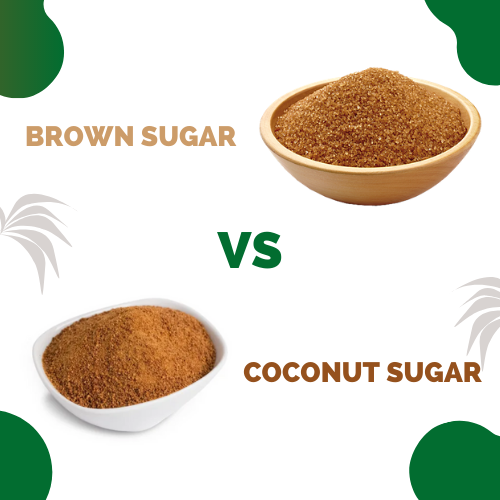
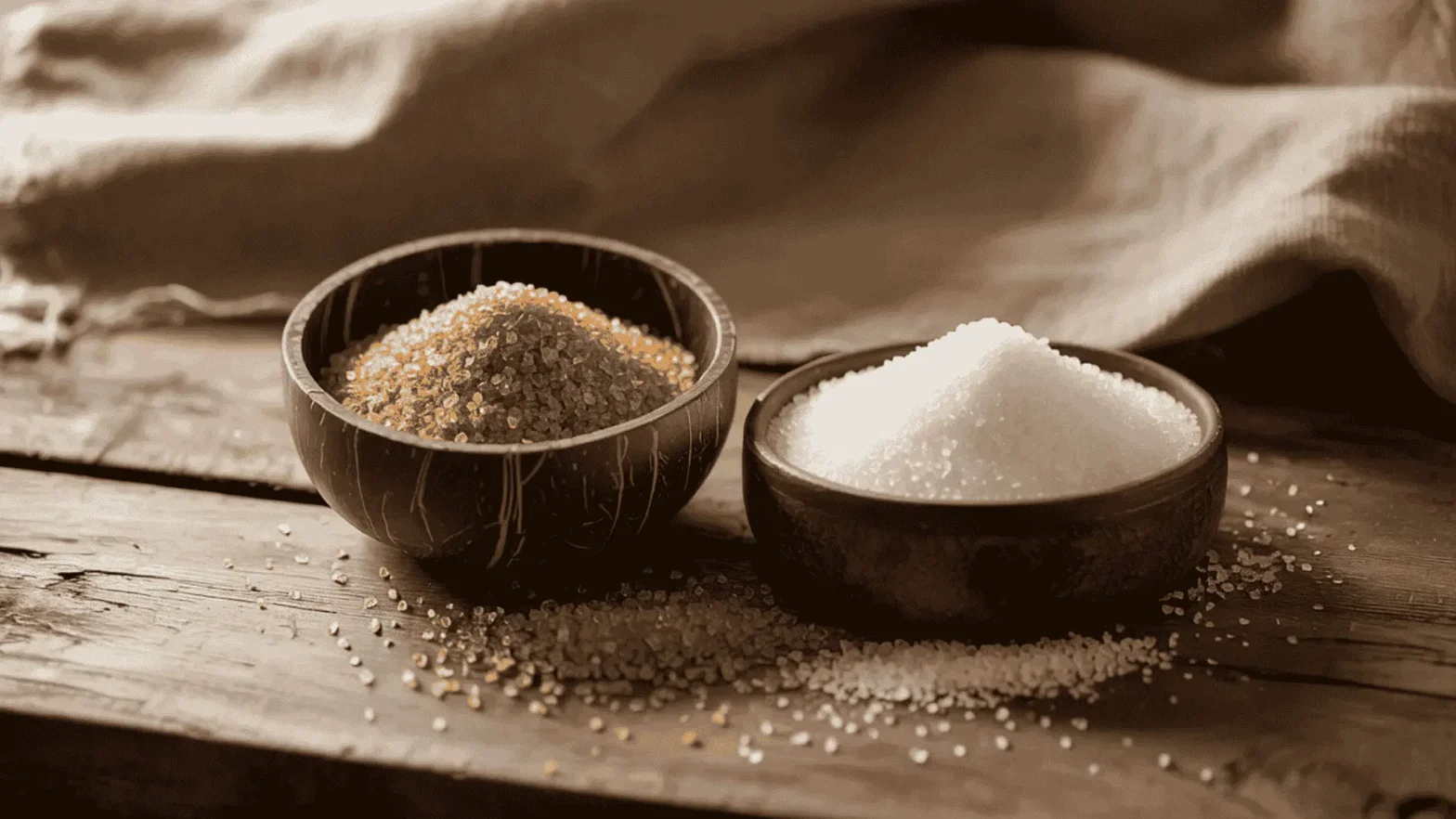
    Coconut sugar has a brownish color, a slightly caramel-like flavor, and a coarser texture than white sugar. Because it undergoes minimal processing and no bleaching or chemical refining, many consider it a more natural sweetener.


    What Is White Sugar?

    White sugar is typically extracted from sugarcane or sugar beets. It goes through an extensive refining process that includes:

    • Crushing and juicing the plant material
    • Boiling and crystallizing the juice
    • Filtering and bleaching to remove molasses and color
    • Centrifuging to create the fine, white crystals found in most homes

    This highly processed product consists of almost 100% sucrose, offering no vitamins, minerals, or other nutrients—just pure sweetness.


    Nutritional Comparison: Coconut Sugar vs. White Sugar

    When comparing the two, it’s important to remember that both are still forms of sugar. However, there are subtle differences in nutritional content.

    NutrientCoconut Sugar (per 100g)White Sugar (per 100g)
    Calories~375~387
    Carbohydrates92g100g
    Sugars75g–80g100g
    Fiber~2g0g
    Potassium~1,000mg2mg
    Iron~2mg0.1mg
    Magnesium~30mg1mg
    Inulin (a fiber)PresentAbsent

    Key Nutritional Differences:

    • Coconut sugar retains trace amounts of nutrients, including iron, zinc, calcium, potassium, and antioxidants.
    • It contains inulin, a prebiotic fiber that may help slow glucose absorption, potentially lowering the glycemic impact.
    • White sugar is essentially empty calories, offering no nutritional value beyond energy.

    Still, these nutrients in coconut sugar exist in small amounts. You’d have to consume large (and unhealthy) quantities to make a significant nutritional impact.


    Glycemic Index: A Closer Look

    One of the main health claims about coconut sugar is its lower glycemic index (GI). The GI measures how quickly a food raises blood sugar levels.

    • Coconut sugar GI: ~35–54 (depending on the source and purity)
    • White sugar GI: ~65

    Foods with a lower GI cause slower, steadier rises in blood sugar and insulin levels. This can be beneficial for people with diabetes, insulin resistance, or those trying to avoid sugar crashes.

    However, despite a slightly lower GI, coconut sugar still raises blood sugar and should be used in moderation.


    Health Effects and Considerations

    Let’s break down how each sugar affects the body:

    White Sugar:

    • Can contribute to weight gain and increased belly fat
    • Linked to insulin resistance and type 2 diabetes
    • Promotes inflammation, which may worsen chronic diseases
    • May increase triglycerides and risk of heart disease
    • Offers no nutrients or health benefits

    Coconut Sugar:

    • Contains small amounts of vitamins and minerals
    • May cause a slightly lower blood sugar spike
    • Offers a small amount of fiber (inulin) for gut health
    • Still high in calories and fructose, which can contribute to metabolic issues when overconsumed

    In essence, coconut sugar is less refined and slightly more nutritious than white sugar, but it’s not a “healthy food” in large quantities. It’s best thought of as a “less bad” sugar, not a superfood.


    Environmental and Sustainability Factors

    Another point in favor of coconut sugar is its lower environmental impact.

    • Coconut palms produce more sugar per acre than sugar cane.
    • They require less water and fewer resources to grow.
    • They also produce coconuts, meaning they’re multi-use trees that support eco-friendly agriculture.

    Conversely, sugarcane cultivation can be environmentally damaging due to:

    • High water consumption
    • Deforestation and habitat destruction
    • Pesticide and fertilizer pollution

    So from a sustainability standpoint, coconut sugar wins.


    Culinary Uses and Taste Differences

    Coconut sugar can replace white sugar 1:1 in most recipes, but there are some differences to consider:

    Flavor:

    • Coconut sugar has a rich, caramel or toffee-like flavor
    • White sugar has a neutral sweetness

    Texture:

    • Coconut sugar is coarser and may not dissolve as easily
    • White sugar offers a finer texture ideal for some baking applications

    Best Uses for Coconut Sugar:

    • Baked goods like cookies, muffins, and cakes
    • Granola or energy bars
    • Coffee, tea, or smoothies
    • Sauces and marinades

    Just note that its color and flavor may alter the final appearance and taste of certain dishes.


    The Verdict: Is Coconut Sugar a Healthier Alternative?

    Coconut sugar is slightly healthier than white sugar due to:

    • Lower glycemic index
    • Presence of trace nutrients and fiber
    • Minimal processing
    • Better sustainability

    However, it is still sugar, and consuming it in large amounts can contribute to the same health issues as white sugar. If you’re trying to reduce sugar intake altogether, the best approach is to limit all forms of added sugar—including “natural” ones.


    Healthier Sugar Alternatives to Consider

    If you’re exploring natural sweeteners, here are a few more options:

    • Stevia: Zero-calorie plant-based sweetener
    • Monk fruit: Natural, calorie-free, and very sweet
    • Raw honey: Contains antioxidants and antimicrobial properties
    • Maple syrup: Rich in minerals and antioxidants, but still sugar-heavy
    • Date sugar or syrup: Made from whole dried dates; fiber-rich

    Each has its pros and cons, but moderation is key.


    Final Thoughts

    Coconut sugar is a less refined, more nutritious, and more sustainable alternative to white sugar, making it a good option for those seeking a natural sweetener. That said, it should not be mistaken for a health food. Like any sugar, it’s best used sparingly and as part of a balanced diet.

    If you’re trying to improve your overall health, focus on reducing all forms of added sugars, increasing whole foods, and making mindful choices about what you eat. Swapping white sugar for coconut sugar can be a small but meaningful step in the right direction.

  • What Is Natural Coconut Sugar? Everything You Need to Know

    What Is Natural Coconut Sugar? Everything You Need to Know

    In recent years, natural sweeteners have surged in popularity as health-conscious consumers look for alternatives to refined white sugar. Among these options, natural coconut sugar stands out for its appealing taste, minimal processing, and potential nutritional benefits. But what exactly is coconut sugar? How is it made, and is it really healthier than regular sugar? This article dives deep into everything you need to know about natural coconut sugar—its origins, uses, nutritional profile, health implications, and more.


    What Is Natural Coconut Sugar?

    Coconut sugar, also known as coconut palm sugar, is a natural sweetener derived from the sap of the flower buds of the coconut palm tree (Cocos nucifera). It is not made from the coconut fruit or coconut meat, but rather from the tree’s nutrient-rich sap. Once collected, the sap is gently heated until the water evaporates, resulting in a granulated brown sugar that closely resembles raw cane sugar in texture and color.

    Coconut sugar is considered a minimally processed sweetener because it retains many of the minerals and phytonutrients found in the original sap. It is often labeled as “natural” because it undergoes little to no chemical refining, unlike white sugar.


    How Is Coconut Sugar Made?

    The production of coconut sugar is both traditional and sustainable. Here’s a step-by-step breakdown of how it’s made:

    1. Tapping the Sap: Farmers climb coconut palm trees and cut into the flower buds to release the sap.
    2. Collecting the Sap: The sap drips into containers over several hours.
    3. Heating the Sap: The fresh sap is then heated over a low flame to evaporate the water content.
    4. Crystallization: As the sap thickens, it begins to form sugar crystals.
    5. Drying and Packaging: The crystals are cooled, dried, and packaged for sale.

    This method has been used for centuries in Southeast Asia, where coconut palms grow abundantly and coconut sugar is a staple sweetener in traditional cooking.


    Nutritional Profile of Coconut Sugar

    Coconut sugar is often promoted as a more nutritious alternative to white sugar. While it’s still a form of sugar and should be consumed in moderation, it contains small amounts of beneficial nutrients:

    NutrientCoconut Sugar (per 100g)
    Calories~375 kcal
    Carbohydrates~92g
    Sugars~75g
    Iron~2.2mg
    Zinc~1.0mg
    Potassium~1030mg
    Magnesium~29mg

    These nutrients are retained because coconut sugar is not stripped of its natural components during processing. It also contains inulin, a type of dietary fiber that acts as a prebiotic and may support digestive health.

    Note: Although it has trace minerals, the quantities are small. You would need to consume a large amount of coconut sugar to meet your daily mineral needs—which is not advisable.


    Glycemic Index: Is It Better Than Regular Sugar?

    One of the key health claims surrounding coconut sugar is its lower glycemic index (GI). The glycemic index measures how quickly a food raises blood sugar levels. Coconut sugar has a reported GI of around 35–54, whereas white sugar scores about 60–65.

    This lower GI is mainly attributed to the inulin content, which slows glucose absorption. However, experts caution that the difference is not dramatic, and the overall sugar content is still high. For individuals with diabetes or insulin resistance, coconut sugar should still be consumed sparingly.


    Taste and Culinary Uses

    Coconut sugar has a rich, caramel-like flavor that many describe as similar to brown sugar or maple syrup. It has a subtle complexity that enhances both sweet and savory dishes.

    Common Culinary Uses:

    • Baking cookies, cakes, and muffins
    • Sweetening coffee and tea
    • Sprinkling over oatmeal or cereal
    • Adding depth to sauces, marinades, and curries

    Coconut sugar is highly versatile and can be used as a 1:1 substitute for white or brown sugar in most recipes, though it may slightly darken the color and change the flavor profile of lighter dishes.


    Is Coconut Sugar Healthier Than Regular Sugar?

    While coconut sugar does offer certain advantages over refined sugar—such as retaining minerals and having a lower GI—it is still sugar. It contains the same number of calories and carbohydrates and can contribute to blood sugar spikes if overconsumed.

    Potential Health Benefits:

    • Lower glycemic index may result in fewer blood sugar spikes.
    • More nutrients than refined sugar (though not enough to rely on for nutrition).
    • Natural origin with minimal processing and no chemical bleaching.

    Potential Drawbacks:

    • Still high in calories and fructose—about 70–80% of its sugar content is sucrose.
    • Can be expensive, often costing 2–3 times more than white sugar.
    • Not suitable for high-fructose sensitivity or strict sugar-free diets.

    Conclusion: Coconut sugar is marginally healthier than white sugar, but it’s not a superfood. It should be seen as a less refined alternative, not a health food.


    Environmental and Ethical Considerations

    Coconut sugar has gained popularity among environmentally-conscious consumers due to its sustainable farming methods. Coconut palms require relatively little water and produce sap for 20 years or more without being cut down.

    Additionally, the cultivation of coconut sugar:

    • Supports small-scale farmers in Southeast Asia.
    • Promotes biodiversity, as coconut palms are often grown in diverse ecosystems.
    • Helps prevent soil erosion and preserves local agriculture.

    When buying coconut sugar, look for organic and fair-trade certifications to ensure ethical sourcing and farming practices.


    How to Choose and Store Coconut Sugar

    Buying Tips:

    • Choose 100% pure coconut sugar with no added sweeteners or preservatives.
    • Look for brands that are certified organic and non-GMO.
    • Check for fair-trade labels to support ethical labor practices.

    Storage Tips:

    • Store in an airtight container in a cool, dry place.
    • Keep away from moisture to prevent clumping.
    • It can last up to 2 years if stored properly.

    Conclusion

    Natural coconut sugar is a flavorful and less processed alternative to refined sugar. While it does offer small amounts of nutrients and has a lower glycemic index, it remains a sugar and should be consumed in moderation. Its sustainability, mild caramel flavor, and minimal processing make it a popular choice for health-conscious cooks and bakers.

    Whether you’re looking to reduce your intake of refined sugar or experiment with new natural sweeteners, coconut sugar is a worthwhile addition to your pantry. Just remember: “natural” doesn’t mean unlimited. Balance and moderation are key to reaping any potential benefits without compromising your overall health.


  • Coconut Flakes: The Ultimate Snack for Energy and Nutrition

    Coconut Flakes: The Ultimate Snack for Energy and Nutrition

    In the ever-expanding world of healthy snacks, one tropical ingredient continues to rise above the rest for its unique flavor, versatility, and nutritional punch: coconut flakes. These crisp, naturally sweet shavings of dried coconut meat are more than just a topping for smoothie bowls—they’re a nutrient-rich, energy-boosting snack that fits seamlessly into a healthy lifestyle.

    Whether you’re an athlete looking for natural fuel, a busy professional in need of a mid-afternoon pick-me-up, or simply someone who loves tasty whole foods, coconut flakes deserve a starring role in your pantry.

    In this article, we’ll explore the nutritional benefits of coconut flakes, how they’re made, their role in energy and wellness, creative ways to enjoy them, and what to look for when choosing the best quality.


    What Are Coconut Flakes?

    Coconut flakes are thin, wide shavings of dried coconut meat, typically made from mature coconuts. Unlike shredded coconut, which is often finely grated and used in baking, flakes are larger and chewier, making them ideal as a snack on their own or a garnish for a variety of dishes.

    They come in different forms:

    • Raw (unsweetened, untoasted) – the most natural form
    • Toasted – lightly roasted for added crunch and flavor
    • Sweetened – coated with sugar or syrup (less healthy)
    • Flavored – spiced with cinnamon, cocoa, or vanilla

    For maximum nutritional benefit, look for unsweetened, organic coconut flakes with minimal processing.


    How Coconut Flakes Are Made

    The process of making coconut flakes is simple and natural:

    1. Harvesting: Mature coconuts are harvested when the flesh inside is thick and firm.
    2. Cracking and Paring: The outer husk and hard shell are removed. The brown skin (testa) may also be pared off.
    3. Shaving: The white flesh is shaved or sliced into wide flakes.
    4. Drying: The flakes are dehydrated using hot air or sun drying to reduce moisture and extend shelf life.

    Some versions are lightly toasted after drying for added flavor and crunch.


    Nutritional Powerhouse: What’s Inside?

    Coconut flakes are rich in healthy fats, particularly medium-chain triglycerides (MCTs), which are easily absorbed and used by the body for quick energy. Here’s what makes them an ideal snack:

    Per 28g (1 oz) serving of unsweetened coconut flakes:

    • Calories: ~185
    • Fat: 18 g (primarily saturated fat from MCTs)
    • Carbohydrates: 6–7 g
    • Fiber: 4–5 g
    • Protein: 2–3 g
    • Sugar: ~1 g (natural)

    Key nutrients:

    • Manganese – supports bone health and metabolism
    • Copper – essential for energy production
    • Iron – aids in oxygen transport
    • Selenium – antioxidant properties
    • Zinc & Potassium – vital for immune and muscle function

    The Energy Boosting Benefits of Coconut Flakes

    1. Fast, Clean Fuel

    Thanks to their MCT content, coconut flakes offer quick-burning energy without spiking blood sugar. MCTs are metabolized rapidly by the liver and used immediately for fuel, making coconut a great pre- or post-workout snack.

    2. Satiety and Blood Sugar Control

    The combination of healthy fats and fiber makes coconut flakes a snack that satisfies. You feel fuller for longer, with less likelihood of reaching for sugary, processed snacks.

    3. Supports Brain Function

    MCTs are also being studied for their potential benefits to brain health, particularly in providing alternative fuel for people with cognitive challenges or memory decline.

    4. Sustained Energy for Active Lifestyles

    Whether you’re hiking, traveling, or just powering through a long day, coconut flakes are a portable, mess-free, and energizing snack.


    Coconut Flakes vs. Other Snack Options

    SnackCaloriesFiberSugarFat (good)Shelf-Stable
    Coconut Flakes~1855g1g18gYes
    Granola Bar~2002g10–12g5–8gYes
    Trail Mix (with fruit)~2203g12g10gYes
    Banana~1053g14g0gNo

    Compared to traditional snacks, coconut flakes have less sugar, more healthy fats, and more satiating fiber, without any artificial additives.


    Creative Ways to Enjoy Coconut Flakes

    1. Straight from the Bag

    Perfectly crunchy and subtly sweet, unsweetened coconut flakes are a satisfying snack on their own.

    2. Toasted for Extra Flavor

    Toss raw flakes into a dry skillet for 2–3 minutes until golden. The nutty aroma intensifies, adding complexity to any dish.

    3. Toppings Galore

    Sprinkle on:

    • Smoothie bowls
    • Yogurt
    • Oatmeal
    • Salads
    • Roasted veggies (like carrots or sweet potatoes)

    4. In Homemade Trail Mix

    Mix with nuts, seeds, and a few dried fruits for a custom trail mix that’s rich in healthy fats and low in sugar.

    5. In Savory Dishes

    Try coconut flakes in:

    • Thai-inspired curries
    • Grain bowls with turmeric and roasted veggies
    • Coconut rice dishes

    6. Baking & Energy Bites

    Add to:

    • Muffins
    • Granola bars
    • Homemade protein bites with dates and nuts

    7. Dessert Garnishes

    Top puddings, chocolate bark, or fruit crisps with toasted flakes for a tropical crunch.


    Choosing the Best Coconut Flakes

    Not all coconut flakes are created equal. Here’s what to look for:

    • Organic: Avoid pesticide residues.
    • Unsweetened: Many commercial products contain added sugars.
    • No preservatives: Look for single-ingredient lists (e.g., “organic coconut”).
    • Minimal processing: Raw or gently dried coconut retains more nutrients.
    • Ethically sourced: Fair trade and sustainable farming support both people and planet.

    Avoid flakes that list ingredients like sulfur dioxide (a preservative) or refined sugar if you’re seeking the healthiest version.


    Shelf Life and Storage

    Coconut flakes are naturally shelf-stable when stored properly:

    • Keep in a cool, dry place away from sunlight.
    • Store in an airtight container once opened.
    • For long-term storage, refrigerate or freeze to preserve freshness.

    Properly stored flakes can last 6–12 months.


    Coconut Flakes and Dietary Lifestyles

    Coconut flakes are:

    • Keto-friendly
    • Paleo-approved
    • Vegan and vegetarian
    • Gluten-free
    • Dairy-free

    This makes them a versatile addition to nearly any eating style.


    Final Thoughts

    Coconut flakes offer the perfect balance between flavor, nutrition, and convenience. With their high MCT content, dietary fiber, and naturally sweet taste, they’re a satisfying snack that fuels your body and supports your wellness goals. Whether eaten straight from the bag, added to meals, or turned into creative snacks, coconut flakes are truly the ultimate snack for energy and nutrition.

    So next time you’re reaching for a snack, skip the sugary bar or greasy chips—grab a handful of coconut flakes instead and power your day, the tropical way.


  • Desiccated Coconut Facts – Interesting Trivia About Coconut, Processing Methods, Regions, etc.

    Coconuts are among the most versatile fruits in the tropical world, with uses spanning from cooking and cosmetics to construction and fuel. Among the many products derived from coconuts, desiccated coconut holds a special place in global cuisines. It’s that finely grated, dried form of coconut meat you find in cakes, curries, granola, and snack bars. But behind this common pantry item lies a fascinating world of botany, culture, industry, and science.

    In this article, we’ll explore intriguing facts about desiccated coconut, including its processing techniques, regional production, culinary uses, and more.


    1. What Is Desiccated Coconut?

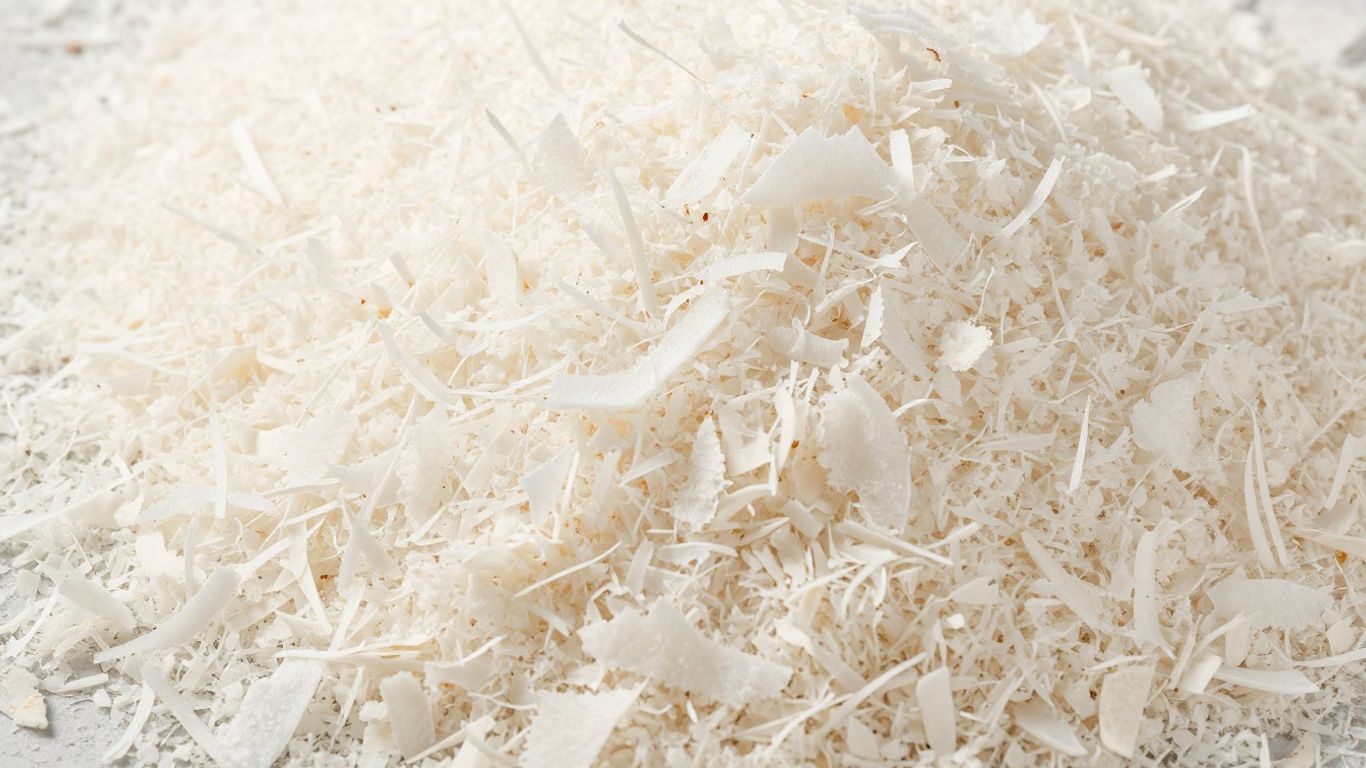
    Desiccated coconut is made by shredding or grating the white inner flesh (kernel) of mature coconuts and then drying it to a moisture content of less than 3%. This results in a product that is dry, shelf-stable, and rich in coconut flavor.

    Depending on the fineness of the grind, desiccated coconut may be labeled as:

    • Fine
    • Medium
    • Coarse

    Unlike coconut flour or coconut milk, desiccated coconut retains much of the original fat and flavor of the fresh coconut.


    2. The Origin of the Coconut

    Coconuts (Cocos nucifera) are believed to have originated in Southeast Asia and the islands of the Pacific. Archaeological and botanical evidence shows coconuts have been cultivated and traded for over 3,000 years. However, because coconuts float and are salt-tolerant, they have naturally spread across tropical coastlines worldwide.

    Interesting fact: The word “coconut” comes from the Portuguese and Spanish word coco, meaning “head” or “skull,” referring to the three holes on the coconut shell that resemble a face.


    3. Processing Desiccated Coconut

    Creating desiccated coconut involves several key steps:

    a. Selection and Dehusking

    Mature coconuts—about 11–13 months old—are harvested. At this stage, the kernel is firm and full of oil. The outer husk is removed to expose the hard shell.

    b. Cracking and Paring

    The shell is cracked open, and the white kernel is extracted. The brown skin (testa) is then removed in a process called paring to ensure the final product is white.

    c. Washing and Blanching

    The kernel is washed and blanched in hot water to kill microbes and reduce enzymatic activity.

    d. Shredding

    The clean coconut meat is grated into desired sizes—fine, medium, or coarse.

    e. Drying

    The shredded coconut is dried in hot air dryers (either continuous band dryers or batch tray dryers) at around 60–80°C until moisture drops below 3%.

    f. Sieving and Packing

    The dried coconut is sieved to ensure uniform size and then packed in moisture-proof containers to maintain freshness.


    4. Global Production Regions

    Desiccated coconut is primarily produced in tropical countries, where coconut palms grow in abundance. The top producers include:

    • Philippines – The world’s leading exporter of desiccated coconut.
    • Indonesia – Second only to the Philippines, Indonesia has vast coconut plantations.
    • Sri Lanka – Known for high-quality, organic coconut products.
    • India – Especially the southern states like Kerala, Tamil Nadu, and Karnataka.
    • Vietnam, Thailand, and Papua New Guinea – Also emerging players in the market.
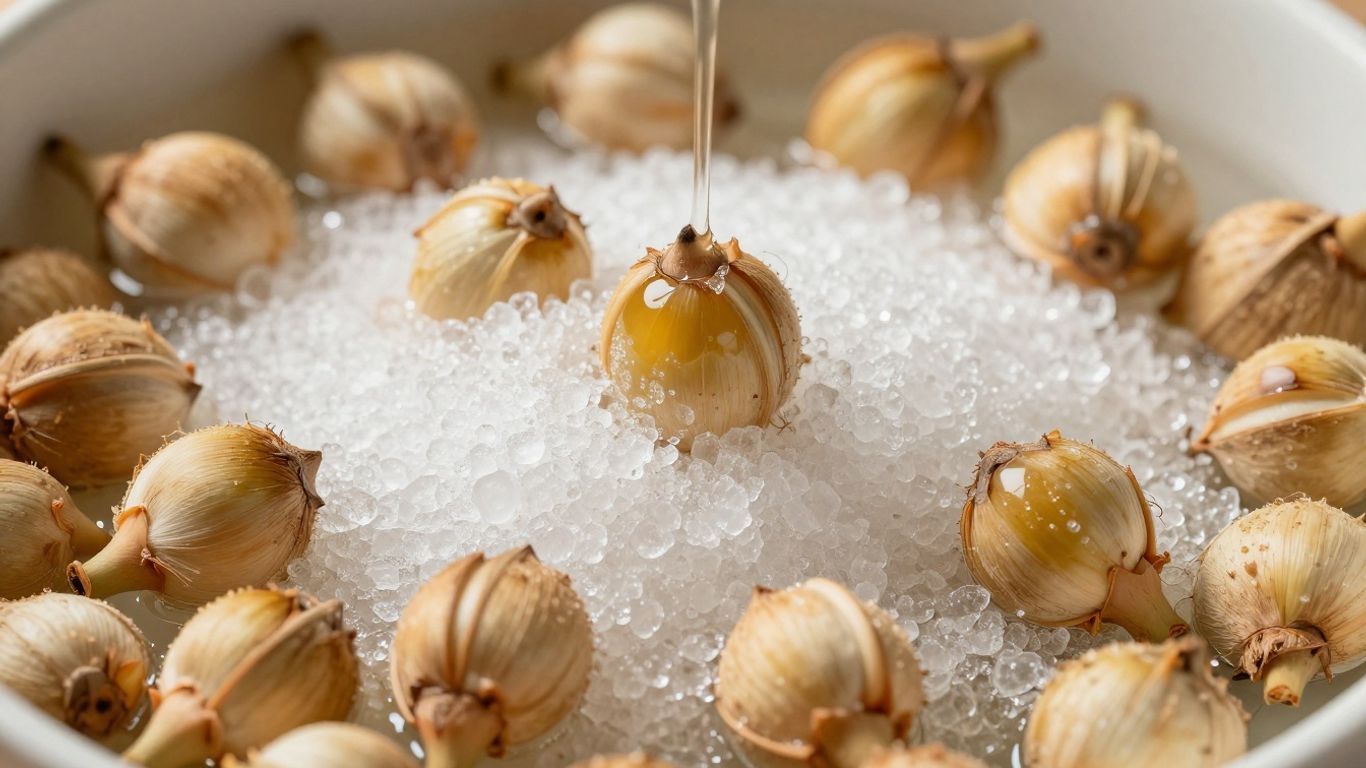
    These countries benefit from year-round warm temperatures, ample rainfall, and well-drained sandy soils—ideal for coconut cultivation.


    5. Culinary Uses Around the World

    Desiccated coconut is widely used in both sweet and savory dishes. Here’s how different cultures incorporate it into their cuisines:

    • India: Used in coconut chutneys, barfis, curries, and spice blends like Kerala-style thoran.
    • Southeast Asia: Found in desserts like kueh and bubur, and as a topping for sticky rice.
    • Europe & North America: Popular in cakes (e.g., Lamingtons), macaroons, and granola.
    • Middle East: Used in sweets like coconut halva and nut-studded confections.

    Due to its long shelf life, desiccated coconut is especially valued in baking, where it adds both texture and tropical flavor.


    6. Nutritional Facts

    Desiccated coconut is an energy-dense food rich in healthy fats, especially medium-chain triglycerides (MCTs). Here’s a typical nutritional profile per 100 grams:

    • Calories: 660–700 kcal
    • Fat: 60–65 g (mainly saturated)
    • Carbohydrates: 20–25 g
    • Fiber: 15–20 g
    • Protein: 6–8 g

    It’s also a source of minerals like iron, manganese, copper, and selenium.

    Note: While nutritious, desiccated coconut is calorie-dense and should be consumed in moderation.


    7. Interesting Trivia and Fun Facts

    • Floating Germinators: Coconuts can float across oceans and still germinate when they wash ashore—nature’s built-in dispersal mechanism!
    • Shelf Life: Properly dried and stored desiccated coconut can last up to 12 months without refrigeration.
    • Organic Boom: Demand for organic and unsweetened desiccated coconut is on the rise, especially in Europe and North America.
    • Sweetened vs. Unsweetened: Many commercial varieties are sweetened and sometimes contain preservatives like sulfur dioxide. Health-conscious consumers often prefer unsweetened, additive-free versions.
    • Zero Waste Crop: Every part of the coconut is used—from water and meat to husk, shell, and even the trunk of the palm tree.

    8. Desiccated vs. Other Coconut Products

    It’s easy to get confused between desiccated coconut and other coconut-based ingredients. Here’s a quick comparison:

    ProductDescriptionMoistureCommon Uses
    Desiccated CoconutDried, grated kernel<3%Baking, curries, snacks
    Coconut FlourDefatted, ground coconut<5%Gluten-free baking
    Coconut Flakes/ChipsLarge, dried pieces of coconut meat<5%Toppings, cereals, trail mix
    Coconut PowderSpray-dried coconut milk~5%Instant coconut milk

    9. Sustainability and Ethical Production

    Sustainability is a growing concern in the coconut industry. Issues like fair labor, deforestation, and monoculture agriculture are under scrutiny. Fortunately, many desiccated coconut producers are now:

    • Certifying with Fair Trade and Organic labels
    • Promoting agroforestry and intercropping
    • Supporting farmer cooperatives

    Consumers can support sustainable practices by choosing products with third-party certifications like USDA Organic, Fair Trade, or Rainforest Alliance.


    10. Storage Tips for Desiccated Coconut

    To maximize shelf life and flavor:

    • Store in an airtight container away from heat, moisture, and direct sunlight.
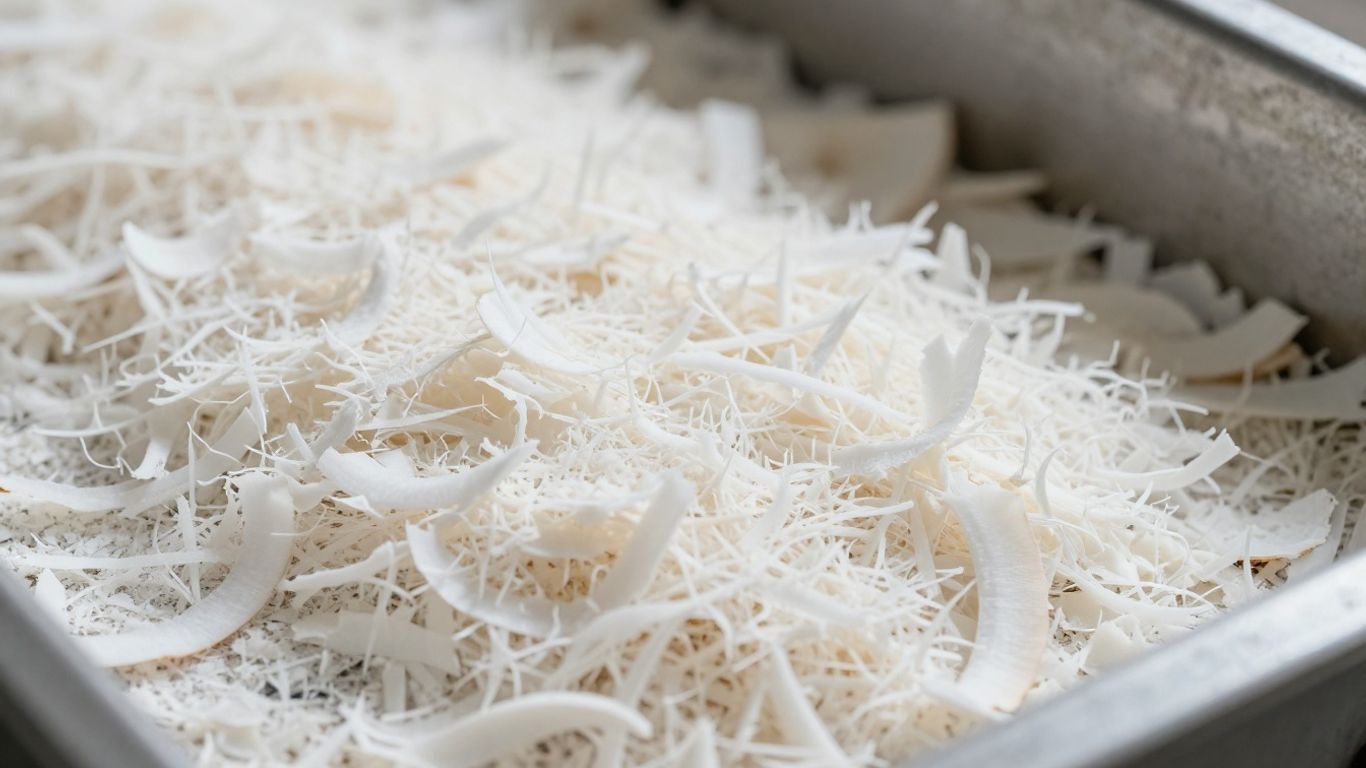
    • Refrigerate or freeze for longer storage (especially for large quantities).
    • Avoid contamination by using dry utensils when scooping from the container.

    Rancid coconut will smell off or soapy—if in doubt, toss it out.


    Conclusion

    Desiccated coconut is far more than just a baking ingredient—it’s a product steeped in history, tropical culture, and modern industry. From its careful processing methods to its global culinary applications, desiccated coconut reflects the ingenuity of using every part of nature’s offerings. Whether you’re a food lover, baker, or just curious about where your ingredients come from, desiccated coconut has a story worth exploring—one that’s both flavorful and fascinating.

  • Vanilla Coconut Sugar: The Sweet Upgrade You Didn’t Know You Needed

    Vanilla Coconut Sugar: The Sweet Upgrade You Didn’t Know You Needed

    In the ever-evolving world of natural sweeteners, one standout has been quietly gaining popularity—vanilla coconut sugar. If you’re seeking a flavorful, natural, and slightly exotic alternative to refined white sugar, this could be your next pantry essential. Combining the rich, caramel-like taste of coconut sugar with the aromatic warmth of vanilla, vanilla coconut sugar isn’t just a trend—it’s a delicious upgrade with surprising benefits.

    But what exactly is vanilla coconut sugar? Why are health-conscious foodies, bakers, and coffee lovers singing its praises? Let’s dive into what makes this sweetener special, its health profile, how to use it, and whether it lives up to the hype.


    What Is Vanilla Coconut Sugar?

    Vanilla coconut sugar is a natural sweetener made from the sap of the coconut palm tree, blended with natural vanilla flavor or real vanilla beans. Unlike refined sugars, it’s minimally processed, meaning it retains more of its natural nutrients and complex flavor profile.

    Coconut sugar on its own has a subtly earthy, toffee-like flavor. When infused with vanilla, it takes on a luxurious aroma and taste that elevates everything from baked goods to coffee and oatmeal.


    How It’s Made

    Coconut sugar is harvested by tapping the flower buds of the coconut palm to collect the sap. The sap is then heated to evaporate moisture, leaving behind brown, granulated crystals. To make vanilla coconut sugar, either ground vanilla beans, vanilla extract powder, or natural vanilla flavor is added during or after the crystallization process.

    The result? A fragrant, lightly sweet sugar that enhances both sweet and savory dishes with a touch of elegance.


    Flavor Profile: Why It’s a Culinary Favorite

    Unlike the sharp sweetness of white sugar, vanilla coconut sugar brings depth and nuance. It boasts:

    • Caramel and toffee undertones from the coconut sugar base
    • Warm, floral notes from natural vanilla
    • A rich aroma that lingers in the air and on the palate

    This unique flavor pairing is ideal for recipes where plain sugar would otherwise offer sweetness without character. Think banana bread, muffins, granola, or even sprinkled over yogurt or fruit.


    Health Benefits: Better Than White Sugar?

    Let’s be clear—sugar is still sugar, and even natural sweeteners should be consumed in moderation. But compared to refined white sugar, vanilla coconut sugar has a few advantages:

    1. Lower Glycemic Index

    Coconut sugar has a glycemic index (GI) of around 35, significantly lower than white sugar (which sits around 60-65). A lower GI means it causes a slower, more gradual rise in blood sugar levels—important for people watching their insulin response.

    Note: GI can vary depending on the batch and processing methods, and adding vanilla doesn’t change the GI significantly.

    2. Retains Trace Nutrients

    Because it’s minimally processed, coconut sugar retains small amounts of:

    • Iron
    • Zinc
    • Calcium
    • Potassium
    • Inulin, a type of prebiotic fiber

    While you wouldn’t rely on it for nutrition, these traces add a slight edge over empty-calorie sweeteners like white sugar.

    3. No Artificial Ingredients

    Most high-quality vanilla coconut sugar products are free from additives, preservatives, or artificial flavors. Just real sugar and real vanilla—or natural vanilla extract.


    Common Myths About Vanilla Coconut Sugar

    Myth 1: It’s a low-calorie sweetener.

    Reality: Vanilla coconut sugar has roughly the same number of calories as regular sugar—about 15-20 calories per teaspoon. It’s more about quality of sweetness than quantity.

    Myth 2: It’s sugar-free or keto-friendly.

    Reality: It’s not sugar-free, and it’s not keto-friendly due to its carb content. If you’re on a ketogenic or very low-carb diet, it’s best to stick to erythritol, monk fruit, or stevia.

    Myth 3: It’s better for diabetics.

    Reality: It may have a lower glycemic impact, but it still raises blood sugar. Diabetics should consult their healthcare provider before using any sweetener regularly.


    How to Use Vanilla Coconut Sugar

    One of the best things about vanilla coconut sugar is its versatility. You can use it as a 1:1 replacement for regular sugar in most recipes. Here are some delicious ways to enjoy it:

    In Baking

    Add a depth of flavor to cookies, cakes, muffins, and banana bread. It pairs especially well with chocolate, spices (like cinnamon and nutmeg), and fruit-based desserts.

    In Beverages

    Stir it into coffee, tea, or lattes for a gourmet touch. It works beautifully in matcha and chai, adding flavor without overpowering the drink.

    On Breakfast Foods

    Sprinkle it on oatmeal, pancakes, or yogurt for a naturally sweet start to your day.

    In Sauces and Marinades

    Use it to balance acidity in tomato-based sauces or to add complexity to glazes and marinades.


    Vanilla Coconut Sugar vs. Other Sweeteners

    SweetenerFlavor ProfileProcessing LevelGlycemic IndexNutritional Content
    White SugarNeutral, sweetHighly processed60–65None
    HoneyFloral, slightly tangyMinimal58Antioxidants, enzymes
    Maple SyrupDeep, woody sweetnessModerate54Manganese, zinc
    Coconut SugarCaramel, earthyMinimal~35Trace minerals, inulin
    Vanilla Coconut SugarCaramel + vanilla warmthMinimal~35Trace minerals + flavor

    While all sugars should be consumed mindfully, vanilla coconut sugar offers the richest flavor experience per teaspoon, making it an appealing choice for flavor-forward cooking and baking.


    Choosing a Good Vanilla Coconut Sugar

    Not all products are created equal. When shopping, look for:

    • 100% organic or non-GMO certification
    • No artificial vanilla or “vanillin” (a synthetic vanilla flavor)
    • No added sugars or fillers
    • Real vanilla beans or natural vanilla extract in the ingredient list

    Buying from reputable brands that focus on sustainability and ethical sourcing also ensures better quality and supports coconut farmers in tropical regions.


    Final Thoughts: The Sweet Upgrade Worth Trying

    Vanilla coconut sugar may not be a superfood or a miracle health product, but it is a flavorful, more natural alternative to conventional sugar. With its lower glycemic impact, trace minerals, and irresistible vanilla-caramel flavor, it’s a simple upgrade that can transform your cooking and baking.

    Whether you’re trying to move away from processed sugars or just want to add something special to your morning cup of coffee, vanilla coconut sugar might be the pantry staple you didn’t know you needed.


Secret Link