Category: Product Knowledge

  • Brown Sugar vs. Palm Sugar: Understanding the Sweet Differences

    Brown Sugar vs. Palm Sugar: Understanding the Sweet Differences

    Understanding Brown Sugar VS Palm Sugar

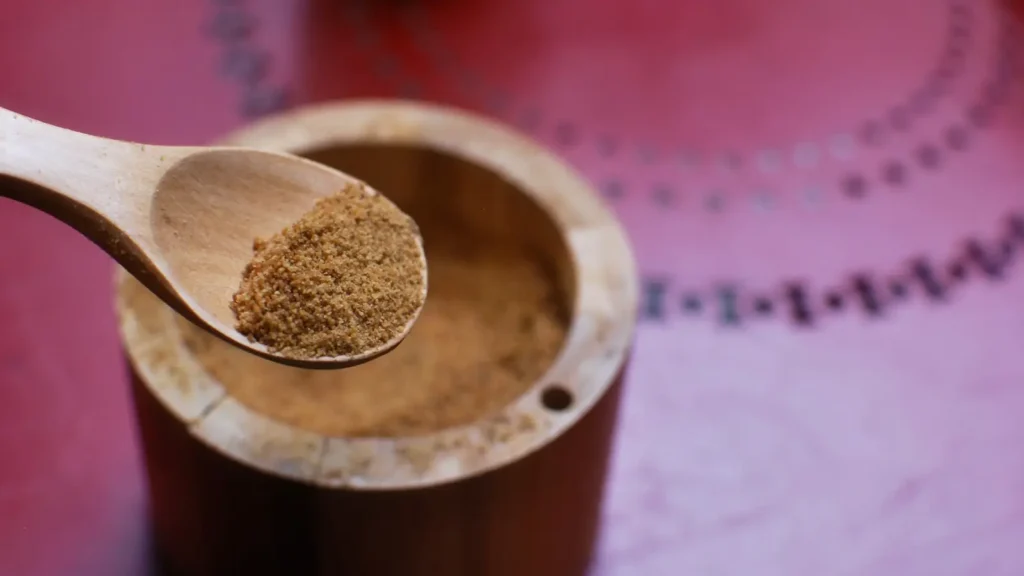
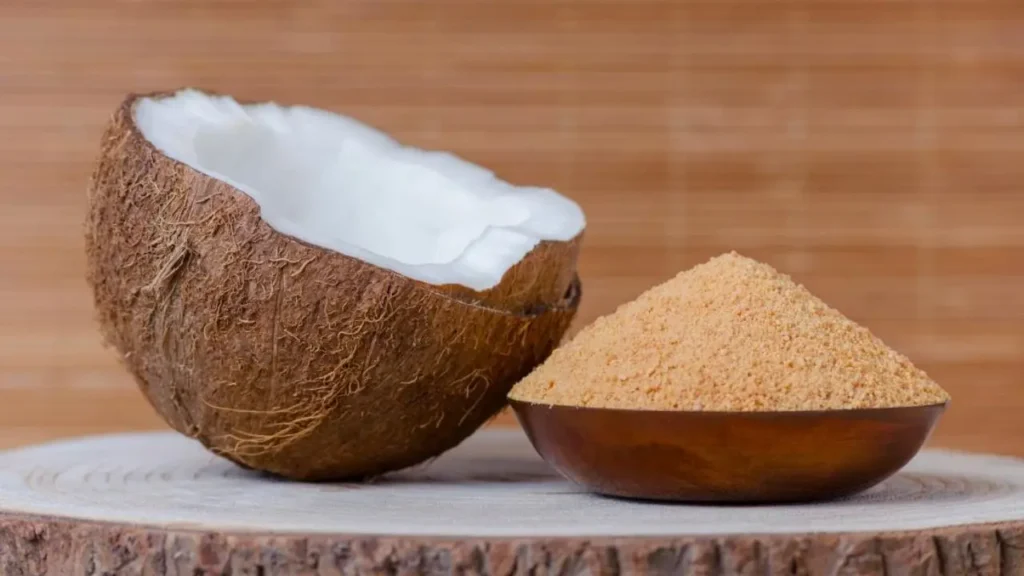
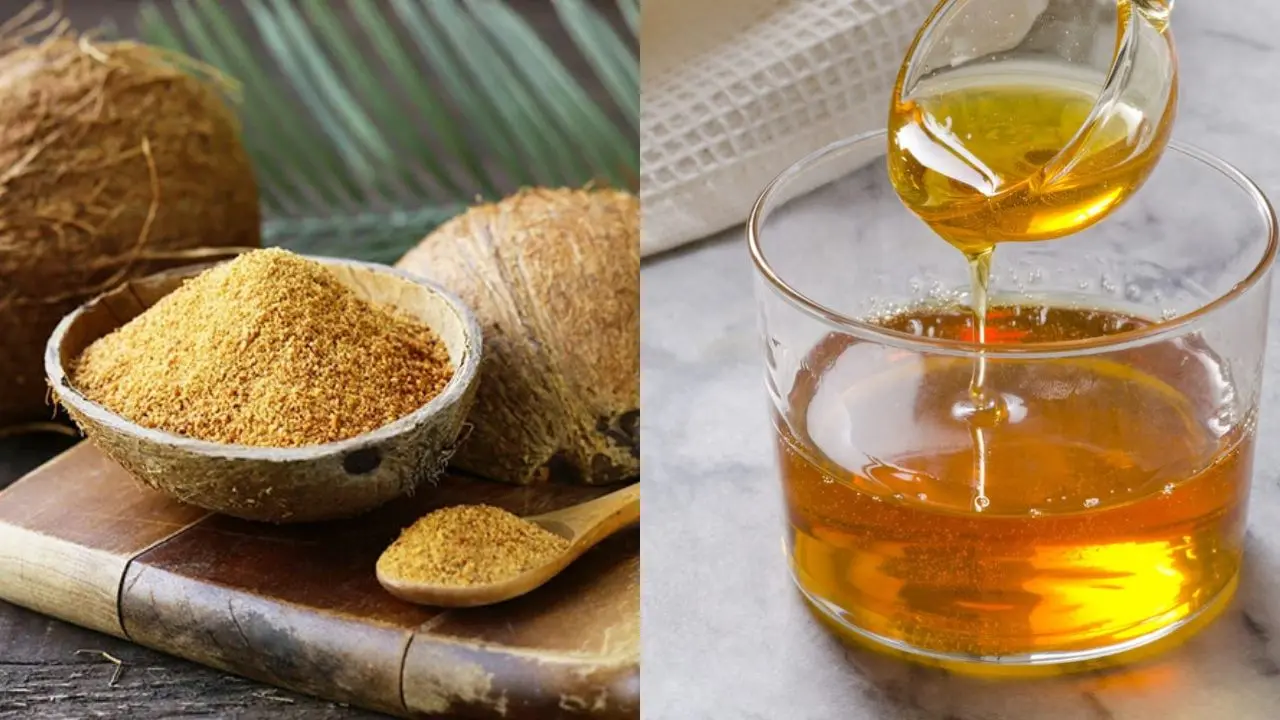
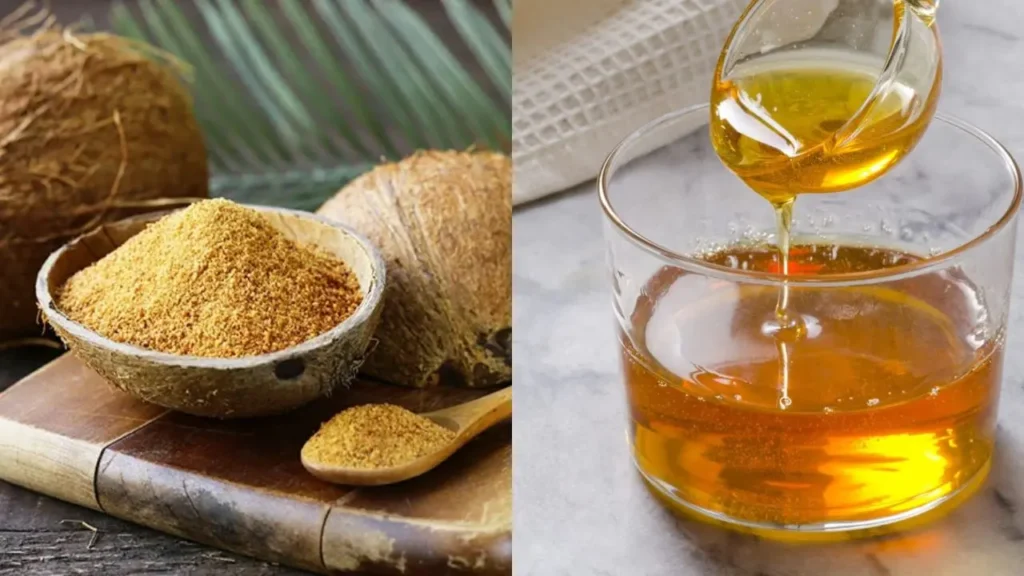
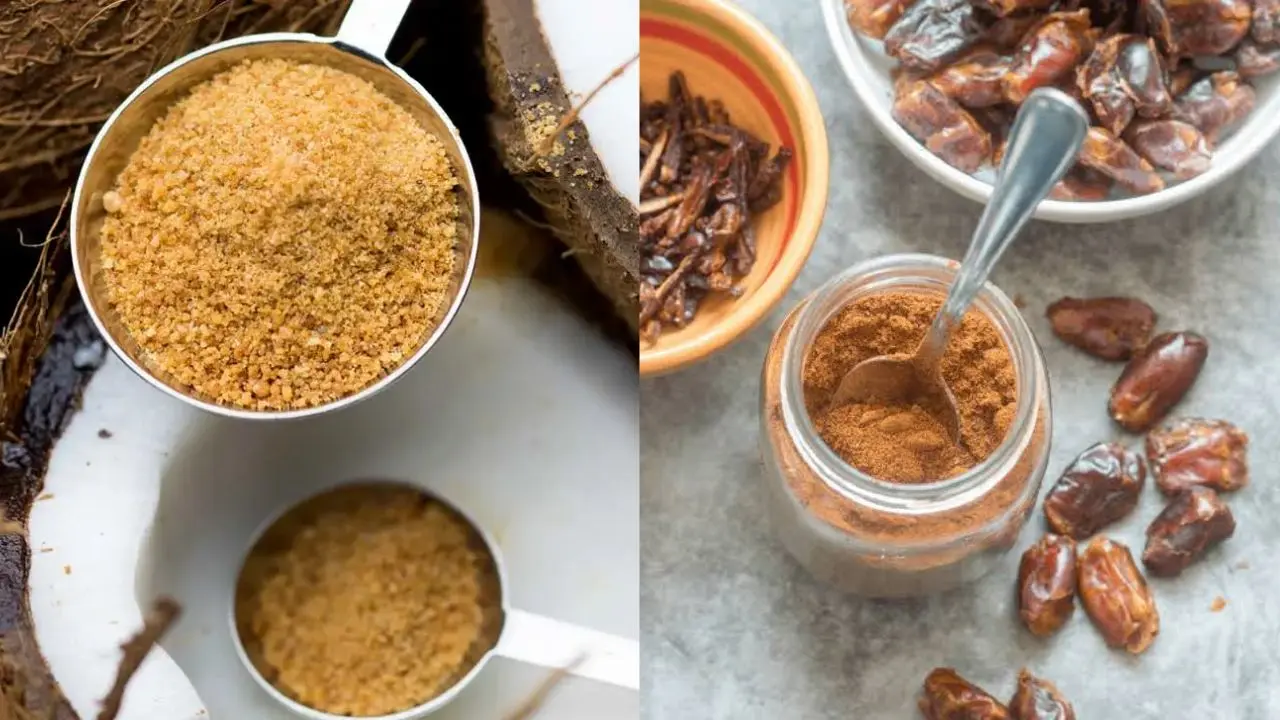
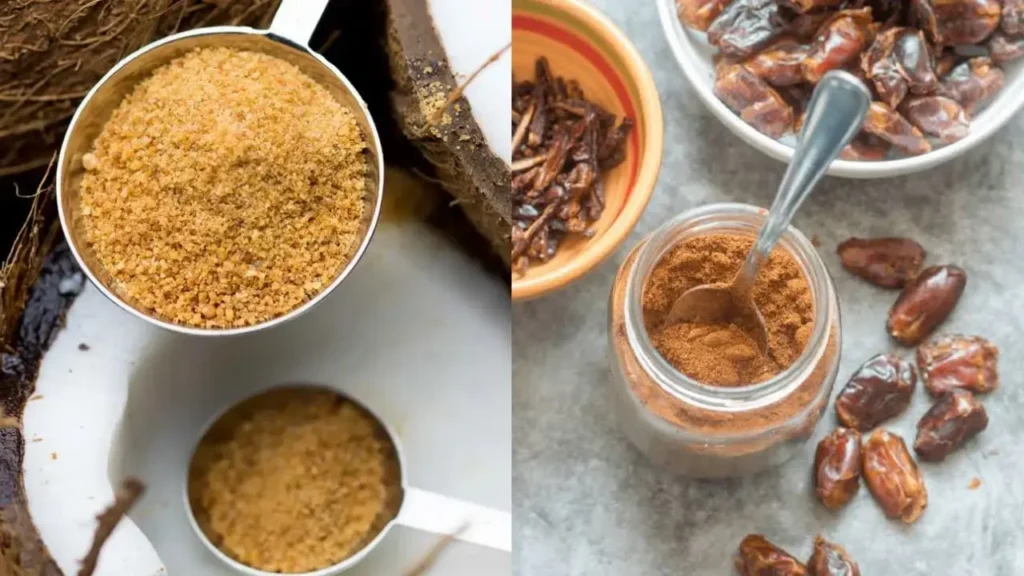
    Brown sugar and palm sugar side-by-side comparison.

    We often reach for sugar without thinking much about it, but there’s a whole world of sweetness out there beyond the basic white stuff. Today, we’re going to chat about two popular options: brown sugar and palm sugar. They might seem similar at first glance, but they each bring something special to the table. We will deep down to get know brown sugar vs palm sugar.

    Brown Sugar VS Palm Sugar, What Is The Difference?

    The main thing that sets brown sugar vs palm sugar apart is how they’re made and what they come from. Brown sugar is usually made from sugarcane or sugar beets. What gives it that signature color and moist texture is molasses, which is a byproduct of the sugar-making process. The amount of molasses can vary, leading to light brown sugar with a milder flavor and dark brown sugar with a richer, more intense taste. It’s a familiar friend in many kitchens, especially for baking.

    Palm sugar, on the other hand, comes from the sap of palm trees, like coconut palms or the sugar palm. This sap is boiled down and then crystallized. Because it’s often less processed than brown sugar, it tends to keep more of its natural minerals and has a distinct flavor profile. This less processed nature is a key reason why some people prefer it for its potential health benefits. It can come in various forms, from fine granules to solid blocks, and its flavor is often described as having caramel notes with a hint of smokiness.

    Here’s a quick look at some of the differences:

    CharacteristicBrown SugarPalm Sugar
    SourceSugarcane or sugar beetsSap from various palm trees
    FlavorCaramel, molassesCaramel, smoky, complex
    TextureMoist, granularVaries (powder to solid blocks)
    ProcessingMore refinedLess refined, retains more nutrients

    Their Unique Origins

    Understanding Brown Sugar VS Palm Sugar come from really helps explain their unique qualities. Brown sugar has a long history, deeply tied to the development of sugar refining. It’s a staple in Western baking and cooking, a familiar ingredient that adds that comforting sweetness and depth we often associate with classic desserts. Its origins are rooted in the large-scale production of sugar from sugarcane and beets.

    Palm sugar, however, has a different story, often originating from tropical regions where palm trees are abundant. For centuries, communities in Southeast Asia and other tropical areas have harvested palm sap to create this sweetener. It’s not just a sweetener; it’s often woven into the cultural fabric of these regions, used in traditional dishes and ceremonies.
    The specific type of palm tree used can also influence the final flavor, making each variety a little unique. Exploring these sugars can be a journey into different culinary traditions, and it’s interesting to see how they are a more natural alternative to refined sugars like honey or date sugar. It’s a sweet connection to different parts of the world.
    Exploring The Sweetness

    Brown sugar and palm sugar side-by-side.

    Brown Sugar VS Palm Sugar : Flavor Profiles

    When we talk about sweetness, it’s not just about how much sugar is there, but also what it tastes like. Brown sugar and palm sugar, while both sweet, bring different notes to the table. Brown sugar gets its distinct taste from molasses, which is left in during its making or added back. This gives it a warm, slightly caramel-like flavor that’s really nice in baked goods. It’s a familiar taste for many of us, often reminding us of cookies or cakes.

    Palm sugar, on the other hand, comes from the sap of palm trees. It doesn’t taste like coconut, even though it’s often called coconut palm sugar. Instead, it has a more complex flavor. We often describe it as having hints of caramel and butterscotch, but with a gentle, earthy finish. It’s a rounded sweetness, not as sharp as regular white sugar.

    This subtle depth makes it a great choice when we want a sweetener that adds character without taking over the whole dish.

    Brown Sugar VS Palm Sugar : Culinary Uses

    Because of their different flavors, brown sugar and palm sugar work best in different kinds of cooking. Brown sugar is a go-to for many classic recipes. Its molasses content makes it perfect for things like chocolate chip cookies, giving them that chewy texture and rich flavor we love. It also works well in savory dishes, like barbecue sauces or glazes, where its caramel notes can add a nice depth.

    Palm sugar is also quite versatile. Its fine texture means it dissolves easily, making it a good option for drinks and smooth sauces. We find it works wonderfully in desserts where we want a warm, nuanced sweetness, like in custards or certain types of cakes. It can also be used to caramelize fruits or vegetables, adding a lovely sweet and slightly earthy touch.

    While it can often be swapped for brown sugar, using it can bring a new dimension to familiar recipes. It’s fun to experiment and see how these different sugars can change the final taste of our food.

    Dive into the delightful world of sweetness! We’re passionate about bringing you the finest sweet treats. Discover the amazing taste of our products and find your new favorite. Ready to explore? Visit our website today to see our full range!

    Wrapping It Up : Brown Sugar VS Palm Sugar, Which Is Better?

    So, we’ve looked at brown sugar vs palm sugar, and it’s pretty clear they’re not quite the same. Brown sugar brings that classic caramel taste from molasses, making it a go-to for many baked goods we all know and love. Palm sugar, on the other hand, offers a more complex flavor, often with smoky or toffee notes, and it comes from palm trees.

    When we’re deciding which one to use, it really comes down to the kind of dish we’re making and the flavor we’re aiming for. Neither is necessarily ‘better’ than the other; they just do different things. Understanding these differences helps us make smarter choices in the kitchen, leading to tastier results. We hope this helps you feel more confident when picking out your sweetener next time you’re cooking or baking.

  • Palm Sugar vs Cane Sugar: Unpacking the Sweet Differences

    Palm Sugar vs Cane Sugar: Unpacking the Sweet Differences

    Exploring The Sweet Spectrum: Beyond White Sugar

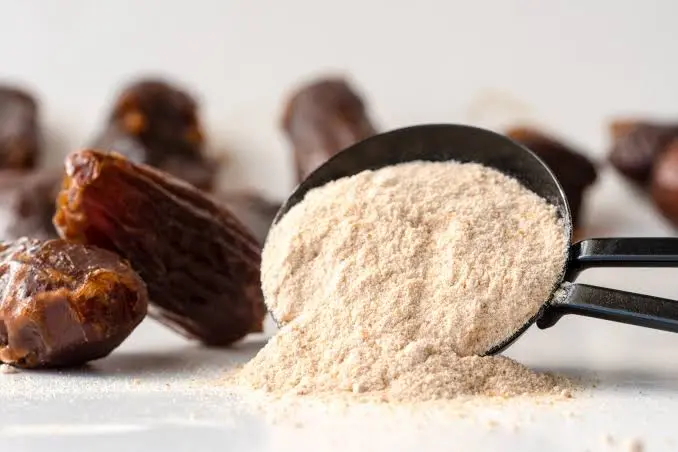
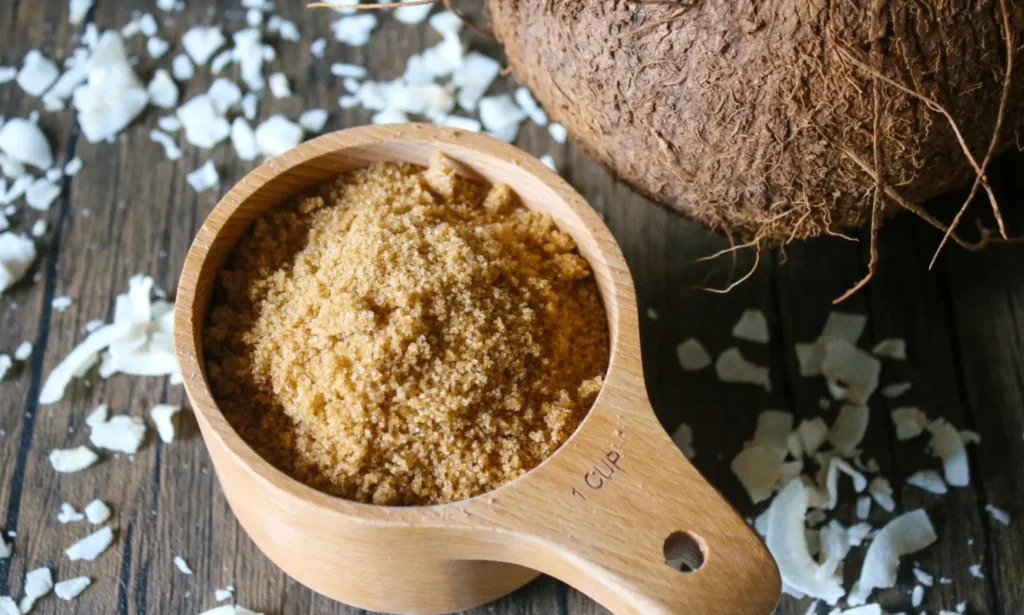
    Palm sugar and cane sugar in wooden bowls side by side.

    When most of us think about sweeteners, regular white sugar probably comes to mind first. Truth is, there’s an entire world of sugars far more interesting than those plain, tiny crystals we toss into our daily coffee. Brown sugars, in all their quirky forms, bring a whole lot more to the table—literally and flavor-wise—than you might expect. White sugar does its job, sure, but once you get to know its cousins, you might start finding new favorites for both baking and cooking. So which is better palm sugar vs cane sugar?

    What Makes Brown Sugar Brown?

    Let’s get honest: that box of brown sugar hiding in our pantry is basically a kitchen legend. It adds not just sweetness, but a rich, almost tangy whiff that makes things like cookies and barbecue sauces truly pop. The magic comes down to one simple thing: molasses. During the sugar-making process, as the syrup tucks and boils away, molasses separates out. Brown sugar is made when molasses gets blended back into refined white sugar. That’s where all the color, moisture, and flavor come from.

    Light brown sugar holds a little less molasses, keeping things mild, while dark brown sugar packs in more, adding an extra punch of flavor and stickiness. They act a bit different in recipes—more moisture, more chewiness, a deeper taste. Over time, that moisture can also make brown sugar harden. It’s a small tradeoff, but if you’ve ever had to chip away at a brown sugar brick, you know the struggle.

    If you’re into baking experiments, it’s worth noticing if your white or brown sugar is made from cane or beets—even if the taste difference is easy to miss for most folks. (And if you’re looking for even more options, there are a bunch of alternative sweeteners out there with their own quirks.)

    A World Of Brown Sugar Varieties

    Here’s where things start to get fun. Brown sugar isn’t just light or dark. Just when you think you’ve got it all figured out, along comes turbinado, demerara, muscovado, piloncillo, and jaggery. Each of these has its own backstory and flavor notes.

    Turbinado features larger, golden crystals and just a hint of molasses, perfect for a crunchy topping. Demerara looks similar but usually has a subtle, toasty flavor and even bigger crystals—great in coffee or sprinkled on muffins.

    Muscovado? This one’s a moisture bomb—rich, sticky, and packed with dark, complex notes that can almost taste smoky. If you’ve ever tried to swap it for light brown sugar, you know it makes a huge difference in anything from brownies to sauces.

    Latin American kitchens often use piloncillo, which is pressed into cones and brings a special, almost earthy flavor to both sweet and savory dishes. And over in South Asia, jaggery is boiled down from sugarcane (or sometimes palm sap) until it turns practically caramel and is then shaped into cakes or balls. That deep, almost toasted flavor has a way of making even basic oats taste special.

    To wrap it all up, here’s a quick cheat sheet on some common brown sugars:

    Sugar Type Origin Molasses Level Texture Typical Uses
    Light Brown Cane/Beet Low Fine, moist Baking, sauces
    Dark Brown Cane/Beet Higher Fine, sticky Cookies, richer sauces
    Turbinado Cane Slight Coarse, dry Sprinkling, sweetening drinks
    Demerara Cane Moderate Coarse Baking, topping
    Muscovado Cane Very high Sticky, wet Deep-flavor baking, candies
    Piloncillo Cane High Firm, compact Mexican desserts, drinks
    Jaggery Cane/Palm Variable Soft, dense South Asian dishes, sweets

    So, in every kitchen cupboard, there’s more than just sugar—there’s a collection of sweet personalities just waiting to be stirred in.

    Unpacking Palm Sugar vs Cane Sugar

    Palm sugar and cane sugar piles

    When we talk about sugar, we often think of the white stuff in a bowl, but there’s a whole world beyond that. Today, we’re going to get into the nitty-gritty of palm sugar and cane sugar. They might seem similar, but they’ve got their own stories.

    The Molasses Factor In Cane Sugar

    So, what gives cane sugar its color and distinct flavor? It’s all about molasses. Think of molasses as the syrupy byproduct left over after sugar crystals are formed. In refined white sugar, this molasses is pretty much all gone. But in less refined cane sugars, it sticks around, clinging to those sugar crystals. This molasses is what gives brown sugar its characteristic color and that slightly deeper, richer taste we’re used to. The amount of molasses can really change things, from a light brown sugar with just a hint of it, to a dark, almost sticky sugar with a strong molasses punch. The more molasses, the more complex the flavor and the darker the sugar.

    Understanding Unrefined Cane Sugars

    Now, let’s talk about the sugars that haven’t been stripped down to pure white crystals. These are often called “unrefined” or “whole cane” sugars. They go through less processing, meaning they keep more of the natural molasses and other compounds from the sugarcane juice. You’ll find a whole range of these out there, each with its own name and characteristics depending on where it’s from and how it’s made. We’re talking about sugars like Muscovado from places like the Philippines, Piloncillo from Mexico, Jaggery from India, and Rapadura from Brazil. They often come in blocks, cones, or granulated forms and can have a really robust, sometimes even smoky or toffee-like flavor. They aren’t just sweet; they bring a whole personality to whatever you’re cooking or baking. It’s pretty neat how much variation there is, all starting from the same sugarcane plant.

    Ever wondered about the difference between palm sugar and cane sugar? They might seem similar, but they have unique flavors and uses. If you’re curious to learn more about these sweet choices and find out which one is best for your needs, check out our website for all the details!

    So, What’s the Sweet Takeaway?

    Well, we’ve taken a good look at palm sugar and cane sugar, and it’s clear there’s more to sweetness than meets the eye. While both can make our treats delicious, they bring different things to the table. Palm sugar offers a unique, almost caramel-like depth, while cane sugar, especially in its less refined forms, gives us a spectrum of molasses-rich flavors. We’ve learned that the type of sugar we choose can really change the game in our baking and cooking. So next time you’re reaching for the sugar jar, consider which one will best suit your dish. It’s all about finding that perfect balance of flavor and texture for whatever we’re making.

  • Top 10 Coconut Derivative Products for Global Industrial Markets

    Top 10 Coconut Derivative Products for Global Industrial Markets

    Coconut Tree and Their Coconut Derivative Products

    The global coconut derivatives market has witnessed exponential growth, driven by the surging demand for clean-label, organic, and sustainable ingredients in the food, beverage, pharmaceutical, and cosmetic industries. Often referred to as the “Tree of Life,” the coconut tree (Cocos nucifera) yields various highly commercialized sub-products.

    For US procurement managers and global distributors, understanding the commercial landscape of these coconut derivative products is key to building a resilient and sustainable supply chain. Below, we explore the top 10 coconut derivative products driving the international B2B market today.

    1. Coconut Fruit

    green coconut fruits

    The most well-known product of the coconut tree is, of course, the coconut fruit itself. The coconut’s water is not only a refreshing beverage but also a source of electrolytes, making it a natural alternative to commercial sports drinks. The white, fleshy meat of the coconut is used in numerous culinary applications, from savory dishes to desserts, providing a rich source of healthy fats, fiber, and essential nutrients.

    In the B2B sector, bulk coconut water and concentrated coconut meat are heavily sourced by international beverage brands and functional food manufacturers as base ingredients for health-focused consumer products.

    2. Organic Coconut Oil and Organic Extra Virgin Coconut Oil

    virgin coconut oil is good, virgin coconut oil for skin, virgin coconut oil for hair, organic extra virgin coconut oil supplier

    Extracted from the fresh or dried kernel of the coconut, organic extra virgin coconut oil (EVCO) is a high-demand commodity in Western markets. Its high smoke point makes it a premium cooking oil, while its rich lauric acid content makes it a staple ingredient for global cosmetics, skincare, and hair care formulations.

    As a certified bulk coconut oil supplier, we ensure our oil meets the rigorous quality standards required for cosmetic and pharmaceutical applications.

    3. Coconut Milk Coconut Cream

    coconut milk coconut cream supplier, coconut derivative products supplier

    Coconut milk coconut cream are derived from the grated flesh of the coconut, it is essential ingredients in many cuisines around the world. Rich and creamy, they add depth and flavor to both sweet and savory dishes. Additionally, coconut milk is a lactose-free alternative for those with dairy allergies, and its medium-chain triglycerides (MCTs) may offer various health benefits, including potential weight management support.

    Industrial-grade coconut milk powder and coconut cream are essential raw materials for the global vegan and dairy-free food sectors, widely used in commercial bakeries, packaged curries, and plant-based beverage manufacturing.

    4. Coconut Blossom Sugar

    coconut blossom sugar, coconut derivative products supplier

    Also known as coconut palm sugar, this natural sweetener is the flagship product of modern sustainable agriculture. Boasting a remarkably low glycemic index and rich mineral profiles (potassium and iron), organic coconut sugar has become the primary sugar substitute for international healthy-food brands. Global Coco Sugar (GCS) specializes in supplying high-capacity, granular coconut sugar tailored for industrial baking and large-scale food production.

    5. Unsweetened Desiccated Coconut / Coconut Flour

    unsweetened desiccated coconut, coconut derivative products supplier

    Unsweetened desiccated coconut and high-fiber coconut flour are major byproducts that have carved a massive niche in the gluten-free market. They serve as excellent bulking and thickening agents for commercial confectionery, granola bars, and healthy snack manufacturing worldwide.

    Looking for a Verified Coconut Derivatives Supplier?
    Navigating the global supply chain requires a partner who understands international trade, quality compliance, and strict delivery timelines. Global Coco Sugar is an established Indonesian manufacturer exporting premium coconut sugar, coconut oil, and other derivatives worldwide.

    Our B2B Advantages:
    – 100% Certified Organic (USDA Organic, EU Organic)
    – Fully Compliant with Halal & Kosher Standards
    – Flexible MOQ & Custom Packaging for Industrial Requirements

    Contact Our Export Desk & Request Commercial Samples

    6. Coconut Coir Fiber

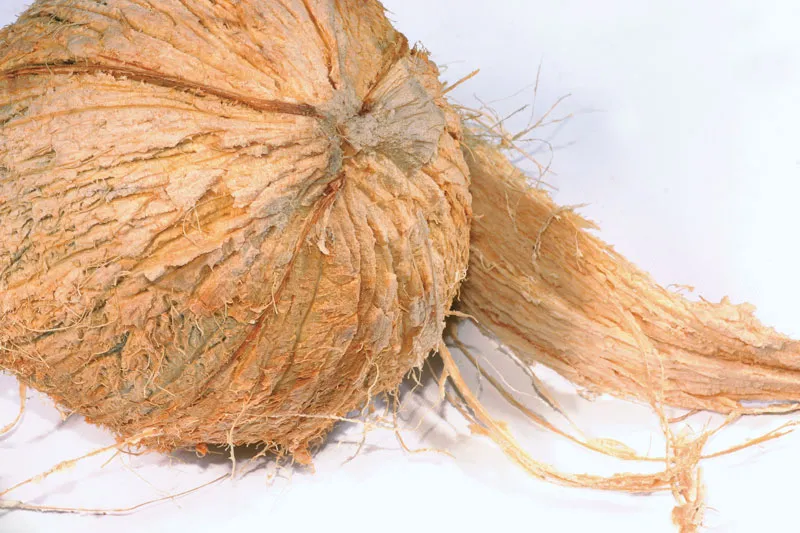
    The fibrous husk of the coconut yields strong, highly resilient natural fibers known as coir. In the global B2B sector, coconut coir is not just for simple mats; it is a heavily traded commodity used in large-scale manufacturing of geo-textiles for soil erosion control, eco-friendly upholstery fillings for the automotive industry, and heavy-duty maritime ropes. Its natural resistance to saltwater makes it an irreplaceable material in global marine logistics.

    7. Coconut Shell

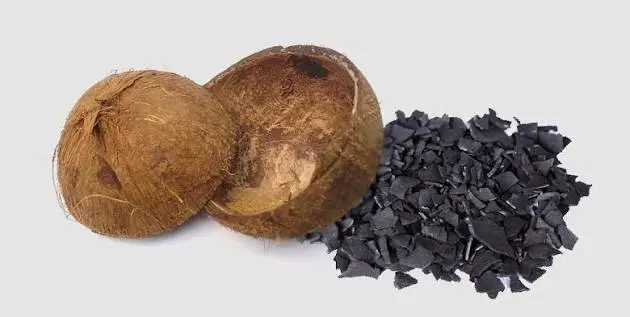
    The hard, woody shell of the coconut serves critical roles in heavy industry. Beyond traditional utensils, coconut shells are crushed and processed at high temperatures to produce Activated Carbon. This highly porous material is the gold standard for global industrial water purification, air filtration systems, and gold recovery processes.

    Additionally, coconut shell charcoal is widely sourced by energy sectors as a high-calorie, eco-friendly biomass fuel.

    8. Coconut Wood

    Derived from senile coconut palms that no longer produce fruit, coconut wood (or coco-timber) is gaining massive traction as a sustainable alternative to hardwood. With proper treatment, its density and unique grain structure make it ideal for commercial construction, eco-resort flooring, and premium furniture manufacturing. For international buyers, sourcing certified coconut wood helps comply with strict green building regulations and deforestation-free supply chains.

    9. Palm Fronds

    In tropical agricultural management, the massive leaves or fronds of the coconut tree are managed as a high-volume biomass resource. While traditionally woven into thatch roofs for natural insulation in tropical eco-tourism real estate, modern agro-industries are increasingly processing these fronds into organic mulch, bio-fertilizers, and sustainable packaging materials to minimize waste in the agricultural supply chain.

    10. Coconut Husk Chips

    When the outer coconut husk is chopped into small, uniform pieces, it creates coconut husk chips. This product is a powerhouse in the global commercial horticulture and hydroponics industries. Due to their exceptional moisture retention, excellent aeration properties, and high resistance to fungal decay, bulk coconut husk chips are exported by the ton to North American and European agricultural sectors as a premium growing medium for commercial crops and orchids.

    Benefits of Coconut Derivative Products

    a. Nutritional Riches: Many coconut-derived products, such as coconut water, coconut meat, and coconut oil, are rich in essential nutrients. These include electrolytes, healthy fats, vitamins, and minerals, contributing to overall health and well-being.

    b. Sustainable Construction: Coconut wood and palm fronds offer sustainable alternatives in construction. The durability of coconut wood and the insulating properties of palm frond thatch contribute to eco-friendly building practices.

    c. Economic Livelihoods: The cultivation and processing of coconut products provide livelihoods for millions of people worldwide. From small-scale farmers to those working in coconut processing industries, the coconut tree supports diverse economies.

    d. Environmental Benefits: Coconut trees contribute to environmental conservation by preventing soil erosion with their extensive root systems. Additionally, the use of coconut-based products often promotes sustainable and eco-friendly practices.

    e. Diverse Applications: The versatility of coconut tree products spans various industries, from food and cosmetics to construction and agriculture. This diversity enhances the resilience of communities that depend on the coconut tree for their livelihoods.

    Global Coco Sugar: Your Trusted B2B Coconut Derivatives Partner in Indonesia

    Global Coco Sugar coconut derivative products supplier from Indonesia

    Fulfilling the demand for organic, high-purity coconut products requires an experienced manufacturer with a transparent supply chain. Global Coco Sugar stands at the forefront of Indonesian exporters, delivering uncompromised quality from sustainably managed local plantations directly to your manufacturing facility.

    Whether you need high-volume organic coconut sugar, premium extra virgin coconut oil, or custom industrial coconut ingredients, our team is equipped to handle complex logistics, customs documentation, and rigorous quality controls for US, European, and Asian markets.

    Streamline your ingredient sourcing today. Inquire Now to Speak with Our B2B Sales Specialists.

    Conclusion

    The coconut tree’s contribution to human life is truly remarkable, offering a vast array of products that extend far beyond culinary applications. From the nutritious coconut fruit to the versatile coconut oil, and the sustainable building materials derived from the tree, each product has its unique set of benefits. The coconut tree’s versatility, sustainability, and cultural significance underscore its rightful place as a vital resource in the lives of communities around the world. As we continue to explore sustainable and holistic approaches to living, the coconut tree stands as a shining example of nature’s generosity.

  • Desiccated Coconut : Choosing the Right Grade Fine vs. Medium 2025

    Desiccated Coconut : Choosing the Right Grade Fine vs. Medium 2025

    Desiccated Coconut, delicious, health benefits of, baking with desiccated coconut

    Coconut has long been one of the most loved tropical ingredients in the world. It’s rich in flavor, beautifully aromatic, and adds a natural touch of sweetness to both desserts and savory dishes. One of the most convenient ways to enjoy coconut’s versatility is through Desiccated Coconut, a form of dried and grated coconut meat that blends easily into countless recipes.

    But not all desiccated coconut is the same. The two most popular grades — fine and medium — differ in texture, appearance, and best usage. Choosing the right one can make a big difference in the final result of your cooking or baking. This guide will help you understand the distinctions, when to use each, and the health benefits of this delicious ingredient.


    What Is Desiccated Coconut?

    Desiccated coconut is simply dried coconut meat, prepared from fresh, mature coconuts. After removing the shell and brown skin, the white flesh is washed, grated, blanched, and dried to a low moisture level. This drying process helps preserve the coconut’s natural oil, nutrients, and flavor, giving it a long shelf life.

    It comes in different grades depending on particle size — with fine and medium being the most common. Each serves a unique purpose depending on your recipe’s texture and visual goals.


    Fine Desiccated Coconut

    Fine-grade coconut has a soft, powdery texture. The tiny particles blend seamlessly with batters, fillings, and doughs, making it ideal for recipes that require a smooth, consistent finish.

    You’ll often find fine coconut in baking recipes, where it adds gentle moisture and a light tropical note without altering texture. It’s perfect for:

    • Sponge cakes, muffins, and cookies
    • Pastries and confectionery fillings
    • Ice creams and creamy desserts

    Fine desiccated coconut is also great for extracting coconut milk or cream because its smaller flakes release oil and flavor efficiently. If you prefer a smooth consistency and subtle taste, this grade is the right choice.


    Medium Desiccated Coconut

    Medium-grade coconut features larger, more visible flakes that retain their natural chewiness. This type adds texture, crunch, and a more pronounced coconut flavor. It’s perfect for anyone who enjoys a little bite and wants the flakes to stand out visually.

    Medium coconut works beautifully as:

    • A topping for cakes, doughnuts, and cupcakes
    • An ingredient in granola, snack bars, and cereals
    • A flavorful addition to savory dishes such as curries and coated fried shrimp

    When toasted lightly, medium flakes become golden brown and emit an irresistible nutty aroma. If you want your dish to look more artisanal and taste more textured, this is the better grade to use.


    Fine vs. Medium: Which One Should You Choose?

    Your choice depends on what you’re making and the result you want to achieve.

    If your recipe requires a smooth, even mixture — like soft cakes or creamy desserts — go with fine-grade coconut. It blends easily without leaving visible flakes.

    If you want crunch, texture, and visual appeal, medium-grade coconut is the better option. Its flakes add an attractive finish and make every bite more exciting.

    In short, fine coconut is for refinement, while medium coconut is for texture. Both are delicious and versatile, enhancing everything from desserts to savory dishes.


    The Health Benefits of Desiccated Coconut

    Beyond its culinary uses, dried coconut also offers many health benefits. It’s not only tasty but also packed with nutrients that support your overall wellness.

    1. Rich in Healthy Fats

    Dried coconut is full of medium-chain triglycerides (MCTs), a type of fat that the body quickly converts into energy. These fats can help boost metabolism and improve endurance, making them a great natural energy source.

    2. Excellent Source of Fiber

    High in dietary fiber, grated coconut supports healthy digestion and helps you feel full longer. It’s an excellent choice for anyone looking to maintain digestive balance or manage appetite naturally.

    3. Packed with Minerals

    Coconut contains important minerals such as iron, manganese, and copper, all of which play key roles in bone health and energy production.

    4. Gluten-Free and Plant-Based

    This tropical ingredient is naturally gluten-free, non-GMO, and vegan-friendly, making it suitable for almost any diet or lifestyle.

    5. Boosts Immunity

    Thanks to its healthy fats and nutrients, coconut helps strengthen the immune system and provides long-lasting energy throughout the day.

    Including this ingredient in your meals not only makes them more delicious but also contributes to a balanced and nourishing diet.


    Baking with Desiccated Coconut

    Few ingredients elevate desserts quite like baking with desiccated coconut. It brings warmth, flavor, and aroma to baked goods, making every bite feel tropical and satisfying.

    Here are some tips for baking success:

    1. Adjust the moisture: Coconut absorbs liquid easily, so if your batter seems dry, add a little more milk or oil.
    2. Toast for flavor: Lightly toasting coconut enhances its aroma and gives a beautiful golden color.
    3. Use fine coconut inside the batter: It helps maintain structure and consistency.
    4. Use medium flakes for decoration: They add crunch and visual appeal on top of cakes or cookies.
    5. Pair with complementary flavors: Coconut pairs wonderfully with chocolate, caramel, mango, or lime.

    From macaroons to muffins, adding a handful of this ingredient ensures your treats are flavorful, aromatic, and perfectly textured.


    Storage Tips

    To keep your coconut flakes fresh:

    • Store in a cool, dry place, away from direct sunlight.
    • Use airtight containers to prevent moisture absorption.
    • Refrigerate or freeze for long-term storage while preserving aroma and texture.

    Proper storage helps maintain the freshness and delicious flavor for months.

  • Canned vs Fresh vs Carton Coconut Milk: Key Differences

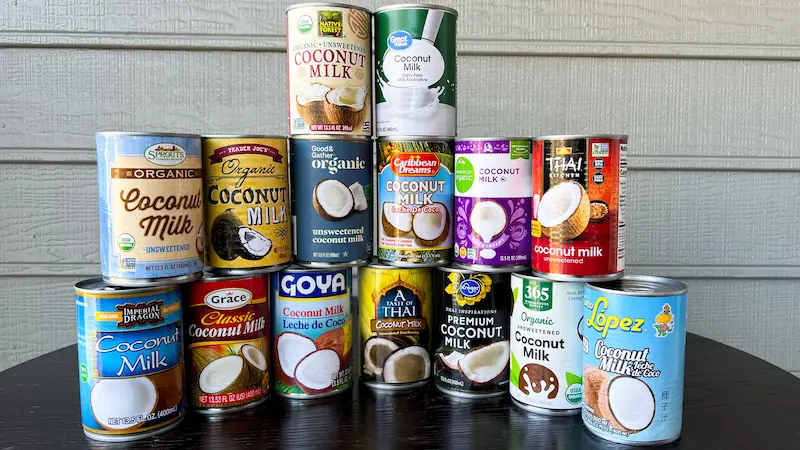
    Coconut milk is a beloved ingredient in kitchens worldwide, prized for its creamy texture, tropical aroma, and versatility in both savory and sweet dishes. But when it comes to choosing between canned and fresh coconut milk, many cooks wonder which option is best for flavor, nutrition, convenience, and cost. This article explores the differences, pros, cons, and ideal uses for each.


    Understanding Coconut Milk

    Coconut milk is made by grating the flesh of mature coconuts and blending it with water, then straining to produce a rich, milky liquid. It is naturally dairy-free, making it a staple in vegan, lactose-intolerant, and plant-based diets. Its high fat content, especially in full-fat varieties, gives it a luscious mouthfeel perfect for curries, soups, desserts, and beverages.


    Fresh Coconut Milk

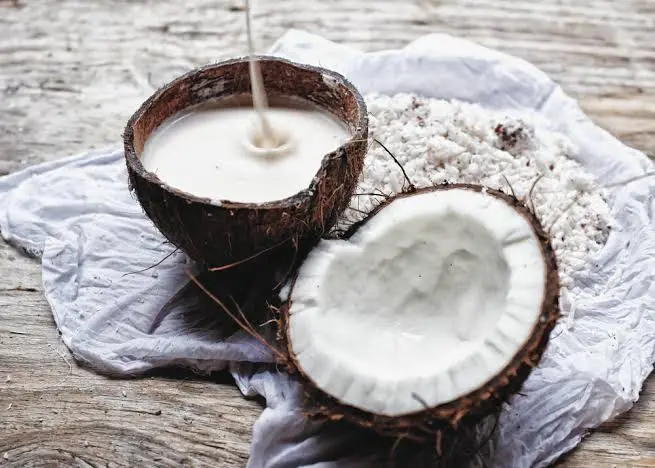
    Production: Made by blending freshly grated coconut meat with warm water, then straining through a cheesecloth or muslin. The first pressing produces thick, rich milk; subsequent pressings create thinner milk.
    Pros:

    • Superior flavor and aroma—clean, fragrant, and free from metallic or “cooked” notes.
    • Free from preservatives, stabilizers, or additives.
    • Allows control over thickness and richness.
    • Often higher in certain nutrients due to minimal processing.

    Cons:

    • Time-consuming to make.
    • Short shelf life—must be used within 24–48 hours when refrigerated.
    • Requires access to fresh coconuts and proper tools.

    Best Uses:

    • Traditional Southeast Asian curries.
    • Fresh desserts like coconut pudding.
    • High-end dishes where flavor purity matters.

    Canned Coconut Milk

    Production: Made by industrially processing coconut flesh with water, homogenizing, and sealing in cans. It often contains stabilizers like guar gum and sometimes added water to standardize thickness.

    Pros:

    • Extremely convenient—ready to use straight from the can.
    • Long shelf life (often 1–2 years unopened).
    • Available globally, regardless of fresh coconut availability.
    • Consistent texture and fat content.

    Cons:

    • May contain additives that affect flavor and texture.
    • Some brands have a slightly metallic or processed taste.
    • Separation can occur, requiring stirring or shaking before use.

    Best Uses:

    • Everyday cooking—curries, soups, stews.
    • Baking recipes that require consistent fat ratios.
    • Smoothies or coffee creamers where convenience is key.

    Coconut Milk in a Carton (UHT / Aseptic)

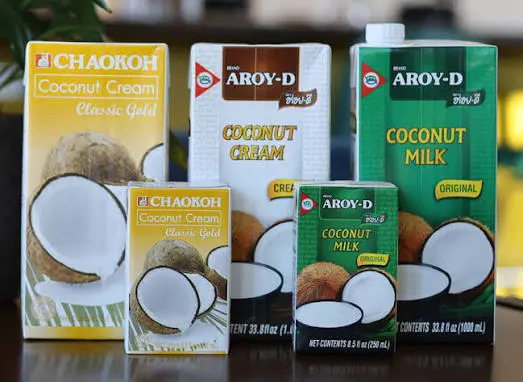
    Production: Made by heating the coconut milk to ultra-high temperatures (UHT) for a few seconds to kill bacteria, then packaging it in sterile, multilayer paper cartons (aseptic packaging).

    • Pros: Cleaner taste than canned milk (no metallic aftertaste), long shelf life without heavy preservatives, and often comes in lighter textures suitable for direct consumption.
    • Cons: Can sometimes be diluted with more water or contain emulsifiers to prevent separation during long storage.
    • Best Uses: Ideal for professional barista use (coconut lattes), commercial beverage manufacturing, and everyday smoothies.

    Nutritional Comparison

    Fresh coconut milk often contains slightly more antioxidants and enzymes due to minimal heat processing, but canned milk still retains most nutrients like medium-chain triglycerides (MCTs), lauric acid, and minerals (manganese, copper, magnesium). For those concerned about additives, choosing organic canned coconut milk with no added stabilizers can narrow the nutritional gap.

    CharacteristicsFresh Coconut MilkCanned Coconut MilkCarton Coconut Milk (UHT)
    Flavor ProfilePure, fragrant, sweet undertonesRich, creamy, sometimes metallicClean, neutral, dairy-like texture
    Shelf LifeVery short (24-48 hours)Long (1-2 years unopened)Medium to Long (6-12 months)
    Additives100% Additive-freeOften contains Guar GumMay contain stabilizers/emulsifiers
    B2B Industrial UseLow (unsuitable for export)High (Foodservice & Restaurants)High (Beverage & Barista Industry)

    Cost Considerations

    Fresh coconut milk can be cheaper in coconut-producing regions but costly where coconuts are imported. Canned coconut milk is more economical in areas without easy access to fresh coconuts due to its long shelf life and bulk availability.


    Sustainability

    Fresh coconut milk is eco-friendly when coconuts are locally sourced, as it avoids the packaging waste and transport footprint of canned goods. However, sustainably sourced canned coconut milk (in recyclable packaging and from fair-trade suppliers) can also be an ethical choice.

    Scale Your Business with Premium Bulk Coconut Supplies
    Sourcing the right consistency of coconut milk is vital for large-scale food manufacturing and hospitality businesses. Global Coco Sugar provides international procurement managers with premium, sustainably sourced Indonesian coconut derivatives.

    Whether you require coconut ingredients tailored for industrial baking, beverages, or commercial confectionery, we ensure a stable supply chain with strict quality controls.

    Inquire About Bulk Sourcing & Custom Specifications Today

    How to Choose

    Ask yourself:

    • Do I have the time and tools? Fresh requires more effort.
    • Is flavor my top priority? Fresh wins for purity and aroma.
    • Do I need convenience? Canned is unbeatable here.
    • Am I making a traditional dish? Fresh is often preferred for authenticity.
    • Do I live far from coconut sources? Canned ensures year-round availability.

    Final Verdict

    Both canned, fresh, and carton coconut milk have their rightful place in the culinary and industrial worlds. Use fresh coconut milk when flavor purity is your absolute priority and you have immediate access to fresh ingredients. For everyday convenience and consistent baking ratios, canned options are unbeatable. Meanwhile, carton (UHT) coconut milk is the go-to choice for modern beverage formulations and professional barista applications.

    For industrial food manufacturers looking to source premium Indonesian coconut products in bulk, choosing a certified exporter like Global Coco Sugar ensures compliance with global standards.

  • How to Store Coconut Sugar for Long-Lasting Freshness

    How to Store Coconut Sugar for Long-Lasting Freshness

    Coconut sugar, derived from the sap of coconut palm flowers, is a natural sweetener cherished for its mild caramel flavor and lower glycemic index compared to refined sugar. As a minimally processed product, it retains nutrients such as potassium, iron, zinc, and antioxidants, making it a popular choice for health-conscious consumers. However, to enjoy its flavor, texture, and nutritional benefits over time, proper storage is essential. Without the right storage methods, coconut sugar can clump, lose flavor, or even spoil due to moisture and pests.

    This guide explores the best ways to store coconut sugar, factors affecting its shelf life, and practical tips to ensure long-lasting freshness.


    1. Understanding Coconut Sugar’s Shelf Life

    Coconut sugar typically has a shelf life of 1–2 years when stored properly. Because it’s hygroscopic (absorbs moisture from the air), it’s prone to hardening or forming lumps if exposed to humidity. While this doesn’t necessarily make it unsafe to consume, it can alter texture and make measuring more difficult.


    2. Factors That Affect Coconut Sugar Freshness

    Several elements can reduce coconut sugar’s quality over time:

    • Moisture: Encourages clumping and potential microbial growth.
    • Air Exposure: Can lead to oxidation, dulling its caramel-like flavor.
    • Heat: May alter its taste and color.
    • Light: Prolonged light exposure can affect its quality.
    • Pests: Like any natural sweetener, coconut sugar can attract ants or pantry insects if left unsealed.

    3. Best Storage Containers

    Choosing the right container is key to keeping coconut sugar fresh:

    • Airtight Glass Jars: Mason jars or clip-top jars are ideal as they prevent air and moisture entry.
    • Food-Grade Plastic Containers: Lightweight and durable for pantry storage.
    • Vacuum-Sealed Bags: Excellent for long-term storage and bulk purchases.
    • Resealable Mylar Bags with Oxygen Absorbers: Best for extended shelf life in humid climates.

    4. Ideal Storage Conditions

    Store coconut sugar in:

    • A Cool, Dry Place: Away from stoves, ovens, or direct sunlight.
    • Dark Pantry or Cupboard: To protect it from light degradation.
    • Temperature Range: Between 15–25°C (59–77°F) is ideal.

    5. Tips for Preventing Clumping

    Even with proper storage, some clumping is natural. To reduce it:

    • Add a small silica gel packet (food-safe) inside the container.
    • Place a dry rice bag wrapped in cheesecloth to absorb excess moisture.
    • Avoid using wet spoons when scooping sugar.

    6. How to Store in Humid Climates

    If you live in a humid region:

    • Store in smaller portions so you open only what you need.
    • Use airtight containers with double seals.
    • Consider refrigerating coconut sugar in airtight jars to slow moisture absorption—though allow it to return to room temperature before use to prevent condensation.

    7. Can You Freeze Coconut Sugar?

    Yes, coconut sugar can be frozen for extra-long storage, especially if bought in bulk. Steps:

    1. Portion the sugar into airtight freezer-safe bags.
    2. Remove as much air as possible before sealing.
    3. Store for up to 2–3 years.
    4. Thaw at room temperature before use, ensuring no condensation forms inside the bag.

    8. Reviving Hardened Coconut Sugar

    If your coconut sugar hardens:

    • Place it in an airtight container with a slice of apple or bread for a few hours to restore softness.
    • Gently break lumps with a spoon or pulse in a food processor.

    9. Signs Coconut Sugar Has Gone Bad

    While rare, coconut sugar can spoil if exposed to high moisture or pests. Watch for:

    • Mold growth or unusual odors.
    • Sticky texture indicating excessive moisture.
    • Presence of insects.

    If any of these occur, it’s best to discard it.


    10. Sustainability and Bulk Buying

    Coconut sugar is often produced in small farming communities, and buying in bulk supports farmers while reducing packaging waste. However, bulk buying requires careful long-term storage planning to maintain quality.


    11. Summary of Storage Best Practices

    • Use airtight, moisture-proof containers.
    • Store in a cool, dry, and dark location.
    • Keep away from strong odors (as sugar can absorb them).
    • Portion large amounts into smaller containers.
    • Monitor for clumping, pests, or spoilage.

    Conclusion

    Coconut sugar’s natural sweetness and health benefits make it a staple in many kitchens. With its tendency to absorb moisture, thoughtful storage is key to keeping it fresh for as long as possible. By using airtight containers, keeping it in a cool and dry space, and monitoring for changes in texture or smell, you can ensure your coconut sugar remains flavorful and safe to use—whether you’re sweetening your morning coffee, baking cookies, or making traditional desserts. Proper storage not only extends its shelf life but also helps you get the most out of every spoonful.

  • Top 5 Coconut Sugar Brands You Can Trust

    Top 5 Coconut Sugar Brands You Can Trust

    As more people turn away from refined sugar and artificial sweeteners, coconut sugar has emerged as a popular natural alternative. Made from the sap of coconut palm flower buds, this unrefined sweetener contains small amounts of minerals, antioxidants, and inulin—a fiber that may slow glucose absorption. With a rich, caramel-like taste, coconut sugar is perfect for baking, beverages, and everyday use.

    However, not all coconut sugars are created equal. To ensure you’re getting a product that’s organic, sustainably sourced, and free from additives, it’s important to choose a trustworthy brand. In this article, we review five top coconut sugar brands known for quality, transparency, and ethical sourcing.


    1. Big Tree Farms – Bali Coconut Sugar

    🏷️ Overview:

    Big Tree Farms is one of the pioneers in the coconut sugar industry and a top choice among health-conscious consumers.

    Why You Can Trust Them:

    • Certified Organic and Fair Trade
    • Sourced directly from Indonesian farmers
    • Low glycemic index (GI ~35)
    • Processed using traditional, sustainable methods

    🍬 Flavor and Texture:

    Big Tree Farms’ coconut sugar has a mild caramel flavor, with a fine texture that dissolves well in hot liquids and bakes evenly.

    🌿 Sustainability:

    They emphasize transparency and sustainability, operating one of the world’s largest transparent supply chains for coconut sugar. Their “Farm to Table” approach supports over 14,000 Indonesian farmers.

    🛒 Best For:

    Daily sweetening, baking, and ethical shoppers


    2. BetterBody Foods Organic Coconut Palm Sugar

    🏷️ Overview:

    BetterBody Foods is a well-established brand in the natural food space, and their coconut sugar is a favorite for its balance of quality and affordability.

    Why You Can Trust Them:

    • USDA Organic and non-GMO certified
    • Low GI
    • No additives or preservatives

    🍬 Flavor and Texture:

    It offers a rich, full-bodied sweetness with hints of toffee. The grains are slightly coarser, making it ideal for use in rubs, toppings, and baked goods with texture.

    🌿 Sustainability:

    Though not Fair Trade certified, BetterBody Foods sources responsibly from Southeast Asia and maintains rigorous quality control standards.

    🛒 Best For:

    Bakers and budget-conscious consumers who want organic without breaking the bank


    3. Terrasoul Superfoods Organic Coconut Sugar

    🏷️ Overview:

    Terrasoul Superfoods has built a strong reputation for delivering high-quality superfoods, and their coconut sugar lives up to the brand’s high standards.

    Why You Can Trust Them:

    • Certified Organic, Kosher, and non-GMO
    • Batch-tested for quality and purity
    • Transparent sourcing from small Southeast Asian farms

    🍬 Flavor and Texture:

    This coconut sugar has a subtle, complex flavor, not overly sweet, which makes it perfect for enhancing coffee, tea, or even savory sauces.

    🌿 Sustainability:

    Terrasoul supports smallholder farmers and promotes organic agriculture, using sustainable harvesting and minimal processing techniques.

    🛒 Best For:

    Clean eaters, superfood enthusiasts, and minimalists


    4. Wholesome Organic Coconut Palm Sugar

    🏷️ Overview:

    Wholesome is a well-known name in natural and organic sweeteners. Their coconut palm sugar is both Fair Trade and USDA Organic, which appeals to conscious consumers.

    Why You Can Trust Them:

    • Fair Trade Certified
    • USDA Organic
    • Gluten-free, vegan, and non-GMO

    🍬 Flavor and Texture:

    Wholesome’s coconut sugar has a consistent golden brown color, and its flavor is on the milder side, making it an easy substitute for white sugar in any recipe.

    🌿 Sustainability:

    Their commitment to fair labor and environmentally responsible farming practices makes Wholesome a go-to brand for ethical buyers.

    🛒 Best For:

    Fair Trade advocates and everyday sweetener substitution


    5. Nutiva Organic Coconut Sugar

    🏷️ Overview:

    Nutiva is a pioneer in organic superfoods, and their coconut sugar is part of a lineup of trusted, nutrient-dense products.

    Why You Can Trust Them:

    • Organic and non-GMO certified
    • Sustainably sourced from Indonesian farms
    • Comes in eco-friendly packaging

    🍬 Flavor and Texture:

    Nutiva’s coconut sugar is finely granulated and has a more roasted flavor profile—perfect for oatmeal, coffee, and desserts that benefit from a bold sweetness.

    🌿 Sustainability:

    Nutiva donates 1% of every sale to support sustainable agriculture, nutrition education, and community programs.

    🛒 Best For:

    Eco-conscious consumers and those looking for a richer caramel flavor


    What to Look for in a Good Coconut Sugar Brand

    When evaluating coconut sugar brands, consider the following criteria:

    Certifications

    Look for USDA Organic, Fair Trade, and non-GMO labels to ensure you’re getting a clean and ethically produced product.

    Origin

    Coconut sugar is traditionally produced in Indonesia, Philippines, and Thailand. Trustworthy brands often name the region and farm source on the label.

    Processing

    Unrefined coconut sugar should be minimally processed with no bleaching, additives, or anti-caking agents.

    Flavor Profile

    Depending on your preference, choose a brand with a flavor that complements your intended use—some are bolder and more molasses-like, while others are mild and more versatile.


    Health Benefits of Coconut Sugar (When Used in Moderation)

    While coconut sugar is not a “health food” in the traditional sense, it is a better-for-you alternative to refined sugar:

    • Low Glycemic Index (GI 35): Slower sugar absorption compared to white sugar
    • Contains Minerals: Small amounts of iron, zinc, calcium, potassium
    • Inulin Fiber: A prebiotic that can support gut health

    That said, coconut sugar still contains fructose and glucose, so moderation is key. Use it as a replacement—not a license to consume more sugar overall.


    Conclusion: Sweet Choices Rooted in Integrity

    In a market flooded with sweeteners, coconut sugar stands out as a natural, unrefined, and more sustainable choice. However, the quality of your coconut sugar depends heavily on the brand you choose. Brands like Big Tree Farms, BetterBody Foods, Terrasoul, Wholesome, and Nutiva consistently deliver products that are clean, ethical, and delicious.

    By choosing brands that prioritize fair trade, organic sourcing, and environmental responsibility, you’re not just sweetening your recipes—you’re supporting communities and sustainable farming around the world.

    So go ahead—swap that white sugar for a spoonful of coconut goodness. Your taste buds and your conscience will thank you.


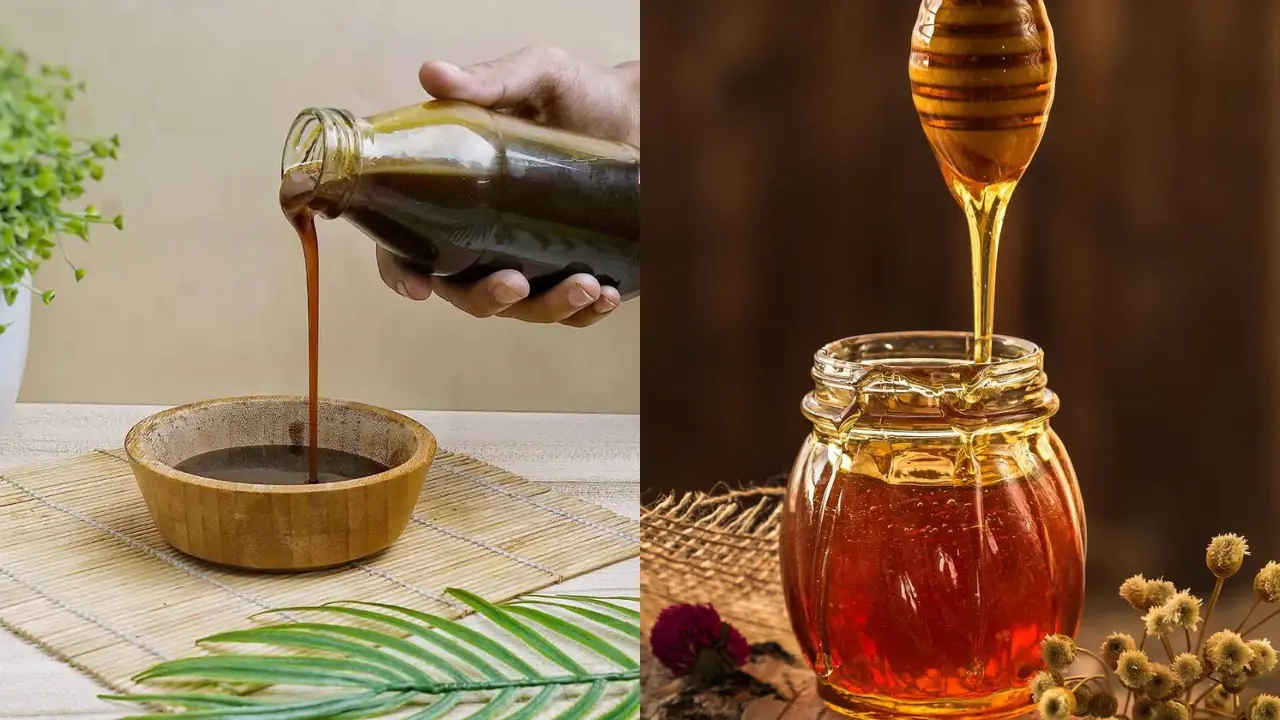
  • Coconut Nectar vs. Maple Syrup: A Nutritional Comparison

    Coconut Nectar vs. Maple Syrup: A Nutritional Comparison

    As more people seek natural alternatives to refined sugar, coconut nectar and maple syrup have emerged as two popular, plant-based sweeteners. Both are marketed as healthier options, packed with nutrients and lower on the glycemic index than white sugar. But how do they truly compare when it comes to nutrition, taste, health benefits, and everyday use?

    In this article, we’ll take a closer look at coconut nectar vs. maple syrup, exploring their sources, nutrient profiles, glycemic impact, culinary uses, and how each sweetener fits into a balanced diet.


    1. What is Coconut Nectar?

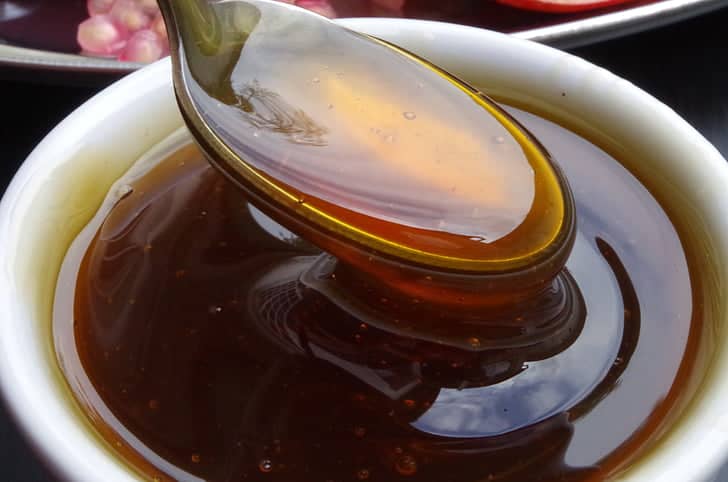
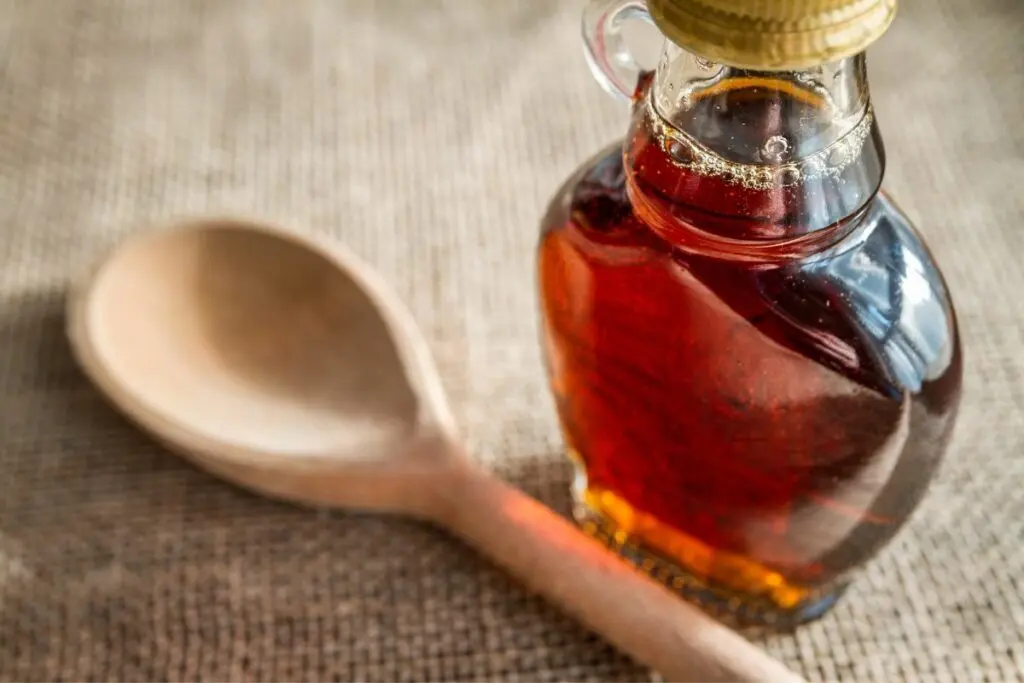
    Coconut nectar is a natural sweetener made from the sap of the coconut palm’s flower buds. The sap is collected, then gently heated to remove moisture, resulting in a thick, amber-colored syrup with a rich, slightly tangy sweetness.

    Importantly, coconut nectar is minimally processed and does not involve bleaching, chemical refining, or additives, making it a popular option for people following clean eating or plant-based diets.


    2. What is Maple Syrup?

    Maple syrup is produced from the sap of sugar maple trees, primarily found in North America. The sap is boiled down to concentrate its natural sugars and develop a deep, caramel-like flavor.

    Like coconut nectar, pure maple syrup is a natural product. However, it’s important to distinguish pure maple syrup from commercial pancake syrups, which often contain high-fructose corn syrup and artificial flavoring.


    3. Nutritional Profile: Side-by-Side Comparison

    Here’s a basic nutritional breakdown per 1 tablespoon (15 ml) of each sweetener:

    NutrientCoconut NectarMaple Syrup
    Calories~60~52
    Total Sugar~13g~12g
    Glycemic Index (GI)~35~54
    Carbohydrates~15g~13.5g
    CalciumSmall amounts~20 mg
    Potassium~130 mg~42 mg
    Iron~0.3 mg~0.2 mg
    ZincTrace~0.4 mg
    Magnesium~25 mg~4 mg

    Key Points:

    • Coconut nectar has a lower glycemic index (GI ~35), meaning it’s less likely to spike blood sugar levels compared to maple syrup.
    • Maple syrup has slightly fewer calories per tablespoon.
    • Coconut nectar is higher in potassium and magnesium, while maple syrup provides more zinc and calcium.

    4. Antioxidant and Mineral Content

    Both sweeteners contain small amounts of minerals and antioxidants, though neither should be considered a significant source of nutrients.

    • Maple syrup contains polyphenols, plant compounds with antioxidant properties. It also contains small amounts of manganese, riboflavin, and zinc, which are important for immune and metabolic function.
    • Coconut nectar, on the other hand, contains inulin, a type of prebiotic fiber that may benefit gut health and blood sugar control.

    While the nutritional differences exist, they are modest when considering the small serving sizes typically consumed.


    5. Glycemic Index: Blood Sugar Impact

    One of the major concerns with sweeteners is how they affect blood sugar. The glycemic index (GI) measures how quickly a food raises blood glucose levels.

    • Coconut nectar has a GI of 35, which is considered low. This is largely due to its inulin content, which slows sugar absorption.
    • Maple syrup’s GI is around 54, placing it in the moderate range.

    For individuals with diabetes or insulin resistance, coconut nectar may be the better choice due to its gentler impact on blood sugar.


    6. Taste and Culinary Uses

    Coconut Nectar:

    • Flavor: Mildly sweet, with a slightly caramel-like or tangy taste.
    • Texture: Thick, smooth syrup, slightly stickier than maple syrup.
    • Best Uses: Drizzled on oatmeal, used in baking, added to marinades, smoothies, or salad dressings.

    Maple Syrup:

    • Flavor: Deep, rich sweetness with distinct maple and toffee notes.
    • Texture: Smooth and pourable.
    • Best Uses: Classic pancake topping, used in desserts, glazes for meats or vegetables, or stirred into drinks like coffee or tea.

    Verdict: Both are versatile, but the distinct flavor of maple syrup is more recognizable and widely used in traditional North American cooking. Coconut nectar has a more neutral profile, making it adaptable in various global cuisines.


    7. Sustainability and Environmental Impact

    Coconut Nectar:

    • Coconut trees are high-yielding and sustainable, often growing in diverse, biodiverse tropical environments.
    • Harvesting the sap does not harm the tree, and the production is low-impact.

    Maple Syrup:

    • Maple syrup production is relatively sustainable, involving tapping trees without cutting them down.
    • However, it’s geographically limited to northern climates, making production more seasonal and energy-intensive due to boiling.

    Both options are eco-friendly, though coconut nectar may edge ahead in terms of year-round production and lower energy use.


    8. Price and Availability

    • Maple syrup is widely available in North America and Europe and is relatively affordable, especially in regions where it’s locally produced.
    • Coconut nectar tends to be more expensive and less accessible, especially in areas where coconut palms aren’t native.

    For budget-conscious shoppers, maple syrup may be the more economical option.


    9. Health Considerations

    Despite their natural origins, both sweeteners are still forms of sugar and should be consumed in moderation.

    • Coconut nectar may be better for diabetics due to its lower GI, though it still contains sugar and carbohydrates.
    • Maple syrup contains fewer calories per tablespoon, but slightly higher GI makes it less ideal for strict blood sugar control.
    • Neither sweetener is calorie-free, and overuse can contribute to weight gain, tooth decay, or blood sugar imbalances.

    10. Final Verdict: Which Is Better?

    Choose Coconut Nectar if You:

    • Need a low-GI sweetener for blood sugar control
    • Prefer a more neutral flavor in recipes
    • Want more potassium and magnesium in your diet
    • Follow a vegan, raw, or paleo lifestyle

    Choose Maple Syrup if You:

    • Prefer a strong, recognizable flavor
    • Need a slightly lower-calorie option
    • Want a sweetener with more zinc and calcium
    • Live in a region where it’s more accessible and affordable

    Conclusion: Both coconut nectar and maple syrup are healthier alternatives to refined sugar, offering trace nutrients and natural sweetness. The “better” choice ultimately depends on your dietary needs, flavor preferences, and budget. Used mindfully, either can fit into a balanced and health-conscious diet.

  • Virgin Coconut Oil vs. Other Oils: Which Is the Healthiest?

    Virgin Coconut Oil vs. Other Oils: Which Is the Healthiest?

    In the world of nutrition and cooking, oils are more than just a cooking medium—they’re a significant contributor to our overall health. From olive oil to canola oil, sunflower to coconut, consumers are often faced with a multitude of choices, each claiming to be the healthiest. Among these, virgin coconut oil (VCO) has gained substantial popularity for its purported health benefits, ranging from weight management to improved heart and skin health.

    But how does virgin coconut oil stack up against other popular oils in terms of nutritional value, cooking properties, and health impacts? In this article, we’ll take an in-depth look at VCO and compare it to other commonly used oils to help you decide which is the healthiest option for your needs.


    What Is Virgin Coconut Oil?

    Virgin coconut oil is extracted from the fresh milk or meat of mature coconuts without using chemicals or high heat. It retains more of the natural aroma, flavor, and nutrients found in coconut compared to refined coconut oil. Unlike regular coconut oil, which is typically processed and bleached, VCO is unrefined, cold-pressed, and minimally processed.

    Key Nutritional Properties:

    • High in saturated fats (about 90% of total fat content)
    • Rich in medium-chain triglycerides (MCTs) like lauric acid, caprylic acid, and capric acid
    • Contains antioxidants and anti-inflammatory compounds
    • Free of cholesterol and trans fats

    How Does Virgin Coconut Oil Compare to Other Oils?

    To determine the healthiest oil, we must consider three main factors:

    1. Nutritional content
    2. Health benefits and risks
    3. Cooking suitability

    Let’s compare VCO to some of the most commonly used oils.


    1. Virgin Coconut Oil vs. Olive Oil

    Nutritional Highlights:

    • Virgin Coconut Oil: High in saturated fats (~90%), mainly MCTs.
    • Extra Virgin Olive Oil (EVOO): High in monounsaturated fats (~73%), particularly oleic acid.

    Health Benefits:

    • Coconut Oil: MCTs in coconut oil are metabolized quickly, possibly aiding weight loss and boosting energy. Lauric acid has antibacterial and antiviral properties.
    • Olive Oil: Rich in antioxidants and polyphenols; widely studied for cardiovascular benefits. Associated with reduced inflammation, lower LDL (bad cholesterol), and better heart health.

    Cooking Use:

    • Coconut Oil: Stable at high temperatures; ideal for frying and baking.
    • Olive Oil: Best used raw or for low to medium-heat cooking. High heat can degrade its antioxidants.

    Verdict: Olive oil is better for heart health due to its unsaturated fat profile and proven cardiovascular benefits, while coconut oil offers quick energy and antimicrobial effects.


    2. Virgin Coconut Oil vs. Canola Oil

    Nutritional Highlights:

    • VCO: Almost entirely saturated fats.
    • Canola Oil: Low in saturated fat (about 7%), high in monounsaturated fats, and contains omega-3 fatty acids.

    Health Benefits:

    • Canola Oil: May lower bad cholesterol levels and reduce risk of heart disease when used in moderation.
    • Coconut Oil: MCTs may promote satiety and support metabolism, though research on cholesterol effects is mixed.

    Cooking Use:

    • Both oils have a relatively high smoke point (~400°F), making them suitable for frying.

    Verdict: Canola oil wins for heart health and omega-3 content, but VCO is a better choice for those seeking natural, minimally processed options with antimicrobial and digestive benefits.


    3. Virgin Coconut Oil vs. Sunflower Oil

    Nutritional Highlights:

    • Sunflower Oil: High in polyunsaturated fats (especially omega-6).
    • VCO: MCT-rich saturated fats.

    Health Benefits:

    • Sunflower Oil: Contains vitamin E, but excessive omega-6 can promote inflammation if not balanced with omega-3s.
    • Coconut Oil: Provides antimicrobial benefits and may support digestive health.

    Cooking Use:

    • Sunflower Oil: High smoke point, neutral taste—great for deep frying.
    • VCO: Adds a light coconut flavor; ideal for stir-fries, baking, and tropical dishes.

    Verdict: Moderation is key—sunflower oil is versatile but can contribute to inflammation if overused; coconut oil is more beneficial in moderate amounts and less processed.


    4. Virgin Coconut Oil vs. Butter

    Nutritional Highlights:

    • Both are high in saturated fats.
    • Butter contains cholesterol and animal-based fats.
    • Coconut Oil is plant-based, with MCTs and no cholesterol.

    Health Benefits:

    • Butter: Contains fat-soluble vitamins (A, D, E, K), but contributes to cholesterol intake.
    • VCO: May support weight loss and metabolism, with anti-inflammatory effects.

    Cooking Use:

    • Both are excellent for baking and sautéing.

    Verdict: For those avoiding animal products or cholesterol, virgin coconut oil is a healthier alternative to butter.


    The Saturated Fat Controversy

    One of the biggest concerns surrounding coconut oil is its high saturated fat content. Traditionally, saturated fats have been associated with increased LDL (bad cholesterol) and a higher risk of heart disease. However, recent research has begun to differentiate between long-chain saturated fats (found in animal fats) and medium-chain triglycerides (MCTs) found in coconut oil.

    What Studies Show:

    • MCTs are metabolized differently, rapidly used as energy rather than stored as fat.
    • Coconut oil raises both LDL and HDL (good cholesterol), which may balance cardiovascular effects.
    • Long-term human studies are still limited; some experts urge caution until more conclusive evidence is available.

    When Is Virgin Coconut Oil the Healthiest Choice?

    While it may not be the best oil for heart health when compared to olive or canola oil, virgin coconut oil offers unique advantages in certain scenarios:

    Best For:

    • Quick energy boosts due to MCTs
    • Antimicrobial and skin health benefits
    • Baking and high-heat cooking
    • Paleo, keto, or vegan diets
    • Those seeking natural, minimally processed oils

    Use in Moderation If:

    • You have high cholesterol or heart disease risk
    • You’re consuming other sources of saturated fat
    • You rely heavily on oil-based cooking daily

    Conclusion: So, Which Oil Is the Healthiest?

    There’s no one-size-fits-all answer when it comes to the healthiest oil. Each has its pros and cons depending on your dietary needs, cooking methods, and health goals.

    • Extra virgin olive oil is widely regarded as the healthiest oil overall due to its heart-protective properties.
    • Canola and avocado oils are good choices for those needing heart-healthy fats and cooking flexibility.
    • Virgin coconut oil stands out for its natural composition, antimicrobial benefits, and suitability in certain diets and high-heat cooking.

    Final Verdict: Virgin coconut oil can be a healthy choice—especially in moderation and when used appropriately—but it’s best combined with other oils in a balanced diet for optimal health outcomes.

  • Desiccated Coconut Fungi/Mold Concerns – How to Spot and Prevent Spoilage or Contamination

    Desiccated Coconut Fungi/Mold Concerns – How to Spot and Prevent Spoilage or Contamination

    Desiccated coconut is a popular ingredient in baking, cooking, and confectionery. Its sweet, nutty flavor and chewy texture make it a versatile addition to many recipes. However, like any dried food product, desiccated coconut can be vulnerable to fungal contamination and mold growth, which not only affects its quality but can also pose serious health risks.

    In this article, we will explore the causes of fungal growth in desiccated coconut, how to spot signs of spoilage, and most importantly, how to prevent contamination to ensure the safety and quality of this beloved ingredient.


    What Is Desiccated Coconut?

    Desiccated coconut is fresh coconut meat that has been shredded or flaked and then dried to remove most of its moisture content. This drying process helps extend the shelf life by reducing water activity—a key factor in microbial growth. Despite this, if not properly processed or stored, desiccated coconut can still become contaminated with fungi and molds.


    Why Is Fungi and Mold Growth a Concern?

    Fungi and molds are types of microorganisms that thrive in environments with moisture, warmth, and organic material to feed on. While drying reduces the risk, some molds are particularly resilient and can survive in low-moisture foods, including desiccated coconut.

    Health Risks

    Certain molds produce mycotoxins—harmful chemical compounds that can cause a range of health problems, from allergic reactions and respiratory issues to serious toxicity and cancer risk with prolonged exposure. Aspergillus species, for example, can produce aflatoxins, among the most potent naturally occurring carcinogens.

    Quality and Flavor

    Mold contamination degrades the flavor, texture, and appearance of desiccated coconut. Spoiled coconut develops off-odors, discoloration, and a bitter or musty taste, making it unsuitable for consumption or cooking.


    How Does Fungal Contamination Occur in Desiccated Coconut?

    1. Moisture Content and Water Activity

    Properly dried desiccated coconut should have a moisture content below 3%, which inhibits mold growth. However, if drying is incomplete or moisture is reintroduced during storage or transport, the product becomes susceptible to fungal contamination.

    2. Improper Storage Conditions

    Exposure to humidity, fluctuating temperatures, and poor packaging can cause desiccated coconut to absorb moisture from the air, promoting mold growth. Storing the product in warm, humid environments is a common cause of spoilage.

    3. Cross-Contamination

    Molds can also be introduced during processing if equipment is not adequately cleaned or if there’s contact with contaminated raw materials.

    4. Extended Shelf Life Without Proper Preservation

    Even though desiccated coconut is dried, it is still an organic product that can degrade over time. If stored beyond its shelf life or without appropriate conditions, it may spoil.


    How to Spot Mold or Fungal Spoilage in Desiccated Coconut

    Knowing how to identify signs of spoilage is essential to avoid consuming contaminated products.

    1. Visual Signs

    • Discoloration: Healthy desiccated coconut should be creamy white. Mold contamination often shows as green, black, blue, or gray spots.
    • Clumping: Mold growth can cause flakes to stick together in clumps.
    • Powdery or Fuzzy Growth: The presence of powdery, fuzzy, or slimy patches is a clear indication of fungal growth.

    2. Odor Changes

    Fresh desiccated coconut has a mild, sweet aroma. Spoiled coconut may emit sour, musty, or “earthy” odors characteristic of mold.

    3. Taste and Texture

    If the product tastes bitter, sour, or off in any way, or if it feels unusually damp or sticky, it may be spoiled.


    Prevention of Fungal Spoilage and Contamination

    Proper handling, storage, and hygiene practices are the best ways to prevent fungal contamination of desiccated coconut.

    1. Ensure Proper Drying During Processing

    • Use industrial drying equipment or sun-dry the coconut thoroughly until moisture content is below 3%.
    • Test moisture content regularly to ensure drying effectiveness.
    • Avoid overheating, which can degrade flavor and nutritional quality.

    2. Maintain Cleanliness in Processing Facilities

    • Sanitize equipment and storage areas frequently to prevent cross-contamination.
    • Train staff in good hygiene and safe handling practices.
    • Use air filtration or dehumidifiers in production areas to control ambient humidity.

    3. Use Appropriate Packaging

    • Package desiccated coconut in moisture-resistant, airtight containers.
    • Vacuum-sealing or nitrogen flushing can extend shelf life by limiting oxygen exposure, which molds require for growth.
    • Avoid packaging materials that absorb moisture or allow water vapor transmission.

    4. Store in Cool, Dry Conditions

    • Ideal storage temperatures are between 10–15°C (50–59°F) with low relative humidity (under 60%).
    • Avoid exposure to direct sunlight, heat sources, or damp environments.
    • Use desiccants (like silica gel packets) in packaging to absorb excess moisture.

    5. Rotate Stock and Monitor Shelf Life

    • Use a first-in, first-out (FIFO) system to minimize the time desiccated coconut sits in storage.
    • Label products with production and expiration dates.
    • Inspect inventory regularly for signs of spoilage.

    6. Consumer Handling Tips

    • Once opened, transfer desiccated coconut to airtight containers.
    • Refrigerate or freeze for longer storage, especially in humid climates.
    • Avoid using damp or dirty utensils to scoop the product.

    What To Do If You Suspect Mold Contamination

    If you spot any signs of mold or spoilage in desiccated coconut, it is safest to discard the product immediately. Do not attempt to scrape off moldy sections, as molds can penetrate deeper than the visible surface, and mycotoxins can be present even without visible mold.

    Consumption of moldy food can cause allergic reactions, gastrointestinal upset, and in some cases, more severe health problems. When in doubt, err on the side of caution.


    Regulatory Standards and Testing

    Food safety authorities around the world have established limits for fungal contamination and mycotoxin levels in dried foods, including desiccated coconut. Manufacturers should adhere to these standards by:

    • Conducting routine microbial testing on raw materials and finished products.
    • Implementing Hazard Analysis and Critical Control Points (HACCP) in production.
    • Complying with local and international food safety regulations.

    Consumers can look for products certified by reputable food safety organizations to reduce the risk of contamination.


    Conclusion

    Desiccated coconut is a valuable and versatile ingredient, but like all dried food products, it is vulnerable to fungal contamination and mold spoilage if not properly handled. Understanding how to spot signs of spoilage, coupled with good processing, packaging, and storage practices, is key to maintaining product quality and safety.

    Producers must ensure thorough drying and clean environments, while consumers should store desiccated coconut in cool, dry places and use it within recommended timeframes. By following these guidelines, the risk of fungi and mold contamination can be minimized, keeping desiccated coconut safe and delicious for your favorite recipes.

Secret Link