Category: Product Knowledge

  • Coconut Blossom Sugar vs. the Rest: Which Sweetener Is Best for Your Health?

    Coconut Blossom Sugar vs. the Rest: Which Sweetener Is Best for Your Health?

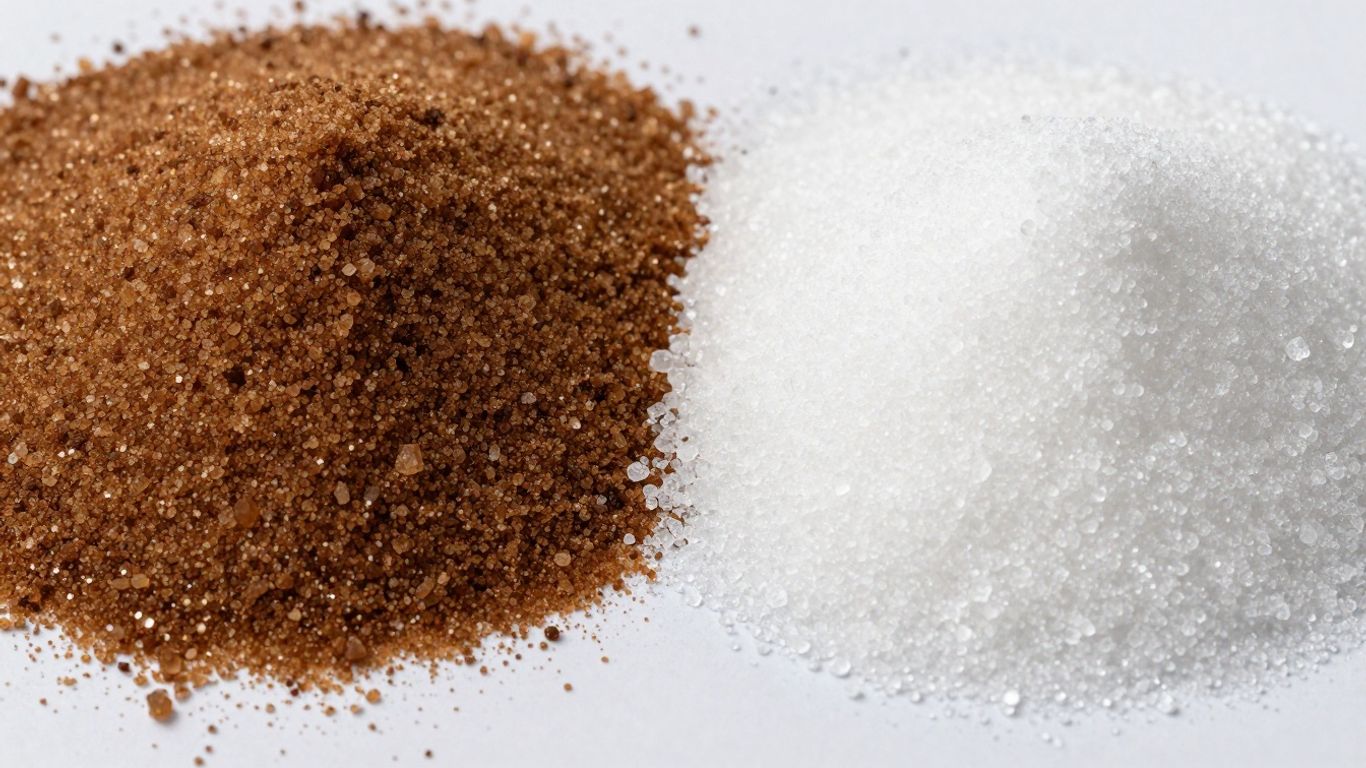
    In the quest to reduce refined sugar intake and choose healthier alternatives, a wide array of sweeteners has hit the shelves—stevia, honey, agave nectar, maple syrup, and one lesser-known contender: coconut blossom sugar. Marketed as a more natural and nutrient-rich option, coconut sugar has gained attention among health-conscious consumers. But how does it really compare to other sweeteners? Is it truly healthier, or just another sugar with a fancy name?

    This article breaks down the nutritional facts, benefits, and drawbacks of coconut blossom sugar and compares it to common alternatives to help you determine which sweetener best aligns with your health goals.


    What Is Coconut Blossom Sugar?

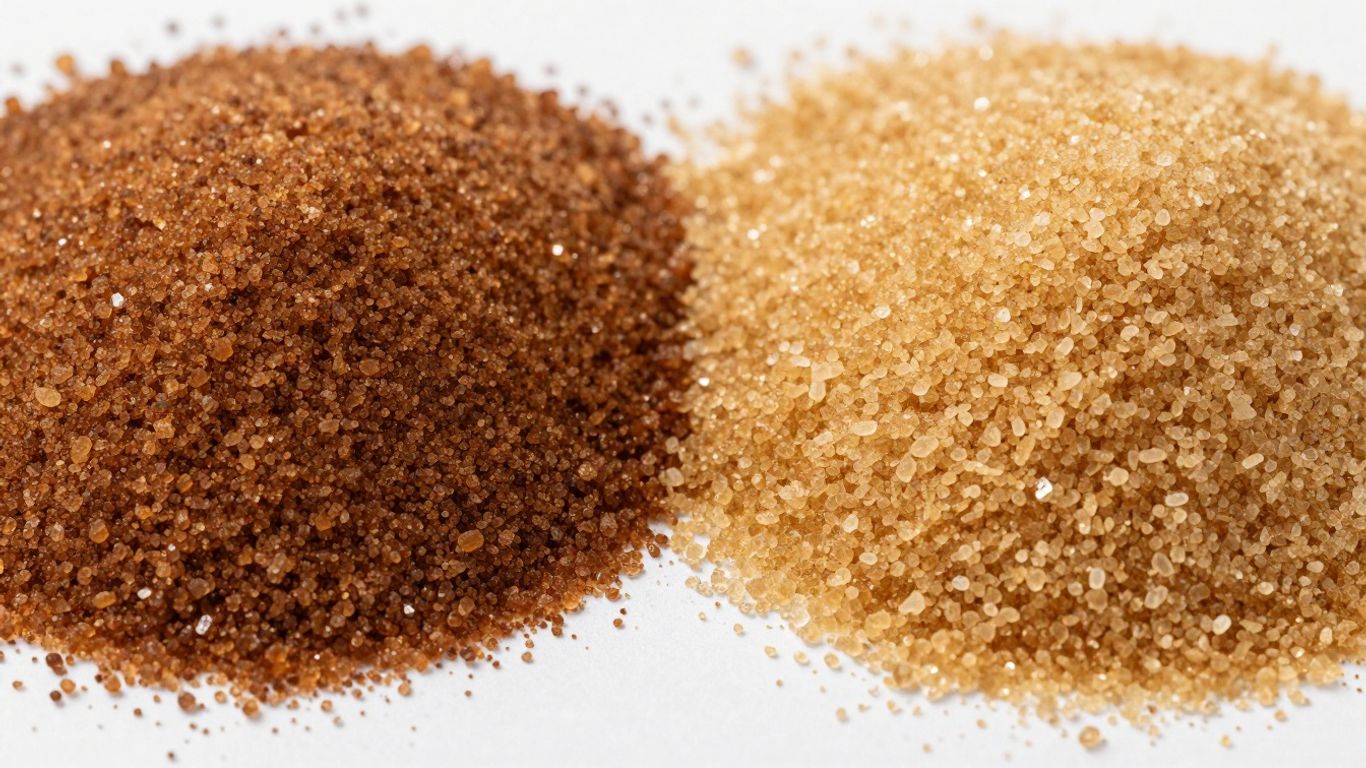
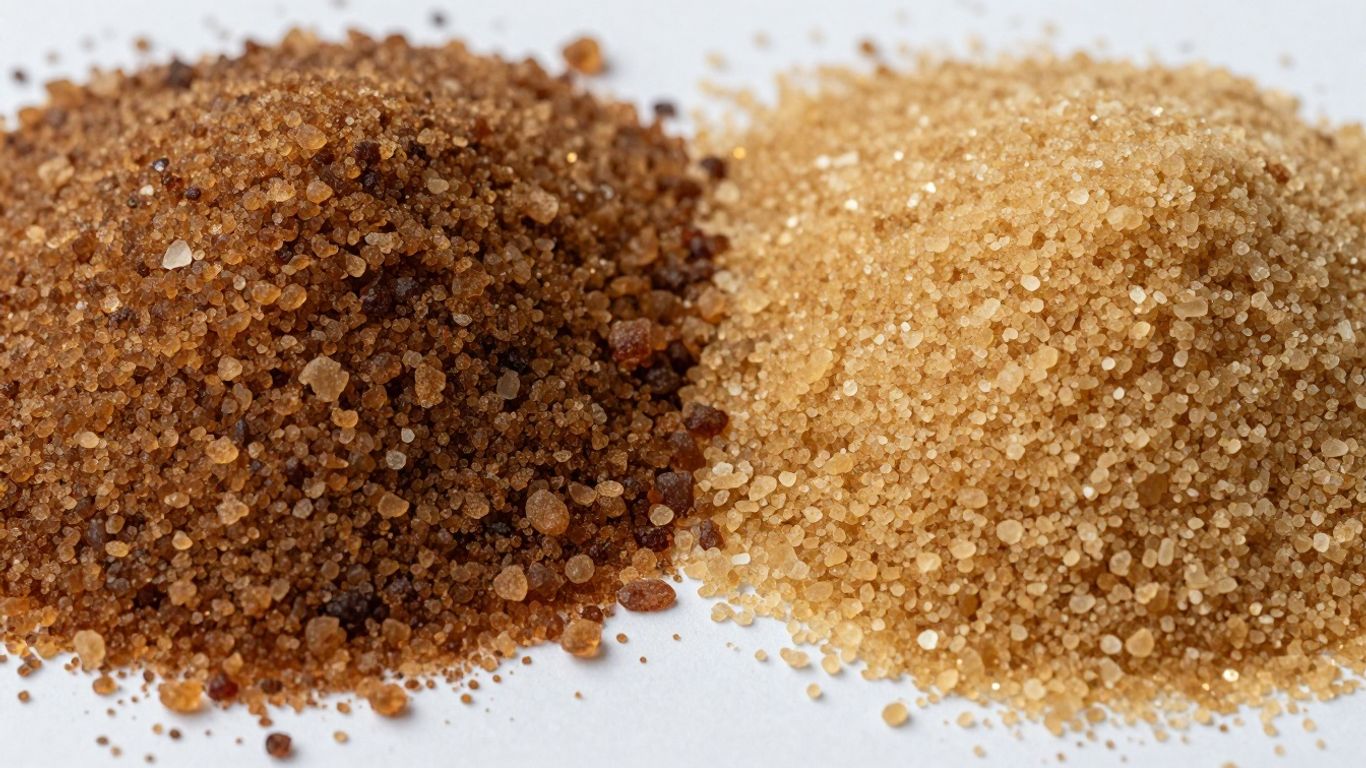
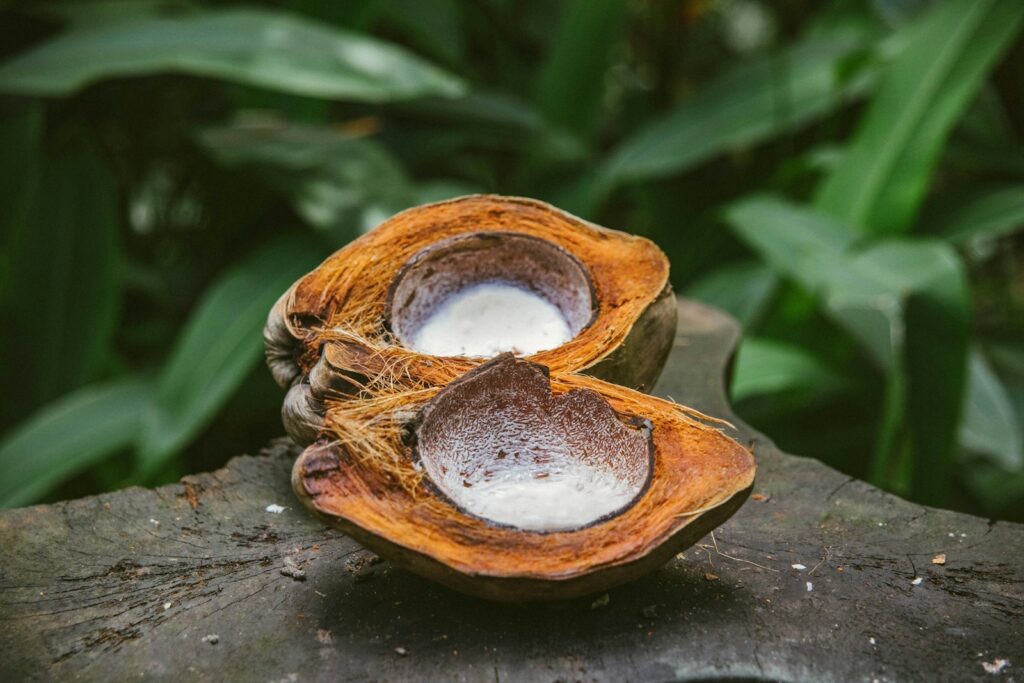
    Coconut blossom sugar, also called coconut palm sugar, is made from the sap of the flower buds of the coconut palm tree (Cocos nucifera). Unlike white sugar, which undergoes heavy processing, coconut sugar is minimally processed. The sap is boiled until it thickens into syrup and eventually crystallizes into granules.

    It has a rich, caramel-like flavor and a color similar to brown sugar. It’s popular in Southeast Asian cooking and has gained traction in Western markets as a more “natural” sugar alternative.


    Nutritional Profile of Coconut Blossom Sugar

    Coconut sugar is often advertised as more nutritious than refined white sugar, but let’s examine the facts:

    Per 1 teaspoon (~4 grams):

    • Calories: ~15
    • Carbohydrates: 4g
    • Sugars: ~4g
    • Glycemic Index (GI): ~35–54 (varies by source)
    • Trace amounts of:
      • Potassium
      • Magnesium
      • Zinc
      • Iron
      • Inulin (a type of prebiotic fiber)

    Compared to refined sugar, which offers zero nutrients beyond pure sucrose, coconut sugar does have some trace minerals and fiber. However, these micronutrients are present in such small quantities that you’d need to consume a lot of coconut sugar to make a nutritional impact—thereby negating the health benefit.

    Bottom line: Yes, it’s less processed and has trace nutrients, but it’s still sugar and should be used in moderation.


    Coconut Sugar vs. Other Popular Sweeteners

    Let’s compare coconut sugar to other common natural and artificial sweeteners across key health categories.


    1. Coconut Sugar vs. White Sugar

    • Processing: Coconut sugar is minimally processed; white sugar is highly refined.
    • Nutrients: Coconut sugar contains trace minerals; white sugar has none.
    • Glycemic Index: Coconut sugar (GI 35–54) is lower than white sugar (GI 65).

    Verdict: Coconut sugar is a marginally better alternative due to its lower GI and trace nutrients, but both spike blood sugar and should be limited.


    2. Coconut Sugar vs. Honey

    • Calories: Honey has slightly more (21 cal per tsp vs. 15).
    • GI: Varies depending on the type of honey but generally ranges from 35 to 60.
    • Nutrients: Honey contains antioxidants, enzymes, and vitamins in small amounts.
    • Other benefits: Honey has antibacterial and anti-inflammatory properties.

    Verdict: Raw honey may have more health-promoting compounds than coconut sugar, but it also contains more sugar per serving. Use sparingly and choose raw, unfiltered varieties.


    3. Coconut Sugar vs. Maple Syrup

    • Calories: ~17 per teaspoon
    • GI: ~54
    • Nutrients: Maple syrup contains manganese, riboflavin, and zinc.
    • Flavor: Stronger than coconut sugar; may not work in all recipes.

    Verdict: Maple syrup has a slightly better nutritional profile and a unique flavor but still needs to be consumed in moderation due to its high sugar content.


    4. Coconut Sugar vs. Agave Nectar

    • GI: Agave has a very low GI (~15), but this is due to its high fructose content (up to 90%).
    • Health concerns: High fructose intake is linked to fatty liver disease, insulin resistance, and obesity.
    • Processing: Agave is often highly processed, despite its natural origins.

    Verdict: Coconut sugar may be a healthier option than agave nectar due to agave’s high fructose load, which can be harmful over time.


    5. Coconut Sugar vs. Stevia

    • Calories: Zero
    • GI: Zero
    • Nutritional value: None, but doesn’t spike blood sugar.
    • Concerns: Some people dislike the aftertaste or are allergic. Whole-leaf stevia is not FDA-approved; purified extracts are.

    Verdict: For those managing diabetes or weight, stevia is superior in terms of blood sugar control, though coconut sugar may be preferred for flavor.


    6. Coconut Sugar vs. Artificial Sweeteners (e.g., Aspartame, Sucralose)

    • Calories: Zero
    • GI: Zero
    • Concerns: Linked to gut microbiome changes and debated long-term safety.

    Verdict: Artificial sweeteners don’t spike blood sugar but may have long-term side effects. Coconut sugar is natural but not ideal for those needing strict blood sugar control.


    Glycemic Index and Blood Sugar Impact

    One of the most talked-about features of coconut sugar is its lower glycemic index compared to white sugar. This means it raises blood sugar more slowly. However, it’s still high in carbs and sugars, so diabetics and those with insulin resistance should remain cautious.

    In fact, the GI of coconut sugar varies widely depending on the source and method of production. Some studies peg it as low as 35, while others report it as high as 54—comparable to table sugar.

    Takeaway: It’s “better” than white sugar, but not “good” for blood sugar levels.


    Environmental Sustainability

    Interestingly, coconut sugar gets points for sustainability. The coconut palm can produce sap for up to 20 years without being cut down, and it requires less water and land than sugarcane. This makes coconut sugar one of the more environmentally friendly options in the sweetener market.


    So, Which Sweetener Is Best for Your Health?

    There is no one-size-fits-all answer, as it depends on your health goals, dietary restrictions, and taste preferences.

    SweetenerProsCons
    Coconut SugarLower GI, minimally processed, trace mineralsStill high in sugar, not suitable for diabetics
    HoneyAntioxidants, antibacterialHigh in sugar, calories
    Maple SyrupManganese, zincStrong flavor, high sugar
    SteviaZero-calorie, zero-GIAftertaste, some quality concerns
    Agave NectarLow GIVery high in fructose
    White SugarCheap, neutral tasteHigh GI, zero nutrients
    Artificial SweetenersNo calories or blood sugar effectPotential long-term health effects

    Final Thoughts

    Coconut blossom sugar is not a miracle health food, but it is a better choice than refined sugar if you’re looking for a more natural, slightly more nutritious alternative. Its lower glycemic index and minimal processing make it a smart swap in moderation. That said, it’s still sugar, and excessive consumption can lead to the same health problems associated with any high-sugar diet.

    If your goal is blood sugar control or weight loss, zero-calorie sweeteners like stevia may serve you better. If you’re aiming for a whole-food, minimally processed diet, raw honey or maple syrup might be more aligned with your values.

    The best sweetener for your health is the one you use sparingly and mindfully—no matter the source.

  • Reviews and Taste Tests Comparing Coconut Nectar Sugar Products

    Reviews and Taste Tests Comparing Coconut Nectar Sugar Products

    In the ever-evolving world of natural sweeteners, coconut nectar sugar has gained a dedicated following among health-conscious consumers, chefs, and wellness enthusiasts. Often praised as a low-glycemic, mineral-rich alternative to refined sugar, coconut nectar sugar (also known as coconut sugar or coconut palm sugar) is derived from the sap of coconut palm blossoms. Its caramel-like flavor and relatively gentle impact on blood sugar have positioned it as a go-to ingredient in both sweet and savory dishes.

    But not all coconut sugar products are created equal. Variations in production methods, granule size, color, flavor intensity, and sourcing can lead to significant differences in taste and quality. In this article, we dive into taste tests and reviews of several popular coconut nectar sugar brands, evaluating them on factors like flavor, texture, appearance, solubility, and overall culinary performance.


    What Is Coconut Nectar Sugar?

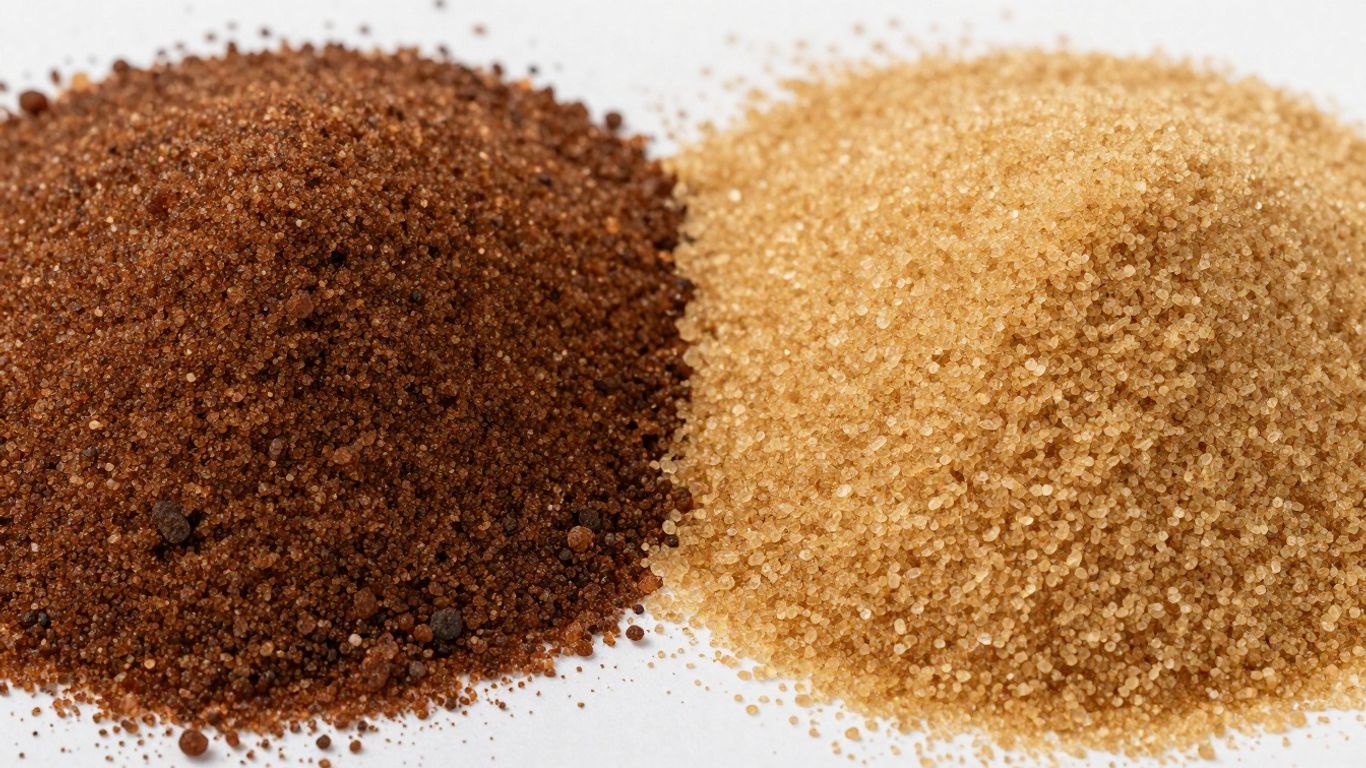
    Before diving into comparisons, it’s important to clarify what coconut nectar sugar is—and what it’s not. Coconut nectar sugar is made by boiling and dehydrating the sap of coconut palm flowers, resulting in brown, caramel-colored crystals. It’s minimally processed, retaining trace minerals like potassium, iron, zinc, and inulin (a prebiotic fiber). Though still a sugar, it’s considered a slightly healthier option due to its lower glycemic index (GI of ~35) compared to table sugar (GI ~65).

    Coconut nectar sugar should not be confused with palm sugar from date palms or with “coconut syrup,” a liquid product made from the same sap but not crystallized.


    Taste Test and Review Criteria

    To provide a comprehensive overview, we tested six well-known coconut nectar sugar brands, using the following criteria:

    1. Flavor: Sweetness level, aftertaste, caramel depth
    2. Texture: Granule size, moisture content, melt-in-mouth feel
    3. Appearance: Color consistency, visual appeal
    4. Solubility: How well it dissolves in hot/cold liquids
    5. Culinary Use: Performance in baking, beverages, and sauces
    6. Price and Packaging: Value for money, eco-friendliness

    Here are the brands tested:

    • Big Tree Farms Organic Coconut Sugar
    • Terrasoul Superfoods Coconut Sugar
    • BetterBody Foods Organic Coconut Palm Sugar
    • Navitas Organics Coconut Palm Sugar
    • Wholesome Organic Coconut Palm Sugar
    • Nutiva Organic Coconut Sugar

    1. Big Tree Farms Organic Coconut Sugar

    Flavor: Rich and slightly smoky with noticeable caramel undertones. Slight molasses flavor, but not overpowering.
    Texture: Medium-fine granules; consistent and dry.
    Appearance: Light brown, almost sandy in color.
    Solubility: Dissolves moderately well in hot liquids; slower in cold.
    Use: Excellent for baking and sauces. Adds depth to coffee.
    Price: Mid-range. Recyclable packaging.
    Overall: ★★★★☆
    Big Tree Farms is often seen as a gold standard, especially since they are one of the first commercial producers. Their sugar offers great balance and versatility.


    2. Terrasoul Superfoods Coconut Sugar

    Flavor: Very sweet, with a pronounced brown sugar-like richness. Mild aftertaste.
    Texture: Fine and dry, similar to table sugar.
    Appearance: Dark brown and uniform.
    Solubility: Dissolves easily in hot beverages.
    Use: Ideal for tea, coffee, oatmeal, and glazes.
    Price: Reasonable. Comes in resealable, BPA-free pouches.
    Overall: ★★★★☆
    This is a great option for daily sweetening with strong flavor and excellent solubility. Slightly less depth than others but highly practical.


    3. BetterBody Foods Organic Coconut Palm Sugar

    Flavor: Subtle sweetness with a mild caramel note. Very neutral finish.
    Texture: Coarser than most; requires more stirring to dissolve.
    Appearance: Golden brown and slightly clumpy.
    Solubility: Dissolves with effort; best in hot liquids.
    Use: Better for baking or spice blends where you want sweetening without dominating flavor.
    Price: Affordable and widely available.
    Overall: ★★★☆☆
    A good all-around product for those who prefer a less intense coconut sugar experience.


    4. Navitas Organics Coconut Palm Sugar

    Flavor: Balanced, not too sweet. Hints of butterscotch.
    Texture: Soft and slightly moist; smaller granules.
    Appearance: Medium-dark brown.
    Solubility: Dissolves well in both hot and warm liquids.
    Use: Very suitable for smoothies, yogurt, and salad dressings.
    Price: Slightly higher-end.
    Overall: ★★★★☆
    With its soft texture and nuanced flavor, Navitas Organics feels more “gourmet.” Great for health-focused cooks and baristas.


    5. Wholesome Organic Coconut Palm Sugar

    Flavor: Strongest caramel note of all tested; borderline molasses.
    Texture: Medium granules, slightly sticky in humid environments.
    Appearance: Very dark brown.
    Solubility: Good in hot drinks; slow in cold ones.
    Use: Fantastic in cookies, cakes, and barbecue sauces.
    Price: Higher price point, but good quality.
    Overall: ★★★★☆
    Bold and flavorful, ideal for recipes needing robust sweetness. Some may find it overpowering for drinks.


    6. Nutiva Organic Coconut Sugar

    Flavor: Very mild; closest to raw cane sugar.
    Texture: Consistent granules, but a bit too dry.
    Appearance: Light tan and uniform.
    Solubility: Quick in hot liquids, minimal residue.
    Use: Best for those easing into coconut sugar; great in beverages and cereal.
    Price: Moderately priced.
    Overall: ★★★☆☆
    Nutiva offers a solid introductory coconut sugar—good but lacks the complex flavor found in others.


    Taste Summary & Recommendations

    If you’re looking for:

    • Bold, rich flavor: Go with Wholesome or Big Tree Farms
    • All-purpose versatility: Terrasoul or Navitas are great options
    • Gentle, background sweetness: Choose BetterBody Foods or Nutiva

    For sweetening tea and coffee, Terrasoul and Nutiva performed best due to their solubility and smooth taste. In baking tests (cookies, banana bread), Wholesome delivered a deeper, almost maple-like richness that paired well with spices.


    The Verdict

    While coconut nectar sugar may appear similar across brands, the differences in processing and sourcing result in noticeable variations in taste and texture. Choosing the right one depends on your intended use—whether for everyday beverages, special recipes, or health-driven alternatives.

    No matter which brand you choose, coconut nectar sugar can be a flavorful, minimally processed alternative to refined sugar, offering a gentle sweetness with a touch of tropical warmth.

  • The History of Coconut Brown Sugar and its Cultural Importance in Southeast Asia

    The History of Coconut Brown Sugar and its Cultural Importance in Southeast Asia

    Coconut brown sugar, also known as coconut palm sugar or gula melaka in Malaysia and Indonesia, is more than just a sweetener. It is a symbol of tradition, craftsmanship, and cultural heritage in Southeast Asia. Derived from the sap of the coconut palm, this natural sweetener has been a staple in regional cuisines for centuries and remains deeply interwoven with local customs, foodways, and identity. Its story is one of sustainability, resourcefulness, and the enduring bond between people and their environment.

    Ancient Roots: The Origins of Coconut Brown Sugar

    The history of coconut brown sugar can be traced back thousands of years to ancient civilizations in Southeast Asia. Long before industrialized sugar production became widespread, communities across Indonesia, Malaysia, Thailand, and the Philippines were harvesting the sap from coconut palms and transforming it into a richly flavored sugar.

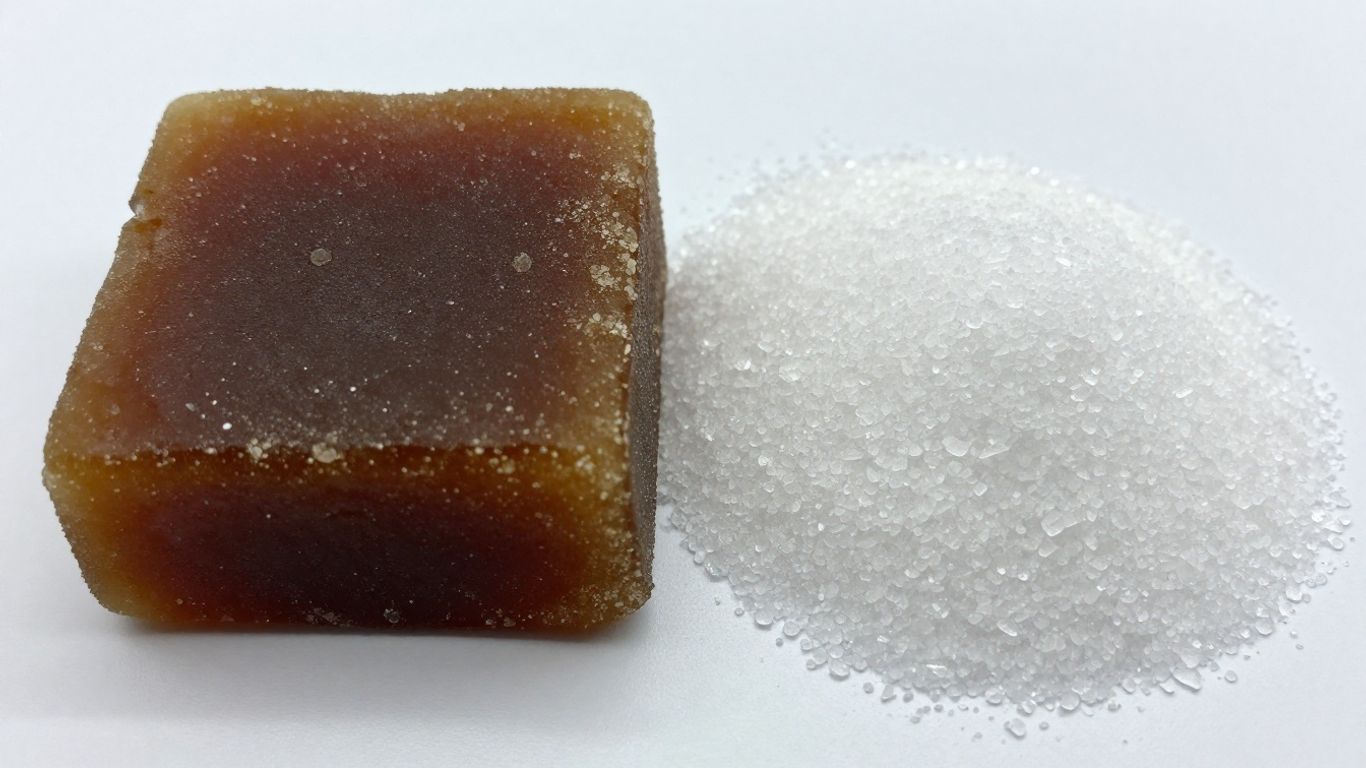
    This form of sugar was likely discovered through observation and necessity. Villagers noticed the sweet sap dripping from the flower buds of coconut palms and, through trial and error, began collecting it in bamboo containers and boiling it down to produce a thick, golden syrup. As the syrup cooled, it crystallized into solid cakes or blocks—forms still common in markets today.

    The early production of coconut sugar was not only practical but deeply sustainable. Unlike sugarcane or beet sugar, which require vast amounts of water and land, the coconut palm thrives in tropical environments with minimal input. A single tree can produce sap for 20 years or more, making it a reliable and environmentally friendly source of sweetness.

    Traditional Production Methods

    The process of making coconut brown sugar is an art form that has remained largely unchanged for generations. It begins with tapping the flower buds of the coconut palm. Skilled tappers climb the tall trees, slice the budding flowers, and attach containers to collect the dripping sap, known as “toddy” or “nira.” This sap is then brought down and immediately heated over a wood fire in large woks or pans.

    As the sap simmers, it is stirred continuously to prevent burning and to concentrate the sugars. After several hours, the liquid thickens into a syrup, which can be poured into molds made of bamboo, coconut shells, or other natural materials to cool and harden. The resulting product is a dense, caramel-colored sugar with a deep, toffee-like flavor and a slight hint of smokiness.

    This labor-intensive, small-batch method is a source of pride and craftsmanship in rural communities. Families often pass down techniques from generation to generation, and the making of coconut sugar is seen as both a livelihood and a cultural legacy.

    Culinary Significance

    Coconut brown sugar is a cornerstone ingredient in many traditional Southeast Asian dishes. Its rich, complex flavor enhances both sweet and savory foods and is a defining characteristic of regional cuisine.

    In Indonesia, it’s a key ingredient in kecap manis (sweet soy sauce), gudeg (a stewed jackfruit dish from Yogyakarta), and countless desserts like klepon—glutinous rice balls filled with melted coconut sugar and rolled in grated coconut. In Malaysia, it flavors onde-onde, seri muka, and kuih lapis, layered and steamed desserts that are essential during festive celebrations.

    In Thailand, coconut sugar is used to sweeten curries, dipping sauces, and desserts such as luk chup and khanom tan. In the Philippines, where it’s known as “panutsa” or “coconut jaggery,” it appears in delicacies like kalamay, suman, and latik, used as both a topping and a syrup.

    The popularity of coconut sugar in these diverse culinary traditions speaks to its versatility and cultural importance. It’s not merely a substitute for refined sugar but a flavor enhancer that adds depth and authenticity to local dishes.

    Cultural and Symbolic Meaning

    Beyond its culinary uses, coconut brown sugar holds cultural and spiritual significance. In many Southeast Asian societies, food is closely tied to community, ritual, and celebration. Coconut sugar often plays a central role in religious offerings, weddings, harvest festivals, and ancestral rites.

    In Balinese Hinduism, for instance, coconut sugar is used in ceremonial dishes and offerings to the gods. In Malay culture, desserts made with gula melaka are often served during Ramadan and Eid, symbolizing sweetness and unity. Across the region, it is common to associate coconut sugar with the idea of “manis”—sweetness—not just in taste, but in life, relationships, and blessings.

    Its artisanal production also connects it to traditional ways of living that emphasize balance with nature, respect for craftsmanship, and the importance of preserving heritage. In an era of mass production and homogenized flavors, coconut brown sugar stands as a reminder of the richness found in cultural diversity and local foodways.

    Modern-Day Revival and Global Interest

    In recent years, coconut brown sugar has attracted attention beyond Southeast Asia, praised as a healthier alternative to refined sugar. With a lower glycemic index, higher mineral content (including potassium, iron, and zinc), and no chemical additives, it has been marketed in the West as a “superfood” or natural sweetener.

    While this newfound popularity has helped support local farmers and brought economic opportunities to coconut-producing regions, it also raises concerns about over-commercialization and sustainability. As global demand increases, maintaining traditional production methods and ensuring fair trade practices are crucial to preserving the integrity of coconut brown sugar and the communities that depend on it.

    Organizations in countries like Indonesia and the Philippines are working to protect and promote artisanal coconut sugar through certification programs, geographic indications, and community-based cooperatives. These efforts aim to keep the industry grounded in its cultural roots while allowing it to thrive in modern markets.

    Conclusion

    Coconut brown sugar is more than just a sweetener—it is a living legacy of Southeast Asia’s culinary, cultural, and ecological traditions. From its humble beginnings in rural villages to its place on international shelves, it tells a story of sustainability, heritage, and the deep bond between people and their environment.

    As we seek healthier, more meaningful connections to the food we eat, coconut brown sugar offers a taste of something timeless: the wisdom of generations, the richness of culture, and the sweetness of life, naturally harvested from the heart of the tropics.

  • Desiccated Coconut vs Coconut Flower – How They Differ, When to Use Each One, and if They Can be Substituted

    Desiccated Coconut vs Coconut Flower – How They Differ, When to Use Each One, and if They Can be Substituted

    Coconuts are incredibly versatile. From the meat to the water, oil, sugar, and even the flower, nearly every part of the coconut can be used in cooking, cosmetics, and traditional remedies. But when recipes or labels mention desiccated coconut and coconut flower, it’s easy to get confused. These two coconut-derived ingredients come from very different parts of the coconut plant and serve completely different purposes.

    In this article, we’ll explore what desiccated coconut and coconut flower are, how they differ in taste, texture, and nutritional value, when to use each one, and whether they can be substituted for one another.


    What Is Desiccated Coconut?

    Desiccated coconut refers to the dried, finely grated flesh (or “meat”) of the mature coconut. The coconut meat is grated, sometimes slightly toasted, and dried until it has very low moisture content—usually less than 3%.

    Desiccated coconut comes in several textures, such as:

    • Finely shredded
    • Medium or coarse grated
    • Flakes or chips

    It’s commonly used in baking, cooking, and confectionery to add flavor, texture, and richness. It has a slightly sweet, nutty flavor and chewy or crisp texture depending on how it’s processed and cooked.


    What Is Coconut Flower?

    Coconut flower actually refers to two things, depending on context:

    1. Coconut Flower Sap – The sweet sap extracted from the flower bud of the coconut palm.
    2. Dried Coconut Flower or Coconut Blossom Powder – The dried and ground form of the flower or its nectar, often used as a natural sweetener.

    In this article, when we refer to coconut flower, we’re mainly talking about its culinary form, typically known as:

    • Coconut blossom sugar
    • Coconut flower sugar
    • Coconut nectar powder

    It’s a natural sweetener with a caramel-like flavor, made from the sap of the coconut blossom, which is boiled and then dried into granules or powder. It’s low on the glycemic index and retains nutrients like iron, zinc, and potassium, making it a popular alternative to refined sugar.


    Key Differences Between Desiccated Coconut and Coconut Flower

    FeatureDesiccated CoconutCoconut Flower (Sugar)
    SourceCoconut meatSap from coconut flower
    FormGrated or shredded dry coconutGranulated or powdered sweetener
    FlavorMild, nutty, coconut flavorSweet, caramel-like flavor
    TextureChewy or crunchyFine, dry, like brown sugar
    UsesBaking, toppings, curries, dessertsSweetener for baking, drinks, sauces
    NutritionHigh in fiber and fatsContains minerals and antioxidants
    StorageAirtight container, cool dry placeSame – moisture-sensitive

    When to Use Desiccated Coconut

    ✅ Best Uses:

    • Baking: In cakes, cookies, macaroons, muffins, and breads.
    • Toppings: For oatmeal, smoothie bowls, and yogurt.
    • Savory Dishes: Curries, stews, or sambal recipes, especially in South Asian and Southeast Asian cuisine.
    • Homemade Snacks: Energy bites, granola bars, or coconut clusters.
    • Garnishing: Toasted and sprinkled over desserts or salads.

    Flavor & Texture Contribution:

    Desiccated coconut adds body, texture, and a light coconut flavor to both sweet and savory dishes. When toasted, it gives a nutty crunch. In moist batters, it absorbs liquid and adds chewiness.


    When to Use Coconut Flower (Sugar)

    ✅ Best Uses:

    • Sweetener Substitute: In place of white sugar, brown sugar, or honey in recipes.
    • Baking: Cakes, brownies, cookies, muffins.
    • Hot Beverages: Stir into coffee, tea, or hot chocolate.
    • Sauces and Marinades: Especially those needing a sweet, rich background.
    • Healthier Sweets: Paleo or low-GI desserts.

    Flavor & Texture Contribution:

    Coconut flower sugar adds a deep, molasses-like sweetness. It doesn’t taste like coconut; instead, it has a profile similar to brown sugar with earthy and caramel undertones.


    Nutritional Differences

    Desiccated Coconut:

    • High in dietary fiber
    • Contains healthy fats (especially medium-chain triglycerides – MCTs)
    • Provides iron, copper, and trace minerals
    • Relatively low in sugar
    • Calorie-dense

    Coconut Flower Sugar:

    • Lower glycemic index than refined sugar (around 35)
    • Contains trace minerals like zinc, potassium, and magnesium
    • Provides inulin, a prebiotic fiber
    • Still a sugar, so moderation is key

    Can Desiccated Coconut and Coconut Flower Sugar Be Substituted?

    In most cases, no, they cannot be substituted directly for one another because they serve very different purposes in a recipe.

    ❌ Desiccated Coconut ≠ Coconut Sugar

    • Desiccated coconut is used for texture, bulk, and flavor.
    • Coconut flower sugar is used to sweeten.

    Trying to swap one for the other will often result in a failed recipe. For example:

    • Replacing desiccated coconut in a macaroon with coconut flower sugar would destroy the structure.
    • Replacing sugar in a cake with desiccated coconut would not provide the needed sweetness or moisture balance.

    However… ✅ They Can Be Complementary:

    In tropical-inspired baking or energy snacks, you might find recipes that use both desiccated coconut and coconut flower sugar—one for texture, the other for sweetness.


    Choosing Between the Two: A Quick Guide

    SituationUse Desiccated CoconutUse Coconut Flower Sugar
    Making coconut macaroons✅ Yes❌ No
    Sweetening a cup of tea❌ No✅ Yes
    Baking paleo energy balls✅ Yes✅ Yes
    Creating a dry rub for meat✅ Optional✅ Optional (for caramelization)
    Making caramel sauce❌ No✅ Yes
    Adding crunch to granola✅ Yes❌ No

    Final Thoughts

    Desiccated coconut and coconut flower sugar are both derived from the coconut tree, but they are entirely different ingredients with unique characteristics, functions, and flavors.

    • Use desiccated coconut when you want texture, chew, and a subtle coconut flavor—ideal for baking, cooking, and toppings.
    • Use coconut flower sugar when you need a natural sweetener with caramel notes and lower glycemic impact.

    Though not interchangeable, they both offer healthy, flavorful options for natural cooking and baking. By understanding their differences and best uses, you’ll know exactly which one to reach for—and how to get the most out of each.

  • Coconut Milk vs. Coconut Cream: What’s the Difference?

    Coconut Milk vs. Coconut Cream: What’s the Difference?

    Coconuts have become a staple in kitchens around the world, beloved for their versatility and nutritional benefits. Among the most commonly used coconut products are coconut milk and coconut cream. At first glance, they may seem similar—both are rich, creamy, and derived from the white flesh of mature coconuts—but they serve different purposes in cooking and offer varying textures, flavors, and fat contents.

    So, what exactly sets coconut milk apart from coconut cream? In this comprehensive guide, we’ll break down the differences, similarities, uses, nutritional profiles, and how to choose the right one for your culinary needs.


    How Are They Made?

    Both coconut milk and coconut cream are extracted from the grated flesh of mature coconuts, but the ratios of coconut to water and the extraction methods create their key differences.

    Coconut Milk

    Coconut milk is made by blending grated coconut meat with water and then straining it to extract the liquid. The result is a creamy, smooth liquid that resembles dairy milk in texture. It can vary in thickness, depending on the brand or how it’s made.

    There are typically two types:

    • Thin coconut milk: Produced from a second pressing of the coconut meat with more water.
    • Thick coconut milk: Comes from the first pressing and contains more fat.

    Commercially, most canned coconut milk falls somewhere in between, often separating into a watery base and a thicker layer on top.

    Coconut Cream

    Coconut cream is richer and thicker than coconut milk. It’s made using the same basic process, but with less water and more coconut meat. This results in a product that has a higher fat content and a more solid consistency.

    Coconut cream is often found as the thick layer that rises to the top of an unshaken can of full-fat coconut milk. It’s scooped off and used on its own in recipes that require a denser, richer product.

    There’s also creamed coconut, which is a different product altogether—it’s solidified, dehydrated coconut meat and is usually sold in blocks.


    Key Differences at a Glance

    FeatureCoconut MilkCoconut Cream
    TexturePourable, similar to dairy milkThick and spoonable
    Fat Content9–15% fat20–25% fat
    ConsistencyLight and creamyDense and rich
    TasteMilder, less intense coconut flavorStronger coconut flavor
    UsesCurries, soups, smoothies, bakingDesserts, whipped toppings, sauces
    Calories (per 100g)~150 calories~330 calories

    Culinary Uses: When to Use Which

    Knowing when to use coconut milk versus coconut cream can greatly affect the outcome of a dish.

    🍛 Coconut Milk

    This is your go-to when you want a creamy, coconut flavor without overwhelming richness.

    Common uses:

    • Curries and soups: Thai green curry, laksa, or coconut chicken soup.
    • Smoothies and beverages: A dairy-free milk alternative in smoothies, golden milk, or iced coffee.
    • Baking: Used in muffins, cakes, or bread as a moisture booster.
    • Oatmeal and cereal: Adds flavor and creaminess to breakfast bowls.

    It’s versatile and easy to incorporate into both sweet and savory dishes.

    🍨 Coconut Cream

    Use coconut cream when you want decadence, richness, or a whipped texture.

    Common uses:

    • Whipped topping: Chill the cream, then whip it into a dairy-free topping for pies or cakes.
    • Ice cream: Acts as the fatty base for homemade vegan ice creams.
    • Desserts: Great in mousse, puddings, and ganache.
    • Thick sauces and condiments: Adds richness to savory sauces, dips, or creamy salad dressings.

    Because of its dense texture, a little goes a long way.


    Nutritional Comparison

    Both coconut milk and coconut cream are rich in medium-chain triglycerides (MCTs), a type of fat that the body metabolizes quickly for energy. However, they differ in calorie and fat content:

    Nutrient (per 100g)Coconut MilkCoconut Cream
    Calories~150 kcal~330 kcal
    Total Fat~15g~35g
    Saturated Fat~13g~30g
    Protein~1.5g~3g
    Carbohydrates~2g~4g
    Fiber~0.5g~1g

    Note: These values may vary by brand and whether additives (like guar gum or stabilizers) are present.


    How to Substitute One for the Other

    In a pinch, you can substitute coconut milk and coconut cream—but with some adjustments.

    👉 To make coconut cream from coconut milk:

    • Chill a can of full-fat coconut milk in the fridge overnight.
    • The thick layer that rises to the top is coconut cream. Scoop it out, leaving the liquid behind.

    👉 To make coconut milk from coconut cream:

    • Mix 1 part coconut cream with 1 part water.
    • Stir well until it reaches the consistency of regular coconut milk.

    While substitutions can work, they may slightly alter the texture and richness of the final dish.


    Canned vs. Carton Coconut Products

    It’s important to note that canned coconut milk/cream and carton coconut milk are different products.

    • Canned: Contains just coconut and water, sometimes stabilizers. It’s thicker, richer, and used for cooking.
    • Carton: Found in the refrigerated or shelf-stable beverage aisle. It’s usually diluted, sweetened, and fortified for drinking or use as a dairy milk alternative.

    Always check the label to ensure you’re getting the right product for your recipe.


    Storage Tips

    • Unopened cans: Store in a cool, dark place for up to 2 years.
    • Opened cans: Transfer to an airtight container and refrigerate. Use within 5–7 days.
    • Freezing: Both coconut milk and cream freeze well. Freeze in ice cube trays and store in a sealed bag for easy portioning.

    Final Thoughts: Which One Should You Choose?

    Choosing between coconut milk and coconut cream depends on your culinary needs and desired texture:

    • Use coconut milk when you want a creamy, balanced flavor that’s not too heavy—ideal for everyday cooking.
    • Choose coconut cream when you want richness and indulgence, especially in desserts or creamy sauces.

    Understanding the differences between these two products empowers you to use them creatively and confidently in the kitchen.


    Bonus Tip: DIY Coconut Milk and Cream

    Want to go the extra mile? You can make your own coconut milk and cream at home:

    ✅ DIY Coconut Milk:

    • Blend 1 cup shredded unsweetened coconut with 2 cups hot water.
    • Strain through a cheesecloth or nut milk bag.

    ✅ DIY Coconut Cream:

    • Let the homemade milk sit in the fridge. The cream will rise to the top and can be scooped off.

    Homemade versions are fresh, preservative-free, and cost-effective!

  • How Coconut Nectar Differs From Artificial or Flavored Sweeteners

    How Coconut Nectar Differs From Artificial or Flavored Sweeteners

    As consumers become increasingly mindful of what they put into their bodies, sweeteners have come under scrutiny. Traditional white sugar has long been criticized for its negative health effects, sparking a search for healthier alternatives. Among the natural options gaining popularity is coconut nectar, a plant-based sweetener derived from the sap of coconut blossoms. In contrast, artificial and flavored sweeteners—often used in diet sodas, sugar-free snacks, and low-calorie desserts—are synthetic or highly processed substances designed to replicate the taste of sugar without the calories.

    Although both types of sweeteners serve the same fundamental purpose—to sweeten food and beverages—they differ significantly in their origin, nutritional profile, processing methods, health impact, and environmental sustainability. This article explores the key differences between coconut nectar and artificial or flavored sweeteners to help consumers make informed dietary choices.


    What Is Coconut Nectar?

    Coconut nectar is a natural sweetener produced by tapping the sap from the flowering buds of the coconut palm (Cocos nucifera). The sap is collected, gently heated to reduce its water content, and thickened into a syrup with a rich caramel-like taste. It can also be further dried and crystallized into coconut sugar.

    Unlike table sugar, which is heavily refined and stripped of nutrients, coconut nectar retains trace minerals and contains natural sugars, including sucrose, glucose, and fructose in varying amounts.


    What Are Artificial and Flavored Sweeteners?

    Artificial sweeteners are chemically synthesized substances that provide intense sweetness with little to no calories. Common examples include:

    • Aspartame (Equal, NutraSweet)
    • Saccharin (Sweet’N Low)
    • Sucralose (Splenda)
    • Acesulfame potassium (Ace-K)

    Flavored sweeteners, such as flavored syrups or additives used in coffees and desserts, are usually a combination of high-fructose corn syrup (HFCS), artificial flavors, and coloring agents. These products are engineered to simulate sweetness and taste but offer little nutritional value.


    1. Source and Processing

    Coconut Nectar:

    • Natural origin: Derived directly from the coconut palm tree’s sap.
    • Minimal processing: Collected and gently heated to preserve nutrients.
    • Unrefined: Retains small amounts of vitamins and minerals such as potassium, magnesium, and iron.

    Artificial/Flavored Sweeteners:

    • Synthetic or industrial origin: Made in labs or factories from chemical compounds or corn derivatives.
    • Highly processed: Undergo extensive chemical reactions and purification.
    • No nutritional value: Do not contain vitamins, minerals, or natural fibers.

    Key Difference: Coconut nectar is naturally derived and minimally processed, while artificial and flavored sweeteners are chemically synthesized and lack nutritional components.


    2. Nutritional Content

    Coconut Nectar (per 100g):

    • Calories: ~290 kcal
    • Sugars: ~70g (mainly sucrose with small amounts of glucose and fructose)
    • Glycemic Index (GI): ~35 (low to moderate)
    • Other components: Inulin (a prebiotic fiber), antioxidants, trace minerals

    Artificial Sweeteners:

    • Calories: 0–5 kcal (negligible)
    • Sugars: 0g
    • GI: 0
    • Other components: No macronutrients or fiber

    Flavored Sweeteners:

    • Calories: Varies (often high due to HFCS)
    • Sugars: Can be very high depending on product
    • GI: High
    • Other components: Artificial flavors, colors, preservatives

    Key Difference: Coconut nectar provides small amounts of nutrients and fiber, while artificial sweeteners are non-nutritive and flavored sweeteners are often high in processed sugars.


    3. Sweetness Intensity and Usage

    Coconut Nectar:

    • Sweetness level: Comparable to cane sugar (slightly less intense)
    • Taste profile: Rich, caramel-like flavor
    • Uses: Ideal for baking, sauces, dressings, beverages

    Artificial Sweeteners:

    • Sweetness level: 200–600 times sweeter than sugar
    • Taste profile: Can have metallic, bitter, or chemical aftertaste
    • Uses: Widely used in diet sodas, sugar-free gums, low-calorie desserts

    Flavored Sweeteners:

    • Sweetness level: Varies; generally very sweet
    • Taste profile: Often overly sweet with synthetic flavoring
    • Uses: Coffee syrups, flavored drinks, packaged desserts

    Key Difference: Coconut nectar offers a balanced, natural sweetness with a distinct flavor, while artificial and flavored sweeteners are much sweeter but often lack depth and can have artificial aftertastes.


    4. Health Impacts

    Coconut Nectar:

    • Low glycemic index may help manage blood sugar levels when used in moderation.
    • Contains inulin, which supports gut health and acts as a prebiotic.
    • Better option for natural diets, though it still contains sugar and should be consumed in moderation.

    Artificial Sweeteners:

    • May aid in weight loss due to zero calories, but studies suggest they can:
      • Disrupt gut microbiota
      • Increase cravings for sweet foods
      • Contribute to glucose intolerance in some individuals
    • Linked to controversial health effects (e.g., headaches, long-term metabolic changes)

    Flavored Sweeteners:

    • Often high in added sugars (especially HFCS), which can:
      • Raise blood sugar rapidly
      • Contribute to insulin resistance
      • Increase risk of obesity and metabolic syndrome

    Key Difference: Coconut nectar may offer minor health benefits in moderation, whereas artificial and flavored sweeteners are associated with a range of health concerns, especially when consumed frequently or in large amounts.


    5. Sustainability and Environmental Impact

    Coconut Nectar:

    • Sustainable crop: Coconut palms require little water and no intensive replanting.
    • Supports small farmers in Southeast Asia and other tropical regions.
    • Low environmental impact with traditional harvesting methods.

    Artificial/Flavored Sweeteners:

    • High energy and resource use in synthetic production.
    • Environmental pollution: Chemical by-products can harm ecosystems.
    • Dependence on industrial agriculture and petroleum-based ingredients

    Key Difference: Coconut nectar is generally more eco-friendly and sustainable, while artificial and flavored sweeteners have a larger environmental footprint.


    6. Culinary Versatility

    Coconut Nectar:

    • Works well in baking, cooking, marinades, and beverages.
    • Adds depth of flavor with its caramel notes.

    Artificial Sweeteners:

    • Often unsuitable for baking (some degrade with heat or lack bulk).
    • Typically used in pre-packaged or processed foods.

    Flavored Sweeteners:

    • Primarily used in beverages and syrups.
    • Can overpower dishes with artificial taste.

    Key Difference: Coconut nectar functions more like traditional sugar in recipes, while artificial and flavored sweeteners have limitations in texture, flavor, and cooking stability.


    Final Thoughts

    While coconut nectar is not a zero-calorie sweetener, it offers a more natural, nutrient-rich, and sustainable alternative to refined sugar and artificial sweeteners. Its lower glycemic index, trace minerals, and minimal processing make it appealing to those following whole-food or plant-based diets.

    In contrast, artificial sweeteners may help reduce calorie intake but are highly processed, lack nutrients, and carry potential health risks, particularly with long-term use. Flavored sweeteners, while tasty and convenient, are usually laden with added sugars and chemicals.

    Ultimately, the healthiest approach is moderation and mindfulness. For those seeking a sweetener that aligns with both wellness and environmental values, coconut nectar is a strong contender—bridging the gap between natural sweetness and functional nutrition.


  • How to Extend the Shelf Life of Coconut Flower Nectar Through Proper Storage Methods

    How to Extend the Shelf Life of Coconut Flower Nectar Through Proper Storage Methods

    Coconut flower nectar, commonly known as “tuba” in Southeast Asia or “neera” in India, is a natural sweetener derived from the sap of the coconut tree’s flower buds. This liquid has been used for centuries, particularly in tropical countries, as a sweetener, beverage, and even in fermented forms like vinegar or alcohol. With its rich, sweet flavor and numerous health benefits, including being rich in electrolytes, vitamins, and minerals, it is no surprise that coconut flower nectar has gained popularity worldwide.

    However, coconut flower nectar, like many other natural products, is highly perishable. It can spoil quickly if not stored properly, limiting its use to short periods after extraction. Understanding how to extend the shelf life of coconut flower nectar through proper storage methods is crucial for preserving its taste, nutrients, and overall quality. In this article, we will explore various techniques and best practices to keep coconut flower nectar fresh and safe for consumption for as long as possible.

    Understanding the Shelf Life of Coconut Flower Nectar

    Before diving into storage methods, it’s important to understand the natural characteristics of coconut flower nectar that contribute to its short shelf life. Once the sap is harvested from the flower buds of the coconut tree, it is highly susceptible to microbial contamination, particularly yeast and bacteria. The presence of natural sugars in the nectar creates an ideal environment for microbial growth, which leads to fermentation, spoilage, and sourness. Without proper storage and preservation techniques, coconut flower nectar can begin to ferment within hours or days, depending on environmental conditions.

    Typically, fresh coconut flower nectar can last anywhere from 24 hours to a few days at room temperature. However, by employing the right storage methods, you can significantly extend its shelf life and retain its nutritional value, flavor, and freshness for much longer.

    1. Refrigeration: The Basic Preservation Method

    Refrigeration is the most straightforward and commonly used method to extend the shelf life of coconut flower nectar. By storing the nectar at temperatures below 4°C (40°F), microbial activity is slowed down, thus delaying fermentation. The cool environment prevents the sap from spoiling as quickly and helps maintain its sweetness and overall quality.

    How to Store:

    • Transfer the freshly collected coconut flower nectar into airtight containers, ensuring there is minimal air exposure.
    • Seal the containers tightly to prevent contamination and moisture loss.
    • Store the containers in the coldest part of the refrigerator, ideally in the back where the temperature is more stable.

    When stored properly in the refrigerator, coconut flower nectar can last between 5 to 7 days. However, it’s important to check the nectar regularly for any signs of fermentation, such as sourness or bubbling, especially if the nectar was not handled hygienically during extraction.

    2. Freezing: Long-Term Preservation

    For long-term storage, freezing coconut flower nectar is one of the most effective methods. Freezing preserves the nectar by halting microbial activity altogether, which prevents fermentation and spoilage. This method allows you to store coconut flower nectar for several months, making it an ideal option for those who want to enjoy the nectar throughout the year, even if they cannot consume it immediately.

    How to Freeze:

    • Pour the coconut flower nectar into ice cube trays or freezer-safe containers, leaving some space at the top to account for expansion as it freezes.
    • For easier portioning, you may also freeze the nectar in smaller quantities, such as in 1-cup or 2-cup portions.
    • Seal the container or tray tightly with plastic wrap or a lid to prevent freezer burn and contamination.
    • Label the containers with the date of freezing to keep track of the storage duration.

    Frozen coconut flower nectar can last for up to 6 months. When you’re ready to use it, simply remove the desired portion from the freezer and thaw it in the refrigerator. Avoid refreezing nectar that has been thawed, as this can affect the texture and quality of the product.

    3. Pasteurization: Reducing Microbial Activity

    One of the most effective methods to extend the shelf life of coconut flower nectar is pasteurization, which involves heating the nectar to a specific temperature to kill harmful microorganisms without significantly altering its flavor or nutritional content. Pasteurization can help delay fermentation by reducing the number of bacteria and yeast present in the nectar.

    How to Pasteurize:

    • Heat the coconut flower nectar in a clean, heavy-bottomed saucepan over medium heat. Bring it to a gentle boil and then reduce the heat to simmer for around 5–10 minutes.
    • Keep a close eye on the temperature, ensuring it reaches around 85–90°C (185–194°F), which is sufficient to pasteurize the nectar.
    • Once pasteurized, immediately pour the hot nectar into sterilized glass jars or bottles.
    • Seal the containers while the nectar is still hot to create a vacuum seal, which further protects the nectar from contamination.

    When pasteurized and stored in sterilized, sealed containers, coconut flower nectar can last for several weeks in the refrigerator, usually up to 2–4 weeks, depending on storage conditions. However, it is important to note that pasteurization may slightly alter the flavor and nutritional profile of the nectar, though the effect is usually minimal.

    4. Fermentation for Future Use

    If you’re looking to preserve coconut flower nectar for longer periods while adding a unique flavor profile, fermentation is a great option. Fermenting the nectar not only extends its shelf life but also results in a product with a tangy taste, such as coconut vinegar or coconut alcohol. While this is not the ideal preservation method if you wish to keep the nectar in its original sweet form, it is an excellent way to utilize excess nectar.

    How to Ferment:

    • If you want to turn the nectar into coconut vinegar, place it in a clean, non-metallic container (such as a glass jar) and allow it to naturally ferment for several days to weeks, depending on the ambient temperature.
    • The fermentation process can be accelerated by adding a mother of vinegar (a cellulose-based substance that facilitates fermentation).
    • If fermenting for alcohol (such as palm wine), introduce yeast to the nectar, and let it ferment for 1–3 days in a warm, dark place.

    The fermented product can be stored for extended periods but will have a sour taste. Freshly fermented coconut nectar or vinegar can last several months when stored in sealed, sterilized containers.

    5. Using Natural Preservatives

    In some cases, natural preservatives can be added to coconut flower nectar to help extend its shelf life. For example, citric acid, lemon juice, or vitamin C (ascorbic acid) are often used to prevent microbial growth and oxidation. These preservatives work by creating a more acidic environment, which slows down the activity of bacteria and yeast.

    How to Use:

    • Add a small amount of citric acid (about 1/4 teaspoon per liter) to fresh coconut flower nectar before storing it in the refrigerator.
    • Alternatively, you can mix in a few tablespoons of lemon juice or vitamin C powder, both of which are natural antimicrobial agents.

    These natural preservatives will help extend the nectar’s shelf life by a few extra days or weeks, depending on the storage conditions.

    Conclusion: Proper Storage for Maximum Freshness

    Coconut flower nectar is a delightful and nutritious natural sweetener, but due to its high sugar content and natural composition, it spoils quickly without proper care. By utilizing the methods discussed above—refrigeration, freezing, pasteurization, fermentation, and the use of natural preservatives—you can extend the shelf life of this precious nectar, ensuring that it remains fresh, safe, and full of flavor for a longer period.

    Whether you plan to use it immediately or store it for future use, employing the right storage techniques is key to preserving the integrity of coconut flower nectar. By combining these methods, you can enjoy the natural sweetness and health benefits of coconut nectar without worrying about spoilage.

  • Pure Virgin Coconut Oil: The Ultimate Guide to Its Uses and Benefits

    Pure Virgin Coconut Oil: The Ultimate Guide to Its Uses and Benefits

    Pure virgin coconut oil (VCO) has gained significant attention in recent years for its potential health benefits, versatility, and natural properties. Derived from fresh coconut meat, virgin coconut oil is considered the highest quality form of coconut oil, with minimal processing. Whether you’re using it for skincare, hair care, cooking, or wellness, pure virgin coconut oil is a true powerhouse that can enhance your health and daily routine. In this guide, we will explore the uses, benefits, and how to incorporate this amazing oil into your life.

    What is Pure Virgin Coconut Oil?

    Virgin coconut oil is extracted from the fresh meat of mature coconuts without the use of chemicals or high heat. The oil is typically cold-pressed or expeller-pressed to retain its natural nutrients and aroma. Unlike refined coconut oil, which undergoes heavy processing and often loses much of its nutritional value, pure virgin coconut oil maintains its high-quality composition, making it a healthier option for various uses.

    The rich nutrient profile of pure virgin coconut oil includes essential fatty acids, such as lauric acid, caprylic acid, and capric acid, which are believed to provide numerous health benefits. Additionally, it is a source of antioxidants and vitamins that contribute to its reputation as a superfood.

    Key Benefits of Pure Virgin Coconut Oil

    1. Promotes Skin Health

    One of the most popular uses of pure virgin coconut oil is for skincare. Its moisturizing properties make it a great option for dry or sensitive skin. The medium-chain fatty acids (MCFAs) in virgin coconut oil help lock moisture into the skin and form a protective barrier against environmental stressors. It can be used to soothe chapped lips, hydrate skin, and reduce the appearance of fine lines.

    The lauric acid in the oil has antimicrobial properties, which can help combat acne-causing bacteria. Virgin coconut oil is also known for its ability to reduce inflammation, making it beneficial for conditions like eczema, psoriasis, and sunburn. Simply apply it as a natural moisturizer or use it as a base for DIY face masks.

    2. Supports Hair Health

    Virgin coconut oil is also a favorite for hair care due to its ability to penetrate deep into the hair shaft. When applied to hair, it helps reduce protein loss and strengthens the hair from within, promoting shiny, healthy locks. Its moisturizing properties also help combat dandruff and dry scalp, while its antimicrobial action can help address scalp conditions like fungal infections.

    For a nourishing hair treatment, apply a small amount of pure virgin coconut oil to damp hair and leave it in for 30 minutes to an hour before washing. This can restore moisture and shine to dry, damaged hair.

    3. Improves Digestive Health

    Incorporating pure virgin coconut oil into your diet may benefit your digestive system. The MCFAs, particularly lauric acid, have been shown to possess antibacterial, antiviral, and antifungal properties, which can help fight harmful pathogens in the digestive tract. These properties can assist in combating conditions like irritable bowel syndrome (IBS) and stomach ulcers.

    Virgin coconut oil is also easily digestible and has a soothing effect on the gut. It can be used to enhance digestion, boost metabolism, and even support weight loss when consumed in moderation.

    4. Boosts Immune System Function

    The MCFAs in virgin coconut oil are not only beneficial for digestive health but also for the immune system. Lauric acid, which makes up about 50% of the fatty acids in coconut oil, has been shown to possess potent antimicrobial properties. This means that consuming virgin coconut oil regularly can help strengthen your body’s defenses against bacteria, viruses, and fungi.

    Some studies suggest that virgin coconut oil may help reduce the severity of common infections like the flu or colds by promoting the body’s immune response. By supporting immune function, virgin coconut oil plays a role in maintaining overall health and preventing illness.

    5. Supports Heart Health

    Although coconut oil has been debated in the context of heart health, the evidence for pure virgin coconut oil is promising. Virgin coconut oil is high in healthy fats, including lauric acid, which is known to increase HDL (good) cholesterol levels while lowering LDL (bad) cholesterol. This balance may help reduce the risk of heart disease and improve overall cardiovascular health.

    Moreover, coconut oil contains antioxidants like polyphenols, which can help reduce oxidative stress in the body and lower inflammation, contributing to a healthy heart.

    6. Weight Management

    One of the most intriguing benefits of virgin coconut oil is its potential to assist with weight management. The MCFAs in coconut oil are metabolized differently from long-chain fatty acids found in many other fats. MCFAs are absorbed directly into the liver and converted into energy rather than being stored as fat. This may contribute to an increased metabolic rate and fat-burning potential.

    Additionally, consuming virgin coconut oil may help with appetite control. It has been suggested that coconut oil can increase feelings of fullness, which may reduce overall calorie consumption and aid in weight loss.

    How to Use Pure Virgin Coconut Oil

    1. In Cooking

    Virgin coconut oil is a great alternative to other cooking oils due to its high smoke point and rich flavor. It’s suitable for sautéing, stir-frying, and even baking. The subtle coconut flavor it imparts can enhance both sweet and savory dishes.

    When cooking with virgin coconut oil, consider using it for dishes like curries, smoothies, or baked goods. Additionally, adding a teaspoon of virgin coconut oil to your morning coffee or tea may give you a boost of energy and healthy fats.

    2. As a Skin Moisturizer

    For skincare, you can apply virgin coconut oil directly to your skin or mix it with other natural ingredients for DIY beauty treatments. It can be used as a body lotion, facial moisturizer, or even as a soothing balm for rough patches like elbows, knees, and feet.

    3. As a Hair Treatment

    To nourish your hair, apply a small amount of virgin coconut oil to your scalp and hair. Leave it in for about 30 minutes to an hour, then wash it out with shampoo. This will help restore moisture and promote healthy, shiny hair.

    4. For Oral Health (Oil Pulling)

    Oil pulling is an ancient Ayurvedic practice where you swish oil in your mouth to remove toxins and promote oral health. Virgin coconut oil is often used for this purpose because of its antimicrobial properties. Swishing a tablespoon of virgin coconut oil in your mouth for 10-15 minutes can help reduce bacteria, promote healthier gums, and freshen your breath.

    5. As a Massage Oil

    Virgin coconut oil can also be used as a luxurious and soothing massage oil. The oil is gentle on the skin and provides a smooth, hydrating experience, leaving the skin soft and nourished.

    Conclusion

    Pure virgin coconut oil is a versatile and natural product that can offer a wide range of health and beauty benefits. From skincare and haircare to digestive health and weight management, incorporating virgin coconut oil into your daily routine can enhance your overall well-being. Its unique blend of medium-chain fatty acids, antioxidants, and antimicrobial properties makes it a valuable addition to your lifestyle. Whether you’re cooking with it, applying it to your skin, or using it for wellness, virgin coconut oil is truly a gift from nature.


    This article offers a comprehensive overview of pure virgin coconut oil, including its uses, benefits, and how to incorporate it into your daily routine.

  • Desiccated Coconut Flakes  vs. Shredded Coconut: What’s the Difference?

    Desiccated Coconut Flakes  vs. Shredded Coconut: What’s the Difference?

    When it comes to coconut-based ingredients in the kitchen, two popular forms often come up: desiccated coconut flakes and shredded coconut. Both are made from coconut meat, but they differ in texture, moisture content, and processing methods. Understanding the differences between desiccated coconut flakes and shredded coconut is important for cooking and baking because choosing the right one can impact the flavor, texture, and appearance of your dishes. In this article, we will explore the characteristics, differences, uses, and nutritional benefits of desiccated coconut flakes and shredded coconut.

    What is Desiccated Coconut Flakes?

    Desiccated coconut refers to finely grated or shredded coconut meat that has been dried to remove most of its moisture content. This drying process ensures that the coconut stays preserved for an extended period, making it easy to store and use in various recipes. Desiccated coconut is typically very dry and has a fine, powdery texture.

    The desiccation process often involves drying the coconut at a low temperature to retain the natural flavor and color of the coconut meat. Some desiccated coconut products are also lightly sweetened, although unsweetened versions are available for those looking for a more authentic coconut taste.

    Desiccated coconut flakes are a specific variety of desiccated coconut that come in larger, flake-like pieces, rather than the fine, powdery texture found in typical desiccated coconut. These flakes are still very dry and have a light, crisp texture. They are commonly used as a topping or ingredient in baking, such as cakes, cookies, and granola bars, as they provide a crunchy texture and coconut flavor.

    What is Shredded Coconut?

    Shredded coconut is coconut meat that has been grated into thin strips or pieces. Unlike desiccated coconut, which is usually finely grated and dried, shredded coconut can come in various textures, from coarse to fine. Shredded coconut is often used in recipes where a noticeable coconut texture is desired.

    Shredded coconut is available in both sweetened and unsweetened varieties, although unsweetened shredded coconut is commonly found in most stores. It is moist or dry depending on the processing method, and it is typically sold either in long strips or in smaller pieces, offering a more fibrous texture compared to desiccated coconut flakes.

    The shredded coconut typically retains more moisture, which gives it a softer, more chewy texture compared to the dry, crisp nature of desiccated coconut flakes. In addition, shredded coconut tends to have a slightly more pronounced coconut flavor due to its moisture content.

    Key Differences Between Desiccated Coconut Flakes and Shredded Coconut

    1. Texture and Appearance

    The most noticeable difference between desiccated coconut flakes and shredded coconut is their texture and appearance:

    • Desiccated Coconut Flakes: These are finely grated coconut pieces that have been dried, which results in a dry, flaky texture. Desiccated coconut flakes can be small or large in size, with the larger flakes often used for decoration or as toppings. These flakes are often more crisp and crunchy, providing a nice texture to baked goods.
    • Shredded Coconut: Shredded coconut comes in strips or long strands, making it more fibrous and chewy in comparison to desiccated coconut. The texture is more similar to that of coconut meat straight from the nut, offering more bite and chew.

    2. Moisture Content

    One of the biggest differences between these two coconut products is their moisture content:

    • Desiccated Coconut Flakes: They are typically very dry because they have been processed to remove almost all of their moisture. This makes them less perishable, and they have a shelf life of several months to a year when stored properly.
    • Shredded Coconut: Shredded coconut can be either moist or dry, depending on the brand and processing method. Moist shredded coconut has a soft, chewy texture, while dried shredded coconut has a consistency similar to that of desiccated coconut but may not be as finely grated.

    3. Processing Method

    • Desiccated Coconut Flakes: Desiccated coconut undergoes a drying process, where the coconut meat is shredded and then dehydrated. This process removes most of the natural moisture, leaving behind a dry, crisp texture. The drying process often happens at low temperatures to preserve the coconut’s flavor and nutrients.
    • Shredded Coconut: Shredded coconut is typically shredded using a mechanical grater, which produces long strands of coconut meat. Some shredded coconut is dried, while others are left with moisture, depending on the desired product.

    4. Flavor

    While both desiccated coconut flakes and shredded coconut come from the same coconut meat, their flavors differ due to their moisture content:

    • Desiccated Coconut Flakes: Because of their dryness, desiccated coconut flakes have a more concentrated, nutty coconut flavor. The lack of moisture results in a more intense flavor, making it great for recipes that require the coconut flavor to shine through.
    • Shredded Coconut: Shredded coconut, especially the moist variety, has a milder coconut flavor due to the added moisture. This gives it a fresher, slightly sweet flavor, which may be preferable in certain dishes like coconut macaroons or coconut cream pies.

    5. Uses in Cooking and Baking

    Both desiccated coconut flakes and shredded coconut are versatile ingredients in the kitchen, but their uses can vary depending on the desired texture and appearance of the final dish.

    • Desiccated Coconut Flakes: These flakes are commonly used in baking, especially in cakes, cookies, granola bars, and coconut-based desserts. Their dry, crisp texture makes them ideal for use as a topping or in fillings. They can also be used in savory dishes, such as curries or chutneys, to add a subtle coconut flavor.
    • Shredded Coconut: Shredded coconut is often used in recipes where a noticeable coconut texture is desired. It is commonly used in cookies, cakes, and bars, but it also works well in smoothies, granola, and savory dishes. The chewy texture of shredded coconut can help provide structure to baked goods like coconut macaroons.

    6. Nutritional Benefits

    Both desiccated coconut flakes and shredded coconut are packed with healthy fats, fiber, and other important nutrients. However, their nutritional profiles can slightly differ due to their moisture content.

    • Desiccated Coconut Flakes: Being drier, desiccated coconut is more calorie-dense. A smaller portion of desiccated coconut provides more concentrated nutrients, including healthy medium-chain triglycerides (MCTs), which are beneficial fats that can support metabolism. It’s also a great source of fiber and minerals like potassium, magnesium, and iron.
    • Shredded Coconut: Shredded coconut, particularly the moist variety, may have slightly fewer calories per serving due to its higher water content. However, it still provides a significant amount of fiber and healthy fats, contributing to heart health and digestive function.

    How to Choose Between Desiccated Coconut Flakes and Shredded Coconut

    Choosing between desiccated coconut flakes and shredded coconut depends on your recipe and the texture you want to achieve. Here are some tips:

    • If you’re looking for a crisp texture that adds a bit of crunch to your baked goods, opt for desiccated coconut flakes. They’re also great for garnishing or sprinkling on top of cakes, cookies, or even salads.
    • If you want a chewy texture that adds more coconut flavor and body to your dishes, go for shredded coconut. This works well in recipes like coconut macaroons, granola, or in smoothies.

    Conclusion

    Desiccated coconut flakes and shredded coconut are both fantastic ingredients that bring the tropical flavor of coconut to a variety of dishes. While they come from the same source, their textures, moisture content, and flavor profiles differ significantly. Desiccated coconut flakes are drier and more concentrated in flavor, making them ideal for baking and toppings, while shredded coconut is chewier and moist, offering a fresher, softer texture in both sweet and savory dishes. Understanding the differences between these two coconut products will help you make the best choice for your recipes and culinary creations.

  • Where to Score the Best Desiccated Coconut Products: A Shopper’s Guide to Grocery Stores and Online Finds

    Where to Score the Best Desiccated Coconut Products: A Shopper’s Guide to Grocery Stores and Online Finds

    Desiccated coconut is a versatile ingredient that has long been a staple in many cuisines, especially in tropical regions. From baking to cooking and even skincare, desiccated coconut offers a naturally sweet, nutty flavor and a chewy texture that adds a unique twist to recipes. Whether you’re looking to enhance your desserts, savory dishes, or even beauty routines, finding high-quality desiccated coconut is key. This article serves as a comprehensive shopper’s guide to help you score the best desiccated coconut products, from grocery stores to online markets.

    What is Desiccated Coconut?

    Before diving into the best places to buy desiccated coconut products, it’s important to understand exactly what it is. Desiccated coconut refers to dried coconut flesh that has been shredded or grated into small pieces. Unlike coconut flakes, which can be thick and large, desiccated coconut tends to be finer and drier, making it perfect for recipes that require a more delicate texture or subtle coconut flavor.

    There are various forms of desiccated coconut products available, including finely shredded, medium shredded, and coarsely shredded, as well as sweetened and unsweetened versions. The unsweetened varieties are commonly used in savory dishes and baked goods, while sweetened desiccated coconut products is typically used in desserts and confections. Organic options are also widely available for health-conscious shoppers.

    Why Desiccated Coconut is So Popular

    Desiccated coconut products has gained popularity for several reasons:

    1. Health Benefits: It is rich in fiber, healthy fats, and essential minerals like manganese, copper, and magnesium. Additionally, it’s gluten-free and can be a great option for people with dietary restrictions.
    2. Versatility: It can be used in a wide range of recipes, from granola and energy bars to curries, smoothies, and cakes. You can also use it in beauty products like scrubs or masks.
    3. Long Shelf Life: Since it is dried, desiccated coconut has a longer shelf life compared to fresh coconut, making it convenient for pantry storage.

    Now that you know why desiccated coconut is a must-have ingredient, let’s explore where to find the best products.

    Where to Buy Desiccated Coconut Products: Grocery Stores

    1. Whole Foods Market

    Whole Foods Market is known for its wide selection of natural and organic products, and desiccated coconut products is no exception. Whether you are looking for unsweetened or sweetened options, you can find high-quality desiccated coconut brands, often with a focus on organic and sustainably sourced ingredients. Brands like 365 by Whole Foods Market and Bob’s Red Mill offer both sweetened and unsweetened desiccated coconut. The organic variety is perfect for those looking for the healthiest options without any added preservatives or artificial ingredients.

    2. Trader Joe’s

    Trader Joe’s is another excellent destination for desiccated coconut products. Known for its affordable prices and unique product offerings, Trader Joe’s often carries both sweetened and unsweetened varieties. Their unsweetened desiccated coconut is ideal for baking and cooking, and it is available in both small and large quantities. Trader Joe’s also offers organic coconut options at competitive prices, making it a great choice for those on a budget.

    3. Walmart

    Walmart provides a wide range of grocery items, and desiccated coconut produts is no exception. You can find desiccated coconut from brands like Great Value and Anthony’s Goods, which offer high-quality coconut products at reasonable prices. Walmart also stocks organic and gluten-free options, making it easy to find a product that fits your dietary preferences. Additionally, many Walmart stores have expanded their natural food sections, so you’re likely to find both sweetened and unsweetened desiccated coconut in their aisles.

    4. Safeway and Albertsons

    For shoppers on the West Coast or in parts of the U.S., Safeway and Albertsons are reliable places to buy desiccated coconut products. Both grocery chains typically offer desiccated coconut from reputable brands like Goya and Bob’s Red Mill. You can also find organic desiccated coconut at these stores, which makes it a good stop for those seeking healthier options. For those with dietary restrictions, many stores offer gluten-free and vegan choices.

    5. Costco

    Costco is the go-to destination for bulk shopping, and it often carries desiccated coconut in larger quantities, making it ideal for those who use coconut regularly. The Kirkland brand, known for its high-quality products, frequently offers unsweetened desiccated coconut in larger bags. Costco’s bulk prices make it an affordable option for families or avid bakers who use coconut regularly.

    Where to Buy Desiccated Coconut: Online Stores

    In addition to physical grocery stores, buying desiccated coconut products online provides an even wider range of options. Whether you’re looking for a specific brand, organic products, or the best price, online shopping can offer convenience and variety.

    1. Amazon

    Amazon is an excellent platform for purchasing desiccated coconut, offering a vast selection of brands, sizes, and types. You can find well-known brands like Bob’s Red Mill, Nature’s Way, Anthony’s Goods, and Austrian Tirol on Amazon. The benefit of buying from Amazon is that you can read reviews and compare prices to ensure you’re getting the best deal. If you’re looking for organic or fair-trade coconut, Amazon has a great selection, and many sellers offer free shipping for Prime members.

    2. iHerb

    iHerb is another trusted online retailer that offers natural food products, including desiccated coconut. It is known for its wide selection of organic and health-conscious products, so if you’re looking for high-quality coconut products, iHerb is a solid choice. Brands like Now Foods and Coconut Secret are commonly available on iHerb. The site also offers detailed product information and customer reviews, which can help guide your purchasing decision.

    3. Thrive Market

    Thrive Market is an online grocery store that specializes in organic and healthy foods at discounted prices. If you have a membership with Thrive Market, you’ll gain access to a curated selection of desiccated coconut from well-known brands like Coconut Secret and Terrasoul Superfoods. Thrive Market often carries products that cater to specific dietary needs, such as gluten-free, keto, or vegan options, making it ideal for shoppers with dietary preferences.

    4. Etsy

    For those looking for artisan and small-batch products, Etsy can be a unique place to shop for desiccated coconut products. Many small farmers and coconut producers sell organic, fair-trade desiccated coconut directly through Etsy. Shopping on Etsy allows you to support small businesses while ensuring that you’re purchasing fresh, high-quality products. Some sellers even offer custom packaging or unique coconut varieties that aren’t readily available in traditional stores.

    5. Vitacost

    Vitacost is an online retailer that specializes in health foods and supplements. It carries a wide selection of coconut products, including desiccated coconut. If you’re looking for a product that’s free from additives, preservatives, or artificial flavorings, Vitacost is a great resource. The site often offers discounts and bulk-buying options, making it a cost-effective choice for those purchasing in larger quantities.

    What to Look for When Buying Desiccated Coconut

    When purchasing desiccated coconut products, it’s essential to consider a few factors to ensure you’re getting the best product for your needs:

    • Sweetened vs. Unsweetened: Depending on your recipe, you may need either sweetened or unsweetened desiccated coconut. Unsweetened varieties are ideal for savory dishes, while sweetened coconut is often used in desserts.
    • Organic and Fair-Trade Options: If you’re concerned about pesticides or ethical sourcing, look for organic and fair-trade certified desiccated coconut. These products are typically grown without harmful chemicals and support sustainable farming practices.
    • Texture and Shredding Size: The texture of desiccated coconut can vary, so choose the right shredding size for your recipe. Fine desiccated coconut is perfect for cakes and pastries, while coarser pieces are better for snacks or granola.
    • Packaging: Check that the desiccated coconut is well-packaged to avoid contamination and moisture exposure. Vacuum-sealed or airtight packaging is ideal for preserving freshness.

    Conclusion

    Desiccated coconut products is an essential ingredient for many recipes, from savory dishes to sweet treats. Whether you’re shopping at your local grocery store or browsing online, there are numerous options for finding the best desiccated coconut products. Stores like Whole Foods, Trader Joe’s, and Costco offer high-quality coconut at affordable prices, while online marketplaces like Amazon, iHerb, and Thrive Market provide convenience and variety. By considering factors like texture, flavor, and sourcing, you can find the perfect desiccated coconut for all your culinary and health needs.


    After you know Where to Score the Best Desiccated Coconut Products: A Shopper’s Guide to Grocery Stores and Online Finds. Let’s partnership with us now! We offer coconut sugar and other coconut derivative in different shape, specification, and packaging. Also we offer to do private labeling so you can have your own brand. Contact us now!

Secret Link