Coconut nectar and honey are both natural liquid sweeteners, but they are not the same.
Coconut nectar comes from coconut palm sap, while honey is produced by bees from flower nectar.
They differ in taste, source, vegan suitability, sugar content, recipe performance, and labeling considerations.
In this guide, we compare coconut nectar vs honey to help consumers, food brands, and buyers understand when each sweetener may work better.
Instead of treating one option as automatically healthier, it is better to compare how they function in recipes, how they fit dietary preferences, and what documentation may be needed for commercial products.
Quick Answer: Is Coconut Nectar Healthier Than Honey?
Coconut nectar is not automatically healthier than honey.
Coconut nectar may be preferred in vegan-friendly recipes because it is plant-based, while honey is not considered vegan by many consumers because it comes from bees.
Honey may offer a distinct floral flavor, while coconut nectar has a caramel-like taste.
From a nutrition perspective, both are still sweeteners and should be used in moderation.
The better choice depends on dietary preference, recipe use, flavor target, sweetness level, product positioning, and labeling requirements.
For vegan context, The Vegan Society notes that honey is avoided in vegan diets.
What Is Coconut Nectar?
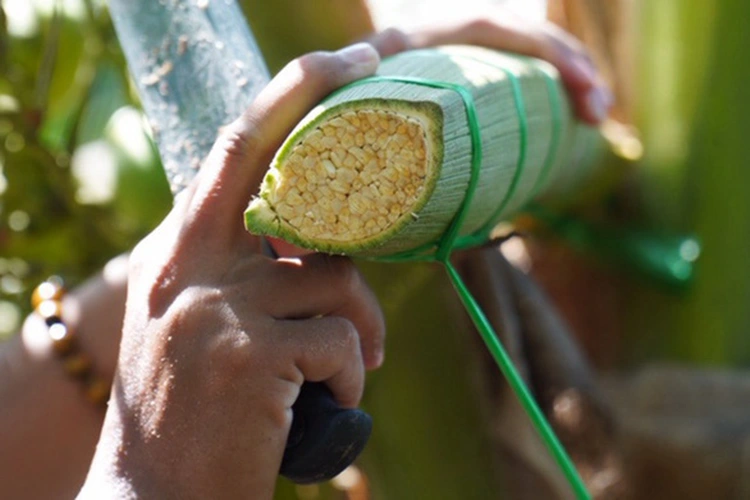
Coconut nectar is a liquid sweetener made from the sap of coconut palm blossoms.
The sap is collected, heated to reduce water content, and turned into a syrup-like sweetener with a caramel-like flavor.
Coconut nectar is sometimes described as coconut syrup or coconut sap nectar.
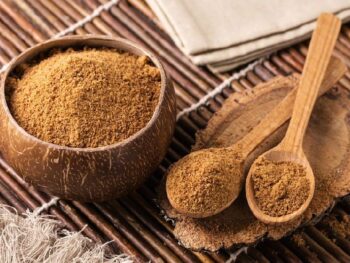
It is different from granulated coconut sugar, although both can come from coconut palm sap.
Coconut nectar stays liquid, while coconut sugar is crystallized into granules or powder.
For a broader explanation of coconut blossom nectar and product forms, read our guide to coconut blossom nectar sugar products.
What Is Honey?

Honey is a liquid sweetener produced by bees from flower nectar. It has a distinct floral sweetness, and its flavor can vary depending on the flowers, region, and processing method.
Honey is commonly used in beverages, sauces, glazes, marinades, dressings, and baked goods. However, because honey is animal-derived, it may not be suitable for vegan-friendly product positioning.
Coconut Nectar vs Honey: Quick Comparison
| Factor | Coconut Nectar | Honey |
| Source | Coconut palm sap | Flower nectar processed by bees |
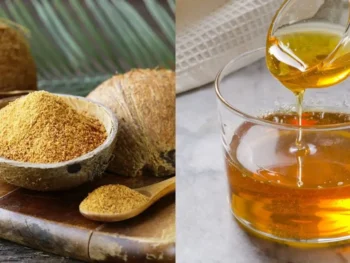
| Form | Liquid syrup | Liquid syrup |
| Flavor | Caramel-like, earthy, mildly rich | Floral, sweet, and distinct |
| Vegan suitability | Generally plant-based | Not suitable for many vegan consumers |
| Common uses | Drinks, sauces, glazes, dressings, baking trials | Drinks, sauces, glazes, marinades, baking |
| Sweetness impact | Adds darker color and caramel notes | Adds floral sweetness and honey aroma |
| Label consideration | Check product form, added sugar, and supplier data | Check added sugar, vegan claim limitations, and sourcing |
| B2B consideration | Review viscosity, color, shelf life, packaging, and documentation | Review source, quality, packaging, claim suitability, and consistency |
Nutrition and Added Sugar Considerations

Coconut nectar and honey are both sweeteners, so they should be compared based on serving size, sugar content, recipe use, and label requirements.
Coconut nectar may contain small amounts of minerals depending on the product, while honey may contain small amounts of naturally occurring compounds depending on the source and processing method.
However, neither coconut nectar nor honey should be treated as a major nutrient source. For consumers, moderation is still important.
For food brands, nutrition and health claims should be based on verified product data, nutrition facts, and local labeling rules.
For label context, the FDA explains how added sugars appear on the Nutrition Facts label, including single-ingredient sugars and syrups.
If a brand wants to discuss glycemic index or nutrition positioning, the claim should be supported by verified product data and local regulatory guidance.
Glycemic index values can vary depending on product, source, and testing method, so they should not be treated as a universal guarantee.
7 Key Differences Between Coconut Nectar and Honey
1. Source and Dietary Preference
Coconut nectar comes from coconut palm sap, while honey is produced by bees from flower nectar. This difference matters for vegan-friendly products because coconut nectar is plant-based, while honey is avoided by many vegan consumers.
2. Flavor Profile
Coconut nectar usually has a caramel-like, earthy, and mildly rich flavor. Honey has a more floral sweetness, and its flavor can vary widely depending on floral source and processing. For recipes where honey flavor is too dominant, coconut nectar may provide a more caramel-style sweetness.
3. Recipe Performance
Both coconut nectar and honey are liquid sweeteners, so they can work in beverages, sauces, glazes, dressings, marinades, and some baked goods. However, each product can affect color, sweetness, moisture, and flavor differently, so recipe testing is still important.
4. Vegan Suitability
Coconut nectar is generally more suitable for vegan-friendly recipes because it is made from plant sap. Honey is not suitable for many vegan consumers because it comes from bees.
5. Sugar and Label Considerations
Both coconut nectar and honey contribute sugar to a recipe. Even if they are natural sweeteners, they should still be used in moderation and evaluated based on serving size, sugar content, and nutrition label requirements.
6. Product Consistency
Coconut nectar and honey can vary in color, viscosity, flavor, and sweetness depending on source and processing. For food brands, consistency matters because variation can affect the final product’s taste, appearance, and production process.
7. Commercial Use and Documentation
For B2B buyers, the decision is not only about taste. Product specification, packaging, shelf life, COA availability, certification scope, ingredient declaration, and supplier documentation should be reviewed before using coconut nectar or honey in commercial products.
Can You Substitute Coconut Nectar for Honey?
Yes, coconut nectar can often be used as a starting substitute for honey in beverages, sauces, dressings, glazes, marinades, and some baked goods.
Because both are liquid sweeteners, a 1:1 ratio can work as a starting point in many recipes.
However, the final result may change.
Coconut nectar has a caramel-like flavor, while honey has a floral sweetness.
Coconut nectar may also affect color and flavor differently depending on the recipe.
For a more practical substitution guide, read our article on using coconut nectar as a substitute for agave or honey.
What Food Brands and B2B Buyers Should Check

For food manufacturers, beverage brands, sauce producers, bakery brands, private label buyers, and procurement teams, choosing between coconut nectar and honey should involve more than a health comparison.
Product form, flavor consistency, viscosity, color, packaging, shelf life, certification scope, and documentation can affect the final product.
If the goal is vegan-friendly positioning, coconut nectar may be easier to align with plant-based requirements than honey.
However, buyers should still verify ingredient declarations, supplier documentation, product specifications, and labeling requirements before making claims.
For broader coconut product sourcing, buyers can explore coconut products from Indonesia or contact Global Coco Sugar to discuss product details, packaging options, sample requests, and quotation requirements.
Need coconut nectar or coconut-based sweetener details for product development?
Contact our export team to request specifications, samples, packaging details, or a quotation.
Conclusion: Coconut Nectar vs Honey
Coconut nectar and honey can both work as natural liquid sweeteners, but they serve different needs.
Coconut nectar is plant-based, caramel-like, and useful for vegan-friendly positioning.
Honey has a floral sweetness and long culinary history, but it is not suitable for many vegan consumers.
Neither sweetener should be treated as automatically healthier.
Both contribute sugar and should be used based on serving size, recipe function, flavor preference, dietary needs, and label requirements.
For commercial products, the safest approach is to test the sweetener in the actual formulation, review supplier documentation, and confirm whether the final product supports the intended claims before moving into bulk production.