Category: Sustainability & Farming

  • Coconut Milk Production 2025: Powerful Environmental Pros and Cons

    Coconut Milk Production 2025: Powerful Environmental Pros and Cons

    environmental, coconut milk, production, milk

    Coconut milk has become one of the most popular plant-based alternatives to dairy. From coffee shops to vegan recipes, its creamy texture and rich taste make it a staple in kitchens across the world. However, as the demand for this product grows, so does the conversation about its environmental consequences. While coconut milk may appear to be a more sustainable choice compared to animal-based milk, the reality is more nuanced. Understanding the environmental impact of coconut milk production requires a closer look at agriculture, trade, and ecological systems that shape this industry.


    Coconut Farming and Global Demand

    environmental, coconut milk, production, milk

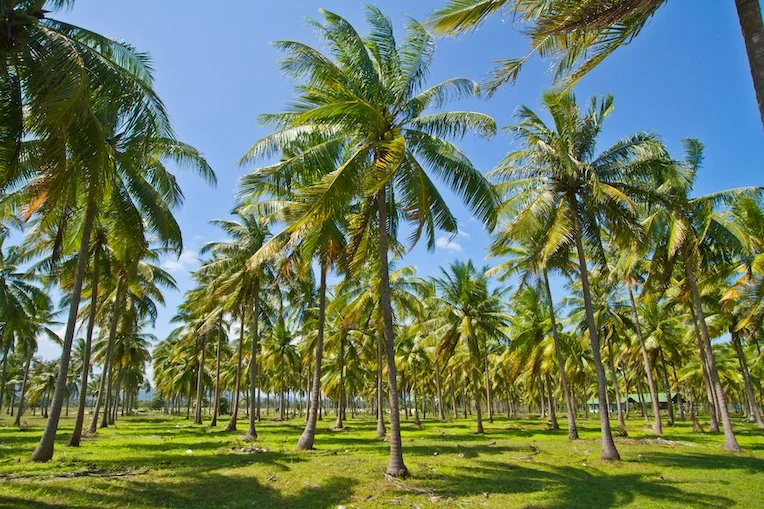
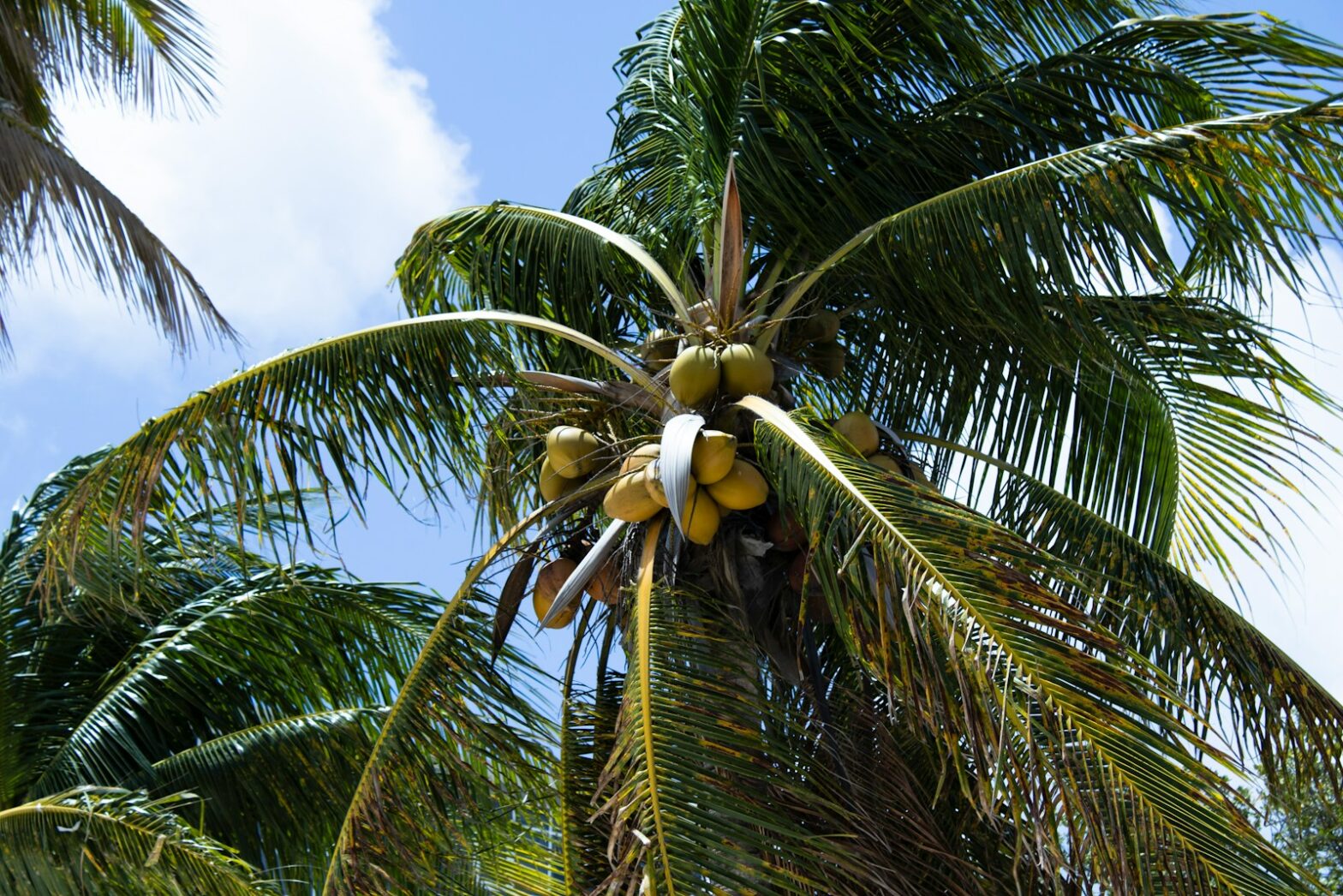
    Coconuts are primarily grown in tropical regions such as Indonesia, the Philippines, India, and Sri Lanka. These countries supply the majority of the world’s coconuts, which are processed into milk, oil, water, and other by-products. Unlike soybeans or almonds, coconuts are typically cultivated in smallholder farms rather than massive industrial plantations. This small-scale farming model often reduces the risk of large-scale deforestation. In fact, many coconut trees are intercropped with other plants, which helps preserve biodiversity.

    However, the global rise in demand for coconut-based products, particularly coconut milk, has placed new pressures on these farming systems. While coconut trees themselves may not require extensive water or synthetic pesticides, the scaling of production to meet international markets brings its own set of environmental challenges.


    Land Use and Deforestation Concerns

    One of the key environmental debates surrounding plant-based products is deforestation. In comparison to soy or palm oil, coconuts do not have the same level of association with widespread land clearing. Coconut trees are grown in tropical regions that are already rich in vegetation, and in many cases, they replace other crops rather than virgin forests.

    That being said, there is still concern about biodiversity loss. Coconut farming, when expanded at a large scale, can reduce habitat variety in tropical regions. Monoculture practices, where large areas are planted with a single crop, may also threaten local ecosystems. While the direct deforestation footprint of coconut milk production remains smaller than that of palm oil or beef, the indirect impact on local wildlife and soil fertility cannot be ignored.


    Water and Soil Sustainability

    Compared to other plant-based alternatives such as almond milk, coconut milk production is less water-intensive. Almonds require vast amounts of irrigation, especially in regions like California where water scarcity is already a problem. Coconuts, on the other hand, are grown in naturally humid, tropical climates that provide sufficient rainfall. This makes coconut farming relatively sustainable in terms of water use.
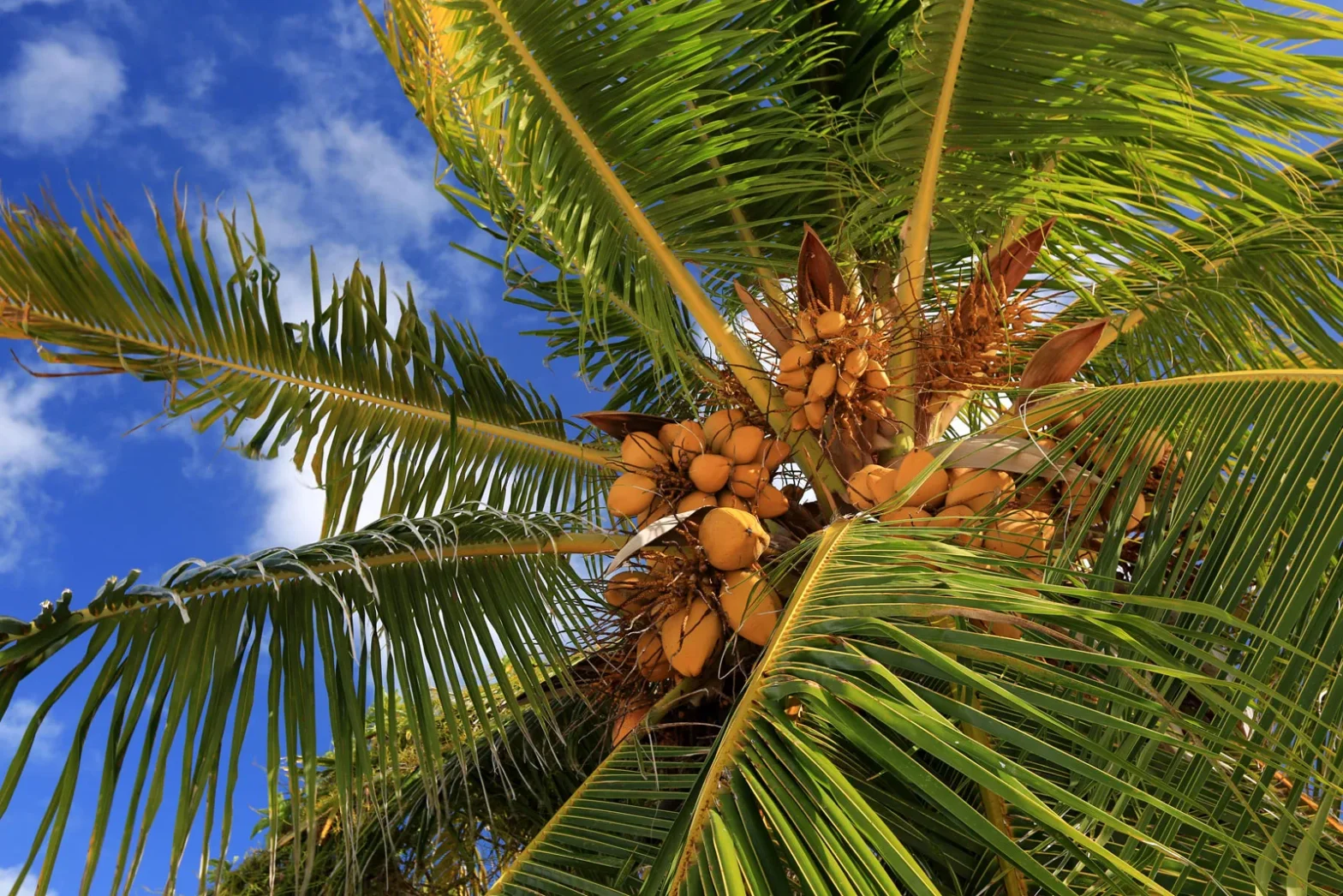
    However, soil health is another factor to consider. Coconut trees have long lifespans—often producing fruit for decades—which reduces the need for frequent replanting. Yet, when demand pushes for monoculture systems, soil nutrients can be depleted over time. Without proper management, this may lead to erosion and declining productivity in the long term.


    Transportation and Carbon Footprint

    One of the less obvious environmental costs of coconut milk production comes from transportation. The majority of coconuts are grown thousands of miles away from their primary consumer markets in Europe and North America. Once harvested, coconuts are processed into milk and packaged, often in cans or cartons, and shipped across continents.

    This long supply chain contributes significantly to the overall carbon footprint of coconut milk. While the farming process itself may be relatively low-impact compared to dairy milk, the emissions associated with international shipping, processing, and packaging add to its environmental burden. As a result, consumers who prioritize low-carbon diets should consider not only how coconut milk is grown but also how it travels from farm to table.


    Comparing Coconut Milk to Dairy Milk

    When comparing coconut milk to dairy milk, the environmental differences become clearer. Dairy production is one of the most resource-intensive agricultural practices in the world. Cows require large amounts of water, feed, and land, and they produce significant methane emissions, a powerful greenhouse gas. In contrast, coconut farming has a much smaller greenhouse gas footprint. Even with long-distance transportation, coconut milk tends to have lower carbon emissions than dairy milk.

    Moreover, dairy farming is often linked to deforestation for grazing land, water pollution from runoff, and overuse of antibiotics in livestock. Coconut farming does not share these particular challenges. Thus, for environmentally conscious consumers, coconut milk generally remains the more sustainable choice.


    Social and Ethical Dimensions

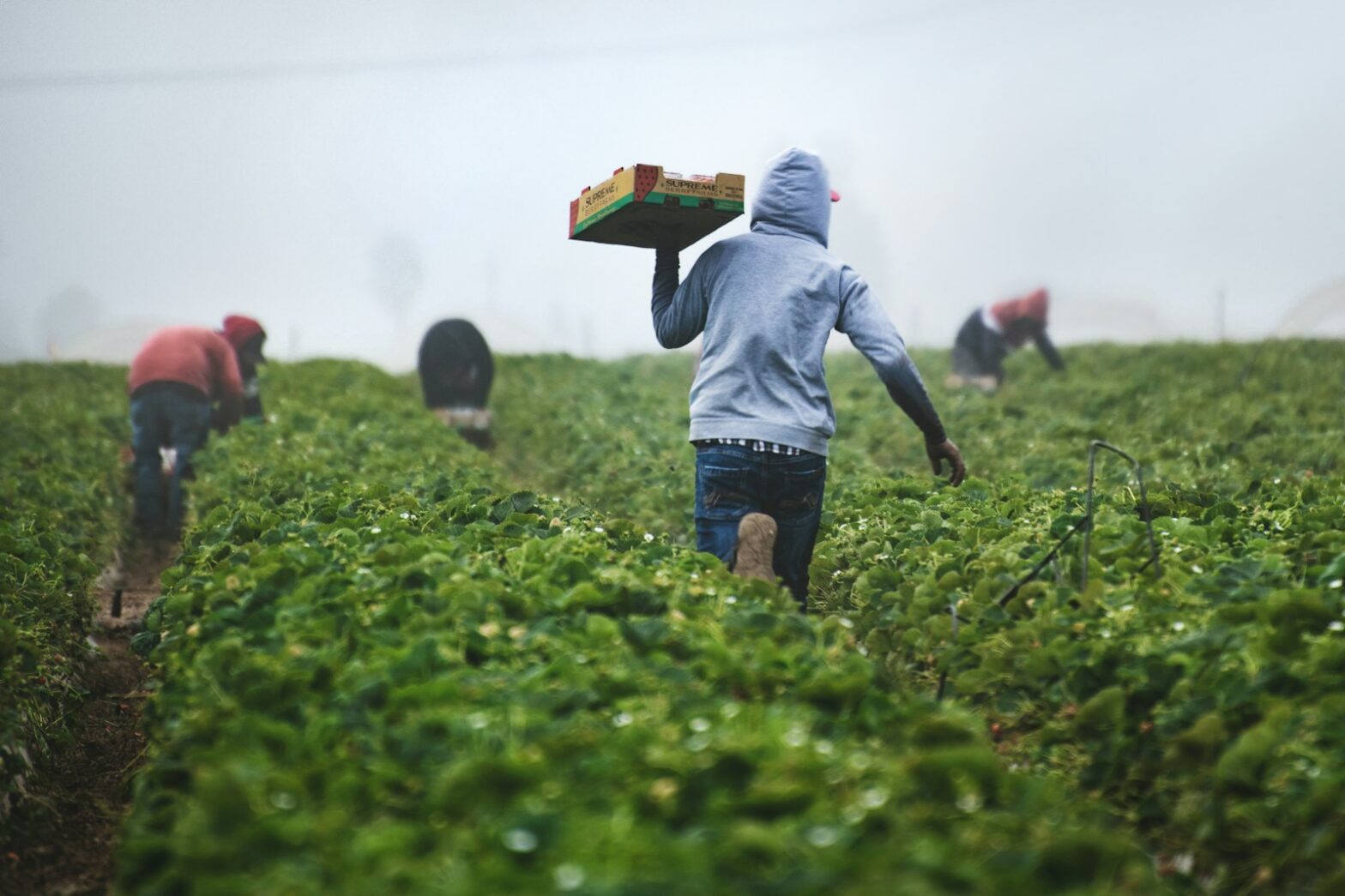
    Beyond the environment, coconut milk production also has social implications. Most coconuts are harvested in countries where farmworkers face low wages and limited labor protections. Reports of exploitative practices in some regions have sparked ethical concerns among consumers. While these issues are not directly environmental, they are closely tied to the sustainability of the industry as a whole. True sustainability involves protecting both ecosystems and the people who depend on them for their livelihoods.

    Fair trade certifications and ethical sourcing initiatives are helping address these challenges, but widespread change requires stronger collaboration between producers, governments, and international buyers. Consumers can play a role by supporting brands that prioritize transparency and fair trade practices.


    Packaging and Waste

    Packaging also plays a role in the environmental impact of coconut milk. Canned coconut milk is often packaged in metal containers, which are recyclable but energy-intensive to produce. Carton-based coconut milk, often sold as a beverage alternative, may be lined with plastic or aluminum, making recycling more difficult. Packaging waste contributes to environmental problems worldwide, particularly in countries lacking strong recycling infrastructure.

    As sustainability becomes a greater consumer priority, some companies are exploring eco-friendly packaging solutions. These include biodegradable cartons, reduced plastic use, and refill systems. Choosing coconut milk brands that invest in sustainable packaging can help reduce the product’s overall footprint.


    Moving Toward Sustainable Coconut Milk

    While coconut milk is often a better environmental choice than dairy, there is room for improvement in its production and distribution. Some strategies for making coconut milk more sustainable include:

    1. Agroforestry practices – Encouraging intercropping and mixed farming to maintain biodiversity and soil health.
    2. Fair trade certification – Ensuring farmers receive fair wages and work under ethical conditions.
    3. Eco-friendly packaging – Supporting innovations that reduce waste and improve recyclability.
    4. Local alternatives – Exploring plant-based milk options made from crops grown closer to consumer markets, such as oats or soy, to reduce transportation emissions.
    5. Consumer awareness – Making informed choices and supporting responsible brands that prioritize sustainability across their supply chains.

    Conclusion

    Coconut milk production carries both environmental advantages and hidden costs. On one hand, coconut farming requires less water, fewer chemical inputs, and produces lower greenhouse gas emissions compared to dairy milk. On the other hand, challenges such as transportation emissions, monoculture risks, and packaging waste highlight that no product is entirely impact-free.

    For consumers who care about sustainability, coconut milk remains a relatively eco-friendly option, especially when compared to dairy. However, conscious choices—such as supporting ethical brands, considering packaging, and balancing coconut milk consumption with other local alternatives—can make an even greater difference. Ultimately, the path toward a sustainable future involves not just what we consume, but how thoughtfully we consume it.

  • From Farm to Table: The Journey of Coconut Flakes

    From Farm to Table: The Journey of Coconut Flakes

    Coconut flakes are a beloved ingredient in kitchens worldwide, celebrated for their tropical flavor, versatility, and nutritional value. But behind every bag of coconut flakes lies a fascinating journey—from the lush coconut farms to the shelves of your local store. This article explores each stage of that journey, highlighting the craftsmanship, sustainability, and processes that bring coconut flakes from farm to table.


    1. Cultivating the Coconut Palm

    The journey begins on tropical farms in countries such as the Philippines, Indonesia, Sri Lanka, and India. These regions have the warm, humid climate coconut palms need to thrive. Farmers plant and nurture the trees, which take about 6–10 years to fully mature.
    Coconut palms can produce fruit for decades, making them a sustainable crop. Farmers often interplant them with other crops to preserve soil fertility and promote biodiversity.


    2. Harvesting the Coconuts

    Coconuts are typically harvested every 45–60 days. Skilled harvesters climb the tall palms or use long poles to collect mature nuts. At this stage, the coconuts have hard shells and firm white meat—ideal for flake production.
    In many coconut-growing regions, harvesting remains a manual process, preserving local traditions and providing jobs for rural communities.


    3. Transport and Initial Processing

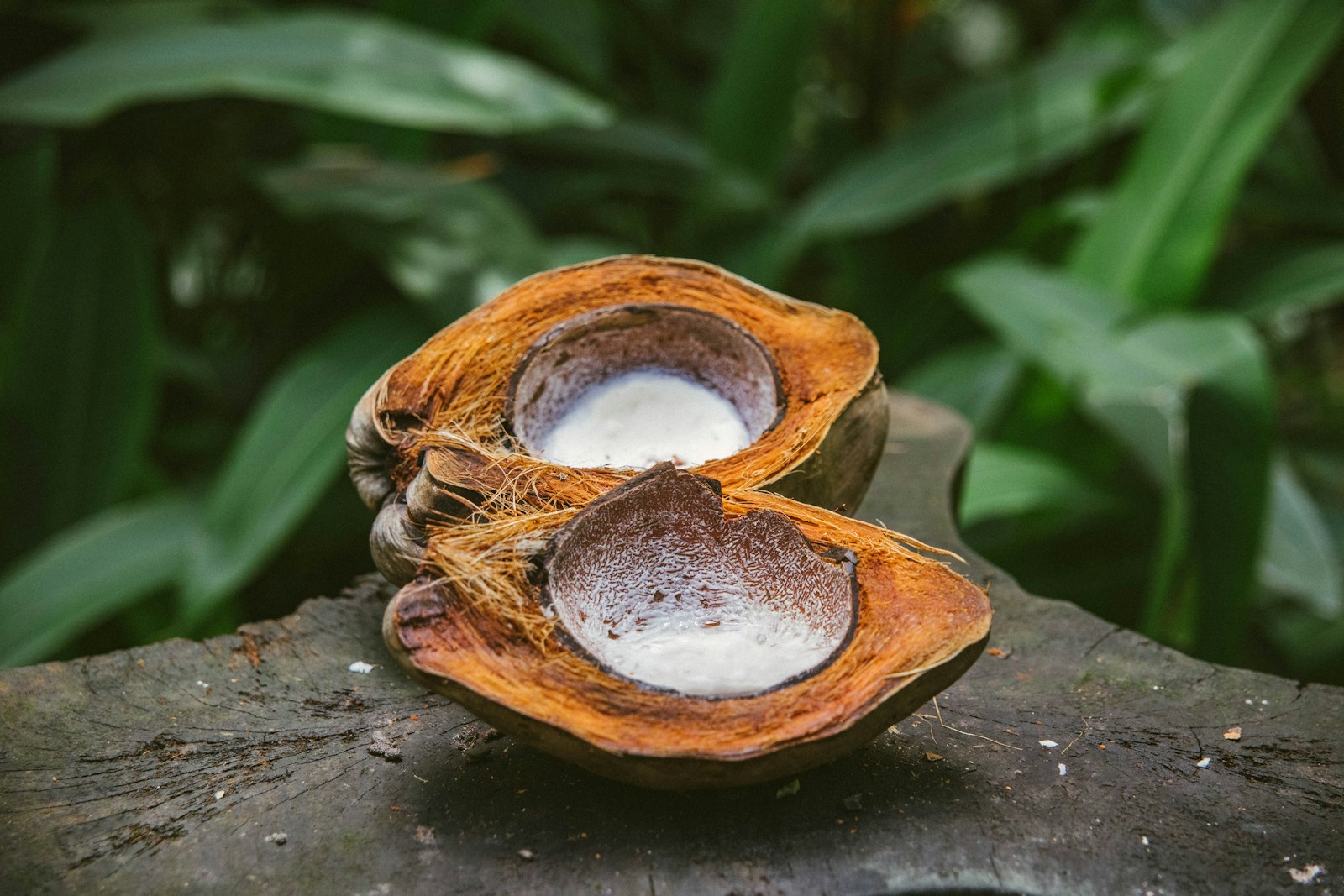
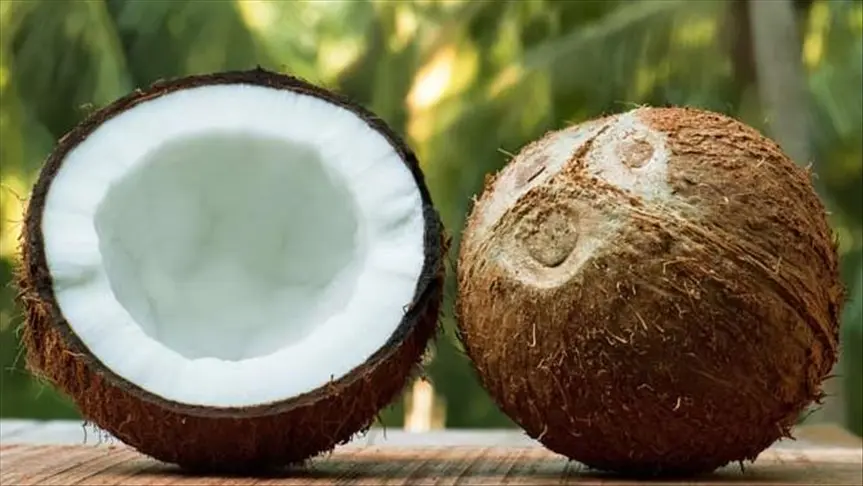
    Once harvested, coconuts are transported to processing facilities, often located near farms to ensure freshness. The first steps involve husking (removing the fibrous outer layer) and shelling (cracking the hard shell to access the meat).
    The coconut water is drained, and the meat is carefully extracted. Maintaining hygiene and quick processing is crucial to preserving flavor and preventing spoilage.


    4. Washing and Sanitizing

    The coconut meat is thoroughly washed in clean water to remove dirt, husk fibers, and other impurities. In high-quality operations, food-grade sanitizing agents may be used to ensure safety. This step is essential for meeting international food safety standards.


    5. Shredding the Coconut Meat

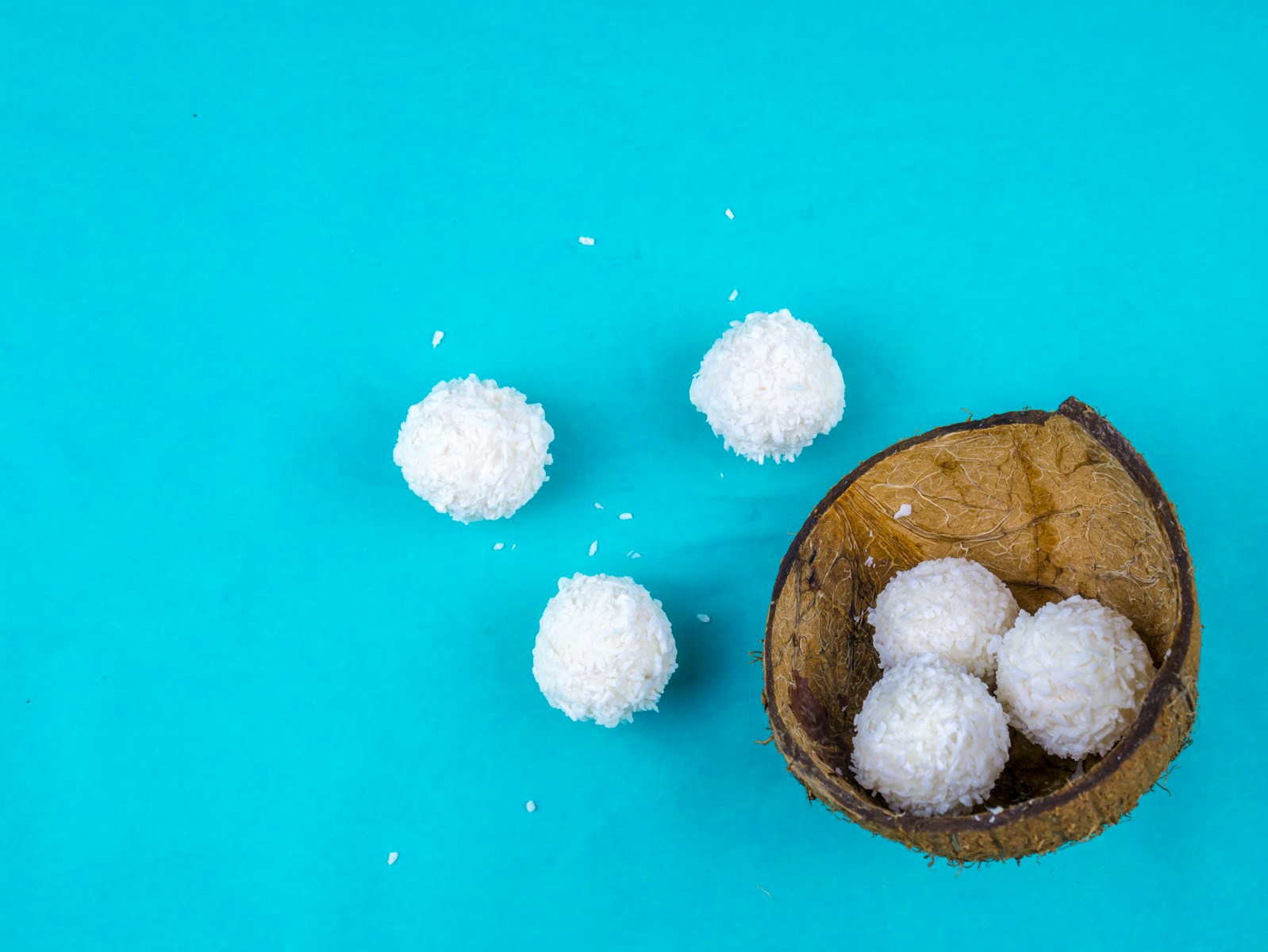
    The clean coconut meat is shredded into flakes of various sizes—fine, medium, or large—depending on the final product. The size of the flake affects its culinary uses:

    • Fine flakes are ideal for baking.
    • Medium flakes add texture to cereals and desserts.
    • Large flakes are used in decorative garnishes or specialty snacks.

    6. Drying for Preservation

    Fresh coconut has high moisture content, which makes it prone to spoilage. To extend shelf life, the flakes are dried—either through hot-air drying or more traditional sun-drying methods.
    Modern facilities use temperature-controlled dryers to remove moisture without damaging nutrients or flavor. The goal is to achieve a moisture content of about 3%, which prevents microbial growth while retaining the coconut’s natural sweetness.


    7. Quality Control and Packaging

    Before packaging, coconut flakes undergo strict quality control checks to ensure uniform size, color, and purity. Tests are conducted for microbial safety, moisture levels, and absence of contaminants.
    Flakes are then packaged in airtight, moisture-proof bags or containers to maintain freshness. Some are sweetened or toasted for specific markets, while others remain unsweetened for health-conscious consumers.


    8. Shipping and Distribution

    Packaged coconut flakes are shipped globally via sea or air freight. Exporters must comply with international regulations, including labeling requirements and phytosanitary certifications.
    Upon arrival in the destination country, the products pass through customs inspections before being distributed to wholesalers, supermarkets, and specialty stores.


    9. Culinary Uses at the Consumer’s Table

    Once in the hands of consumers, coconut flakes offer endless possibilities. They can be:

    • Baked into cakes, cookies, and muffins.
    • Sprinkled over smoothie bowls or yogurt.
    • Incorporated into savory curries and rice dishes.
    • Toasted for salads and snacks.

    They’re a favorite among home cooks, professional chefs, and health enthusiasts for their taste, texture, and nutritional benefits.


    10. Sustainability and Ethical Considerations

    Many coconut flake producers are embracing sustainable farming and fair-trade practices. This includes:

    • Reducing waste by using every part of the coconut (water, shell, husk).
    • Supporting smallholder farmers with fair wages.
    • Minimizing carbon footprint through eco-friendly processing.

    By choosing ethically sourced coconut flakes, consumers support environmental stewardship and rural livelihoods.


    11. The Future of Coconut Flakes

    Demand for coconut flakes continues to grow due to the global trend toward plant-based, natural, and gluten-free foods. Innovation in packaging, flavoring, and processing will likely expand their culinary applications even further.

    From smoothie toppings to gourmet pastries, coconut flakes will remain a pantry staple for years to come.


    Conclusion

    The journey of coconut flakes—from tropical farms to your kitchen—is a story of nature’s bounty, human skill, and global trade. Understanding this process helps us appreciate not just the taste and nutrition of coconut flakes, but also the hands and communities behind them.
    Next time you enjoy coconut flakes, you’ll know the rich story they carry from farm to table.

  • The Sustainability of Coconut Sugar Production

    The Sustainability of Coconut Sugar Production

    As the world seeks healthier, more sustainable alternatives to highly processed sweeteners, coconut sugar has emerged as a frontrunner. Made from the sap of coconut palm blossoms, coconut sugar is minimally processed, rich in trace nutrients, and carries a lower glycemic index than refined white sugar. But beyond its nutritional appeal, coconut sugar production offers an often-overlooked benefit: it’s one of the most sustainable sweeteners available today.

    In this article, we explore the environmental, social, and economic sustainability of coconut sugar—from how it’s harvested, to its impact on farming communities and the planet.


    What Is Coconut Sugar?

    Coconut sugar is derived from the sap of coconut palm flower buds. Farmers climb the trees, slice the flower stems, and collect the sap into bamboo or clay containers. The sap is then gently boiled and evaporated until it crystallizes into granules.

    Unlike cane sugar, which undergoes industrial processing and refinement, coconut sugar retains natural nutrients such as iron, potassium, zinc, calcium, and inulin, a prebiotic fiber. But its production process also requires minimal intervention, making it uniquely eco-friendly.


    1. Environmentally Friendly Farming

    🌴 No Need for Deforestation

    Coconut sugar is harvested from existing coconut palm trees, which are not cut down or destroyed in the process. Unlike other agricultural commodities—like soy, palm oil, or even cane sugar—that can drive deforestation, coconut sugar production thrives on sustainably managed coconut farms.

    The same trees can produce both coconuts and sap, offering dual yields and encouraging farmers to keep trees standing longer. This promotes long-term land use stability and protects vital ecosystems, especially in tropical countries like Indonesia, the Philippines, and Sri Lanka.


    🌱 Low Water and Land Use

    Compared to sugarcane and sugar beet crops, which require significant irrigation and land area, coconut palms are highly efficient. They require less water, and because coconut sugar doesn’t demand the destruction of the coconut, the land remains fertile and productive for years.

    According to the Food and Agriculture Organization (FAO), coconut palm trees produce more sugar per acre than sugarcane while using less water and fewer resources.


    🐝 Biodiversity Preservation

    Coconut sugar production does not involve the use of pesticides or synthetic fertilizers. The coconut palm’s natural resilience allows it to coexist with other flora and fauna, supporting local biodiversity. In fact, many coconut plantations act as agroforestry systems, combining coconuts with bananas, cacao, coffee, and other crops.

    This polyculture approach enriches the soil, reduces pests naturally, and creates a more resilient and regenerative farming system.


    2. Empowering Local Communities

    Coconut sugar production is not only environmentally sustainable—it’s also economically empowering, particularly for rural communities.

    👩‍🌾 Smallholder Farming Model

    Most coconut sugar is produced by smallholder farmers who tap the sap using traditional methods passed down through generations. In countries like Indonesia, more than 80% of coconut sugar comes from family farms.

    These small-scale operations require low capital investment and no expensive machinery, making coconut sugar an accessible livelihood for many rural households.


    🧺 Job Creation and Skill Preservation

    The harvesting and boiling process requires manual skill, creating jobs at every stage—from sap collection to sugar crystallization and packaging. For many communities, especially women and elders, this work is both a source of income and a means of preserving traditional knowledge.

    By supporting coconut sugar, consumers help sustain cultural practices and rural economies that might otherwise be displaced by industrial farming.


    🤝 Fair Trade and Cooperative Models

    Several coconut sugar brands partner with farmer cooperatives and operate under Fair Trade certifications, ensuring ethical labor practices, fair wages, and reinvestment in community development.

    Fair Trade premiums often go toward education, healthcare, and infrastructure improvements in farming villages, further reinforcing the long-term sustainability of the industry.


    3. Minimal Processing, Minimal Impact

    Coconut sugar’s production process is refreshingly simple:

    1. Sap collection using bamboo or natural containers
    2. Slow boiling over wood or biomass fires
    3. Drying and crystallization without chemicals
    4. Packaging using recyclable or compostable materials (in many ethical brands)

    This process:

    • Emits low carbon emissions
    • Requires no chemical refining
    • Uses local materials and fuels

    Compared to the energy- and water-intensive processes used to produce white sugar, coconut sugar leaves a much smaller carbon and environmental footprint.


    4. Health-Conscious, Planet-Friendly Sweetener

    Coconut sugar aligns with the growing demand for natural, low-impact foods. It appeals to health-conscious consumers who want sweeteners that are:

    • Less processed
    • Nutrient-rich
    • Plant-based and vegan
    • Free of additives and bleaching agents

    At the same time, it checks the boxes for environmental and ethical standards—making it one of the few sweeteners that satisfy both wellness and sustainability goals.


    5. Challenges and Room for Growth

    While coconut sugar offers many advantages, it’s important to recognize potential challenges in scaling up sustainably:

    📉 Limited Supply

    Coconut sugar is still a niche product, and global production is limited compared to cane or beet sugar. As demand grows, there’s pressure to increase yields, which could risk overharvesting sap and reducing coconut fruit production if not managed responsibly.


    🔄 Balancing Coconut Fruit vs. Sap Production

    A single tree cannot produce both high volumes of coconuts and sugar sap simultaneously. Farmers must choose how to manage their crops, and poorly planned incentives may encourage sap tapping at the expense of coconut fruit harvesting.

    Sustainable balance is key—one that supports both local food systems and sugar demand.


    ⚠️ Certification and Transparency

    Not all coconut sugar brands are equal. Consumers should look for USDA Organic, Fair Trade, and non-GMO labels and support companies that provide transparent sourcing information.

    More investment is needed in traceable supply chains, farmer education, and fair-trade partnerships to maintain long-term sustainability as the industry grows.


    Conclusion: A Sweet Solution for a Sustainable Future

    Coconut sugar represents more than just a healthier sweetener—it’s a model for how food can be produced responsibly, support communities, and protect the planet. Its low-impact farming, minimal processing, and fair-trade potential make it one of the most sustainable sugars on the market today.

    For consumers seeking alternatives to processed sugars and unsustainable sweeteners, coconut sugar offers a guilt-free way to enjoy sweetness—while contributing to a healthier world.

    When sourced from ethical brands and harvested by empowered farmers, coconut sugar truly lives up to its promise:
    a sweetener rooted in tradition, community, and sustainability.

  • The Environmental Benefits of Choosing Coconut Sugar

    The Environmental Benefits of Choosing Coconut Sugar

    In recent years, the global shift toward sustainable living has led to an increased interest in eco-friendly food alternatives. One such alternative that’s gaining popularity is coconut sugar—a natural sweetener derived from the sap of coconut palm trees. While it offers a range of nutritional advantages, what truly sets coconut sugar apart is its environmental sustainability. In comparison to traditional sweeteners like cane sugar and corn syrup, coconut sugar production has a much lower environmental impact, making it a responsible choice for the eco-conscious consumer.

    What is Coconut Sugar?

    Coconut sugar, also known as coconut palm sugar, is produced by tapping the flower buds of the coconut palm tree (Cocos nucifera). Farmers collect the sap, heat it to evaporate moisture, and eventually crystallize it into sugar granules. The process is simple, minimally processed, and free from artificial additives, making coconut sugar a natural and unrefined sweetener.

    Not only is coconut sugar known for its low glycemic index and rich nutrient profile (containing small amounts of iron, zinc, calcium, potassium, and antioxidants), but it’s also recognized for its environmental benefits, which are becoming increasingly important in a world facing climate change and biodiversity loss.

    1. Minimal Environmental Degradation

    One of the key environmental advantages of coconut sugar is that it’s derived from coconut palm trees, which are perennial crops. Unlike sugarcane, which requires regular replanting, coconut palms continue to produce sap year-round for up to 25–70 years, depending on the species and local farming practices.

    This longevity means less soil disruption, reduced erosion, and lower resource use over time. There’s no need to till the soil or use large quantities of fertilizers and herbicides regularly, as is common in conventional sugar farming.

    2. Low Water Consumption

    Coconut palms are highly water-efficient. According to the Food and Agriculture Organization (FAO), they require significantly less water compared to sugarcane. Producing just one kilogram of sugar from sugarcane can require up to 1,500–3,000 liters of water, while coconut palms thrive with natural rainfall in tropical regions and rarely require irrigation.

    This lower water demand helps conserve precious freshwater resources, particularly in regions that are increasingly suffering from droughts and water shortages. Choosing coconut sugar over traditional sweeteners is, therefore, a step toward responsible water usage in agriculture.

    3. Lower Carbon Footprint

    Sugarcane and beet sugar farming are responsible for considerable greenhouse gas emissions due to land clearing, use of synthetic fertilizers, and transportation. In contrast, coconut palms not only require fewer chemical inputs but also act as carbon sinks.

    Trees in general absorb carbon dioxide and release oxygen, helping to mitigate climate change. Coconut palms grow in tropical regions where deforestation is a concern. By maintaining coconut farms instead of clearing land for other agricultural or industrial uses, farmers help preserve carbon-absorbing tree cover.

    Moreover, since coconut sugar is often produced locally in small-scale farms with traditional methods, the production process tends to emit less CO₂ overall than the industrial-scale refinement processes used for white sugar.

    4. Biodiversity Preservation

    Another important ecological benefit of coconut sugar production is its role in supporting biodiversity. Coconut palm farms are often integrated into agroforestry systems, where multiple crops such as bananas, cacao, coffee, and root vegetables grow alongside coconut trees. These mixed-crop systems preserve a diverse ecosystem, unlike monoculture farming which reduces soil fertility and wildlife habitats.

    This diversity not only promotes natural pest control, reducing the need for harmful pesticides, but also supports pollinators like bees and butterflies, which are essential for global food production.

    By contrast, conventional sugar plantations—especially sugarcane—are usually monocultures. These plantations contribute to habitat destruction, especially in biodiverse areas such as Brazil, Southeast Asia, and the Caribbean.

    5. Soil Health and Regeneration

    Coconut palms have deep root systems that stabilize the soil and enhance its structure, preventing erosion and promoting water retention. This is a stark contrast to sugarcane farming, which can degrade soil rapidly due to frequent tilling and heavy chemical use.

    Additionally, coconut farming practices often include natural composting, where fallen leaves and organic matter are returned to the soil, enriching it over time. This approach enhances long-term soil fertility, promoting sustainability for future generations.

    6. Reduced Chemical Use

    Coconut sugar is often produced organically or with minimal use of pesticides and synthetic fertilizers. In part, this is due to the natural resilience of coconut palms, which are less susceptible to pests and diseases compared to other crops. As a result, coconut sugar production typically relies on eco-friendly farming practices.

    Lower chemical input means fewer toxins leach into nearby water systems, reducing the risk of polluted rivers, lakes, and oceans. This supports healthier aquatic ecosystems and decreases the environmental footprint of sweetener production.

    7. Support for Small-Scale and Sustainable Farming

    Coconut sugar production is largely a community-based industry. Smallholder farmers in countries like the Philippines, Indonesia, Sri Lanka, and India grow and harvest coconut palms using traditional, low-impact methods passed down through generations.

    By choosing coconut sugar, consumers contribute to the economic empowerment of these farming communities and encourage ethical, small-scale agriculture over industrial farming. Supporting these producers also helps keep traditional ecological knowledge alive, promoting farming systems that are in tune with nature.

    8. Minimal Processing and Packaging

    Unlike white sugar, which undergoes extensive refining, bleaching, and chemical processing, coconut sugar is minimally processed. The process involves simply boiling down the sap to concentrate it into granules or syrup. This not only preserves more nutrients but also reduces the energy and materials needed in manufacturing.

    Additionally, many coconut sugar producers use eco-conscious packaging, especially those committed to organic and fair-trade certifications. With less energy-intensive packaging and processing, coconut sugar presents a greener alternative from farm to table.

    Final Thoughts

    As the global population continues to grow, so does the pressure on our environment. Making conscious choices about what we consume can make a significant difference. Choosing coconut sugar over conventional sweeteners isn’t just a health-conscious decision—it’s an environmentally responsible one.

    With benefits like reduced water usage, lower carbon emissions, protection of biodiversity, and support for small-scale sustainable farming, coconut sugar represents a sweet solution to a sour environmental problem. While it may not replace all sweeteners overnight, its growing popularity signals a shift toward a more sustainable and ethical food system.

    In a world that increasingly values sustainability, coconut sugar proves that sometimes the smallest changes—like the sugar we stir into our morning coffee—can make a big difference.

  • The Environmental Impact of Coconut Nectar Production

    The Environmental Impact of Coconut Nectar Production

    In recent years, coconut nectar has gained popularity as a natural sweetener alternative to refined sugars and artificial sweeteners. Extracted from the sap of coconut palm trees, this syrupy product is praised not only for its low glycemic index and rich flavor but also for its perceived sustainability. However, as with any agricultural product, the environmental footprint of coconut nectar production is complex and multifaceted. Understanding its true impact requires examining the entire production process, from cultivation to harvest, processing, and distribution.


    What Is Coconut Nectar?

    Coconut nectar is derived from the sap of the coconut palm (Cocos nucifera), a tree widely grown in tropical regions such as Southeast Asia, the Pacific Islands, and parts of Central and South America. Farmers harvest the sap by tapping the flower buds of the tree, collecting the sugary liquid before boiling it down into syrup.

    Unlike coconut oil or coconut water, which come from the fruit itself, coconut nectar utilizes a renewable resource—the sap—allowing the tree to remain productive for decades without needing to be cut down. This distinction positions coconut nectar as a potentially sustainable sweetener, but its environmental impacts go beyond this simple fact.


    The Environmental Benefits of Coconut Nectar Production

    1. Sustainable Harvesting Practices

    Coconut nectar production does not require felling the trees. Each tree can be tapped repeatedly for many years, sometimes up to 20–30 years, which allows for continuous sap harvesting without destroying the tree. This renewable harvesting makes coconut nectar a relatively low-impact sweetener compared to cane sugar, which often involves clearing land and intensive monoculture farming.

    2. Low Input Farming

    Coconut palms are naturally hardy and adapted to poor, sandy soils where many other crops struggle to grow. They typically require less irrigation, pesticides, and fertilizers than many commercial crops. This means that coconut nectar production often involves fewer synthetic chemicals, reducing the risk of soil and water pollution.

    3. Carbon Sequestration

    Like other trees, coconut palms sequester carbon dioxide as they grow. Maintaining coconut plantations contributes to carbon storage in biomass and soil. Compared to annual crops that need frequent replanting, perennial coconut palms provide longer-term carbon capture.

    4. Biodiversity Preservation

    In many traditional farming systems, coconut palms are integrated into mixed agroforestry landscapes alongside other crops like bananas, cacao, and spices. This diversification supports a range of plant and animal species, promoting greater biodiversity than intensive monoculture plantations.


    Environmental Challenges and Concerns

    Despite these benefits, coconut nectar production also poses environmental challenges that deserve careful consideration.

    1. Land Use and Deforestation

    As demand for coconut nectar and other coconut-derived products grows globally, coconut plantations are expanding. In some regions, this has led to the clearing of natural forests to establish new plantations, contributing to habitat loss and biodiversity decline. While coconut palms themselves can support biodiversity when grown in mixed systems, large-scale monoculture plantations are less ecologically friendly.

    2. Water Use and Soil Degradation

    Although coconut palms require less water than many crops, expanding plantations can still impact local water resources, especially in areas with limited rainfall or competing agricultural needs. Unsustainable land management practices can also lead to soil erosion and nutrient depletion, especially if ground cover is removed or agroforestry systems are replaced with monoculture.

    3. Labor and Social Impacts

    Sustainable coconut nectar production depends heavily on the work of farmers and tappers who collect the sap. In some regions, poor labor conditions, low wages, and lack of workers’ rights have been reported. Environmental sustainability cannot be separated from social sustainability—fair labor practices and community wellbeing are critical components of truly sustainable production.

    4. Energy Use in Processing

    Turning fresh sap into coconut nectar requires boiling the liquid to evaporate water, which often relies on firewood or fossil fuels. Depending on the energy source and efficiency of processing facilities, this step can generate significant greenhouse gas emissions and contribute to deforestation if unsustainably sourced firewood is used.


    Comparing Coconut Nectar to Other Sweeteners

    To better understand its environmental impact, it’s useful to compare coconut nectar production to that of other common sweeteners:

    • Sugar Cane: Often associated with intensive monoculture, heavy pesticide use, soil erosion, and water pollution. Sugar cane processing is energy-intensive, and plantations frequently contribute to deforestation.
    • Sugar Beet: Grown in temperate regions, sugar beet farming can involve heavy use of fertilizers and pesticides, leading to soil and water concerns, although it generally requires less water than sugar cane.
    • Agave Nectar: Produced mainly in Mexico, agave cultivation can cause soil degradation and water overuse if not managed sustainably, though agave plants are drought-tolerant.
    • Maple Syrup: Extracted from maple trees without cutting them down, maple syrup production is generally considered sustainable, but it is geographically limited and less scalable worldwide.

    Compared to these alternatives, coconut nectar offers some advantages, especially in tropical regions where coconut palms grow naturally and require relatively low inputs. However, scaling production without damaging ecosystems is a significant challenge.


    Strategies for Sustainable Coconut Nectar Production

    1. Agroforestry and Polyculture Systems

    Encouraging farmers to grow coconut palms alongside other crops preserves biodiversity and soil health. Agroforestry reduces the risk of monoculture-related problems such as pest outbreaks and soil nutrient depletion.

    2. Certification and Fair Trade

    Certifications like Organic, Fair Trade, and Rainforest Alliance can help ensure environmental and social standards are met, promoting sustainable harvesting, fair labor practices, and responsible land use.

    3. Efficient Energy Use

    Implementing more energy-efficient processing technologies and using renewable energy sources can reduce the carbon footprint of coconut nectar production.

    4. Community Engagement and Support

    Empowering local communities with education, fair wages, and sustainable farming knowledge fosters long-term stewardship of coconut plantations and surrounding ecosystems.


    Conclusion

    Coconut nectar has the potential to be a more environmentally friendly sweetener compared to many traditional sugars, thanks to its renewable sap harvesting, low chemical inputs, and compatibility with diverse agroecosystems. However, increased global demand risks encouraging unsustainable land clearing, water overuse, and social inequalities if not carefully managed.

    As consumers and producers become more aware of the environmental and social impacts of their choices, promoting sustainable coconut nectar production practices will be crucial. Supporting certification programs, agroforestry systems, and fair labor conditions can help ensure that this natural sweetener remains a healthy option for people and the planet alike.

    Ultimately, like all agricultural commodities, coconut nectar’s environmental impact depends heavily on how and where it is produced. With thoughtful management, it can be part of a more sustainable sweetening future—but vigilance is needed to avoid unintended harm.

  • The Environmental Impact of Sweetened Coconut Flakes: A Sustainable Choice

    The Environmental Impact of Sweetened Coconut Flakes: A Sustainable Choice

    In the evolving world of conscious consumerism, food choices are increasingly evaluated not just for their taste or nutrition but for their environmental impact. Among the pantry staples that often escape scrutiny are sweetened coconut flakes—a common ingredient in baked goods, snacks, and desserts. While they may seem like a simple garnish, the environmental footprint of sweetened coconut flakes is shaped by agricultural practices, processing methods, transportation logistics, and packaging. Fortunately, coconut-based products, when sourced responsibly, can offer a relatively sustainable alternative compared to other popular food ingredients.

    Coconut Cultivation: A Low-Impact Crop

    Coconuts are primarily grown in tropical regions, with the leading producers being the Philippines, Indonesia, and India. Unlike many resource-intensive crops, coconut palms are considered relatively sustainable. They require fewer inputs like pesticides or synthetic fertilizers compared to crops such as soy or corn. Moreover, coconut trees are perennial, which means they can bear fruit for decades without the need for annual tilling or replanting, reducing soil erosion and maintaining soil structure.

    Additionally, coconut trees are typically grown in polyculture systems—where they are intercropped with bananas, cacao, or coffee—which enhances biodiversity and improves land use efficiency. These agroforestry practices contrast sharply with monoculture systems that often degrade soil and harm surrounding ecosystems.

    Water Use and Carbon Footprint

    Coconuts are a drought-tolerant species, requiring less water than other high-demand crops like almonds or rice. This feature makes them especially valuable in regions facing increasing water scarcity due to climate change. While irrigation is occasionally used, many coconut plantations rely on natural rainfall, minimizing the freshwater footprint of the crop.

    When it comes to greenhouse gas emissions, coconut production has a lower carbon footprint per kilogram than many animal-derived products or other tropical commodities like palm oil. According to several life-cycle assessments, the emissions associated with coconut farming are modest, especially when grown organically or using regenerative practices.

    Processing and Sweetening

    The environmental profile of sweetened coconut flakes is not solely determined by cultivation—it also depends heavily on processing. Raw coconut meat must be dried, shredded, and sweetened, typically with sugar. This step can increase the carbon and energy footprint, especially if powered by fossil fuels or non-renewable electricity sources.

    Refining and adding sugar, particularly if it’s derived from sugarcane, can contribute to deforestation and water pollution in some producing regions. However, the overall sugar content in sweetened coconut flakes is relatively small compared to other confectionery products. Moreover, manufacturers increasingly turn to organic or sustainably sourced sugar to reduce environmental harm.

    Some factories are adopting energy-efficient machinery, switching to solar or biomass energy, and investing in waste recycling systems to reduce the footprint of coconut flake processing. When sourced from these kinds of facilities, sweetened coconut flakes have a noticeably lower environmental toll.

    Transportation and Global Trade

    As a globally traded commodity, sweetened coconut flakes are often transported long distances from tropical farms to international markets. Transportation—particularly via cargo ships and trucks—does contribute to greenhouse gas emissions. However, when compared to perishable foods like fresh fruits or dairy, dried coconut products have a much longer shelf life, which reduces spoilage and waste during shipping.

    In terms of weight-to-value ratio, coconut flakes are relatively efficient to transport. Their low moisture content means more product can be shipped per ton, lowering emissions per serving compared to heavier, water-rich items. Moreover, bulk shipping and sea freight, while not carbon-neutral, are significantly more efficient than air transport, which is rarely used for non-perishable coconut products.

    Packaging Waste and Innovations

    Packaging is another area of concern for sustainability. Sweetened coconut flakes are often sold in plastic or composite pouches, which are not always recyclable. While the environmental impact of packaging is smaller than production and transport, it becomes significant when multiplied by global sales.

    Fortunately, some brands are exploring biodegradable or compostable packaging options, while others use recyclable paper-based materials. Buying in bulk can also reduce the per-unit impact of packaging. As consumer awareness grows, demand for eco-friendly packaging is pushing manufacturers to innovate, gradually decreasing the overall environmental burden.

    Waste and By-Products

    An often-overlooked aspect of coconut sustainability is the efficient use of the entire fruit. Unlike many crops where parts of the plant are discarded, coconuts are exceptionally versatile. The meat is used for flakes and milk; the water is bottled as a beverage; the husk and shell are used for coir fiber, charcoal, or even construction materials. This whole-use approach minimizes agricultural waste and adds value across the supply chain.

    Some coconut-processing facilities even burn coconut shells to generate heat for drying the flakes—creating a closed-loop system that reduces fossil fuel dependence. When producers maximize by-product usage, they contribute to a more circular and resource-efficient economy.

    Social and Ethical Considerations

    Environmental sustainability is deeply intertwined with social responsibility. Coconut farming is often labor-intensive, and many producers operate in low-income regions. Ethical sourcing is essential to ensure fair wages, safe working conditions, and community development.

    Certifications such as Fair Trade, Rainforest Alliance, or USDA Organic help consumers identify products that adhere to environmental and social best practices. Buying certified sweetened coconut flakes supports farms and factories that invest in both ecological protection and human well-being.

    Comparing Coconut Flakes to Other Ingredients

    When assessing the sustainability of sweetened coconut flakes, it’s useful to compare them with alternatives. For instance, shredded cheese, which is used similarly in savory recipes, has a much higher carbon and water footprint due to the demands of dairy farming. Similarly, sweetened shredded products made from almonds or cashews often require more water and have more intensive harvesting practices.

    Given their longevity, minimal resource input, and efficient use of land and water, coconuts represent one of the more environmentally friendly tropical crops. While sweetened coconut flakes are not without environmental costs, they tend to be a better choice in recipes compared to many animal-based or highly processed alternatives.

    How Consumers Can Make a Difference

    While manufacturers and farmers play a key role, consumers can also influence the sustainability of sweetened coconut flakes. Here are a few tips:

    • Choose certified organic or fair-trade brands.
    • Buy in bulk to reduce packaging waste.
    • Support companies that invest in renewable energy and ethical labor practices.
    • Store coconut flakes properly to prevent spoilage and reduce food waste.

    By making informed purchasing decisions, individuals can help create demand for more sustainable products and practices.

    Conclusion

    Sweetened coconut flakes, though often overlooked, offer a relatively sustainable option for those seeking environmentally friendly pantry staples. Their low water needs, perennial growth, versatility, and potential for responsible processing make them a smart choice—especially when compared to many other sweet or processed foods. While no product is without impact, sweetened coconut flakes, when sourced ethically and consumed mindfully, can be part of a more sustainable food future.


  • Profiles of Ethical Coconut Nectar Organic Brands Supporting Fair Farmer Wages

    Profiles of Ethical Coconut Nectar Organic Brands Supporting Fair Farmer Wages

    In the global shift toward healthier, more sustainable sweeteners, coconut nectar organic has emerged as a popular alternative to refined sugar. Tapped from the sap of coconut blossoms, this golden liquid boasts a low glycemic index, rich mineral content, and a unique caramel-like flavor. But beyond its culinary appeal, coconut nectar holds a deeper value—it’s a source of livelihood for thousands of smallholder farmers across Southeast Asia and the Pacific Islands.

    Unfortunately, not all coconut nectar is produced ethically. Exploitative middlemen, low pay, and unsafe working conditions are persistent challenges in many agricultural supply chains. However, several forward-thinking brands are rewriting the narrative by prioritizing ethical sourcing, fair wages, community development, and environmental sustainability.

    This article profiles leading ethical coconut nectar brands that are making a real difference by supporting farmers and their families while bringing consumers a truly transparent and responsible product.


    1. Aliet Green – Indonesia

    Location: Yogyakarta, Java, Indonesia
    Founded by: Lastiana Yuliandari

    Aliet Green is a female-led social enterprise that’s become a beacon for ethical coconut nectar and coconut sugar production. Founded in 2009, the brand collaborates with over 1,500 smallholder farmers, 90% of whom are women. Their mission goes beyond profits—they focus on social equity, sustainability, and rural empowerment.

    What Makes Them Ethical:

    • Fair for Life (Fair Trade) certified
    • Offers above-market prices for sap, and ensures prompt payment
    • Provides free training in organic farming, waste management, and agroecology
    • Profits help fund education, sanitation, and women-led businesses

    Aliet Green proves that ethical sourcing and high-quality products can go hand-in-hand. Their coconut nectar is USDA and EU Organic certified and exported globally, all while creating meaningful change at the community level.


    2. Big Tree Farms – Indonesia

    Location: Bali & Central Java, Indonesia
    Founded by: Ben Ripple and Frederick Schilling

    Big Tree Farms has long been a pioneer in the ethical food movement in Southeast Asia. They were one of the first companies to commercialize coconut nectar and sugar on a global scale—while placing fair trade at the heart of their supply chain.

    Working with over 6,000 farmers, Big Tree Farms emphasizes direct trade, cutting out the middlemen that often take the largest share of farmer earnings.

    What Makes Them Ethical:

    • Certified Organic and Fair Trade
    • Transparent, vertically integrated supply chain
    • Offers training, healthcare, and education programs to farming communities
    • Operates from a solar-powered bamboo facility (one of the greenest in Asia)

    Their coconut nectar is known for its flavor and quality, but it’s the company’s focus on long-term farmer partnerships that truly stands out.


    3. Tradin Organic – Netherlands/Indonesia

    Location of Farms: Central Java, Indonesia
    Parent Company: Tradin Organic Agriculture B.V.

    Tradin Organic is a global organic ingredient supplier with a strong local presence in Indonesia, where they source organic coconut nectar and sugar from thousands of smallholder farmers.

    What Makes Them Ethical:

    • Established farmer cooperatives in Central Java
    • Implements sustainability programs around agroforestry and soil health
    • Offers premium pricing, training, and access to organic certification
    • Invests in local schools, water systems, and roads

    Rather than functioning as a traditional importer, Tradin builds long-term relationships with farming communities and plays an active role in improving livelihoods.


    4. Sari Manggar – Indonesia

    Location: Sukoharjo, Central Java, Indonesia

    Sari Manggar Indonesia is a fully integrated company, meaning they manage the entire coconut nectar production process—from tree tapping to bottling. This integration allows them to ensure transparency, quality control, and fair farmer compensation every step of the way.

    What Makes Them Ethical:

    • Direct sourcing from over 500 trained farmers
    • Helps farmers transition to organic farming practices
    • Offers above-market rates and shares in profits
    • Focuses on female inclusion and household income diversification

    Their commitment to social responsibility is evident in every bottle, making them a standout in Indonesia’s coconut nectar space.


    5. Copra Coconuts – Philippines

    Location: Davao, Philippines

    Copra Coconuts is a Philippine-based brand focused on producing pure, single-origin coconut nectar and aminos. They operate through smallholder cooperatives and have built a supply chain based on trust, transparency, and traceability.

    What Makes Them Ethical:

    • Works directly with local farmer cooperatives
    • Offers training in sustainable farming, pest control, and fermentation
    • Pays livable wages and helps farmers manage price volatility
    • Actively involved in community health and nutrition programs

    In a country where coconut farming is often undervalued, Copra Coconuts is helping shift the power back to the producers.


    6. Bob’s Red Mill – USA (Partnered with Fair Trade Producers)

    Location: USA (Sourcing from Philippines and Sri Lanka)

    Though not a producer themselves, Bob’s Red Mill partners with Fair Trade Certified™ coconut ingredient suppliers to ensure farmers receive fair compensation. Their commitment to ethical sourcing includes coconut nectar-based products such as coconut sugar, flour, and baking mixes.

    What Makes Them Ethical:

    • Partners with Fair Trade USA
    • Supports programs that improve education, water access, and income
    • Pays a social premium to suppliers to reinvest in farming communities
    • Maintains a transparent, high-integrity supply chain

    As a large global brand, Bob’s Red Mill’s commitment to ethical trade and traceability helps set industry standards.


    7. Coco Sugar (PT Coco Sugar Indonesia)

    Location: Banyumas, Central Java, Indonesia

    Coco Sugar is another leading producer of organic coconut nectar and sugar, exporting to over 40 countries worldwide. The company collaborates with over 1,000 organic-certified farmers.

    What Makes Them Ethical:

    • Fair trade practices with transparent pricing
    • Offers training in sustainable tapping and sap fermentation
    • Prioritizes regenerative agriculture and biodiversity
    • Supports local education initiatives and farmer health programs

    With a mission rooted in “people, planet, and purpose,” Coco Sugar ensures their growth also uplifts the communities behind their products.


    Why Coconut Nectar Organic Ethical Sourcing Matters

    The benefits of supporting ethical coconut nectar brands go beyond taste and health:

    • Economic empowerment for rural farming communities
    • Gender equity, especially for women farmers
    • Environmental sustainability through organic, regenerative agriculture
    • Transparency and traceability, ensuring no exploitation in the supply chain

    As consumers, our choices directly impact how food is grown and who benefits from it. By purchasing from ethical coconut nectar brands, you’re not just sweetening your food—you’re investing in a fairer, more sustainable future.


    Conclusion

    Coconut nectar isn’t just a sweetener; it’s a story of community, resilience, and responsibility. Brands like Aliet Green, Big Tree Farms, Tradin Organic, Sari Manggar, and others are setting new standards in the industry by ensuring farmers are fairly paid, trained, and empowered.

    In a world where transparency and ethical sourcing are increasingly important, these companies prove that it’s possible to run a successful business that respects people and the planet.

    So the next time you reach for coconut nectar, look for the labels that tell a deeper story—one of justice, sustainability, and sweetness in more ways than one.

  • The Challenge Facing Coconut Farmers and Potential Solutions

    The Challenge Facing Coconut Farmers and Potential Solutions

    Coconuts have long been a staple crop in tropical regions, supporting millions of farmers and contributing significantly to national economies. Whether used for food, oil, cosmetics, or even biofuel, the humble coconut is remarkably versatile. Yet, despite their importance, coconut farmers face a growing number of challenges that threaten their livelihoods and the sustainability of the industry as a whole. From aging trees and climate change to fluctuating market prices and limited government support, the obstacles are many. However, innovative solutions and policy reforms could help turn the tide and secure a brighter future for coconut farmers.

    The Current Challenges

    1. Aging Coconut Trees

    One of the most pressing challenges is the aging of coconut trees. In many coconut-growing countries, particularly in Asia and the Pacific, a significant proportion of coconut trees are over 60 years old. These trees produce fewer nuts and are more susceptible to pests and diseases. Despite this, replanting efforts have been slow, mainly due to the long maturity period of coconut palms, which can take 6 to 10 years to bear fruit. Farmers, especially those with small landholdings, are reluctant to cut down aging trees without immediate replacements.

    2. Climate Change and Natural Disasters

    Coconut trees are resilient, but they are not immune to the impacts of climate change. Rising temperatures, irregular rainfall patterns, and more frequent typhoons and droughts have all taken a toll on coconut production. In countries like the Philippines and Indonesia, major typhoons have devastated entire plantations, setting back production for years. Salinization of soil due to rising sea levels also threatens coastal coconut farms, further reducing viable land for cultivation.

    3. Pests and Diseases

    The spread of pests like the coconut rhinoceros beetle and diseases such as the lethal yellowing disease is a growing concern. These infestations can wipe out large numbers of trees, and controlling them is often costly and labor-intensive. In many regions, there is a lack of access to affordable and effective pest control methods, and the knowledge gap among farmers regarding early detection and treatment further exacerbates the issue.

    4. Low and Fluctuating Market Prices

    Despite the high demand for coconut-based products globally, many farmers receive only a fraction of the market value. Middlemen often control the supply chain, leaving farmers with minimal profit margins. Global market fluctuations, driven by changes in supply and demand or international trade policies, can also have devastating effects on farmer incomes. When prices fall below production costs, farmers are forced into debt or abandon farming altogether.

    5. Limited Access to Resources and Technology

    Most coconut farmers are smallholders with limited access to capital, modern agricultural tools, and up-to-date farming techniques. This limits their productivity and ability to adapt to changing conditions. Additionally, many lack access to proper irrigation systems, fertilizer, and quality seedlings, which further hampers their potential yields. In some cases, government support exists, but bureaucracy, corruption, or inefficiency prevents resources from reaching those who need them most.


    Potential Solutions

    Despite the grim picture, there are numerous opportunities to support coconut farmers and make the industry more sustainable and profitable. The following solutions offer hope if implemented effectively.

    1. Replanting and Tree Rehabilitation Programs

    Governments and NGOs can lead replanting initiatives by providing farmers with free or subsidized high-yielding, pest-resistant coconut seedlings. Programs should include technical support and financial assistance during the unproductive years of new tree growth. Intercropping with faster-growing crops like bananas, vegetables, or legumes during this period can help maintain income while waiting for coconut palms to mature.

    2. Climate-Resilient Farming Practices

    Promoting climate-smart agriculture is essential. This includes adopting drought-tolerant coconut varieties, improving water management systems (e.g., rainwater harvesting), and using organic mulching to retain soil moisture. Encouraging agroforestry—planting other trees alongside coconut palms—can also provide shade, enrich the soil, and increase overall farm biodiversity. Weather forecasting tools and early warning systems should be made accessible to farmers to help them prepare for extreme weather events.

    3. Integrated Pest Management (IPM)

    To combat pests and diseases, coconut farmers should be educated in integrated pest management practices. IPM emphasizes early detection, biological control methods, and targeted use of pesticides to minimize environmental damage. Government agricultural departments and universities can offer training and deploy mobile pest surveillance units to assist farmers in identifying threats early.

    4. Strengthening Farmer Cooperatives

    By organizing into cooperatives, farmers can gain greater bargaining power in the marketplace, access to bulk purchasing of inputs, and better post-harvest handling infrastructure. Cooperatives can also invest in shared processing facilities, allowing members to produce higher-value products like virgin coconut oil, coconut sugar, or desiccated coconut, which can be sold at premium prices domestically and internationally.

    5. Enhancing Market Access and Value-Added Products

    Diversifying coconut-based products can open up new markets and increase income. Farmers can be trained and supported to engage in processing activities such as making coconut flour, milk, or artisanal goods like coconut-based handicrafts. Governments should also invest in rural infrastructure—such as roads, storage facilities, and cold chains—to reduce post-harvest losses and improve market access. Digital platforms and e-commerce can help connect farmers directly to buyers, cutting out exploitative middlemen.

    6. Access to Credit and Insurance

    Providing coconut farmers with access to low-interest credit can help them invest in their farms, especially for replanting and improving production methods. Crop insurance schemes should be developed or expanded to protect against losses due to natural disasters or disease outbreaks. Microfinance institutions and agricultural banks can play a crucial role in reaching smallholders often excluded from traditional banking.

    7. Research and Development

    Continued investment in coconut research is vital. Agricultural institutions should focus on developing new, high-yield, pest-resistant, and climate-resilient varieties. Research should also explore better methods of organic cultivation, sustainable harvesting, and value addition. Extension services must ensure this knowledge reaches farmers effectively and is presented in local languages and through practical, hands-on demonstrations.


    Conclusion

    The challenges facing coconut farmers are complex and interconnected, but they are not insurmountable. Through a mix of policy reform, community empowerment, climate adaptation, and technological innovation, the coconut industry can be revitalized to benefit both farmers and economies. Crucially, any solution must center on the needs and voices of the farmers themselves—those who have nurtured this crop for generations and continue to do so despite the odds. A more resilient and equitable coconut sector is possible, but only if we invest in it with urgency and commitment.

  • Behind the Sweetness: Profiles of Ethical Coconut Brown Sugar Producers and Suppliers Leading the Way in Sustainability

    Behind the Sweetness: Profiles of Ethical Coconut Brown Sugar Producers and Suppliers Leading the Way in Sustainability

    Coconut brown sugar has grown in popularity due to its rich flavor and perceived health benefits compared to traditional sugar. However, what sets this sugar apart is not just its taste, but the ethical and sustainable practices of the producers and suppliers behind it. In recent years, consumers are increasingly conscious of the environmental and social implications of their purchases. This article delves into the stories of ethical coconut brown sugar producers and suppliers who are leading the way in sustainability, making a positive impact on both the environment and the communities they serve.

    The Rise of Coconut Brown Sugar

    Coconut brown sugar is made from the sap of the coconut palm tree, which is collected, boiled down, and crystallized into a golden-brown sugar. Unlike cane sugar, which is highly refined, coconut brown sugar retains more of the natural nutrients found in the sap, including iron, zinc, calcium, and potassium. It is also touted as having a lower glycemic index, which is often preferred by individuals managing blood sugar levels.

    However, while the sugar itself has become more popular due to its health benefits, it is the method of production and the sustainability of the industry that is becoming equally important. With the increasing demand for coconut brown sugar, many producers are seeking ways to balance profitability with environmental and social responsibility.

    The Ethical Producers

    1. Coco Nectar (Philippines)

    Coco Nectar, a Philippine-based company, is one of the leaders in the coconut brown sugar industry. Their commitment to sustainability begins with their careful cultivation of coconut palms. The company works closely with local farmers, ensuring that coconut trees are grown without the use of pesticides or harmful chemicals. They are also advocates for agroforestry, encouraging farmers to plant coconut palms alongside other trees and crops, which helps preserve biodiversity and supports a healthy ecosystem.

    Coco Nectar sources its sap directly from small-scale farmers in rural areas, ensuring that the farmers are paid fair wages and have access to sustainable farming practices. By promoting agroforestry, Coco Nectar helps its partner farmers avoid the economic pressure to clear forests for monocrop farming, thus preventing deforestation.

    The company also focuses on reducing waste during production. The process of harvesting the coconut sap is done by hand, ensuring that every part of the coconut tree is used. The leftover coconut sap can be fermented into vinegar or used for animal feed, minimizing waste.

    1. The Coconut Company (Sri Lanka)

    The Coconut Company, based in Sri Lanka, has been producing organic coconut products, including coconut brown sugar, for over 20 years. Their ethical approach to production goes beyond just creating a product—it’s about transforming entire communities. By focusing on fair trade practices, The Coconut Company ensures that their farmers are compensated properly for their labor, and they invest in long-term relationships with the local farming communities.

    The Coconut Company’s commitment to sustainability extends to its environmental practices as well. They use a low-tech, low-impact production process that doesn’t require the heavy use of machinery or electricity. This significantly reduces their carbon footprint and ensures that they are using sustainable energy resources in their production processes. Their farming methods are based on organic principles, avoiding synthetic fertilizers and pesticides, which is not only better for the environment but also ensures that the sugar is free from harmful chemicals.

    Moreover, The Coconut Company has developed educational programs for farmers, teaching them best practices for organic farming and soil conservation. They also provide farmers with access to organic certification, which helps them gain access to premium markets. This creates an ecosystem of sustainability where the farmers, the company, and the environment all thrive together.

    1. Terra Madre (Indonesia)

    Terra Madre, an Indonesian producer of organic coconut products, has made significant strides in promoting ethical and sustainable practices in the coconut industry. Their focus is on creating a circular economy where the benefits of coconut production are shared across the entire supply chain. Terra Madre works directly with farmers in Indonesia’s remote regions, ensuring that they are paid fairly for their products and receive ongoing support to improve their farming methods.

    One of Terra Madre’s key initiatives is the creation of a cooperative model for local farmers. This model allows farmers to pool their resources, share knowledge, and access better pricing for their produce. Terra Madre provides education and training in sustainable agricultural practices, helping farmers reduce their reliance on harmful chemicals and move toward organic farming methods.

    In addition to supporting farmers, Terra Madre is deeply committed to environmental sustainability. The company works to reduce the carbon footprint of its production process by utilizing renewable energy sources and optimizing energy use in its operations. Their coconut sap collection process is also designed to minimize environmental disruption, as the sap is harvested in a way that doesn’t harm the trees or the surrounding ecosystem.

    Leading the Way in Sustainability

    While these companies represent a small fraction of the coconut brown sugar industry, their commitment to ethical and sustainable practices sets an example for others to follow. They understand that sustainability is not just about environmental preservation but also about fostering social responsibility. By working directly with farmers, promoting fair trade, and reducing their environmental footprint, these companies are showing that sustainability and profitability can go hand in hand.

    One key aspect that sets these companies apart is their dedication to long-term sustainability rather than short-term profits. They understand that a successful and sustainable business depends on maintaining a healthy environment, supporting the communities they work with, and ensuring that future generations can continue to benefit from coconut farming.

    Furthermore, these companies are actively involved in raising awareness about the importance of ethical sourcing and the environmental impact of sugar production. As consumer demand for ethical products continues to rise, the influence of these producers is likely to have a ripple effect throughout the industry.

    Conclusion

    The ethical coconut brown sugar producers and suppliers featured in this article exemplify the shift towards sustainable and responsible practices in the food industry. By focusing on fair trade, organic farming, and environmentally friendly production processes, these companies are leading the way in demonstrating that it is possible to produce high-quality products while also being mindful of the planet and the communities that support them. As the demand for coconut brown sugar continues to grow, it is essential for both producers and consumers to prioritize ethical sourcing and sustainability in order to create a more just and eco-friendly world.

    By supporting ethical coconut brown sugar producers, consumers are not only choosing a healthier and more sustainable product but are also contributing to the larger movement toward a more ethical food system. The sweet taste of coconut brown sugar, then, is not just a treat for the taste buds but also a reminder of the impact that ethical and sustainable practices can have on our world.

  • Unlock the Secrets to Sustainable Organic Coconut Palm Farming for the Sweetest Eco-Friendly Sugar!

    Unlock the Secrets to Sustainable Organic Coconut Palm Farming for the Sweetest Eco-Friendly Sugar!

    The rise of sustainable farming practices has reshaped how the world grows and consumes its food. The demand for natural, organic, and eco-friendly products has surged, and within this trend, one of the most interesting success stories is the rise of organic coconut palm farming. Particularly, organic coconut palm sugar has gained recognition for its sweetness, health benefits, and minimal environmental impact. In this article, we will delve into the secrets behind sustainable organic coconut palm farming, its environmental benefits, and the global significance of this sweet and eco-friendly sugar.

    1. The Importance of Sustainable Agriculture

    Sustainable agriculture refers to farming methods that preserve and improve the environment, support local communities, and maintain the health and productivity of the land for future generations. As the world becomes increasingly conscious of environmental issues such as climate change, deforestation, and soil degradation, the need for sustainable farming practices has never been greater. Sustainable farming focuses on using resources efficiently, reducing chemical inputs, and prioritizing biodiversity.

    In the context of coconut palm farming, sustainability is crucial for both the environmental and economic well-being of local communities. Coconut palms have long been associated with tropical regions, and these towering trees offer a wide array of products. From coconut oil to water, milk, and even sugar, the coconut palm is an incredibly versatile crop. Organic coconut palm farming, in particular, has risen to prominence as a way to produce coconut sugar while maintaining a deep respect for both the environment and local communities.

    2. What is Organic Coconut Palm Sugar?

    Organic coconut palm sugar is a natural sweetener derived from the sap of the coconut palm tree. This sap is harvested by tapping the flower buds of the coconut tree and then processing it into sugar. The sap is first collected, heated to remove excess moisture, and then crystallized into a sugar form.

    Unlike conventional sugar derived from sugarcane or sugar beets, coconut palm sugar retains some of the natural nutrients found in the coconut sap, including iron, magnesium, potassium, and zinc. Coconut sugar is often praised for its lower glycemic index compared to refined white sugar, making it a popular alternative for those looking to reduce blood sugar spikes.

    One of the key reasons coconut sugar has become a go-to option for health-conscious individuals is its rich, caramel-like flavor that adds depth to baked goods, beverages, and even savory dishes. But beyond its flavor and health benefits, the farming and production of coconut sugar can play an important role in improving environmental sustainability.

    3. The Process of Organic Coconut Palm Farming

    Sustainable and organic farming practices are integral to the production of eco-friendly coconut sugar. To achieve organic certification, farmers must follow strict guidelines that prohibit the use of synthetic pesticides, fertilizers, and herbicides. Additionally, organic farmers must engage in practices that promote soil health, biodiversity, and the overall well-being of the ecosystem.

    Here is an overview of the process of organic coconut palm farming:

    a. Coconut Palm Planting and Maintenance

    The first step in organic coconut palm farming begins with the planting of the coconut palms. Coconuts are typically planted in well-drained soil, as coconut palms thrive in tropical climates with high rainfall and ample sunlight. Since coconut palms can grow tall, spacing is essential to ensure each tree has enough access to water and nutrients.

    Farmers practicing organic methods focus on creating a diverse ecosystem by planting complementary crops alongside the coconut palms. This includes growing other trees or plants that improve soil fertility and contribute to the health of the ecosystem. Organic farming also encourages the use of composting and mulching to return organic matter back to the soil, enriching the land without the need for synthetic chemicals.

    b. Tapping the Coconut Palm Sap

    The process of tapping coconut palms to harvest sap is a delicate and labor-intensive task. The sap is extracted by making a small incision in the flower bud and allowing the liquid to flow out into containers. The sap is typically collected in the early morning and late afternoon to avoid high temperatures, which can spoil the sap.

    Because the coconut sap is collected from the flowers of the tree, the process does not harm the tree. In fact, the trees continue to produce sap for many years, making coconut palm farming a highly sustainable crop. Farmers must be skilled in tapping the trees without causing damage to the flowers, as improper tapping can reduce the yield or harm the tree’s long-term health.

    c. Processing the Sap into Sugar

    After the sap is collected, it is heated to remove excess moisture, turning it into a thick syrup. The syrup is then boiled to the point where it crystallizes into sugar. This process may take several hours and requires careful monitoring to prevent the sugar from burning or becoming overly thick. Once the sugar has been crystallized, it is cooled and packaged for sale.

    The process of making organic coconut sugar is relatively simple, but it is labor-intensive. This manual method of processing ensures that the final product remains free from chemicals or additives, maintaining its status as an organic and eco-friendly product.

    4. Environmental Benefits of Organic Coconut Palm Farming

    There are numerous environmental advantages to adopting organic coconut palm farming. These benefits not only impact the local environment but also contribute to global efforts to combat climate change, reduce waste, and promote biodiversity.

    a. Biodiversity and Ecosystem Health

    Organic coconut farming promotes biodiversity by allowing farmers to cultivate a variety of plants alongside the coconut trees. These mixed farming practices help prevent monocultures, which can deplete soil nutrients and contribute to pest problems. The presence of different plant species supports a balanced ecosystem, providing habitats for birds, insects, and other wildlife.

    Additionally, coconut palms are often grown in harmony with other tropical trees, which helps preserve rainforests and prevents the need for land-clearing and deforestation. By prioritizing the preservation of natural habitats, organic coconut farming helps maintain the integrity of local ecosystems.

    b. Soil Health and Erosion Prevention

    Traditional farming methods that rely on synthetic chemicals can degrade soil quality over time. Organic coconut farming, on the other hand, encourages the use of organic compost, mulching, and other practices that improve soil health. These methods reduce the need for chemical fertilizers and pesticides, promoting a healthier soil ecosystem that benefits both the coconut trees and other plants grown on the farm.

    Additionally, coconut palms have extensive root systems that help prevent soil erosion, particularly in tropical areas prone to heavy rainfall. The roots of coconut trees anchor the soil and prevent it from washing away, ensuring that the land remains fertile and stable.

    c. Carbon Sequestration

    Coconut palms, like other trees, play a role in carbon sequestration, which is the process of absorbing and storing carbon dioxide from the atmosphere. This helps mitigate climate change by reducing the amount of greenhouse gases in the air. By supporting organic coconut farming, farmers contribute to the global effort to sequester carbon and combat global warming.

    5. Social and Economic Impact of Organic Coconut Farming

    Beyond its environmental benefits, organic coconut palm farming has the potential to improve the lives of small-scale farmers and local communities. Many coconut farmers in developing countries rely on the income generated from selling coconut products, including coconut sugar. By switching to organic farming methods, these farmers can access premium markets that pay higher prices for organic, eco-friendly products.

    Organic coconut farming also provides employment opportunities for local communities, both in the fields and in processing operations. Many small-scale coconut farmers rely on the support of seasonal workers to assist with tasks such as tapping the trees, processing the sap, and packaging the sugar. In this way, organic farming contributes to the economic stability and well-being of rural communities.

    6. The Future of Organic Coconut Palm Sugar

    The global demand for organic and eco-friendly products is expected to continue growing in the coming years, and coconut palm sugar is well-positioned to meet this demand. As more consumers seek out healthier alternatives to refined sugar, organic coconut sugar offers a sustainable and nutritious option.

    Additionally, the environmental benefits of organic coconut farming, including biodiversity preservation, soil health, and carbon sequestration, align with global sustainability goals. By investing in sustainable farming practices, we can help ensure that future generations can enjoy the sweetness of coconut sugar while protecting the planet.

    Conclusion

    Organic coconut palm farming offers a sweet solution to the growing demand for sustainable and eco-friendly sugar. By prioritizing the health of the land, supporting local communities, and protecting the environment, coconut palm farmers are paving the way for a greener future. As consumers continue to embrace the benefits of organic and natural products, the future of organic coconut palm sugar looks bright—both for the health of individuals and the planet.

Secret Link