When comparing coconut sugar vs maple syrup, the healthier choice depends on how you use them.
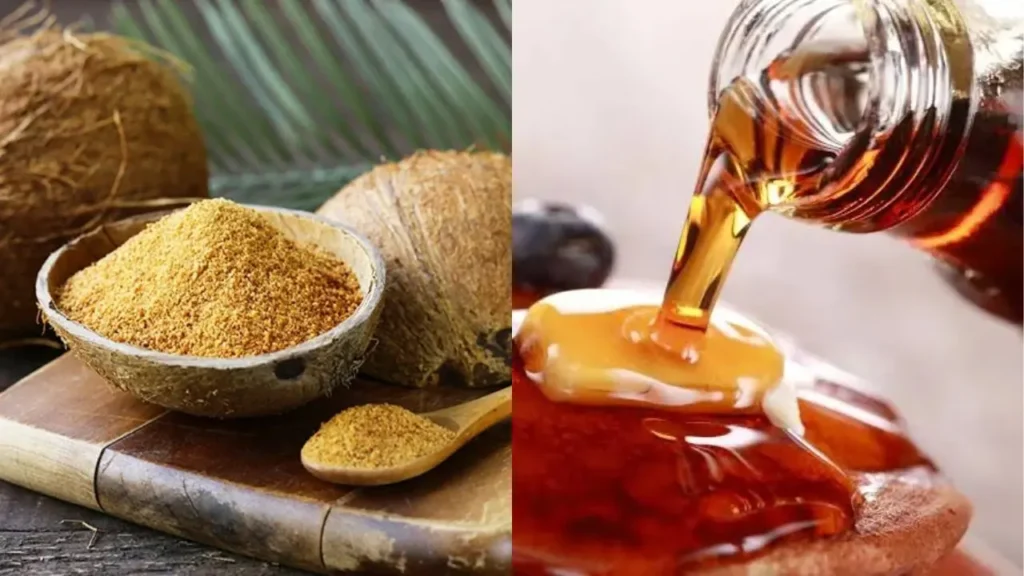
Coconut sugar is a dry granulated sweetener with a caramel-like flavor, while maple syrup is a liquid sweetener with a distinct maple taste.
Both are still added sugars, so the comparison should consider serving size, glycemic index, calories, flavor, recipe use, and overall diet rather than assuming one is automatically healthy.
In this article, we will explore the differences between coconut sugar and maple syrup in terms of their nutritional profiles, health benefits, and potential downsides.
Quick Answer: Is Coconut Sugar Healthier Than Maple Syrup?
Coconut sugar and maple syrup are both natural sweeteners, but neither one is automatically “healthy” in every situation.
Coconut sugar is a dry granulated sweetener with a caramel-like flavor, while maple syrup is a liquid sweetener with a distinct maple taste.
For health-conscious use, the better choice depends on portion size, recipe type, glycemic index considerations, flavor preference, and overall diet.
If you are choosing for baking or food production, texture, moisture, shelf life, and formulation performance are also important.
Coconut Sugar vs Maple Syrup: Quick Comparison
| Factor | Coconut Sugar | Maple Syrup |
|---|---|---|
| Form | Dry granulated sugar | Liquid syrup |
| Flavor | Caramel-like, earthy, mildly smoky | Maple-like, sweet, woody |
| Common uses | Baking, dry mixes, toppings, beverages, sauces | Pancakes, beverages, sauces, glazes, baking |
| Texture impact | Works well where dry sugar is needed | Adds moisture and liquid content |
| Color impact | Can darken baked goods | Can also darken recipes, depending on amount |
| Glycemic consideration | Often discussed as lower than refined sugar, but values can vary | Often compared with sugar and other liquid sweeteners |
| Best for | Recipes needing dry sweetener and caramel notes | Recipes needing liquid sweetness and maple flavor |
| B2B consideration | Easier for dry blends, bakery mixes, and bulk ingredient handling | Requires liquid packaging, storage, and formulation adjustment |
What Is Coconut Sugar?
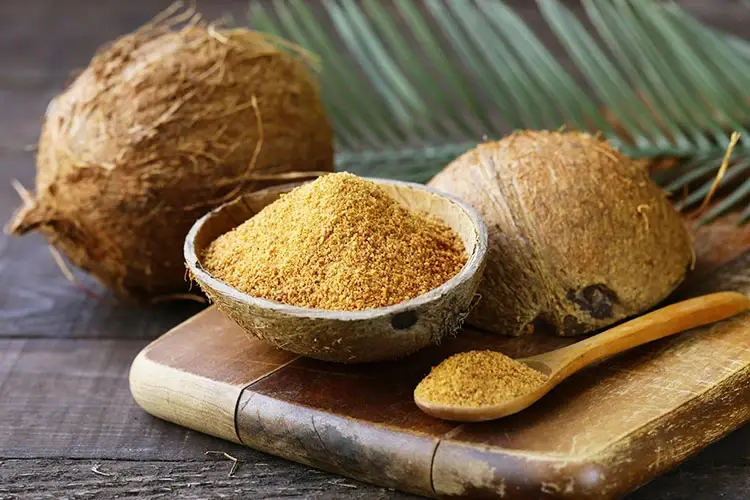
Coconut sugar is a sweetener made from the sap of the coconut palm tree.
The sap is collected from coconut flower buds, heated to remove excess water, and then crystallized into sugar.
Because of its brown color and caramel-like taste, some people refer to it as coconut brown sugar, but it is different from regular brown sugar.
If you are comparing coconut sugar with regular brown sugar, read our guide to coconut sugar vs brown sugar.
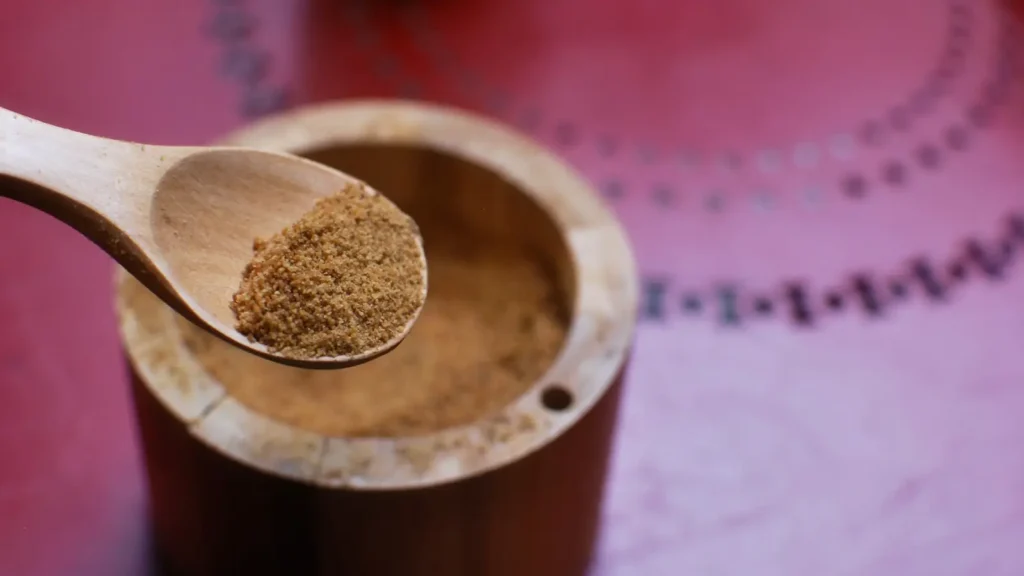
Coconut sugar is commonly used in baking, cooking, beverages, dry mixes, and toppings. It has a deeper flavor than white sugar and can affect the color, texture, and moisture of a recipe.
What Is Maple Syrup?
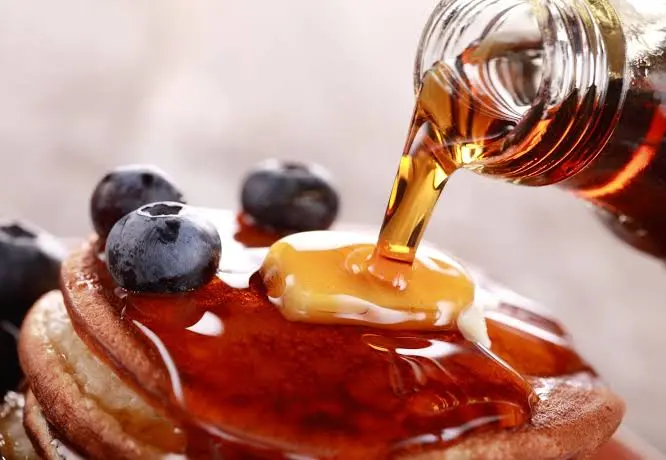
Maple syrup is a liquid sweetener made from the sap of sugar maple trees.
The sap is harvested, boiled down, and filtered to create syrup. It has a distinct maple flavor and is often used for pancakes, waffles, oatmeal, sauces, glazes, beverages, and baked goods.
Because maple syrup is liquid, it behaves differently from coconut sugar in recipes.
It can add moisture, change texture, and require formula adjustments when used as a replacement for dry granulated sugar.
What About Honey?
Honey is another natural liquid sweetener, but it has a different flavor, moisture level, and sweetness profile from both coconut sugar and maple syrup.
Since this guide focuses mainly on coconut sugar vs maple syrup, honey is best treated as a secondary comparison rather than the main decision point.
Coconut Sugar vs Maple Syrup: Nutrition Comparison
To compare coconut sugar vs maple syrup more fairly, it is important to look at calories, total sugar, serving size, and how each sweetener is used in recipes.
Because coconut sugar is dry and maple syrup is liquid, the serving size and formulation impact may differ.
| Nutrition Factor | Coconut Sugar | Maple Syrup | What It Means |
|---|---|---|---|
| Form | Dry granulated sugar | Liquid syrup | Coconut sugar is easier to use in dry mixes, while maple syrup adds liquid to recipes. |
| Calories | Depends on serving size | Depends on serving size | Compare based on actual recipe usage, not only per teaspoon or tablespoon. |
| Sugar content | Still an added sugar | Still an added sugar | Both should be used in moderation. |
| Minerals | Contains small amounts of minerals | Contains small amounts of minerals | Mineral content is not usually high enough to make either sweetener a major nutrient source. |
| Recipe impact | Adds caramel-like flavor and darker color | Adds moisture and maple flavor | The better option depends on the application. |
Coconut Sugar vs Maple Syrup Glycemic Index
Glycemic index is one factor people often compare when choosing between coconut sugar and maple syrup.
However, GI should not be the only basis for deciding whether a sweetener is healthier.
Serving size, total sugar intake, recipe use, and overall diet still matter.
Coconut sugar is often discussed as having a lower glycemic index than refined white sugar, while maple syrup is also commonly compared with other natural sweeteners.
However, GI values can vary depending on product type, testing method, serving size, and source.
For everyday use, both coconut sugar and maple syrup should still be consumed in moderation.
For food brands and manufacturers, glycemic positioning should also be reviewed carefully to avoid unsupported health claims on packaging or marketing materials.
Potential Benefits and Limitations
Coconut sugar and maple syrup are often chosen because they are less refined than white sugar and offer distinct flavor profiles.
Coconut sugar provides a dry, caramel-like sweetness that works well in baking and dry applications.
Maple syrup provides liquid sweetness and a strong maple flavor that works well in beverages, sauces, glazes, and certain baked goods.
However, both are still added sugars. Any potential mineral content should be viewed as a small nutritional detail, not the main reason to consume them.
The better choice depends on taste, recipe function, serving size, and product positioning.
Honey can be mentioned as another natural sweetener option, but it has a different moisture level, sweetness, flavor, and formulation behavior.
Since this article focuses on coconut sugar vs maple syrup, honey should not be the main comparison point.
Potential Downsides of Coconut Sugar and Maple Syrup
Both coconut sugar and maple syrup can contribute to overall sugar intake when used excessively.
Coconut sugar is still a sugar, even if it is less refined than white sugar.
Maple syrup is also a concentrated sweetener and can add moisture, calories, and sugar to recipes.
For consumers, moderation is still important. For food manufacturers, the main limitation is not only nutrition, but also formulation.
Coconut sugar may affect color, flavor, and texture, while maple syrup may require adjustments because it adds liquid to the recipe.
What This Comparison Means for Food Manufacturers
For food manufacturers, bakery brands, beverage producers, and private label buyers, the choice between coconut sugar and maple syrup is not only about which one is healthier.
Product form, moisture, texture, flavor profile, packaging, shelf life, and production process can also affect the final product.
Coconut sugar may be more practical for dry mixes, bakery products, toppings, granola, chocolate, snack products, and powdered formulations because it is available in granulated or powdered form.
Maple syrup may work better in liquid applications, glazes, sauces, and products where maple flavor is part of the formulation.
If you are evaluating organic coconut sugar from Indonesia for commercial use, review the organic coconut sugar specifications and request a coconut sugar COA before confirming bulk supply.
Need coconut sugar for product development or bulk supply? Contact our export team to request specifications, packaging details, or a quotation.
Conclusion: Which Is Healthier?
When comparing coconut sugar vs maple syrup, there is no single healthier choice for every situation.
Coconut sugar may be better when you need a dry granulated sweetener with caramel-like flavor, while maple syrup may be better when you need a liquid sweetener with a distinct maple taste.
From a nutrition perspective, both should still be used in moderation because they are added sugars.
The best choice depends on your recipe, serving size, flavor preference, dietary needs, and product goals.
For commercial food production, coconut sugar may be easier to use in dry mixes, bakery products, snacks, toppings, and powdered formulations.
Maple syrup may be more suitable for liquid applications, glazes, sauces, and recipes where maple flavor is desired.