Tag: virgin coconut oil supplier

  • Is Coconut Sugar Keto-Friendly? The Honest Answer

    Is Coconut Sugar Keto-Friendly? The Honest Answer

    Is Coconut Sugar Keto-Friendly
    Quick Answer: No — coconut sugar is not keto-friendly. Despite its lower glycemic index (GI 35–54), coconut sugar contains 12–15g net carbs per tablespoon, which is far too high for a ketogenic diet that limits total net carbs to 20–50g per day. Even a small amount can disrupt ketosis.

    Coconut sugar has earned a reputation as a “healthier” sweetener — lower glycemic index, trace minerals, less processed than white sugar.

    It’s a staple in paleo kitchens and a favorite among health-conscious bakers.

    So it’s natural to wonder: if coconut sugar is healthier, does that make it keto-friendly too?

    The answer is no — and understanding why requires a quick look at what actually kicks you out of ketosis.

    It’s not the glycemic index. It’s the carbohydrate count. In this guide, we break down the numbers, clarify the common GI misconception, and give you the best keto-friendly sweetener alternatives to use in your recipes instead.

    → Want the full GI breakdown? See our dedicated article: coconut sugar glycemic index guide

    The Short Answer: Coconut Sugar Is Not Keto-Friendly

    Coconut sugar is not keto-friendly.

    A single tablespoon contains approximately 12–15 grams of net carbohydrates — nearly equivalent to plain white sugar.

    On a standard ketogenic diet, the total daily net carb limit is between 20 and 50 grams.

    One tablespoon of coconut sugar alone uses up 25–75% of that entire daily allowance.

    The confusion stems from coconut sugar’s low glycemic index (GI 35–54).

    A low GI means the sugar is absorbed more slowly — but it does not mean the sugar contains fewer carbohydrates.

    On keto, what matters is net carb count, not GI.

    Coconut sugar’s carb content is nearly identical to white sugar: roughly 4g per teaspoon, 12–15g per tablespoon.

    Why a Lower Glycemic Index Does Not Mean Keto-Friendly
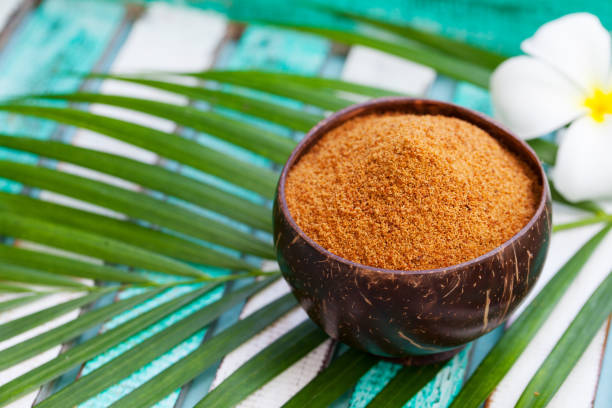
    Coconut Sugar Keto-Friendly

    This is the most common misconception about coconut sugar and keto — and it’s worth addressing directly.

    The Ketogenic Diet Runs on Net Carbs, Not GI

    The ketogenic diet achieves its effects by severely restricting carbohydrate intake, forcing the body into ketosis — a metabolic state where fat becomes the primary energy source instead of glucose.

    To maintain ketosis, most protocols require keeping net carbohydrate intake between 20 and 50 grams per day.

    Net carbs = total carbohydrates − dietary fiber − sugar alcohols (for certain types).

    Coconut sugar contains approximately 4g net carbs per teaspoon. This is nearly identical to white sugar (4g per teaspoon) and brown sugar (4.5g per teaspoon).

    The inulin fiber in coconut sugar does reduce its glycemic impact slightly, but the total carbohydrate load — the number that matters for ketosis — remains essentially the same.

    GI Measures Speed, Not Amount

    Glycemic index measures how quickly carbohydrates raise blood glucose — not how many carbohydrates a food contains.

    A food with GI 35 and a food with GI 65 can have exactly the same number of carbs per serving; the lower-GI food just raises blood sugar more slowly.

    For a person without diabetes choosing between natural sweeteners, lower GI is a meaningful advantage.

    For someone maintaining ketosis, the total carb count is what triggers or prevents the metabolic shift — and both high-GI and low-GI sugars will break ketosis if consumed in normal amounts.

    → Read more: full guide to the glycemic index of coconut sugar — including why GI 35 still matters outside of keto contexts.

    Coconut Sugar Nutrition Facts: The Carb Numbers

    Here is a complete nutritional breakdown of coconut sugar:

    MetricPer Teaspoon (4g)Per Tablespoon (13g)Per 100g
    Calories15–16 kcal48–50 kcal375 kcal
    Total Carbohydrates4g12–13g97g
    Net Carbs~4g~12–13g~95g
    Dietary Fiber< 0.1g< 0.3g~0.5g
    Sugars~4g~12g~94g
    Sucrose~3.2g~10g~79g
    Fat0g0g0g
    Protein0g0g0g
    Inulin (fiber)~0.04g~0.12g~1–3g

    Coconut Sugar vs White Sugar vs Brown Sugar: Keto Comparison

    SweetenerNet Carbs/tspGIKeto-Friendly?Notes
    Coconut sugar~4g35–54❌ NoLower GI but same carb load
    White sugar~4g58–65❌ NoStandard reference
    Brown sugar~4.5g~64❌ NoMinimal nutritional difference
    Honey~5.7g58–85❌ NoHigher carbs than sugar
    Maple syrup~3.5g~54❌ NoSimilar to coconut sugar
    Erythritol~0g (net)0✅ YesSugar alcohol; minimal metabolic impact
    Monk fruit sweetener0g0✅ YesZero calorie, zero carb
    Stevia (pure)0g0✅ YesZero calorie, zero carb
    Allulose~0g (net)0✅ YesRare sugar; minimal insulin response

    Will Coconut Sugar Kick You Out of Ketosis?

    Will Coconut Sugar Kick You Out of Ketosis
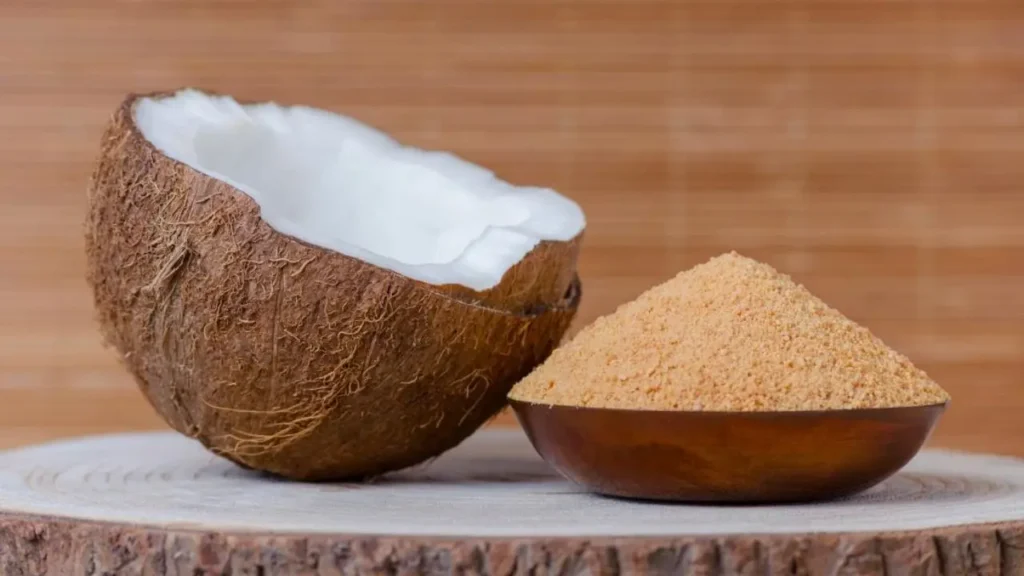
    Natural coconut sugar in bowl on wooden table, space for text

    Yes — a normal serving of coconut sugar will likely disrupt ketosis for most people.

    Here’s why: ketosis is maintained when liver glycogen stays depleted, which happens only when daily net carbs remain consistently low (typically under 50g, and often under 20–30g for strict keto).

    A single tablespoon of coconut sugar adds 12–15g net carbs. For someone on a strict 20g daily limit, that’s 60–75% of their entire day’s carbohydrate budget in one ingredient.

    What About Just a Tiny Pinch?

    Very small amounts — a quarter teaspoon in a large recipe serving multiple people — may not individually push you over your daily carb limit.

    In that case, the per-serving carb contribution could be under 0.5g and unlikely to disrupt ketosis on its own.

    However, this requires strict tracking and assumes no other carb sources in the meal.

    For most people following keto, the practical advice is simple: the risk is not worth it when zero-carb alternatives work just as well.

    If you are in a flexible low-carb pattern (rather than strict keto), occasional very small amounts may be acceptable — but regular use will consistently raise daily carb totals.

    Best Keto-Friendly Sweetener Alternatives to Coconut Sugar
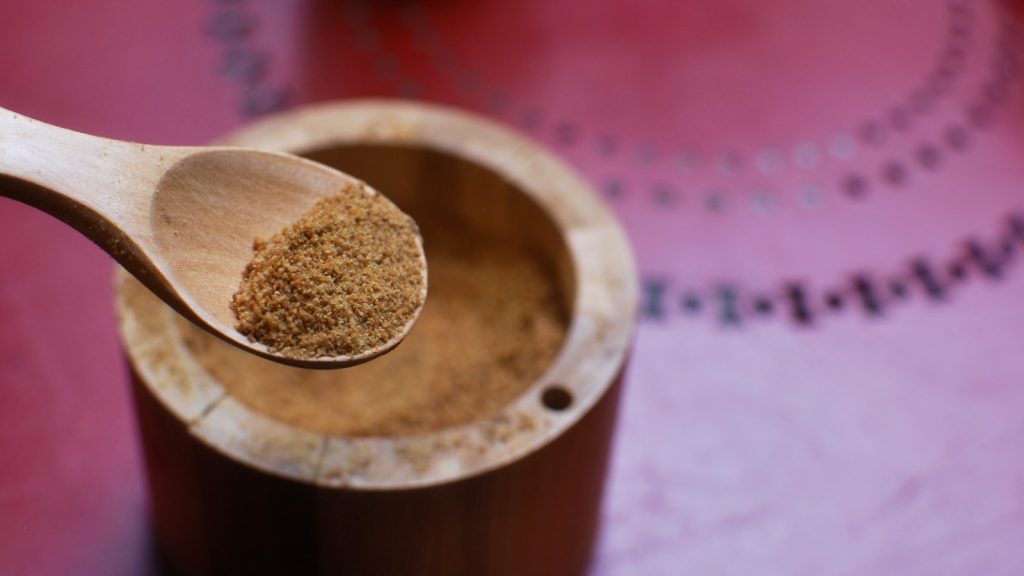
    Best Keto-Friendly Sweetener Alternatives to Coconut Sugar

    The good news: several natural sweeteners deliver sweetness with zero or near-zero net carbs, and some work remarkably well as 1:1 coconut sugar substitutes in baking and cooking.

    Here are the four best options:

    1. Erythritol

    Erythritol is a sugar alcohol that occurs naturally in small amounts in some fruits.

    It provides about 70% of the sweetness of sugar with essentially zero net carbs — the body absorbs it but does not metabolize it, so it does not raise blood glucose or insulin levels.

    • Net carbs: ~0g per serving (not counted toward keto totals)
    • Sweetness vs sugar: ~70% as sweet (use 1.3x the amount of sugar called for)
    • Best for: baking, coffee, sauces
    • Texture note: can create a slight cooling sensation in large amounts; this reduces when blended with other sweeteners

    2. Monk Fruit Sweetener

    Extracted from monk fruit (Luo Han Guo), monk fruit sweetener is 150–200x sweeter than sugar.

    It contains zero calories and zero net carbs, with a clean sweet taste that most people find very close to sugar. It does not have the cooling effect of erythritol.

    • Net carbs: 0g
    • Sweetness vs sugar: 150–200x (use in tiny amounts, or use a monk fruit blend product)
    • Best for: beverages, light baking, sauces
    • Note: pure monk fruit is expensive; monk fruit + erythritol blends offer better value and performance

    3. Stevia

    Stevia is a plant-derived sweetener extracted from the leaves of Stevia rebaudiana.

    It is 200–300x sweeter than sugar, calorie-free, and has no impact on blood glucose or ketosis.

    Pure stevia (without added maltodextrin or dextrose fillers) is fully keto-compatible.

    • Net carbs: 0g (pure stevia or stevia liquid drops)
    • Sweetness vs sugar: 200–300x (use sparingly)
    • Best for: beverages, yogurt, light desserts
    • Watch for: some stevia products contain fillers (maltodextrin) that add carbs — check labels

    4. Allulose

    Allulose is a rare sugar that occurs naturally in figs, raisins, and wheat in tiny amounts.

    It has the same chemical formula as fructose but is metabolized completely differently — the body absorbs but does not convert it to energy, resulting in near-zero caloric and glycemic impact.

    It is the closest natural substitute to coconut sugar in terms of baking behavior.

    • Net carbs: ~0g (FDA has approved allulose to be excluded from total/added sugar counts)
    • Sweetness vs sugar: ~70% as sweet
    • Best for: baking (caramelizes like real sugar), sauces, coffee
    • Note: newer on the market; may be harder to find and more expensive than erythritol

    Keto Sweetener Substitution Chart (replacing 1 tablespoon coconut sugar):

    Keto SweetenerAmount to UseNet CarbsBest Application
    Erythritol (granulated)1.3 tbsp~0gBaking, coffee, sauces
    Monk fruit + erythritol blend1 tbsp (1:1 blend)~0gAll-purpose
    Stevia liquid (pure)6–8 drops0gBeverages, yogurt
    Allulose1.25 tbsp~0gBaking (best caramelization)

    Keto-Friendly Coconut Products You Can Use

    While coconut sugar is off the table for keto, several other coconut-derived products are genuinely keto-compatible and worth having in your kitchen:

    Coconut ProductNet CarbsKeto StatusBest Use
    Coconut oil0g✅ ExcellentCooking, fat bombs, MCT source
    Full-fat coconut milk (canned)~1–2g per ¼ cup✅ GoodCurries, sauces, keto desserts
    Coconut cream~2–3g per ¼ cup✅ Good (use sparingly)Whipped toppings, desserts
    Unsweetened desiccated coconut~2g per oz✅ GoodKeto baking, granola, toppings
    Coconut flour~6g per ¼ cup (high fiber)✅ ModerateLow-carb baking (use with care)
    Coconut milk powder (unsweetened)~2g per tbsp✅ GoodBeverages, baking, sauces
    Coconut sugar~12–15g per tbsp❌ Not ketoAvoid or use trace amounts with tracking

    → Sourcing coconut ingredients in bulk? See our full range of coconut products from Indonesia

    Is Coconut Sugar Paleo-Friendly? (Yes — But That’s Different from Keto)

    Yes — coconut sugar is widely accepted in paleo diets. The paleo approach allows natural, minimally processed sweeteners from whole food sources, which coconut sugar qualifies as. Many paleo recipes use it freely.

    This is an important distinction: paleo-friendly does not equal keto-friendly.

    The paleo diet does not restrict carbohydrates as severely as keto — it focuses on food quality and origin, not macronutrient ratios.

    Coconut sugar is a natural, traditionally produced sweetener that fits paleo logic perfectly. On keto, its carb count disqualifies it regardless of its natural origin.

    Keto Recipes Using Coconut Products (Without Coconut Sugar)

    coconut sugar Global Coco Sugar

    These keto-friendly recipes use coconut products at their best — with keto-approved sweeteners replacing coconut sugar wherever needed:

    RECIPE 1

    Keto Coconut Yogurt with Berries

    • 2 cups full-fat canned coconut milk
    • 1 probiotic capsule
    • 1 tsp vanilla extract
    • 1 tbsp powdered erythritol or monk fruit sweetener
    • ½ cup mixed berries (strawberries, raspberries — lower-carb choices)
    • 1 tbsp unsweetened desiccated coconut flakes

    Incubate coconut milk with a probiotic capsule per package directions. Chill, stir in vanilla and sweetener. Top with berries and coconut flakes. Net carbs per serving: ~4–6g.

    RECIPE 2

    Coconut Flour Chicken Tenders

    • 1 lb chicken tenders
    • ½ cup coconut flour
    • ¾ cup unsweetened desiccated coconut
    • 1 tsp garlic powder, 1 tsp onion powder, ½ tsp salt
    • 2 eggs, beaten
    • 2 tbsp coconut oil for cooking

    Dredge chicken in egg, then coat with coconut flour-desiccated coconut mixture. Cook in coconut oil over medium-high heat, 3 minutes per side. Net carbs per serving: ~3g.

    RECIPE 3

    Keto Coconut Macaroons

    • 3 cups unsweetened desiccated coconut
    • ½ cup coconut flour
    • ½ cup powdered erythritol (replaces coconut sugar from original recipe)
    • ½ tsp sea salt
    • 4 egg whites
    • 1 tsp vanilla extract
    • ½ cup 85%+ dark chocolate, roughly chopped (optional)

    Mix all ingredients. Shape into rounds on a lined baking sheet. Bake at 325°F (160°C) for 18–20 minutes until golden. Net carbs per macaroon: ~2g.

    The Bottom Line

    Coconut sugar is a genuinely better sweetener than white sugar in many contexts: lower glycemic index, trace minerals, more natural processing.

    For paleo, for general health-conscious eating, for reducing refined sugar intake — it is a solid choice.

    But for keto, the carb count is the deciding factor, and coconut sugar’s 12–15g net carbs per tablespoon makes it incompatible with maintaining ketosis.

    The GI advantage, while real, is irrelevant in a diet governed by net carb limits rather than glycemic response.

    If you’re on keto and want the caramel-like flavor of coconut sugar in your recipes, an erythritol blend or a monk fruit + allulose combination will get you very close — with zero impact on your ketosis.

    → For non-keto applications, explore our coconut sugar products and specifications — available in bulk for food manufacturers and retailers.

  • 13 Epic Facts Of Organic Virgin Coconut Oil For Daily Uses

    13 Epic Facts Of Organic Virgin Coconut Oil For Daily Uses

    Beyond cooking, organic virgin coconut oil makes a simple yet decadent addition to any personal care routine. This versatile oil nourishes skin, hair, nails and more with its moisturizing fatty acids and proteins. From luscious hair treatments to smoothing shaves, let virgin coconut oil enhance your self-care rituals.

    Explore all the ways this multiple-use marvel transforms beauty and grooming regimes through the many perks of coconut oil.

    Use Of Virgin Coconut Oil For Luxurious Facial Moisturizer

    green ceramic round bowl on white table

    Dry winter complexions instantly drink up hydrating organic virgin coconut oil. The quick-absorbing oil is gentle enough for even sensitive skin types. Vitamin E and lauric acid prevent aging by boosting collagen production and eliminating free radicals. Simply smooth a tiny amount over clean skin and enjoy a natural glow.

    Cold Pressed Virgin Coconut Oil Soothing Eye Makeup Remover

    Gently melt away stubborn mascara, eyeshadows and liner with virgin coconut oil’s softening powers. Its thick, balmy texture clings to makeup for easy wiping action sans any stinging or redness. The antibacterial properties also discourage eye infections.

    Virgin Coconut Oil For Face Luxe Shaving Cream

    man shaving himself

    Ditch the foams and gels for pure coconut oil’s close, comfortable leg and underarm shave. Apply a thin layer before shaving to buffer razors’ harshness. Coconut oil’s mobility coupled with moisturizing nutrients like vitamin K and iron minimizes nicks, cuts and irritation for flawless, smooth skin.

    Organic Virgin Coconut Oil For Cuticle and Nail Conditioner

    Bid dry, ragged cuticles and brittle nails goodbye with ultra-nourishing coconut oil. Giving yourself a weekly conditioning cuticle treatment maintains nail health and neat appearance. Soak nails in warm virgin coconut, massaging oil into each cuticle, then allow to penetrate before rinsing.

    Use Of Virgin Coconut Oil For Foot Treatment

    Soften rough, cracked heels and feet overnight with virgin coconut oil. Slather oil generously over feet, put on cozy socks, and wake up to baby-smooth skin. The medium-chain fatty acids and antioxidants heal dryness while banishing fungus and bacteria.

    Use Of Virgin Coconut Oil For Natural Deodorant

    Organic virgin coconut oil makes an effective natural alternative to commercial deodorants sans the toxic chemicals. Simply rubbing a tiny dab under each arm helps neutralize odor thanks to lauric acid’s antimicrobial power. Pair with essential oils like lemon, rosemary or tea tree to enhance freshness.

    Organic Virgin Coconut Oil For Luxurious Body Moisturizer

    virgin coconut oil for skin, virgin coconut oil is good, extra virgin coconut oil for skin

    Pamper parched skin head to toe with an indulgent full-body moisturizing treatment. Apply warm virgin coconut oil directly after bathing and massage into still-damp skin for maximum absorption. Skin drinks up soothing vitamin E, proteins, iron and fatty acids for lasting softness without greasiness.

    Intensive Hair Treatment

    Deeply nourish lackluster locks with a weekly conditioning coconut oil hair mask. Work warm oil through dry strands before bed, pile hair into a shower cap then shampoo out in the morning. Hair emerges bouncier, shinier and softer thanks to penetrating fatty acids that reduce protein loss.

    Leave-In Conditioner

    assorted table decors

    Prevent split ends and tame flyaways with coconut oil’s light yet hydrating powers. Rubbing just a drop or two into towel-dried hair helps strengthen and protect strands while restoring luminosity. Vitamins C, E and provitamin A improve luster and manageability without weighing hair down.

    Cuticle Softener

    Prepare nails for flawless at-home manicures by soaking fingertips in warm virgin coconut oil first. This softens cuticles for painless pushing while hydrating brittle nails. Apply another layer after cleaning up nails to condition overnight.

    Natural Lip Balm

    Chase chapped lips away with coconut oil’s skin conditioning abilities. Scoop a small amount into a tiny container for purse-ready rich moisture and subtle tropical essence. Lips heal rapidly thanks to antibacterial compounds that prevent infection alongside essential nutrients.

    Virgin Coconut Oil For Face Makeup Remover

    Gently dissolve stubborn makeup without irritating delicate skin using virgin coconut oil.its thick texture clings to cosmetics and breaks down pigments with ease. The medium-chain fatty acids also offer a dose of antioxidants to actually improve skin rather than strip it. No chemicals needed!

    After Sun Relief

    Soothe angry sunburns by slathering on virgin coconut oil’s cooling comfort. The lauric acid and vitamin E form a protective barrier on skin to hydrate while fighting bacteria. This minimizes peeling plus the inflammation and tenderness of UV over-exposure.

    Ingrown Hair and Razor Burn Relief

    Heal bumps and irritation from shaving and waxing with antifungal coconut oil. Dab directly onto ingrown hairs to diminish redness and swelling. The antibacterial and anti-inflammatory parts provide relief without clogging pores.

    Overall, versatile virgin coconut oil makes an exceptional addition to natural self-care routines. A little goes a long way whether you are cooking, pampering skin and hair, or making cosmetics. Allow nourishing coconut oil to elevate your bath and body rituals to new luxurious heights!

  • Organic Virgin Coconut Oil For Hair: 100% Easy And Effective

    Organic Virgin Coconut Oil For Hair: 100% Easy And Effective

    Is virgin coconut oil for hair really good?

    Coconut oil has become an increasingly popular hair care ingredient in recent years. In particular, virgin coconut oil is valued for its versatility, safety, and nourishing properties when used on hair. Keep reading to learn all about the benefits of using virgin coconut oil for your hair and how to effectively incorporate it into your hair care routine.

    What is Organic Virgin Coconut Oil?

    virgin coconut oil is good, virgin coconut oil for skin, virgin coconut oil for hair, organic extra virgin coconut oil supplier

    Virgin coconut oil is an unrefined, cold-pressed oil derived from fresh mature coconuts. “Virgin” means it is extracted from coconuts without high heat or chemical processing. This preserves the oil’s beneficial lauric acid, vitamins E and K, iron, and other nutrients. Virgin coconut oil maintains its light coconut scent and flavor. In contrast, refined coconut oils are bleached and deodorized using chemicals and high heat. This process removes nutrients and the coconut scent.

    Benefits Of Use Virgin Coconut Oil For Hair

    Moisturizes Dry, Damaged Hair

    The fatty acids in coconut oil, including lauric acid, deeply penetrate and nourish hair. By reducing protein loss, coconut oil strengthens and protects weak, brittle strands from breakage. Its moisturizing properties make virgin coconut oil an ideal treatment for dry, damaged hair. It improves shine and manageability by smoothing the hair cuticle.

    Promotes Healthy Scalp

    Organic Virgin coconut oil contains antifungal and antibacterial properties from lauric acid and caprylic acid. This makes coconut oil effective in treating dandruff caused by fungus or dry scalp. Gently massaging coconut oil into the scalp can relieve itching and flaking. It also helps remove scalp buildup from hair products or dry skin. A healthy scalp means healthy hair growth.

    Prevents Hair Damage

    The vitamins, minerals, and fatty acids in virgin coconut oil nourish hair from root to tip. This strengthens strands and prevents split ends and breakage. Using coconut oil as a pre-wash conditioning treatment provides a protective layer. This reduces protein loss and damage from daily grooming, heat tools, sun exposure, chlorine, and other environmental stressors.

    Fights Frizz and Adds Shine

    Virgin coconut oil is an excellent frizz fighter. As a lightweight oil, coconut oil smoothes strands without leaving excess greasiness or oil buildup. It tames flyaways and frizzy hair by sealing the cuticle for sleek, glossy hair. The lauric acid penetrates each strand while locking in moisture. Regular application results in noticeably softer, shinier, more manageable hair.

    Promotes Hair Growth

    The nutrients in virgin coconut oil nourish hair follicles, which stimulates growth. Stronger hair strands experience less breakage. This allows hair to grow longer and thicker between cuts. The antimicrobial properties also maintain a healthy scalp environment ideal for growing healthy hair. Using coconut oil may prevent hair loss from breakage or scalp issues.

    How to Use Virgin Coconut Oil for Hair

    virgin coconut oil for hair, virgin coconut oil is good

    There are countless ways to use of virgin coconut oil into your hair care routine. Try these simple methods for nourished, healthy hair:

    Overnight Treatment

    Rub a small amount of melted coconut oil between your hands. Apply thoroughly from roots to ends. Cover hair in a shower cap overnight. Wash out in the morning with gentle shampoo.

    Pre-Wash Conditioner

    Apply melted coconut oil generously to your hair before showering. Let it soak in for at least 20 minutes then shampoo as usual. This gives the oil time to penetrate strands before rinsing clean.

    Post-Shower Serum

    While hair is still damp, smooth a tiny bit of coconut oil through ends only. This seals in moisture and prevents split ends and flyaways as hair dries.

    Hot Oil Treatment

    Heat virgin coconut oil until warm and pourable. Section and apply thoroughly from scalp to ends. Pile into a shower cap and leave on for 30-60 minutes. The heat opens cuticles so oil can penetrate deeper before rinsing out.

    Leave-In Conditioner

    Eliminate frizz by smoothing a tiny amount of coconut oil through towel-dried hair, especially the ends. Let air dry naturally. Use sparingly to avoid greasiness.

    Split End Serum

    Target just the ends with coconut oil to nourish dry tips. Frequent application helps prevent split ends and breakage.

    Scalp Massage

    Dab a generous amount of coconut oil across your scalp and massage in small circular motions with fingers for 2-5 minutes. Leave in at least 30 minutes before washing hair.

    Protective Styling

    Apply coconut oil lightly before braiding, putting in extensions, or heat styling. This gives an added layer of protection against damage.

    Deep Conditioning Treatment

    For deeper conditioning, warm extra virgin coconut oil to liquefy. Apply liberally from roots to tips. Let sit 30 minutes to an hour before washing out with shampoo. This intensely moisturizes hair.

    Choosing the Best Organic Virgin Coconut Oil for Hair

    cold pressed virgin coconut oil, virgin coconut oil manufacturing, organic extra virgin coconut oil

    When purchasing coconut oil for hair, look for pure virgin or extra virgin coconut oil. Cold-pressed is ideal as well. This light, non-greasy oil absorbs easily without clogging pores. The scent varies from light and sweet to stronger toasted coconut depending on processing method.

    How Often to Use Virgin Coconut Oil on Hair

    When starting with coconut oil hair treatments, begin with once or twice a week. Gradually work up to more frequent use if desired. Listen to your hair’s needs. Curly or dry hair typically appreciates more moisturizing. For fine hair, stick to the ends only to avoid excess greasiness at the roots. People with oily scalps or hair may prefer just an occasional deeper conditioning treatment.

    The Best Time to Apply Organic Coconut Oil to Hair

    woman in white long-sleeved shirt standing in front of pink wall

    Organic Virgin Coconut oil solidifies below about 76°F. To make application easier, melt the coconut oil first by rubbing a small amount between your palms or placing the container in a bowl of hot water before use. Applying before bed allows more time for deeper penetration before washing out. However you choose to use it, coconut oil is generally messier than other fluids. Wearing a shower cap keeps oil from staining pillowcases or clothes.

    Organic Virgin Coconut Oil For Hair Is It Really Good?

    Use of virgin coconut oil is an easy yet effective way to nourish hair. The vitamins, essential fatty acids, and nutrients in unrefined coconut oil strengthen strands, tame frizz, add shine, prevent split ends, stimulate growth, and treat scalp issues like dandruff. It also protects against damage from styling, environmental exposure, and aging. Just a small amount massaged into damp hair leaves locks noticeably softer, smoother, and healthier overtime. Incorporating coconut oil into your regular hair care provides natural moisture for gorgeous hair.

    If you are looking for trusted virgin coconut oil manufacturing, you are on the right place, Global Coco Sugar is your trusted partner of organic virgin coconut oil manufacturing and any other derivative coconut products that already approved by international standard.

  • 100% Succesful Diet With Organic Extra Virgin Coconut Oil

    100% Succesful Diet With Organic Extra Virgin Coconut Oil

    In recent years, there has been a growing awareness of the importance of a healthy diet and its impact on our overall well-being. One food item that has gained significant attention for its potential health benefits is organic virgin coconut oil. Derived from the meat of mature coconuts, this natural wonder has found its way into kitchens worldwide. In this article, we will explore the myriad benefits of incorporating organic virgin coconut oil into your diet, shedding light on its nutritional value, culinary versatility, and potential health advantages.

    Understanding Organic Extra Virgin Coconut Oil

    What is mct oil? what is differences with vco, organic extra virgin coconut oil supplier

    Before delving into its potential as a dietary staple, it is crucial to understand what organic virgin coconut oil is and how it differs from other types of coconut oil. Organic virgin coconut oil is extracted from the flesh of fresh, mature coconuts without the use of heat or chemicals, making it distinct from refined coconut oil, which often involves high-temperature processing and chemical refining.

    This gentle extraction process helps retain the oil’s natural nutrients, flavor, and aroma. Organic virgin coconut oil is prized for its high concentration of medium-chain triglycerides (MCTs), primarily lauric acid, and its unique combination of fatty acids, making it a standout choice for culinary and health-conscious consumers.

    Nutritional Profile of Organic Extra Virgin Coconut Oil

    what is virgin coconut oil? is it really have a huge impact, best virgin coconut oil for diet

    Organic virgin coconut oil boasts an impressive nutritional profile, which sets it apart from many other cooking oils. Here’s a closer look at its key components:

    1. Medium-Chain Triglycerides (MCTs): MCTs are a type of saturated fat that is metabolized differently from long-chain fatty acids found in many other dietary fats. They are readily absorbed by the body and can be quickly converted into energy, making them an excellent choice for those seeking a quick energy boost.
    2. Lauric Acid: This particular MCT found in coconut oil is renowned for its antimicrobial properties. Lauric acid may help the body combat harmful bacteria, viruses, and fungi, potentially bolstering the immune system.
    3. Antioxidants: Organic virgin coconut oil contains antioxidants like polyphenols and vitamin E, which can help combat oxidative stress and inflammation in the body.
    4. Essential Nutrients: It also provides small amounts of essential nutrients such as vitamin K and iron.

    4 Best Virgin Coconut Oil Used For

    One of the most significant advantages of organic virgin coconut oil is its versatility in the kitchen. It can be used in various culinary applications, ranging from cooking to baking and even as a flavorful addition to beverages. Here’s how you can incorporate it into your daily meals:

    1. Cooking Oil: Organic virgin coconut oil has a high smoke point, making it suitable for various cooking methods, including sautéing, stir-frying, and deep-frying. Its unique flavor adds a delightful twist to savory dishes.
    2. Baking: Substituting traditional fats like butter or shortening with coconut oil in baking can impart a subtly sweet, coconutty flavor to your baked goods. Plus, it’s a vegan-friendly alternative.
    3. Salad Dressings: Use organic virgin coconut oil to create homemade salad dressings by mixing it with vinegar or citrus juice. Its pleasant aroma and taste can enhance the flavor of your salads.
    4. Smoothies and Beverages: A spoonful of organic virgin coconut oil can add creaminess and a hint of coconut flavor to your morning smoothie or coffee.

    Health Benefits Of Organic Virgin Coconut Oil

    buy virgin coconut oil, supplier of virgin coconut oil, refined and unrefined coconut oil, health benefit of organic virgin coconut oil

    Beyond its culinary uses, organic virgin coconut oil has been associated with several potential health benefits:

    1. Weight Management: MCTs in coconut oil may help boost metabolism and reduce appetite, which can aid in weight management efforts.
    2. Heart Health: Despite being a saturated fat, some studies suggest that the unique fatty acid composition of coconut oil, particularly its high lauric acid content, may have a neutral or even positive effect on heart health.
    3. Skin and Hair Care: Organic virgin coconut oil is a popular ingredient in cosmetics and skincare products due to its moisturizing and antibacterial properties. It can also be used as a natural hair conditioner.
    4. Brain Health: Some preliminary research suggests that MCTs in coconut oil may provide cognitive benefits, potentially aiding individuals with neurodegenerative disorders.
    5. Antimicrobial Properties: Lauric acid in coconut oil has demonstrated antimicrobial properties, which can help combat various infections.

    Consideration To Daily Consume Virgin Coconut Oil

    While organic virgin coconut oil has numerous potential benefits, it is essential to use it in moderation and consider individual dietary needs. Here are some cautions and considerations:

    1. Caloric Content: Like all fats, coconut oil is calorie-dense, so portion control is crucial when incorporating it into your diet, especially if you are watching your calorie intake.
    2. Allergies: Individuals with nut allergies should be cautious, as coconut is classified as a tree nut by the FDA. Allergic reactions to coconut are relatively rare but can occur.
    3. Individual Response: While many people can benefit from organic virgin coconut oil, individual responses to dietary fats vary. Some individuals may not tolerate it well, so it’s essential to monitor your body’s reaction.
    4. Quality Matters: Choose high-quality, organic virgin coconut oil to reap the full benefits. Avoid refined coconut oil, which lacks the same nutritional value.

    Where to Find Best Virgin Coconut Oil Supplier

    Organic virgin coconut oil is more than just a trendy kitchen staple; it’s a versatile and potentially healthful addition to your diet. Its unique combination of MCTs, lauric acid, and antioxidants sets it apart from other cooking oils. By incorporating it into your culinary repertoire in moderation, you can unlock its many potential benefits for your overall well-being. However, as with any dietary change, it’s essential to listen to your body and consult with a healthcare professional if you have specific health concerns or dietary restrictions. With the right approach, organic virgin coconut oil can be a valuable ally on your journey toward a healthier lifestyle.

    If you looking for organic extra virgin coconut oil, Global Coco Sugar is one of the best organic virgin coconut oil supplier, we offer various type of virgin coconut oil. Our products already certified USDA Organic, EU Organic, and JAS. Also we always maintain our facility with HACCP standard, so that the product that we produced always in good condition. Besides that, we already certified in HALAL and KOSHER, so for those people that concern about HALAL or KOSHER products, we already certified it.

Secret Link