Coconut derivative products are used across food, beverage, cosmetics, agriculture, filtration, packaging, and industrial manufacturing.
From organic coconut sugar and virgin coconut oil to desiccated coconut, coconut milk, coir fiber, and activated carbon, the coconut tree supports a wide range of commercial applications.
For importers, distributors, food manufacturers, private label buyers, and procurement teams, understanding the main coconut derivative products can help identify the right ingredient, specification, packaging format, and supplier documentation before placing a bulk order.
This guide explains 10 coconut derivative products commonly used in global B2B markets and what buyers should check before sourcing them.
What Are Coconut Derivative Products?

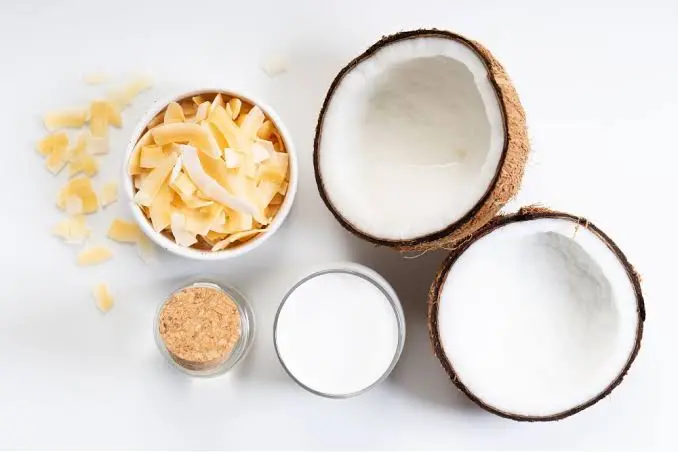
Coconut derivative products are products made from different parts of the coconut tree, including coconut sap, kernel, water, shell, husk, wood, and fronds.
These products can be used as food ingredients, sweeteners, oils, dairy alternatives, filtration materials, growing media, fibers, construction materials, and biomass resources.
The FAO describes coconut as a crop cultivated extensively in tropical areas, which helps explain why coconut-based ingredients and materials are important in many global supply chains.
In B2B sourcing, coconut derivative products are usually evaluated based on product form, grade, specification, certification, packaging, shelf life, supply consistency, and export documentation.
Why Coconut Derivatives Matter in Global B2B Market
Coconut derivatives are important in global B2B markets because they serve multiple industries at once.
Food and beverage manufacturers use coconut sugar, coconut milk, coconut cream, coconut flour, coconut water, and coconut oil.
Cosmetic and personal care brands use coconut oil and coconut-derived ingredients.
Agriculture and horticulture sectors use cocopeat, husk chips, and coir products.
Industrial buyers may source coconut shell charcoal or activated carbon for filtration and energy-related applications.
The International Coconut Community also highlights the importance of coconut-producing countries in global coconut production and coconut product exports.
For buyers, this reinforces why supplier verification, quality standards, and documentation are important across the coconut value chain.
For US, European, and global procurement teams, supplier selection is not only about product availability.
Buyers also need to check specification, certification scope, MOQ, packaging, documentation, export readiness, and communication reliability.
Top 10 Coconut Derivative Products and Industrial Uses
The table below summarizes the main coconut derivative products, their common B2B applications, and the buyer checks that matter before sourcing.
| Product | Main B2B Use | Key Buyer Checks |
| Organic coconut sugar | Sweetener for bakery, beverage, snacks, sauces, and private label products | Moisture, mesh, color, product form, certification, COA, packaging |
| Virgin coconut oil | Food, cosmetics, skincare, hair care, and personal care formulations | Processing method, FFA, odor, moisture, packaging, shelf life |
| Desiccated coconut / coconut flour | Bakery, confectionery, cereals, snacks, fillings, and gluten-free products | Fat content, granulation, moisture, color, aroma, microbiology |
| Coconut milk / cream | Plant-based food, sauces, curries, beverages, desserts, and ready meals | Fat content, consistency, stabilizers, packaging, shelf life |
| Coconut nectar / syrup | Liquid sweetener for beverages, sauces, dressings, glazes, and snacks | Viscosity, color, sweetness profile, packaging, shelf life |
| Coconut water / meat | Beverages, frozen products, desserts, functional drinks, and food applications | Processing method, brix, microbiology, preservation, packaging |
| Shell charcoal / activated carbon | Filtration, water treatment, air purification, fuel, and industrial applications | Iodine value, ash, particle size, hardness, moisture, packaging |
| Coir fiber | Geotextiles, ropes, mats, erosion control, upholstery, and fiber materials | Fiber length, strength, moisture, cleanliness, bale size |
| Husk chips / cocopeat | Horticulture, hydroponics, greenhouse growing media, and soil conditioning | EC, pH, chip size, washing process, compression ratio, packaging |
| Coconut wood / biomass | Furniture, flooring, panels, mulch, composting, biofuel, and biomass applications | Treatment method, moisture, durability, application suitability, export requirements |
1. Organic Coconut Sugar / Coconut Blossom Sugar

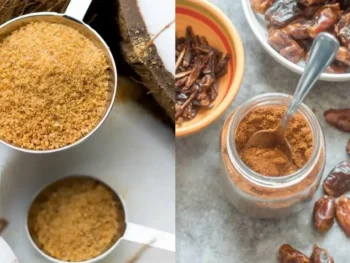
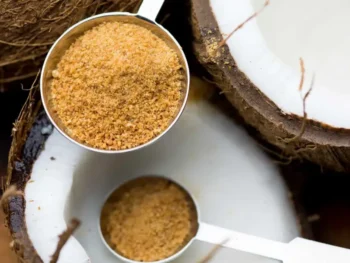
Organic coconut sugar, also known as coconut blossom sugar or coconut palm sugar, is made from coconut palm sap that is heated and crystallized into granules, powder, or other product forms.
It is widely used by food manufacturers, bakery brands, beverage companies, snack producers, and private label brands looking for a natural sweetener with a caramel-like flavor.
For B2B buyers, the most important checks include moisture level, mesh size, color, product form, packaging, shelf life, organic certification scope, COA availability, and export documentation.
Buyers evaluating bulk supply can review organic coconut sugar from Indonesia or check detailed organic coconut sugar specifications before requesting samples or a quotation.
2. Virgin Coconut Oil and Extra Virgin Coconut Oil

Virgin coconut oil and extra virgin coconut oil are used in food, cosmetics, skincare, hair care, and personal care formulations.
Depending on processing method and quality standard, coconut oil may be used as a cooking oil, carrier oil, emollient, or ingredient in natural product formulations.
B2B buyers should check processing method, free fatty acid level, moisture, odor, packaging, shelf life, certification, and intended application before ordering.
For sourcing context, read our guide to bulk virgin coconut oil from Indonesia.
3. Desiccated Coconut and Coconut Flour

Desiccated coconut and coconut flour are made from coconut kernel and are commonly used in bakery, confectionery, snacks, cereals, granola, fillings, and gluten-free product development.
Desiccated coconut is valued for texture and coconut flavor, while coconut flour is often used for fiber content and formulation purposes.
Buyers should check fat content, granulation, moisture, color, aroma, microbiology, packaging, and shelf life.
For more sourcing details, read our guide to bulk desiccated coconut from Indonesia.
4. Coconut Milk, Coconut Cream, and Coconut Milk Powder

Coconut milk, coconut cream, and coconut milk powder are important coconut derivative products in plant-based food, sauces, curries, desserts, beverages, and ready-to-eat meals.
They are especially relevant for dairy-free, vegan-friendly, and Asian food product lines.
B2B buyers should review fat content, consistency, stabilizers, packaging type, shelf life, microbiological standards, and export documentation.
5. Coconut Nectar and Coconut Syrup
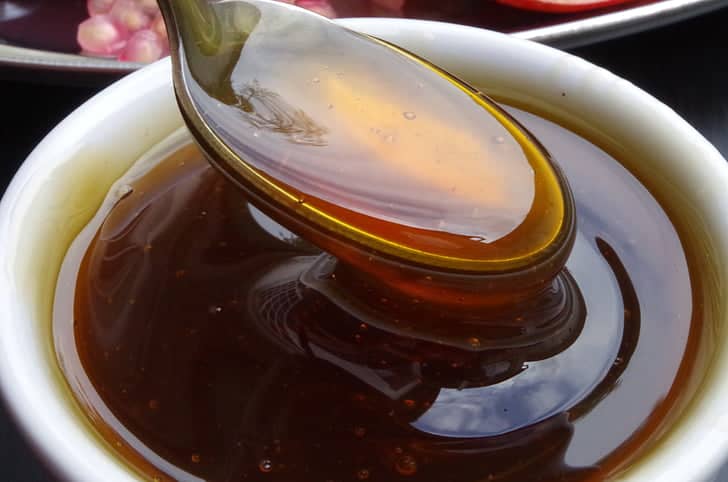
Coconut nectar and coconut syrup are liquid sweeteners made from coconut palm sap.
They are used in beverages, sauces, dressings, glazes, snacks, and natural sweetener formulations.
Buyers should check viscosity, color, sweetness profile, packaging, shelf life, and whether the product is intended as coconut nectar, coconut syrup, or another coconut sap-based sweetener.
For product form comparison, read our guide to coconut blossom nectar sugar products.
6. Coconut Water and Coconut Meat Ingredients
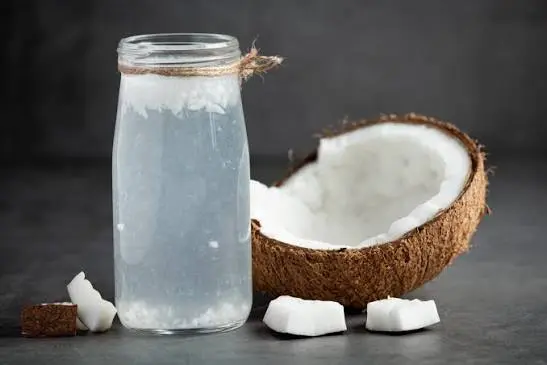
Coconut water and coconut meat ingredients are widely used in beverages, functional drinks, frozen products, desserts, and processed food applications.
Coconut water is commonly positioned as a refreshing beverage base, while coconut meat can be processed into frozen, dried, or concentrated ingredient forms.
Buyers should check origin, processing method, preservation system, packaging, brix, microbiology, and cold-chain or shelf-stable requirements.
7. Coconut Shell Charcoal and Activated Carbon
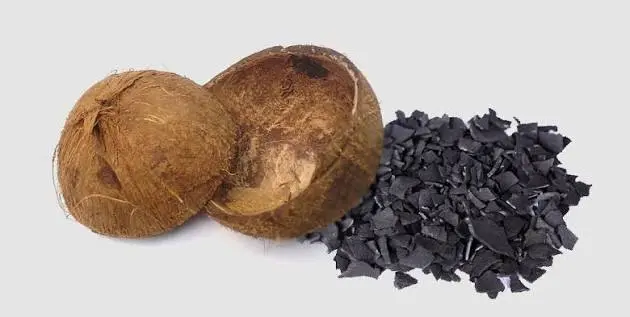
Coconut shell can be processed into charcoal or activated carbon. These products are used in filtration, water treatment, air purification, gold recovery, fuel, and industrial applications.
Buyers should check iodine value, ash content, moisture, hardness, particle size, packaging, and target application before sourcing.
8. Coconut Coir Fiber
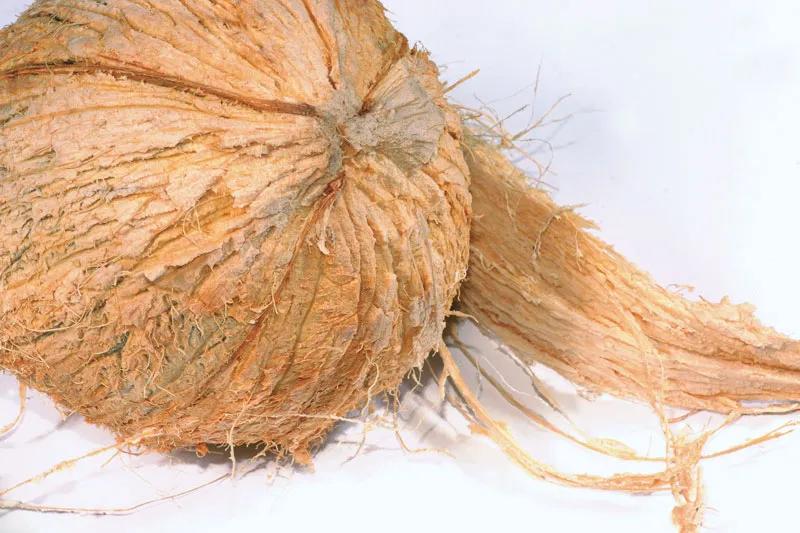
Coconut coir fiber comes from coconut husk and is used in mats, ropes, geotextiles, erosion control, upholstery, automotive materials, and other fiber-based applications.
Buyers should check fiber length, strength, moisture, cleanliness, compression, bale size, and shipping requirements.
9. Coconut Husk Chips and Cocopeat

Coconut husk chips and cocopeat are widely used in horticulture, hydroponics, greenhouse production, orchid growing, and soil conditioning.
Their water retention and aeration properties make them useful as growing media.
Buyers should check EC level, pH, moisture, chip size, compression ratio, washing process, and packaging.
10. Coconut Wood and Biomass Materials

Coconut wood and coconut biomass materials can be used in furniture, flooring, panels, construction, mulch, composting, biofuel, and agricultural applications.
These products are usually sourced from older coconut palms, fronds, or other coconut tree residues.
Buyers should verify treatment method, moisture, durability, certification, application suitability, and export requirements.
How B2B Buyers Should Compare Coconut Derivative Suppliers
Before sourcing coconut derivative products, B2B buyers should compare more than price. Importers, distributors, food manufacturers, private label buyers, and procurement teams should check product specifications, certification scope, MOQ, packaging, shelf life, production capacity, documentation readiness, and export experience.
For food ingredients such as organic coconut sugar, desiccated coconut, coconut milk, coconut nectar, and virgin coconut oil, buyers should also ask for relevant documents such as specification sheets, COA, certification details, and packaging information.
If your team is evaluating multiple coconut ingredients from Indonesia, review the available coconut products from Indonesia and confirm which products match your target application, quality standard, and shipment requirement.
Global Coco Sugar as a Coconut Product Supplier from Indonesia
Global Coco Sugar supports international B2B buyers looking for organic coconut sugar and selected coconut-based ingredients from Indonesia.
For procurement teams, the sourcing process should include product specification review, packaging discussion, certification verification, sample evaluation, and quotation confirmation.
Organic coconut sugar remains one of the most important coconut derivative products for food and beverage applications.
If your team needs bulk supply, product form details, documentation, or export discussion, Global Coco Sugar can help you evaluate the right sourcing option based on current product availability and project requirements.
Need coconut derivative products for food, beverage, retail, or industrial applications?
Contact our export team to request product details, samples, packaging options, or a quotation.
Conclusion
Coconut derivative products play an important role in global B2B markets because they serve many industries, from food and beverage to cosmetics, agriculture, filtration, packaging, and industrial manufacturing.
Each product has a different form, function, specification, and sourcing requirement.
For buyers, the best approach is to evaluate coconut derivative products based on application, quality standard, documentation, packaging, supply consistency, and export readiness.
A strong supplier should be able to explain product specifications clearly and provide the right documents before a bulk order is confirmed.
Whether your company is sourcing organic coconut sugar, virgin coconut oil, desiccated coconut, coconut milk, coconut nectar, coir products, or shell-based materials, supplier verification is essential for building a reliable coconut product supply chain.