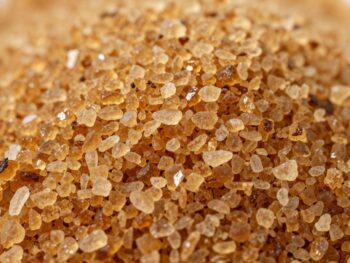
Coconut sugar comes from a surprisingly simple, centuries-old process — no coconuts are actually cracked open in the making of it.
Instead, it starts with sap collected from the flower of the coconut palm, which is then boiled down until it crystallizes into the golden-brown granules you see on store shelves.
In this guide, we walk through every step of that process, from tapping the tree to the final packaged product — plus the modern technologies some larger producers now use to improve consistency and sustainability.
Coconut Sugar Production: A Two-Step Process
At its core, making coconut sugar involves just two main stages: tapping the sap from the coconut palm's flower, and then boiling that sap down into sugar.
Everything else — from tools used to modern technology — is a refinement of these two fundamental steps.
Step-by-Step: How Coconut Sugar Is Made
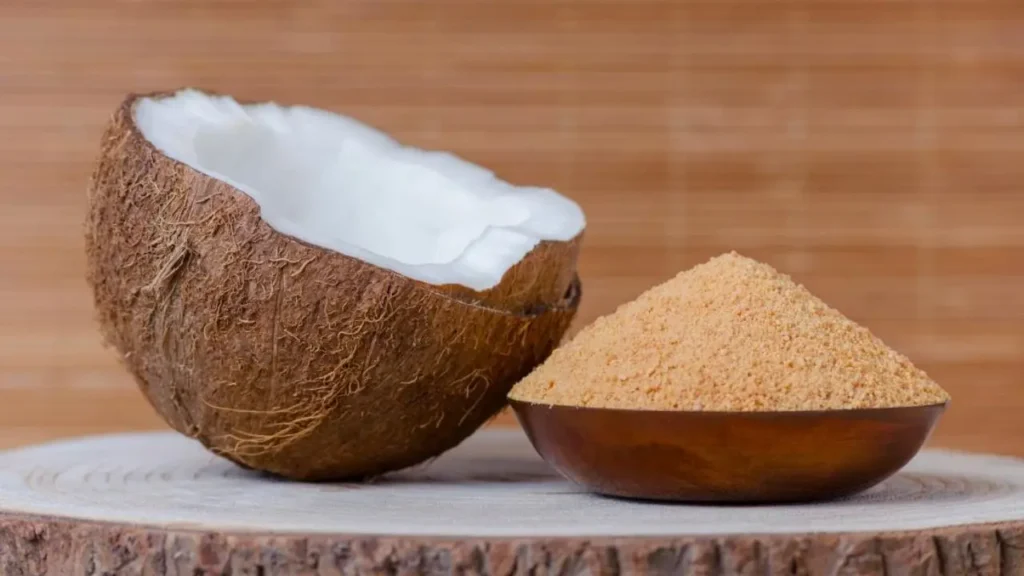
Step 1: Tapping the Coconut Flower
Coconut sugar doesn't come from the coconut fruit itself — it comes from the sap of the coconut palm's flower bud stem, called the spadix.
Farmers, often called tappers, make a careful cut into the unopened flower bud. This cut allows the sweet, watery sap to flow out steadily.
A bamboo or plastic container is tied beneath the cut to catch the dripping sap.
Skilled tappers climb the same trees twice a day — once in the morning, once in the evening — to collect the sap and re-cut the spadix slightly to keep it flowing.
Step 2: Collecting the Sap
The collected liquid is called coconut sap — known locally as nira in Indonesia, tinamís in the Philippines, toddy in Sri Lanka, or namwan maphrao in Thailand.
At this stage, the sap is translucent, milky, and roughly 80% water — closer to a watery juice than anything resembling sugar.
Timing matters here: fresh sap begins to ferment naturally within hours due to wild yeasts present in the air.
For this reason, sap must be transported and processed quickly — typically the same day it's collected — to prevent it from turning into a fermented or sour product before it can be turned into sugar.
Step 3: Boiling and Evaporation
The fresh sap is poured into large open pans or woks and heated over a moderate, steady flame.
As it heats, the water content evaporates, and the sap gradually thickens into a syrup.
At this intermediate stage, it is sometimes sold separately as coconut nectar or coconut syrup.
→ See: what is coconut nectar and how it differs from coconut sugar
Step 4: Crystallization
As the syrup continues to cook and lose moisture, producers stir continuously to encourage even crystallization.
The liquid eventually transforms into granules as it cools — a process driven primarily by caramelization, which is also responsible for coconut sugar's characteristic golden-brown color and mild caramel flavor.
Step 5: Cooling, Sifting, and Packaging
Once crystallized, the sugar is cooled completely, then sifted through mesh screens to break up clumps and ensure a uniform granule size.
The final product is then packaged for distribution — ready for retail bags or bulk export shipments.
From fresh sap to finished sugar, the entire boiling-to-crystallization process typically takes several hours per batch, though total production time depends on batch size, heat source, and humidity conditions.
→ how Global Coco Sugar produces and exports coconut sugar from Indonesia
How Coconut Sugar Production Differs From Cane Sugar
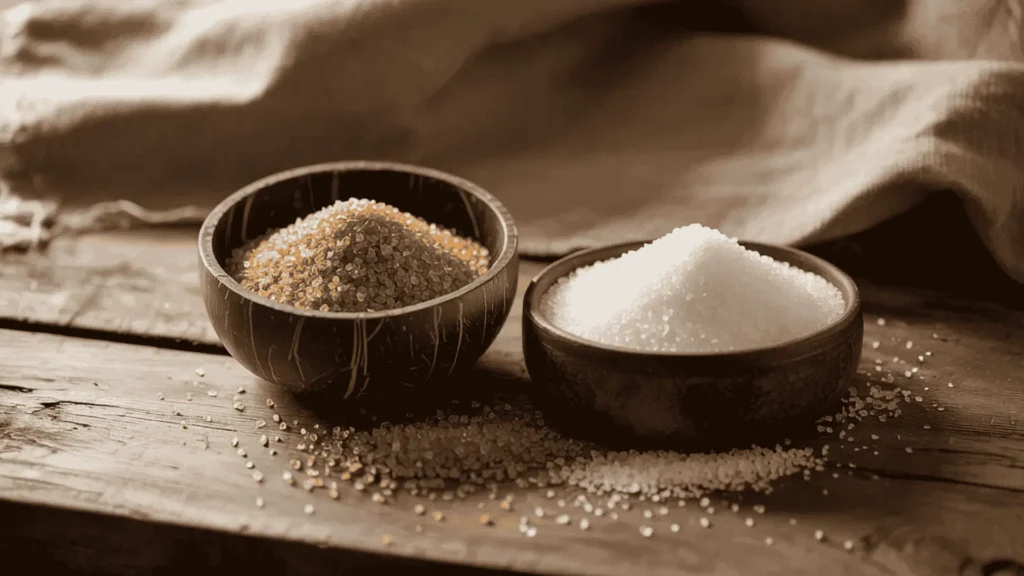
The simplicity of coconut sugar production stands in sharp contrast to how white (cane) sugar is made.
Cane sugar production involves crushing sugarcane stalks, extracting juice, boiling at much higher temperatures, and then chemically refining the result — bleaching, filtering, and processing — to strip away color, minerals, and molasses until only pure white sucrose crystals remain.
Coconut sugar, by comparison, requires only enough heat to evaporate water from the sap and trigger crystallization — no chemical refining, bleaching, or filtering agents are involved.
This is the primary reason coconut sugar retains its light brown color, subtle mineral content, and is generally considered a less processed sweetener.
→ See our full comparison of coconut sugar vs white sugar for the complete breakdown.
→ For the cultural and historical context of coconut sugar across Southeast Asia, see: The History of Coconut Brown Sugar and Its Cultural Importance →
Modern Innovations in Coconut Sugar Production

While the traditional process remains largely unchanged at the smallholder level, larger commercial producers have introduced technology to improve consistency, efficiency, and sustainability:
Improved Sap Collection
Some operations now use vacuum-assisted collection systems and sealed, sterile containers instead of open bamboo containers — reducing contamination risk and improving sap freshness before processing begins.
Energy-Efficient Evaporation
Vacuum evaporators and solar-assisted drying systems are replacing traditional open-pan boiling in some facilities, reducing fuel consumption and providing more consistent syrup quality through controlled, repeatable conditions.
Quality Control and Traceability
Standardized lab testing now allows producers to monitor Brix levels (sugar concentration), moisture content, and microbial load throughout production — ensuring consistency across batches.
Some larger operations have also adopted blockchain-based traceability systems, allowing buyers to verify a product's journey from farm to final packaging.
For the full environmental and social sustainability picture, see: The Sustainability of Coconut Sugar Production →
What Does It Cost to Set Up a Coconut Sugar Manufacturing Plant?

The cost of setting up coconut sugar production varies enormously depending on scale, location, and level of automation:
- Smallholder/traditional operation: Minimal capital required — primarily tools for tapping, bamboo or plastic collection containers, and a basic boiling setup. This is how the vast majority of coconut sugar is produced today, typically by individual farming families.
- Small commercial facility: Requires investment in centralized boiling equipment, basic quality testing tools, and packaging machinery. Costs vary significantly by country and supplier.
- Industrial-scale facility: Requires significant capital investment in vacuum evaporators, automated crystallization systems, quality control labs, and certification compliance (food safety, organic, export standards) — typically only viable for established exporters serving international markets.
For most businesses exploring the coconut sugar industry, partnering with an established producer or exporter is significantly more practical than building production capacity from scratch — particularly when navigating food safety certifications and export compliance for international markets.
→ Learn more about our coconut sugar production capacity and export services
The Bottom Line
Making coconut sugar is a remarkably simple process at its core: tap the sap, boil it down, let it crystallize.
What varies between producers is the scale, consistency, and technology applied around those two fundamental steps — from smallholder farmers using bamboo containers and open pans, to industrial facilities using vacuum evaporators and blockchain traceability.
Regardless of scale, the absence of chemical refining is what keeps coconut sugar minimally processed compared to white sugar — and it's also why quality can vary significantly between suppliers, making sourcing from a certified, quality-controlled producer an important consideration for buyers.
→ Explore our certified organic coconut sugar, produced and exported from Indonesia
Frequently Asked Questions
How is coconut sugar made?
Coconut sugar is made in two main steps: first, sap is tapped from the flower bud of the coconut palm tree; second, that sap is boiled down until the water evaporates and the syrup crystallizes into granulated sugar. No chemical refining is involved.
What part of the coconut tree is used to make coconut sugar?
Coconut sugar comes from the sap of the coconut palm's flower bud stem (spadix) — not from the coconut fruit itself. Farmers make a cut in the unopened flower bud to collect the dripping sap.
How long does it take to make coconut sugar?
From fresh sap to finished sugar, the boiling and crystallization process typically takes several hours per batch. However, sap must be collected and processed the same day to prevent fermentation, so the full cycle from tapping to packaged sugar generally spans one to two days.
What is coconut sap called?
Coconut sap has different local names depending on the region: nira (Indonesia), tinamís (Philippines), toddy (Sri Lanka), and namwan maphrao (Thailand). It is roughly 80% water before processing.
Why does coconut sap need to be processed quickly?
Fresh coconut sap contains natural sugars that wild yeasts begin fermenting within hours of collection. If not boiled down promptly, the sap can ferment into a sour, alcoholic liquid instead of becoming sugar.
How is coconut sugar production different from cane sugar production?
Coconut sugar requires only enough heat to evaporate water from the sap until it crystallizes — no chemical refining is involved. Cane sugar production, by contrast, involves crushing sugarcane, boiling at higher temperatures, and extensive chemical refining (bleaching and filtering) to produce white sugar.
How much does it cost to start a coconut sugar manufacturing plant?
Costs vary widely: traditional smallholder production requires minimal capital (basic tapping tools and boiling equipment), while industrial-scale facilities with automated evaporators, quality labs, and export certifications require substantial investment. Most businesses find it more practical to partner with an established exporter rather than build production capacity from scratch.