In the quest for healthier and more sustainable sweeteners, coconut nectar has emerged as a popular alternative to refined sugars and syrups. Derived from the sap of coconut palm blossoms, this golden syrup has a rich, mellow flavor and a lower glycemic index, making it an attractive choice for health-conscious bakers. As interest in natural ingredients grows, so does the use of coconut nectar in home and professional baking. But substituting it for traditional sweeteners comes with nuances. This article explores how to use coconut nectar effectively in baking and offers practical tips for achieving perfect results every time.
What Is Coconut Nectar?
Coconut nectar is a natural liquid sweetener tapped from the sap of coconut palm flowers. It is then gently heated to thicken it into a syrup, similar in consistency to honey or maple syrup. Unlike coconut sugar, which is the crystallized form of the same sap, coconut nectar retains more moisture and trace nutrients due to minimal processing.
Nutritional Profile:
- Lower Glycemic Index (GI) than refined sugar
- Contains small amounts of vitamins C and B, amino acids, and minerals like potassium, iron, zinc, and magnesium
- Unrefined and free from artificial additives or preservatives
- Suitable for vegan, gluten-free, and paleo diets
Why Use Coconut Nectar in Baking?

Coconut nectar’s unique combination of sweetness, depth of flavor, and health benefits makes it a desirable addition to baked goods. Here’s why it’s worth trying:
1. Natural Sweetness
Coconut nectar offers a mildly sweet, slightly tangy taste with a hint of caramel. It complements a variety of recipes—from cakes and muffins to cookies and granola.
2. Moisture Retention
Its liquid nature helps retain moisture in baked items, which is especially useful in recipes that tend to dry out, like bran muffins or gluten-free baked goods.
3. Healthier Alternative
Because of its low GI and trace nutrients, it’s often preferred by people managing blood sugar levels or reducing their intake of refined sugars.
4. Allergen-Friendly
Free from dairy, gluten, and soy, coconut nectar suits many dietary needs, making it ideal for allergy-conscious recipes.
Tips for Baking with Coconut Nectar

While coconut nectar is versatile, it doesn’t behave exactly like white sugar, brown sugar, or honey. Understanding its characteristics helps ensure success in your baked creations.
1. Adjust the Liquid Content
Coconut nectar is a liquid sweetener, so it adds moisture to your recipe. When replacing granulated sugar, you’ll need to reduce other liquid ingredients (milk, water, oil) by about 2 to 4 tablespoons per cup of coconut nectar used.
2. Modify the Sweetener Ratio
Coconut nectar is less sweet than white sugar. To match sweetness, use 1 ¼ cups of coconut nectar for every 1 cup of sugar. However, for mildly sweet bakes, a 1:1 ratio might suffice.
3. Temperature and Baking Time
Coconut nectar caramelizes faster than refined sugars due to its natural sugars and moisture. To prevent burning:
- Lower oven temperature by 25°F (about 15°C)
- Check for doneness 5–10 minutes earlier than the original recipe suggests
4. Flavor Compatibility
Coconut nectar’s flavor pairs especially well with warm, earthy, and spiced baked goods, such as:
- Banana bread
- Ginger cookies
- Pumpkin muffins
- Chocolate cakes
Avoid recipes where a very neutral flavor is needed, unless you want a subtle caramel undertone.
5. Use with Baking Soda
Coconut nectar is slightly acidic. When using it in place of sugar, pair it with baking soda (rather than baking powder) for better leavening and balanced pH in the batter.
6. Storage and Shelf Life
Store coconut nectar in a cool, dry place in an airtight container. It can crystallize or thicken over time—just warm gently before using.
Substitution Guide
Here’s a quick cheat sheet for swapping coconut nectar into common baking sweeteners:
| Original Sweetener | Coconut Nectar Substitute | Notes |
|---|---|---|
| White Sugar | 1 cup → 1¼ cup nectar | Reduce liquid in recipe |
| Brown Sugar | 1 cup → 1 cup nectar | Slightly less molasses flavor |
| Honey | 1 cup → 1 cup nectar | Similar texture and sweetness |
| Maple Syrup | 1 cup → 1 cup nectar | Slightly thicker and richer |
Popular Recipes Using Coconut Nectar
If you're not sure where to start, here are a few simple and delicious baked goods that work beautifully with coconut nectar:
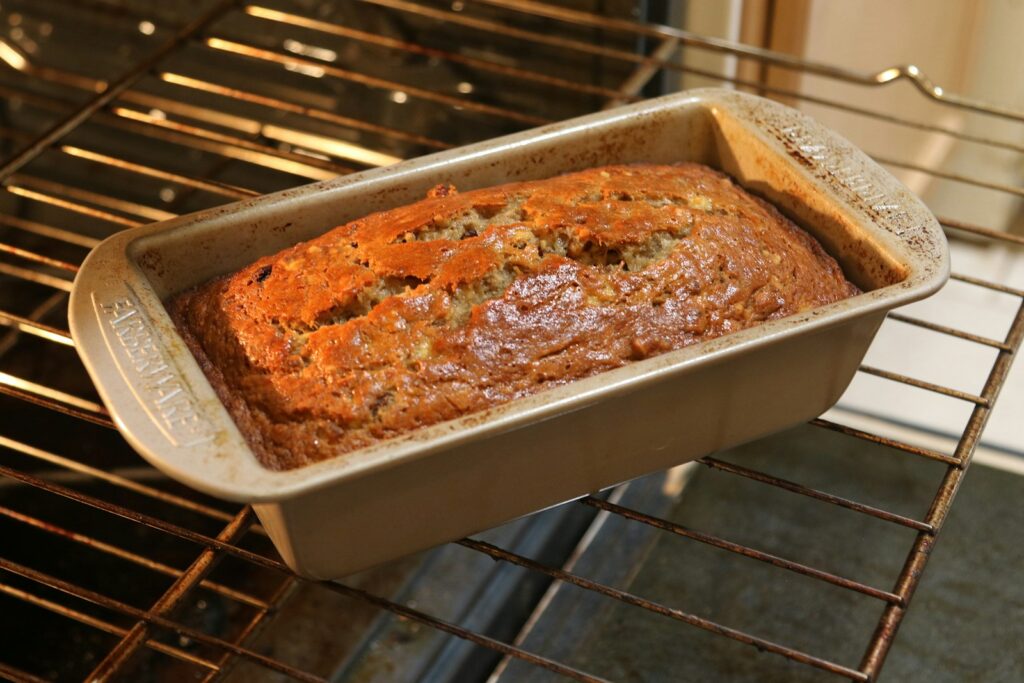
1. Coconut Nectar Banana Bread
A moist, naturally sweet loaf made with ripe bananas, whole wheat flour, coconut nectar, and walnuts. The nectar enhances the banana’s sweetness without overwhelming it.
2. Vegan Chocolate Muffins
Using coconut nectar, almond milk, and cocoa powder, these muffins are rich yet refined-sugar-free. Add espresso powder for depth and coconut oil for moist texture.
3. Coconut Nectar Oat Cookies
Rolled oats, raisins, cinnamon, and coconut nectar come together in a chewy cookie perfect for breakfast or a healthy snack. Try adding flaxseed or chia for extra nutrition.
4. Gluten-Free Almond Cake
Almond flour and coconut nectar create a soft, nutty cake with a delicate sweetness. A great choice for Passover or grain-free diets.
Troubleshooting Tips
Even experienced bakers might hit a few snags when working with coconut nectar. Here are solutions to common issues:
Problem: Too Dense
Coconut nectar may weigh down light batters. Sift your dry ingredients, use the correct leavening agent (baking soda), and don’t overmix.
Problem: Too Sticky
Because it adds moisture, some baked goods may be overly soft or sticky. Use parchment paper, allow baked items to cool completely before slicing, or consider baking a few extra minutes.
Problem: Burnt Top
Reduce oven temperature and place your baked goods on a middle rack. Tent with foil halfway through if browning too fast.
Conclusion
Baking with coconut nectar is both an art and a science. While it may require a bit of experimentation, the health benefits and unique flavor make it a worthy addition to any baker’s pantry. By understanding its properties and adjusting your recipes accordingly, you can create delicious, naturally sweet treats that are wholesome and satisfying.
Whether you're baking for health, dietary restrictions, or just to explore new flavors, coconut nectar provides a clean, unrefined sweetness that nourishes both the body and the palate. Try it in your next batch of muffins or cookies—and taste the difference nature makes.