
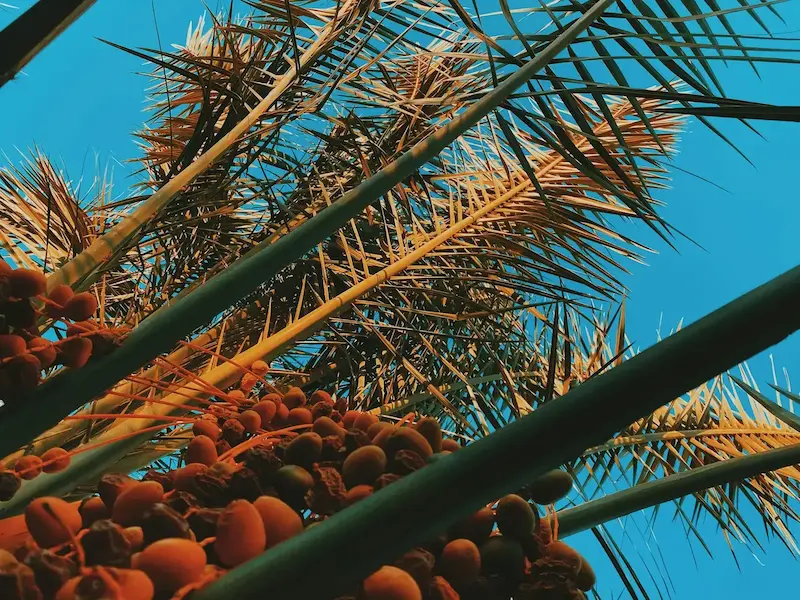
Walk into any health food store and you'll see bags labeled "coconut sugar," "coconut palm sugar," and "palm sugar" sitting right next to each other. They look nearly identical. The price is similar. So are they the same thing — or are you actually choosing between two different sweeteners?
The short answer: coconut sugar and palm sugar are NOT the same, even though they're closely related. "Coconut palm sugar" is just another name for coconut sugar — but plain "palm sugar" can come from a completely different tree. This distinction matters for flavor, nutrition, cooking results, and sustainability.
In this guide, we break down every meaningful difference between the two — including glycemic index, taste, substitution rules, and which one belongs in your kitchen.
| Feature | Coconut Sugar | Palm Sugar |
| Source tree | Coconut palm only (Cocos nucifera) | Multiple palms: arenga, date, nipa, palmyra |
| Also called | Coconut palm sugar, coconut blossom sugar | Jaggery, gula merah, gula aren, arenga sugar |
| Flavor | Mild caramel, butterscotch | Richer, smokier, earthy undertones |
| Color | Light to medium brown | Medium to dark brown, sometimes near-black |
| Form | Granulated (like brown sugar) | Blocks, discs, or paste; granulated versions exist |
| Glycemic Index | 35–54 (lower) | Varies by species; generally 35–55 |
| Inulin content | Yes — slows glucose absorption | Generally absent or trace amounts |
| Best use | Baking, coffee, Western recipes | Southeast Asian curries, sauces, desserts |
| 1:1 substitute? | Yes, for white/brown sugar | Yes, with flavor adjustment |
What Is Coconut Sugar?
Coconut sugar — also called coconut palm sugar or coconut blossom sugar — is made from the sap collected from the flower bud stems of the coconut palm tree (Cocos nucifera).
Farmers make a cut on the flower's spadix, collect the liquid sap into bamboo containers, then boil the sap down until it thickens and crystallizes into golden-brown granules.
The result is a fine-to-coarse granulated sugar that looks and behaves much like brown sugar, but with a distinct mild caramel and butterscotch flavor.
Because it undergoes minimal processing, coconut sugar retains small amounts of trace minerals including potassium, iron, zinc, and calcium, as well as a fiber called inulin.
What Is Inulin, and Why Does It Matter?
Inulin is a soluble fiber naturally present in coconut sugar. Unlike regular carbohydrates that are quickly absorbed, inulin slows down glucose absorption in the gut.
This is one of the main reasons coconut sugar has a lower glycemic index compared to plain white sugar — not just because of the sugar type, but because of this fiber content.
That said, the amount of inulin per teaspoon is small, so coconut sugar shouldn't be treated as a health food. It's still sugar — just a slightly more complex one.
Read more coconut sugar glycemic index guide for the full breakdown of GI numbers and what they mean for daily consumption.
What Is Palm Sugar?
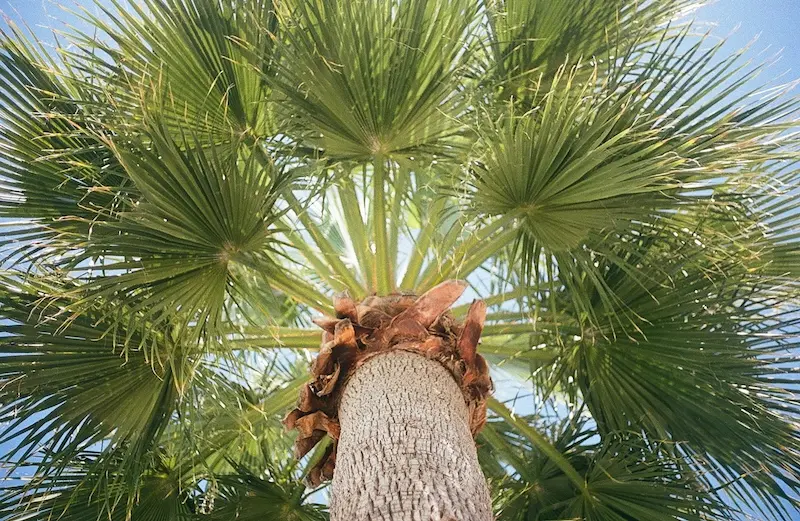
"Palm sugar" is a broader category of sweetener made from the sap of various palm tree species, not exclusively the coconut palm. Depending on the region and producer, it can come from:
- Arenga palm (Arenga pinnata) — known as gula aren in Indonesia, produces a dark, intensely flavored sugar
- Nipa palm (Nypa fruticans) — common in the Philippines and coastal Southeast Asia
- Palmyra palm (Borassus flabellifer) — popular in South Asia and Thailand
- Date palm (Phoenix dactylifera) — used in the Middle East and North Africa
The production process is similar: tap the tree for sap, boil it down, and solidify it.
However, the different tree species create significantly different flavor profiles. Palm sugar made from arenga has a richer, smokier, more complex taste compared to the mild caramel of coconut sugar.
Traditionally, palm sugar is sold in solid rounds, blocks, discs, or cones — a form sometimes called jaggery. You may also see it labeled as gula merah (Indonesian) or nam taan peep (Thai). Granulated versions are now widely available.
Is Coconut Palm Sugar the Same as Coconut Sugar?
Yes — coconut palm sugar and coconut sugar are exactly the same product. The terms are used interchangeably in the market. Both refer to sugar made from the sap of the coconut palm (Cocos nucifera) flower.
The confusion arises from labeling inconsistencies: some brands say "coconut sugar," others say "coconut palm sugar," and a few use "coconut blossom sugar." Despite the different names on the package, if the source is the coconut palm, it's the same sugar.
However, if a product is simply labeled "palm sugar" without the word "coconut" — that's a different product. It likely comes from arenga palm, date palm, or another species, and will have a different flavor, color, and texture.
Quick rule: "Coconut sugar" = "Coconut palm sugar" (same thing). "Palm sugar" alone = different product, different source tree.
Palm Sugar vs Coconut Sugar: 7 Key Differences
Although they are often confused or even used interchangeably in recipes, coconut sugar and palm sugar have distinct characteristics.
1. Source Tree
The most fundamental difference is the tree source. Coconut sugar always and only comes from the coconut palm (Cocos nucifera). Palm sugar can come from arenga, date, nipa, or palmyra palms. This determines everything else: flavor, color, texture, and nutritional profile.
2. Flavor Profile
- Coconut sugar: mild sweetness with caramel and butterscotch notes. Subtle enough not to overpower baked goods or beverages.
- Palm sugar (arenga): richer, smokier, earthier. A complex sweetness that adds depth to savory-sweet Southeast Asian dishes.
- Palm sugar (palmyra): lighter flavor, slightly floral, less intense than arenga.
In Thai cooking, hot-thai-kitchen.com notes that while the two sugars taste very similar when used in dishes, a direct side-by-side tasting reveals subtle differences. For most recipes, they are interchangeable — but in delicate preparations, coconut sugar's milder profile wins.
3. Color and Appearance
Coconut sugar is light to medium brown, similar to raw cane sugar. Arenga palm sugar is much darker — ranging from deep brown to nearly black. This affects the final color of your dishes: using palm sugar in a light-colored cake batter will produce a noticeably darker result than coconut sugar.
4. Physical Form
Coconut sugar is almost always sold as free-flowing granules, similar to brown sugar. It dissolves readily in liquids and measures the same as white or brown sugar in recipes.
Traditional palm sugar comes in solid blocks, discs, cones, or paste. You may need to grate, chop, or melt it before use. Granulated palm sugar is becoming more common, but it may dissolve slightly differently than coconut sugar due to different moisture content.
5. Glycemic Index (GI)
| Sweetener | Glycemic Index (GI) | Notes |
| Coconut sugar | 35–54 | Contains inulin which slows glucose absorption |
| Palm sugar (arenga) | 35–45 | Varies by processing and species |
| Brown sugar | ~64 | More refined, no inulin |
| White sugar (sucrose) | 58–65 | Most refined, rapid glucose spike |
| Honey | 45–64 | High in fructose |
| Maple syrup | 54 | Similar to coconut sugar |
Both coconut sugar and palm sugar have a lower GI than refined white sugar, which is why they're often marketed as healthier alternatives. The inulin content in coconut sugar may give it a slight edge, though the difference in real-world blood sugar impact is modest.
Important: GI values can vary significantly depending on the specific product, processing method, and how it's consumed. Always consult a healthcare provider if you're managing blood sugar conditions.
→ See our full guide to coconut sugar glycemic index for how coconut sugar compares to 10+ common sweeteners.
6. Inulin and Fiber Content
Coconut sugar naturally contains inulin, a prebiotic soluble fiber that feeds beneficial gut bacteria and slows glucose absorption. This is one key reason its GI is lower and more consistent than many other sugars.
Most palm sugars — especially those from arenga or palmyra — do not contain significant inulin. This makes coconut sugar the preferred option for people who are mindful of blood sugar management.
7. Sustainability and Environmental Impact
Coconut palms are highly productive trees. According to the Food and Agriculture Organization (FAO), coconut palm sugar crops produce 50–75% more sugar per acre than cane sugar, using significantly less water and nutrients.
A single coconut tree produces sap continuously for decades while still yielding coconuts, making coconut sugar one of the most sustainable natural sweeteners available.
Palm sugar sustainability varies widely by species. Arenga and nipa palms are generally sustainable and do not require deforestation. Date palms are also low-impact. The controversy around "palm" products usually relates to oil palm (Elaeis guineensis), which is unrelated to sugar production.
Related Read: how coconut sugar is made and sourced at our farms
| At Global Coco Sugar, sustainability is embedded in our supply chain. Our coconut palms are integrated into local agroforestry systems that support biodiversity and provide a stable, long-term livelihood for Indonesian farmers without causing deforestation. This corporate responsibility aligns with the strict sustainability standards required by European and North American buyers. |
Can You Substitute Palm Sugar for Coconut Sugar (and Vice Versa)?
In most recipes, yes — coconut sugar and palm sugar can substitute for each other 1:1 by volume. But there are important nuances:
| Use Case | Recommendation | Notes |
| Baking (cakes, cookies, muffins) | Use coconut sugar for lighter results. Palm sugar (especially arenga) will make baked goods darker and add a stronger flavor. Ratio: 1:1, but expect a color difference. | 1:1 |
| Beverages (coffee, tea, smoothies) | Coconut sugar dissolves faster and has a more neutral sweetness. Palm sugar blocks need to be dissolved first. Ratio: 1:1 once dissolved. | 1:1 |
| Southeast Asian cooking (curries, sauces) | Palm sugar (arenga) is traditional and preferable for authentic flavor. Coconut sugar works as a substitute but the dish will taste slightly different. Ratio: 1:1. | 1:1 |
| Desserts (ice cream, pudding) | Coconut sugar works seamlessly. Palm sugar adds complexity — use it if you want a deeper, more caramel-like result. Ratio: 1:1. | 1:1 |
| Raw/no-bake recipes | Both work well. Coconut sugar has a more consistent granule size, making it easier to measure. Ratio: 1:1. | 1:1 |
One practical tip: if you're substituting palm sugar (block form) for granulated coconut sugar, melt or dissolve the palm sugar first in a small amount of warm water, then measure by weight rather than volume for accurate results.
→ Looking for the right product? See our guide to the best coconut sugar brands and how to choose quality coconut sugar.
Palm Sugar vs Coconut Sugar for Health: Which Is Better?
Both palm sugar and coconut sugar are marketed as healthier alternatives to white sugar. Here's what the evidence actually says:
For People with Diabetes
The lower glycemic index of both sugars means they may cause a slower rise in blood glucose compared to white sugar. The inulin in coconut sugar provides an additional buffer.
However, both still contain roughly the same number of carbohydrates and calories as white sugar (about 15 calories and 4g carbs per teaspoon).
The consensus among dietitians: coconut sugar and palm sugar are not "diabetic-friendly" sugars in the way that artificial sweeteners or stevia are.
They are marginally better than white sugar, but should still be used in strict moderation. Always consult your healthcare provider before changing your diet if you have diabetes.
Related Read: coconut sugar and blood sugar: a full guide
Mineral Content
Both sugars contain trace amounts of potassium, iron, zinc, calcium, and magnesium — minerals largely absent in refined white sugar. However, the amounts per serving are very small.
You would need to consume a large, unhealthy quantity of sugar to obtain meaningful mineral benefits. Don't choose coconut or palm sugar primarily as a mineral source.
For Weight Management
Neither coconut sugar nor palm sugar is a low-calorie sweetener. Both contain approximately 45–50 calories per tablespoon — almost identical to white sugar.
If weight loss is the goal, reducing total sugar intake is more effective than switching sugar types. That said, the stronger flavor of palm sugar may mean you use less of it, which can help reduce total intake.
| Are you an F&B manufacturer, distributor, or cosmetics brand looking for a reliable wholesale partner? Global Coco Sugar is a leading certified organic coconut sugar manufacturer and exporter from Indonesia. We provide premium-grade coconut sugar tailored for industrial needs, backed by international certifications (USDA Organic, EU Organic, Halal, Kosher). Contact Our Export Team >>> View Our Certified Coconut Product Range >>> |
Culinary Uses: When to Use Each One
Coconut Sugar in the Kitchen
Coconut sugar's mild flavor and granulated form make it the most versatile of the two. It substitutes 1:1 for white or brown sugar in virtually every recipe. Use it in:
- Baking: cookies, muffins, banana bread, granola bars — adds a subtle caramel depth without changing the recipe
- Beverages: coffee, matcha latte, chai tea — dissolves quickly, less overpowering than brown sugar
- Sauces and marinades: teriyaki, BBQ sauce, salad dressings
- Breakfast: oatmeal, smoothies, yogurt toppings
- Chocolate making: pairs beautifully with dark chocolate (GI-conscious confectionery)
See our product page → using coconut sugar in everyday recipes
Palm Sugar in the Kitchen
Palm sugar — particularly arenga — is deeply embedded in Southeast Asian cooking. Its complex, smoky sweetness elevates dishes where a simple sweet note isn't enough. Use it in:
- Thai cooking: pad thai, green and red curries, nam prik dipping sauces
- Indonesian dishes: rendang, kecap manis (sweet soy sauce), serundeng, onde-onde
- Filipino desserts: kakanin (sticky rice cakes), sago at gulaman, bibingka
- Vietnamese cuisine: caramelized pork (thit kho), iced coffee (ca phe sua da)
- Indian and Sri Lankan cooking: payasam (rice pudding), tamarind chutneys
For block-form palm sugar, the standard technique is to shave or grate the block or melt it in a small amount of warm water before adding to the dish. This ensures even distribution and prevents clumping.
What Coconut Sugar and Palm Sugar Have in Common
Despite their differences, these two natural sweeteners share several important characteristics:
- Both are derived from palm trees through traditional sap-tapping methods
- Both are minimally processed compared to refined white or brown sugar
- Both have a lower glycemic index than sucrose or corn syrup
- Both contain trace minerals absent in refined sugar
- Both offer a rich caramel-adjacent flavor that enhances sweet and savory dishes
- Both are widely used as natural, clean-label ingredients in the health food industry
- Both can be sustainable when sourced from responsible producers
Which Should You Choose? A Simple Decision Guide
Use this quick guide to choose the right sweetener for your situation:
| Situation | Best Choice |
| You need a direct 1:1 sugar substitute for baking | → Coconut sugar |
| You want a mild flavor that won't change your recipe | → Coconut sugar |
| You're cooking Thai, Indonesian, or Filipino dishes | → Palm sugar (arenga preferred) |
| You want the lowest GI option | → Coconut sugar (inulin content) |
| You prefer a deeper, more complex sweetness | → Palm sugar |
| You need granulated form for easy measuring | → Coconut sugar |
| You're buying for health food or organic product formulation | → Certified organic coconut sugar |
| You're managing blood sugar | → Both with caution; coconut sugar slightly preferable |
Conclusion
Palm sugar and coconut sugar are related but distinct sweeteners. The key takeaway: "coconut palm sugar" = "coconut sugar" (same thing), but plain "palm sugar" is different — it comes from other palm species and has a richer, smokier flavor.
Coconut sugar wins for versatility, consistency, and a slight edge in GI management (thanks to inulin). Palm sugar wins for authentic Southeast Asian flavors and complexity in savory-sweet cooking.
For most everyday baking and cooking in a Western kitchen, coconut sugar is the more practical choice. For traditional Asian recipes, palm sugar is the way to go.
Both are real improvements over refined white sugar — but both are still sugars. Use mindfully, and you'll get the best of what they offer.
Looking for certified organic coconut sugar in bulk for food manufacturing or retail? Contact our export team now to discuss your specifications!


