Yes. Pure coconut sugar is naturally gluten-free because it is made from the sap of coconut palm blossoms, not from wheat, barley, or rye.
But “naturally gluten-free” describes the ingredient itself; it does not automatically confirm the gluten status of every packaged product.
For anyone following a strict gluten-free diet, the product label, manufacturing controls, and any relevant verification still matter.
Here is how to understand the difference and what to check before buying or sourcing coconut sugar.
Why Is Coconut Sugar Naturally Gluten-Free?
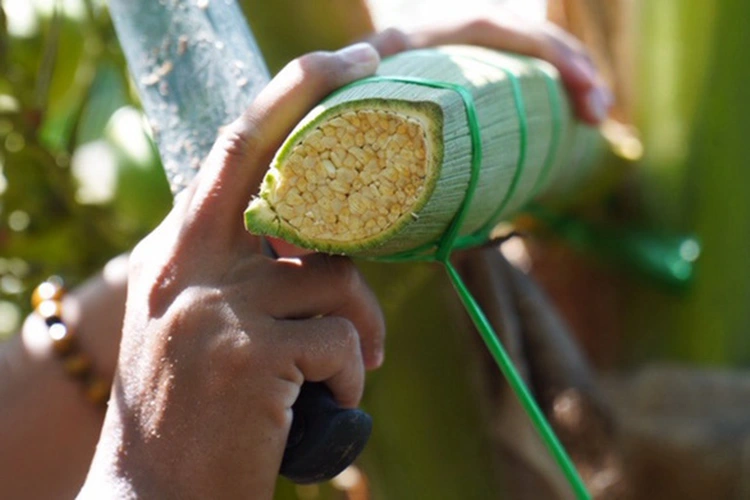
Coconut sugar begins as sap collected from the flower stalks of coconut palms. Producers heat the sap to remove water until it becomes a concentrated syrup and then granules.
Pure coconut sugar does not require wheat flour, barley malt, or rye in its ingredient formulation.
Gluten is a group of proteins naturally present in wheat, barley, rye, and related grains. Since coconut palm sap is not a grain, coconut sugar itself is not a natural source of gluten.
However, check the actual ingredient declaration if a retail product is blended, flavored, or otherwise formulated with additional ingredients.
Can Coconut Sugar Contain Gluten Through Cross-Contact?
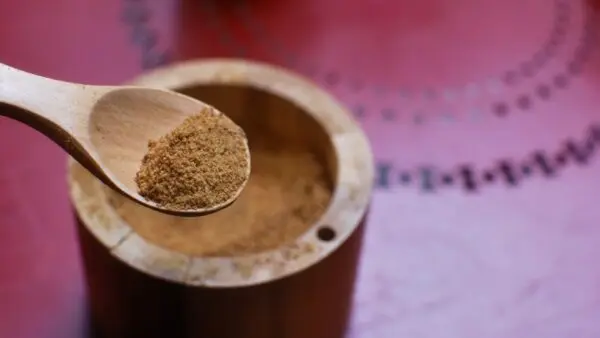
Potential gluten exposure can happen after a naturally gluten-free ingredient has been harvested.
For example, a processor might handle coconut sugar and gluten-containing ingredients on shared equipment, or products might be exposed during storage, transfer, or packaging if controls are inadequate.
This is called cross-contact. The Gluten Intolerance Group explains how gluten cross-contact can occur during food processing, including through equipment used for both gluten-containing and gluten-free foods.
That does not mean coconut sugar is routinely contaminated, nor that every shared facility is unsafe.
The relevant questions are whether gluten-containing materials are present, what preventive procedures are used, and whether the finished product meets the standard required by the intended market and buyer.
Naturally Gluten-Free vs. Certified Gluten-Free Coconut Sugar
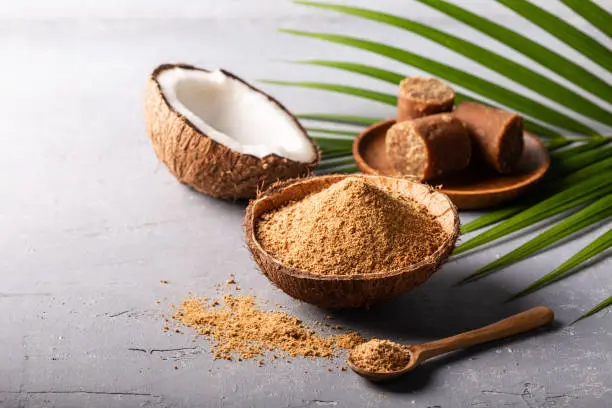
Naturally Gluten-Free Ingredient
This describes what the ingredient is made from. Pure coconut sugar has no inherent gluten source, but that fact alone does not verify how a particular packaged lot was handled.
Gluten-Free Labeled Product
In the United States, foods voluntarily labeled “gluten-free” must meet the FDA gluten-free labeling requirements, including less than 20 parts per million (ppm) of gluten under the rule.
A label claim is the manufacturer’s responsibility; third-party certification is not mandatory under FDA rules.
Third-Party Certified Gluten-Free Product
Certification is an additional assessment offered by independent programs. It may include audits, testing, and requirements that vary by scheme.
Do not confuse a USDA Organic, EU Organic, Halal, or food safety certificate with a specific gluten-free certification; these verify different standards.
How to Check Whether Coconut Sugar Is Gluten-Free
Check the Ingredients and Product Label
Look for a clear ingredient declaration and any gluten-free statement. A product labeled only “organic” or “wheat-free” has not necessarily provided the same information as one labeled gluten-free. For shoppers in the US, the FDA definition provides a useful starting point.
Look for Relevant Verification
If you need extra assurance, check whether the manufacturer offers a valid gluten-free certification, a product-specific gluten statement, or applicable testing information.
Confirm that any document covers the coconut sugar product and production facility in question, not an unrelated product line.
Ask the Manufacturer When Information Is Unclear
Ask whether gluten-containing ingredients are handled on the same line, how cross-contact is controlled, and whether evidence is available for the product or lot you intend to use.
This is especially important if the end user follows a medically required gluten-free diet.
Can People with Celiac Disease Use Coconut Sugar?
Pure coconut sugar does not naturally contain gluten. Nevertheless, people with celiac disease need to avoid gluten exposure from finished foods and ingredients, including possible cross-contact.
The Celiac Disease Foundation’s guidance on reading gluten-free food labels explains why checking both the gluten-free claim and the ingredient list matters.
For a specific coconut sugar brand, rely on trustworthy product information rather than assuming all brands have identical processing controls.
People managing celiac disease can also follow advice from their healthcare professional or registered dietitian when product information is uncertain.
What Should Food Manufacturers Verify When Sourcing Gluten-Free Coconut Sugar?
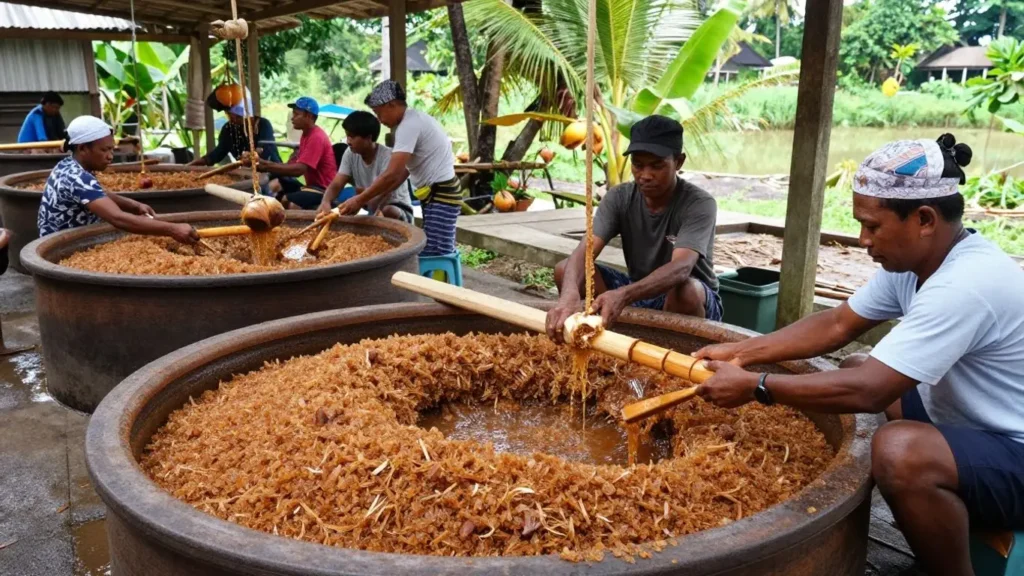
For importers, food manufacturers, private-label brands, and procurement teams, ingredient suitability needs to be documented against the specifications and labeling rules of the destination market.
Before approving a coconut sugar supplier for a gluten-free product, request information such as:
- An up-to-date product specification and full ingredient declaration.
- A product-specific gluten or allergen statement, with the scope made clear.
- Cross-contact controls covering production, handling, and packaging.
- Gluten test results, if required by the buyer or market, with the method and lot identified.
- Relevant certifications and traceability records, where available.
A coconut sugar Certificate of Analysis (COA) can support batch-level quality review, but a routine COA does not prove gluten-free status unless it actually includes a relevant gluten result.
For broader document review, see Global Coco Sugar’s certification and quality guidance.
Document availability and a gluten-free claim should always be confirmed for the particular product and shipment. Do not assume organic or food safety certification automatically verifies gluten levels.
Explore Organic Coconut Sugar from Indonesia
Global Coco Sugar supplies organic coconut sugar from Indonesia for food manufacturers, importers, and distributors.
If your product requires documented gluten-free suitability, please contact the Global Coco Sugar export team to discuss your specifications and request confirmation of the documentation available for the product and lot you plan to source.
Frequently Asked Questions
Is organic coconut sugar automatically gluten-free?
Pure coconut sugar is naturally gluten-free, but organic certification evaluates organic production requirements—not gluten cross-contact or gluten-free labeling compliance. Check product-specific information.
Does coconut sugar contain wheat, barley, or rye?
Not when it is pure coconut sugar made only from coconut palm sap. For packaged blends or products with extra ingredients, read the full ingredient list.
Can coconut sugar be used for gluten-free baking?
Yes, if the particular coconut sugar is suitable for the intended gluten-free diet and all the other ingredients are also appropriate. Gluten-free flour and handling practices matter just as much.
Does gluten-free coconut sugar contain less sugar?
No. Gluten-free describes the absence of gluten, not a reduction in sugar or calories. Coconut sugar still functions as a caloric sweetener and should be used accordingly.